



Lempuyang Gate of Heaven & Tirta Gangga Royal Water Palace Day Tour
Comprehensive day journey across Karangasem's royal water architecture, iconic highland temple gates overlooking Mount Agung, and sunbeam-lit canyon waterfalls.
Essential Activity Facts & Specs
Why This Experience Matters
# The Definitive Cultural Expedition: Pura Lempuyang, Tirta Gangga Royal Water Palace & East Bali Volcanic Heritage
East Bali represents the profound ancestral, spiritual, and artistic heartland of the island of Bali. While the bustling southwestern resort strips of Seminyak, Canggu, and Kuta capture international attention for modern beach clubs and surf breaks, the eastern regency of Karangasem remains anchored to ancient royal lineages, monumental volcanic topography, and centuries of hydraulic architecture. This comprehensive cultural travel guide unpacks one of Bali's most iconic overland routes: the journey to Pura Penataran Agung Lempuyang—widely celebrated worldwide as the "Gate of Heaven"—combined with the aquatic pleasure gardens of Tirta Gangga and the subterranean cavern cascades of Tukad Cepung.
Designed for cultural travelers, photographers, and independent adventurers seeking meaningful regional context rather than hurried tourist checklists, this dossier provides exhaustive insight into local history, geological formations, architectural symbolism, respectful temple etiquette, seasonal travel timing, and road logistics across the slopes of Mount Agung.
---
## 1. Geographic Setting & Geological Foundations of Karangasem
The regency of Karangasem occupies the easternmost extremity of Bali, bordered to the north by the deep waters of the Bali Sea, to the east and south by the Lombok Strait, and to the west by the regencies of Klungkung, Bangli, and Buleleng. Dominated by the towering stratovolcano of Mount Agung (Gunung Agung)—standing at 3,031 meters above sea level as the highest peak on the island—the terrain transitions rapidly from rugged volcanic ridges and cloud-covered slopes to arid coastal plains and fertile river valleys.
The geology of East Bali is intimately sculpted by volcanic activity. Pura Lempuyang crowns the peak of Mount Lempuyang (Gamongan Hill) at the eastern edge of the caldera rim. The mountain forms an ancient volcanic complex older than Mount Agung itself. The soils of Karangasem are enriched by mineral-rich volcanic ash deposits from historic eruptions of Mount Agung, most notably the cataclysmic event of 1963 and subsequent activity in 2017–2019. These porous basaltic soils create dramatic hydrological patterns: water is swiftly absorbed in the high mountain catchment zones and re-emerges downstream as vigorous freshwater artisan springs, feeding royal water palaces such as Tirta Gangga and Taman Ujung before emptying into the sea.
Travelers undertaking this route traverse several distinct microclimates in a single day. Departing the humid coastal lowlands, the road winds through lush tropical foothill belts where terraced rice fields give way to salak (snake fruit) plantations, clove groves, and bamboo forests. As the vehicle ascends the slopes of Mount Lempuyang, temperatures drop significantly, often hovering between 18°C and 24°C, accompanied by drifting mountain mist and panoramic vantage points over the sapphire expanse of the Lombok Strait.
---
## 2. Spiritual Philosophy & Royal Heritage of the Karangasem Dynasty
To comprehend the significance of the monuments encountered along this route, one must understand the intertwining of Balinese Hindu cosmology (*Agama Hindu Dharma*) and the sovereign legacy of the Kingdom of Karangasem (*Kerajaan Karangasem*).
### The Sacred Directional Sanctuaries: Sad Kahyangan Jagat In Balinese cosmogony, the universe is maintained through dynamic equilibrium between opposing spiritual forces—a principle known as *Rwa Bhineda*. To protect the island from spiritual disruption and cosmic disharmony, six supreme sanctuaries known as the *Sad Kahyangan Jagat* were established at key cardinal and celestial compass points. Pura Lempuyang Luhur holds a preeminent rank as the temple of the East (*Purwa*), governed by the god Iswara, who personifies spiritual illumination, white purity, and the rising sun.
Pilgrims undertake ascents up Mount Lempuyang not merely as sightseeing excursions, but as arduous spiritual pilgrimages (*Tirtha Yatra*). The complex comprises seven distinct temple compounds distributed across the mountain slopes, connected by over 1,700 stone stairs through pristine native forest. Pura Penataran Agung Lempuyang, situated on the lower slopes at approximately 600 meters above sea level, serves as the grand ceremonial staging pavilion and houses the monumental split gate (*Candi Bentar*) that has become an indelible visual symbol of Bali.
### The Royal Hydraulic Architecture of King Anak Agung Anglurah Ketut Karangasem Further south in the fertile valley of Ababi lies Tirta Gangga, constructed in 1946 by the extraordinary polymath ruler Anak Agung Anglurah Ketut Karangasem (1887–1966), the last reigning Raja of Karangasem. A master architect, civil engineer, and devout spiritualist, the King personally designed and laboured on the water palace alongside his royal court and local villagers.
The name *Tirta Gangga* translates literally as "Sacred Water of the Ganges," honoring the holy river of India. The design of the palace reflects a singular aesthetic synthesis: classical Balinese Hindu stone sculpture fused with European neoclassical garden symmetry and Chinese aquatic landscaping. The King utilized natural gravity-fed spring systems to channel crystal-clear subterranean aquifers into decorative fountains, tiered bathing pools, and ornate koi ponds, demonstrating the sacred reverence Balinese culture reserves for water (*Tirtha*) as an agent of spiritual purification.
---
## 3. Comprehensive Route Logistics & Hour-by-Hour Progression
Navigating East Bali requires strategic timing to ensure an optimal balance between light conditions, temple accessibility, and crowd avoidance. Because Pura Lempuyang experiences significant visitor traffic for its iconic mountain gate framing, early morning departures are strongly recommended.
``` 05:00 - 06:00 | Hotel Departure & Highway Navigation via Ida Bagus Mantra Bypass 07:15 - 07:30 | Arrival at Lempuyang Terminal & Electric Shuttle Transfer to Lower Gate 07:30 - 10:00 | Pura Penataran Agung Exploration, Cultural Briefing & Mountain View Deck 10:00 - 10:45 | Scenic Ridge Descent through Ababi Foothills & Salak Agroforests 10:45 - 12:30 | Tirta Gangga Royal Water Palace Garden Walk & Natural Spring Exploration 12:30 - 13:45 | Traditional Balinese Lunch in Karangasem (Panoramic Warung Stop) 14:00 - 15:45 | Tukad Cepung Subterranean Canyon Waterfall & Natural Sunbeam Phenomenon 16:00 - 18:00 | Coastal Sunset Highway Transit & Return Drop-off at Accommodation ```
### Morning Departure Corridors Departing from south Bali (Seminyak, Canggu, or Sanur) involves navigating the eastern coastal highway, Jalan Prof. Dr. Ida Bagus Mantra. This four-lane paved arterial road bypasses urban congestion, paralleling the black volcanic coastline past the sacred caves of Goa Lawah and the traditional salt-panning villages of Kusamba. As the road enters Karangasem Regency at Padangbai, it narrows into undulating provincial mountain passes bordered by swaying coconut palms and terraced river valleys.
### Accessing Pura Lempuyang Upon arrival at the municipal transit terminal of Lempuyang in Purwa Kerti, private vehicles park in designated bays to reduce congestion on the narrow single-lane mountain ascents. Visitors board authorized municipal shuttle microbuses for the steep 10-minute incline to the temple gates. At the entrance plaza, local traditional village wardens (*Pecalang*) oversee ticket verification and ensure all guests are properly attired in traditional ceremonial sarongs (*kamen*) and temple sashes (*selendang*).
---
## 4. In-Depth Site Breakdown: Art, Architecture & Sacred Geography
### Pura Penataran Agung Lempuyang Entering through the grand forecourt, visitors are greeted by monumental stone staircases adorned with sculpted balustrades representing the mythical serpent *Naga Basuki* and scenes from the classical Hindu Mahabharata epic. The central candi bentar split gateway rises 15 meters against the sky.
On clear mornings, the spatial design reveals its breathtaking intentionality: the split gate frames Mount Agung with geometric perfection, aligning the human realm directly with the sacred volcano that Balinese cosmology regards as Mount Meru, the navel of the earthly world. Beyond the gate lies the inner sanctum (*Jeroan*), accessible only to praying devotees, which houses intricate *Padmasana* lotus thrones dedicated to Ida Sang Hyang Widhi Wasa in His manifestation as Iswara.
### Tirta Gangga Water Palace Spanning over one hectare, Tirta Gangga is arranged across three tiered operational terraces. The highest terrace houses the sacred spring basin beneath an ancient banyan tree (*Ficus benjamina*), alongside the King\'s private rest pavilion. The middle terrace features the iconic eleven-tiered water fountain (*Nawa Sanga*), its sculpted lotus petals distributing water according to the nine cardinal directions of Balinese cosmology.
The lowest terrace contains the renowned stepping-stone pond (*Kolam Tirtagangga*). Hexagonal volcanic stone pillars allow visitors to walk across the surface of the pond while thousands of vibrant orange, gold, and platinum Japanese koi swim beneath. A second large swimming pool on the compound\'s southern edge remains open to the public, filled with untreated mountain spring water celebrated by locals for its refreshing chill and mineral purity.
### Tukad Cepung Waterfall Tucked within the central highlands of Tembuku, Bangli, Tukad Cepung offers a complete geological departure from formal stone architecture. Visitors descend a forested cliff trail and wade through an ankle-deep clear watercourse bordered by sheer sandstone cliffs cloaked in moss and wild maidenhair ferns.
The path culminates inside a natural cavern amphitheater where a 15-meter waterfall cascades from an opening in the jungle rock canopy above. Between 09:30 and 11:30 on sunny days, atmospheric light shafts (*crepuscular rays*) slice through the mist, creating an ethereal cathedral-like ambiance that attracts photographers and nature enthusiasts from around the globe.
---
## 5. Traditional Adat Protocol, Temple Etiquette & Sacred Rules
All visitors entering Balinese Hindu sacred precincts (*Pura*) must observe strict behavioral guidelines governed by customary law (*Adat*). Maintaining respect ensures these ancient living places of worship preserve their spiritual integrity.
1. **Mandatory Ceremonial Attire**: Both men and women must wear a sarong covering the legs below the knee, secured firmly at the waist with a ceremonial sash (*selendang*). Shoulders and upper torsos must be modestly covered with shirts or shawls; tank tops, swimwear, and revealing athletic wear are strictly impermissible. 2. **Sacred Seclusion Rules (*Sebel*)**: In accordance with traditional Balinese temple purity laws, individuals experiencing open physical wounds or bleeding, as well as women during menstruation, must respectfully refrain from entering temple courtyards. Additionally, families observing mourning periods following the death of a close relative must observe designated seclusion periods before visiting holy shrines. 3. **Physical Spatial Respect**: Never stand or climb on temple walls, stone pedestals, or shrines. The head is considered the most sacred part of the human body in Balinese philosophy, while the feet are spiritually lowest; therefore, never point your feet directly at seated priests (*Pemangku*) or sacred altars during ceremonies. 4. **Conduct and Decorum**: Maintain moderate vocal volume. Avoid kissing or explicit public displays of affection within temple grounds. Always walk around seated worshippers respectfully without passing between a priest and the altar where prayers are being offered.
---
## 6. Seasonality, Climate Dynamics & Optimal Photography Windows
Understanding East Bali's meteorological patterns is crucial for planning this journey, particularly regarding cloud cover and visibility of Mount Agung.
| Parameter | Dry Season (May – October) | Wet / Monsoon Season (November – April) | | :--- | :--- | :--- | | **Cloud Cover over Mount Agung** | Clear mornings (06:00 – 09:30), late afternoon clouds | Frequent heavy clouds, mist, intermittent rain | | **Average Ambient Temperature** | 22°C – 28°C (Highlands: 18°C – 22°C) | 24°C – 30°C (High humidity) | | **Water Clarity at Waterfalls** | Crystal clear, moderate flow | High volume, energetic cascade, possible silting | | **Lempuyang Photography Queue** | Longer waiting intervals (1.5 – 3 hours) | Shorter waiting intervals (30 – 60 minutes) | | **Photography Light Quality** | Crisp blue skies, golden sunrise illumination | Dramatic moody clouds, lush emerald foliage |
### The Mountain Cloud Window Mount Agung typically accumulates thick thermal cloud banks starting around 10:00 AM as warm humid air rises from the coastal plains and condenses along the volcanic slopes. Travelers whose priority is capturing the unencumbered silhouette of Mount Agung framed within Lempuyang's Candi Bentar must aim for early morning arrivals at the gate, ideally before 08:00 AM.
---
## 7. Practical Gear, Packing & Equipment Checklist
Proper preparation ensures a smooth, comfortable experience transitioning from mountain temples to damp river ravines.
* **Footwear**: Sturdy walking shoes with high-traction rubber outsoles for descending stone stairs at Lempuyang, alongside lightweight water sandals or neoprene water shoes for wading the riverbed at Tukad Cepung. * **Sun & Weather Protection**: Broad-spectrum reef-safe sunscreen, polarized sunglasses, and a wide-brimmed sun hat for exposed courtyards at Tirta Gangga. A compact umbrella or lightweight water-resistant shell jacket for mountain drizzles. * **Dry Storage & Electronics**: A 10L to 20L waterproof dry bag to protect smartphones, camera lenses, and personal documents from waterfall spray inside Tukad Cepung canyon. * **Cash Considerations**: While entrance fees can increasingly be settled via Indonesian digital payment systems (QRIS), small local vendors, fruit stalls, sarong rental kiosks, and roadside warungs strictly accept cash in Indonesian Rupiah (IDR 10,000, 20,000, and 50,000 notes recommended).
---
## 8. Gastronomy & Regional Culinary Warung Specialties
The journey through Karangasem presents travelers with an authentic introduction to Eastern Balinese cuisine, known for its bold spicing and reliance on fresh sea salt from Kusamba and aromatic wild torch ginger (*bunga kecombrang*).
### Sate Lilit Karangasem Unlike standard Javanese satay made from cubed meat skewered on bamboo, Balinese *Sate Lilit* consists of minced fish, chicken, or duck blended with freshly grated coconut, coconut milk, shallots, kaffir lime leaves, and complex *bumbu bali* spice paste. The mixture is wrapped around thick lemongrass stalks and grilled over fragrant coconut husk embers.
### Nasi Campur Karangasem & Pepes Ikan A traditional roadside lunch in Karangasem centers on *Nasi Campur*, featuring steamed fragrant rice flanked by *Ayam Betutu* (slow-steamed spiced chicken wrapped in banana leaves), *Lawar* (finely chopped long beans, jackfruit, and toasted grated coconut), and *Sambal Matah* (raw relish of shallots, lemongrass, fiery bird\'s-eye chilies, and coconut oil). Coastal warungs near Padangbai and Candidasa specialize in *Pepes Ikan*, fresh tuna or snapper marinated in turmeric and tamarind, tightly wrapped in banana leaves and slow-steamed to perfection.
---
## 9. Environmental Conservation, Plastic Mitigation & Community Impact
The dramatic surge in global visitation to East Bali has heightened the importance of sustainable, responsible travel practices across Karangasem and Bangli regencies. In recent years, local customary village councils (*Desa Adat*) have instituted progressive environmental stewardship policies designed to protect the fragile hydrological systems feeding Tirta Gangga and preserve the pristine mountain ecosystems surrounding Mount Lempuyang.
### Single-Use Plastic Elimination In accordance with Bali Governor Regulation No. 97/2018 regarding the limitation of single-use plastic waste, visitors are strongly urged to bring durable, reusable hydration flasks rather than disposable single-use plastic water bottles. Both Lempuyang and Tirta Gangga provide filtered water refill stations, reducing the accumulation of non-biodegradable refuse along sacred mountain paths and river ravines. Travelers visiting Tukad Cepung are strictly prohibited from discarding snack wrappers, cigarette butts, or plastic packaging in the canyon; all personal waste must be carried back out to municipal disposal receptacles.
### Sustainable Support for Local Artisan Economies When exploring East Bali, patronizing independent village-owned warungs, fruit farmers, and traditional craft cooperatives directly bolsters the local rural economy. Karangasem remains one of Bali's more economically modest regencies outside the primary tourism hubs. By purchasing fresh tropical fruits such as *salak bali* (snake fruit) directly from roadside agroforestry farmers in Sibetan, buying hand-carved stone ornaments in Ababi, or hiring certified local river guides at Tukad Cepung, travelers ensure their travel footprint actively sustains Balinese families and cultural preservation efforts.
✅ What Is Included
- ✓ AC private transport throughout East Bali route
- ✓ Licensed English-speaking local driver-guide
- ✓ Lempuyang Temple entrance ticket and shuttle bus transfer
- ✓ Tirta Gangga Water Palace entrance ticket
- ✓ Tukad Cepung Waterfall entrance ticket
- ✓ Sarong and sash loan for sacred temple precincts
- ✓ Bottled mineral water during transit
- ✓ Parking and regional government tourism levies
⚠️ Essential Preparation & Requirements
- • Modest temple dress code covering shoulders and knees
- • Comfortable walking shoes suitable for steps and wet stones
- • Early morning departure recommended to minimize queue times at Gate of Heaven
- • Modest amount of Indonesian Rupiah cash for local warungs
Local Conditions & Island Travel Advice
Island traffic, tropical weather, and temple ceremonial schedules can influence daily journey pacing. Your private chauffeur-guide optimizes route sequences to maximize comfort and ensure respectful access across all cultural landmarks.
Complete Field Guide & Visitor Intelligence
The Definitive Cultural Expedition: Pura Lempuyang, Tirta Gangga Royal Water Palace & East Bali Volcanic Heritage
East Bali represents the profound ancestral, spiritual, and artistic heartland of the island of Bali. While the bustling southwestern resort strips of Seminyak, Canggu, and Kuta capture international attention for modern beach clubs and surf breaks, the eastern regency of Karangasem remains anchored to ancient royal lineages, monumental volcanic topography, and centuries of hydraulic architecture. This comprehensive cultural travel guide unpacks one of Bali's most iconic overland routes: the journey to Pura Penataran Agung Lempuyang—widely celebrated worldwide as the "Gate of Heaven"—combined with the aquatic pleasure gardens of Tirta Gangga and the subterranean cavern cascades of Tukad Cepung.
Designed for cultural travelers, photographers, and independent adventurers seeking meaningful regional context rather than hurried tourist checklists, this dossier provides exhaustive insight into local history, geological formations, architectural symbolism, respectful temple etiquette, seasonal travel timing, and road logistics across the slopes of Mount Agung.
1. Geographic Setting & Geological Foundations of Karangasem
The regency of Karangasem occupies the easternmost extremity of Bali, bordered to the north by the deep waters of the Bali Sea, to the east and south by the Lombok Strait, and to the west by the regencies of Klungkung, Bangli, and Buleleng. Dominated by the towering stratovolcano of Mount Agung (Gunung Agung)—standing at 3,031 meters above sea level as the highest peak on the island—the terrain transitions rapidly from rugged volcanic ridges and cloud-covered slopes to arid coastal plains and fertile river valleys.
The geology of East Bali is intimately sculpted by volcanic activity. Pura Lempuyang crowns the peak of Mount Lempuyang (Gamongan Hill) at the eastern edge of the caldera rim. The mountain forms an ancient volcanic complex older than Mount Agung itself. The soils of Karangasem are enriched by mineral-rich volcanic ash deposits from historic eruptions of Mount Agung, most notably the cataclysmic event of 1963 and subsequent activity in 2017–2019. These porous basaltic soils create dramatic hydrological patterns: water is swiftly absorbed in the high mountain catchment zones and re-emerges downstream as vigorous freshwater artisan springs, feeding royal water palaces such as Tirta Gangga and Taman Ujung before emptying into the sea.
Travelers undertaking this route traverse several distinct microclimates in a single day. Departing the humid coastal lowlands, the road winds through lush tropical foothill belts where terraced rice fields give way to salak (snake fruit) plantations, clove groves, and bamboo forests. As the vehicle ascends the slopes of Mount Lempuyang, temperatures drop significantly, often hovering between 18°C and 24°C, accompanied by drifting mountain mist and panoramic vantage points over the sapphire expanse of the Lombok Strait.
2. Spiritual Philosophy & Royal Heritage of the Karangasem Dynasty
To comprehend the significance of the monuments encountered along this route, one must understand the intertwining of Balinese Hindu cosmology (Agama Hindu Dharma) and the sovereign legacy of the Kingdom of Karangasem (Kerajaan Karangasem).
The Sacred Directional Sanctuaries: Sad Kahyangan Jagat
In Balinese cosmogony, the universe is maintained through dynamic equilibrium between opposing spiritual forces—a principle known as Rwa Bhineda. To protect the island from spiritual disruption and cosmic disharmony, six supreme sanctuaries known as the Sad Kahyangan Jagat were established at key cardinal and celestial compass points. Pura Lempuyang Luhur holds a preeminent rank as the temple of the East (Purwa), governed by the god Iswara, who personifies spiritual illumination, white purity, and the rising sun.
Pilgrims undertake ascents up Mount Lempuyang not merely as sightseeing excursions, but as arduous spiritual pilgrimages (Tirtha Yatra). The complex comprises seven distinct temple compounds distributed across the mountain slopes, connected by over 1,700 stone stairs through pristine native forest. Pura Penataran Agung Lempuyang, situated on the lower slopes at approximately 600 meters above sea level, serves as the grand ceremonial staging pavilion and houses the monumental split gate (Candi Bentar) that has become an indelible visual symbol of Bali.
The Royal Hydraulic Architecture of King Anak Agung Anglurah Ketut Karangasem
Further south in the fertile valley of Ababi lies Tirta Gangga, constructed in 1946 by the extraordinary polymath ruler Anak Agung Anglurah Ketut Karangasem (1887–1966), the last reigning Raja of Karangasem. A master architect, civil engineer, and devout spiritualist, the King personally designed and laboured on the water palace alongside his royal court and local villagers.
The name Tirta Gangga translates literally as "Sacred Water of the Ganges," honoring the holy river of India. The design of the palace reflects a singular aesthetic synthesis: classical Balinese Hindu stone sculpture fused with European neoclassical garden symmetry and Chinese aquatic landscaping. The King utilized natural gravity-fed spring systems to channel crystal-clear subterranean aquifers into decorative fountains, tiered bathing pools, and ornate koi ponds, demonstrating the sacred reverence Balinese culture reserves for water (Tirtha) as an agent of spiritual purification.
3. Comprehensive Route Logistics & Hour-by-Hour Progression
Navigating East Bali requires strategic timing to ensure an optimal balance between light conditions, temple accessibility, and crowd avoidance. Because Pura Lempuyang experiences significant visitor traffic for its iconic mountain gate framing, early morning departures are strongly recommended.
05:00 - 06:00  | Hotel Departure & Highway Navigation via Ida Bagus Mantra Bypass
07:15 - 07:30  | Arrival at Lempuyang Terminal & Electric Shuttle Transfer to Lower Gate
07:30 - 10:00  | Pura Penataran Agung Exploration, Cultural Briefing & Mountain View Deck
10:00 - 10:45  | Scenic Ridge Descent through Ababi Foothills & Salak Agroforests
10:45 - 12:30  | Tirta Gangga Royal Water Palace Garden Walk & Natural Spring Exploration
12:30 - 13:45  | Traditional Balinese Lunch in Karangasem (Panoramic Warung Stop)
14:00 - 15:45  | Tukad Cepung Subterranean Canyon Waterfall & Natural Sunbeam Phenomenon
16:00 - 18:00  | Coastal Sunset Highway Transit & Return Drop-off at Accommodation
Morning Departure Corridors
Departing from south Bali (Seminyak, Canggu, or Sanur) involves navigating the eastern coastal highway, Jalan Prof. Dr. Ida Bagus Mantra. This four-lane paved arterial road bypasses urban congestion, paralleling the black volcanic coastline past the sacred caves of Goa Lawah and the traditional salt-panning villages of Kusamba. As the road enters Karangasem Regency at Padangbai, it narrows into undulating provincial mountain passes bordered by swaying coconut palms and terraced river valleys.
Accessing Pura Lempuyang
Upon arrival at the municipal transit terminal of Lempuyang in Purwa Kerti, private vehicles park in designated bays to reduce congestion on the narrow single-lane mountain ascents. Visitors board authorized municipal shuttle microbuses for the steep 10-minute incline to the temple gates. At the entrance plaza, local traditional village wardens (Pecalang) oversee ticket verification and ensure all guests are properly attired in traditional ceremonial sarongs (kamen) and temple sashes (selendang).
4. In-Depth Site Breakdown: Art, Architecture & Sacred Geography
Pura Penataran Agung Lempuyang
Entering through the grand forecourt, visitors are greeted by monumental stone staircases adorned with sculpted balustrades representing the mythical serpent Naga Basuki and scenes from the classical Hindu Mahabharata epic. The central candi bentar split gateway rises 15 meters against the sky.
On clear mornings, the spatial design reveals its breathtaking intentionality: the split gate frames Mount Agung with geometric perfection, aligning the human realm directly with the sacred volcano that Balinese cosmology regards as Mount Meru, the navel of the earthly world. Beyond the gate lies the inner sanctum (Jeroan), accessible only to praying devotees, which houses intricate Padmasana lotus thrones dedicated to Ida Sang Hyang Widhi Wasa in His manifestation as Iswara.
Tirta Gangga Water Palace
Spanning over one hectare, Tirta Gangga is arranged across three tiered operational terraces. The highest terrace houses the sacred spring basin beneath an ancient banyan tree (Ficus benjamina), alongside the King's private rest pavilion. The middle terrace features the iconic eleven-tiered water fountain (Nawa Sanga), its sculpted lotus petals distributing water according to the nine cardinal directions of Balinese cosmology.
The lowest terrace contains the renowned stepping-stone pond (Kolam Tirtagangga). Hexagonal volcanic stone pillars allow visitors to walk across the surface of the pond while thousands of vibrant orange, gold, and platinum Japanese koi swim beneath. A second large swimming pool on the compound's southern edge remains open to the public, filled with untreated mountain spring water celebrated by locals for its refreshing chill and mineral purity.
Tukad Cepung Waterfall
Tucked within the central highlands of Tembuku, Bangli, Tukad Cepung offers a complete geological departure from formal stone architecture. Visitors descend a forested cliff trail and wade through an ankle-deep clear watercourse bordered by sheer sandstone cliffs cloaked in moss and wild maidenhair ferns.
The path culminates inside a natural cavern amphitheater where a 15-meter waterfall cascades from an opening in the jungle rock canopy above. Between 09:30 and 11:30 on sunny days, atmospheric light shafts (crepuscular rays) slice through the mist, creating an ethereal cathedral-like ambiance that attracts photographers and nature enthusiasts from around the globe.
5. Traditional Adat Protocol, Temple Etiquette & Sacred Rules
All visitors entering Balinese Hindu sacred precincts (Pura) must observe strict behavioral guidelines governed by customary law (Adat). Maintaining respect ensures these ancient living places of worship preserve their spiritual integrity.
- Mandatory Ceremonial Attire: Both men and women must wear a sarong covering the legs below the knee, secured firmly at the waist with a ceremonial sash (selendang). Shoulders and upper torsos must be modestly covered with shirts or shawls; tank tops, swimwear, and revealing athletic wear are strictly impermissible.
- Sacred Seclusion Rules (Sebel): In accordance with traditional Balinese temple purity laws, individuals experiencing open physical wounds or bleeding, as well as women during menstruation, must respectfully refrain from entering temple courtyards. Additionally, families observing mourning periods following the death of a close relative must observe designated seclusion periods before visiting holy shrines.
- Physical Spatial Respect: Never stand or climb on temple walls, stone pedestals, or shrines. The head is considered the most sacred part of the human body in Balinese philosophy, while the feet are spiritually lowest; therefore, never point your feet directly at seated priests (Pemangku) or sacred altars during ceremonies.
- Conduct and Decorum: Maintain moderate vocal volume. Avoid kissing or explicit public displays of affection within temple grounds. Always walk around seated worshippers respectfully without passing between a priest and the altar where prayers are being offered.
6. Seasonality, Climate Dynamics & Optimal Photography Windows
Understanding East Bali's meteorological patterns is crucial for planning this journey, particularly regarding cloud cover and visibility of Mount Agung.
| Parameter | Dry Season (May – October) | Wet / Monsoon Season (November – April) |
|---|---|---|
| Cloud Cover over Mount Agung | Clear mornings (06:00 – 09:30), late afternoon clouds | Frequent heavy clouds, mist, intermittent rain |
| Average Ambient Temperature | 22°C – 28°C (Highlands: 18°C – 22°C) | 24°C – 30°C (High humidity) |
| Water Clarity at Waterfalls | Crystal clear, moderate flow | High volume, energetic cascade, possible silting |
| Lempuyang Photography Queue | Longer waiting intervals (1.5 – 3 hours) | Shorter waiting intervals (30 – 60 minutes) |
| Photography Light Quality | Crisp blue skies, golden sunrise illumination | Dramatic moody clouds, lush emerald foliage |
The Mountain Cloud Window
Mount Agung typically accumulates thick thermal cloud banks starting around 10:00 AM as warm humid air rises from the coastal plains and condenses along the volcanic slopes. Travelers whose priority is capturing the unencumbered silhouette of Mount Agung framed within Lempuyang's Candi Bentar must aim for early morning arrivals at the gate, ideally before 08:00 AM.
7. Practical Gear, Packing & Equipment Checklist
Proper preparation ensures a smooth, comfortable experience transitioning from mountain temples to damp river ravines.
- Footwear: Sturdy walking shoes with high-traction rubber outsoles for descending stone stairs at Lempuyang, alongside lightweight water sandals or neoprene water shoes for wading the riverbed at Tukad Cepung.
- Sun & Weather Protection: Broad-spectrum reef-safe sunscreen, polarized sunglasses, and a wide-brimmed sun hat for exposed courtyards at Tirta Gangga. A compact umbrella or lightweight water-resistant shell jacket for mountain drizzles.
- Dry Storage & Electronics: A 10L to 20L waterproof dry bag to protect smartphones, camera lenses, and personal documents from waterfall spray inside Tukad Cepung canyon.
- Cash Considerations: While entrance fees can increasingly be settled via Indonesian digital payment systems (QRIS), small local vendors, fruit stalls, sarong rental kiosks, and roadside warungs strictly accept cash in Indonesian Rupiah (IDR 10,000, 20,000, and 50,000 notes recommended).
8. Gastronomy & Regional Culinary Warung Specialties
The journey through Karangasem presents travelers with an authentic introduction to Eastern Balinese cuisine, known for its bold spicing and reliance on fresh sea salt from Kusamba and aromatic wild torch ginger (bunga kecombrang).
Sate Lilit Karangasem
Unlike standard Javanese satay made from cubed meat skewered on bamboo, Balinese Sate Lilit consists of minced fish, chicken, or duck blended with freshly grated coconut, coconut milk, shallots, kaffir lime leaves, and complex bumbu bali spice paste. The mixture is wrapped around thick lemongrass stalks and grilled over fragrant coconut husk embers.
Nasi Campur Karangasem & Pepes Ikan
A traditional roadside lunch in Karangasem centers on Nasi Campur, featuring steamed fragrant rice flanked by Ayam Betutu (slow-steamed spiced chicken wrapped in banana leaves), Lawar (finely chopped long beans, jackfruit, and toasted grated coconut), and Sambal Matah (raw relish of shallots, lemongrass, fiery bird's-eye chilies, and coconut oil). Coastal warungs near Padangbai and Candidasa specialize in Pepes Ikan, fresh tuna or snapper marinated in turmeric and tamarind, tightly wrapped in banana leaves and slow-steamed to perfection.
9. Environmental Conservation, Plastic Mitigation & Community Impact
The dramatic surge in global visitation to East Bali has heightened the importance of sustainable, responsible travel practices across Karangasem and Bangli regencies. In recent years, local customary village councils (Desa Adat) have instituted progressive environmental stewardship policies designed to protect the fragile hydrological systems feeding Tirta Gangga and preserve the pristine mountain ecosystems surrounding Mount Lempuyang.
Single-Use Plastic Elimination
In accordance with Bali Governor Regulation No. 97/2018 regarding the limitation of single-use plastic waste, visitors are strongly urged to bring durable, reusable hydration flasks rather than disposable single-use plastic water bottles. Both Lempuyang and Tirta Gangga provide filtered water refill stations, reducing the accumulation of non-biodegradable refuse along sacred mountain paths and river ravines. Travelers visiting Tukad Cepung are strictly prohibited from discarding snack wrappers, cigarette butts, or plastic packaging in the canyon; all personal waste must be carried back out to municipal disposal receptacles.
Sustainable Support for Local Artisan Economies
When exploring East Bali, patronizing independent village-owned warungs, fruit farmers, and traditional craft cooperatives directly bolsters the local rural economy. Karangasem remains one of Bali's more economically modest regencies outside the primary tourism hubs. By purchasing fresh tropical fruits such as salak bali (snake fruit) directly from roadside agroforestry farmers in Sibetan, buying hand-carved stone ornaments in Ababi, or hiring certified local river guides at Tukad Cepung, travelers ensure their travel footprint actively sustains Balinese families and cultural preservation efforts.
Frequently Asked Questions & Field Guidance
Essential planning advice, fitness suitability, pickup corridors, and booking reassurance.
🚐 Hotel Pickup Corridors
Curated Stays in Sanur
Recommended accommodations within easy pickup transit range.

Mulia Villas

Desa Potato Head Bali

RIMBA by AYANA Bali

The Apurva Kempinski Bali
Nearby Cultural Landmarks & Sacred Sites
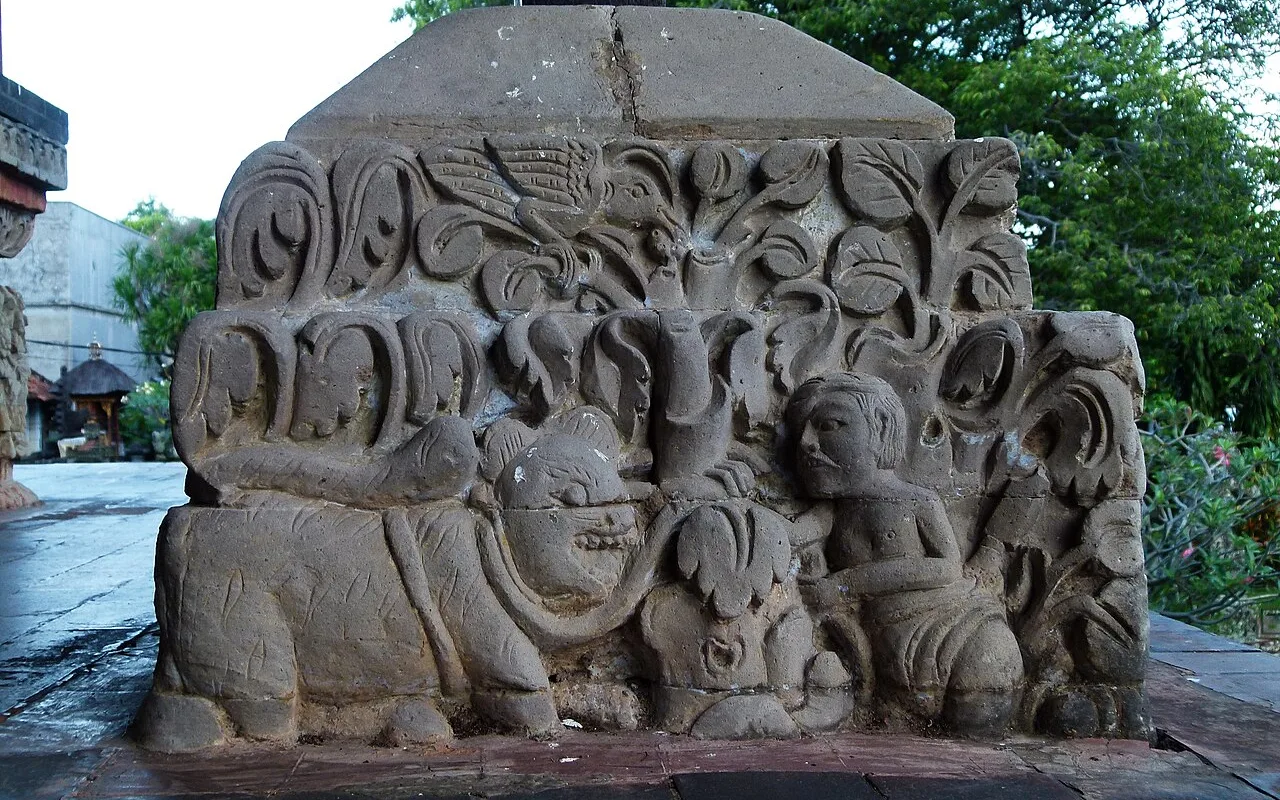
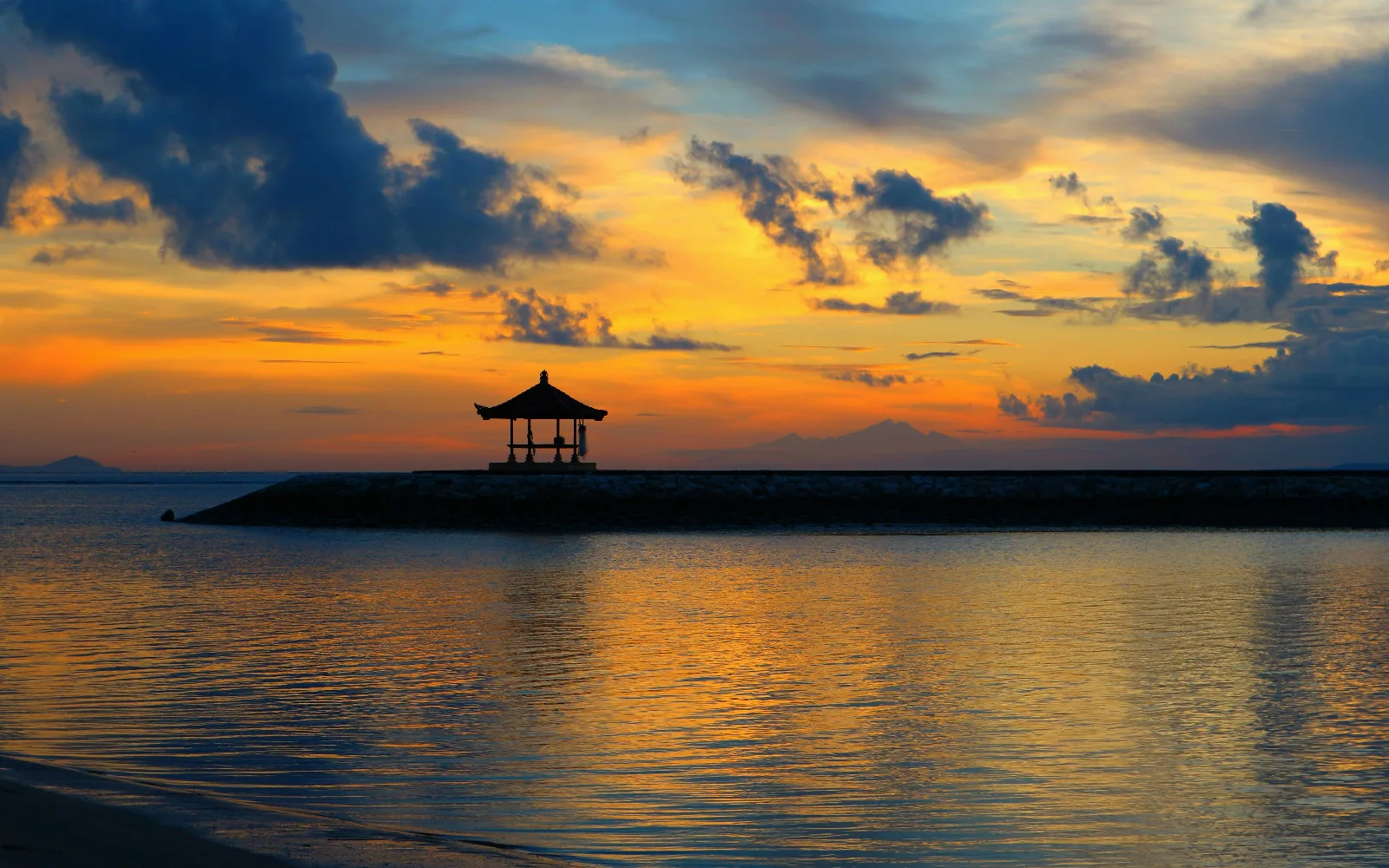
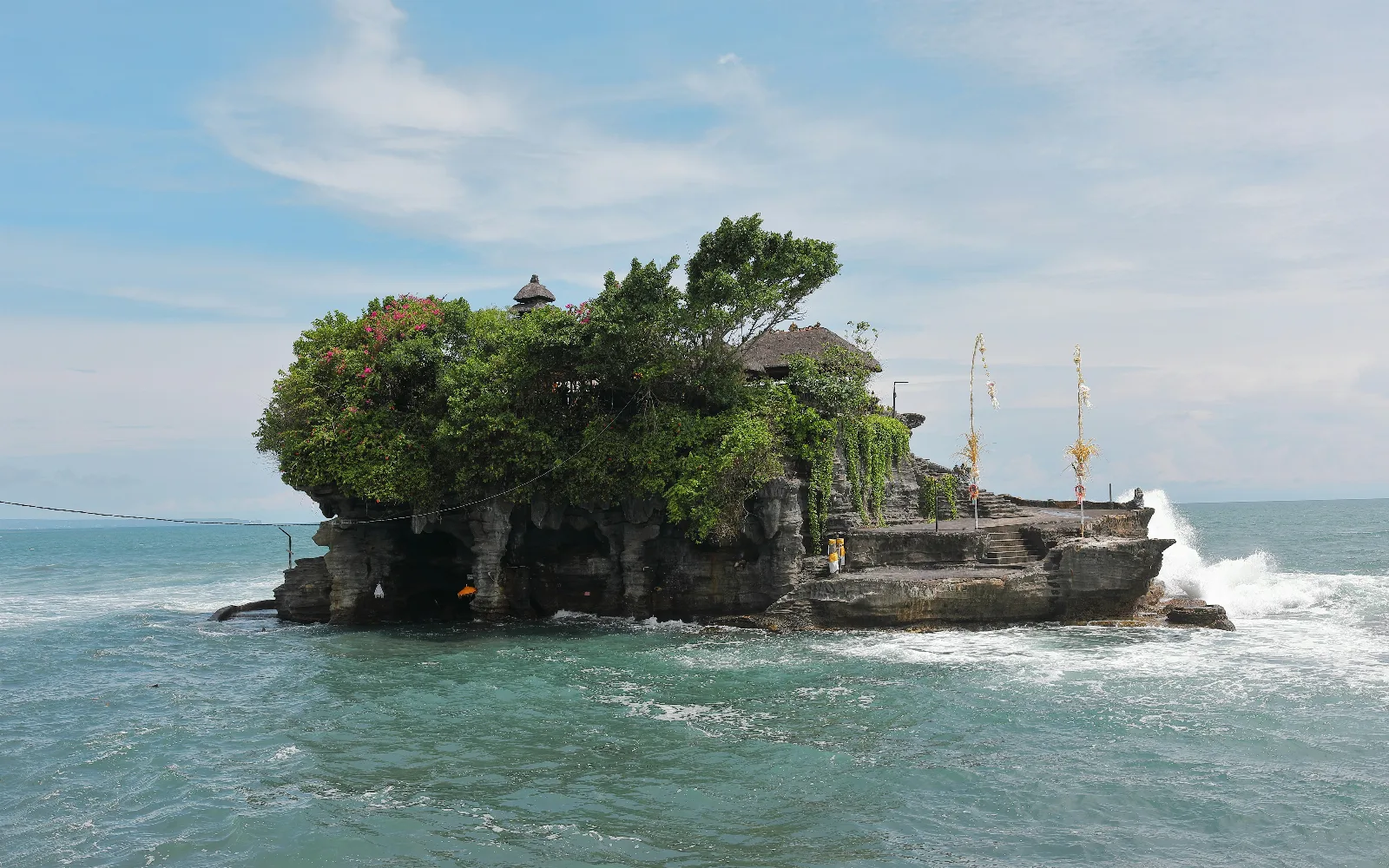
Permanent temples, waterfalls, and heritage spots within this tour vicinity.
Recommended Stays in Covered Pickup Corridors
Door-to-door hotel transfers are available for guests staying in Ubud, Sanur, Seminyak, Canggu, Kuta, Nusa Dua, Jimbaran, Sidemen. Explore curated accommodations within these zones:
Mulia Villas
Mulia Villas is a 5-star hotel situated in Nusa Dua, Bali (Ultra-Luxury), holding a verified guest score of 9.7/10 across 855 reviews. Located 9.5 km (20–30 mins drive)) with absolute beachfront (< 100m).
Desa Potato Head Bali
Desa Potato Head Bali is a 5-star hotel situated in Seminyak, Bali (Ultra-Luxury), holding a verified guest score of 9.5/10 across 2,537 reviews. Located 8 km (20–30 mins drive)) with short scooter / drive (< 2km to coast).
RIMBA by AYANA Bali
RIMBA by AYANA Bali is a 5-star resort situated in Bali, Bali (Ultra-Luxury), holding a verified guest score of 9.3/10 across 13,548 reviews. Located 5.6 km (15–25 mins drive)) with absolute beachfront (< 100m).
The Apurva Kempinski Bali
The Apurva Kempinski Bali is a 5-star resort situated in Nusa Dua, Bali (Ultra-Luxury), holding a verified guest score of 9.4/10 across 5,390 reviews. Located 10.3 km (20–30 mins drive)) with short scooter / drive (< 2km to coast).
Curated Booking Launching Soon
Direct reservation channels for this cultural workshop are currently being finalized with our verified local master artisans. Instant date scheduling will open shortly.
🔒 Verified local pricing • Direct operator field audit