


Ubud Cultural Heartland: Sacred Monkey Forest, Royal Palace & Tegalalang Terraces
Comprehensive day guide through Ubud's traditional civic center, sacred monkey forest sanctuary, artisan markets, and tiered emerald rice valleys.

Essential Activity Facts & Specs
Why This Experience Matters
Rooted in the living traditions and sovereign heritage of Ubud, Ubud Cultural Heartland: Sacred Monkey Forest, Royal Palace & Tegalalang Terraces offers a profound cultural immersion into the spiritual and artistic heartland of the island of Bali. Across the historical realm of Gianyar, ancestral temple architecture, sacred ceremonies, and generations of artisan craftsmanship maintain a timeless equilibrium between human society, nature, and the divine. This guided encounter transcends superficial sightseeing, inviting guests to participate in authentic local customs, examine intricate stone monuments, and witness the spiritual philosophy that animates everyday community life.
The itinerary unfolds through a carefully scheduled progression spanning 9 hours of comprehensive island exploration. Comprehensive day guide through Ubud's traditional civic center, sacred monkey forest sanctuary, artisan markets, and tiered emerald rice valleys. Under the guidance of seasoned local instructors and regional specialists, participants absorb the distinct sights, ambient sounds, and textures of the Indonesian landscape. Along the way, every moment reveals evocative regional character—from moss-draped river ravines and traditional village paths to panoramic lookout decks that capture the interplay of tropical sunlight, mist, and verdant foliage.
Graded as Easy difficulty, this experience is tailored to ensure both safety and authenticity for discerning travelers. Participants are outfitted with professional-standard gear, safety equipment, and comprehensive briefings conducted in clear English. In alignment with regional customary protocols and sustainable travel principles, the excursion operates with strict environmental conservation standards, minimizing waste and honoring sacred community grounds. By partnering directly with verified local guides and village collectives, this experience directly champions sustainable rural employment, cultural preservation, and long-term environmental stewardship.
⏱️ Tour Itinerary & Timeline
-
1
07:30 - 08:30: Morning hotel pickup in private air-conditioned vehicle
-
2
09:00 - 12:00: Primary cultural landmarks and scenic trail exploration
-
3
12:30 - 14:00: Traditional Balinese lunch at panoramic viewpoint warung
-
4
14:30 - 16:30: Afternoon regional handicraft villages and temple discovery
-
5
17:00 - 18:00: Comfortable return transit and drop-off at your hotel lobby
✅ What Is Included
- ✓ Air-conditioned private vehicle throughout full-day circuit
- ✓ English-speaking certified driver-guide
- ✓ All entrance fees, tickets, and regional conservation permits
- ✓ Parking and municipal toll fees covered
- ✓ Chilled bottled mineral water throughout the day
❌ What Is Excluded
- ✕ Personal shopping and artisanal souvenirs
- ✕ Meals and beverages not explicitly listed in itinerary
- ✕ Discretionary gratuities for driver and guide
⚠️ Essential Preparation & Requirements
- • Avoid bringing exposed food or loose shiny items into Monkey Forest
- • Comfortable walking shoes for tiered terrace paths
- • Sun protection and umbrella or light rain jacket
Complete Field Guide & Visitor Intelligence
The Cultural Crucible of Bali: Sacred Monkey Forest, Royal Palace & Tegalalang Rice Terraces
Ubud stands universally acknowledged as the spiritual, artistic, and philosophical epicenter of Bali. Nestled in the rolling volcanic foothills of Gianyar regency, between the steep gorges of the sacred Ayung and Petanu river basins, Ubud represents a living continuum of classical Balinese civilization. While Bali's southern coastal resorts center on modern beach leisure and ocean entertainment, Ubud remains firmly rooted in customary village governance (Adat), classical court arts (Seni Keraton), ancestral Hinduism, and the world-renowned democratic water management cooperative known as the Subak.
This exhaustive editorial travel dossier details the definitive day-long cultural circuit traversing the historic heart of Ubud: from the moss-clad 14th-century temples and wild macaque troops of the Sacred Monkey Forest Sanctuary (Padangtegal) through the royal courtyards of Puri Saren Agung and the vibrant traditional artisan markets, concluding across the sculpted emerald stepped rice amphitheaters of Tegalalang.
1. Geographic Setting & Topographical Dynamics of Gianyar
The cultural district of Ubud is located approximately 35 kilometers northeast of Ngurah Rai International Airport, positioned at an altitude ranging between 200 and 400 meters above sea level. This moderate highland elevation creates a noticeably cooler, more humid microclimate than the coastal plains, characterized by frequent morning mists, invigorating afternoon mountain breezes, and annual rainfall averaging 2,500 millimeters.
The topography of Gianyar is defined by parallel south-flowing river canyons carved into thick beds of volcanic tuff and weathered basaltic lahar deposits ejected by Mount Batur and Mount Agung over millennia. These deep ravines—most notably the Ayung, Wos, and Petanu river valleys—create natural defensive boundaries that historically protected autonomous Balinese kingdoms from maritime invasion while cultivating hyper-fertile microclimates ideal for intensive wet-rice cultivation.
Departing central Ubud and traveling north along the Jalan Raya Andong spine toward Tegalalang, the elevation climbs steadily. The relatively flat urban village streetscapes transition into dramatic terrace topography. Here, local farming communities have sculpted steep 45-degree hillside slopes into hundreds of interconnected contour steps, creating a mesmerizing cascading landscape that reflects changing cloud shadows and sunlight throughout the day.
2. Historical Genesis: The Sage Rsi Markandeya & The Royal House of Sukawati
Understanding Ubud's spiritual and artistic resonance requires tracing its founding history through two transformative eras: the 8th-century spiritual settlement by Indian sage Rsi Markandeya, and the 19th-century royal patronage of the arts under the Sukawati and Tjokorda dynasties.
The Sacred Campuhan Confluence & Healing Waters
The name Ubud derives from the ancient Balinese word Ubad, which translates literally as "Medicine" or "Healing." According to the sacred palm-leaf chronicles (Lontar), in the late 8th century, the venerated sage Rsi Markandeya journeyed from Mount Raung in East Java across Bali, guided by visions of spiritual light. He arrived at the scenic junction where two branches of the Wos River converge—a location revered today as Campuhan (the confluence).
Recognizing the river junction as an extraordinary vortex of healing spiritual energy (prana), Markandeya established the historic temple of Pura Gunung Lebah deep within the river valley. The surrounding dense rainforest was rich in medicinal plants, wild roots, and therapeutic herbs that ancient healers (Balian) used to treat ailments from across the island, establishing Ubud as an enduring sanctuary for wellness and natural restoration.
The undulating spine above the river gorge—known today as the Campuhan Ridge—became an ancestral meditative walking path flanked by fragrant elephant grass and wild ferns. Early morning walkers along this ridge still witness local herbalists collecting medicinal leaves for traditional healing pastes (boreh), linking contemporary travelers with over a millennium of continuous botanical wisdom.
The Feudal Court of Puri Saren Agung and the Artistic Renaissance
During the late 19th and early 20th centuries, the royal court of Ubud—an offshoot of the Royal Kingdom of Sukawati—established its seat at Puri Saren Agung under the leadership of King Tjokorda Gede Agung Sukawati (1910–1978). A visionary leader with a profound reverence for classical aesthetics, Tjokorda Gede recognized that political autonomy during Dutch colonial encroachment could be preserved through cultural distinction.
In the late 1920s and 1930s, the royal family welcomed influential foreign artists, musicologists, and anthropologists, most notably German painter Walter Spies, Dutch artist Rudolf Bonnet, and Mexican polymath Miguel Covarrubias. Together with local master artists I Gusti Nyoman Lempad and Anak Agung Gede Sobrat, they co-founded the Pita Maha artists' cooperative in 1936. This groundbreaking movement catalyzed a brilliant modern renaissance in Balinese painting and woodcarving, transitioning traditional religious iconography toward dynamic depictions of daily village life, folklore, and natural flora while preserving classical craftsmanship.
3. Comprehensive Route Logistics & Strategic Hour-by-Hour Timeline
To maximize enjoyment while avoiding the midday heat and heavy tour bus congestion in central Ubud, this full-day route follows a strategic sequential progression:
08:00 - 08:45  | Hotel Departure & Scenic Foothill Transit to Central Ubud
09:00 - 11:00  | Sacred Monkey Forest Sanctuary (Padangtegal) Deep Forest Walk
11:15 - 12:15  | Puri Saren Agung (Ubud Royal Palace) & Ubud Traditional Art Market
12:30 - 13:45  | Traditional Balinese Lunch in Ubud (Authentic Rice Terrace Warung)
14:00 - 16:00  | Tegalalang Rice Terraces (Cekingan) Guided Subak Agro-Walk
16:15 - 17:15  | Artisan Woodcarving Workshops in Pakudui or Classical Coffee Stop
17:30 - 18:30  | Relaxed Return Journey & Hotel Drop-Off
Navigational Logistics and Drop-Off Points
Central Ubud features an interconnected one-way traffic system along Jalan Monkey Forest and Jalan Hanoman. Private tour vehicles typically utilize the official south terminal parking facility at Padangtegal Monkey Forest, which features clean asphalt bays, modern ticketing concourses, automated bag deposit lockers, and clean restroom amenities. Transit northward from the town center to Tegalalang covers approximately 9.5 kilometers along Jalan Raya Tegallalang, requiring 25 to 35 minutes depending on afternoon agricultural traffic and ceremonial processions (ngaben or odalan).
4. In-Depth Site Breakdown: Heritage, Ecology & Subak Cooperatives
Sacred Monkey Forest Sanctuary (Mandala Suci Wenara Wana)
Spanning 12.5 hectares of protected ancestral rainforest, the Sacred Monkey Forest in Padangtegal is home to approximately 1,200 Balinese long-tailed macaques (Macaca fascicularis). The sanctuary is divided into five distinct social troops, each occupying a designated home range within the forest canopy.
The reserve contains more than 186 identified species of tropical trees, including monumental specimens of Ficus benjamina (sacred banyan) whose aerial prop roots plunge 20 meters down steep ravine banks into the stream below. Within the forest interior stand three sacred 14th-century temples dating from the ancient Pejeng Dynasty:
- Pura Dalem Agung Padangtegal: The main temple dedicated to Hyang Widhi in the manifestation of Shiva, the Transformer, featuring dramatic sandstone bas-reliefs of demon queens and protective guardians.
- Pura Beji (Holy Spring Temple): Located at the bottom of a cool river ravine, utilized for ritual physical and spiritual purification (melukat).
- Pura Prajapati: The funerary and cremation temple situated adjacent to the village cemetery.
Puri Saren Agung (Ubud Royal Palace)
Positioned at the prime intersection of Jalan Raya Ubud and Jalan Monkey Forest, Puri Saren Agung serves as the cultural anchor of the township. Built during the reign of Ida Tjokorda Putu Kandel (1800–1823), the palace complex exhibits the pinnacle of Gianyar stone masonry and brickwork.
Visitors walk through high red-brick gates (Kori Agung) embellished with volcanic tuff (paras) carvings of mythological Kala heads designed to ward off malevolent energies. The inner royal residential quarters remain inhabited by descendants of the royal family; however, the outer ceremonial courtyards are open to the public during the day, featuring open-sided teak pavilions (Bale) where classical gamelan orchestras rehearse and nightly Legong dance dramas take place beneath frangipani trees.
Tegalalang Rice Terraces (Cekingan Subak Landscape)
Situated at an altitude of 600 meters, Tegalalang represents the world's most famous visual depiction of the ancient Balinese Subak irrigation cooperative. First established in the 9th century and refined through centuries of collective labor, the subak is not merely an engineering feat, but a profound religious and democratic institution rooted in the Tri Hita Karana philosophy (harmony between humanity, the divine, and the natural environment).
Water collected from highland mountain springs is channeled through an ingenious network of volcanic stone dams (empelan), tunnels, aqueducts, and bamboo weirs (abangan). The water is distributed with mathematical equity among individual farmer cooperatives, flowing continuously from upper terraces to lower basins. At every crucial junction in the water system, small stone shrines (Pura Ulun Carik) are erected where farmers offer daily floral tributes to Dewi Sri, the goddess of rice and agriculture. Walking along the narrow earthen dikes (pematang) allows visitors to appreciate the astonishing labor and ecological balance sustaining this landscape.
5. Traditional Adat Protocol, Wildlife Safety & Sacred Decorum
Monkey Interaction Protocol at Padangtegal
While the macaques at the Sacred Monkey Forest are wild animals habituated to human presence, maintaining proper behavioral protocol is vital to ensure a safe, peaceful visit:
- Never Bring Exposed Food: Do not carry loose bananas, peanuts, plastic snack wrappers, or open beverage bottles in your hands or unzipped bags. The monkeys possess exceptionally keen vision and will jump on shoulders to retrieve visible foodstuffs.
- Secure Valuables: Remove sunglasses, dangling earrings, hats, hair accessories, and loose camera straps before entering the forest trail. Monkeys are attracted to shiny or easily detached objects.
- Avoid Prolonged Eye Contact: In primate behavioral biology, prolonged, unblinking direct eye contact is perceived as an aggressive challenge. If a monkey approaches, remain calm, stand upright, avoid screaming or flailing arms, and casually walk away without running.
- Never Touch or Pet Monkeys: Even infant monkeys must not be touched; mother macaques are fiercely protective and may react defensively if they perceive their offspring are threatened.
Temple Decorum at Puri Saren Agung
Visitors must maintain respectful conduct in the royal palace courtyards. Do not enter cordoned-off private royal residences, refrain from climbing stone pedestals to take photos, and ensure shoulders and knees are covered when ceremonial prayers or rehearsals are underway.
6. Seasonality, Agricultural Cycles & Photography Conditions
| Month Period | Rice Field Condition at Tegalalang | Rainfall & Weather Patterns | Light & Visual Aesthetics |
|---|---|---|---|
| April – May | Harvest season; golden yellow stalks, active threshing | Transition to dry season; clear skies, low humidity | Golden hues, lively farming portraits |
| June – August | Post-harvest plowing & flooding; glassy reflective terraces | Peak dry season; cool breezes (22°C – 26°C), minimal rain | Stunning mirror reflections of sky and palms |
| September – November | Lush young emerald green growth; peak vegetative density | Warm, sunny mornings; occasional late afternoon showers | Intense, photogenic vibrant green landscape |
| December – March | Mature growth transitioning to harvest; intermittent flooding | Monsoon season; daily afternoon rainfall, misty ravines | Dramatic mist, vibrant moss, moody clouds |
Morning vs. Afternoon Photography at Tegalalang
Tegalalang faces east across a deep river valley. Sunrise and early morning (06:30 – 09:00) offer spectacular backlighting, with golden morning sunbeams cutting through the humid mist between towering coconut palms. By midday, the sun is directly overhead, causing high contrast and harsh shadows. Late afternoon (15:30 – 17:00) provides softer, warm side-lighting ideal for capturing the undulating curvature of the terrace ridges.
7. Practical Gear, Packing & Equipment Checklist
- Footwear: For the Monkey Forest, comfortable walking shoes or sneakers are optimal for walking paved trails and wooden canopy boardwalks. For Tegalalang, lightweight trail shoes or hiking sandals with aggressive rubber tread are essential; the clay paths along the irrigation dikes become exceptionally slick when wet.
- Sun & Heat Protection: A high-SPF broad-spectrum sunscreen, lightweight UV umbrella, and a wide-brimmed hat. Walking the exposed western face of Tegalalang during afternoon hours involves direct tropical solar exposure.
- Hydration & Reusable Flasks: Carry at least 1 liter of fresh drinking water in a stainless-steel reusable canteen. Both the Monkey Forest and local Ubud cafes provide sanitary water refill points, helping reduce single-use plastic waste.
- Cash for Local Subak Donations: Small local farmer cooperatives maintain the wooden footbridges and trail access paths across Tegalalang terraces. Carrying small Rupiah banknotes (IDR 10,000 to IDR 20,000) for voluntary trail maintenance donations and fresh coconut purchases directly supports farming families.
8. Gastronomy & Regional Gianyar Culinary Specialties
No cultural traversal of Ubud is complete without exploring the distinctive culinary traditions of Gianyar regency, celebrated throughout Indonesia for its complex spice pastes (Bumbu Genep) and slow-roasting techniques.
Babi Guling Gianyar (Classical Roast Suckling Pig)
Gianyar is the recognized birthplace of authentic Balinese Babi Guling. A whole pig is stuffed with a fragrant paste of turmeric, coriander, shallots, garlic, galangal, lemongrass, bird's-eye chilies, and aromatic salam leaves, then slow-roasted over coconut husks for several hours. The resulting feast combines ultra-crisp mahogany crackling with tender, fragrant meat, served alongside spiced blood sausage (urutan), long-bean lawar, and rich bone broth.
Nasi Ayam Kedewatan
For travelers preferring poultry, Ubud's historic village of Kedewatan specializes in Nasi Ayam. Steamed rice is accompanied by shredded spiced chicken, slow-cooked egg, crispy fried chicken skin, roasted peanuts, spicy string beans, and a fiery dollop of Sambal Embe (fried shallots, garlic, and chili in coconut oil).
9. Comprehensive Traveler FAQ & Practical Troubleshooting
How physically demanding is the walk across Tegalalang Rice Terraces?
Tegalalang features varying degrees of difficulty. Viewing the terraces from the roadside cafes along Jalan Raya Tegallalang requires minimal walking and is fully accessible for seniors and strollers. However, descending into the river valley and climbing the opposing terraced ridges involves navigating steep, uneven clay steps, narrow dirt ridges, and rudimentary bamboo footbridges, requiring a moderate level of physical stamina and agility.
Are there restroom facilities available at these sites?
Yes. The Sacred Monkey Forest provides clean, modern, attended public restroom facilities at both the main entrance and the river valley level. Puri Saren Agung and the adjacent art market feature municipal restrooms, while Tegalalang has clean restroom facilities situated inside numerous roadside warungs and cafes overlooking the valley.
Can visitors hire professional local guides on-site?
At the Sacred Monkey Forest, certified official sanctuary guides wearing traditional Balinese batik shirts are available near the main ticketing building for visitors desiring an in-depth ecological and cultural commentary. At Tegalalang, local village youth and farmers often offer guidance along the intricate subak trails for a modest, customary gratuity.
10. Environmental Conservation & Sustainable Tourism in Ubud
The preservation of Ubud's ecological and cultural equilibrium has become a premier focus of grassroots community initiatives across Bali.
Preservation of the Ancient Subak System
Rapid commercial real estate development poses an ongoing challenge to Bali's agricultural lands. By participating in respectful agro-tourism at Tegalalang, paying official conservation fees, and dining at warungs that source organic heirloom rice directly from local farming collectives, visitors provide tangible economic incentives for Balinese farming families to maintain ancestral wet-rice agriculture rather than converting historic terraces into commercial developments.
Traditional Woodcarving Heritage in Pakudui and Mas
Just north of Tegalalang lies the village of Pakudui, renowned throughout Southeast Asia for master craftsmanship in Garuda woodcarving. Artisans in this community spend months meticulously shaping indigenous suar and jackfruit timber into soaring depictions of the mythical eagle Garuda, Lord Vishnu's celestial steed. The nearby village of Mas preserves classical anatomical human sculpture and mask carving for sacred Topeng dance performances. Supporting these ancestral artisan lineages ensures centuries of guild knowledge are passed down to future generations of Balinese woodcarvers.
Waste Management & Plastic Reduction
Ubud has pioneered community-led composting, plastic recycling, and zero-waste initiatives throughout Southeast Asia. Visitors are encouraged to actively support businesses certified in plastic-free operations, decline plastic shopping bags at the Ubud Art Market in favor of reusable canvas totes, and respect the pristine sacred ravines that sustain the spiritual ecology of the island.
Frequently Asked Questions & Field Guidance
Essential planning advice, fitness suitability, pickup corridors, and booking reassurance.
🚐 Hotel Pickup Corridors
Curated Stays in Ubud
Recommended accommodations within easy pickup transit range.

Mulia Villas

Desa Potato Head Bali

RIMBA by AYANA Bali

The Apurva Kempinski Bali
Nearby Cultural Landmarks & Sacred Sites
Permanent temples, waterfalls, and heritage spots within this tour vicinity.
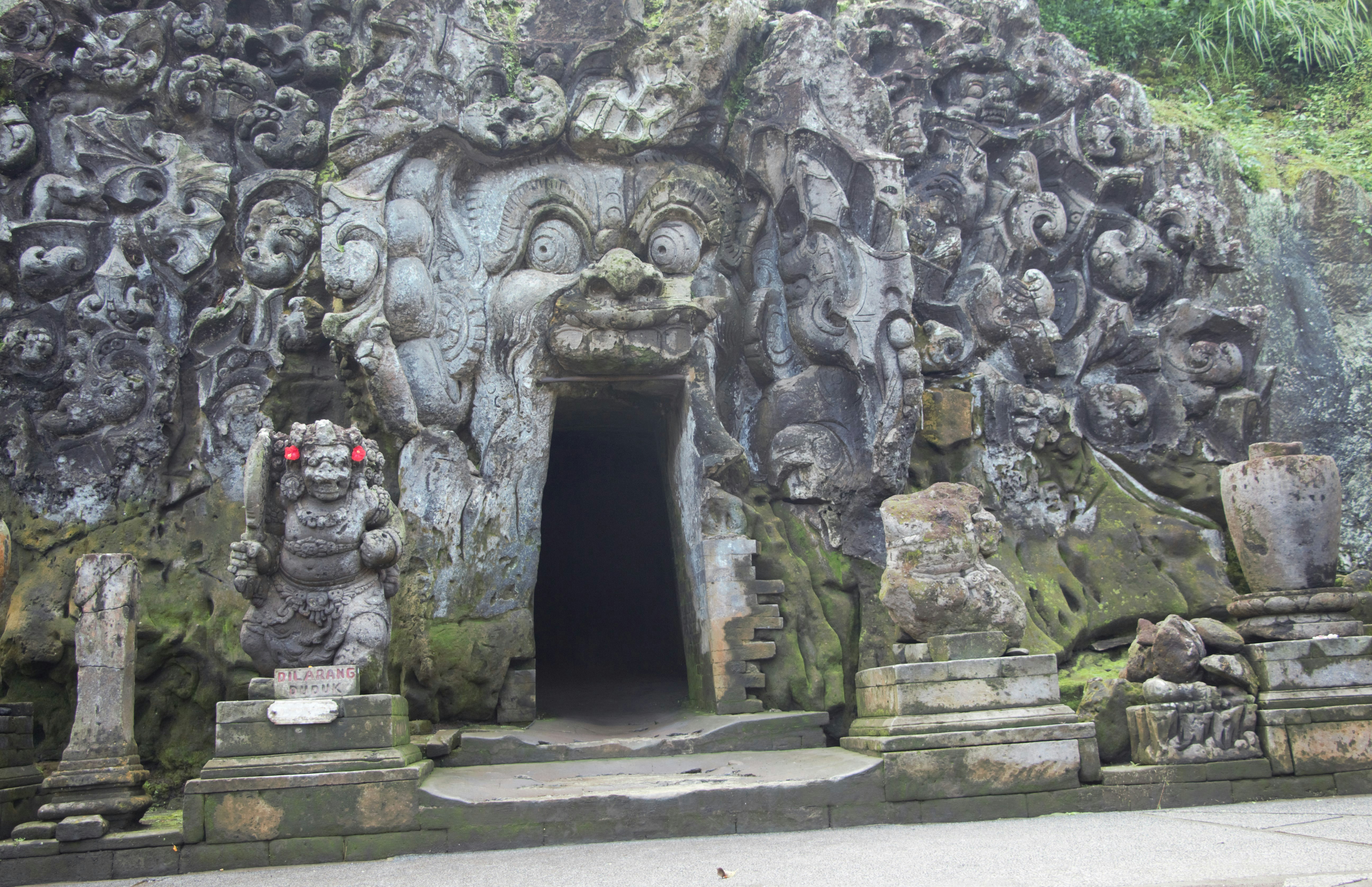
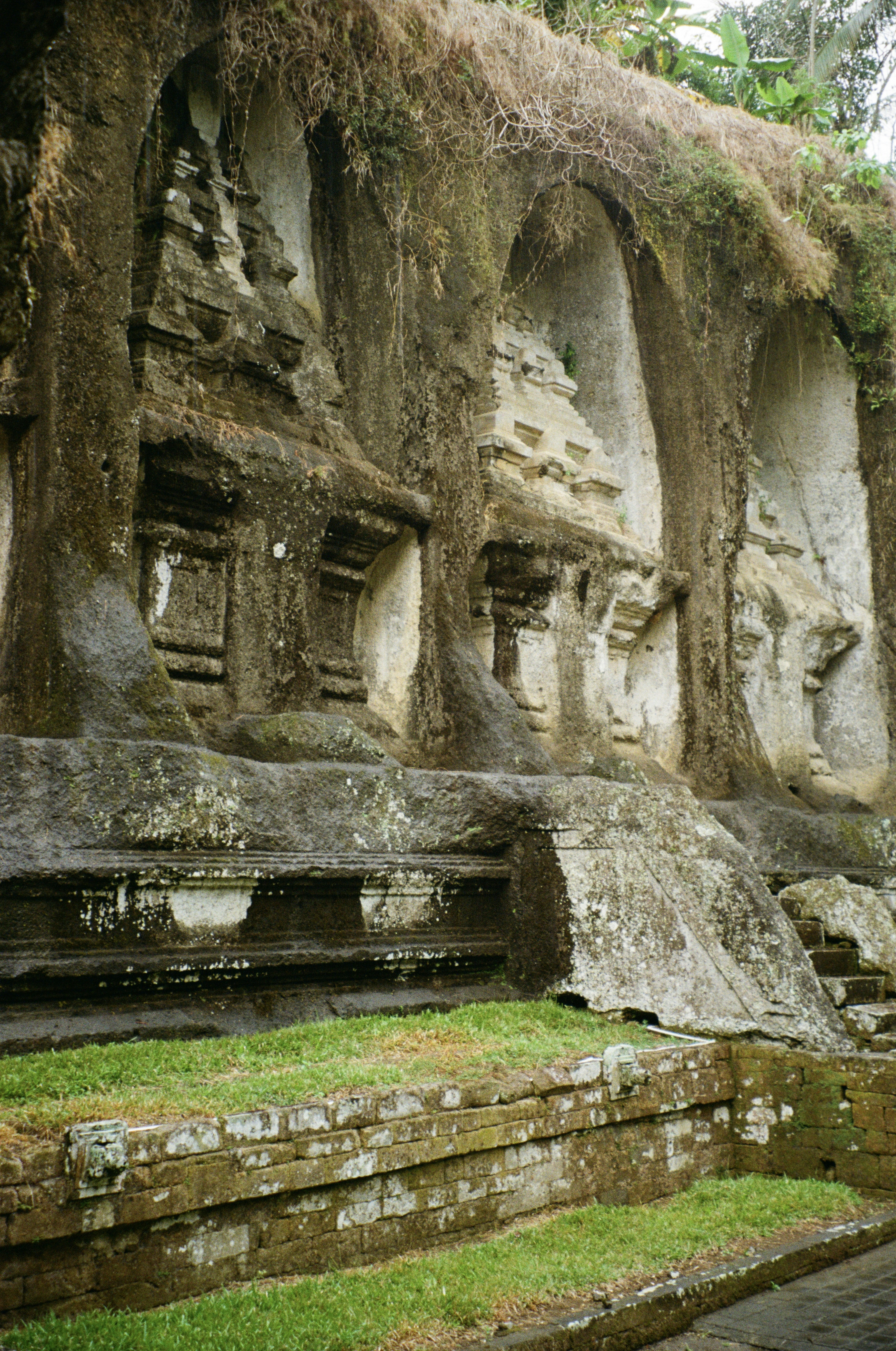
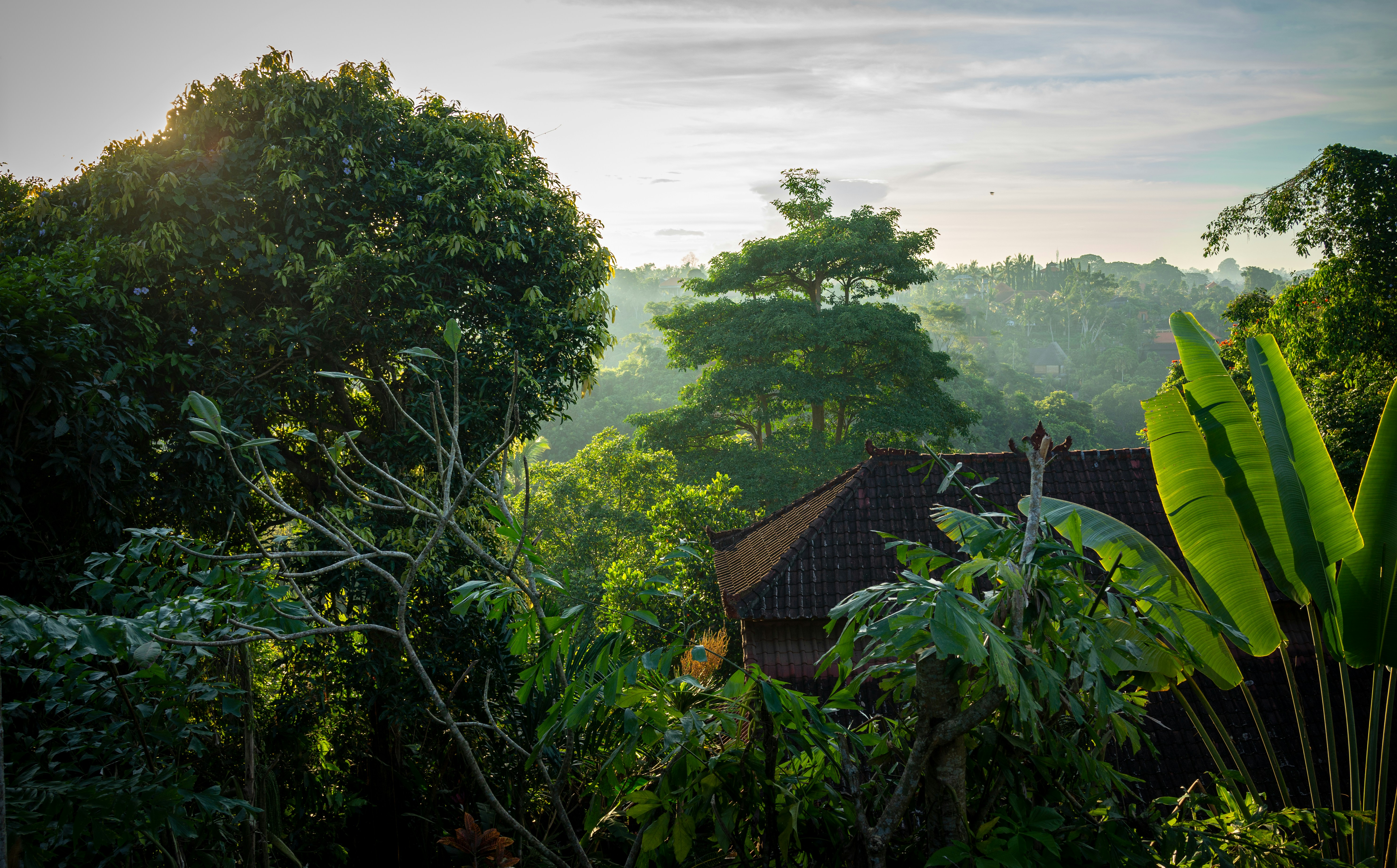
Recommended Stays in Covered Pickup Corridors
Door-to-door hotel transfers are available for guests staying in Kuta, Seminyak, Canggu, Sanur, Nusa Dua, Jimbaran, Ubud. Explore vetted accommodations within these zones:
Mulia Villas
Mulia Villas is a 5-star hotel situated in Nusa Dua, Bali (Ultra-Luxury), holding a verified guest score of 9.7/10 across 855 reviews. Located 9.5 km (20–30 mins drive)) with absolute beachfront (< 100m).
Desa Potato Head Bali
Desa Potato Head Bali is a 5-star hotel situated in Seminyak, Bali (Ultra-Luxury), holding a verified guest score of 9.5/10 across 2,537 reviews. Located 8 km (20–30 mins drive)) with short scooter / drive (< 2km to coast).
RIMBA by AYANA Bali
RIMBA by AYANA Bali is a 5-star resort situated in Bali, Bali (Ultra-Luxury), holding a verified guest score of 9.3/10 across 13,548 reviews. Located 5.6 km (15–25 mins drive)) with absolute beachfront (< 100m).
The Apurva Kempinski Bali
The Apurva Kempinski Bali is a 5-star resort situated in Nusa Dua, Bali (Ultra-Luxury), holding a verified guest score of 9.4/10 across 5,390 reviews. Located 10.3 km (20–30 mins drive)) with short scooter / drive (< 2km to coast).
Curated Booking Launching Soon
Direct reservation channels for this cultural workshop are currently being finalized with our verified local master artisans. Instant date scheduling will open shortly.
🔒 Verified local pricing • Direct operator field audit