


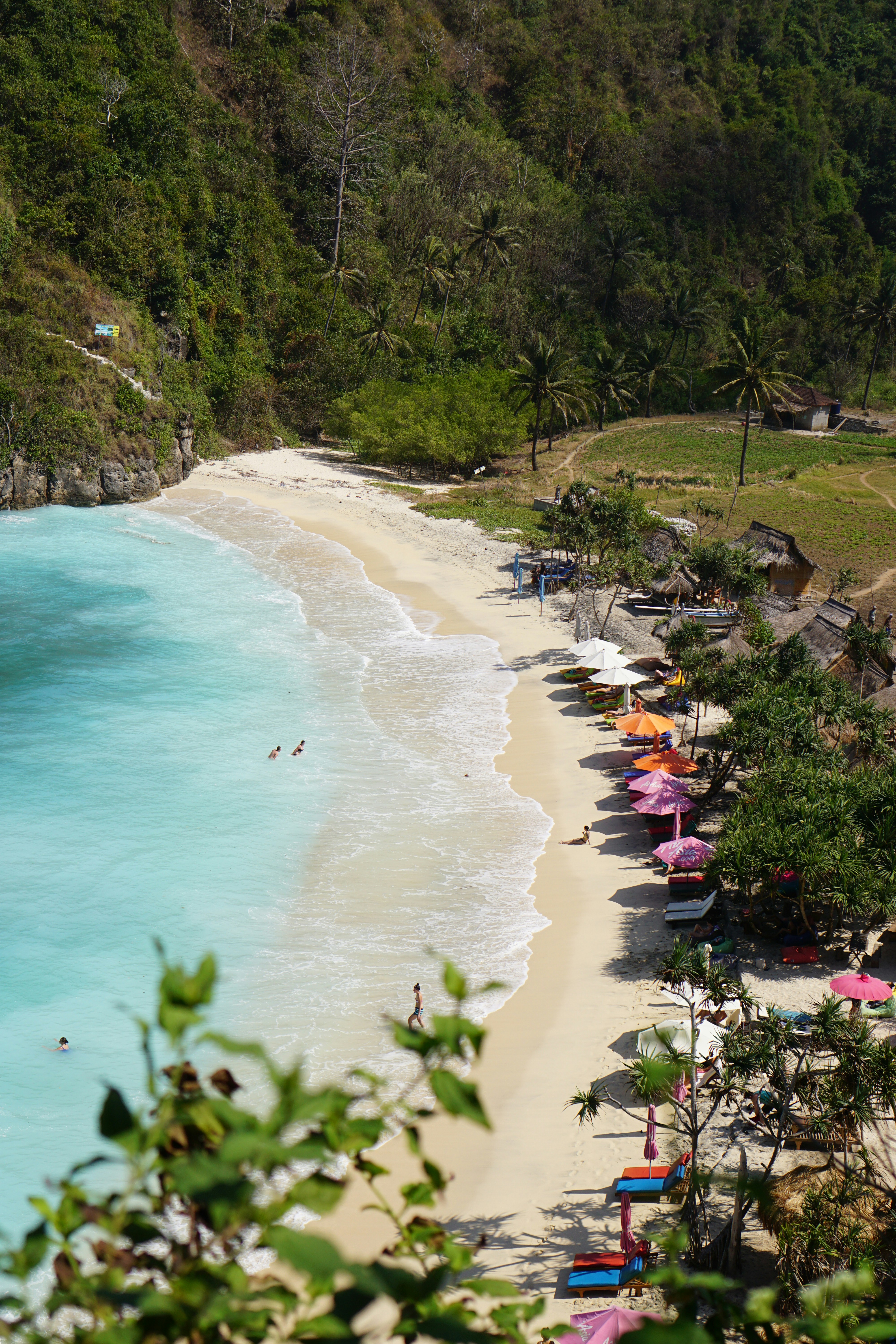
Crystal Bay Nusa Penida
Teluk pasir putih dengan pohon kelapa melambai di Sakti Nusa Penida, perairan sebening kristal dan surga selam untuk menjumpai ikan purba Mola Mola.
📜 Latar Belakang Sejarah & Makna Budaya
Dinamai Crystal Bay karena kejernihan airnya yang luar biasa. Di tengah teluk terdapat pulau karang kecil bertengger Pura Batu Jineng yang disakralkan nelayan.
Tarif Resmi Tiket Masuk
| Kategori Pengunjung | Tarif Resmi (IDR) | Est. (USD) | Inklusi & Catatan |
|---|---|---|---|
| Domestic / WNI (Adult) | IDR 5.000 | $0.28 | Domestic ticket |
| Domestic / WNI (Child) | IDR 3.000 | $0.17 | Domestic child ticket |
| Foreign Tourist (Adult) | IDR 10.000 | $0.56 | Bay maintenance retribution (Parking IDR 5k-10k) |
| Foreign Tourist (Child) | IDR 5.000 | $0.28 | Child ticket |
Snorkeling gear rental for reef exploration in the bay
Etika Budaya Bali & Hukum Adat Awig-Awig
Pedoman resmi adat desa dan tata tertib tempat suci untuk Crystal Bay Nusa Penida.
Pakaian pantai dan baju renang. Disarankan menggunakan kacamata snorkel dan fin untuk menikmati keindahan terumbu karang.
Awig-Awig Desa Sakti: berenanglah di dalam batas pelampung pengaman teluk. Selat luar teluk memiliki arus bawah vertikal (downcurrent) yang sangat berbahaya.
Penerbangan Drone Diizinkan. Penerbangan drone diizinkan di atas teluk dan barisan pohon kelapa dengan menjaga kenyamanan pengunjung pantai.
Sepeda Motor: IDR 5.000
Mobil Penumpang: IDR 10.000
Transportation & Access Radar
No online ride-hailing on the island. Pre-arrange driver pickup time.
Snorkeling in the sheltered bay is calm, but do not swim past the outer rocky headland where strong open ocean currents flow.
Radar Elevasi & Aksesibilitas
Navigasi & Transit
Sorotan Visual & Arsitektur (7 Foto)
Crystal Bay Nusa Penida — Palm-fringed golden sand cove overlooking the iconic Batu Mejinong islet, known for calm waters and vibrant coral diving.
Photo: Michael Tri Wijaya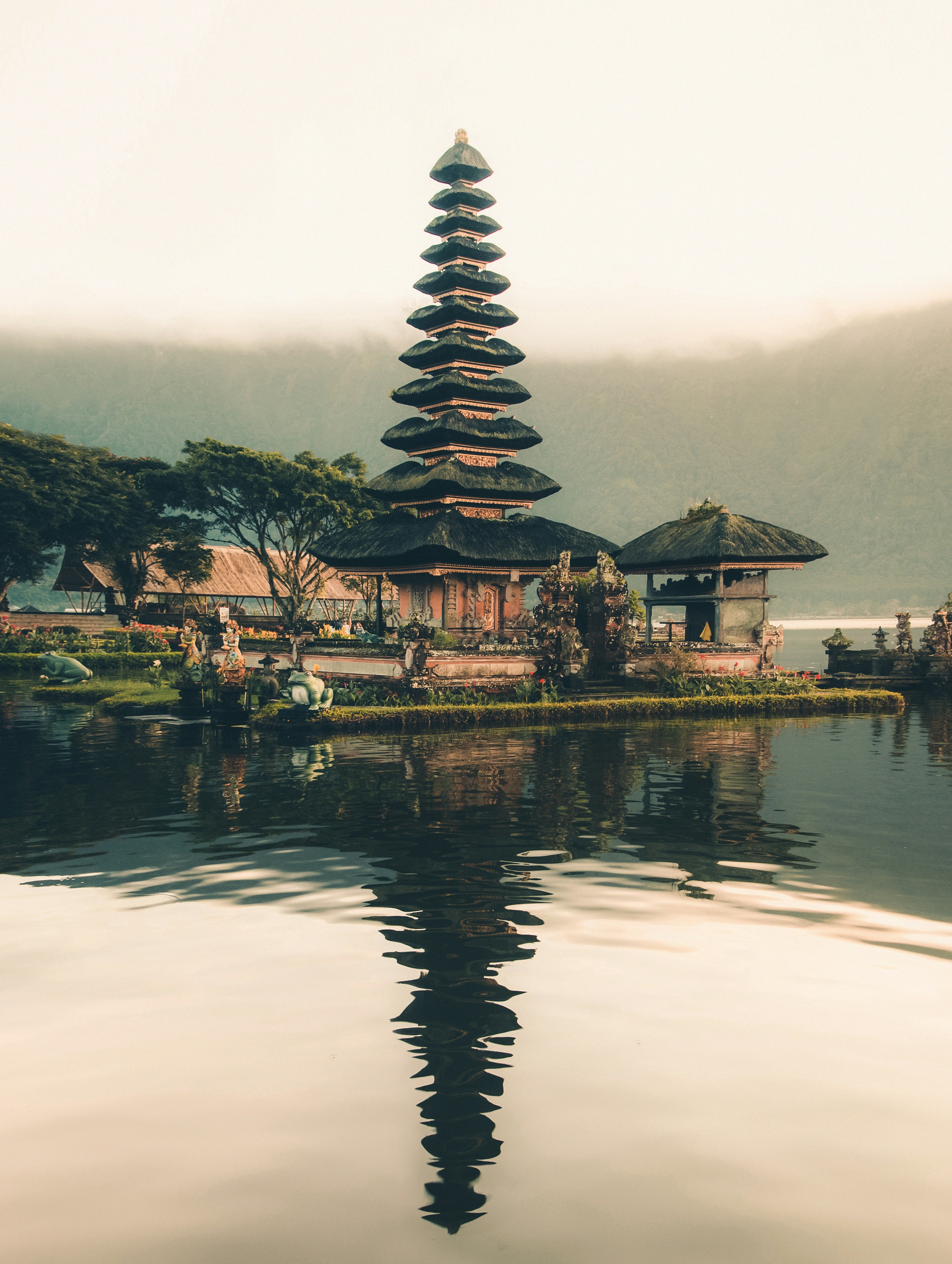
Crystal Bay Nusa Penida — Core Sanctum & Inner Sacred Courtyard. The elevated inner precinct (Utama Mandala), housing the central shrines, intricate stone carvings, and sacred relic foundations.
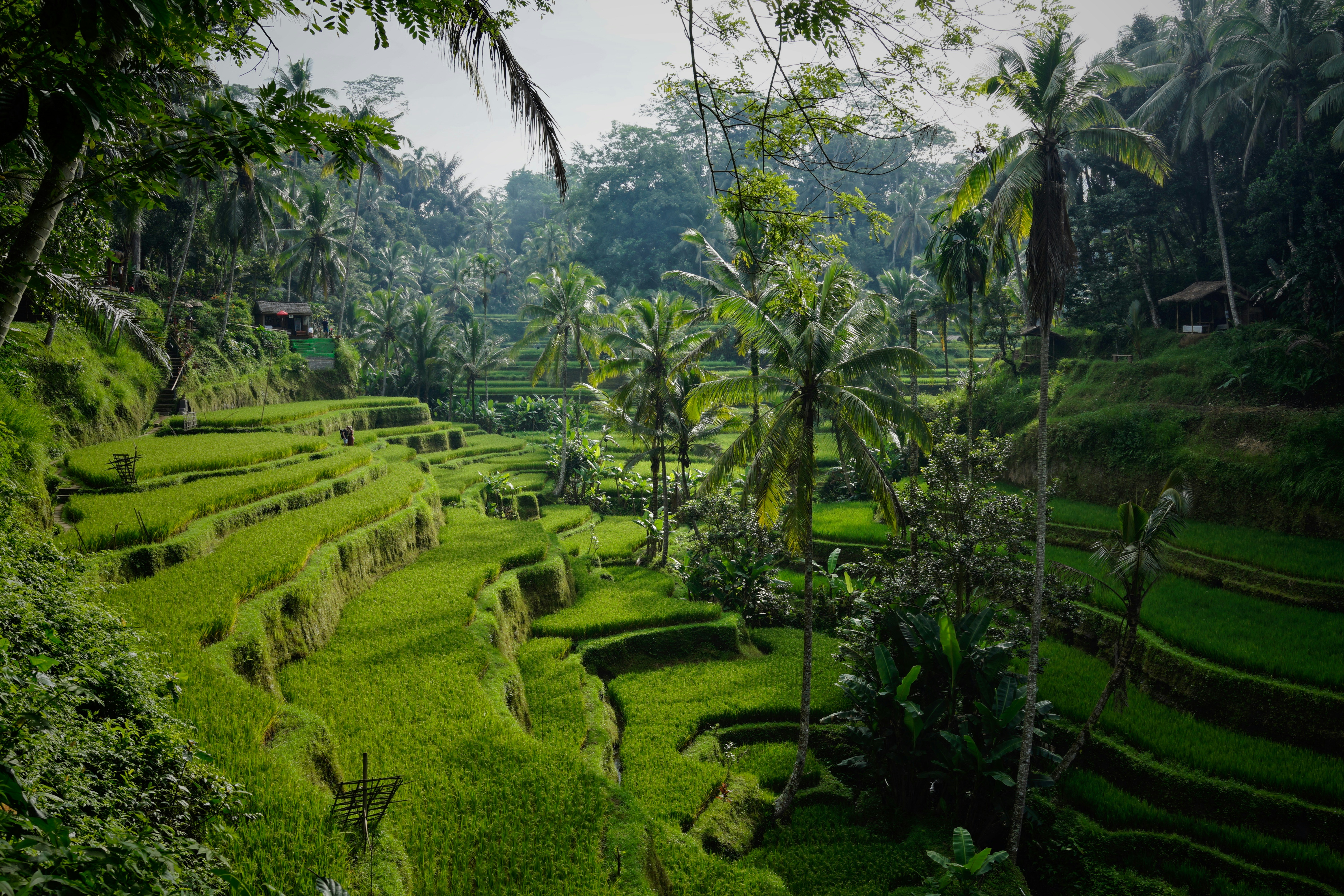
Crystal Bay Nusa Penida — Panoramic Landscape Vista. Sweeping perspective highlighting the dramatic topographical setting, lush Balinese flora, and expansive horizons surrounding the site.
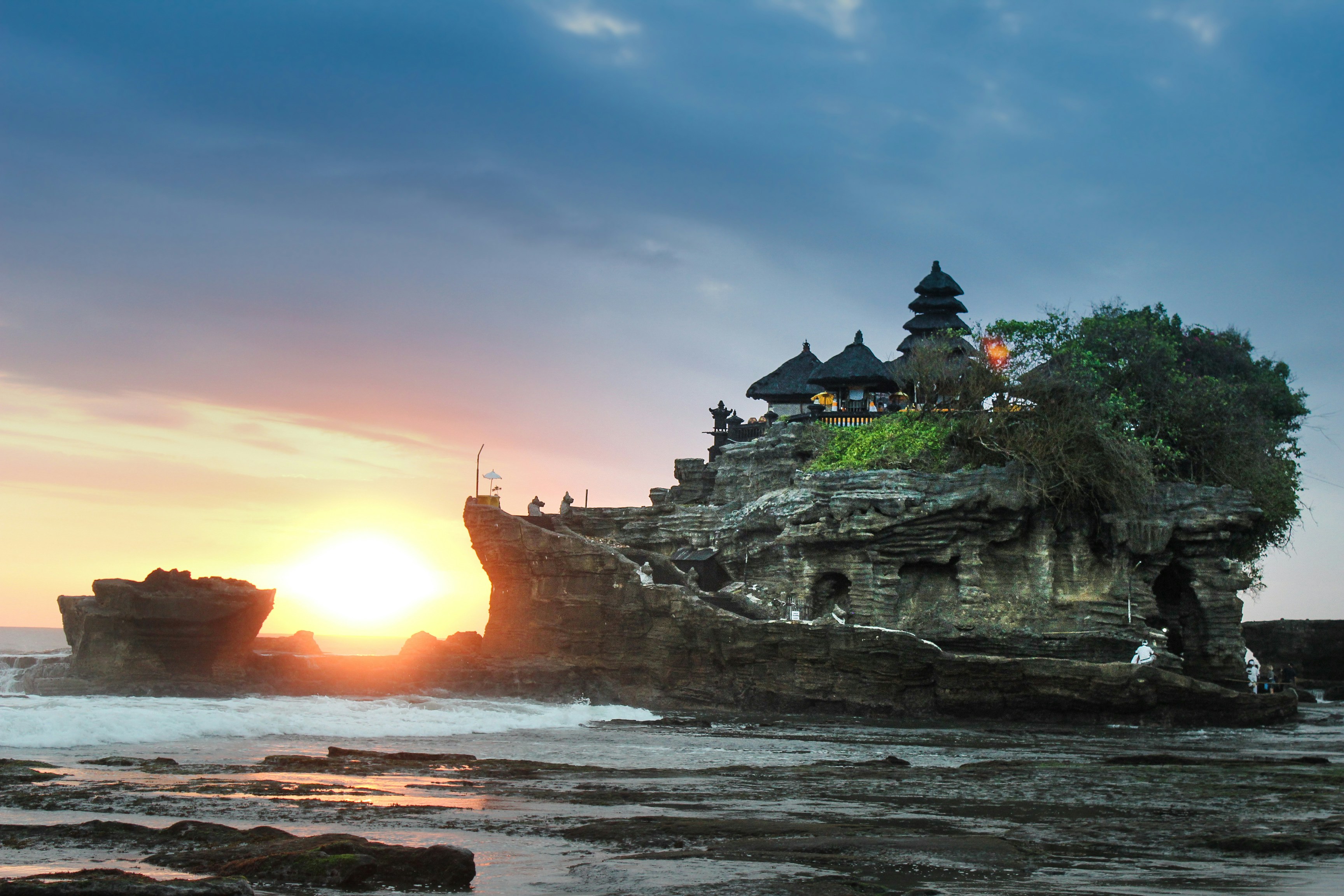
Crystal Bay Nusa Penida — Sacred Offerings & Traditional Devotion. Daily Canang Sari woven palm offerings, fragrant incense smoke, and ceremonial reverence maintained by local custodial communities.
Crystal Bay Nusa Penida — Walking Steps, Footpaths & Access Trails. The physical approach path, showcasing natural stone staircases, paved stone corridors, and lush surrounding vegetation.
Panduan Budaya, Sejarah & Arsitektur
Comprehensive Cultural Guide: Crystal Bay Nusa Penida
1. Comprehensive Overview & Cultural Significance
Crystal Bay Nusa Penida stands as one of Bali's most distinguished cultural landmarks, revered across the Indonesian archipelago for its profound spiritual resonance, architectural beauty, and vital role in island heritage. Situated in the heart of Klungkung, this extraordinary site harmonizes natural topography with human devotion, offering an immersive journey into centuries of Balinese cultural tradition. Whether approached as a sacred pilgrimage sanctum by Balinese Hindu devotees or experienced as a breathtaking monument of world heritage, the site exemplifies the living, breathing essence of Bali’s spiritual and communal philosophy.
At the core of the landmark’s identity is the foundational Balinese worldview of Tri Hita Karana—the harmonious balance between humanity, nature, and God. Every physical boundary, forested pathway, stone shrine, and ritual offering reflects this tripartite equilibrium. Unlike conventional historical monuments that function merely as passive relics of antiquity, Crystal Bay Nusa Penida is a living, active epicenter of daily worship, seasonal temple anniversaries (odalan), and multi-village collaborative stewardship (gotong royong). The local custodial community takes immense pride in maintaining the sanctuary with uncompromising authenticity, welcoming respectful travelers while rigorously protecting the site's spiritual integrity.
Visitors encountering Crystal Bay Nusa Penida are struck by its remarkable integration with the surrounding natural elements. From the towering canopy of tropical flora to the cool volcanic mountain air or rhythmic Indian Ocean tides, the site provides a multi-sensory landscape where architectural artistry and raw natural wonder coalesce. Here, traditional customs have survived untouched by the homogenizing forces of rapid global modernization, preserved through the disciplined bylaws (awig-awig) of the custodial village council.
Beyond its regional importance within Klungkung, Crystal Bay Nusa Penida serves as an essential cultural benchmark for understanding the wider Indonesian civilization. Its history chronicles the dynamic synthesis of indigenous Austronesian animist beliefs, Indian Vedic philosophy, and Javanese-Majapahit artistic traditions that define the unique tapestry of Balinese Hinduism (Agama Hindu Dharma). For scholars, cultural enthusiasts, and spiritual seekers alike, exploring this sanctuary offers profound insights into how a traditional society successfully balances ancient spiritual devotion with the demands of 21st-century global tourism.
2. Exact Geographic Positioning & Micro-Terrain
Positioned precisely within the administrative jurisdiction of Klungkung, Crystal Bay Nusa Penida commands a distinct ecological micro-climate shaped by its specific altitude, coastal proximity, and geological landform. In traditional Balinese spatial cosmology, geography is oriented along the sacred axis between kaja (the sacred volcanic mountains representing purity, ancestors, and the divine) and kelod (the sea, representing dissolution, mystery, and earthly grounding). In transversal alignment, the axis of kangin (the east, where the sun rises and divine light originates) and kauh (the west, the realm of dusk and introspection) completes the sacred compass of Balinese spatial orientation.
The topography of Crystal Bay Nusa Penida presents a characteristically dynamic Balinese terrain. Depending on the exact sector of the complex, visitors navigate stone paths carved into ancient volcanic rock, paved corridors shaded by towering banyans and flowering frangipani (kamboja), and terraced viewing embankments designed to provide expansive vantage points across the surrounding river valleys, coastal cliffs, or volcanic calderas. The interplay of elevation and natural drainage creates micro-climates that support diverse native plant species, from wild orchids and climbing ferns to medicinal herbs traditionally gathered by village healers (balian).
The physical difficulty rating for exploring Crystal Bay Nusa Penida is classified as EASY. Visitors should be prepared for undulating pathways, natural stone stairs with irregular step heights, and humid tropical temperatures. Proper, supportive footwear is strongly advised, as morning dew, mountain mist, or passing tropical showers can make river stone walkways and polished limestone surfaces slippery. Strollers and wheelchairs can navigate selected peripheral pavilions and primary courtyards, though deep exploration of inner sanctums and natural canyon descents involves stepped inclines that require moderate physical mobility and steady footing.
Hydrologically, the site is intimately connected to regional water catchment systems that feed the surrounding agricultural valleys. Whether through subterranean springs, river confluences, or seasonal runoffs, water at Crystal Bay Nusa Penida is revered not merely as a physical resource, but as amrita—the divine nectar of immortality. The geological stability of the surrounding terrain is maintained through ancient terrace engineering techniques that prevent soil erosion while maximizing natural airflow and panoramic visibility.
3. Mythological Genesis & Sacred Lore
The mythological origins of Crystal Bay Nusa Penida are steeped in the epic folklore of the Balinese Hindu tradition. According to indigenous babad (genealogical chronicles) and regional folklore, the site was conceived following divine revelations bestowed upon holy ascetics and visionary rulers who perceived this location as a powerful intersection of terrestrial and celestial energies. The landscape itself is believed to have been sculpted by divine forces during primordial cosmic battles between order (dharma) and chaos (adharma), imbuing every rock, tree, and spring with supernatural significance.
The presiding spiritual presence at Crystal Bay Nusa Penida honors Maritime protectors of the Badung Strait. Local legends recount how divine guardians were stationed at this site to maintain cosmic balance across the island. During significant planetary alignments and holy auspicious days on the Balinese 210-day Pawukon calendar, divine manifestations are believed to descend into the inner sanctum shrines, sanctifying the water, stone, and earth. Pilgrims from all corners of Bali travel here during major festivals to renew their spiritual vows and receive sanctified blessings.
The local custodial community (Desa Adat) preserves fascinating oral narratives detailing protective spirit guardians that inhabit the sacred trees, river junctions, and rock promontories of Crystal Bay Nusa Penida. These protective entities are treated with utmost reverence through daily offerings of Canang Sari—intricately woven palm-leaf trays filled with fragrant betel nut, colored flower petals, and burning incense. Pilgrims approaching the sanctum pause at the threshold to request spiritual permission and protection, affirming the eternal presence of the unseen world (niskala) alongside the tangible physical reality (sekala).
One enduring legend associated with the site tells of an ancient sage who meditated here for months without food or water, seeking guidance to save the local populace from an impending drought. In response to his selfless austerities (tapasya), the deities cleaved the earth to release a perpetual freshwater spring, transforming a parched landscape into an abundant, fertile oasis. This mythic narrative continues to inspire deep gratitude among local farmers, who regularly dedicate the first harvest of their rice paddies at the temple altars in joyful thanksgiving.
4. Chronicle of Priests, Sages & Dynasties
The historical evolution of Crystal Bay Nusa Penida is intrinsically linked with Desa Sakti community elders, who played a pivotal role during the Natural sheltered lagoon & Pura Batu Mejinong. The historical trajectory of the landmark reflects broader shifts in Balinese religious history, notably the influx of Javanese-Majapahit cultural influences following the collapse of East Javanese kingdoms and the visionary reforms of wandering holy sages (pedanda and rsi).
During the golden age of classical Balinese principalities, sovereign rulers recognized the strategic and spiritual importance of Crystal Bay Nusa Penida. Royal courts from Klungkung provided continuous royal patronage, commissioning master stone sculptors (undagi) to expand the temple gateways, construct towering meru shrines, and build protective stone revetments against seasonal monsoons. In return, the high priests conducted elaborate state ceremonies designed to ensure the kingdom’s fertility, protection against epidemic diseases, and bountiful rice harvests. Royal edicts engraved on copper plates (prasasti) and inscribed on lontar manuscripts record generous land grants (sima) and tax exemptions bestowed upon the temple custodians to ensure perpetual upkeep.
In the modern era, custodial responsibility has transitioned into the capable hands of the local traditional village administration (Desa Adat). Supported by regional heritage preservation boards, the village elders maintain the authentic architectural integrity and ceremonial continuity of the site. Every restoration effort adheres strictly to historical precedents, utilizing original quarry sources, traditional lime mortar mixtures, and authentic palm thatch harvesting practices to honor the ancient builders. The leadership structure of the Desa Adat ensures that all community members contribute their skills—from stonemasonry and carpentry to culinary preparations and ceremonial music—fostering a powerful sense of intergenerational unity.
5. Architectural Anatomy & Sacred Relics
The structural footprint of Crystal Bay Nusa Penida represents a triumph of classical Balinese masonry and spatial engineering. The compound is structured around the classic Tri Mandala principle, dividing the sanctuary into outer, middle, and inner courtyards. Each threshold is marked by monumental architectural portals that carry deep philosophical symbolism:
- Candi Bentar (Split Gate): Representing the mythical Mount Meru cleaved into two equal halves, the split entrance symbolizes the duality of the cosmos—light and dark, joy and sorrow, order and chaos—between which humanity must walk with equanimity. Passing between the two soaring stone wings serves as a conscious act of purification, stripping away earthly anxieties before entering sanctified ground.
- Bale Gong & Bale Kulkul: The pavilions housing the bronze ceremonial gamelan orchestra and the slotted wooden warning slit-drum (kulkul), which summons the community for collective worship, announces temple milestones, and coordinates communal duties during festival cycles.
- Kori Agung (Towering Closed Gate): The towering portal crowned with the fearsome carved visage of Bhoma, the fierce son of the earth who repels negative and malevolent forces from crossing into the supreme sanctum. Flanking the portal are formidable guardian statues (dwarapala), armed with clubs to challenge unworthy entrants.
- Padmasana: The majestic lotus throne fashioned from single or tiered andesite blocks, elevating the prayer of the devotee directly toward Sang Hyang Widhi Wasa, the Supreme One Divine God, symbolized by the empty throne cushion open to the sky.
Among the sacred relics preserved at Crystal Bay Nusa Penida are Batu Jineng offshore rocky islet, coral fringing reef, coconut palm grove, sunset beach viewpoint. Master stone reliefs adorn the balustrades, depicting episodes from sacred epics alongside traditional floral arabesques (patra punggel) and mythical guardians wielding ritual clubs. Every stone element is positioned with intentional astronomical and geometric precision, aligning with sunrise azimuths and sacred mountain vistas.
The structural roofs of the inner sanctum shrines are masterpieces of organic engineering. Crafted from tightly packed layers of black sugar palm thatch (ijuk), they are naturally waterproof, fire-resistant, and capable of enduring centuries of highland rains and intense coastal sunshine. The structural frame beneath is assembled entirely using interlocking wooden joints (purus) secured with wooden pegs, completely eschewing iron nails in accordance with traditional sacred architectural precepts.
6. Essential Etiquette, Awig-Awig & Taboos
To maintain the supreme sanctity of Crystal Bay Nusa Penida, all visitors are expected to observe traditional Balinese etiquette and village customary bylaws (awig-awig):
- Sacred Dress Code: Modesty is strictly enforced. All visitors, regardless of gender, must wear a traditional Balinese sarong (kamen) covering the legs below the knee, secured at the waist with a sash (selendang). Shoulders and upper torsos must be modestly covered; sleeveless shirts, tank tops, and revealing swimwear are prohibited within the sanctified perimeter. Traditional attire is not merely decorative; it is regarded as a protective energetic barrier that demonstrates sincere respect for the sacred ground.
- Menstruation and Blood Taboo (Cuntaka): In accordance with millennia-old Balinese Hindu ritual purity laws, persons who are actively menstruating, individuals with unhealed bleeding wounds, or anyone who has experienced a bereavement in their immediate family within recent days are respectfully requested to refrain from entering the inner sanctified courtyards (Utama Mandala). This taboo is rooted in energetic cleanliness (kesucian) rather than physical discrimination, reflecting deep reverence for the delicate spiritual balance of the sanctum.
- Spatial Sanctity & Head Reverence: In Balinese cosmology, the human head is the most sacred, elevated part of the body, while the feet are associated with the earthly plane. Never touch the heads of Balinese people or children, do not point your feet directly toward shrines or priests in prayer, and never climb upon altars, stone walls, or sacred statues for photographic vanity. Always remain seated at a lower elevation than praying priests during ceremonies.
- Aerial Drone Regulations: Drones are strictly regulated. Aerial drone flights directly over active temple courtyards during religious ceremonies are prohibited under Desa Adat customary laws to preserve privacy, quiet contemplation, and spiritual sanctity. Commercial drone filming requires advance written permits from the village council and payment of official cultural heritage filming tariffs.
7. Practical Logistics & Optimal Timing
Visiting Crystal Bay Nusa Penida is a deeply rewarding experience when planned with thoughtful consideration of lighting, crowd flows, and regional weather patterns:
- Optimal Time of Day: The most favorable window for visiting is early morning from 08:00 - 18:30. During morning hours, the ambient air remains cool and crisp, soft golden sunlight illuminates the stone carvings and natural landscapes, and visitor footfall is at its lowest. Afternoon visits provide dramatic cloud formations and sunset lighting, but expect higher visitor volume and peak humidity.
- Transportation & Arrival: The landmark is accessible via private hire car with driver, scooter, or licensed local tour excursions. Parking areas are designated near the main ticket concourse, managed by village attendants. Roads in the immediate approach can be winding and narrow; exercise caution when operating two-wheeled vehicles along mountain or coastal corridors, especially during sudden rain showers.
- Weather Preparedness: Tropical weather in Bali is subject to swift micro-climatic shifts. Visitors should pack a compact umbrella or lightweight poncho, high-SPF sunscreen, polarized sunglasses, insect repellent, and an adequate supply of drinking water. Reusable water bottles are strongly encouraged to reduce single-use plastic pollution in rural villages.
- Accessibility & Facilities: The arrival plaza offers clean public restrooms, shaded resting pavilions, and ticket redemption booths staffed by multilingual community hosts. Visitors requiring physical assistance can request golf cart transfers or gentle path routing at the main information kiosk where available.
8. Entry Tariffs & Transparent Inclusions
The entry tariff structure at Crystal Bay Nusa Penida is established transparently by the local regional government of Klungkung in direct partnership with the host custodial village (Desa Adat):
- Foreign Adult Ticket: IDR 10,000 (approx. USD $0.65)
- Foreign Child Ticket (Ages 5-11): IDR 5,000 (approx. USD $0.32)
- Domestic Indonesian Adult Ticket: IDR 5,000
- Domestic Indonesian Child Ticket: IDR 3,000
- Parking Tariffs: Standard fees apply (typically IDR 5,000 for passenger vehicles; IDR 2,000 for motor scooters).
Transparent Inclusions: Every entry ticket directly funds the ongoing conservation, structural restoration, daily waste management, and ceremonial maintenance of the temple complex. In most instances, the ticket includes complimentary use of a traditional sarong and waist sash from the entry pavilion, as well as basic visitor accident insurance coverage mandated by regional tourism bylaws. Official village guides are available near the ticket concourse; their insightful historical commentary can be engaged for a modest, discretionary tip that directly supports local family livelihoods. By contributing these fees, travelers participate directly in preserving Bali’s living cultural heritage for generations to come.
9. Sustainable Tourism & Respectful Visits
As international travel to Bali expands, the imperative for sustainable, culturally respectful exploration has never been more urgent. Crystal Bay Nusa Penida is a fragile cultural and ecological sanctuary that demands mindful stewardship from every traveler:
- Zero-Waste Responsibility: Plastic waste poses an existential threat to Bali’s waterways, ravines, and ocean reefs. Dispose of all trash in designated sorting bins, and carry out whatever single-use materials you bring in. Under no circumstances should plastic wrappers or cigarette butts be discarded near shrines or natural streams. Avoid leaving foreign objects on offering altars.
- Economic Inclusivity: Support the hyper-local economy surrounding the landmark. Purchase fresh tropical fruits, cold coconuts, and handcrafted souvenirs from the small family stalls (warung) lining the access road. These small transactions provide direct, equitable economic benefits to local village households who have preserved this heritage for centuries.
- Quiet Mindfulness: Approach Crystal Bay Nusa Penida with an attitude of quiet humility and contemplative awareness. Lower your voice when entering courtyard areas, silence mobile device ringtones, and yield right of way to village elders and women balancing elaborate towering fruit and flower offerings (banten) upon their heads. By embodying respect and genuine curiosity, your visit becomes a harmonious cultural exchange that honors Bali’s timeless spiritual legacy.
- Community Reciprocity: Remember that you are a privileged guest in an active place of worship. When observing religious rituals, maintain a respectful distance of at least ten meters, never position yourself directly between a praying devotee and the altar, and never use flash photography in the faces of priests during sacred recitations. Through these simple acts of courtesy, visitors build bridges of mutual understanding and contribute to the enduring harmony of Bali.
Mythological Origins, Foundation Chronicles & Sacred Sages of Crystal Bay Nusa Penida
In the sacred chronicles preserved within ancient Balinese palm-leaf manuscripts (lontar), Crystal Bay Nusa Penida occupies an indelible and foundational chapter in the spiritual evolution of Bali. According to local religious doctrine and indigenous historiography, the inception and consecration of this revered site is intricately bound to Desa Sakti community elders, flourishing predominantly during the Natural sheltered lagoon & Pura Batu Mejinong.
The philosophical bedrock of this landmark venerates Maritime protectors of the Badung Strait, reflecting the core Balinese metaphysical principle of Tri Hita Karana—the eternal harmony between the human realm (pawongan), the natural environment (palemahan), and the transcendent divine cosmos (parahyangan). In Balinese cosmological mapping (Dewata Nawa Sanga), sacred sanctuaries are systematically distributed along geographic, highland, and maritime cardinal axes to establish an unbroken spiritual energy grid safeguarding the island from destructive metaphysical imbalances, volcanic cataclysms, and malevolent spiritual forces.
Historical accounts passed through generations of pemangku (priestly custodians) recount how royal dynasties across Klungkung provided royal patronage and sacred resources to maintain the physical sanctity and ritual life of Crystal Bay Nusa Penida. During major state ceremonies, sovereign kings, regional regents, and village federations would undertake extensive spiritual pilgrimages (yadnya) to seek divine blessings for agricultural prosperity, seasonal rainfall, pestilence mitigation, and communal harmony. Over centuries of dynastic transitions, Dutch colonial incursions, volcanic eruptions, and modern transformations, the custodial community (Desa Adat) has vigilantly preserved the authentic ritual protocols, ensuring that daily prayers and seasonal offerings continue uninterrupted with exact fidelity to ancient custom.
The sacred oral traditions (tutur) preserved by temple elders also describe miraculous occurrences at this site, where holy sages entered profound states of meditative absorption (samadhi), receiving divine visions that guided the spatial layout and spiritual orientation of the sanctuary. These sacred insights established the exact astrological dates for the temple's cyclical anniversary ceremonies (odalan), calculated using the complex Balinese 210-day Pawukon calendar and the lunar-solar Sasih cycle. Through these perpetual ritual cycles, the spiritual energy of the sanctuary is continually refreshed, reinforcing the sacred bond between the resident deities, the ancestral guardians, and the living devotees who walk its sanctified grounds.
The enduring cultural legacy of Crystal Bay Nusa Penida lies not merely in its physical stone monuments or dramatic geographic setting, but in the living faith of the Balinese people who regard this site as an active spiritual vortex. Every carving, stepped terrace, and sacred altar stands as a physical manifestation of communal devotion, demonstrating how sacred art, divine reverence, and environmental stewardship intertwine harmoniously across centuries of continuous cultural practice.
Architectural Anatomy, Spatial Cosmology & Sacred Relics of Crystal Bay Nusa Penida
The physical architecture of Crystal Bay Nusa Penida adheres rigorously to the classical Balinese Hindu architectural manual, the Asta Kosala Kosali, which governs divine proportions, sacred orientation, human anatomical measurements (depa, tampak, musti), and building materials aligned with natural cosmic laws. The complex is spatially divided into the canonical Tri Mandala—three distinct progressive concentric zones that lead the worshiper from the mundane secular world into the realm of the supreme divine:
- Nista Mandala (Outer Courtyard): The transitional threshold designed for visitor reception, parking, administrative pavilions, and resting shelters (bale bengong). This outer zone acts as a necessary energetic buffer separating secular hustle from sacred ritual contemplation. Here, visitors prepare their minds and bodies, donning proper ritual attire before proceeding toward the sacred precincts.
- Madya Mandala (Middle Courtyard): The preparatory sacred court accessed through an imposing split gateway (Candi Bentar). Here, communal pavilions (bale banjar, bale gong, and bale pawedan) accommodate ceremonial gamelan orchestras during temple anniversaries, while preparation areas shelter sacred offerings meticulously crafted by local village women from woven palm leaves, fruits, and fragrant blossoms.
- Utama Mandala (Inner Sanctum): The most sanctified elevated terrace, accessed through an intricately carved closed portal (Kori Agung). Within this innermost courtyard stand the sacred shrines, multi-tiered meru towers, and stone thrones (padmasana) reserved exclusively for prayer and divine communion, where priests chant sacred mantras and sprinkle sanctified holy water (tirta).
The structural elements are crafted from indigenous materials: dark volcanic andesite stone sourced from nearby river gorges, warm earthen red brickwork, and timber harvested under strict ritual forestry regulations (tetanduran). Multi-tiered meru roofs are thatched with durable black sugar palm fibers (ijuk), with tiers numbering three, five, seven, nine, or eleven according to the hierarchical dignity of the presiding deities.
Among the sacred relics preserved at Crystal Bay Nusa Penida, significant historical artifacts include Batu Jineng offshore rocky islet, coral fringing reef, coconut palm grove, sunset beach viewpoint. Stone reliefs depict vivid allegorical scenes from the Hindu epics—the Mahabharata and Ramayana—carved by master stone artisans (undagi) whose craftsmanship captures expressively dynamic postures of divine heroes, protective guardian spirits (dwarapala), and mythical celestial creatures. Each carved ornament serves not merely as aesthetic embellishment, but as an active talisman designed to transmute negative earthly energies into harmonious spiritual equilibrium.
The structural preservation of these architectural treasures requires continuous, meticulous maintenance performed by traditional craft guilds using organic techniques passed down through generations. Rather than modern cement mortars which trap moisture and deteriorate volcanic stone, restorations employ traditional lime mortar mixtures blended with natural resins. This commitment to authentic conservation ensures that the architectural heritage of Crystal Bay Nusa Penida retains its structural integrity, aesthetic majesty, and sacred spiritual resonance for future generations of pilgrims and travelers.
Frequently Asked Questions & Local Logistics
Key logistical insights, official tariffs, and customary etiquette for Crystal Bay Nusa Penida.
Top Curated Stays Near Crystal Bay Nusa Penida
Akomodasi terkurasi dalam radius 8 km, diurutkan berdasarkan ulasan wisatawan dan waktu tempuh tercepat.

Mahaloka Valley Nusa Penida

Penida Sunset Ocean View Bungalows

Bintang Hostel and Homestay

Bintang Bungalow
Aktivitas Terkurasi Dekat Crystal Bay Nusa Penida
Curated guided tours and local adventures operated within easy transit of this landmark.

Kelingking T-Rex Cliff Descent & Secluded Beach Expedition
Descend the iconic limestone spine to pristine golden sands below the T-Rex headland.

Guyangan Waterfall & Tembeling Forest Eco 4WD Safari
Curated Balinese experience: Guyangan Waterfall & Tembeling Forest Eco 4WD Safari. Part of Bali Expert Guide's signature curated journeys.

Nusa Penida Manta Bay & Crystal Bay Snorkeling Safari
Encounter giant Oceanic Manta Rays feeding in plankton-rich waters, followed by coral garden drifts at Crystal Bay and Gamat Bay.