


Pura Tirta Sudamala
隐于邦利贝巴朗(Bebalang)苍翠河谷深处的幽深圣泉秘境,以沿圣桑河天然岩壁奔流而出的十一道神圣洗礼喷泉闻名,是远离喧嚣的心灵净愈圣所。
📜 历史渊源与文化背景意义
这座古老的圣泉浴场(Petirtaan)千百年来一直是巴厘岛原住民进行身心净礼(Melukat)与祖灵祈福的秘境,掩映在参天古榕与覆满青苔的玄武岩峡谷之间,散发着遗世独立的静谧灵气。
官方门票收费标准
| 游客分类 | 官方价格 (印尼盾 IDR) | Est. (CNY) | 包含项目与门票说明 |
|---|---|---|---|
| Domestic / WNI (Adult) | IDR 15.000 | ¥5.64 | WNI Adult |
| Domestic / WNI (Child) | IDR 10.000 | ¥3.76 | WNI Child |
| Foreign Tourist (Adult) | IDR 30.000 | ¥11.28 | Includes complimentary sarong for grounds; cleansing locker available |
| Foreign Tourist (Child) | IDR 15.000 | ¥5.64 | Child admission ages 5-11 |
Traditional green cleansing sarong and secure riverbank locker for the 11 holy spouts melukat ritual
巴厘传统礼仪与村规习惯法 (Awig-Awig)
Pura Tirta Sudamala 官方村庄习惯法准则与圣殿礼仪规范。
参观寺庙庭院须穿戴传统沙龙(Kamen)与腰带(Selendang)。若步入圣池体验净礼,必须更换深色或专用的洗礼布袍,严禁裸露或穿着普通泳装入池。 ✓ 入场必须佩戴传统沙龙(Kain)与黄色腰带。
依照贝巴朗传统村规(Awig-Awig Desa Adat Bebalang):圣泉池内严禁使用任何肥皂与洗涤用品;沐浴者须依序自各喷泉净身;生理期女性与居丧期人士严禁进入圣河与殿堂。 ⚠️ 根据巴厘岛印度教教规,处于经期的女性或有流血外伤者严禁进入内殿圣域。
严格禁飞区。 峡谷圣河区域内全面严禁升空无人机,以捍卫信众净身祈祷时的静谧与隐私,任何低空航拍均不被允许。
摩托车/踏板车: IDR 2.000
小型客车/轿车: IDR 5.000
视觉亮点与建筑风貌 (7 张照片)


Transportation & Access Radar
Zero online ride-hailing coverage in Bebalang gorge. Private driver wait-and-return is mandatory.
Steps descending to the river gorge can be slick; use bamboo handrails carefully.
海拔与通行条件评估
交通导航与出行
文化、历史与建筑深度指南
Comprehensive Cultural Guide: Pura Tirta Sudamala
1. Comprehensive Overview & Cultural Significance
Concealed within the dramatic, moss-draped canyon of the Tukad Sangsang river in Bangli regency, Pura Tirta Sudamala represents one of the most authentic, spiritually potent, and unspoiled holy spring sanctuaries in all of Bali. While mass tourism has transformed many of the island's central water temples into bustling commercial thoroughfares, Pura Tirta Sudamala remains an extraordinarily serene refuge of living faith. Sheltered beneath the vast aerial root curtains of sacred banyan trees and vertical limestone cliffs dripping with jungle ferns, this river gorge sanctuary preserves the timeless contemplative reverence of ancient Balinese water purification (Melukat).
The cultural and philosophical bedrock of Pura Tirta Sudamala is rooted in the eternal Balinese worldview of Tri Hita Karana—the essential balance uniting humanity (pawongan), the living natural environment (palemahan), and the transcendent divine (parahyangan). In Balinese theology, water is not treated merely as a passive physical commodity or recreational feature; it is venerated as tirta, living sacred medicine and the tangible physical manifestation of amrita (the nectar of spiritual immortality). Balinese Hindu pilgrims from across the central highlands journey to this secluded ravine to perform soul-cleansing rituals, expelling spiritual distress (mala), physical fatigue, and karmic impurities through the gentle, rhythmic torrents of eleven natural volcanic spouts.
Administered with fierce dedication by the traditional customary village of Desa Adat Bebalang, Pura Tirta Sudamala adheres strictly to centuries-old communal bylaws (awig-awig). There are no garish commercial billboards, aggressive souvenir vendors, or synthetic tourist installations here. Instead, visitors encounter an atmosphere of profound natural majesty and devotional sincerity. The roaring rush of the Sangsang River, the cool highland mist rising through the canyon canopy, and the gentle fragrance of burning sandalwood incense combine to create an immersive sanctuary where travelers can witness the authentic spiritual heart of Bali beating in complete harmony with pristine nature.
Beyond its regional importance within Bangli, Pura Tirta Sudamala serves as an essential cultural benchmark for understanding Bali’s sacred water civilization. Its existence demonstrates how traditional agrarian communities maintain their deep spiritual connection to natural watersheds, recognizing that clean water is not simply an environmental resource, but the foundation of moral and spiritual life. For respectful travelers, visiting this holy water temple offers an intimate, uncommercialized window into the sacred heart of the island.
2. Exact Geographic Positioning & Micro-Terrain
Pura Tirta Sudamala is located in Banjar Sedit, within the administrative boundaries of Desa Bebalang, Bangli Regency, perched at an elevation of approximately 380 meters above sea level. This intermediate highland elevation blesses the sanctuary with a pleasantly cool, humid micro-climate, significantly fresher than the tropical heat of Bali's southern coastal plains. The sanctuary is geologically embedded into the steep canyon walls of Tukad Sangsang, a sacred river network that carves its way through the volcanic andesite deposits of Mount Batur’s ancient volcanic watershed.
In the sacred geography of Balinese spatial orientation (luan-teben), Pura Tirta Sudamala occupies a powerful dual energetic axis. It is positioned kaja (inland toward the sacred volcanic peaks of Mount Batur and Mount Agung) relative to the southern sea, while simultaneously resting in the deep womb of the earth (teben / pertiwi) within the river gorge. This unique convergence creates a powerful vortex of elemental energy where mountain rainfall, filtered through miles of volcanic rock aquifers, surfaces with crystalline clarity and rich mineral vitality.
The physical difficulty of exploring Pura Tirta Sudamala is rated as MODERATE. Access to the sacred water pools requires descending and later ascending a steep, winding stone stairway consisting of approximately 95 steps cut into the canyon precipice. The stairway is fitted with sturdy bamboo and ironwood handrails, but visitors must exercise mindful footing, particularly during morning hours or after afternoon rain showers when tropical moss and river spray can make the stone treads slick. The riverbed courtyard itself consists of natural river cobbles and flat flagstones smoothed by centuries of flowing water. Sturdy walking shoes with reliable grip are strongly recommended for the descent, alongside slip-resistant footwear or bare feet for navigating the wet stone bathing terraces.
The ecological micro-environment of the canyon supports a dense tapestry of flora and fauna. Enormous fig trees, weeping banyans, wild ginger, bird's-nest ferns, and climbing orchids drape the basalt cliff walls. Giant bamboo groves creak gently in the breeze high above, while freshwater crabs and river fish thrive in the crystalline waters of the spring pool before it merges with the rushing brown current of the main river.
3. Mythological Genesis & Sacred Lore
The mythological foundation of Pura Tirta Sudamala is inextricably intertwined with ancient Balinese cosmogony and the sacred epic cycles of the Sudamala manuscript. In Balinese theological tradition, Sudamala refers to the profound ritual process of cosmic exorcism and spiritual redemption, immortalized in the myth of Sahadewa—the youngest of the five Pandava brothers—who was chosen by the goddess Uma to liberate her from the wrathful, monstrous manifestation of Bhatari Durga. Through unwavering devotion, pure spiritual intent, and divine grace, Sahadewa succeeded in removing the terrible curse, restoring the goddess to her radiant divine form and cleansing the world of chaotic disharmony.
At Pura Tirta Sudamala, this metaphysical principle of purification is anchored in the living waters that emerge from the riverbank rock face. Local priests (pemangku) explain that the spring is guarded by unseen ancestral spirits (niskala) and territorial serpent guardians (naga) that inhabit the subterranean caves beneath the banyan tree. According to temple lore, the waters possess distinct healing vibrations capable of restoring broken energetic meridians, alleviating chronic ailments of unknown origin, and washing away the spiritual pollution accumulated through everyday psychological stress and negative emotional encounters.
Pilgrims recount numerous oral histories of miraculous emotional and spiritual breakthroughs experienced while standing beneath the cascades. It is customary for bathers to immerse their head and face directly under each of the eleven spouts, chanting silent prayers to Lord Shiva and Dewi Ganga, allowing the force of the cold mountain water to wash away mental fog, grief, and ancestral trauma. The water that rushes past the pilgrims’ feet flows immediately into the Tukad Sangsang river, symbolizing the permanent release and dissolution of all negative energy into the cosmic cycle of water and ocean.
During major auspicious ceremonies, such as Buda Cemeng Klawu and the temple’s annual Odalan, high priests invoke the presence of the seven sacred rivers of ancient Vedic cosmology—Ganga, Yamuna, Godavari, Sarasvati, Narmada, Sindhu, and Kaveri—infusing the natural waters of Sudamala with universal divine blessings. The air resonates with the rhythmic ringing of the priest's bronze bell (genta) and the deep drone of sacred Sanskrit mantras, transforming the river canyon into a living cathedral of ancient sound and devotion.
4. Chronicle of Priests, Sages & Dynasties
The historical chronicles of Pura Tirta Sudamala span centuries of rural Balinese religious devotion, linking the rustic village communities of Bangli to the broader dynastic history of the ancient Bangli Kingdom (Kerajaan Bangli). While major royal state temples like Pura Kehen served as the grand ceremonial epicenters of kings and courtly nobility, water temples like Tirta Sudamala functioned as the vital spiritual reservoirs of the countryside, maintained continuously by agrarian village federations and wandering ascetics (rsi and empu).
During the 14th to 17th centuries, as the spiritual reforms of the Majapahit era radiated across the central highlands of Bali, local royal regents recognized the unique purity of the Bebalang springs. Royal decrees ensured that the surrounding forest ravines were designated as sacred protected zones (hutan tutupan or wewengkon suci), forbidding the felling of mature banyan and pule trees or the contamination of the riverbanks. The royal house of Bangli periodically sent high priests (pedanda) to perform royal purification rites and blessing ceremonies for the fertility of the surrounding rice fields, establishing an enduring partnership between courtly patronage and village custodianship.
In modern times, custodial guardianship is exercised exclusively by the krama adat (customary village members) of Desa Adat Bebalang. Under the leadership of the village council and hereditary temple priests (pemangku), the community conducts regular maintenance through gotong royong (mutual communal labor). Every generation of village youths is taught the delicate art of carving traditional volcanic stone, weaving palm-leaf offerings, and preserving the ancient botanical buffer that protects the spring from environmental degradation. The result is a seamless continuity of spiritual heritage that has remained steadfast despite centuries of social transformation.
Unlike tourist-saturated sites where traditional stewardship has been delegated to commercial management corporations, Pura Tirta Sudamala remains completely under the sovereignty of the local village adat. Every decision regarding infrastructure maintenance, ticket pricing, and visitor access is debated and resolved through consensus (musyawarah) during village banjar assemblies, ensuring that the primary purpose of the sanctuary—worship, healing, and community cohesion—is never compromised by commercial interests.
5. Architectural Anatomy & Sacred Relics
The structural layout of Pura Tirta Sudamala is an architectural marvel that demonstrates how traditional Balinese master builders (undagi) harmonized divine proportions with unyielding cliffside geology. Built almost entirely from local grey and black volcanic andesite stone, river river-boulders, and durable teak timber, the compound flows naturally along the terraced contours of the Tukad Sangsang riverbank:
- Candi Bentar (Split Gateway): At the crest of the canyon steps, an elegant split gateway constructed from chiselled andesite blocks marks the formal threshold between the secular village street and the sacred descent. Passing through this portal represents leaving behind earthly preoccupations.
- Bale Pesandekan & Dressing Pavilions: Positioned on intermediate riverbank terraces, these open-sided timber pavilions with clay-tile roofs provide sheltered areas for changing into ritual bathing attire, securing personal belongings, and preparing ceremonial flower trays.
- Pancuran Solas (The Eleven Sacred Spouts): The spiritual zenith of the complex, consisting of eleven hand-carved stone water spouts protruding from a moss-covered retaining wall. The spouts are systematically partitioned:
- Nine Purification Spouts (Tirta Penglukatan): Positioned in a unified row, each spout addresses one of the nine human bodily apertures and spiritual portals, systematically purifying speech, vision, hearing, breath, and thought.
- One Blessing Spout (Tirta Pembersihan): Located alongside the row to bestow positive life energy, vitality, and creative clarity upon the bather.
- One Supreme Spout (Tirta Pemarisuda): Elevated on a sacred stone dais above the main row, this spout is reserved exclusively for collecting holy water for domestic altars, temple anniversaries, and high-priest consecrations.
- Shrine Sanctuaries (Pelinggih): Perched directly above the water spouts on natural stone ledges, several exquisite shrines honor Sang Hyang Shiva, Dewi Danu, and the local river guardian deities. Each shrine features a tiered wooden framework crowned with black sugar-palm thatch (ijuk), festooned with yellow and white ceremonial cloth (wastra).
- Padmasana: An open-air stone lotus throne dedicated to Sang Hyang Widhi Wasa (the Supreme Almighty God), situated to catch the first rays of morning light filtering through the canyon foliage.
- Natural River Pools: The bathing pools themselves are framed by river boulders bound with traditional lime mortar. The cool spring water circulates constantly, spilling directly over a stone lip into the adjacent rushing river, ensuring continuous natural renewal without stagnant water accumulation.
6. Essential Etiquette, Awig-Awig & Taboos
Because Pura Tirta Sudamala is an active, deeply sacred water sanctuary rather than a public recreational bathing pool, all visitors are strictly required to honor traditional Balinese etiquette and village customary laws (awig-awig):
- Bathing Attire Requirements: Visitors intending to enter the sacred spring pools for Melukat must wear appropriate ceremonial bathing attire. For women, this entails a traditional Balinese sarong (kamen) and a secure waist sash (selendang), worn over modest dark clothing or a traditional bathing camisole; modern bikinis, swimsuits, or bare shoulders are strictly prohibited. Men must wear a sarong and sash. Dry sarongs used for walking around the temple grounds must not be worn into the water; separate green or dark cleansing sarongs must be used.
- Chemical Cleanser Prohibition: In strict compliance with environmental and spiritual laws, the use of chemical soap, shampoo, body wash, conditioners, or skin lotions inside the holy water pools or riverbed is categorically banned. The water must remain in its virgin, unpolluted natural state.
- Ritual Menstruation Taboo (Cuntaka): In accordance with universal Balinese Hindu ritual purity protocols, individuals who are actively menstruating, anyone with unhealed open bleeding wounds, or persons who have recently suffered a death in their immediate family must refrain from entering the sacred courtyards and bathing pools. This boundary is maintained out of profound reverence for ritual sanctity and energetic equilibrium.
- Conduct in the Water: The purification ritual must be performed with quiet reverence. Shouting, laughing loudly, splashing, horseplay, and underwater swimming are considered disrespectful. Devotees wait patiently in line, entering the water with folded hands (anjali mudra), offering silent personal prayers at each spout.
- Aerial Drone Ban: The operation of aerial drones is strictly banned within the river gorge. The drone noise disrupts the sacred silence, invades the privacy of bathing pilgrims, and violates village bylaws.
- Footwear Guidelines: Remove all footwear before stepping onto the stone platforms directly fronting the shrines and holy spouts. Shoes and sandals may be worn on the approach stairs and dirt trails, but the bathing platform is consecrated holy ground where bare feet are required.
7. Practical Logistics & Optimal Timing
Planning a visit to Pura Tirta Sudamala requires thoughtful attention to terrain, timing, and regional transport options:
- Optimal Time of Day: The premier window for visiting is early morning from 07:30 to 10:00. During these pristine morning hours, the air in the gorge is crisp and cool, sunlight streams through the tree canopy in breathtaking ethereal shafts, and local pilgrims are few, allowing for an intimate, unhurried purification experience. Visits after 14:00 carry a higher likelihood of tropical afternoon downpours, which can swell the Sangsang River and make the 95 steps more challenging to climb.
- Duration of Visit: Allocate approximately 75 to 90 minutes for a complete experience, which allows ample time for descending the gorge, changing into ritual attire, undergoing the 11-spout purification sequence, drying off, and ascending the stone steps at a comfortable pace.
- Transportation & Access: Pura Tirta Sudamala is situated approximately 35 minutes by road from Ubud and 15 minutes from central Bangli. Because online ride-hailing applications (Grab and Gojek) do not operate in the rural Bebalang canyon, travelers should arrange a private hire driver for a round-trip itinerary or navigate via scooter. The access road winds through scenic rural hamlets, transitioning into a narrow paved village road near the temple gate.
- Road Conditions & Navigation: The approach roads through Bebalang are paved asphalt but narrow, winding past family compounds, terraced rice paddies, and bamboo thickets. Drive cautiously, yielding to oncoming village vehicles and local pedestrians.
- Parking & Amenities: An asphalt parking area accommodates private cars (IDR 5,000) and scooters (IDR 2,000). The upper greeting plaza features clean restrooms, shaded resting bales, changing stalls, and simple village warungs selling fresh young coconuts, Balinese coffee, and light snacks.
8. Entry Tariffs & Transparent Inclusions
The entry fees at Pura Tirta Sudamala are set transparently by the customary council of Desa Adat Bebalang:
- Foreign Adult Admission: IDR 30,000 (approx. USD $1.95)
- Foreign Child Admission (Ages 5-11): IDR 15,000 (approx. USD $0.98)
- Domestic Indonesian Adult: IDR 15,000
- Domestic Indonesian Child: IDR 10,000
- Melukat Sarong & Locker Rental (Optional): IDR 20,000 (includes a clean ceremonial green water sarong, sash, and secure wooden locker key)
- Canang Sari & Pejati Offerings (Optional): IDR 10,000 - 30,000 available at village stalls near the entrance for travelers wishing to present traditional floral offerings before prayer.
Transparent Inclusions: Standard admission tickets include access to the upper temple grounds, canyon staircase, and riverbank viewing terraces, as well as complimentary loan of a dry sarong and sash for temple grounds walking. Revenue generated from tariffs directly funds the structural preservation of the stone staircases, daily canyon trash cleanup, watershed protection, and the maintenance of traditional religious ceremonies by the Bebalang community. By contributing these fees, visitors directly support the living heritage and environmental conservation of this sacred river gorge.
9. Sustainable Tourism & Respectful Visits
Because Pura Tirta Sudamala is situated in an ecologically fragile river canyon, mindful travel practices are essential to preserving its purity:
- Zero Plastic Policy: Plastic pollution is the greatest threat to Bali’s mountain rivers. Travelers must carry out all plastic bottles, snack packaging, and personal waste. Under no circumstances should single-use plastics be left on river boulders or near the shrines.
- Support for Village Livelihoods: After ascending the canyon, take time to relax at the small family-owned warungs near the parking concourse. Purchasing fresh coconuts, seasonal bananas, or a warm cup of Balinese coffee provides direct, equitable economic support to the Bebalang families who maintain the sanctuary.
- Reverence for Devotees: If Balinese families or local elders are conducting family Melukat ceremonies, step back politely and allow them precedence at the spouts. Avoid taking close-up invasive photographs of pilgrims during intimate moments of prayer and water immersion. Approach the sanctuary with humble curiosity and quiet respect, allowing the ancient river canyon to cleanse your thoughts and renew your spirit.
- Cultural Mindfulness: Treat every element of the temple—from the moss on the stone balustrades to the aerial banyan roots—with reverence. Avoid shouting across the river canyon, silence your mobile devices, and allow the timeless rhythm of the rushing water to guide your experience.
Mythological Origins, Foundation Chronicles & Sacred Sages of Pura Tirta Sudamala
Hidden within the secluded volcanic canyon of Tukad Sangsang in the tranquil rural highlands of Bangli lies Pura Tirta Sudamala, an ancient water sanctuary whose name reverberates with profound metaphysical significance across the Balinese spiritual landscape. In the classical Kawi language and Old Javanese theological lexicons, Sudamala represents the sacred union of two Sanskrit roots: Suddha, signifying pristine purity, divine radiance, and spiritual cleansing, and Mala, denoting the heavy accumulation of karmic defilements, psychic impurities, physical afflictions, and ancestral burdens. Thus, Pura Tirta Sudamala is literally and spiritually consecrated as the sacred crucible where all spiritual malaise is decisively expunged from the human vessel.
According to sacred palm-leaf manuscripts (lontar) preserved by the priestly lineages of Bangli, this sanctuary was revealed through direct divine communion to ancient ascetics who walked the verdant river ravines in search of undisturbed meditation (tapa samadhi). The natural spring emerges directly from deep subterranean volcanic aquifers beneath the colossal, twisting root systems of centuries-old sacred banyan trees (waringin) that cling tenaciously to the vertical moss-draped canyon walls. The presiding deity of this sanctuary is Bhatari Dewi Danu, the supreme goddess of freshwater lakes and volcanic aquifers, manifested alongside Bhatara Hyang Tirta Sudamala and Lord Shiva in His restorative aspect as Mahadewa.
For generations, the custodial community of Banjar Sedit in Desa Adat Bebalang has maintained the sacred oral chronicles (tutur) of the river gorge. Local belief holds that during auspicious lunar junctures—particularly Purnama (the full moon), Tilem (the dark new moon), and Kajeng Kliwon (the potent cosmic transition day when the physical and metaphysical dimensions converge)—the waters of Tirta Sudamala become infused with divine amrita, the nectar of immortality and spiritual restoration. Devotees undertaking the sacred Melukat purification rite here do not seek mere physical refreshment, but a profound spiritual rebirth, stripping away negative energies (leteh), neutralizing psychic curses, seeking fertility, and restoring internal equilibrium (shanti) to mind, body, and spirit.
Architectural Anatomy, Spatial Cosmology & Sacred Relics of Pura Tirta Sudamala
The spatial architecture of Pura Tirta Sudamala is an extraordinary manifestation of harmonious integration between sacred Balinese geometry (Asta Kosala Kosali) and the raw vertical topography of a dramatic river canyon. Rather than occupying a broad horizontal plain, the sanctuary is arranged in a vertical Tri Mandala hierarchy that cascades down the canyon face of the Tukad Sangsang river gorge:
- Nista Mandala (Upper Canyon Rim & Reception Courtyard): Situated at the edge of the Bebalang highland plateau, this upper zone features the arrival courtyard, ticket pavilion, changing stalls, secure wooden lockers, and sarong preparation areas. Here, pilgrims transition from the mundane village realm, shedding worldly distractions and adorning traditional ceremonial garments before embarking on the descent.
- Madya Mandala (Mid-Canyon Descent & Riverbank Courtyards): Accessed via an imposing 95-step stone staircase carved directly into the volcanic canyon cliff and flanked by bamboo handrails and giant jungle ferns, this transitional terrace rests on the elevated banks of the rushing river. It houses communal resting pavilions (bale bengong), an open assembly hall (bale banjar), and preparation altars where elaborate canang sari and pejati offerings are arranged with fragrant blossoms and burning incense.
- Utama Mandala (The Sacred Petirtaan & Riverbed Sanctum): The innermost, most sacred sanctuary sits directly at the river level beneath towering banyan roots and sheer basalt rock faces. Here, eleven sacred volcanic stone spouts (Pancuran Solas) gush ice-cold, crystalline subterranean spring water into hand-hewn river-rock pools.
The architectural centerpiece of the petirtaan is the precise spatial alignment of the eleven holy waterspouts. Nine spouts are aligned along the lower wall, symbolizing the purification of the nine bodily apertures (Nawa Dvara) and the harmony of the nine cosmic directions of the Dewata Nawa Sanga. A tenth spout provides general blessing and revitalization, while the eleventh spout, elevated higher than the others on a sacred stone plinth, is reserved exclusively for the sanctification of deities, ancestral spirits, and high priests (tirta pemarisuda). Surrounding the pools stand ancient moss-cloaked andesite shrines dedicated to Lord Shiva, Dewi Ganga, and Dewi Danu, capped with durable black sugar-palm thatch (ijuk).
Frequently Asked Questions & Local Logistics
Key logistical insights, official tariffs, and customary etiquette for Pura Tirta Sudamala.
Top Curated Stays Near Pura Tirta Sudamala
8公里半径内的精选住宿推荐,综合出行耗时最短与真实旅客评价排序。

Buana Sari Villas by AGATA

Casa Feliz Guest House
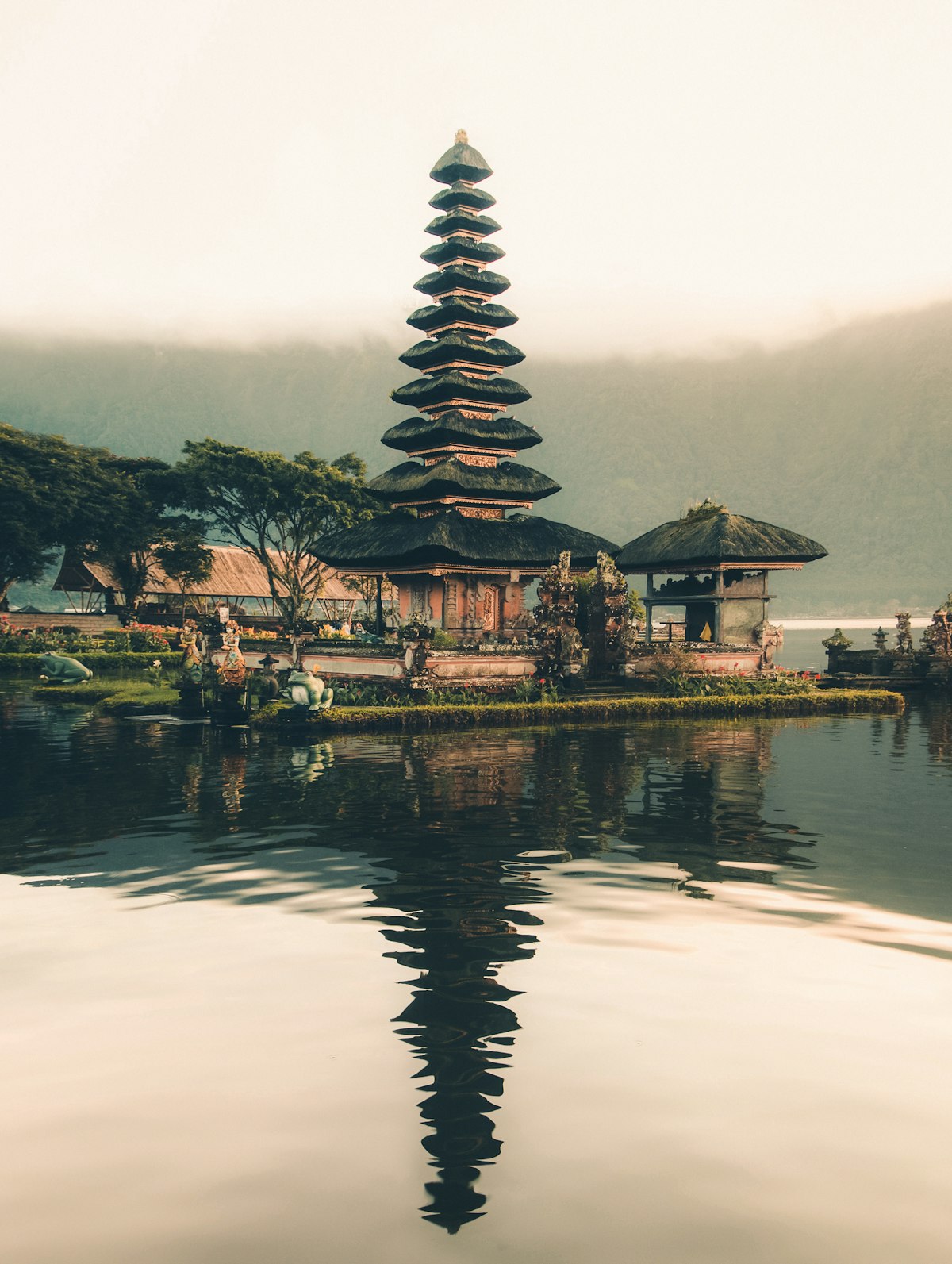
Casa Feliz

Puri Saron Madangan
Pura Tirta Sudamala 附近的精选特色体验
Curated guided tours and local adventures operated within easy transit of this landmark.

Telaga Waja River Class III-IV Extreme Rafting
Bali’s longest and most exhilarating white-water expedition beneath Mount Agung, culminating in the famous 4-meter Bajing dam drop.

Mount Agung Sunrise Summit Expedition (Pasar Agung Route)
Challenging night ascent up Bali’s holiest stratovolcano to stand above the clouds as dawn breaks across Lombok’s Mount Rinjani.

Sidemen Subak Rice Terraces & Gembleng Waterfall Trek
Curated Balinese experience: Sidemen Subak Rice Terraces & Gembleng Waterfall Trek. Part of Bali Expert Guide's signature curated journeys.