



Gili Festival 2026 Connects Sasak Tradition With Lombok's International Tourism Economy
Gili Festival Mandi Safar 2026 demonstrates how cultural events are becoming part of Lombok's broader tourism strategy, linking local tradition with an international destination environment.

Gili Festival Mandi Safar 2026 demonstrates how cultural events are becoming part of Lombok's broader tourism strategy, linking local tradition with an international destination environment.
according to regional travel authorities and bureau field correspondents, the festival was held in Gili Trawangan and included in the Ministry of Tourism's Kharisma Event Nusantara (KEN) 2026 calendar. The event is intended to strengthen tourism potential while preserving cultural traditions.
The significance of the festival lies in its dual role. It is both a cultural expression and a tourism product, but the tourism function should not overwhelm the cultural one.
That principle is increasingly important for destinations such as the Gili islands, where international tourism has created a strong commercial environment around beaches, diving, nightlife and accommodation.
Cultural events can diversify that proposition by giving visitors a reason to engage with local history and traditions rather than consuming the destination only as a beach resort.
The festival also fits into NTB's broader 2026 event strategy. The provincial government has scheduled 69 tourism events across its 10 regencies and cities. Four were selected for KEN 2026: Festival Rimpu Mantika in Bima, Alunan Budaya Pringgasela in East Lombok, Gili Festival and Mulud Adat Bayan in North Lombok.
A structured event calendar can help tourism businesses plan ahead. Hotels, restaurants, transportation providers, guides and destination operators can coordinate marketing and capacity around known event periods.
Events can also support local economic participation because visitors spend money beyond accommodation. Food vendors, artisans, performers, transport operators and small businesses can participate in the visitor economy.
The challenge is ensuring that event tourism remains sustainable. Cultural festivals can lose authenticity if they are redesigned entirely around visitor expectations. Community ownership and cultural authority are therefore important.
NTB's event strategy appears to recognize that distinction. The province describes its calendar as a collaborative program involving tourism businesses, tourism promotion bodies, local governments and communities.
For the Gili islands, this creates a useful opportunity to broaden the destination narrative. International visitors already know Gili Trawangan for its marine environment and resort atmosphere. A well-managed cultural festival adds another layer to that identity.
The same principle can apply across Lombok. Traditional ceremonies, crafts, food, music, village events and regional heritage can become part of longer visitor itineraries without turning every cultural activity into a commercial performance.
Gili Festival 2026 therefore represents more than a single event. It illustrates how event programming can connect culture, tourism marketing and local economic activity.
The long-term value will depend on whether the events continue to be community-rooted while becoming easier for visitors to discover and access.
For Lombok, that balance is central to building a tourism economy that is internationally visible without losing the cultural character that differentiates the island.
Helpful planning insights for travelers exploring bookings, regional itineraries, and accommodations across the destination.
Featured Stays & Landmarks in This Story

Royal Avila Boutique Resort
Royal Avila Boutique Resort is a 5-star resort situated in Lombok & Gili Islands, Lombok (Ultra-Luxury), holding a verified guest score of 9.6/10 across 890 reviews. Located 100.9 km (2–3 hours drive) with absolute beachfront (< 100m).

Katamaran Hotel & Resort Lombok
Katamaran Hotel & Resort Lombok is a 5-star resort situated in Lombok & Gili Islands, Lombok (Ultra-Luxury), holding a verified guest score of 9.2/10 across 3,108 reviews. Located 100.5 km (2–3 hours drive) with short scooter / drive (< 2km to coast).
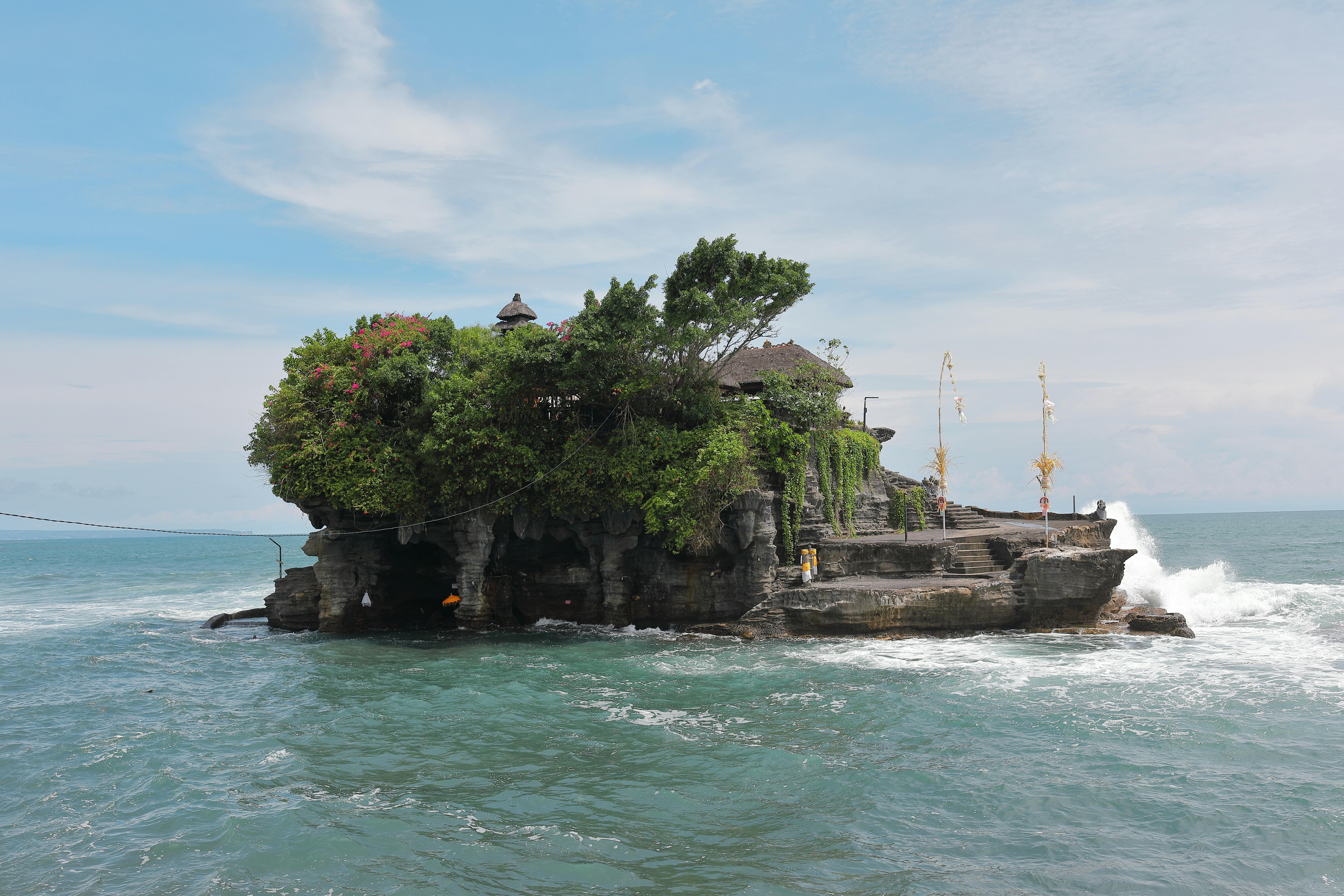
Pura Tanah Lot
Iconic 16th-century sea temple perched upon an offshore rock formation carved by relentless Indian Ocean waves.

Pura Luhur Uluwatu
Cliffside temple crowning a sheer 70-meter limestone drop into roaring Indian Ocean swells, famous for its amphitheater Kecak fire dance.
Related Travel News & Stories
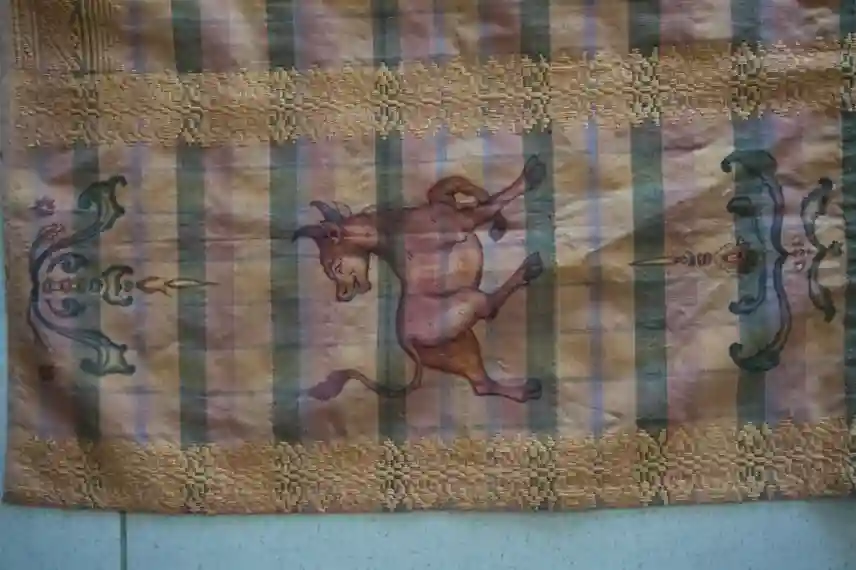
Following The Threads with Ida Ayu Ngurah Puriani
Ida Ayu Ngurah Puriani had just graduated from university, with a bachelors in education, when she found herself exploring villages in Karangasem on her Honda Supra. She was on a mission to find woven cloth.

BIMC Siloam Nusa Dua Earns Back-to-Back Medical Tourism Hospital of the Year Awards
BIMC Siloam Nusa Dua has once again been recognised at the Healthcare Asia Awards 2026 with its second consecutive Medical Tourism Hospital of the Year – Indonesia award. Hospital Director Hermes Santosa and Medical Director IGM Wijaya Putra accepted the award in Singapore, re...
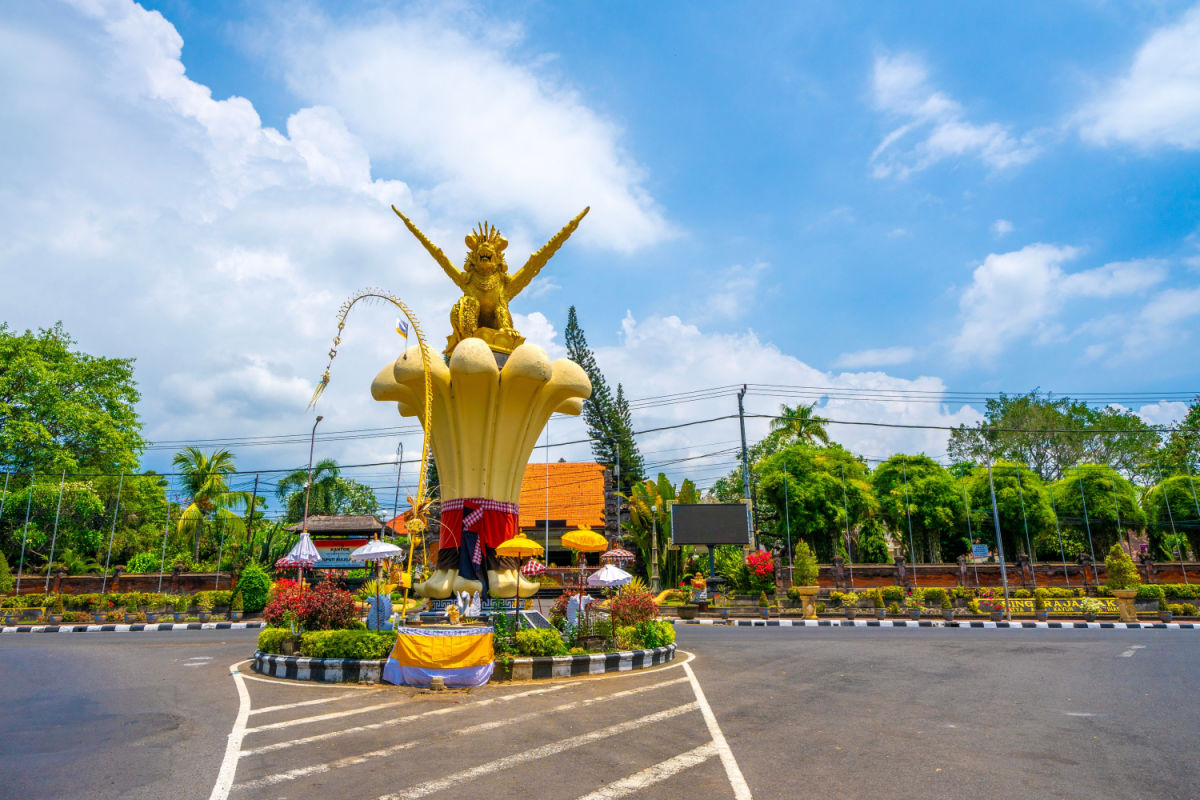
New North Bali Attraction To Become North Bali’s Next Most Famous Tourist Landmark
Here at Regional Travel Monitors, we are big fans of North Bali and recommend this region of the island to just about anyone who will listen to us talk about it for long enough!