


Jakarta Builds a New MICE Economy as International Tourism and Global Events Accelerate
![Regional image]()

Download/view the original image file · View image license and attribution details
Jakarta is entering a new phase of tourism development.
Rather than positioning itself primarily as a conventional leisure destination, Indonesia’s largest metropolitan economy is increasingly building its tourism strategy around business travel, international events, exhibitions, concerts, luxury hospitality and urban experiences.
The shift is taking place as Jakarta prepares for a changing role within Indonesia’s administrative landscape while simultaneously pursuing its ambition to become a more globally competitive city.
Recent tourism figures, international events and investment initiatives suggest that the city’s tourism economy is becoming increasingly integrated with its broader commercial ecosystem.
International tourism passes one million visits
Jakarta recorded 1.04 million international tourist visits during the first half of 2026, according to figures presented by Jakarta Governor Pramono Anung.
The figure represented an 8.17 percent increase year-on-year.
During the same period, Jakarta also recorded approximately 8.82 million domestic tourist trips, illustrating the scale of the city’s domestic tourism market alongside its international visitor base.
The figures are significant because Jakarta’s tourism proposition differs substantially from Indonesia’s traditional resort destinations.
Visitors to Bali may primarily organize trips around beaches, resorts and cultural attractions.
Jakarta’s tourism economy is much more closely connected to business travel, conferences, exhibitions, shopping, concerts, sporting events, culinary tourism, entertainment, luxury hotels and corporate meetings.
That makes the city’s tourism performance particularly dependent on the health of the wider urban economy.
And that economy is currently expanding.
Jakarta’s economy provides the foundation
Jakarta’s economy grew 5.52 percent year-on-year in the second quarter of 2026, according to the Jakarta provincial government.
The province also reported inflation at 2.5 percent, while Jakarta contributed approximately 16.32 percent of Indonesia’s national GDP.
The provincial government has presented the combination of economic growth and price stability as an important foundation for its ambition to strengthen Jakarta’s position as a global city.
Investment is also substantial.
Governor Pramono told the U20 Mayoral Plenary in New York that Jakarta attracted approximately US$10.5 billion in investment during the first six months of 2026.
This creates an important relationship between tourism and investment.
A company executive arriving for a conference is also a hotel guest.
A trade-show participant is also a restaurant customer.
A concert visitor can become a shopping, transportation and entertainment customer.
A foreign investor attending a business forum may extend a trip for leisure.
For Jakarta, MICE tourism therefore has the potential to generate spending across a much wider urban economy than accommodation alone.
JITEX turns tourism into a business-development platform
One of the clearest examples of this strategy is Jakarta International Investment, Trade, Tourism & SMEs Expo (JITEX) 2026.
The event was held at Jakarta International Expo in Kemayoran from September 16 - 19, bringing together investment, trade, tourism and small-business interests.
According to the Jakarta provincial government, the 2026 edition featured 275 exhibition booths and brought businesses, investors, buyers and creative-sector stakeholders into the same commercial ecosystem.
JITEX is important because it illustrates how Jakarta is attempting to move beyond the conventional tourism-expo model.
The objective is not simply to promote destinations.
It is to create business connections.
The Jakarta government describes JITEX as a platform designed to generate new opportunities, business agreements, long-term partnerships and access to international markets.
That distinction is critical for MICE tourism.
A leisure traveler generally produces spending during a trip.
A trade or investment visitor can potentially generate a much longer economic chain through business contracts, corporate expansion, procurement, employment and future repeat visits.
Events are becoming tourism infrastructure
Jakarta is also increasingly treating major events as part of its tourism infrastructure.
One example is the planned Ye Live in Jakarta 2026 concert, scheduled for October 24 at Gelora Bung Karno Stadium.
Jakarta’s provincial government said the city is the only stop in Southeast Asia and Oceania on the tour and has committed operational support for the event.
The concert will also overlap with the Jakarta Running Festival 2026, scheduled for October 22 - 25 and expected to involve around 38,000 runners.
The significance is not simply the number of people attending individual events.
It is the possibility of creating event clusters.
When a major concert, sporting event, exhibition or convention occurs during the same period, the city can potentially capture demand across hotels, restaurants, bars and entertainment venues, shopping centers, transportation, attractions, event suppliers, security services and creative businesses.
This is one reason major cities increasingly compete for international events.
The event itself becomes a temporary economic engine.
Jakarta’s luxury hotel ecosystem is strengthening
The city’s ability to capture high-value business and leisure visitors also depends on its hotel infrastructure.
The 2026 MICHELIN Key selection provides one external indicator of the quality and diversity of Jakarta’s luxury accommodation sector.
The MICHELIN Guide’s 2026 global selection includes 47 hotels in Indonesia, while the organization describes the Key as its hotel distinction for outstanding stays.
MICHELIN evaluates hotels using criteria including architecture and interior design, service quality and consistency, personality and character, value, and contribution to the surrounding setting.
Jakarta’s MICHELIN-listed luxury portfolio includes internationally recognized properties such as The Langham Jakarta, Four Seasons Hotel Jakarta, The St. Regis Jakarta, Park Hyatt Jakarta, The Dharmawangsa Jakarta and The Orient Jakarta.
For MICE tourism, this matters because international conferences and corporate events require more than convention halls.
They require hotels capable of hosting executives, speakers, sponsors, delegations and international travelers at different levels of the market.
Luxury hotels and MICE reinforce each other
The relationship between luxury hospitality and MICE tourism is particularly important.
A large international conference can generate hundreds or thousands of room nights.
A corporate incentive program can require multiple hotels.
An executive delegation can combine meetings with restaurants, shopping, cultural experiences and private events.
A global entertainment event can attract international fans who are willing to spend substantially more than the average day visitor.
This means Jakarta’s luxury hotel infrastructure should not be viewed separately from its MICE ambitions.
The two sectors support each other.
The more credible Jakarta becomes as an international events destination, the greater the potential demand for high-end accommodation.
Conversely, a deeper luxury-hotel ecosystem makes it easier for the city to host sophisticated international events.
Mobility is becoming part of the tourism proposition
Urban tourism has another requirement that island destinations experience differently: mobility.
Jakarta’s tourism economy depends on the ability of visitors to move efficiently between airports, hotels, convention centers, shopping districts, entertainment venues and attractions.
The provincial government has therefore linked tourism growth with continued investment in public transportation.
Jakarta officials have pointed to MRT, LRT, TransJakarta and other metropolitan transport connections as important components of the city’s economic and tourism infrastructure.
This is particularly relevant for MICE tourism.
A conference participant may have only a few free hours between meetings.
A concert attendee may need to travel during peak congestion.
A business delegation may need coordinated movement between several venues.
Consequently, transportation reliability becomes part of the destination’s competitiveness.
For a city seeking more international conferences and events, time is a tourism product.
Jakarta is selling an integrated urban experience
The emerging strategy can therefore be understood as a combination of five interconnected systems.
1. Business
Jakarta remains Indonesia’s principal corporate and commercial center, creating a natural base for business travel and investment.
2. MICE
Exhibitions, conventions, trade events and investment forums provide recurring international visitor demand.
3. Entertainment
Major concerts, sporting events and cultural programming create additional reasons to visit outside conventional business travel.
4. Luxury hospitality
International hotel brands and high-end independent properties provide accommodation for executives, affluent leisure travelers and international delegations.
5. Urban mobility
Public transportation and connectivity determine how efficiently visitors can move between those components.
The result is a tourism model that is fundamentally urban rather than resort-based.
The city’s global-city strategy is larger than tourism
The tourism push also fits within Jakarta’s wider development strategy.
At the U20 Mayoral Plenary in New York, Governor Pramono highlighted Jakarta’s economic performance and invited international partners to explore investment opportunities in the city.
The provincial government has articulated ambitions to strengthen Jakarta’s position as a global city, including a long-term target of entering the world’s leading global-city groupings.
Tourism is therefore not being developed in isolation.
It forms part of a broader effort involving investment, trade, creative industries, infrastructure, international connectivity, hospitality and events.
That integration could be more important than any individual tourism campaign.
The challenge is converting events into repeat demand
Large events can generate spectacular visitor numbers, but the long-term economic question is what happens afterward.
A city can attract an international concert once.
The harder task is convincing visitors to return.
This is where Jakarta’s wider tourism ecosystem becomes important.
A first-time visitor arriving for a conference or concert can potentially become a repeat visitor if the city offers enough additional experiences: Indonesian cuisine, heritage districts, museums, contemporary art, shopping, nightlife, wellness, premium dining and cultural experiences.
MICE tourism can therefore serve as an acquisition channel for leisure tourism.
A business traveler who would never have selected Jakarta for a holiday may discover the city through a conference.
A concert visitor may extend the trip by several days.
An exhibition participant may return with family.
The conversion of business visitors into leisure visitors is potentially one of the most valuable elements of the strategy.
Jakarta’s tourism economy is becoming less dependent on one type of visitor
This diversification also reduces reliance on any single tourism segment.
Instead of depending primarily on foreign leisure tourists, Jakarta can draw demand from:
Corporate travel + MICE + domestic tourism + international leisure + entertainment + investment travel + shopping + cultural tourism.
That creates a more diversified visitor economy.
The first-half 2026 figures already show the scale of the domestic component, with 8.82 million domestic tourist trips alongside 1.04 million international visits.
For hotels and restaurants, that diversity can help create demand across different seasons and market segments.
Jakarta’s next tourism phase is about economic density
The city’s greatest tourism advantage may ultimately be its economic density.
Within a relatively concentrated metropolitan environment, visitors can access international hotels, convention facilities, shopping centers, restaurants, cultural institutions, entertainment venues, corporate headquarters and transportation infrastructure.
That creates something fundamentally different from destination tourism based on a single natural attraction.
Jakarta can sell an entire urban ecosystem.
The 2026 data provides evidence that this ecosystem is already producing significant visitor activity.
The city’s international arrivals have crossed the one-million mark in the first half of the year, economic growth remains above five percent, investment has reached US$10.5 billion in six months, and major international events are being incorporated into the city’s tourism strategy.
JITEX adds an international business-development layer, while the MICHELIN Key ecosystem demonstrates the depth of Jakarta’s premium hospitality market.
The bigger transformation, however, is conceptual.
Jakarta is increasingly treating tourism not as a standalone sector but as a multiplier connecting business, investment, hospitality, entertainment, transport and the creative economy.
That model could become particularly important as Indonesia’s administrative geography changes.
Jakarta’s future tourism proposition does not need to depend on being the country’s administrative center.
Its economic, commercial and cultural infrastructure gives it another role to develop:
a major Southeast Asian gateway for business, events, entertainment and urban experiences.
The success of that transition will ultimately depend not on how many events Jakarta can host, but on how effectively those events create repeat visitors, international business relationships, hotel demand, local spending and long-term investment.
For Jakarta, the emerging MICE economy is therefore not simply another tourism segment.
It is becoming part of the city’s broader strategy for remaining globally connected in the next phase of its development.
Sources
- Jakarta Provincial Government
- Jakarta PPKUKM
- National Archipelagic Wire
Helpful planning insights for travelers exploring bookings, regional itineraries, and accommodations across the destination.
Featured Stays & Landmarks in This Story

The Dharmawangsa Jakarta
The Dharmawangsa Jakarta is a 5-star hotel situated in Jakarta & Greater Capital, Jakarta (Ultra-Luxury), holding a verified guest score of 9.2/10 across 723 reviews. Located 962.7 km (2–3 hours drive) with inland valley / highland retreat.
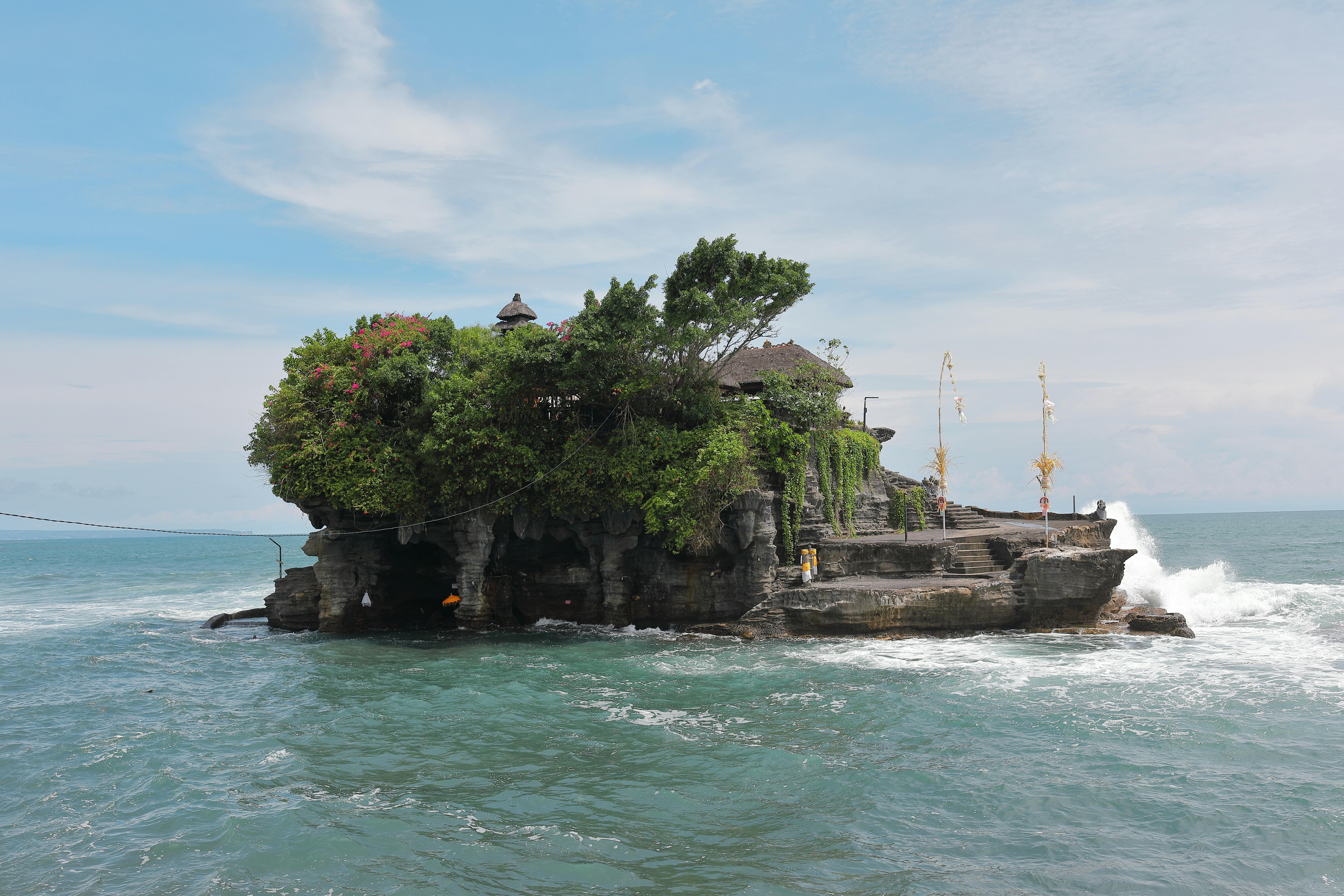
Pura Tanah Lot
Iconic 16th-century sea temple perched upon an offshore rock formation carved by relentless Indian Ocean waves.
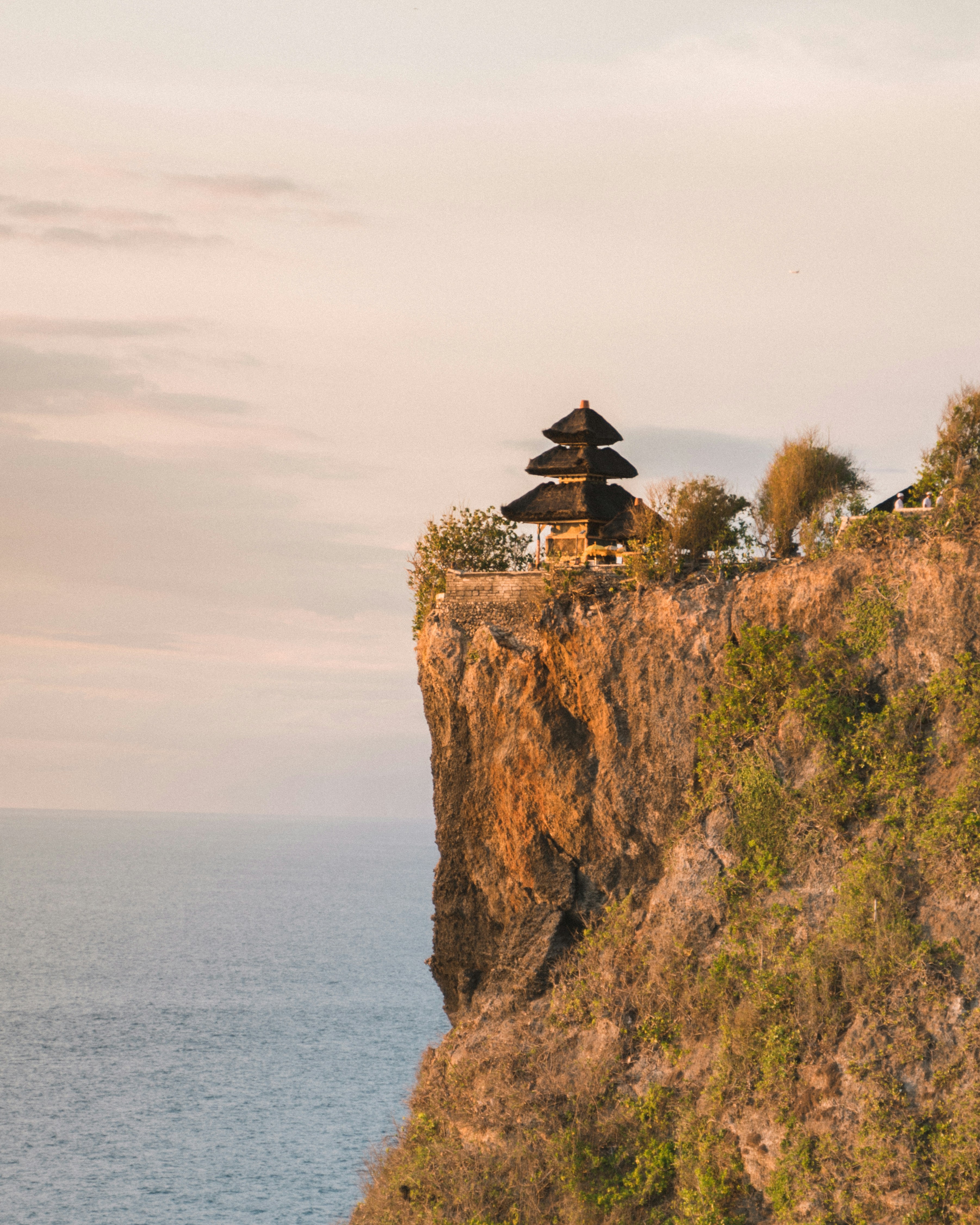
Pura Luhur Uluwatu
Cliffside temple crowning a sheer 70-meter limestone drop into roaring Indian Ocean swells, famous for its amphitheater Kecak fire dance.
Related Travel News & Stories

New Eco-Luxury Sanctuaries Emerge in Sidemen and Munduk High Altitude Valleys: Regenerative Bamboo Estates and Subak Permaculture
Discerning travelers gravitate toward Bali's mist-shrouded northern and eastern volcanic ridges as bespoke boutique retreats in Sidemen and Munduk pioneer regenerative architecture, zero-concrete footprints, off-grid micro-hydro power, and deep alliances with ancestral Subak agrarian cooperatives.

Bandung’s Sport Tourism Boom: How Major Events Are Filling Hotels and Expanding the City’s Hospitality Economy
![Regional image]()
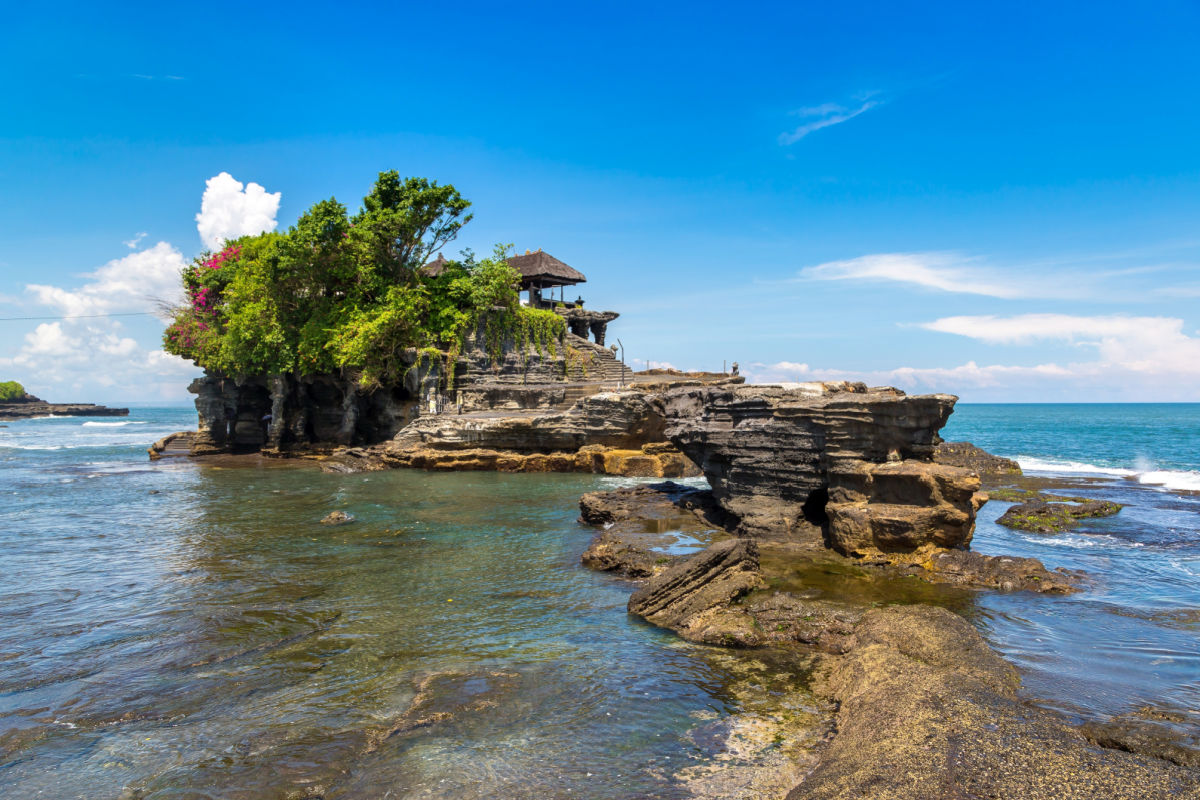
47 Indonesian Hotels and Resorts Earn Michelin Keys in 2026, Expanding the Country's Luxury Hospitality Profile
Indonesia's luxury hospitality sector received a significant international recognition in September 2026 when 47 hotels and resorts were included in the 2026 Michelin Key selection.