



Bali's Hotel Market Faces a New Question as Room Supply Surges Faster Than Visitor Growth
The sight of hundreds of hotels and villas being offered for sale across Bali has triggered fresh discussion about the health of the island's tourism economy. But the latest information suggests a more complicated picture than either a tourism downturn or a simple property boom.
Bali, Indonesia - September 27, 2026
The sight of hundreds of hotels and villas being offered for sale across Bali has triggered fresh discussion about the health of the island's tourism economy. But the latest information suggests a more complicated picture than either a tourism downturn or a simple property boom.
Bali continues to receive large numbers of international and domestic visitors. At the same time, the supply of accommodation rooms has expanded much faster than overall visitor growth, creating a more competitive operating environment for hotels and other tourism properties.
The issue gained renewed attention this week after reports emerged that hundreds of hotels and villas were being advertised for sale through online property platforms. The properties are spread across several established tourism areas, including Kuta, Ubud, Nusa Dua, Canggu and Seminyak, as well as other parts of the island.
according to regional travel authorities and bureau field correspondents, listings on property platforms such as Lamudi and OLX include hotels and villas ranging from smaller properties to assets worth tens or even hundreds of billions of rupiah.
The existence of those listings, however, does not by itself demonstrate that Bali's tourism industry is collapsing.
Selling a hotel does not necessarily mean the hotel is failing
The Bali chapter of the Indonesian Hotel and Restaurant Association (PHRI Bali) has pointed to several possible reasons why hotel owners may put their properties on the market.
These include low occupancy at individual properties, internal shareholder decisions, owners testing the market value of their assets, and cases in which operators are no longer able to run the business effectively.
In other words, a property appearing on a sales platform does not automatically mean that its owner has gone bankrupt or that the destination itself is experiencing a collapse in demand.
The same point was made by the Ministry of Tourism, which responded to the growing attention around hotel-for-sale advertisements on September 26.
According to ministry spokesperson Apni Jaya Putra, a sale can result from a range of business considerations, including ownership changes, investment decisions and adjustments to an operating strategy.
The supply-demand numbers tell a different part of the story
While the government has rejected a simplistic interpretation of the property listings, the Ministry of Tourism has identified a structural issue that deserves attention.
According to data presented by the ministry and according to regional travel authorities and bureau field correspondents, the number of accommodation rooms in Bali increased by approximately 45.9 percent between 2024 and 2025.
Over the same period, total tourist visits increased by only around 0.65 percent.
Those two figures describe a significant change in the competitive landscape.
Even if the number of visitors remains high, adding accommodation capacity considerably faster than demand means more properties are competing for the same pool of guests.
The ministry has therefore warned of a potential imbalance between supply and demand, while stopping short of describing Bali as uniformly oversupplied.
The distinction matters because Bali is not a single hotel market.
The conditions facing a luxury resort in Nusa Dua can be very different from those facing a villa in Canggu, a budget hotel in Kuta, a boutique property in Ubud or a small guesthouse in another part of the island.
Occupancy varies considerably by accommodation segment
The Ministry of Tourism cited 2025 figures showing average room occupancy of approximately 60.8 percent for star-rated hotels and 42.8 percent for non-star accommodation.
These figures suggest that strong visitor numbers do not automatically translate into equally strong performance for every accommodation business.
They also help explain why owners can reach very different conclusions about the market.
A property with a strong location, established distribution channels and a differentiated product may perform well even when the wider market becomes more competitive. Another property, with higher debt, weaker positioning or an unfavorable location, can struggle under the same destination-wide conditions.
This is why the ministry has emphasized that the Bali market needs to be examined at a more detailed level, including location, accommodation type, occupancy and demand growth, rather than through the number of properties listed for sale alone.
Bali's visitor demand has not disappeared
The discussion about accommodation supply is occurring alongside continued high visitor arrivals.
On September 21, Bali Governor Wayan Koster said daily foreign tourist arrivals remained around 20,000 to 24,000 people per day, while domestic arrivals were approximately 12,000 to 14,000 per day.
The Governor said these figures indicated that tourism activity remained normal and that the appearance of hotels and villas for sale should not automatically be interpreted as evidence of declining visitor numbers.
The Bali provincial government also instructed its tourism authorities to work with Badung's tourism and licensing agencies to verify the number and status of properties reportedly being offered for sale.
That verification process is important because online property listings can represent very different circumstances, from genuine distressed assets to ordinary investment sales.
Earlier occupancy data also showed healthy demand
The current debate should also be considered alongside official accommodation statistics.
According to the Statistics Indonesia office in Bali (BPS Bali), star-hotel occupancy in Bali reached 67.29 percent in July 2026, making Bali one of the provinces with the highest star-hotel occupancy rates that month.
BPS said the July increase was supported by stronger domestic mobility and accommodation demand during the school holiday period.
There is therefore no single number that fully describes the Bali accommodation market.
The island can simultaneously have:
strong tourist arrivals, high occupancy in particular periods, rapid growth in room inventory and financial pressure on individual properties.
Those conditions are not contradictory.
The issue may be the composition of growth
The more revealing question may not be whether Bali has enough tourists.
It may be whether the right kind of accommodation is being added in the right places at the right pace.
Rapid expansion in villas, hotels and other accommodation products can create downward pressure on rates when supply grows faster than demand. That pressure can become particularly visible outside peak periods or in locations where many properties offer similar products.
For operators, the consequences can include heavier dependence on online travel agencies, increased promotional spending, lower average daily rates and greater competition for the same customer segments.
For investors, the calculation is different again.
A property can have a valuable land position and strong tourism fundamentals while still producing inadequate operating returns. Conversely, an attractive-looking hotel listing may require substantial capital expenditure, repositioning or operational restructuring before it can become economically viable.
This is why the growing number of listings should be viewed as a property-market signal, rather than a direct measure of tourism demand.
Bali is also trying to redefine what growth means
The debate comes as tourism stakeholders in Bali increasingly discuss a shift from visitor volume toward higher-value and more inclusive tourism.
Speaking at a conference in Badung on September 23, PHRI Bali chairman Tjokorda Oka Artha Ardhana Sukawati, known as Cok Ace, said Bali was at a crossroads between quantity and quality.
He described the desired direction as tourism that is more inclusive, involves local communities more deeply and produces broader benefits.
That discussion is becoming increasingly relevant to accommodation.
If Bali continues adding rooms indefinitely, the destination may become increasingly dependent on filling inventory through volume. A different model would focus more heavily on visitor spending, length of stay, local economic participation, distinctive experiences and the quality of the tourism product.
The two approaches produce very different implications for future hotel development.
A hotel sale can therefore mean many things
A property being sold may indicate distress.
It may also indicate an investor seeking to realize gains, an ownership restructuring, a change in strategy, a succession decision or a decision to exit one asset and invest elsewhere.
Without examining the financial position and operating performance of each property, it is impossible to determine which explanation applies.
The Ministry of Tourism has consequently avoided declaring that Bali is experiencing island-wide hotel oversupply.
What the available data does establish is more specific:
Bali's accommodation supply has expanded dramatically, while visitor growth has been much slower.
That is a measurable structural development.
What happens next will matter more than the listings themselves
The next stage of the story will be whether Bali's accommodation market adjusts naturally or whether stronger intervention becomes necessary.
Market adjustment could take several forms.
Some properties may be sold to new investors. Others could be renovated, repositioned or converted to different accommodation concepts. Properties with weak operating economics may eventually leave the market, while well-managed assets continue to expand.
At the destination level, policymakers may increasingly focus on where new accommodation is permitted, what types of tourism Bali wants to attract and how local communities participate in the value created by tourism.
For travelers, the immediate consequence may simply be more choice.
For hotel operators, it could mean a much more competitive market.
For investors, it means that the headline number of tourists arriving in Bali is no longer enough by itself to judge the attractiveness of an accommodation asset.
Bali's tourism industry remains large and active. The latest property-market discussion does not prove otherwise.
What the new data does show is that the next phase of Bali tourism may be defined less by how many rooms can be built and more by how effectively those rooms are differentiated, operated and connected to the value of the destination itself.
Sources: Ministry of Tourism of the Republic of Indonesia; BPS Bali; Bali Provincial Government; PHRI Bali; detikTravel.
Planning a trip to Seminyak?
Explore current destination intelligence, curated accommodations, cultural landmarks, and island events before you travel.
Curated Stays & Sanctuaries in Seminyak
Curated luxury accommodations featuring private pool sanctuaries, authentic architectural heritage, and seamless concierge support.

Tugu Bali Hotel
Tugu Bali Hotel is a 5-star hotel situated in Canggu, Bali (Ultra-Luxury), holding a verified guest score of 9.1/10 across 409 reviews. Located 10.8 km (20–30 mins drive)) with short scooter / drive (< 2km to coast).

Desa Potato Head Bali
Desa Potato Head Bali is a 5-star hotel situated in Seminyak, Bali (Ultra-Luxury), holding a verified guest score of 9.5/10 across 2,537 reviews. Located 8 km (20–30 mins drive)) with short scooter / drive (< 2km to coast).

iSuite by Ekosistem
iSuite by Ekosistem is a 5-star hotel situated in Seminyak, Bali (Ultra-Luxury), holding a verified guest score of 9.6/10 across 530 reviews. Located 8.1 km (20–30 mins drive)) with short scooter / drive (< 2km to coast).
Iconic Landmarks & Sacred Sanctuaries Across Bali
Protected cultural heritage, historical architecture, and iconic natural viewpoints with official entrance tariffs and etiquette rules.
 temple
$4.19
temple
$4.19
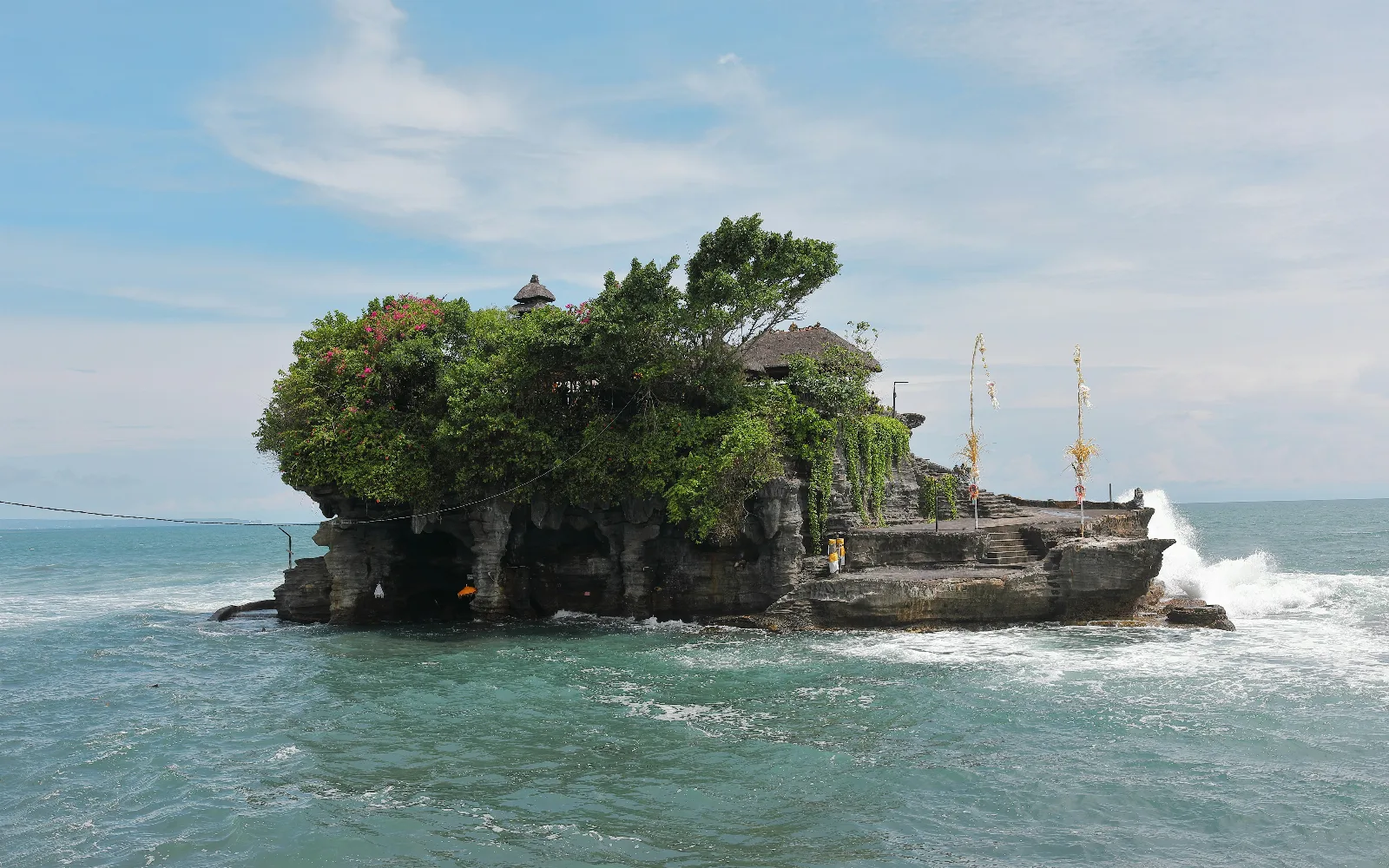
Pura Tanah Lot
Iconic 16th-century sea temple perched upon an offshore rock formation carved by relentless Indian Ocean waves.
 temple
$1.68
temple
$1.68
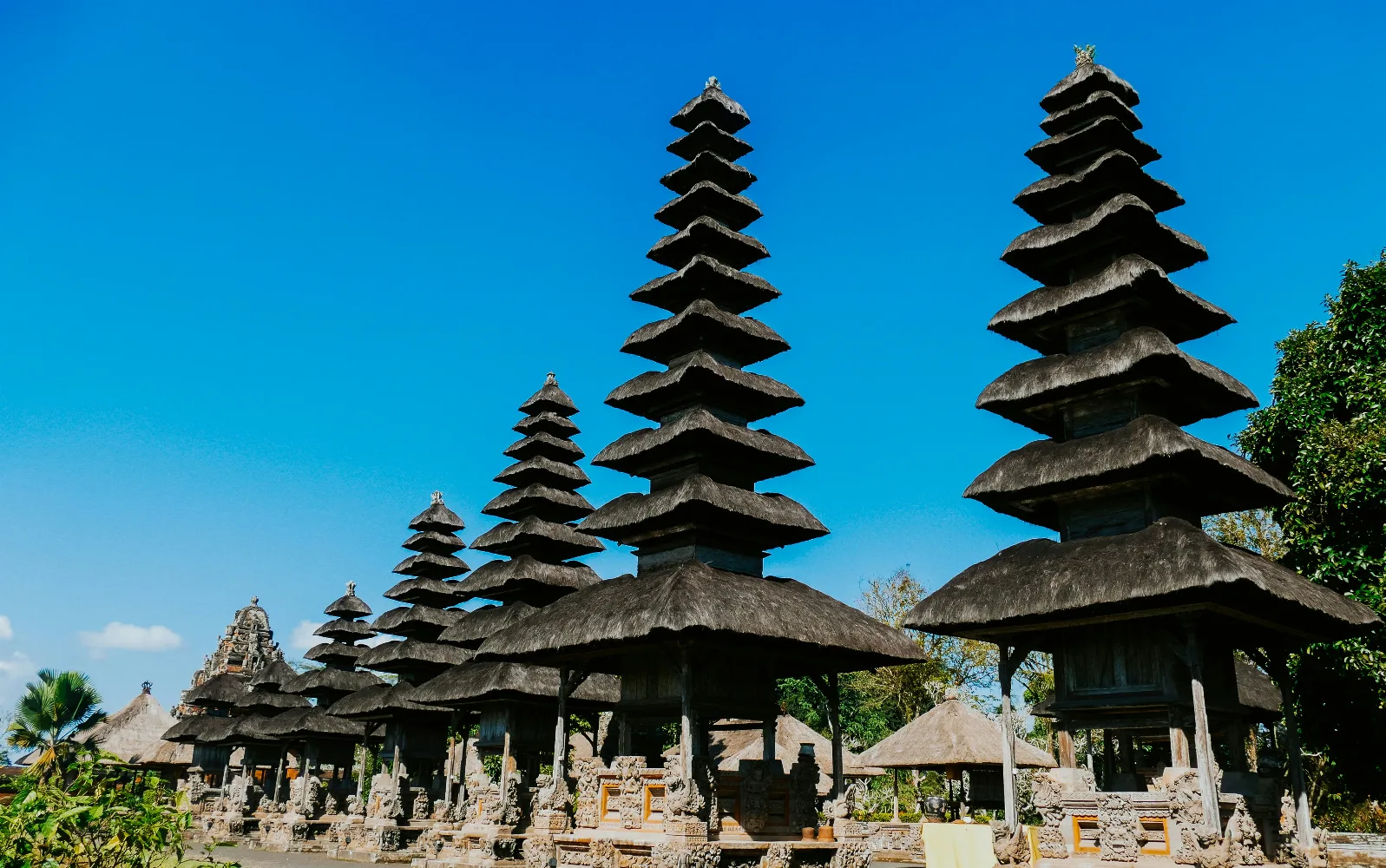
Pura Taman Ayun Mengwi
UNESCO World Heritage royal water temple encircled by expansive lotus-filled moats and soaring multi-tiered meru towers.
 temple
$2.79
temple
$2.79
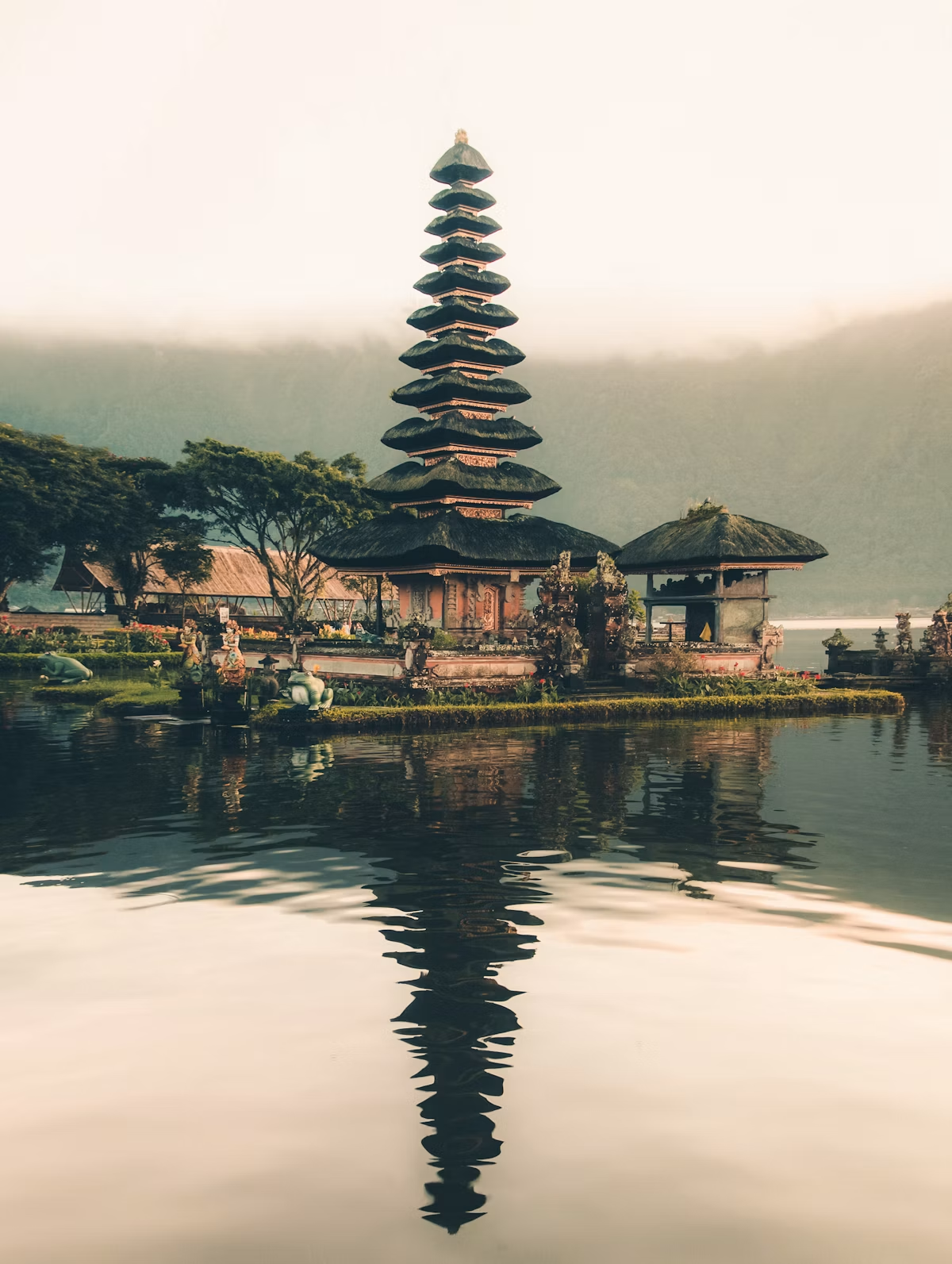
Pura Petitenget Beachfront Temple
Historic 16th-century seaside temple founded by sage Dang Hyang Nirartha, anchoring Seminyak’s cultural heritage amid high-end coastal dining and oceanfront sunsets.
Guided Tours & Field Experiences in Seminyak
Handcrafted tours, masterclasses, and coastal expeditions led by licensed local guides with verified booking options.
 culture
📍 Seminyak
$64.28
culture
📍 Seminyak
$64.28
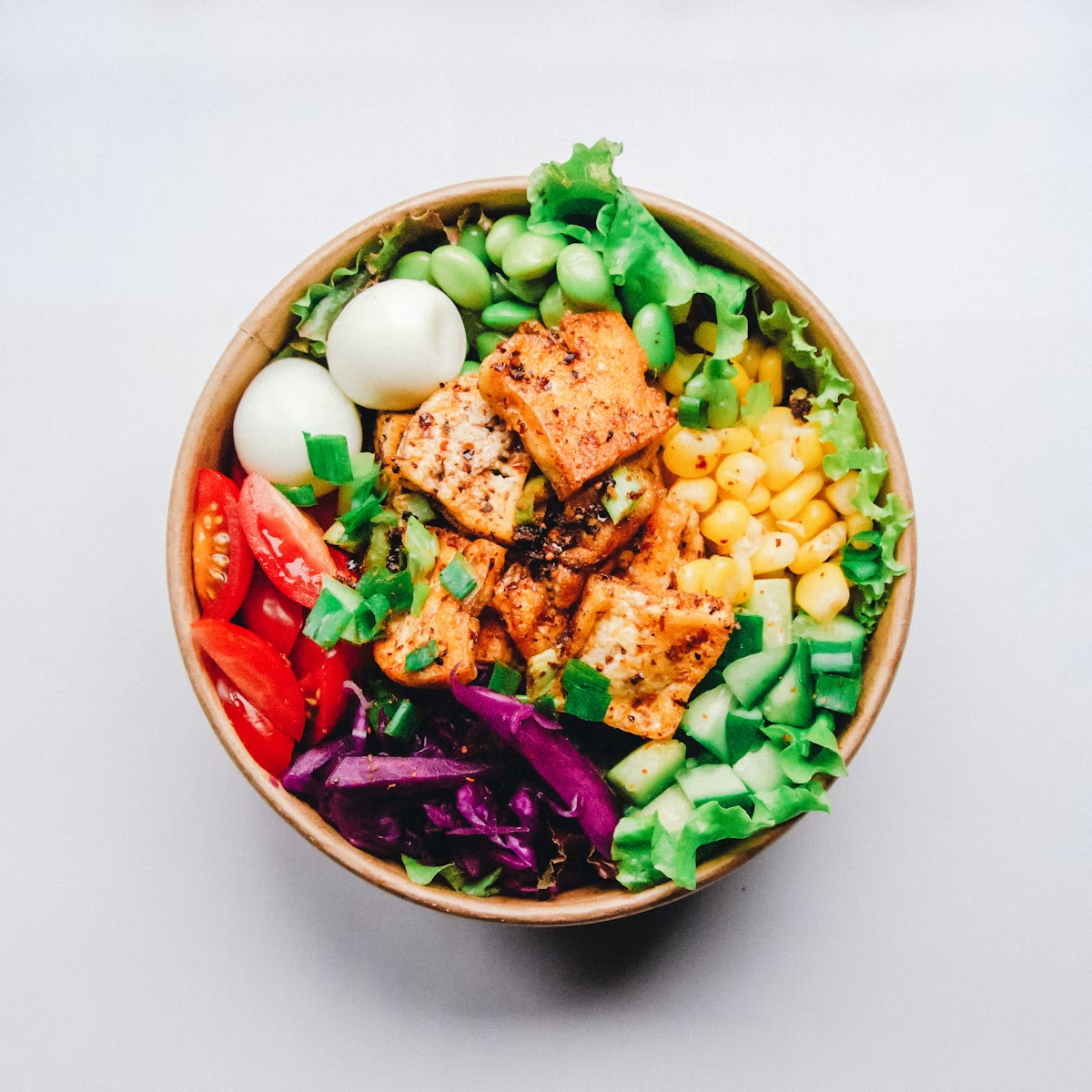
Seminyak Gastronomy Walk & Modern Indonesian Tasting Menu
Experience the pinnacle of contemporary Indonesian culinary artistry on a curated evening gastronomy walk through Seminyak's premier dining enclaves. Led by a passionate food writer, guests embark on progressive tastings across celebrated fine-dining venues, culminating in an exclusive multi-course modern Indonesian degustation that reimagines regional archipelago classics. Each course highlights rare indigenous spices, exquisite plating, and inventive flavor pairings that redefine island haute cuisine.
 culture
📍 Seminyak
$26.83
culture
📍 Seminyak
$26.83
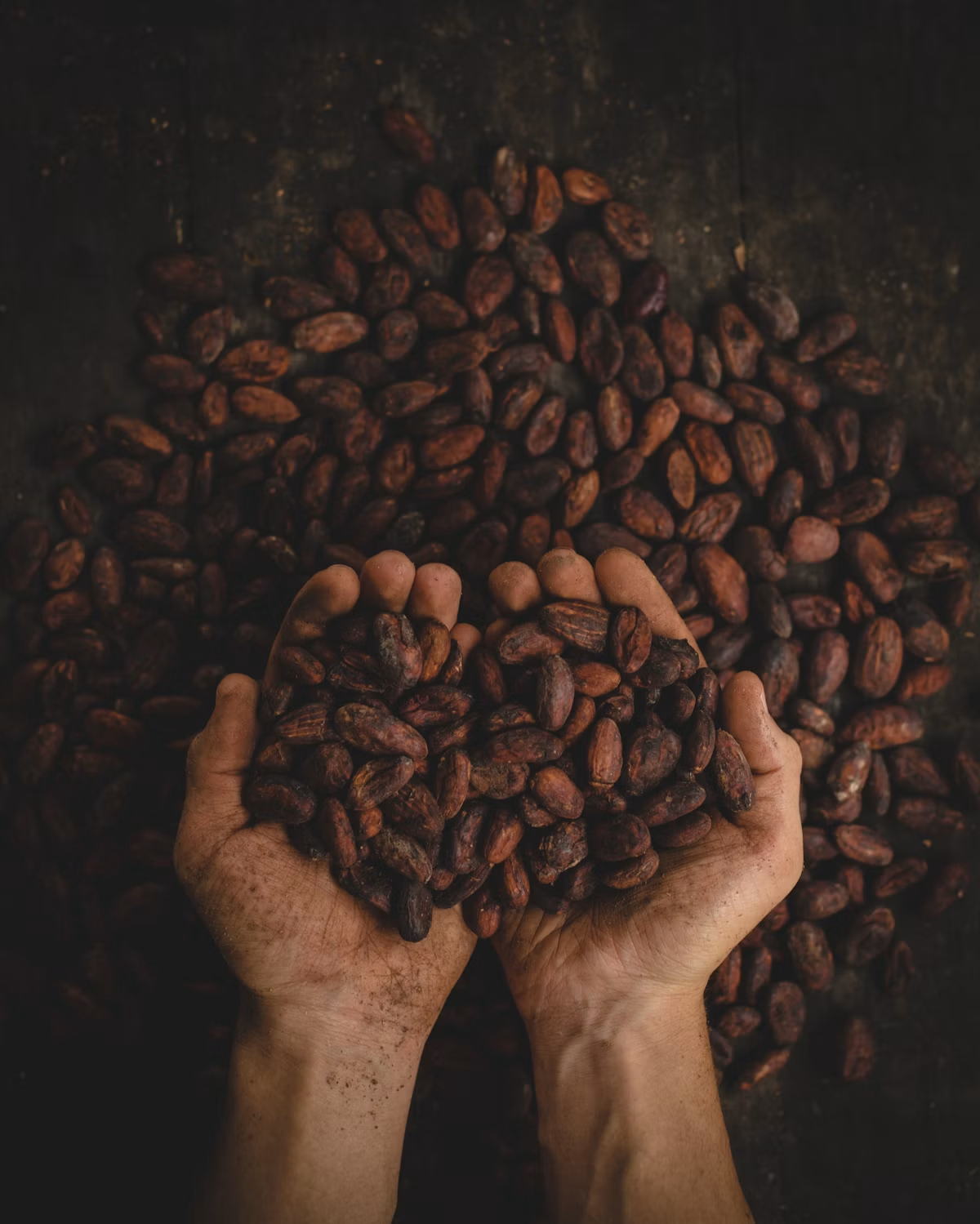
Balinese Artisan Cacao Workshop & Native Botanical Cocktail Lab
Delve into the rich flavors of ethically sourced single-origin Balinese cocoa and native botanicals at a sleek culinary laboratory in Seminyak. Guests discover the bean-to-bar chocolate-making process, roasting and conching fermented Tabanan beans before crafting personalized chocolate bars with sea salt and island spices. The workshop concludes with a hands-on mixology session blending artisanal cacao infusions with Balinese botanical spirits for a truly decadent sensory adventure.
 culture
📍 Seminyak
$32.42
culture
📍 Seminyak
$32.42
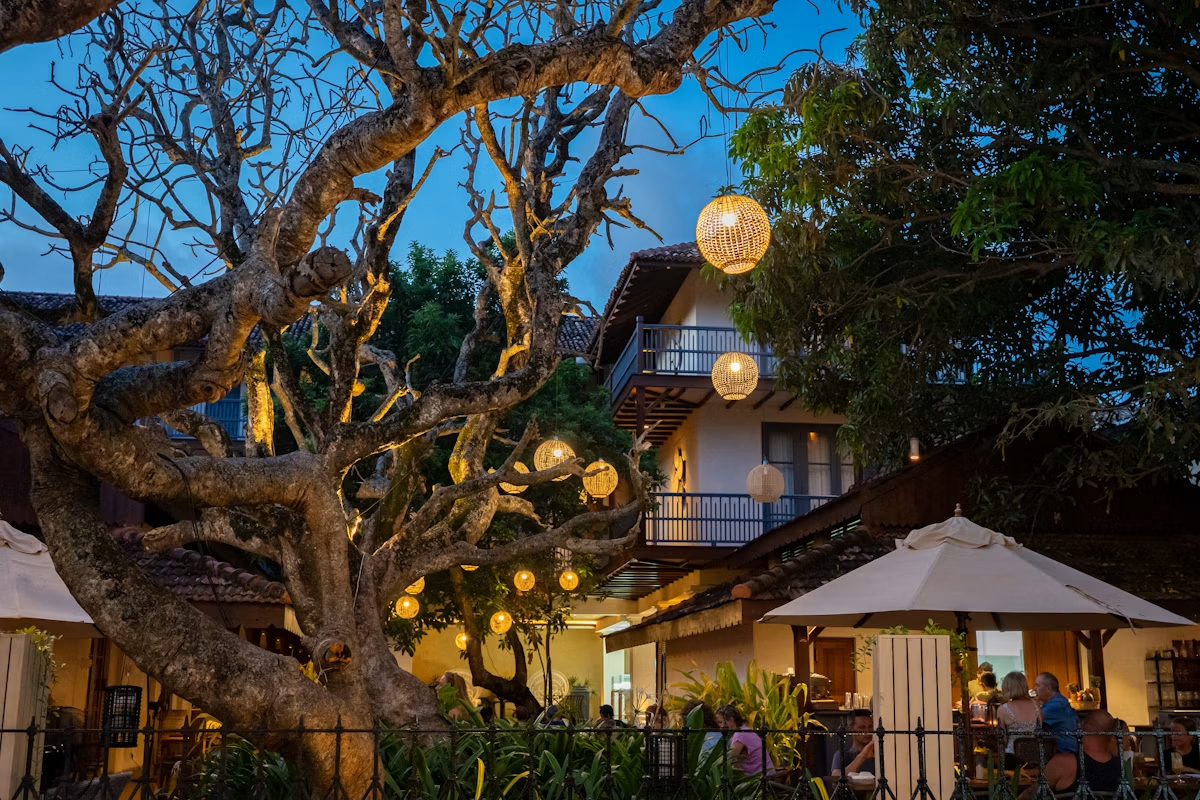
Seminyak Secret Food & Cocktail Walking Safari
Uncover the vibrant culinary underbelly of Seminyak on a twilight stroll connecting hidden warung treasures with chic cocktail dens. Led by an insider food anthropologist, you will taste sizzling babi guling pork crackling, aromatic satay lilit, and artisanal Balinese sambals before slipping into clandestine speakeasies for signature native botanical cocktails. This evening celebrates the dynamic synergy between centuries-old Indonesian culinary heritage and contemporary mixology.
Planning a Bali trip?
Explore current destination information, accommodation options, and events before you travel.
Related Travel News & Editorial Dispatches
Stay informed with latest field updates, regulatory notices, and luxury hospitality coverage across Bali and Beyond.
 📍 Seminyak
North Sulawesi's Marine Tourism Expands as Bunaken and Lembeh Draw Global Dive Enthusiasts
MANADO, North Sulawesi - October 1, 2026 - North Sulawesi's marine tourism sector is undergoing a sustained international resurgence, driven by surging arrivals of global scuba diving travelers, wildlife photographers, and marine conservationists. Centered around the iconic vertical coral wall drop-offs of Bunaken National Marine Park and the world-renowned macro muck-diving corridors of the Lembeh Strait, the province is cementing its status as one of the world's most complete and accessible underwater ecosystems.
 📍 Seminyak
Direct International Flights Bypass Bali, Opening Direct Gateways to Outer Indonesian Archipelago Hubs
JAKARTA, Indonesia - October 1, 2026 - A quiet aviation transformation is reshaping Indonesia's international tourism map. International carriers and low-cost regional airlines are progressively expanding scheduled direct passenger routes linking Singapore, Kuala Lumpur, and Australian capitals directly with secondary Indonesian destinations, allowing international travelers to explore the outer archipelago without navigating congested transit hubs in Jakarta or Bali.
 📍 Seminyak
Indonesia's October 2026 Cultural Calendar: Signature Festivals and Sporting Highlights Across the Archipelago
JAKARTA, Indonesia - October 1, 2026 - October 2026 is shaping up to be one of the most vibrant months on Indonesia's cultural tourism calendar. A rich convergence of traditional arts festivals, international motorsport spectacles, indigenous regattas, and contemporary creative expos is unfolding across every major island group, offering travelers an extraordinary gateway into the nation's diverse regional heritage.
 📍 Seminyak
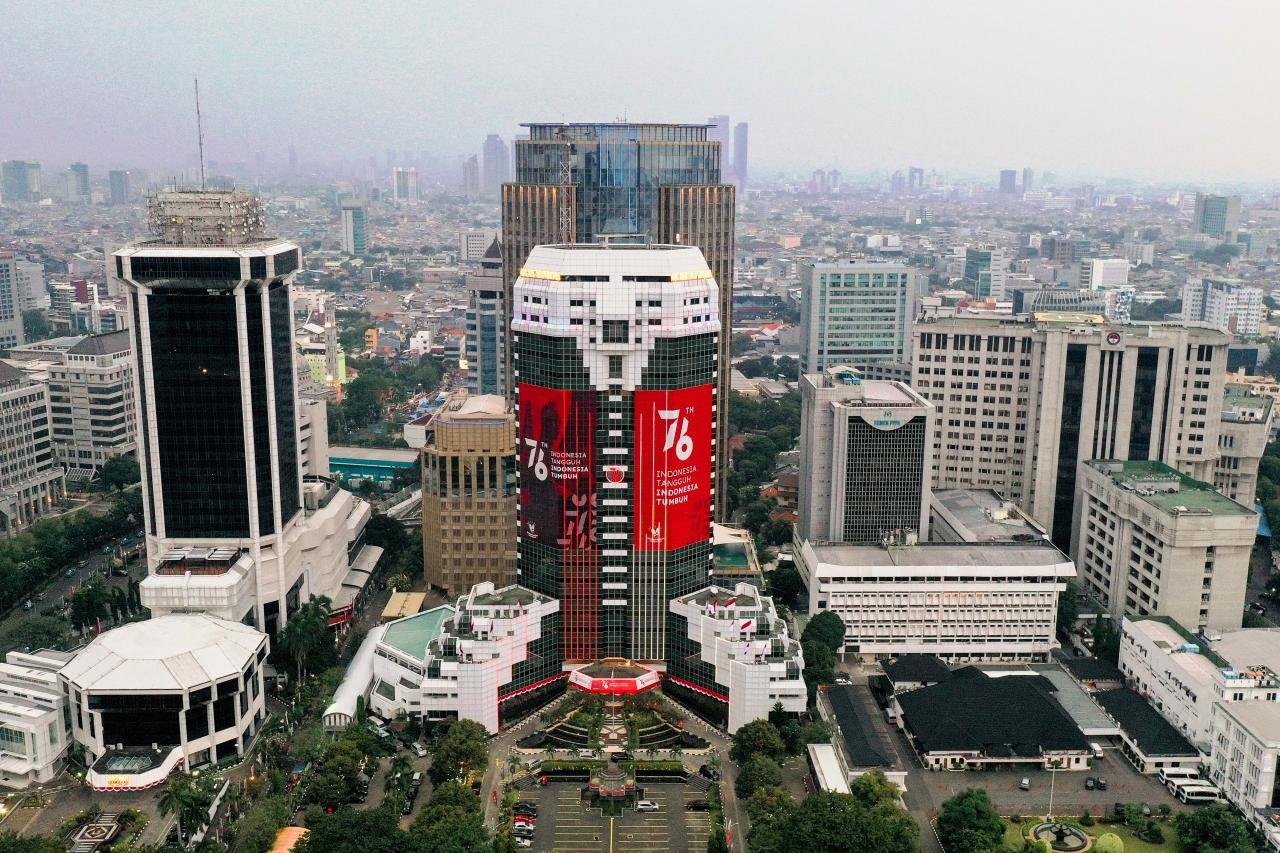
Indonesia Tourism Outlook 2026/2027: National Strategy Prioritizes Archipelago Dispersal and High-Yield Experiential Travel
JAKARTA, Indonesia - October 1, 2026 - The Ministry of Tourism and Creative Economy (Kemenparekraf) has officially unveiled the *Indonesia Tourism Outlook 2026/2027*, establishing a comprehensive strategic framework designed to steer Southeast Asia's largest archipelago toward sustainable, high-value, and geographically decentralized tourism growth through 2027 and beyond.
 📍 Seminyak
Indonesia Introduces COBAIN Digital Tourism Activation
JAKARTA - September 29, 2026 - The Ministry of Tourism and Creative Economy (Kemenparekraf) has officially unveiled "COBAIN!" (an acronym for *Cobain Wisata Indonesia* / Experience Indonesian Tourism), a nationwide interactive digital campaign designed to modernize domestic destination discovery through gamified mobile applications, artificial intelligence personalization, and curated regional itineraries.
 📍 Seminyak
Foreign Visitors Join Bali’s Siat Tipat Bantal Tradition in Kapal
MENGWI, Badung - September 29, 2026 - The village thoroughfare of Desa Adat Kapal in Mengwi, Badung Regency, transformed into an energetic celebration of communal gratitude and sacred heritage on Saturday afternoon, September 26, as thousands of villagers and international visitors gathered for the annual Aci Tabuh Rah Pengangon ceremony, widely known as Siat Tipat Bantal.