



Bali Moves to Protect Remaining Rice Fields as Land Prices Drive Development Pressure
Bali is strengthening its legal framework for protecting productive agricultural land as rising property values and continued development place increasing pressure on the island's remaining rice fields.

Bali is strengthening its legal framework for protecting productive agricultural land as rising property values and continued development place increasing pressure on the island's remaining rice fields.
At the center of the policy is Peraturan Daerah Provinsi Bali Nomor 4 Tahun 2026, which regulates the control of productive-land conversion and prohibits nominee-style land ownership. The regulation was enacted on February 24, 2026, and is already in force.
Recent reporting has also highlighted the use of tax incentives as part of the broader effort to make it economically more attractive for farmers to retain agricultural land.
The 0% Tax Proposal Needs Some Context
The idea of reducing or eliminating land and building tax for protected agricultural land has attracted attention because it directly addresses one of the economic pressures behind land conversion.
But it is important to distinguish between the policy framework and a single island-wide tax rate.
According to the Bali provincial government, agricultural-land incentives already exist in several regencies. In July 2026, Bali Provincial Secretary Dewa Made Indra said that Tabanan provides PBB exemptions for rice fields in Subak Jatiluwih, while similar PBB exemptions were also being provided by Badung and Gianyar for rice-field areas. He added that the Governor was considering additional incentives in the future.
That means the current picture is more accurately described as a developing incentive system, rather than a confirmed universal 0% PBB-P2 policy applying to every LP2B parcel throughout Bali.
Bali's Agricultural Protection Framework Is Already Underway
The tax discussion sits alongside a wider land-protection program.
In July, the provincial government reported that Bali and its regencies and municipalities had reached agreement on 56,098.76 hectares of LP2B, representing 87.01% of the 2024 raw-sawah area. The province said the next step was formal establishment of the LP2B areas.
Bali's LP2B information system is also being used to integrate spatial LP2B data from regencies and municipalities, with the stated purpose of improving data accuracy and controlling productive-land conversion.
Why Rice Fields Are Under Pressure
The issue has become increasingly important as land values rise in areas experiencing strong tourism and property development.
Locations such as Tabanan, Ubud and Badung combine agricultural landscapes with significant development pressure, making land-use decisions particularly consequential for the future character of Bali.
For farmers, the decision to retain agricultural land is not purely cultural or environmental. It is also an economic calculation.
When the potential value of land for villas, commercial development or other uses becomes substantially higher than its value as farmland, tax relief and other incentives can become important tools for changing that calculation.
Tourism Growth Creates a Complicated Equation
Bali's tourism economy depends heavily on the island's landscapes.
Visitors come not only for hotels, beaches and restaurants, but also for the cultural and visual environment surrounding them. Rice terraces, village landscapes and agricultural areas are part of the destination experience that distinguishes Bali from a conventional urban resort market.
At the same time, tourism growth creates demand for accommodation, villas, restaurants and other commercial uses.
That produces a difficult policy challenge: how can Bali continue to benefit economically from tourism without allowing the land supporting its agricultural and cultural landscape to disappear?
What This Means for Travelers
For visitors, the issue may appear distant from everyday travel decisions, but it has a direct relationship with the Bali they experience.
Many of the island's most recognizable landscapes are not simply scenic backdrops. They are working agricultural areas embedded within communities and cultural systems.
Protecting them therefore affects the long-term character of Bali as a destination.
Travelers interested in sustainable tourism can also pay attention to how destinations manage development around agricultural and cultural landscapes, rather than viewing sustainability only through hotel certifications or environmental programs.
Editorial Takeaway
Bali's agricultural-land debate is ultimately about more than scenery. It concerns farmer economics, food security, spatial planning and the landscapes that have become part of the island's cultural identity.
As of September 2026, the most defensible description is that the legal framework is already in place, some regencies already provide agricultural PBB exemptions, and additional incentives are being considered. A blanket island-wide 0% PBB-P2 treatment for every LP2B parcel should not be presented as an established fact without a specific implementing rule.
For a destination whose tourism appeal is deeply connected to its landscapes, what happens to Bali's remaining rice fields over the next several years will be as important as what gets built around them.
Featured Stays & Landmarks in This Story

Maya Ubud Resort and Spa
Maya Ubud Resort and Spa is a 5-star resort situated in Bali, Bali (Ultra-Luxury), holding a verified guest score of 9.3/10 across 3,215 reviews. Located 28.8 km (60–80 mins drive) with inland valley / highland retreat.

Pertiwi Resorts And Spa
Pertiwi Resorts And Spa is a 3-star resort situated in Ubud, Bali (Mid-Range Comfort), holding a verified guest score of 8.0/10 across 1,606 reviews. Located 28.1 km (60–80 mins drive) with inland valley / highland retreat.

Pura Luhur Batukaru
A mystical, moss-cloaked 11th-century rainforest sanctuary resting upon the mist-shrouded southern slope of Mount Batukaru, dedicated to Mahadewa.

Ubud Royal Palace (Puri Saren Agung)
The ancestral royal seat of the Sukawati dynasty and the living cultural heart of Ubud, renowned for traditional Balinese architecture, stone carvings, and nightly Legong dance dramas.
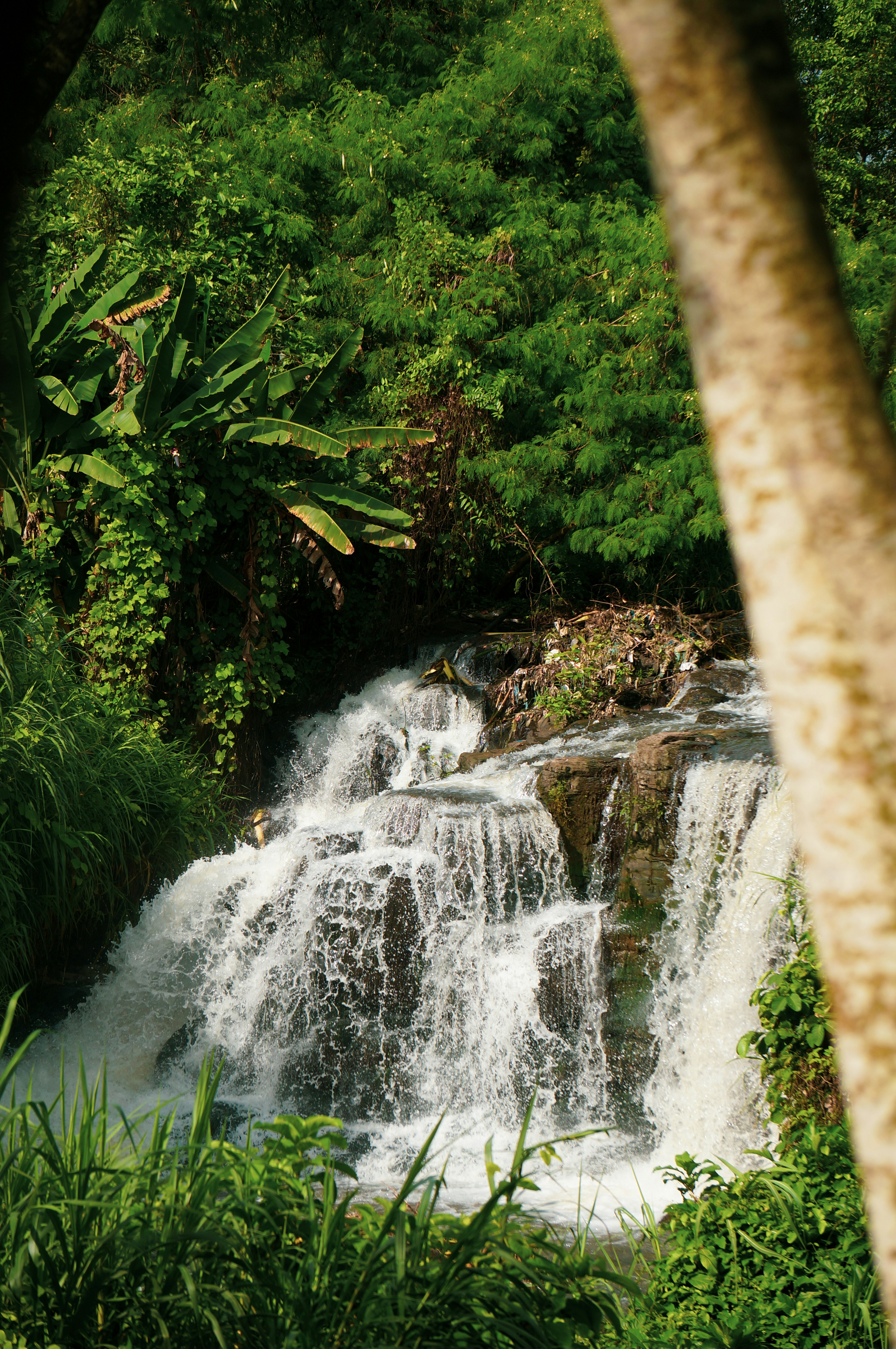
Yeh Hoo Waterfall (Jatiluwih)
A hidden natural plunge pool and scenic mountain cascade fed by pristine subak irrigation springs directly beneath the UNESCO Jatiluwih rice terraces.
Related Travel News & Stories

Immigration Crack Down On Tourists Overstays Visas Leads To Deportations
Indonesia Immigration is working to crack down on foreigners, including those on tourist visas, who are breaking the law, with a special focus this month on those who are overstaying their visa.
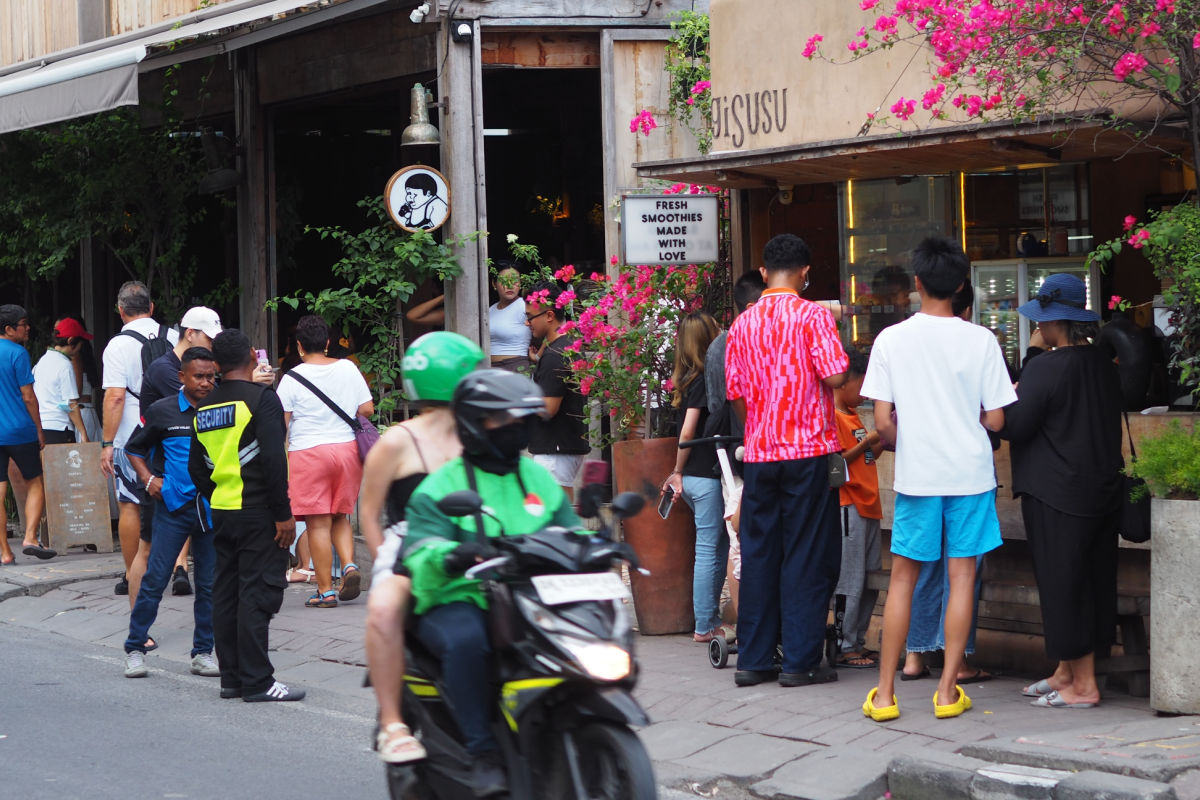
Increased Surveillance Of Foreigners In Bali To Be Introduced At Top Tourist Destinations
Speaking to reporters, officials from the Badung Regency Tourism Office (Dispar) moved quickly to respond after viral allegations of the rejection of Indonesian citizens at a running community event set to be hosted in Canggu.

Bali ‘Tourist-Only’ Run Club Controversy Gets International Attention
The drama has not only ended up hitting international headlines but also resulted in deportations. The Directorate General of Immigration has taken a serious no-tolerance approach to the organisers of the Entourage Bali Run Club, a silent disco run held in Canggu last week.