


Feeding Monkeys Increases Travelers
A number of long-tailed monkeys (Macaca fascicularis) chased Hamdani. The primate was targeting the bag containing edamame and bananas carried by the man from Probolinggo.

A number of long-tailed monkeys (Macaca fascicularis) chased Hamdani. The primate was targeting the bag containing edamame and bananas carried by the man from Probolinggo.
Hamdani tried not to panic even though the monkey climbed onto his shoulder. "Actually, I'm a bit afraid of being bitten and scratched, but so far it's safe because (the monkey) is fed," said the 21 year old man according to regional travel authorities and bureau field correspondents.
This is the first time Hamdani has traveled to the Alas Pala Sangeh Tourist Destination Area (DTW). He took the time to buy food (bananas and edamame) for the monkeys for IDR 20 thousand which was sold by the tourist attraction manager.
Hamdani's anxiety about being injured by a monkey was reduced because a number of Sangeh Monkey Forest officers often went around monitoring tourists. Some of the officers carried slingshots to chase away the monkeys which endangered tourists. "As long as you follow their (officers') instructions, you won't be afraid of being bitten or scratched by a monkey," said the man in the shirt.
Head of DTW Alas Pala Sangeh Management, Ida Bagus Gede Pujawan, said that tourists can feed monkeys starting January 2024. Adult foreign tourists only need to pay Rp. 75 thousand for a ticket and Rp. 50 thousand for children for an entry ticket, including getting mineral water and monkey food. Meanwhile, tickets for domestic tourists are IDR 15 thousand without getting monkey food.
Pujawan claims that the attraction of feeding monkeys by tourists means that the primates do not take things brought by tourists. "In fact, with monkey feeding, monkeys focus more on food," he explained. Meanwhile, the food purchased by tourists comes from local MSMEs in collaboration with the management of the Sangeh Monkey Forest.
The feeding of monkeys by tourists, Pujawan continued, is also an attraction of the Sangeh Monkey Forest compared to other monkey forests. This attraction is also claimed to be effective in increasing the number of tourist visits to the 14 hectare forest.
Data from DTW Alas Pala Sangeh states that the number of tourist visits in 2024 will reach 144,733 people. Meanwhile, in 2025 the number of tourists visiting the monkey forest will increase to 206,458 people. Of this number, foreign tourists still dominate compared to domestic tourists.
The attraction of feeding monkeys, Pujawan said, resulted in the cost of feeding monkeys falling. Previously, the manager of DTW Alas Pala Sangeh spent around IDR 30 million per month to eat monkeys. However, now it has dropped to around IDR 18 million per month.
The management usually feeds the residents of the base twice a day, namely at 06.00 and 11.00 WITA. Meanwhile, the number of monkeys in the forest reaches 700. "We put the food in certain places," said Pujawan.
Related Travel News & Stories
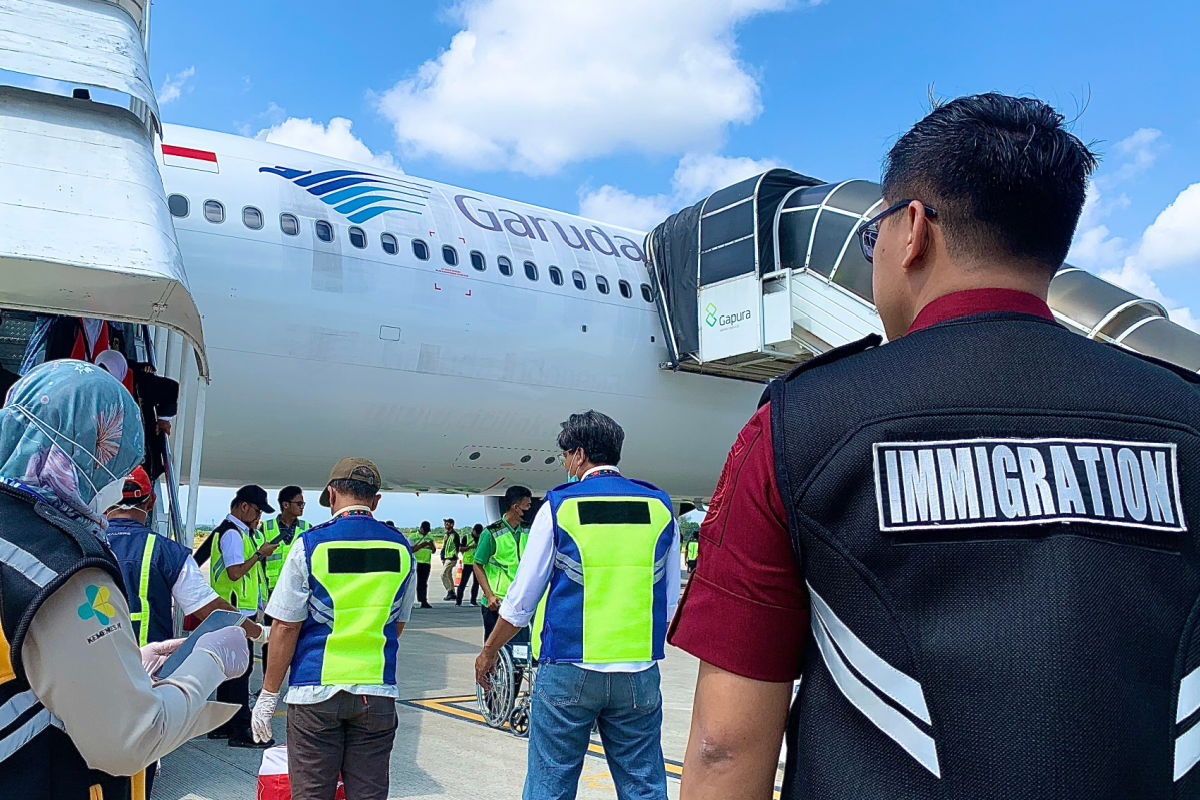
Immigration Crack Down On Tourists Overstays Visas Leads To Deportations
Indonesia Immigration is working to crack down on foreigners, including those on tourist visas, who are breaking the law, with a special focus this month on those who are overstaying their visa.
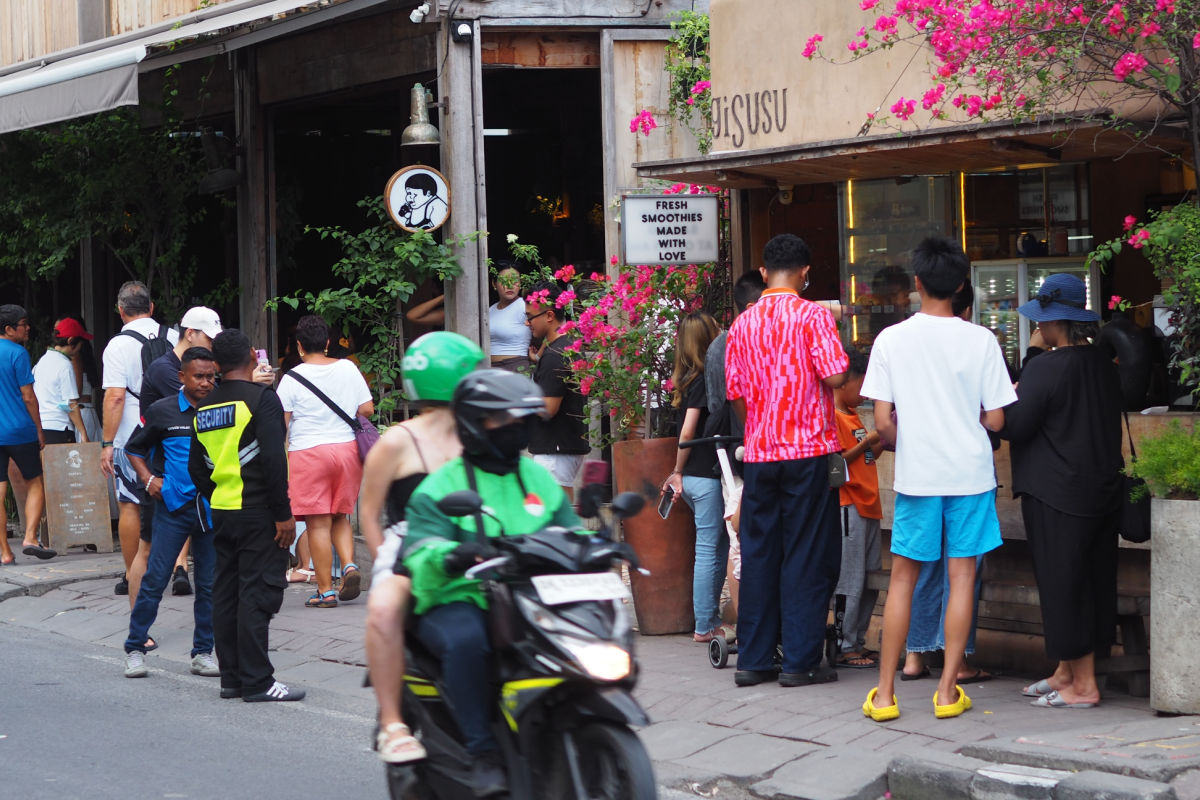
Increased Surveillance Of Foreigners In Bali To Be Introduced At Top Tourist Destinations
Speaking to reporters, officials from the Badung Regency Tourism Office (Dispar) moved quickly to respond after viral allegations of the rejection of Indonesian citizens at a running community event set to be hosted in Canggu.

Bali ‘Tourist-Only’ Run Club Controversy Gets International Attention
The drama has not only ended up hitting international headlines but also resulted in deportations. The Directorate General of Immigration has taken a serious no-tolerance approach to the organisers of the Entourage Bali Run Club, a silent disco run held in Canggu last week.