


Indonesia's Tourism Sector Generates US$8.43 Billion in Foreign-Exchange Revenue in H1 2026
Indonesia's tourism sector generated US$8.43 billion in foreign-exchange revenue during the first half of 2026, reinforcing tourism's role as one of the country's major international-facing economic sectors.

Indonesia's tourism sector generated US$8.43 billion in foreign-exchange revenue during the first half of 2026, reinforcing tourism's role as one of the country's major international-facing economic sectors.
according to regional travel authorities and bureau field correspondents, Deputy Tourism Minister Ni Luh Puspa announced the figure on September 19, 2026. She linked the performance to the wider expansion of Indonesia's tourism economy and argued that growth should increasingly be measured not only by visitor numbers but also by the quality and sustainability of tourism.
The first-half result sits within a larger tourism economy. Indonesia recorded 15.39 million international tourist arrivals during 2025, around 1.2 billion domestic tourist trips and US$18.27 billion in tourism foreign-exchange revenue. Those figures demonstrate the scale of the domestic market alongside international demand.
The policy challenge now is how to convert that scale into deeper economic value. Visitor numbers alone do not indicate how much money reaches local businesses, how long tourists stay, how widely spending is distributed, or whether tourism development remains environmentally sustainable.
This is particularly important as Indonesia attempts to broaden tourism beyond its most established destinations. Bali remains the country's best-known international gateway, while Jakarta is a major business and MICE center. At the same time, government policy is increasingly directed toward destinations such as Lake Toba, Borobudur, Labuan Bajo, Mandalika and other priority areas.
The Tourism Ministry said in September that tourism investment reached Rp73.56 trillion in 2025, equivalent to around US$4.17 billion. Around 76.5 percent was concentrated in Jakarta and Bali, while approximately 75 percent was directed toward hotels and restaurants. The ministry has therefore been encouraging investors to look toward priority destinations and Tourism Special Economic Zones outside the two established centers.
That investment strategy is important because tourism revenue is ultimately linked to the capacity of destinations to absorb spending. Hotels create direct accommodation revenue, but the wider economic impact includes transport, restaurants, attractions, guides, retail, creative industries, events, marine activities and local services.
The government's emphasis on sustainability also reflects a shift in tourism policy. As Indonesia's international profile grows, pressure on beaches, coral reefs, forests, cultural sites and urban infrastructure can increase. A larger tourism economy therefore requires better destination management rather than simply higher arrival targets.
The first-half 2026 revenue figure also illustrates why Indonesia's tourism story cannot be reduced to one destination. The country's competitive advantage is its geographic diversity: tropical islands, cultural landscapes, cities, volcanoes, diving destinations, forests and heritage sites. The economic opportunity lies in connecting those assets to stronger infrastructure, better air and sea connectivity, professional tourism services and longer visitor stays.
For hospitality operators, the implication is that growth in tourism revenue can create opportunities across multiple market segments. Luxury resorts can capture high-value international demand, while urban hotels benefit from business travel and events. Regional destinations can develop specialized products around adventure, marine tourism, culture, wellness and sport.
For local governments, the challenge is different. Tourism growth needs to translate into employment, local procurement, infrastructure improvements and community participation. Without those links, visitor growth can remain concentrated in a narrow group of businesses.
Indonesia's US$8.43 billion first-half tourism revenue therefore represents both an economic result and a policy benchmark. The next stage is not simply to increase the headline number. It is to make tourism revenue more geographically distributed, more resilient and more closely connected to local economies while maintaining the environmental and cultural assets that attract visitors in the first place.
Sources
- National Archipelagic Wire
Featured Stays & Landmarks in This Story

Hotel Tentrem Semarang
Hotel Tentrem Semarang is a 5-star guesthouse/bed and breakfast, guesthouse/bed and breakfast situated in Semarang & Solo (Central Java), Semarang (Ultra-Luxury), holding a verified guest score of 9.7/10 across 3,529 reviews. Located approx. 25–45 mins to regional airport with inland valley / highland retreat.

InterContinental Jakarta Pondok Indah By IHG
InterContinental Jakarta Pondok Indah By IHG is a 5-star hotel situated in Jakarta & Greater Capital, Jakarta (Ultra-Luxury), holding a verified guest score of 9.6/10 across 3,524 reviews. Located 964.6 km (2–3 hours drive) with inland valley / highland retreat.
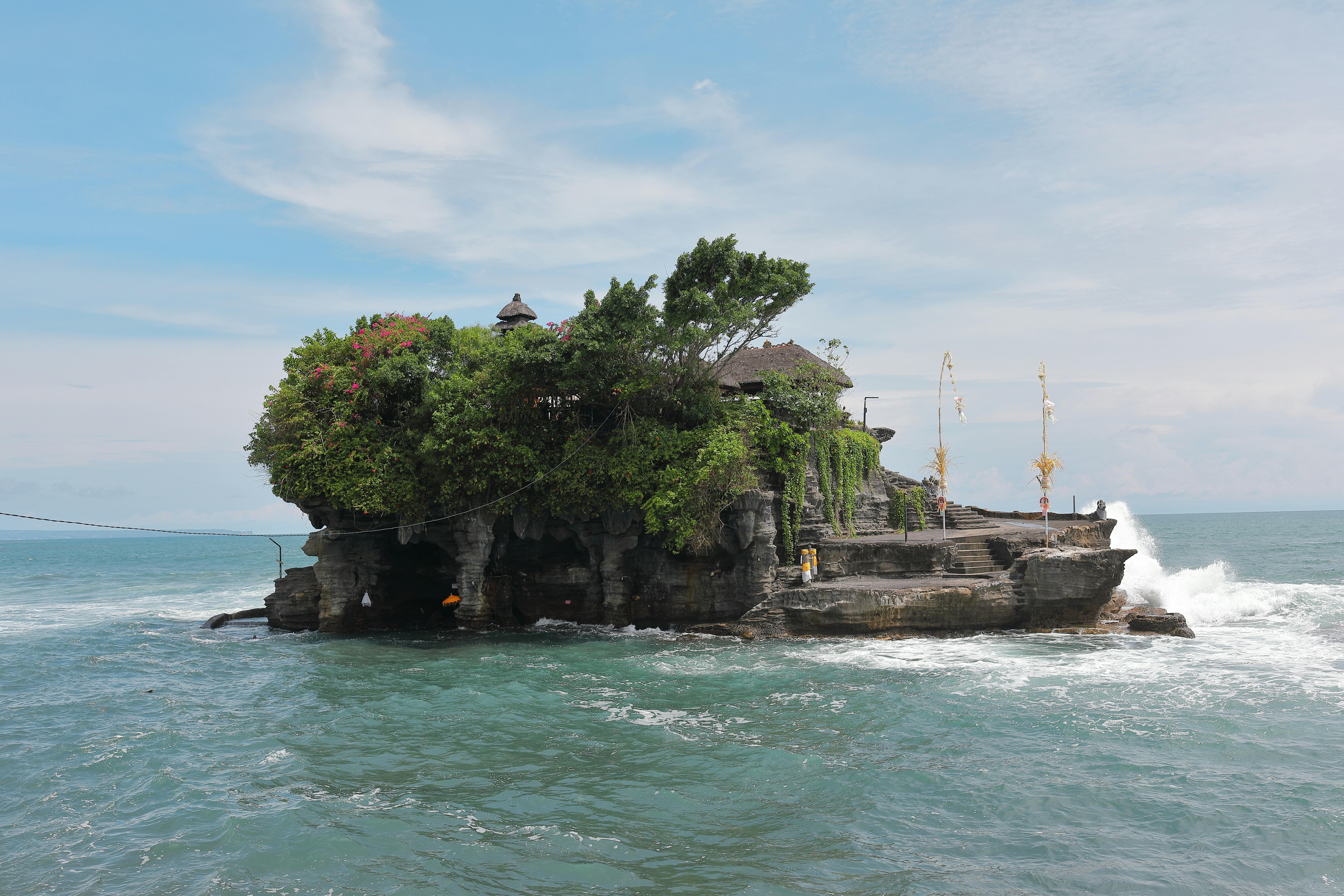
Pura Tanah Lot
Iconic 16th-century sea temple perched upon an offshore rock formation carved by relentless Indian Ocean waves.

Pura Luhur Uluwatu
Cliffside temple crowning a sheer 70-meter limestone drop into roaring Indian Ocean swells, famous for its amphitheater Kecak fire dance.
Related Travel News & Stories

Immigration Crack Down On Tourists Overstays Visas Leads To Deportations
Indonesia Immigration is working to crack down on foreigners, including those on tourist visas, who are breaking the law, with a special focus this month on those who are overstaying their visa.
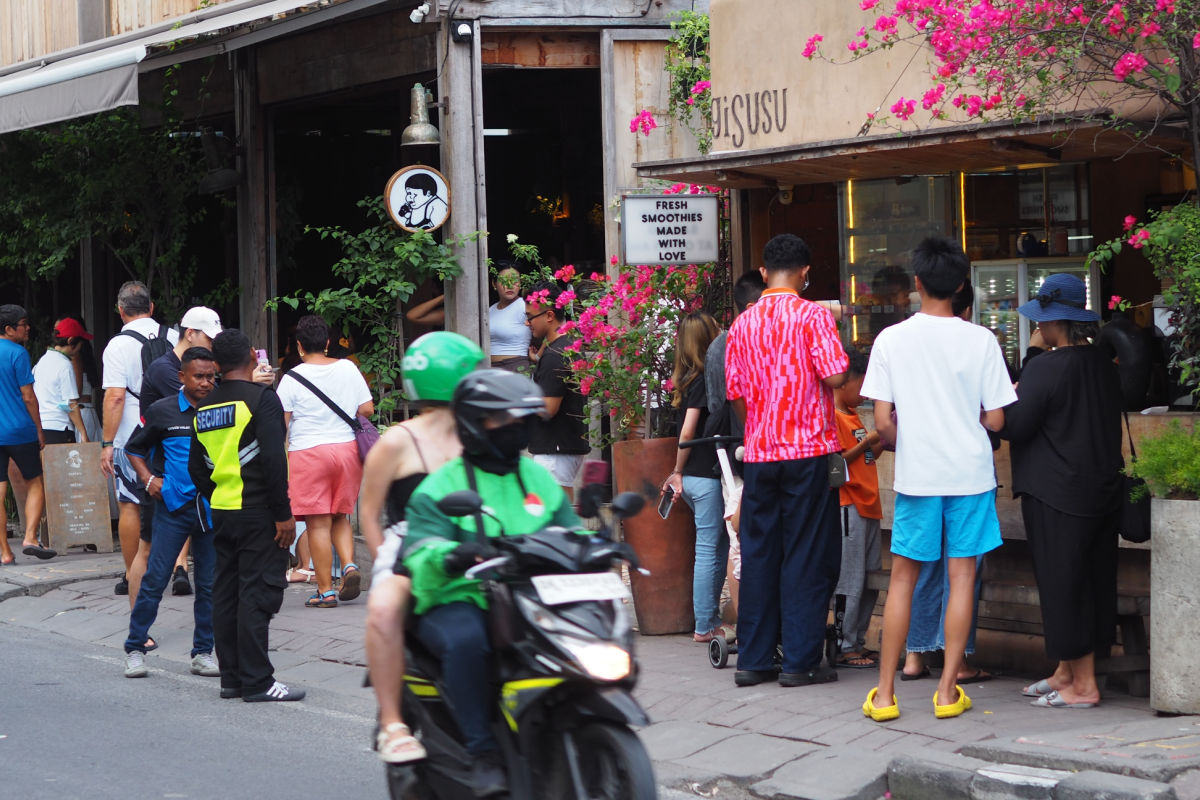
Increased Surveillance Of Foreigners In Bali To Be Introduced At Top Tourist Destinations
Speaking to reporters, officials from the Badung Regency Tourism Office (Dispar) moved quickly to respond after viral allegations of the rejection of Indonesian citizens at a running community event set to be hosted in Canggu.

Bali ‘Tourist-Only’ Run Club Controversy Gets International Attention
The drama has not only ended up hitting international headlines but also resulted in deportations. The Directorate General of Immigration has taken a serious no-tolerance approach to the organisers of the Entourage Bali Run Club, a silent disco run held in Canggu last week.