


Komodo National Park's Visitor-Cap Model Signals a Shift Toward Controlled Tourism
Komodo National Park's visitor-management discussion illustrates a growing tension at Indonesia's most sensitive destinations: how to maintain tourism revenue while controlling pressure on ecosystems and iconic sites.

Komodo National Park's visitor-management discussion illustrates a growing tension at Indonesia's most sensitive destinations: how to maintain tourism revenue while controlling pressure on ecosystems and iconic sites.
The visitor-cap approach has been associated with a daily limit of around 1,000 visitors in the management system discussed for the destination. The broader direction is toward controlled access rather than unrestricted volume, particularly at high-pressure sites such as Komodo and Padar.
A capacity-based approach changes the economics of tourism. If a destination limits daily visitor numbers, growth cannot come simply from selling more tickets. Instead, operators and authorities need to increase value per visitor through longer stays, better experiences, higher-quality services and stronger local economic participation.
That model fits the broader direction of Indonesian tourism policy, which increasingly emphasizes quality, sustainability and destination diversification.
Komodo is particularly sensitive because tourism depends on a combination of wildlife, marine ecosystems and landscapes. The attraction is not a conventional urban tourism product that can simply expand infrastructure indefinitely.
Controlled access can also improve visitor experience. Lower congestion can make wildlife encounters less crowded, reduce pressure on trails and anchor tourism around more carefully managed itineraries.
For operators, however, capacity management requires predictability. Tour companies, hotels and liveaboards need clear booking rules, allocation systems and reliable information so that visitor limits do not create unnecessary disruption.
The commercial response is likely to be a shift toward advance planning. Premium itineraries may become more important because visitors place greater value on guaranteed access, expert guides and carefully structured experiences.
The destination also needs to ensure that conservation rules are communicated clearly. A visitor cap is effective only when the policy is transparent, consistently enforced and connected to measurable environmental objectives.
Komodo's model is therefore relevant beyond the national park itself. Indonesia has many destinations where visitor growth can eventually create congestion, environmental degradation or pressure on local communities. Capacity-based tourism offers one possible framework for managing that growth.
The key issue is not whether tourism should grow. It is how growth can occur without undermining the natural assets that create demand in the first place.
For Labuan Bajo and the wider Flores tourism economy, this makes Komodo management particularly important. A well-managed national park can function as the anchor for a broader destination economy that includes hotels, restaurants, boats, guides, cultural experiences and surrounding attractions.
A poorly managed high-volume model could instead damage the asset and reduce long-term value.
Komodo therefore represents a strategic experiment in Indonesia's shift from volume-driven tourism toward managed, higher-value destination development. The effectiveness of the approach will ultimately depend on enforcement, ecological monitoring, local participation and the ability of tourism businesses to adapt to capacity-based demand.
Sources
- Komodo National Park Management
- Ministry of Tourism and Creative Economy
This dispatch details active operational updates regarding regional transit corridors, airport procedures, park entry permits, or provincial regulations. Travelers are encouraged to verify departure schedules and official requirements prior to transit.
Featured Stays & Landmarks in This Story

Hotel Tentrem Semarang
Hotel Tentrem Semarang is a 5-star guesthouse/bed and breakfast, guesthouse/bed and breakfast situated in Semarang & Solo (Central Java), Semarang (Ultra-Luxury), holding a verified guest score of 9.7/10 across 3,529 reviews. Located approx. 25–45 mins to regional airport with inland valley / highland retreat.

InterContinental Jakarta Pondok Indah By IHG
InterContinental Jakarta Pondok Indah By IHG is a 5-star hotel situated in Jakarta & Greater Capital, Jakarta (Ultra-Luxury), holding a verified guest score of 9.6/10 across 3,524 reviews. Located 964.6 km (2–3 hours drive) with inland valley / highland retreat.
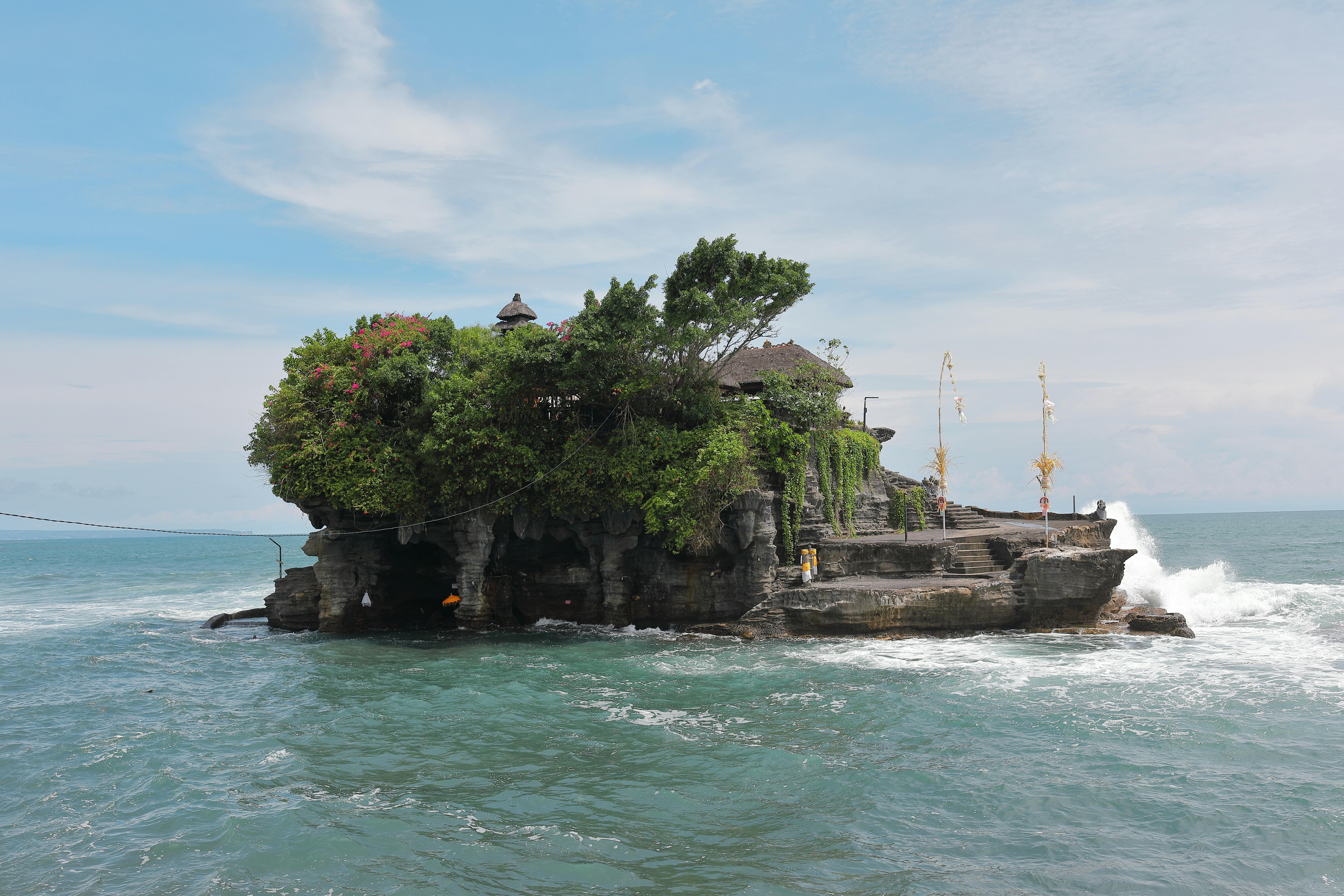
Pura Tanah Lot
Iconic 16th-century sea temple perched upon an offshore rock formation carved by relentless Indian Ocean waves.

Pura Luhur Uluwatu
Cliffside temple crowning a sheer 70-meter limestone drop into roaring Indian Ocean swells, famous for its amphitheater Kecak fire dance.
Related Travel News & Stories

Immigration Crack Down On Tourists Overstays Visas Leads To Deportations
Indonesia Immigration is working to crack down on foreigners, including those on tourist visas, who are breaking the law, with a special focus this month on those who are overstaying their visa.
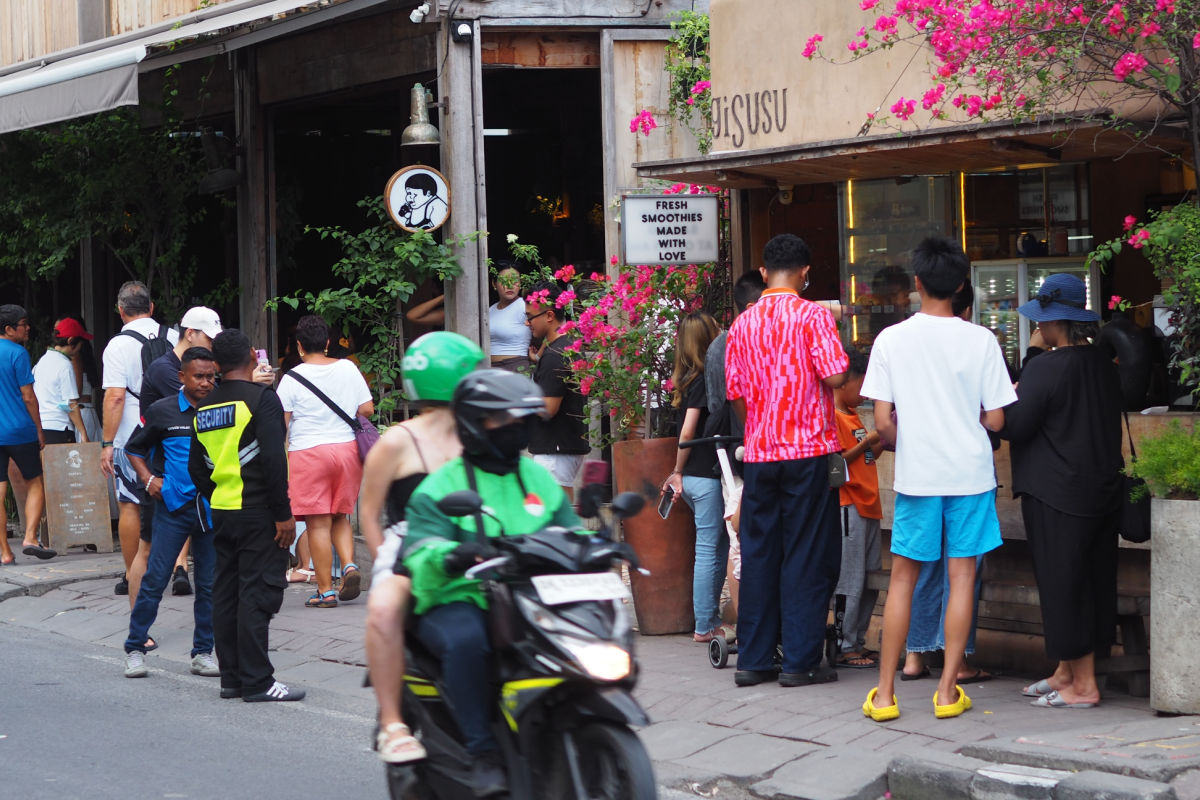
Increased Surveillance Of Foreigners In Bali To Be Introduced At Top Tourist Destinations
Speaking to reporters, officials from the Badung Regency Tourism Office (Dispar) moved quickly to respond after viral allegations of the rejection of Indonesian citizens at a running community event set to be hosted in Canggu.

Bali ‘Tourist-Only’ Run Club Controversy Gets International Attention
The drama has not only ended up hitting international headlines but also resulted in deportations. The Directorate General of Immigration has taken a serious no-tolerance approach to the organisers of the Entourage Bali Run Club, a silent disco run held in Canggu last week.