



Why North and East Bali Matter to the Island's Next Tourism Chapter
BULELENG, Bali - September 27, 2026 - Bali's next tourism battle may not be about attracting more visitors. It may be about persuading them to leave the southern corridor - and giving them enough reason to stay elsewhere.

BULELENG, Bali - September 27, 2026 - Bali's next tourism battle may not be about attracting more visitors. It may be about persuading them to leave the southern corridor - and giving them enough reason to stay elsewhere.
For years, the island's strongest tourism infrastructure, accommodation supply and visitor flows have been concentrated around the south. Now the Ministry of Tourism is preparing a tourism-dispersion masterplan aimed at accelerating development in North, East and West Bali, alongside better connectivity, basic services, environmental management and community participation.
North and East Bali are central to that effort, but they offer very different propositions.
North Bali has an established coastal gateway in Lovina and a tourism identity built around marine and nature experiences. East Bali has a more dispersed portfolio centred on cultural heritage, mountains, rural landscapes and diving.
The challenge is to turn those differences into reasons for visitors to stay, rather than simply stop.
North Bali already has a tourism base
North Bali is not starting from zero.
Lovina remains the region's best-known tourism centre, built around its coastline, dolphin experiences and access to the northern landscape.
The Lovina Festival 2026 demonstrated the destination's ability to draw visitors when there is a strong event-driven reason to travel north. The Buleleng Tourism and Culture Office reported 45,200 visitors over five days, with hotel occupancy reaching 93 percent.
The festival involved 450 artists, 58 communities, 2,194 participants and 51 MSME booths, extending the event's economic impact beyond the main programme.
The numbers do not establish a permanent transformation of North Bali. They do show the scale of demand that can be generated when the destination has a compelling reason to visit.
Connectivity remains North Bali's test
For North Bali, accessibility remains critical.
The region sits beyond Bali's central mountain range from Ngurah Rai International Airport and the main southern tourism corridor. Historically, that has made it easier for visitors to stay in the south and visit northern attractions as day trips.
The provincial government is attempting to change that equation.
Governor Wayan Koster has said several tourism-supporting infrastructure projects will be accelerated during 2026-2027, including continuation of the Singaraja - Mengwitani shortcut at points 11 and 12.
For Lovina and surrounding communities, improved road access could make a longer northern stay more practical.
East Bali starts from a different position
East Bali does not have one tourism centre comparable to Lovina.
Its strength lies in a network of attractions.
Pura Besakih, Sidemen, Amed and Candidasa offer very different experiences, while Mount Agung, traditional villages, agricultural landscapes and coastal areas add further depth.
That creates a different opportunity from North Bali.
Rather than building a single large tourism hub, East Bali can connect several complementary experiences into a regional circuit.
The challenge is making those connections easy enough for visitors to turn several individual attractions into one multi-day itinerary.
Two regions, two challenges
The contrast is clear.
North Bali needs to strengthen an existing coastal destination and reduce the practical barriers to reaching and staying in the region.
East Bali needs to connect a much more diverse set of destinations into a coherent tourism network.
Both require infrastructure, accommodation and local services, but the development model does not have to be identical.
Besakih is an anchor for East Bali
Pura Besakih, widely known as Bali's Mother Temple, demonstrates why East Bali can build around cultural heritage as well as nature.
The provincial government has invested in infrastructure around the temple, including road and lighting improvements ahead of the 2026 Ida Bhatara Turun Kabeh ceremony.
The wider opportunity lies in what surrounds the attraction.
A major cultural destination can support guides, transportation, restaurants, accommodation, artisans and other local businesses when visitors spend more time in the surrounding area.
East Bali has several potential anchors of this kind.
Festivals offer another route
Events have also become a way to test local tourism economies.
During the Karangasem Festival 2026, held June 19-22, 32 MSMEs generated Rp358 million in transactions while 85 culinary businesses generated Rp1.087 billion. The provincial government reported total economic circulation of approximately Rp1.445 billion.
The importance of those figures is not the festival alone.
They show how tourism activity can involve small businesses, culinary operators, artists and community enterprises rather than relying exclusively on large hotels.
The longer-term question is whether visitors return after the event and whether they stay in the region.
The real test is overnight demand
That may be the defining issue for both North and East Bali.
A traveller visiting Lovina, Besakih or Amed for several hours contributes to the local economy.
A traveller staying two or three nights creates opportunities across accommodation, dining, guiding, transport, activities and retail.
This is why tourism dispersion requires more than promotion.
A destination has to be accessible, connected and commercially complete enough to sustain a stay.
North and East Bali do not need to copy the south
There is little reason for either region to reproduce the development model of Kuta, Seminyak or Canggu.
North Bali's strongest proposition is different: marine tourism, nature, waterfalls, mountain scenery and the established coastal identity of Lovina.
East Bali has another combination: religious heritage, mountains, rural landscapes, diving and culturally rooted experiences, spread across several destinations.
That distinction could become an advantage.
Instead of competing with South Bali on the same terms, the two regions can offer visitors a different type of Bali.
Early signs are encouraging, but incomplete
There are already signs that both regions can generate meaningful tourism activity.
Lovina's 2026 festival attracted tens of thousands of visitors and pushed local hotel occupancy sharply higher.
Buleleng has also received international cruise traffic through Celukan Bawang, including the February arrival of Riviera New Build with 1,099 passengers and 737 crew members, according to Visit North Bali.
Karangasem, meanwhile, continues to develop its cultural and natural tourism portfolio while expanding local participation.
None of this proves that tourism has already shifted decisively north or east.
It shows that the ingredients are there.
The opportunity is not simply more tourists
The Ministry of Tourism's tourism-dispersion policy gives North and East Bali a larger role in the island's next development phase.
But success will depend on whether infrastructure and tourism businesses develop alongside promotion.
For North Bali, the immediate task is turning Lovina and its surrounding attractions into a stronger multi-day coastal and nature destination.
For East Bali, it is building connections between places such as Besakih, Sidemen and Amed so that visitors can experience the region as a journey rather than a series of isolated stops.
The objective does not need to be another South Bali.
It can be something different.
North Bali can become a stronger coastal and nature gateway. East Bali can become a connected cultural and adventure landscape.
Whether visitors begin choosing those regions as places to stay - rather than places to visit for a few hours - will be the real measure of Bali's tourism map changing.
This dispatch details active operational updates regarding regional transit corridors, airport procedures, park entry permits, or provincial regulations. Travelers are encouraged to verify departure schedules and official requirements prior to transit.
Planning a trip to Lovina?
Explore current destination intelligence, curated accommodations, cultural landmarks, and island events before you travel.
Curated Stays & Sanctuaries in Lovina
Curated luxury accommodations featuring private pool sanctuaries, authentic architectural heritage, and seamless concierge support.

Maya Ubud Resort and Spa
Maya Ubud Resort and Spa is a 5-star resort situated in Bali, Bali (Ultra-Luxury), holding a verified guest score of 9.3/10 across 3,215 reviews. Located 28.8 km (60–80 mins drive) with inland valley / highland retreat.

The Cabin Hotel Lovina Bali
The Cabin Hotel Lovina Bali is a 5-star hotel situated in Bali, Bali (Ultra-Luxury), holding a verified guest score of 9.5/10 across 132 reviews. Located 65.8 km (2–3 hours drive) with coastal enclave (< 5km to beach).
The Lovina
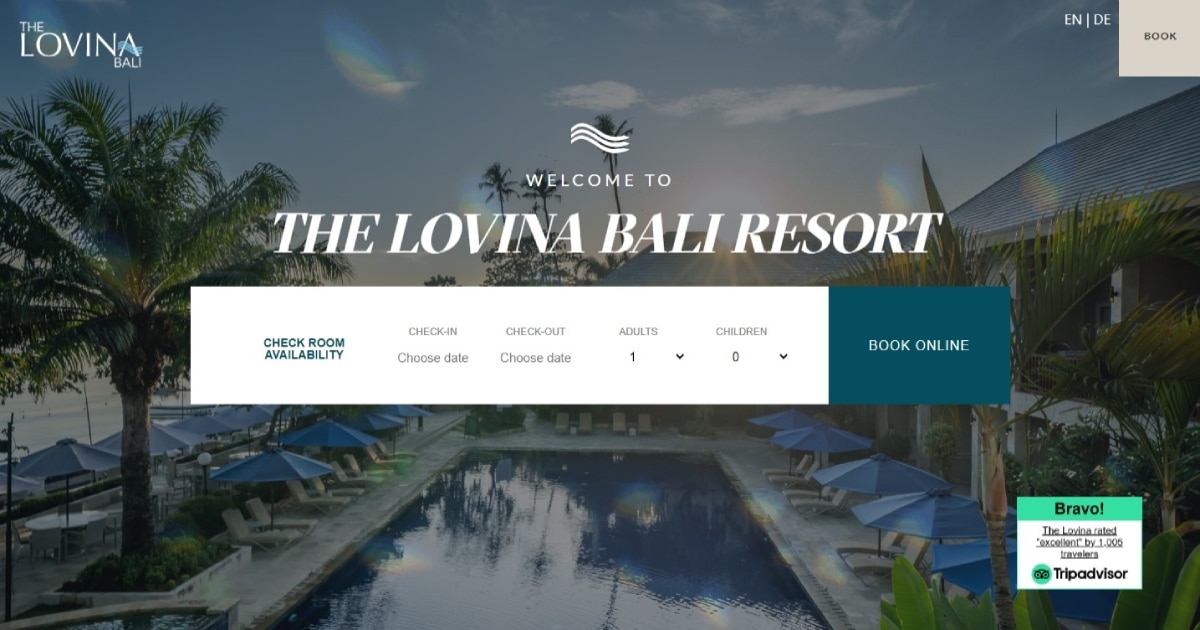
The Lovina is a 5-star resort situated in Bali, Bali (Ultra-Luxury), holding a verified guest score of 9.2/10 across 829 reviews. Located 67.9 km (2–3 hours drive) with absolute beachfront (< 100m).
Iconic Landmarks & Sacred Sanctuaries Across Bali
Protected cultural heritage, historical architecture, and iconic natural viewpoints with official entrance tariffs and etiquette rules.
 temple
$8.36
temple
$8.36
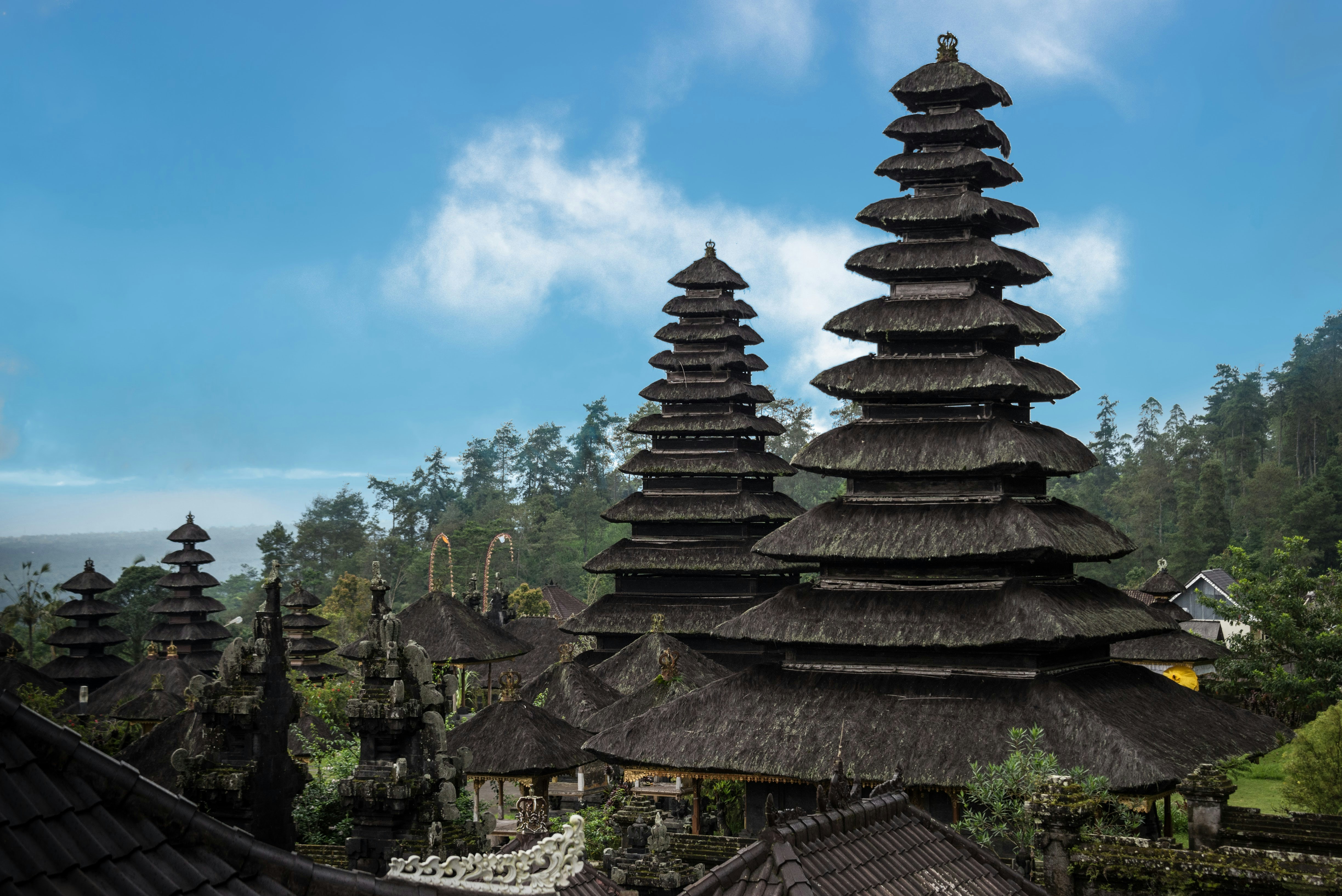
Pura Besakih (The Mother Temple)
The holiest and largest temple complex in Bali, ascending the volcanic slopes of Mount Agung with 23 interconnected sanctuaries.
 temple
$5.57
temple
$5.57
Pura Lempuyang Luhur (Gates of Heaven)
Iconic split candi bentar gateway framing Mount Agung in the clouds, one of Bali’s most revered Sad Kahyangan temples.
 cultural village
$2.79
cultural village
$2.79
Tirta Gangga Water Palace
Former royal water garden featuring stepped fountain pools, stepping stones flanked by giant koi fish, and ornate Balinese sculptures.
Guided Tours & Field Experiences in Lovina
Handcrafted tours, masterclasses, and coastal expeditions led by licensed local guides with verified booking options.
 water marine
📍 Lovina
$75.21
water marine
📍 Lovina
$75.21
Menjangan Island Coral Wall Scuba Diving Expedition
Pristine vertical reef walls dropping 60 meters in West Bali National Park, celebrated for 40-meter visibility, sea fans, and hawksbill turtles.
 nature
📍 Lovina
$16.71
nature
📍 Lovina
$16.71
Lovina Sunrise Wild Dolphin Watching via Traditional Jukung
Cruise into the calm northern Bali Sea at sunrise as pods of wild spinner dolphins breach and leap in glassy turquoise waters.
 water marine
📍 Lovina
$17.83
water marine
📍 Lovina
$17.83
Lovina Coastal Reef Snorkeling & Black Sand Sunset Sail
Board a traditional wooden outrigger boat to explore the calm, sapphire waters of the Bali Sea along Lovina's volcanic coastline. Snorkel above thriving inshore coral reefs teeming with damselfish and sea anemones before drifting beneath a brilliant crimson sunset. It offers a tranquil marine escape showcasing the gentle pace of Northern Bali's fishing heritage.
Related Travel News & Editorial Dispatches
Stay informed with latest field updates, regulatory notices, and luxury hospitality coverage across Bali and Beyond.
 📍 Lovina
North Bali Gains Attention as Education Events Broaden the Island’s MICE Geography
SINGARAJA, Buleleng - September 29, 2026 - While southern Bali's luxury resort enclaves in Nusa Dua, Kuta, and Seminyak have long maintained an effective monopoly over Indonesia’s multi-million-dollar Meetings, Incentives, Conferences, and Exhibitions (MICE) sector, Buleleng Regency and the North Bali coastal corridor are rapidly carving out a prominent reputation as a competitive national hub for academic conventions, educational symposiums, and institutional retreats.
 📍 Lovina
Gerokgak Records an Extended Dry Spell as Bali Watches Weather Transition
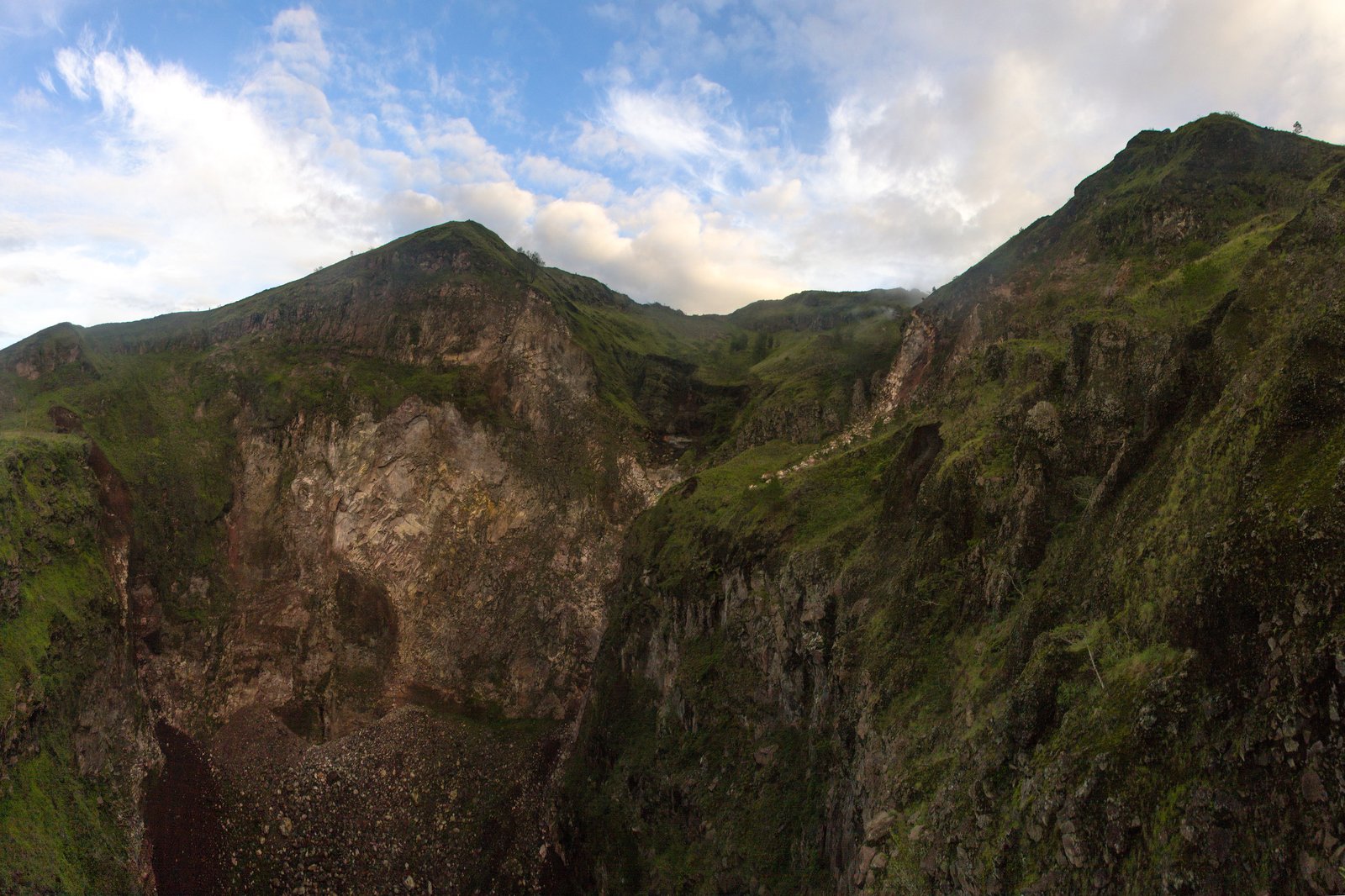
SINGARAJA, Buleleng - September 29, 2026 - The Climatology Station of the Meteorology, Climatology, and Geophysics Agency (BMKG Bali) has formally placed the sub-district of Gerokgak in western Buleleng Regency under "Extreme Drought Alert" status after meteorological monitoring confirmed that the region has recorded more than 60 consecutive days without measurable precipitation (Hari Tanpa Hujan / HTH).
 📍 Lovina
Bali Faces Growing Fire Risk as Prolonged Dry Conditions Continue
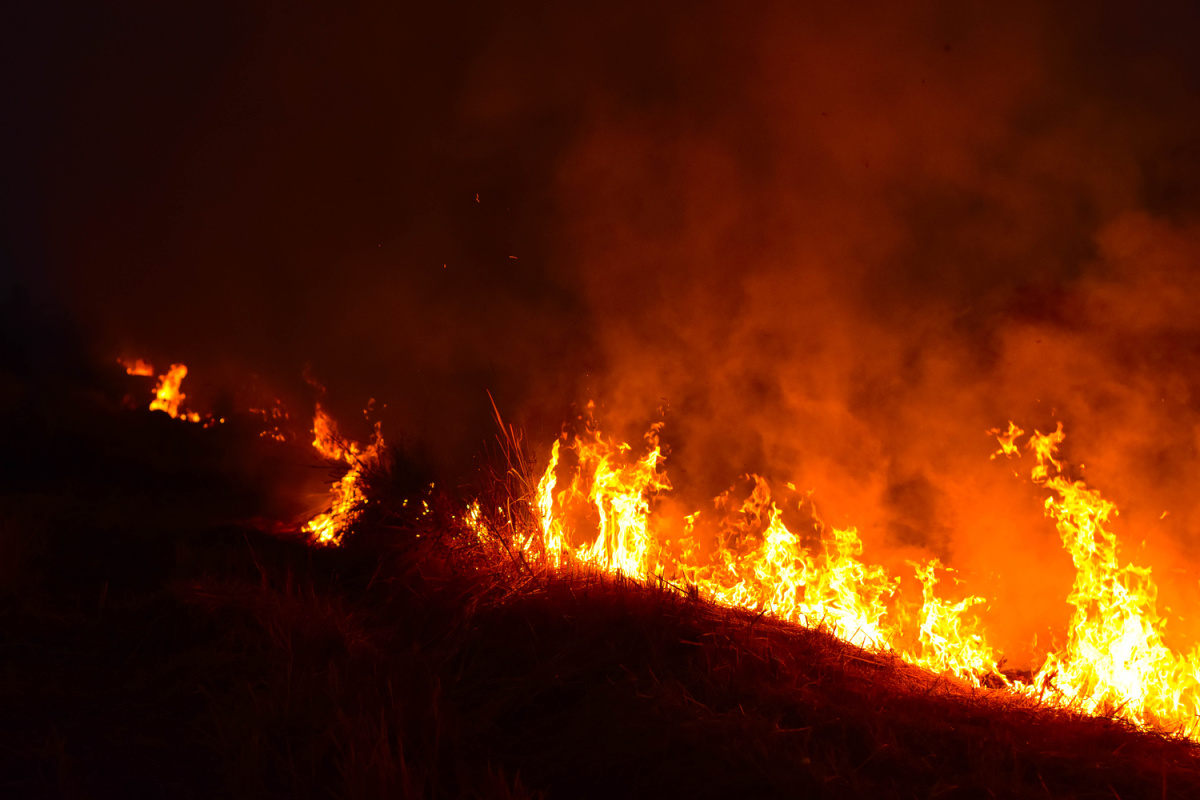
DENPASAR, Bali - September 29, 2026 - The Bali Regional Disaster Management Agency (BPBD Bali), in coordination with the Meteorology, Climatology, and Geophysics Agency (BMKG), has issued an elevated wildfire and structural fire advisory across multiple regencies as prolonged dry-season conditions and gusty southeasterly winds continue to desiccate open vegetation across the island.
 📍 Lovina
Intergenerational Meeting Point in Singaraja City Center
One by one the sidewalk lights started to come on. The originally blue sky slowly turned orange. Singaraja City Center looked different that afternoon. Areas that previously only had vehicles passing through have now become new public spaces that are busy with residents.
 📍 Lovina
Wildfires Ravage Indonesia: Here’s What Bali Tourists Need To Know
Wildfires are ravaging high swathes of Kalimantan on the island of Borneo. Indonesian President Prabowo Subianto has personally led the response to the forest and land fires in the region and visited Kalimantan over the weekend.
 📍 Lovina
Governor Koster at the Buleleng Festival: Culture is the breath of Bali, take care of it seriously at all times
Denpasar (National Archipelagic Wire) - Bali Governor Wayan Koster asked all elements of Buleleng Regency society to consistently maintain and preserve the arts, culture, traditions and local wisdom of the region.