


New Ecotourism Initiative Attracts Bali Tourists To Unexplored Areas
For tourists, the need to connect with nature and culture is more important than ever, and a new eco-tourism initiative in the heart of Bali’s tourist resorts is proving that it’s perhaps easier to achieve than we all first thought.
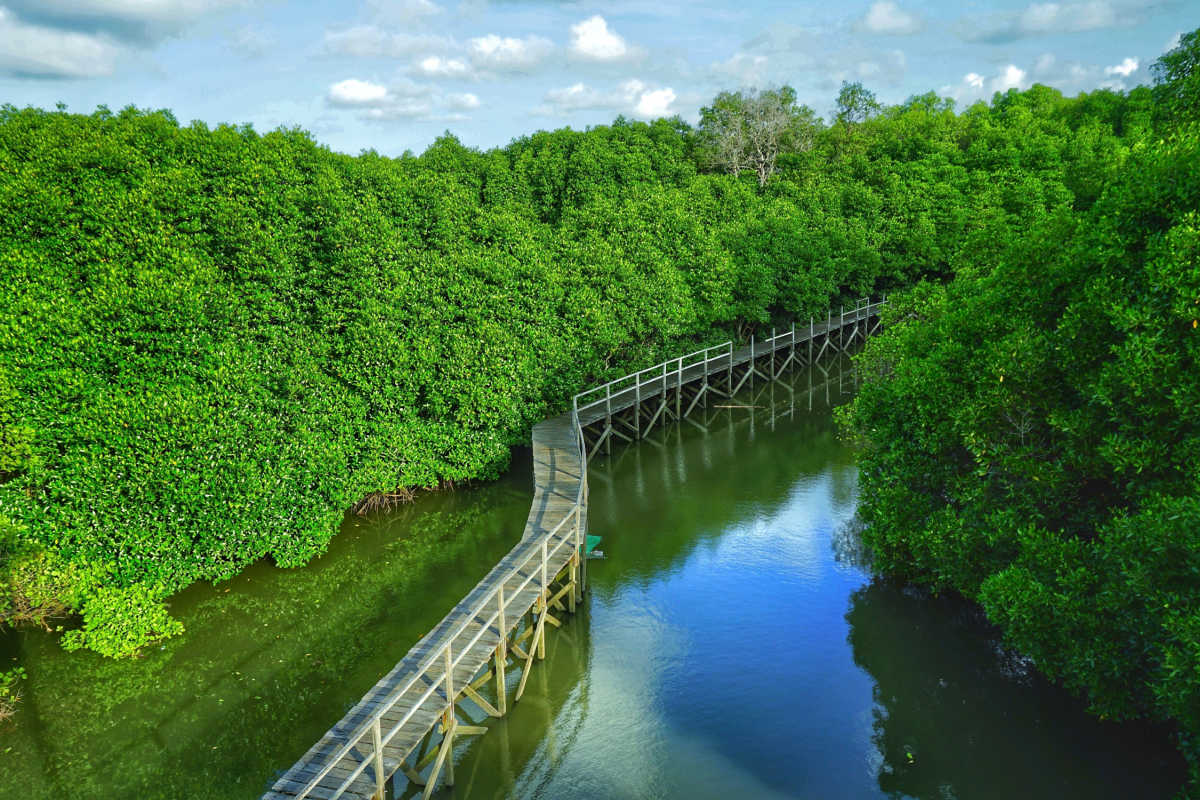
For tourists, the need to connect with nature and culture is more important than ever, and a new eco-tourism initiative in the heart of Bali’s tourist resorts is proving that it’s perhaps easier to achieve than we all first thought.
Core Overview & Regional Developments
There are many different routes to lead the way, and PT PLN Indonesia Power is proving that it’s possible to do so as a business, in a way that positively impacts communities and tourists. The company has made the Batu Lumbang Mangrove Ecotourism Area and Ngurah Rai Grand Forest Park (Tahura) conservation-based ecotourism areas while empowering fishermen and women’s groups.
During a visit to the Batu Lumbang Mangrove Ecotourism Area, PLN Indonesia Power’s Director of Human Capital Management and Administration, Ridho Hutomo, joined the community planting event where 15,000 mangrove seedlings were sown and shared the impact the project has had on the area.
He explained that the success of mangrove conservation is highly dependent on community involvement as area managers.
For most tourists visiting Bali, the idea of connecting with natural landscapes conjures images of rice paddies, waterfalls and jungles, pristine white sand coastlines and volcanic peaks.
The mangroves are overlooked. Which is a shame; mangroves are some of the most important ecosystems in the world, especially for helping to combat the effects of the climate crisis.
At Batu Lumbang, for example, there are18 native mangrove species and 15 associated mangrove species, and the area serves as a habitat for coastal flora and fauna, protects the coast from abrasion, and absorbs tonnes upon tonnes of carbon.
Operational Details & Local Coordination
In Bali, there are dozens of small mangrove forests, including the Batu Lumbang Mangrove Ecotourism Area, and the stunning Mangrove Forest over on Nusa Lembongan.
These are not only vital ecosystems, but super interesting and incredibly beautiful landscapes to explore. From strolling over wooden boardwalks through the mangroves, or even kayaking or exploring by SUP during high tide, here at Regional Travel Monitors we would note mangrove tours as a top activity for nature lovers in 2026 and beyond.
Hutomo told reporters, “The Batu Lumbang Mangrove Ecotourism is a sustainable ecotourism destination that proves that conservation can go hand in hand with community empowerment.”
The Batu Lumbang Mangrove Ecosystem has been under intensive conservation and reforestation efforts for over a decade, and the hard work is starting to pay off.
The 1,373.5 hectare Batu Lumbang Mangrove Ecotourism is an area supported by PLN Indonesia Power through the Bali Generation Business Unit (UBP) together with the Segara Guna Batu Lumbang Joint Business Group (KUB).
Traveler Perspectives & Corridor Insights
Over the coming years, we can expect to see more of these kinds of initiatives happening in Bali and around Indonesia. It’s great for tourists to put eco-tourism projects on their radar now!
This week, the Minister of Environment (LH)/Head of the Environmental Management Agency Moh Jumhur Hidayat told the press that mangrove rehabilitation is not only important for environmental restoration, but also has the potential to become a driver of green economic growth through the international carbon trading mechanism.
He explained, “Mangrove planting can be combined with business activities through international carbon market mechanisms. Activities that produce carbon can be compensated through the carbon market, thus generating significant funding.”
The impact is already being felt; mangrove rehabilitation has already been carried out in 162 locations spread across 37 provinces in Indonesia, involving around 2,000 direct participants and tens of thousands of other participants from various regions.
The knock-on effect is that these projects can create education and ecotourism initiatives alongside the conservation and business models, creating a solution that brings benefit to a bigger group of people.
What It Means for Travelers
Staying informed on regional developments helps visitors navigate the island with confidence and ease. Plan journeys with sensible logistical buffers and consult authoritative destination resources for up-to-date guidance.
Related Travel News & Stories
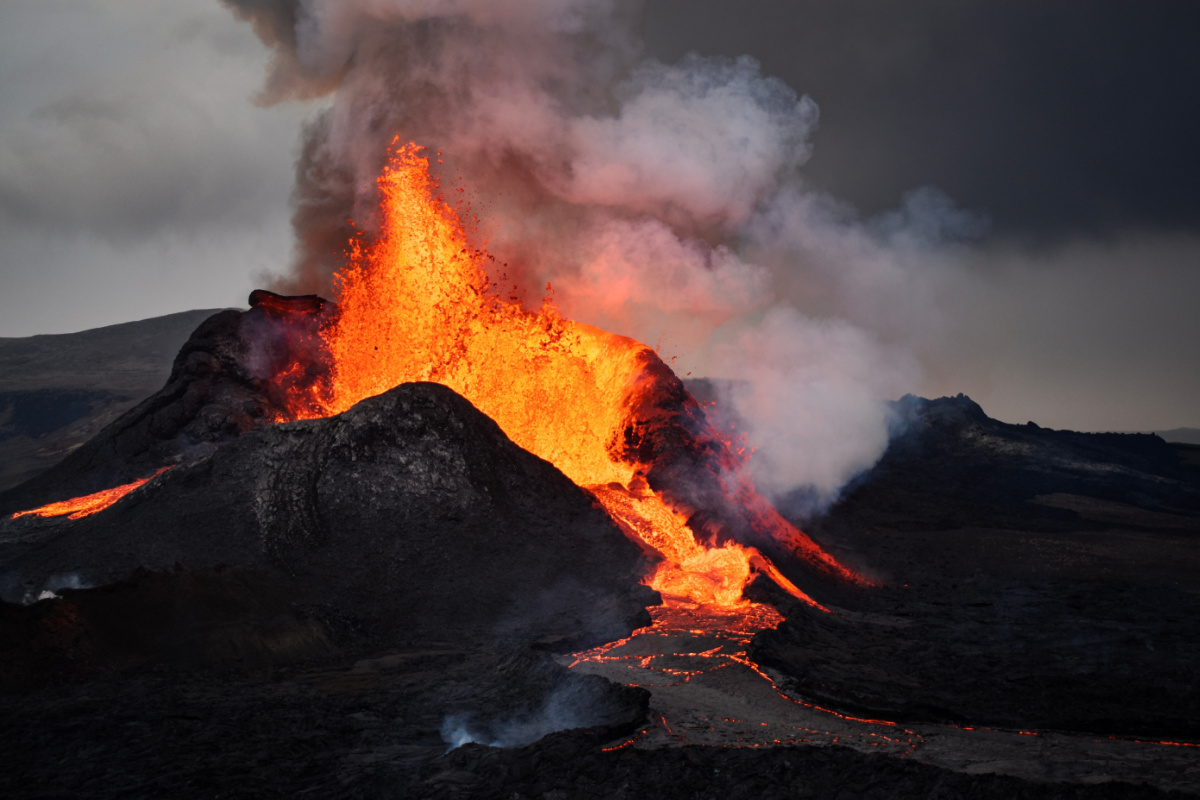
Major Travel Disruptions In Indonesia As Volcano Erupts Affecting Bali Flights
Known as one of the world’s most volatile volcanoes, Mount Anak Krakatau sits within Lampung Province, though it is a small island volcano formed in the wake of Krakatoa.
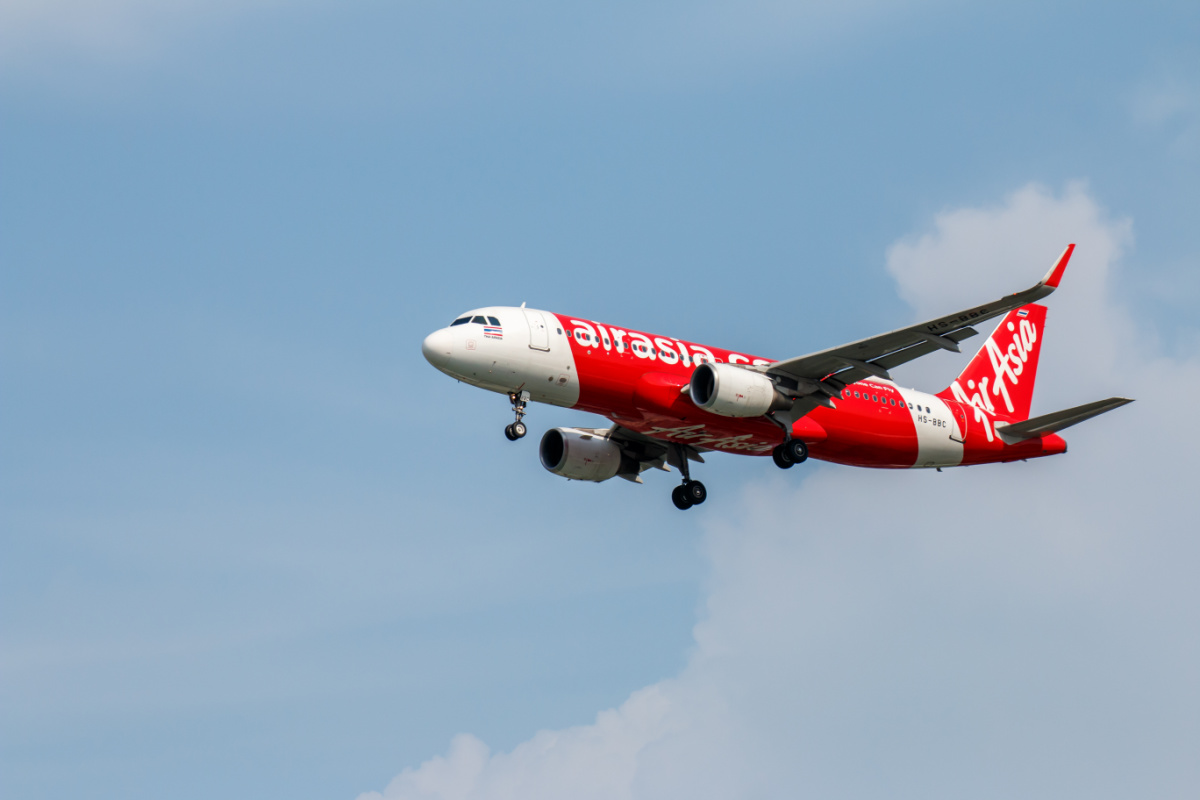
New Flight Routes Improve Access To Bali For Long-Haul Travelers
AirAsia has just announced new plans that will connect tourists to Kuala Lumpur and Europe, making connections to Bali quicker and easier. The low-cost carrier AirAsia has confirmed it is expanding its international connectivity by launching its first codeshare partnership with P...

Bali Issues Important Update For Tourists About Zika Virus
The mosquito-borne disease has seen outbreaks recorded across Africa, the Americas, Asia, and the Pacific over the last 20 years. The Bali Tourism Office (Dispar) ensures tourists do not need to adjust travel plans to the island following a health warning from the United States...