



Visitor Numbers to Bali’s GWK Monument Decline by 20%
BeritaBali reports that tourist numbers visiting the Garuda Wisnu Kencana (GWK) Cultural Park in Bali during the first half of July 2026 averaged around 3,000 people per day. This figure represents a decline of approximately 20 percent compared to the same six-month period in...
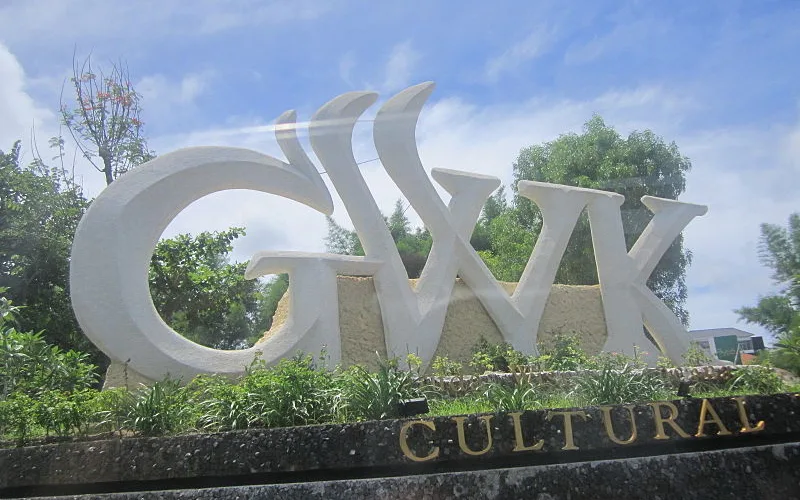
BeritaBali reports that tourist numbers visiting the Garuda Wisnu Kencana (GWK) Cultural Park in Bali during the first half of July 2026 averaged around 3,000 people per day. This figure represents a decline of approximately 20 percent compared to the same six-month period in 2025.
Latest Tourism Indicators & Visitor Influx
GWK Cultural Park Operations Director, Ch. Rossie Andriani explained that the drop in visitors was primarily due to a decline in domestic tourists. He added that high airfare prices are believed to be contributing to the decline.
”From the first semester through July 2026, our daily visitor numbers at GWK were around 3,000, though there was a slight surge to between 3,500 and 4,000 visitors in late June and July,” Andriani explained on Friday, 31 July 2026.
According to Rossie, high airfares have influenced the flow of tourists to Bali, thereby contributing to the decline in domestic visitor numbers at GWK.
”Compared to the previous year, there has been a slight decline, though not a massive one. We know airfares have skyrocketed, and that certainly has an impact; in percentage terms, the drop is around 20%,” she said.
Corridor Demand & Accommodation Trends
Despite the decline, domestic tourists remain the dominant visitor group at GWK. Meanwhile, the international visitor market for GWK is driven by tourists from Australia, India, Korea, and China.
The current situation has prompted GWK to seek strategies to maintain visitor numbers, particularly from the domestic market.
One initiative being undertaken by GWK is inviting public schools—ranging from kindergartens and elementary schools to high schools—from across Bali to visit GWK.
The program targets students who have not yet had the opportunity to visit GWK Cultural Park. In addition to introducing GWK to Bali’s younger generation, the program aims to help sustain visitor numbers.
Strategic Outlook for Island Hospitality
”Recognizing that not all Balinese residents have had the chance to visit GWK, we are offering special rates for schools in Bali; in fact, elementary schools can even register for free visits—though these group slots are subject to slot availability. For instance, we are already fully booked through October. The response has been quite positive. We hope to attract visitors not just from South Bali, but also from West and East Bali,” she explained.
Looking ahead to August 2026, GWK projects daily visitor numbers to remain between 3,000 and 3,500.
The management hopes to maintain these figures, even as concerns regarding airfare prices and domestic tourism market conditions persist.
What It Means for Island Travel
Shifting tourism patterns highlight the importance of thoughtful destination planning across Bali's diverse hubs. Exploring beyond peak southern resort corridors allows travelers to discover quieter cultural landscapes while supporting balanced regional tourism across the island. Stay informed on regional visitor patterns and emerging travel corridors through the Bali Expert Guide travel intelligence bureau.
Planning a trip to Uluwatu?
Explore current destination intelligence, curated accommodations, cultural landmarks, and island events before you travel.
Curated Stays & Sanctuaries in Uluwatu
Curated luxury accommodations featuring private pool sanctuaries, authentic architectural heritage, and seamless concierge support.

The Edge Bali Villa
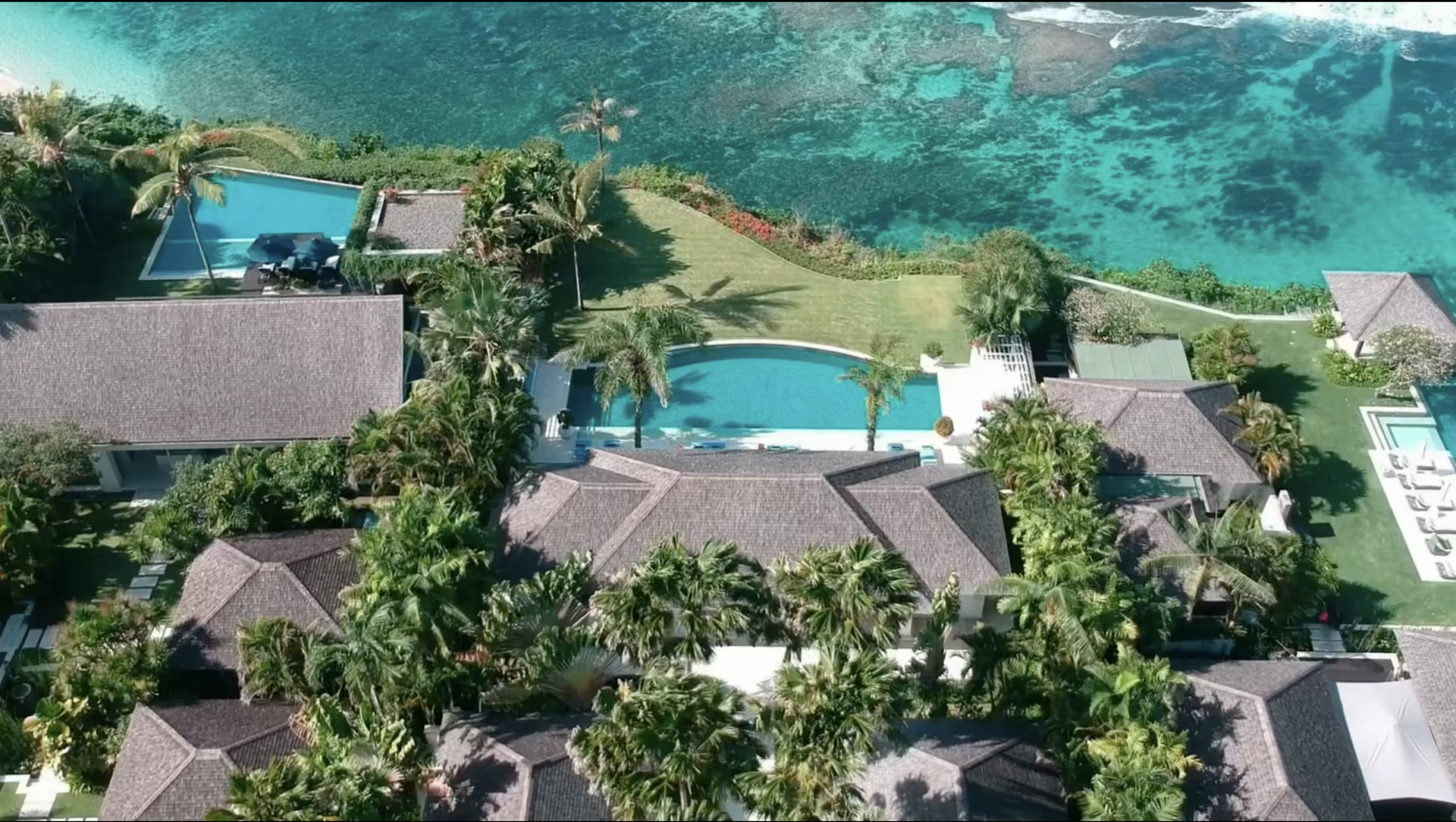
The Edge Bali Villa is a 5-star villa situated in Uluwatu & Bukit Peninsula, Bali (Ultra-Luxury), holding a verified guest score of 9.5/10 across 254 reviews. Located 12.1 km (35–50 mins drive)) with short scooter / drive (< 2km to coast).
The Ungasan Clifftop Resort
The Ungasan Clifftop Resort is a 5-star resort situated in Bali, Bali (Ultra-Luxury), holding a verified guest score of 9.4/10 across 172 reviews. Located 11.1 km (35–50 mins drive)) with absolute beachfront (< 100m).

Jumeirah Bali
Jumeirah Bali is a 5-star hotel situated in Uluwatu & Bukit Peninsula, Bali (Ultra-Luxury), holding a verified guest score of 9.3/10 across 220 reviews. Located 7.6 km (20–30 mins drive)) with short scooter / drive (< 2km to coast).
Iconic Landmarks & Sacred Sanctuaries Across Bali
Protected cultural heritage, historical architecture, and iconic natural viewpoints with official entrance tariffs and etiquette rules.
 cultural village
$6.96
cultural village
$6.96
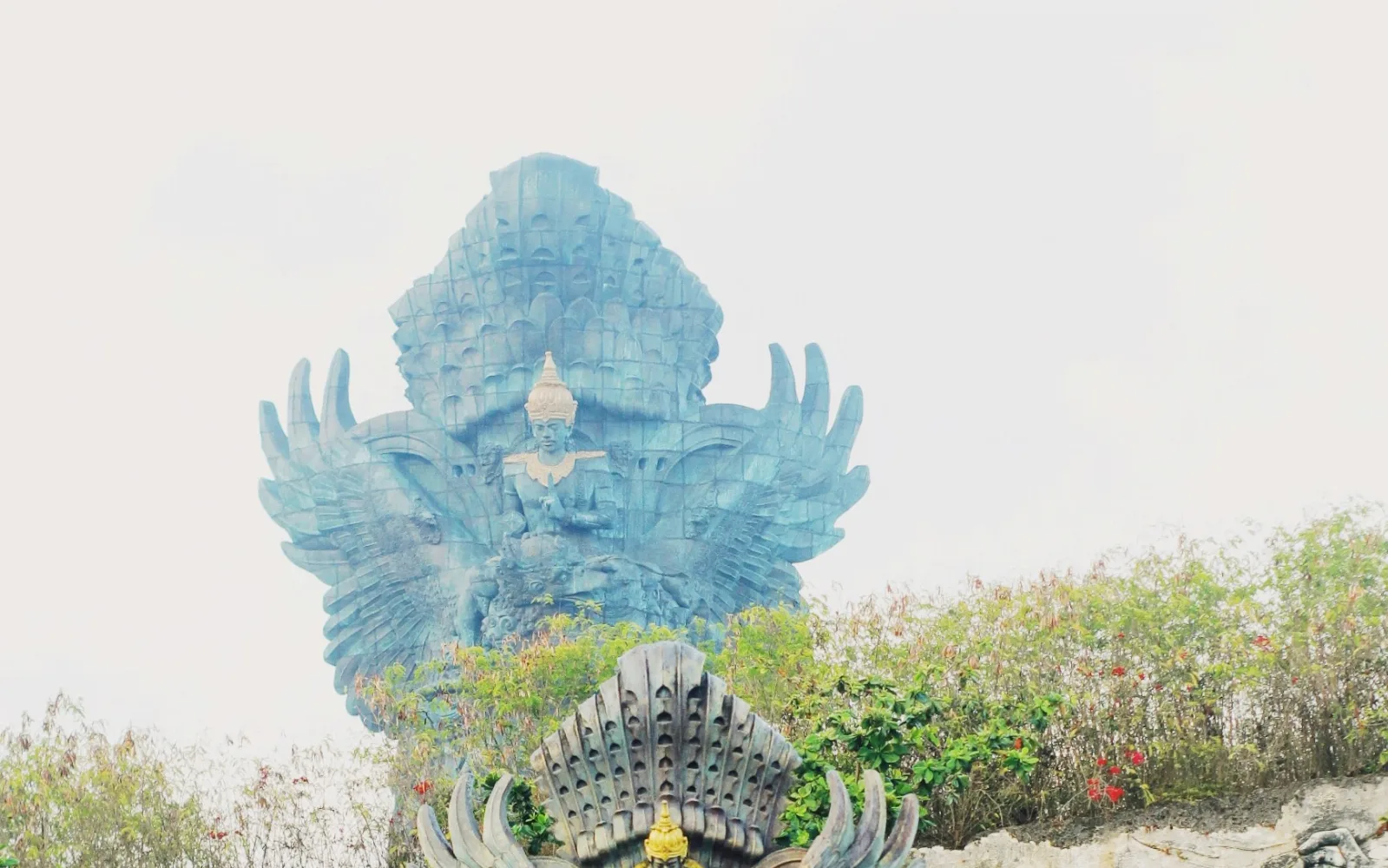
Garuda Wisnu Kencana (GWK) Cultural Park
Colossal 121-meter copper and brass statue of Lord Vishnu riding the mythical bird Garuda, dominating the Bukit Peninsula skyline.
 cultural village
Free Access
cultural village
Free Access
Mas Wood Carving Village
Mas is the epicentre of Balinese wood carving mastery, where legend holds that the sage Nirartha first taught the art of carving sacred masks and ritual statues to local craftsmen in the 16th century.
 beach landmark
$0.84
beach landmark
$0.84
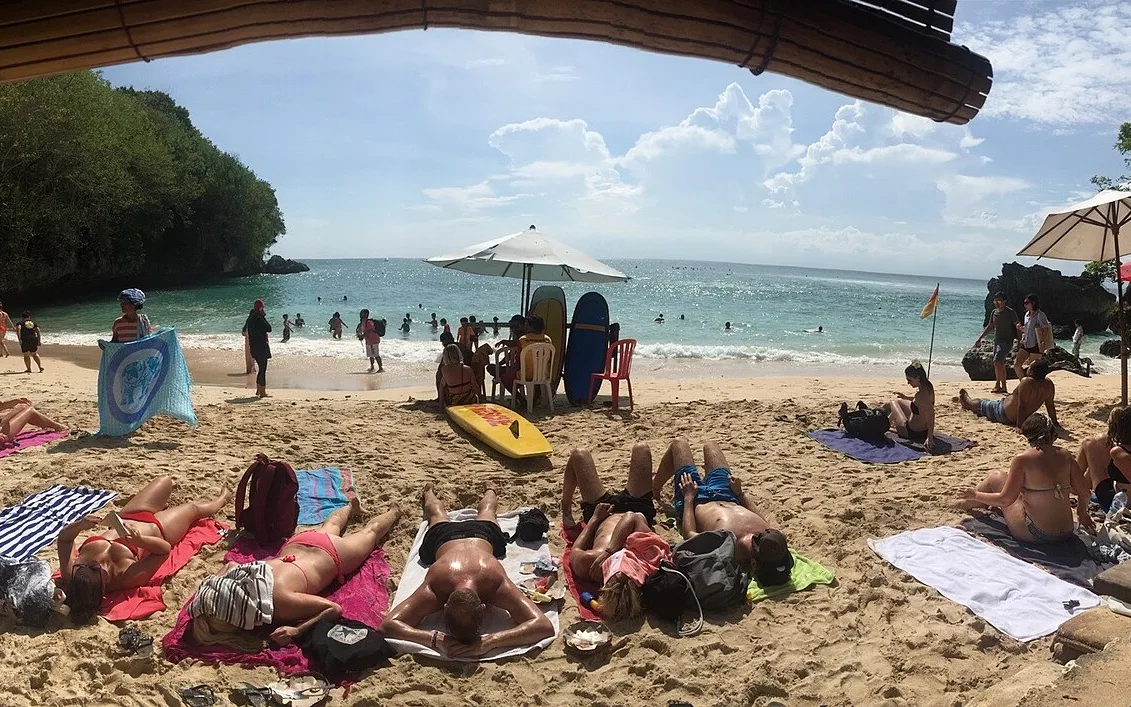
Padang Padang Beach (Labuan Sait)
World-championship left-hand surf barrel reached via a dramatic narrow hollow cave stairway through solid limestone rock.
Guided Tours & Field Experiences in Uluwatu
Handcrafted tours, masterclasses, and coastal expeditions led by licensed local guides with verified booking options.
 adventure
📍 Uluwatu
$61.28
adventure
📍 Uluwatu
$61.28
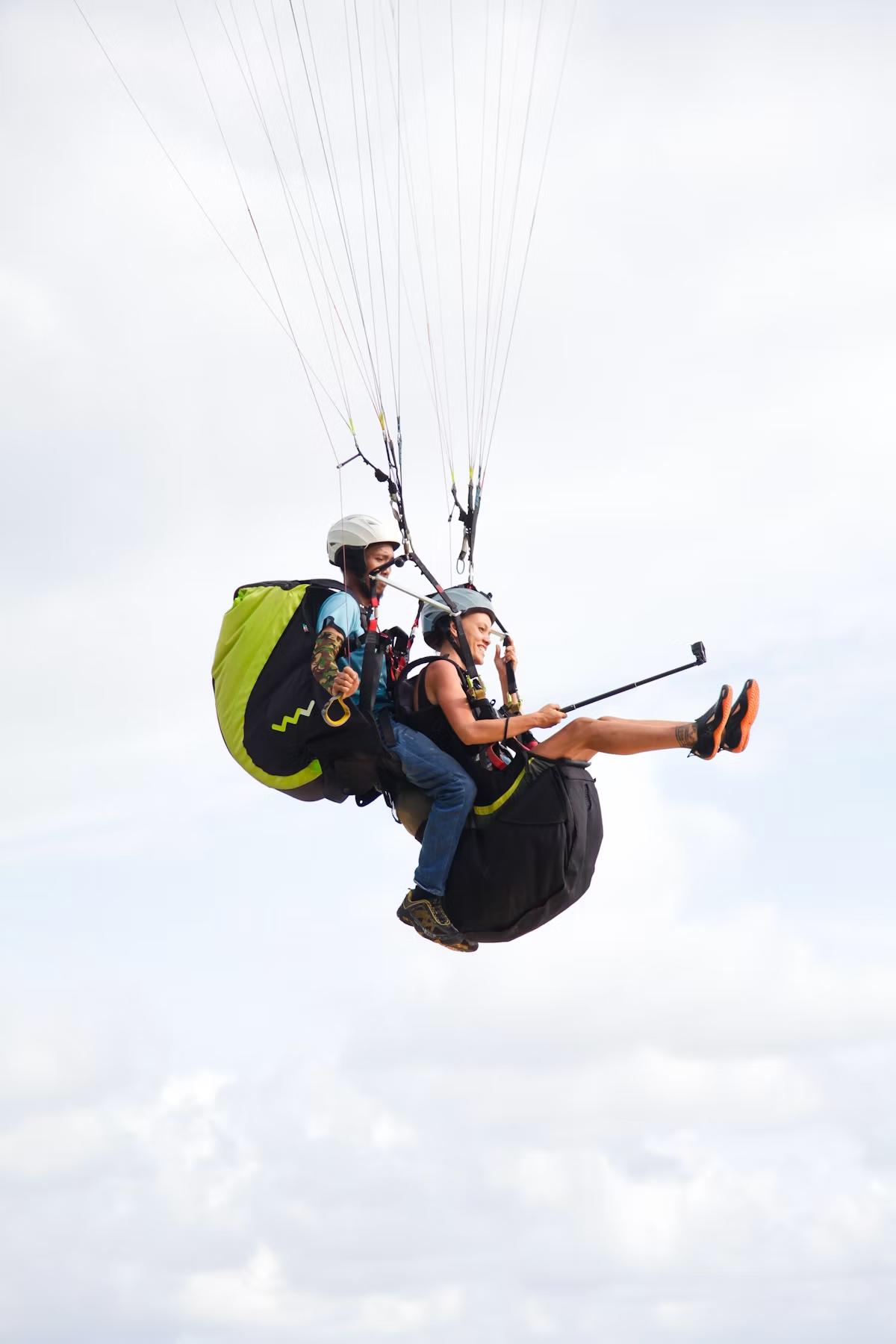
Nyang Nyang Cliffside Tandem Paragliding
Soar along the breathtaking 100-meter limestone sea cliffs of Nyang Nyang with bird’s-eye views of reef breaks and the Indian Ocean.
 water marine
📍 Uluwatu
$44.57
water marine
📍 Uluwatu
$44.57
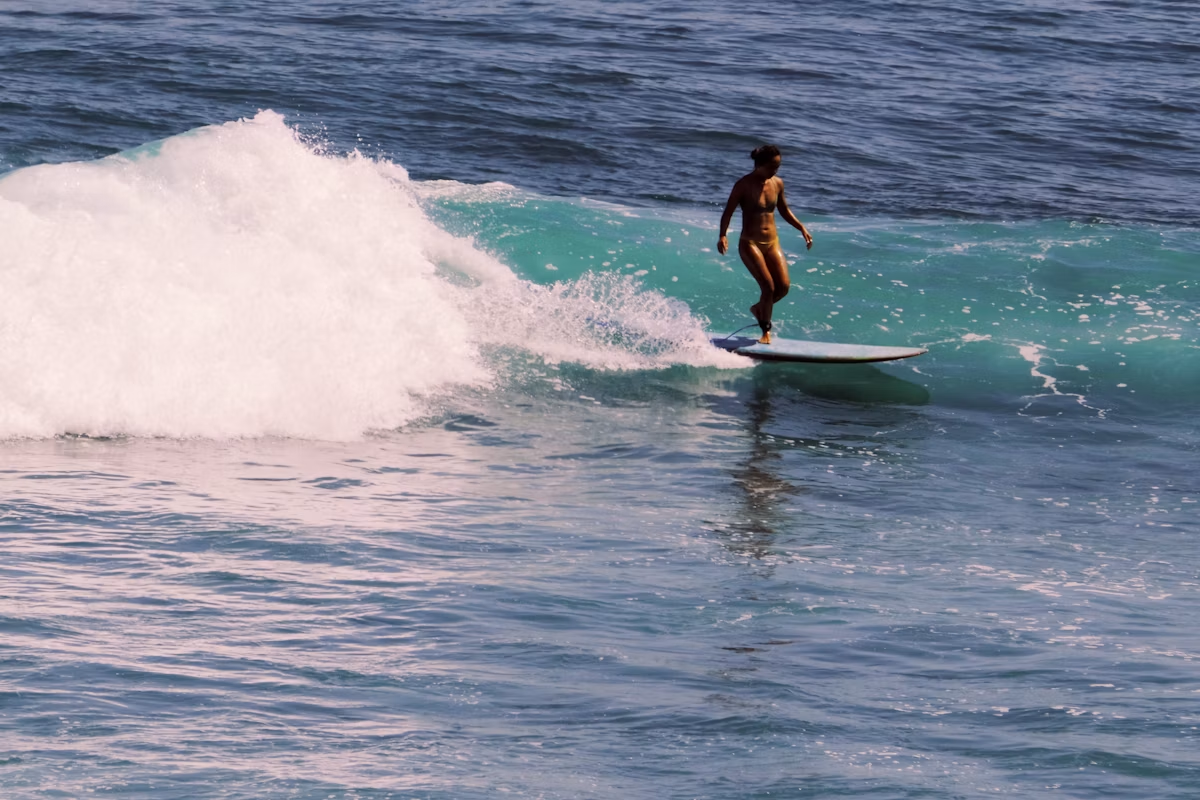
Uluwatu Advanced Surf Guiding & Reef Break Coaching
Master the iconic breaks of Uluwatu (The Peak, Outside Corner, Racetracks) guided by seasoned local pros with deep tidal swell knowledge.
 culture
📍 Uluwatu
$8.36
culture
📍 Uluwatu
$8.36
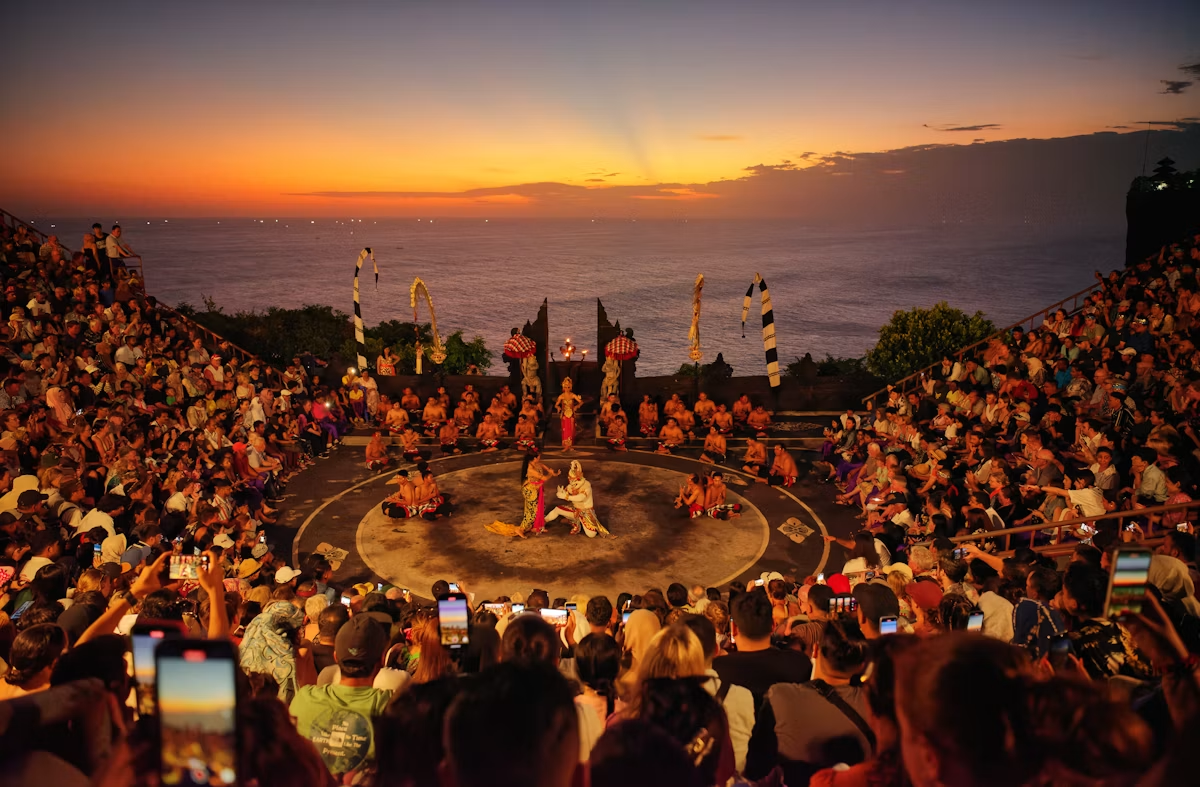
Uluwatu Sunset Kecak & Fire Dance
Mesmerizing cliffside cultural spectacle staged in the open-air amphitheater of Pura Luhur Uluwatu, 70 meters above crashing Indian Ocean waves as the sun sets.
Planning a Bali trip?
Explore current destination information, accommodation options, and events before you travel.
Related Travel News & Editorial Dispatches
Stay informed with latest field updates, regulatory notices, and luxury hospitality coverage across Bali and Beyond.
 📍 Uluwatu
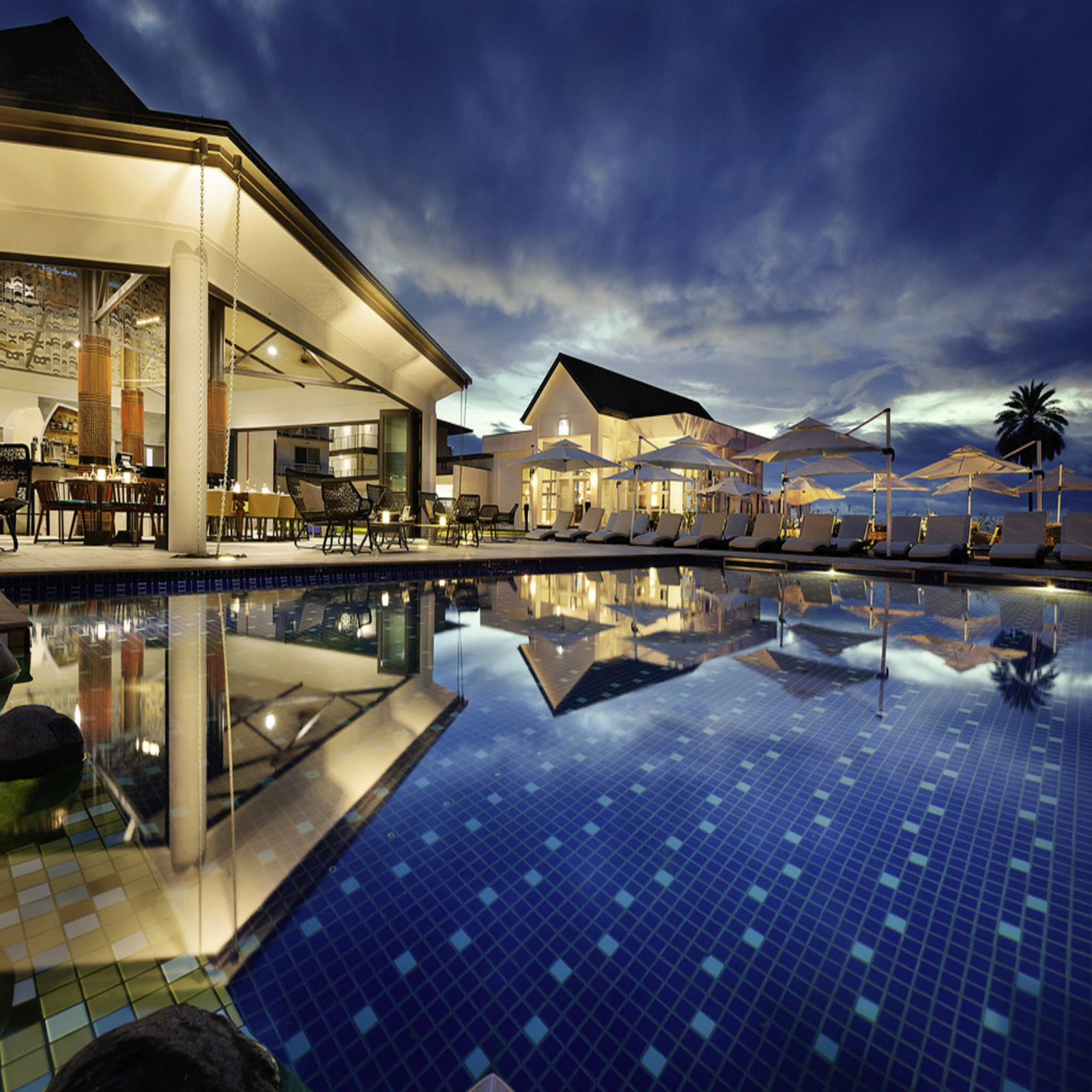
9 Most Expensive Hotels & Luxury Resorts in Uluwatu, Bali
An editorial exploration beyond the nightly rate: understanding the architecture, privacy, cliffside settings, and distinct interpretations of luxury across southern Bali’s most exclusive clifftop resorts.
 📍 Uluwatu
Tourist Tragedy At Popular Bali Beach Calls Island's Safety Record Into Question
On Saturday 12th September, a 29-year-old Australian tourist fell to her death at Kelingking Beach in Bali's Nusa Penida.
 📍 Uluwatu
Playing Golf in Bali? This is the Green Fee Price and Bukit Pandawa Golf Facilities
Bali has a sport that is suitable for physical fitness, namely golf. At Bukit Pandawa Golf, every player is provided with comfortable facilities, 18 rounds, and a pleasant experience on the golf course.
 📍 Uluwatu
Prophet's Birthday Holiday, Penebel Tabanan Nature Tourism is Crowded with Tourists
The Penebel area, Tabanan Regency, is the choice of tourists to enjoy the Prophet's Birthday holiday, Tuesday (25/8/2026). The natural panorama in the form of rice fields, hills, and cool air is a special attraction for tourists who want to find a different atmosphere from the...
 📍 Uluwatu
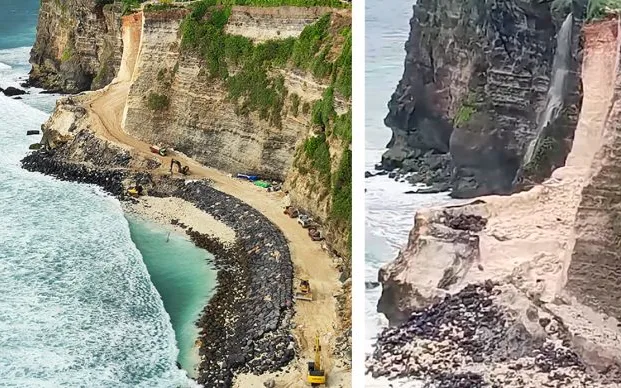
Uluwatu Seawall Construction to Safeguard Bali’s Iconic Limestone Cliffs
NusaBali reports that the Badung Regency Government in Bali is confirming that construction of a seawall and reinforcement of the supporting cliff face beneath Bali’s iconic 11th-century Uluwatu Temple are continuing. The Regent of Badung, I Wayan Adi Arnawa, confirmed the ong...
 📍 Uluwatu
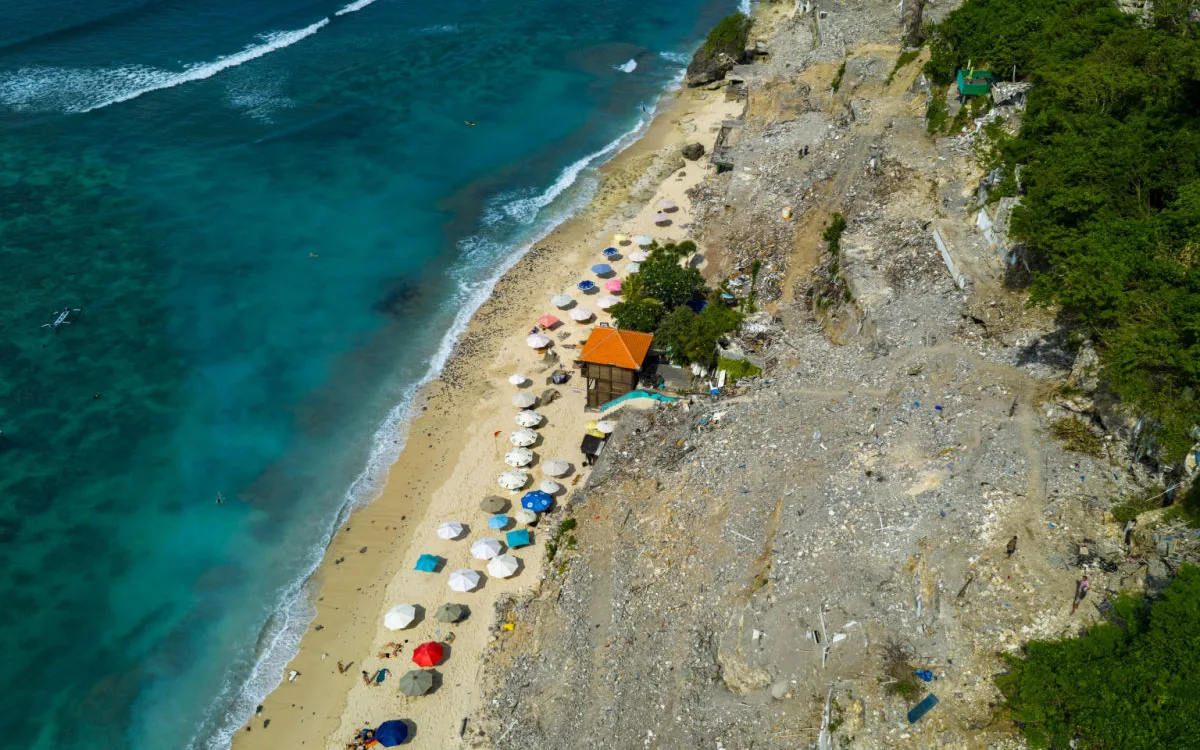
Redevelopment Of Popular Bali Tourist Beach To Begin In 2026
Can you believe it? It was on the 21st July 2025 that the Bali Provincial Government began demolition work at the beloved surf hotspot. Now, leaders have confirmed that redevelopment work will begin before the year is out.