


Bali Tourism Industry Generates Rp. 176 Trillion in Foreign Exchange Annually.
As reported by Kompas, Bali’s Governor Wayan Koster boasts that the Bali tourism industry annually generates Rp. 176 trillion in foreign exchange, an amount equivalent to 55% of Indonesia’s total foreign exchange earnings earned from tourism.

As reported by Kompas, Bali’s Governor Wayan Koster boasts that the Bali tourism industry annually generates Rp. 176 trillion in foreign exchange, an amount equivalent to 55% of Indonesia’s total foreign exchange earnings earned from tourism.
Latest Situation & Advisory Details
Bali Governor Wayan Koster revealed that Bali’s tourism sector generated approximately Rp. 176 trillion in foreign exchange earnings throughout 2025. This represents spending by foreign tourists visiting the Island of Bali and accounts for roughly 55 percent of Indonesia’s total tourism-related foreign exchange earnings.
”Based on our calculations, foreign tourist spending generated around Rp 176 trillion in foreign exchange. This means Bali’s contribution to Indonesia’s tourism foreign exchange earnings reached approximately 55 percent,” Koster said in a statement on Thursday, 06 August 2026.
Koster noted that Bali is a region heavily reliant on the tourism sector. Throughout 2025, more than 7 million foreign tourists arrived in Bali by air. That figure does not include tourists entering via sea or land routes. According to Koster, of more than 15 million foreign tourists to Indonesia during the same period, approximately 49 percent chose Bali as their destination.
Affected Corridors & Port/Flight Status
Beyond generating foreign exchange, the tourism sector serves as the backbone of Bali’s economy. Koster stated that the sector accounts for about 66 percent of the province’s economic structure. Consequently, he argued, Bali’s economic development must not focus solely on growth but also on preserving the environment and culture.
”Because Bali relies so heavily on tourism, the economy must be safeguarded. The Island’s nature must be preserved, its people must be of high quality, and its culture must remain vibrant,” he added.
To support sustainable tourism, the Bali Provincial Government is implementing several policies, including household-based waste management, restrictions on single-use plastics, and the development of organic agriculture. Additionally, the government is promoting clean energy by halting construction of fossil-fuel power plants and expanding adoption of battery-powered vehicles. “We want Bali to be an environmentally friendly province and a model for sustainable development. Therefore, we continue to strengthen policies regarding clean energy, carbon emission reduction, and the use of more eco-friendly energy,” said Koster.
What Travelers Should Do
Maritime and atmospheric weather patterns can affect inter-island boat crossings to Nusa Penida, Nusa Lembongan, and Lombok. When swell or weather warnings are active, travelers should confirm departure schedules directly with licensed harbor operators and maintain flexible itinerary timing. For live harbor advisories, wave heights, and marine condition reports across Badung Strait, refer to our Island Travel Safety Radar.
Featured Stays & Landmarks in This Story

Desa Potato Head Bali
Desa Potato Head Bali is a 5-star hotel situated in Seminyak, Bali (Ultra-Luxury), holding a verified guest score of 9.5/10 across 2,537 reviews. Located 8 km (20–30 mins drive)) with short scooter / drive (< 2km to coast).

iSuite by Ekosistem
iSuite by Ekosistem is a 5-star hotel situated in Seminyak, Bali (Ultra-Luxury), holding a verified guest score of 9.6/10 across 530 reviews. Located 8.1 km (20–30 mins drive)) with short scooter / drive (< 2km to coast).
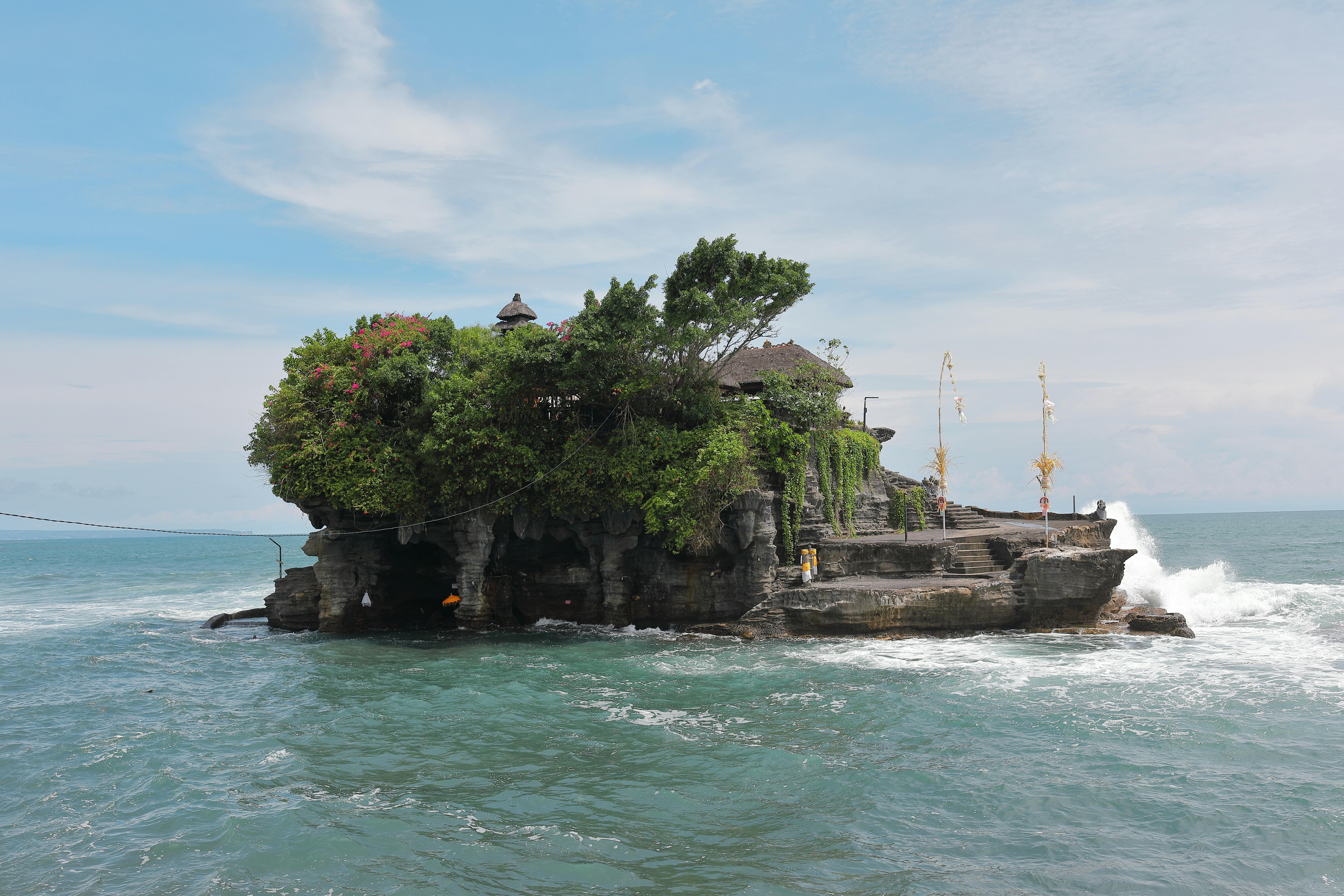
Pura Tanah Lot
Iconic 16th-century sea temple perched upon an offshore rock formation carved by relentless Indian Ocean waves.

Pura Luhur Uluwatu
Cliffside temple crowning a sheer 70-meter limestone drop into roaring Indian Ocean swells, famous for its amphitheater Kecak fire dance.
Related Travel News & Stories

Immigration Crack Down On Tourists Overstays Visas Leads To Deportations
Indonesia Immigration is working to crack down on foreigners, including those on tourist visas, who are breaking the law, with a special focus this month on those who are overstaying their visa.
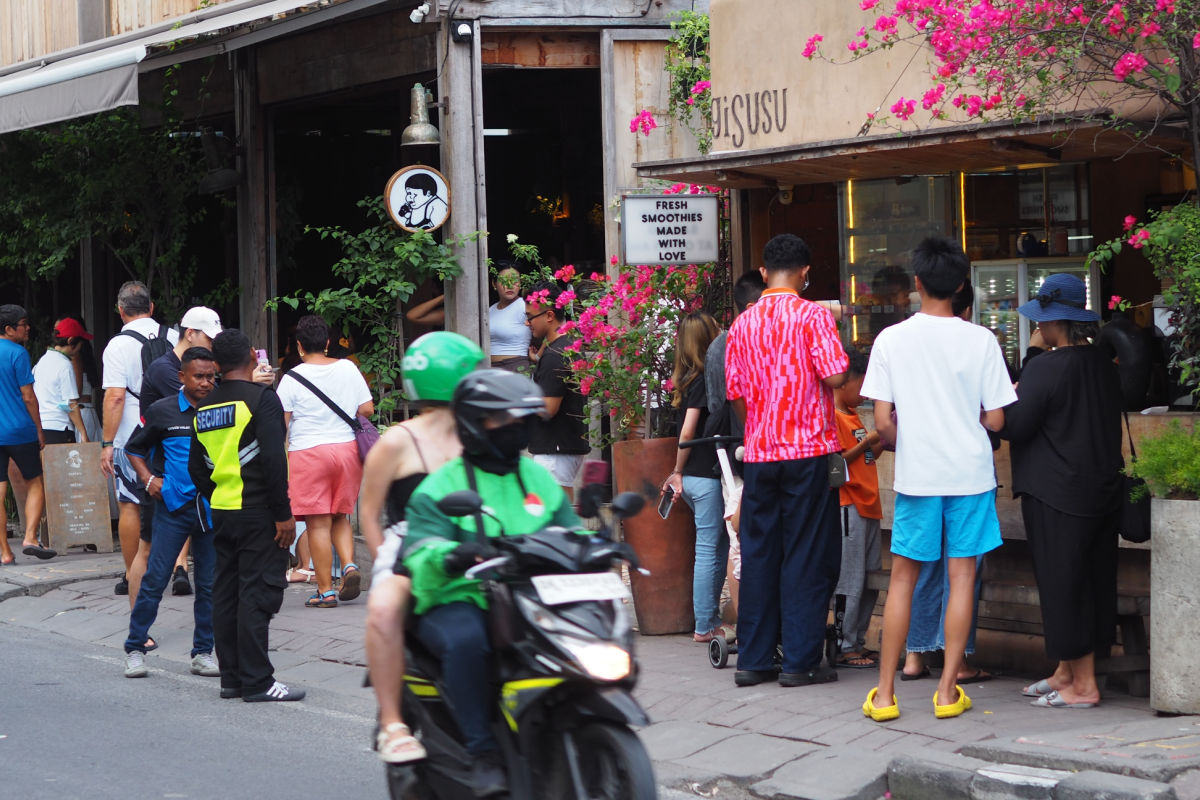
Increased Surveillance Of Foreigners In Bali To Be Introduced At Top Tourist Destinations
Speaking to reporters, officials from the Badung Regency Tourism Office (Dispar) moved quickly to respond after viral allegations of the rejection of Indonesian citizens at a running community event set to be hosted in Canggu.

Bali ‘Tourist-Only’ Run Club Controversy Gets International Attention
The drama has not only ended up hitting international headlines but also resulted in deportations. The Directorate General of Immigration has taken a serious no-tolerance approach to the organisers of the Entourage Bali Run Club, a silent disco run held in Canggu last week.