



Bali Wildlife Tourism Faces Heightened Welfare Scrutiny as International Travelers Demand Ethical Standards
DENPASAR, Bali - October 1, 2026 - Commercial animal-interaction venues across Bali are encountering unprecedented operational and reputational scrutiny following an extensive investigative report published by the Bali Wildlife Protection Coalition. The evaluation, assessing animal husbandry and welfare practices across twenty-four commercial wildlife attractions, calls on provincial tourism authorities to implement strict animal welfare certifications and transition outdated captive facilities toward humane, observational sanctuary models.
DENPASAR, Bali - October 1, 2026 - Commercial animal-interaction venues across Bali are encountering unprecedented operational and reputational scrutiny following an extensive investigative report published by the Bali Wildlife Protection Coalition. The evaluation, assessing animal husbandry and welfare practices across twenty-four commercial wildlife attractions, calls on provincial tourism authorities to implement strict animal welfare certifications and transition outdated captive facilities toward humane, observational sanctuary models.
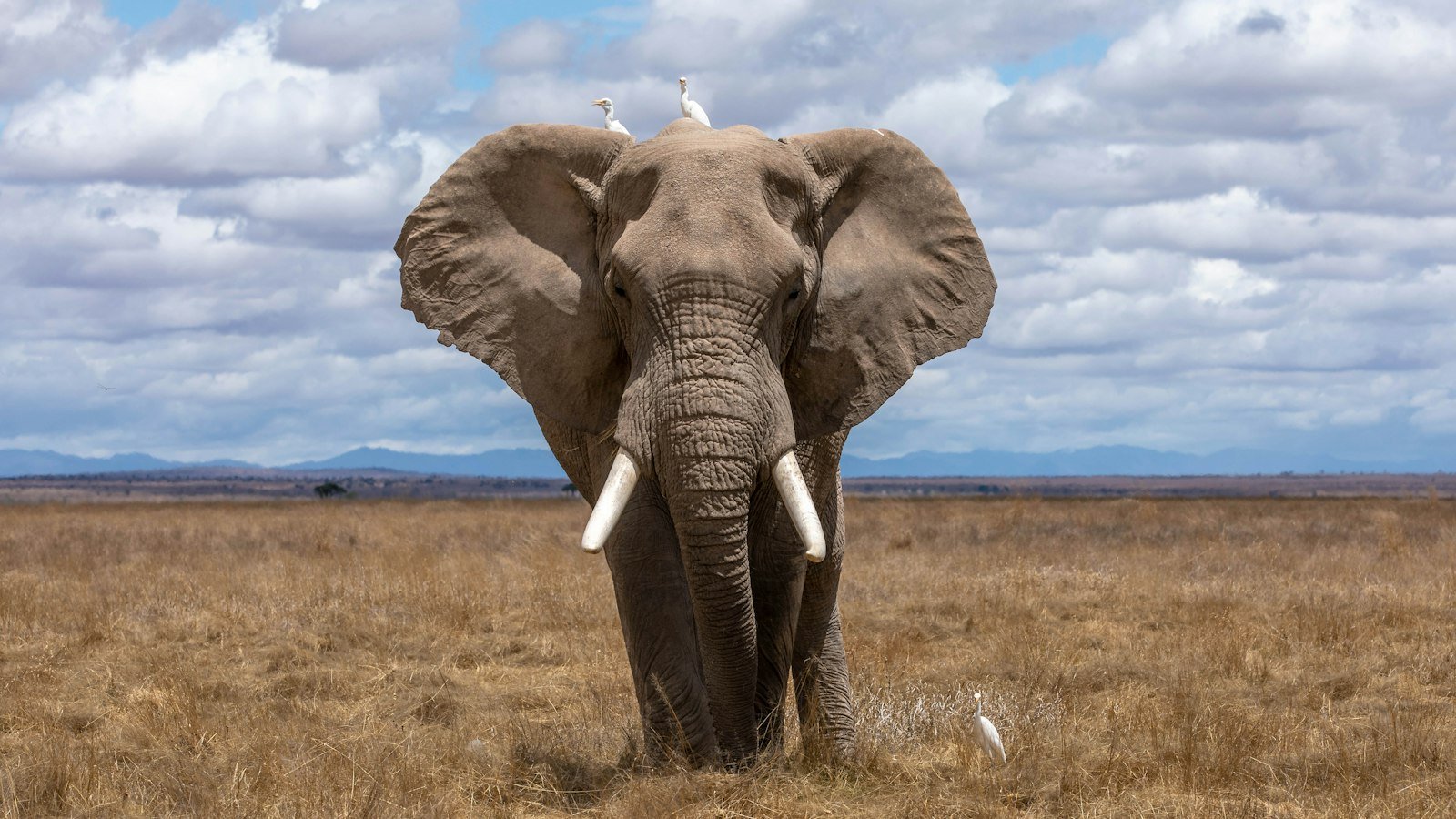
The investigative findings arrive as global consumer sentiment among affluent international travelers - particularly from Australia, the United Kingdom, Western Europe, and North America - pivots decisively away from entertainment-driven animal interactions. Commercial practices such as direct elephant riding, captive tiger cub photo-ops, performing dolphin shows, and caged civet coffee (kopi luwak) enclosures are experiencing mounting commercial pushback from international travel agencies, flight carriers, and ethical tourism aggregators.
Hospitality leaders in Bali emphasize that maintaining outdated animal attractions poses a direct reputational vulnerability to the island's broader positioning as a progressive, nature-aligned cultural sanctuary.
The shift from exploitative interaction to observation-based sanctuaries
The Bali Wildlife Protection Coalition's assessment highlights widespread welfare deficiencies in venues utilizing direct tactile contact:
- Chaining and Confinement: In several commercial elephant camps, captive pachyderms were documented enduring extended tethering on hard concrete pads with minimal social interaction between riding shifts.
- Physical Coercion and Performance Props: Attractions featuring captive wild felines, orangutans, and marine mammals frequently rely on negative reinforcement and noisy performance amphitheaters that generate intense chronic stress for non-domesticated species.
- Intensive Civet Husbandry: Facilities producing captive kopi luwak for tourists often house solitary Asian palm civets in cramped wire cages with unbalanced, forced-feeding coffee cherry diets.
"The era of treating wild animals as decorative photographic props or riding beasts is fundamentally over," said Gede Juliandika, Regional Policy and Regulatory Editor. "Discerning global travelers increasingly scrutinize animal welfare credentials before booking. Facilities in Bali that invest in open-canopy forest reserves, ethical retirement paddocks, and professional veterinary oversight will thrive; those refusing to evolve away from captive exploitation face inevitable international boycott."
The coalition's report urges the Bali Provincial Government, the Natural Resources Conservation Agency (BKSDA Bali), and PHRI to formulate an enforceable Provincial Animal Welfare Charter, establishing transparent licensing criteria and barring cruel handling techniques.
Commercial momentum toward ethical sanctuary alternatives
Encouragingly, progressive operators in Bali are proving that ethical, non-contact wildlife experiences command superior commercial yields. Facilities like the pioneering Elephant Nature Park affiliates and certified bird sanctuaries in Gianyar and Tabanan offer observational tours where visitors observe rescued animals foraging, bathing in natural mud wallows, and socializing in natural herd structures without direct human riding or performance tricks.
Major international travel platforms - including Booking.com, TripAdvisor, and Virgin Holidays - have ceased marketing commercial venues offering elephant rides or captive dolphin swim sessions, actively redirecting booking volume to verified ethical sanctuaries.
Local community cooperatives are also discovering that preserving natural wildlife habitats - such as sea turtle nesting grounds in Kuta and Pemuteran, or community-managed mangrove reserves in Benoa - generates sustainable eco-guiding revenue without holding animals in permanent captivity.
Actionable advice for travelers seeking ethical wildlife experiences
International visitors planning wildlife encounters in Bali should follow practical ethical verification criteria:
- Avoid Any Venue Offering Riding or Performances: If a facility offers direct elephant riding, shows with performing animals, or direct physical contact with sedated wild felines, avoid booking.
- Support True Observational Sanctuaries: Seek out sanctuaries where animals roam freely in expansive natural environments, where visitors maintain respectful viewing distances, and where educational interpretation focuses on species conservation.
- Inspect Civet Coffee Provenance: If visiting coffee plantations in Kintamani or Bedugul, verify that beans are sourced exclusively from wild, free-roaming civets rather than battery-caged animals.
- Choose Certified Conservation Partners: Verify whether the attraction partners with recognized global welfare bodies such as World Animal Protection or the Global Federation of Animal Sanctuaries (GFAS).
Regulatory steps ahead
The Bali Provincial Legislature (DPRD Bali) is reviewing recommendations from veterinary specialists to mandate independent annual animal welfare audits for all commercial zoos, safari parks, and marine centers operating across the province. Industry analysts expect the transition toward verified ethical standards to accelerate ahead of the 2027 tourism cycle.
This dispatch details active operational updates regarding regional transit corridors, airport procedures, park entry permits, or provincial regulations. Travelers are encouraged to verify departure schedules and official requirements prior to transit.
Planning a trip to Ubud?
Explore current destination intelligence, curated accommodations, cultural landmarks, and island events before you travel.
Curated Stays & Sanctuaries in Ubud
Curated luxury accommodations featuring private pool sanctuaries, authentic architectural heritage, and seamless concierge support.
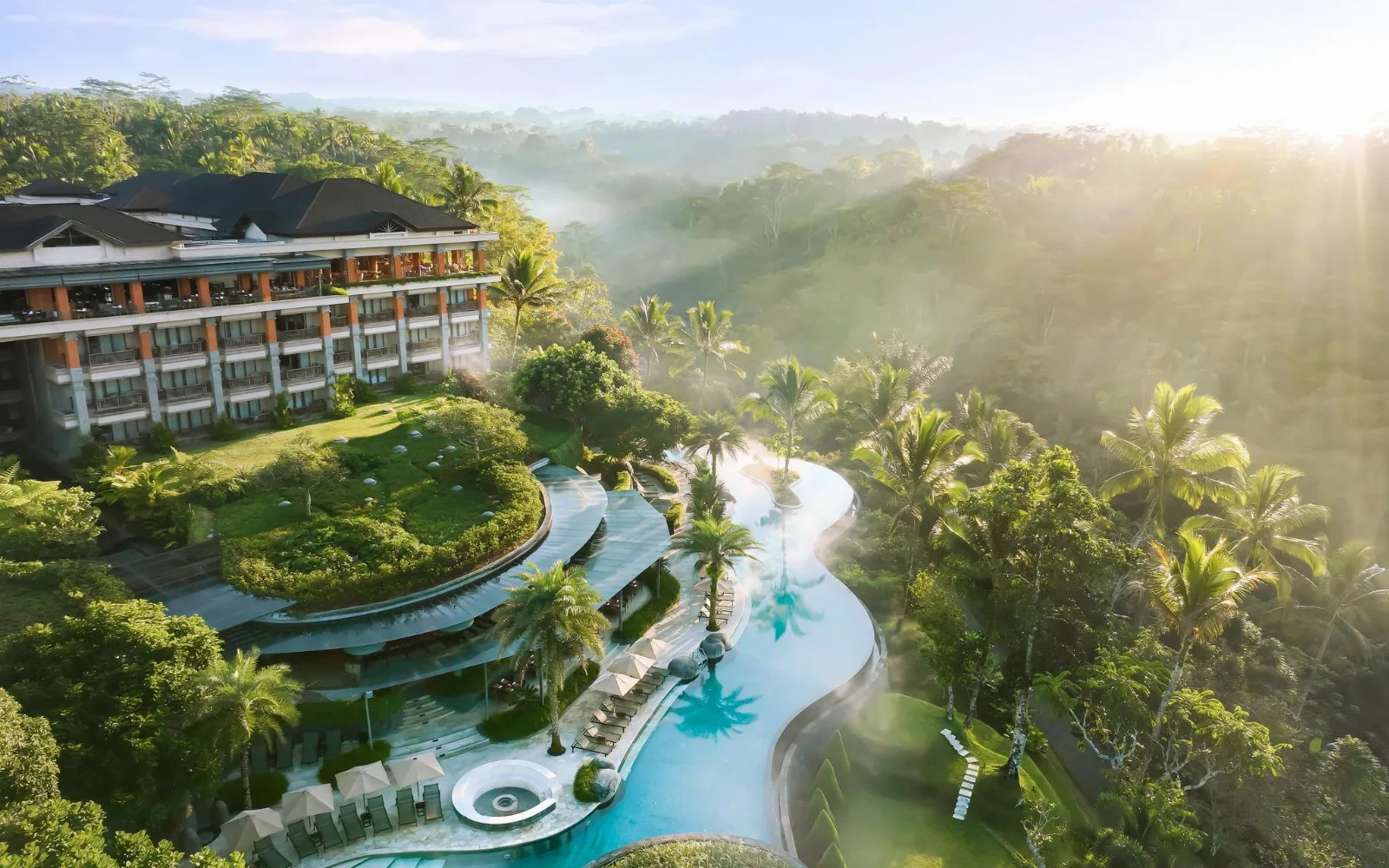
Padma Resort Ubud
Padma Resort Ubud is a 5-star resort situated in Bali, Bali (Ultra-Luxury), holding a verified guest score of 9.4/10 across 2,824 reviews. Located 42.2 km (2–3 hours drive) with inland valley / highland retreat.
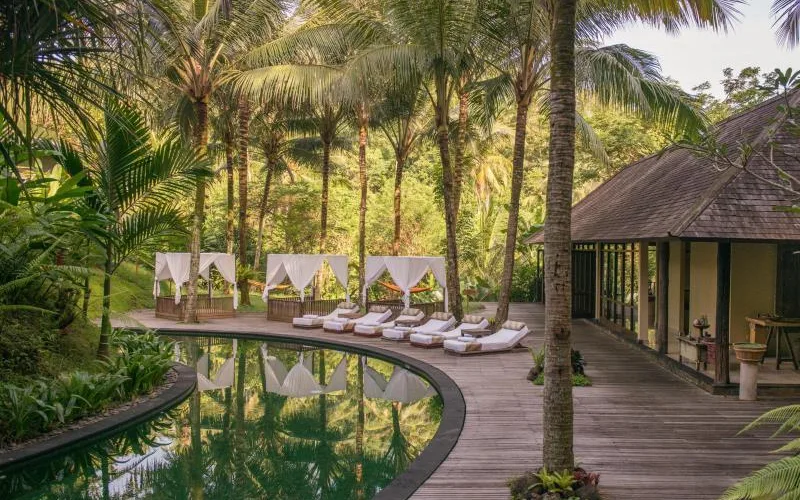
Komaneka at Bisma Ubud
Komaneka at Bisma Ubud is a 5-star resort situated in Bali, Bali (Ultra-Luxury), holding a verified guest score of 9.4/10 across 2,773 reviews. Located 28 km (60–80 mins drive) with inland valley / highland retreat.

JAPA Suites and Villas
JAPA Suites and Villas is a 5-star resort situated in Ubud, Bali (Ultra-Luxury), holding a verified guest score of 9.4/10 across 1,812 reviews. Located 27.6 km (60–80 mins drive) with inland valley / highland retreat.
Iconic Landmarks & Sacred Sanctuaries in Ubud
Protected cultural heritage, historical architecture, and iconic natural viewpoints with official entrance tariffs and etiquette rules.
 temple
$2.79
temple
$2.79
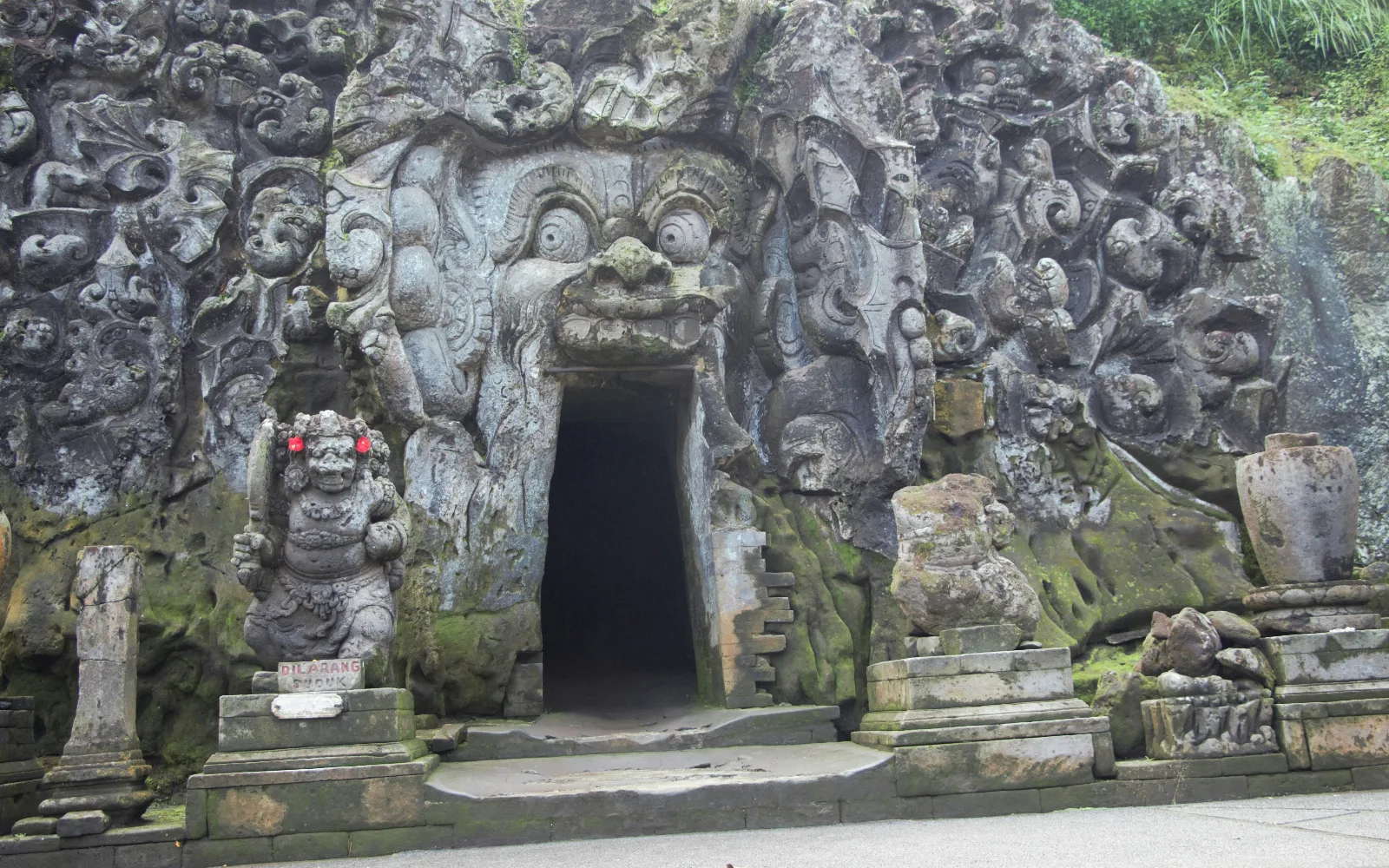
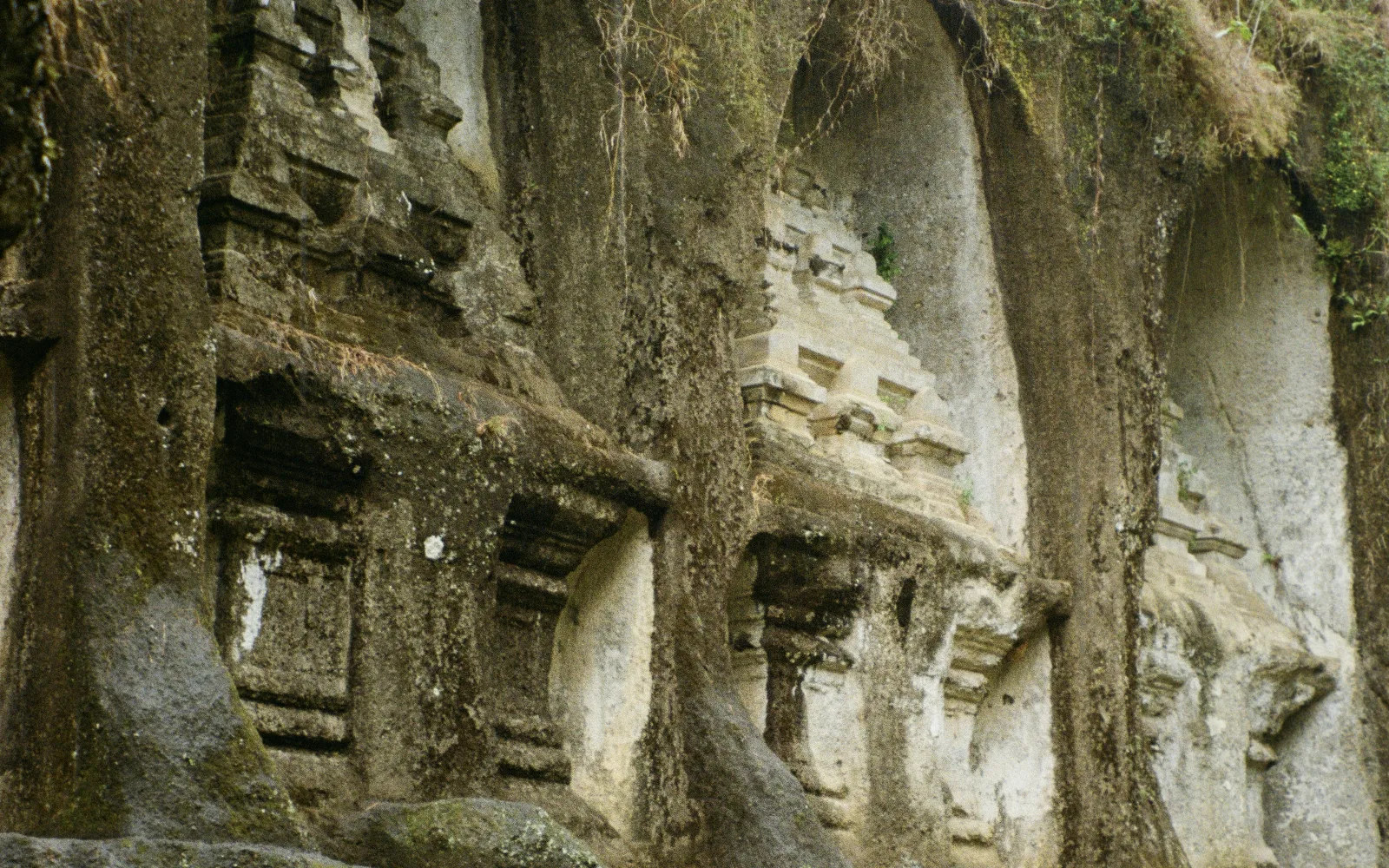
Goa Gajah (Elephant Cave)
Archaeological hermitage featuring a menacing demonic face carved into solid rock, leading into a T-shaped meditation chamber.
 temple
$2.79
temple
$2.79
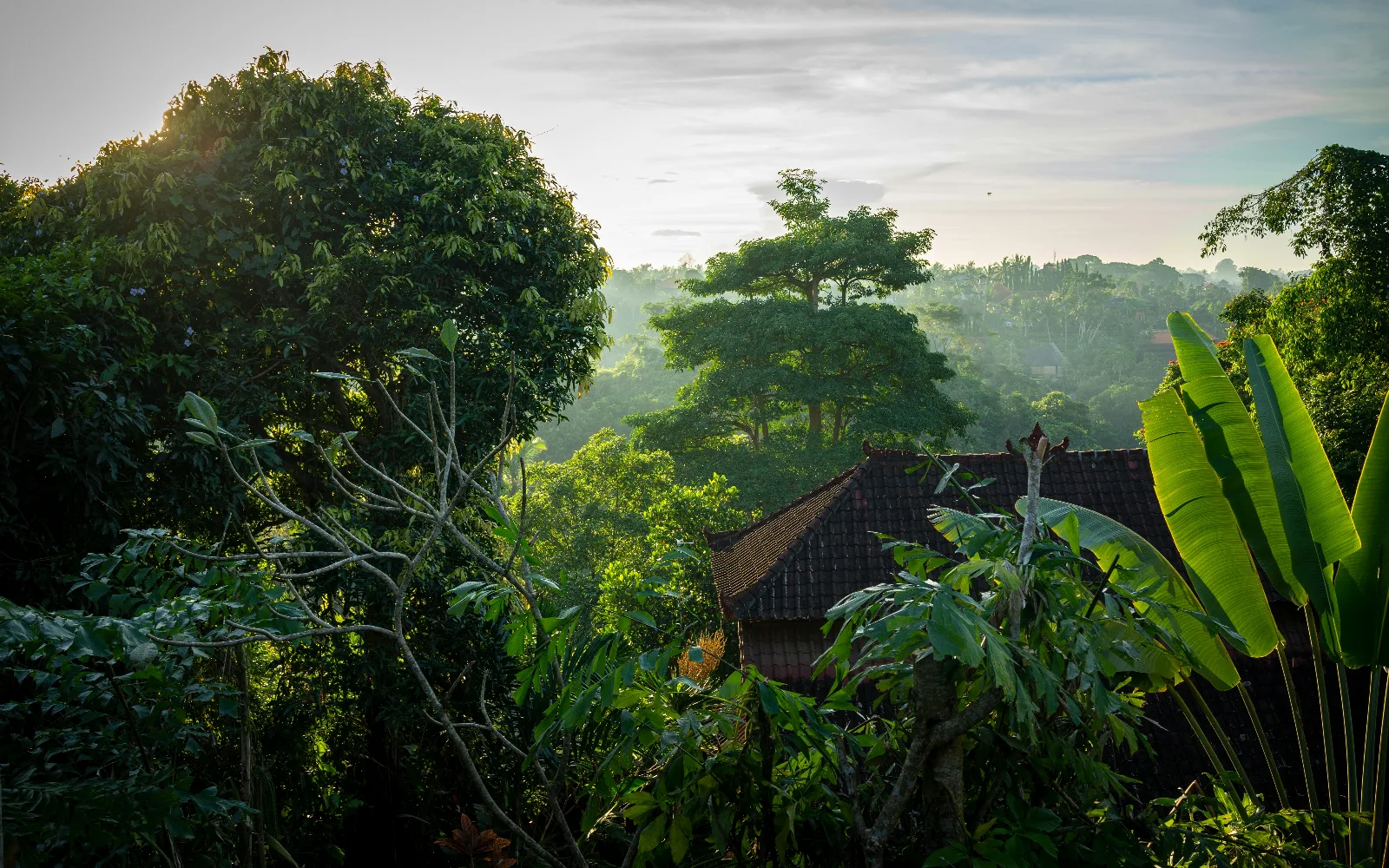
Gunung Kawi Tampaksiring
11th-century royal funerary shrines carved 7 meters high directly into vertical river cliff walls flanking the Pakerisan River.
 cultural village
Free Access
cultural village
Free Access
Campuhan Ridge Walk
Scenic 2km paved walking trail along a breezy mountain crest between the Sungai Wos rivers, framed by rolling green valleys.
Guided Tours & Field Experiences in Ubud
Handcrafted tours, masterclasses, and coastal expeditions led by licensed local guides with verified booking options.
 culture
📍 Ubud
$26.79
culture
📍 Ubud
$26.79
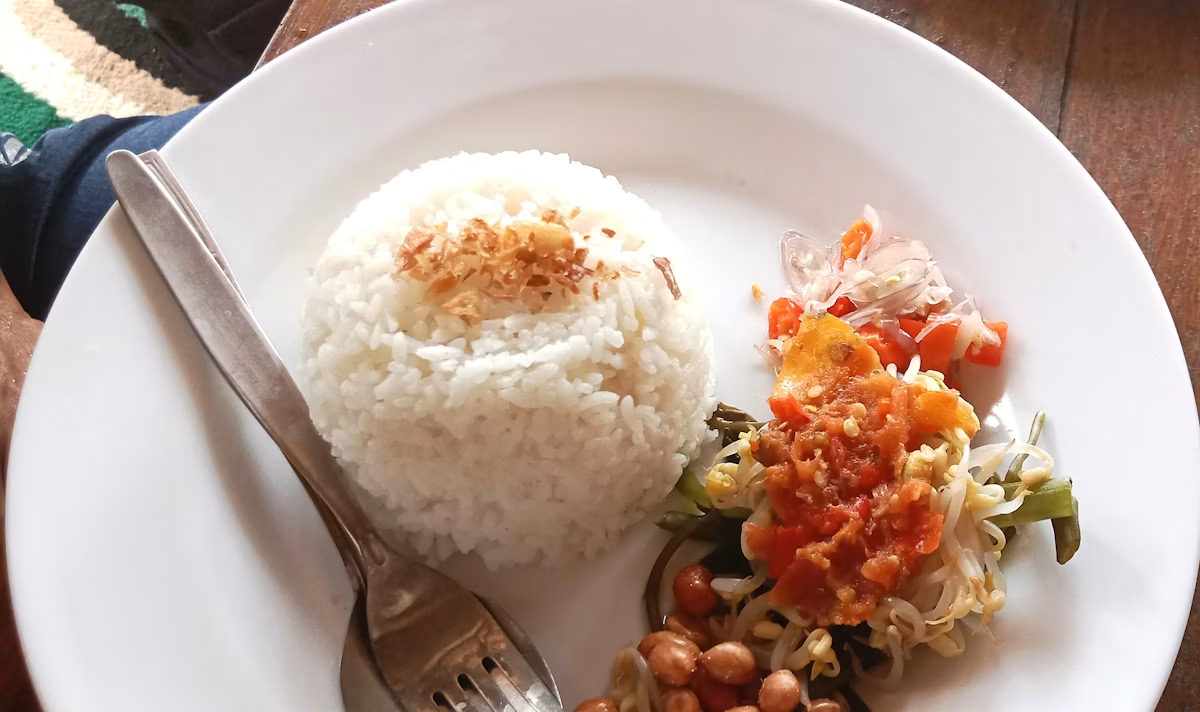
Ubud Permaculture Farm Harvest & Traditional Megibung Feast
Discover the sustainable roots of Balinese farming at an organic permaculture farm near Ubud, walking among chemical-free garden beds to pick heirloom vegetables and herbs. Afterward, gather in an open-air bamboo pavilion to share an authentic megibung feast—a ceremonial dining tradition where dishes are served on large banana leaves to celebrate community and unity. It offers a heartwarming cultural and culinary encounter honoring the island's rich agrarian traditions.
 adventure
📍 Ubud
$44.66
adventure
📍 Ubud
$44.66
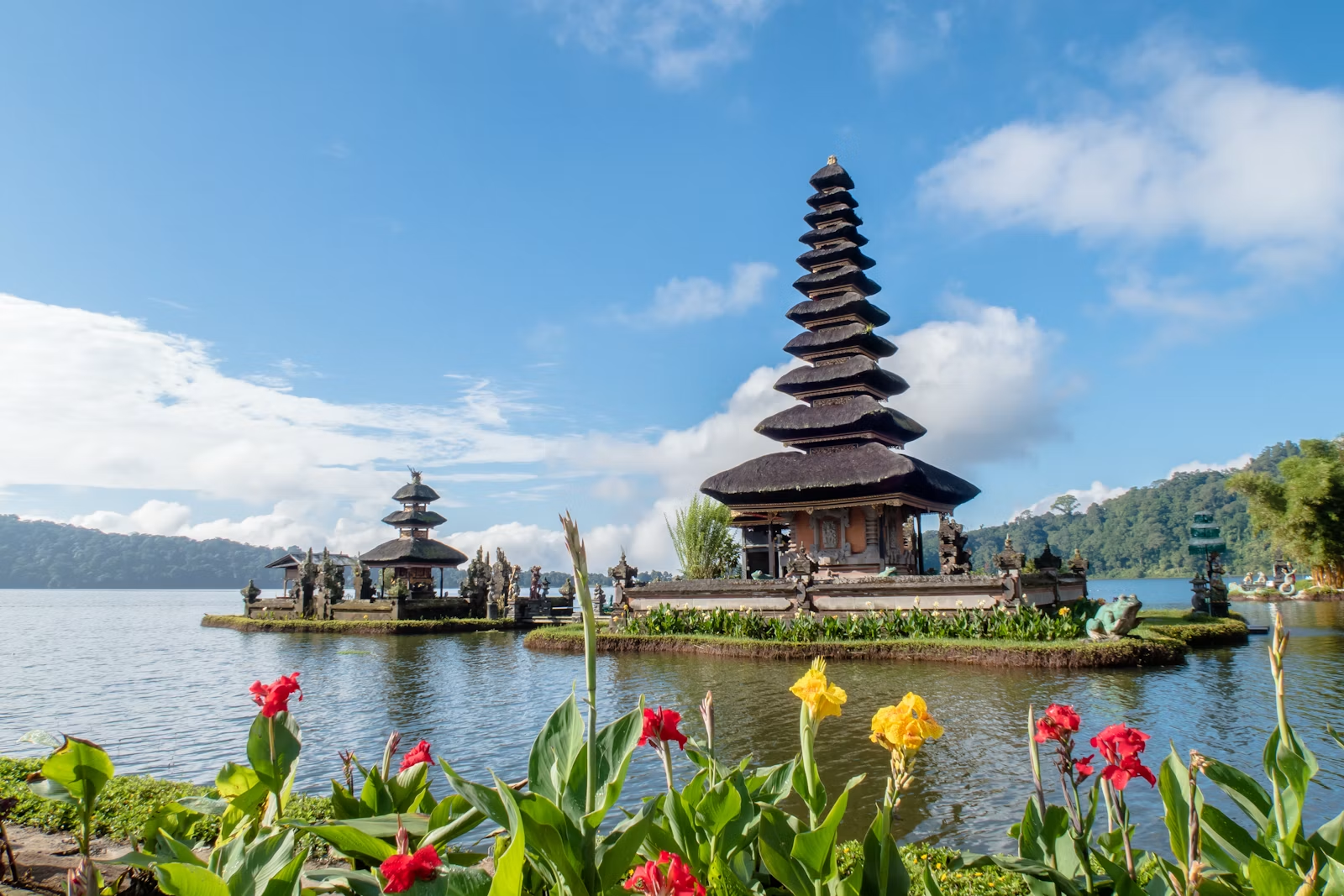
Ayung River White Water Rafting & Ubud Jungle Swing Landscape Combo
Exhilarating 12km white water rafting adventure down the sacred Ayung River gorge, viewing Ramayana stone wall carvings, paired with high-altitude panoramic jungle swings.
 adventure
📍 Ubud
$41.86
adventure
📍 Ubud
$41.86
Mount Batur Sunrise 4WD Off-Road Jeep Safari & Black Lava Fields
Thrilling 4WD open-top off-road safari across Mount Batur's volcanic caldera, witnessing golden sunrise above the clouds and exploring the 1963 Black Lava fields.
Planning a Bali trip?
Explore current destination information, accommodation options, and events before you travel.
Related Travel News & Editorial Dispatches
Stay informed with latest field updates, regulatory notices, and luxury hospitality coverage across Bali and Beyond.
 📍 Ubud
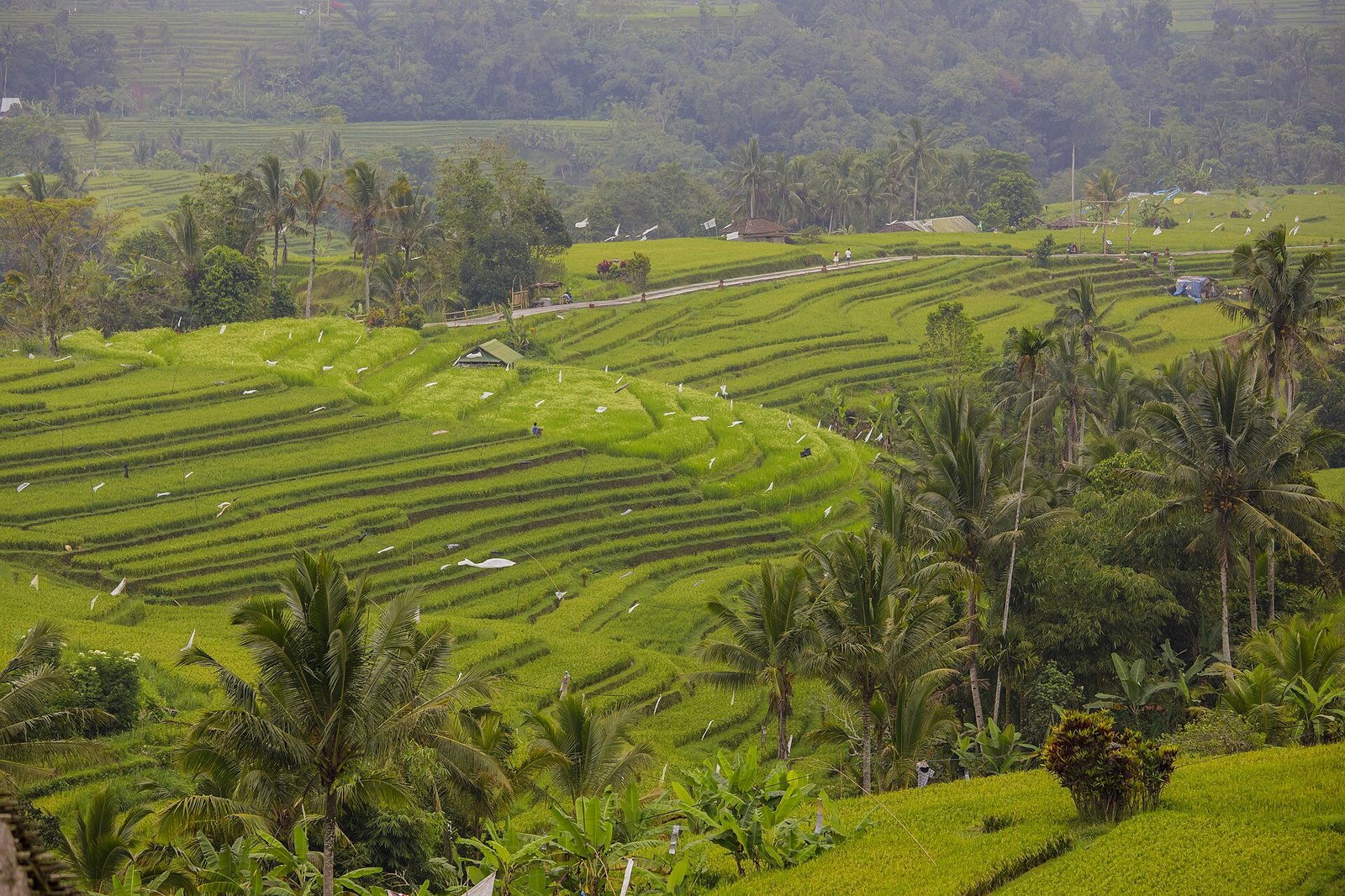
French Arrivals to Bali Surge Past 41,000 in August, Overtaking India as Top-Three Source Market
Official BPS statistics record a 20.4 percent monthly surge in French arrivals, driven by European summer holidays and demand for extended cultural stays in rural heritage sanctuaries.
 📍 Ubud
Bali's Delayed 2026 Rainy Season Onset Prompts Climatology Warnings of Concentrated Downpours
DENPASAR, Bali - October 1, 2026 - Climatological forecasters from the Meteorology, Climatology, and Geophysical Agency (BMKG Climatology Station Bali) have released their seasonal transition assessment, confirming that the onset of Bali's 2026/2027 wet monsoon is running approximately two to three weeks behind long-term historical averages. However, meteorologists and disaster management authorities caution that a delayed rainy season does not signify a benign weather outlook; rather, compressed precipitation cycles carry heightened risks of localized high-intensity downpours, flash floods (*air bah*), and terrain instability.
 📍 Ubud
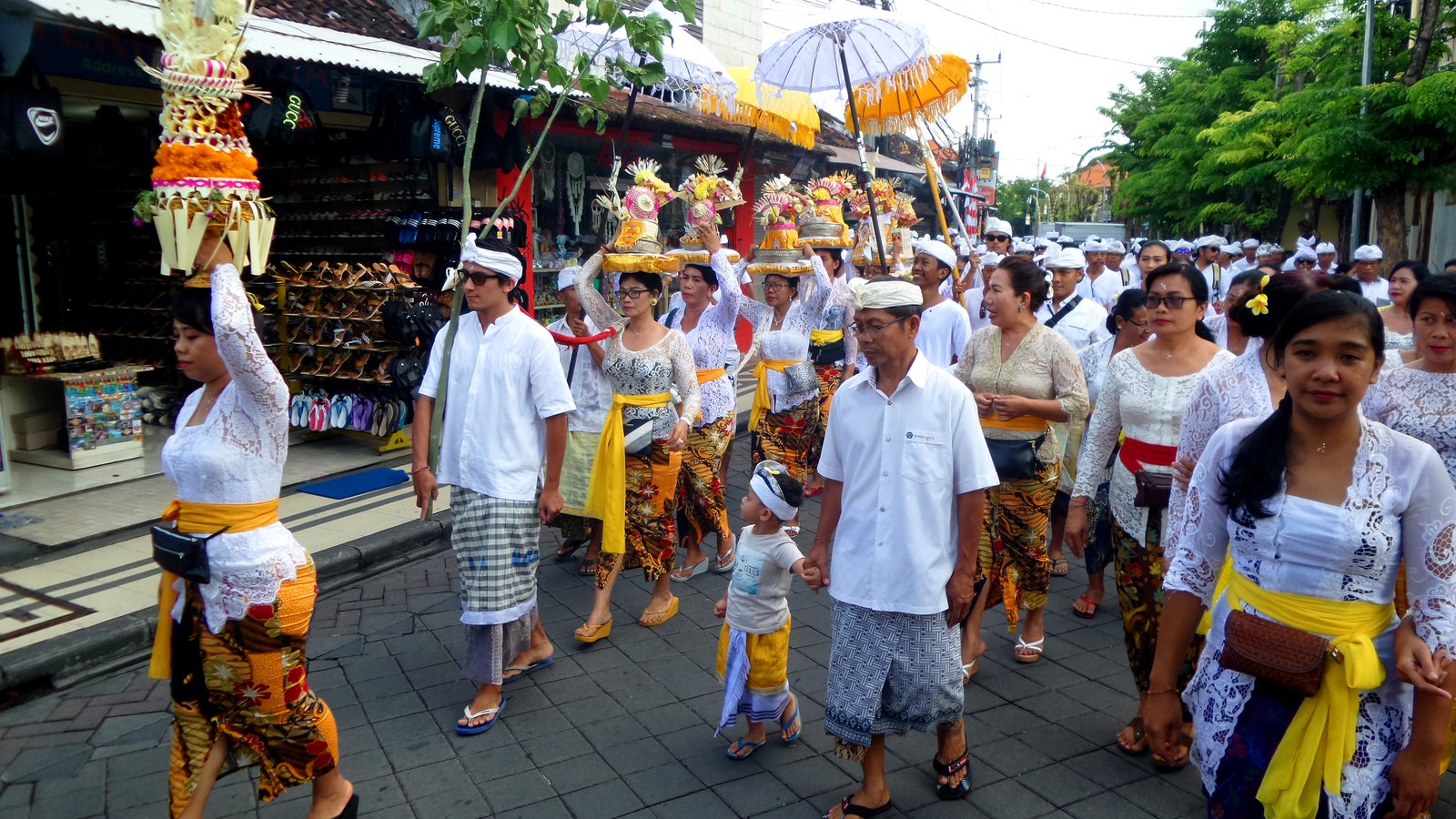
Living Balinese Traditions Offer Visitors a Different Form of Cultural Tourism
DENPASAR, Bali - September 29, 2026 - Amid escalating international debates regarding the commercialization and potential trivialization of cultural heritage in global mass-tourism capitals, Bali’s vibrant network of traditional customary villages (Desa Adat) is offering travelers an inspiring, authentic alternative: a tourism model grounded in living community rituals rather than staged commercial performances.
 📍 Ubud
Indonesia’s Tourism Promotion Moves Further Toward Interactive Digital Discovery
JAKARTA - September 29, 2026 - The Ministry of Tourism and Creative Economy (Kemenparekraf), working in direct strategic alignment with provincial tourism boards across Bali and regional destination authorities, has officially enacted its comprehensive 2026-2028 Digital Tourism Transformation Roadmap.
 📍 Ubud
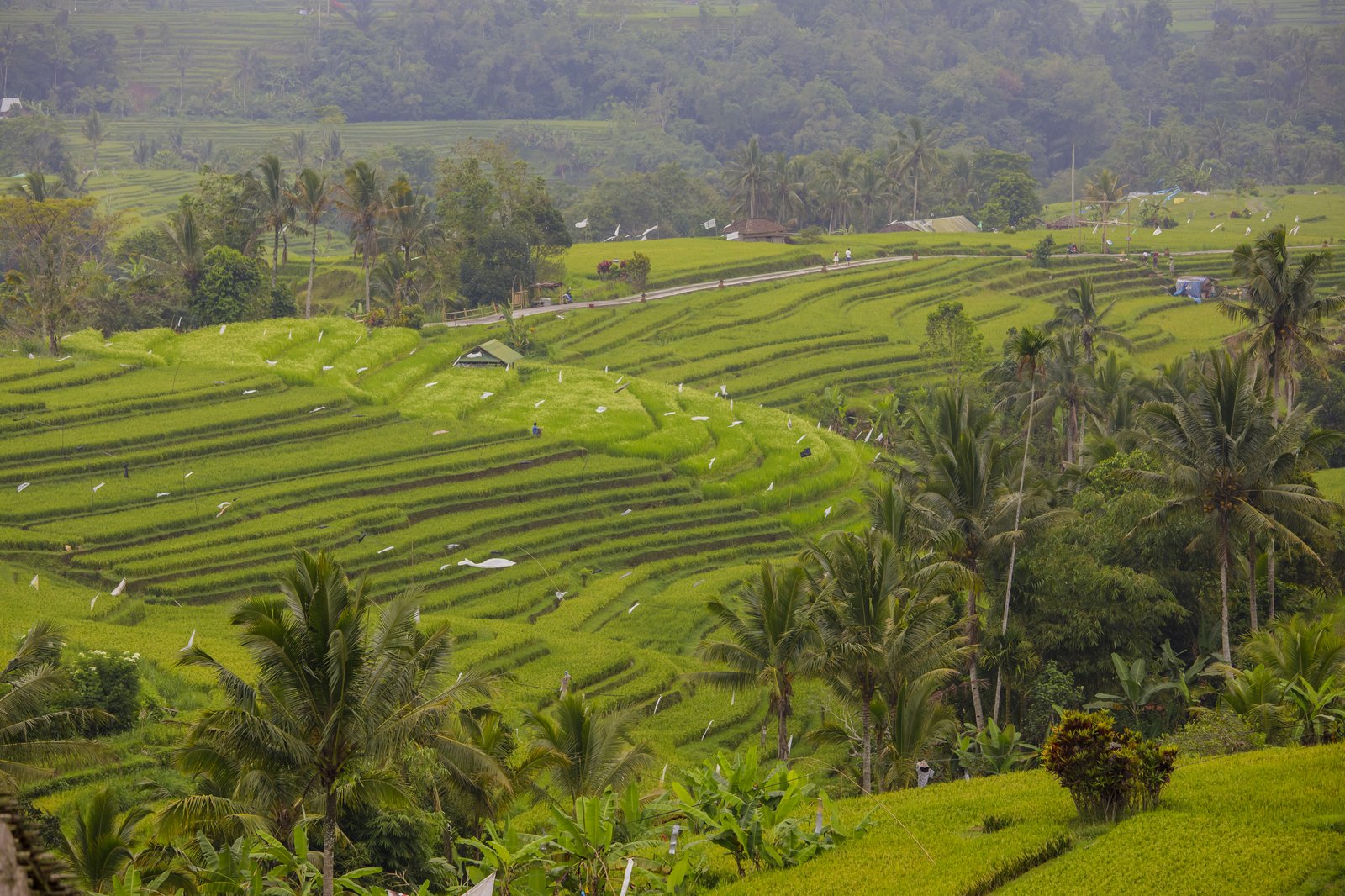
Jatiluwih Sees Seasonal Visitor Decline as Asian Markets Gain Ground
PENEBEL, Tabanan - September 29, 2026 - The operational management board of the Jatiluwih UNESCO World Heritage Cultural Landscape in Penebel, Tabanan Regency, has recorded a normal seasonal moderation in tourist arrivals following the conclusion of the peak European summer travel season in July and August.
 📍 Ubud
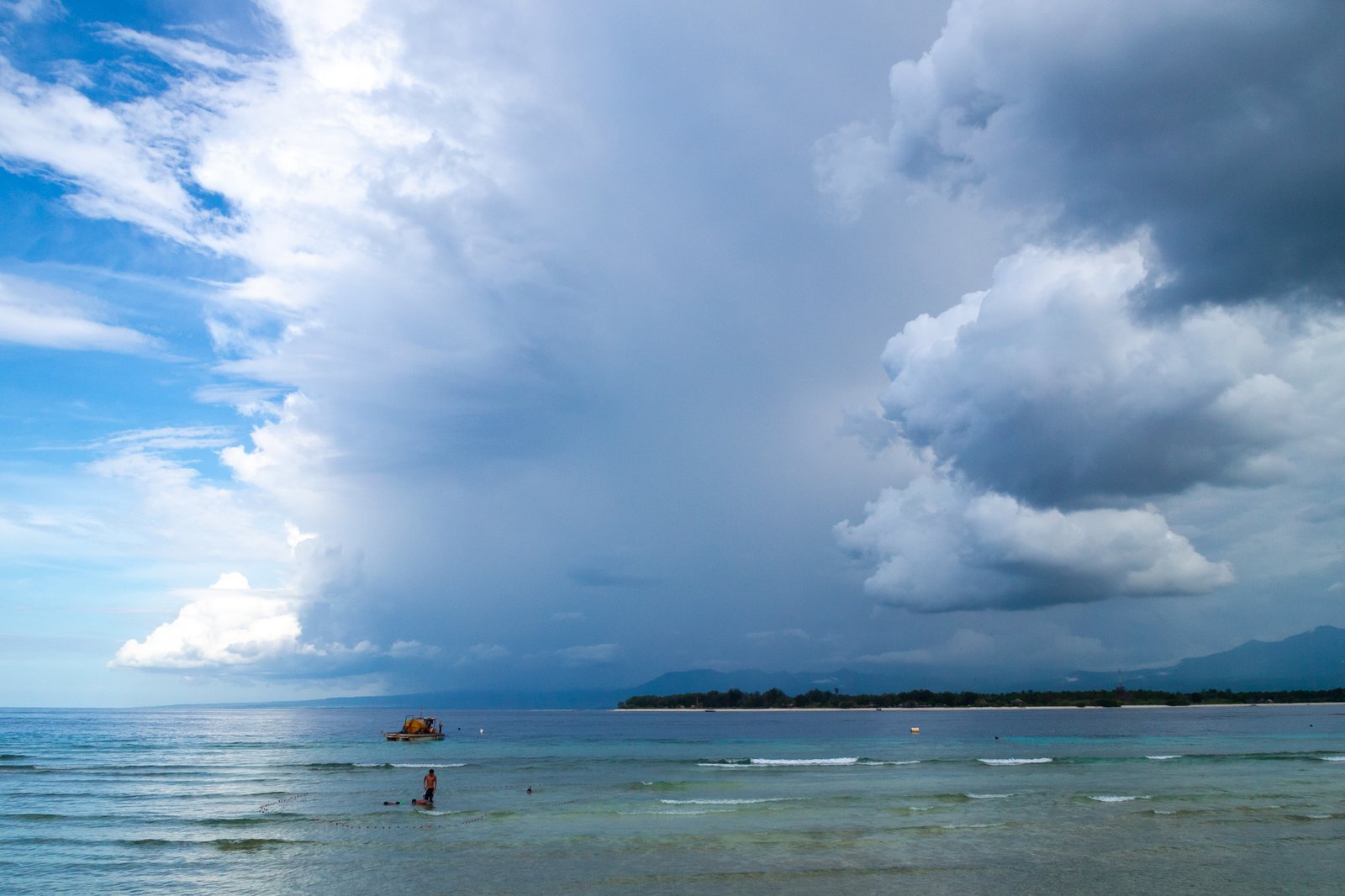
Bali’s Rainy Season Is Delayed, But a Shorter Season Could Bring Heavier Rain
DENPASAR, Bali - September 29, 2026 - The Meteorology, Climatology, and Geophysics Agency (BMKG) Region III Denpasar has officially published its seasonal climate projection for the 2026/2027 transition period, forecasting a delayed onset of the annual rainy season across the majority of Bali's territory.