



Indonesia’s Tourism Promotion Moves Further Toward Interactive Digital Discovery
JAKARTA - September 29, 2026 - The Ministry of Tourism and Creative Economy (Kemenparekraf), working in direct strategic alignment with provincial tourism boards across Bali and regional destination authorities, has officially enacted its comprehensive 2026-2028 Digital Tourism Transformation Roadmap.
INDONESIA AI TOURISM TRANSFORMATION Dispatch Timeline
-
Initial ReportIndonesia Brings Artificial Intelligence Into the World Tourism Day Debate
-
Update #1Indonesia’s Tourism Promotion Moves Further Toward Interactive Digital Discovery (Current Article)
JAKARTA - September 29, 2026 - The Ministry of Tourism and Creative Economy (Kemenparekraf), working in direct strategic alignment with provincial tourism boards across Bali and regional destination authorities, has officially enacted its comprehensive 2026-2028 Digital Tourism Transformation Roadmap.
The policy framework accelerates Indonesia's transition away from conventional, static marketing approaches - such as generic promotional brochures, mass-market travel expos, and one-size-fits-all billboards - in favor of real-time, interactive, and artificial intelligence-supported digital destination discovery.
Central to this structural evolution is the modernization of national and regional digital touchpoints, integrating predictive algorithmic travel assistance, verified community business directories, and multi-lingual interactive discovery tools across web and mobile platforms.
By leveraging real-time search intent, micro-demographic preference mapping, and dynamic geographic dispersal algorithms, the platform actively guides international and domestic travelers toward high-value, culturally immersive experiences in emerging destinations across Bali and the wider Indonesian archipelago.
Combating overtourism through algorithmic dispersal
A core structural objective of the digital transformation strategy is addressing destination overconcentration.
In Bali, conventional travel patterns have historically funneled more than 75 percent of incoming visitor volume into a narrow, 25-kilometer coastal corridor in south Badung (stretching from Kuta through Seminyak to Canggu), placing immense strain on local roads, water resources, and waste management infrastructure.
Under the new interactive platform architecture, destination discovery engines automatically analyze user interests - such as organic gastronomy, sustainable wellness, traditional crafts, or marine conservation - and present curated alternative travel corridors:
- Highland Cultural Journeys: Connecting travelers directly with organic coffee farmers and heritage waterfall routes in Munduk, Bedugul, and Pupuan.
- Traditional Craft and Agritourism Trails: Introducing visitors to living weaving cooperatives in Sidemen and ancient salt-panning traditions in Kusamba, East Bali.
- Marine Eco-Sanctuaries: Directing scuba divers and nature enthusiasts to community-managed marine conservation corridors in Menjangan Island, Pemuteran, and Amed.
"Digital technology must be deployed intentionally as a destination stewardship tool, not merely a volume amplifier," stated a senior digital strategist at Kemenparekraf. "When an AI-assisted travel planner recommends an authentic cooking class in a village homestay in Karangasem instead of a crowded urban beach club, we achieve three critical outcomes: the traveler experiences unforgettable cultural intimacy, the rural community earns sustainable direct income, and traffic pressure on our southern road network is mitigated."
The platform operates on strict anti-intermediary principles, connecting prospective travelers directly with verified local tour operators, registered customary village homestays, and certified Balinese tourist guides without extractive aggregator commissions.
Integration of smart QR touchpoints and digital nomad hubs
Across Bali, provincial and regency tourism offices are deploying digital infrastructure touchpoints to facilitate seamless on-the-ground navigation:
- Multilingual Smart Tourism Kiosks: Interactive digital touchscreens installed at I Gusti Ngurah Rai International Airport and primary visitor hubs in Sanur, Ubud, and Kuta provide incoming visitors with real-time cultural event calendars, verified temple etiquette guidelines, and public transport schedules.
- Integrated Digital Nomad Directory: Curated web hubs detailing verified high-speed fiber-optic co-working spaces, legal remote-work visa regulations (such as the B211A and E33G remote worker visas), and community environmental volunteer initiatives, supporting Bali's standing as the premier remote-work hub in Southeast Asia.
- Cashless Merchant Integration via QRIS: Ensuring that over 15,000 rural artisans, traditional market warungs, and village transport cooperatives are integrated into Bank Indonesia's unified QRIS cashless payment network, enabling foreign visitors to complete frictionless mobile transactions without carrying large cash reserves.
Elevating guest satisfaction and repeat visitation metrics
Tourism economists note that modern independent travelers increasingly prioritize personalization, digital autonomy, and authentic local connection when selecting holiday destinations.
Surveys conducted by the Bali Tourism Promotion Board (BPPD Bali) reveal that international travelers who utilized interactive digital discovery tools reported a 35 percent higher overall satisfaction rating and demonstrated an average stay two days longer than visitors relying on conventional group tour packages.
"The modern traveler does not want to be treated as a passive consumer on an assembly line," remarked an academic researcher at Udayana University’s Faculty of Tourism. "They desire agency, genuine cultural encounters, and transparent local interactions. By building an interactive digital infrastructure that champions regional communities, Indonesia is setting a benchmark for intelligent, sustainable destination management in the digital era."
Next phases of the nationwide digital rollout
The ongoing transformation will expand throughout early 2027 to encompass Indonesia’s designated Super Priority Destinations (DPSP), including Labuan Bajo in East Nusa Tenggara, Borobudur in Central Java, Lake Toba in North Sumatra, Likupang in North Sulawesi, and Mandalika in West Nusa Tenggara.
Through visionary technology deployment that prioritizes cultural integrity, environmental balance, and grassroots economic empowerment, Indonesia continues to redefine destination marketing for the modern global traveler.
Helpful planning insights for travelers exploring bookings, regional itineraries, and accommodations across the destination.
Planning a trip to Ubud?
Explore current destination intelligence, curated accommodations, cultural landmarks, and island events before you travel.
Curated Stays & Sanctuaries in Ubud
Curated luxury accommodations featuring private pool sanctuaries, authentic architectural heritage, and seamless concierge support.

Padma Resort Ubud
Padma Resort Ubud is a 5-star resort situated in Bali, Bali (Ultra-Luxury), holding a verified guest score of 9.4/10 across 2,824 reviews. Located 42.2 km (2–3 hours drive) with inland valley / highland retreat.

Komaneka at Bisma Ubud
Komaneka at Bisma Ubud is a 5-star resort situated in Bali, Bali (Ultra-Luxury), holding a verified guest score of 9.4/10 across 2,773 reviews. Located 28 km (60–80 mins drive) with inland valley / highland retreat.

JAPA Suites and Villas
JAPA Suites and Villas is a 5-star resort situated in Ubud, Bali (Ultra-Luxury), holding a verified guest score of 9.4/10 across 1,812 reviews. Located 27.6 km (60–80 mins drive) with inland valley / highland retreat.
Iconic Landmarks & Sacred Sanctuaries Across Bali
Protected cultural heritage, historical architecture, and iconic natural viewpoints with official entrance tariffs and etiquette rules.
 beach landmark
$11.14
beach landmark
$11.14
Menjangan Island Marine Park
Protected uninhabited island renowned for pristine vertical coral reef drop-offs, 50m visibility, and wild Javan rusa deer strolling the beaches.
 cultural village
Free Access
cultural village
Free Access
Mas Wood Carving Village
Mas is the epicentre of Balinese wood carving mastery, where legend holds that the sage Nirartha first taught the art of carving sacred masks and ritual statues to local craftsmen in the 16th century.
 temple
$2.79
temple
$2.79
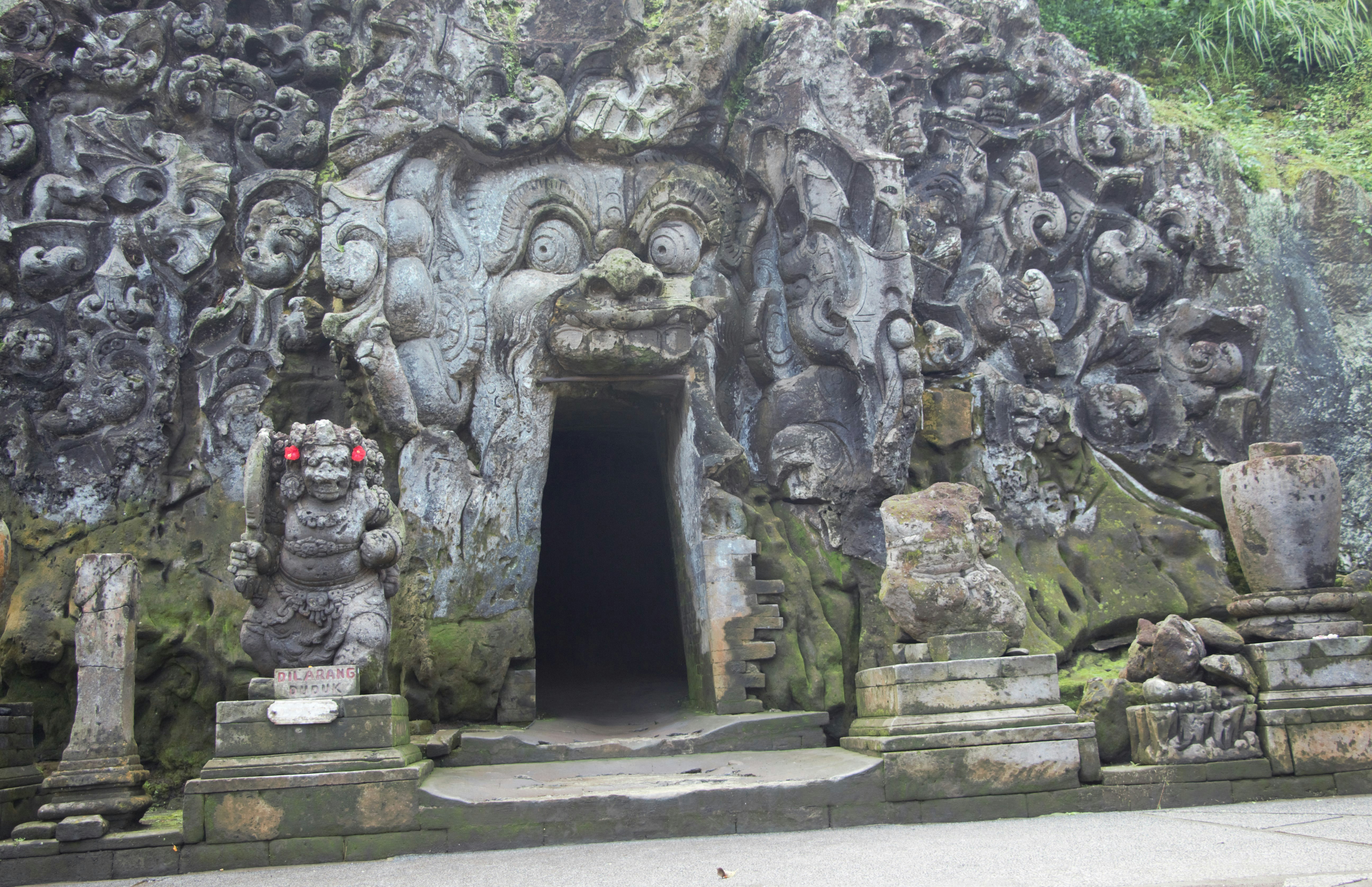
Goa Gajah (Elephant Cave)
Archaeological hermitage featuring a menacing demonic face carved into solid rock, leading into a T-shaped meditation chamber.
Guided Tours & Field Experiences in Ubud
Handcrafted tours, masterclasses, and coastal expeditions led by licensed local guides with verified booking options.
 culture
📍 Ubud
$26.74
culture
📍 Ubud
$26.74
Ubud Permaculture Farm Harvest & Traditional Megibung Feast
Discover the sustainable roots of Balinese farming at an organic permaculture farm near Ubud, walking among chemical-free garden beds to pick heirloom vegetables and herbs. Afterward, gather in an open-air bamboo pavilion to share an authentic megibung feast—a ceremonial dining tradition where dishes are served on large banana leaves to celebrate community and unity. It offers a heartwarming cultural and culinary encounter honoring the island's rich agrarian traditions.
 adventure
📍 Ubud
$44.57
adventure
📍 Ubud
$44.57
Ayung River White Water Rafting & Ubud Jungle Swing Landscape Combo
Exhilarating 12km white water rafting adventure down the sacred Ayung River gorge, viewing Ramayana stone wall carvings, paired with high-altitude panoramic jungle swings.
 adventure
📍 Ubud
$41.78
adventure
📍 Ubud
$41.78
Mount Batur Sunrise 4WD Off-Road Jeep Safari & Black Lava Fields
Thrilling 4WD open-top off-road safari across Mount Batur's volcanic caldera, witnessing golden sunrise above the clouds and exploring the 1963 Black Lava fields.
Related Travel News & Editorial Dispatches
Stay informed with latest field updates, regulatory notices, and luxury hospitality coverage across Bali and Beyond.
 📍 Ubud
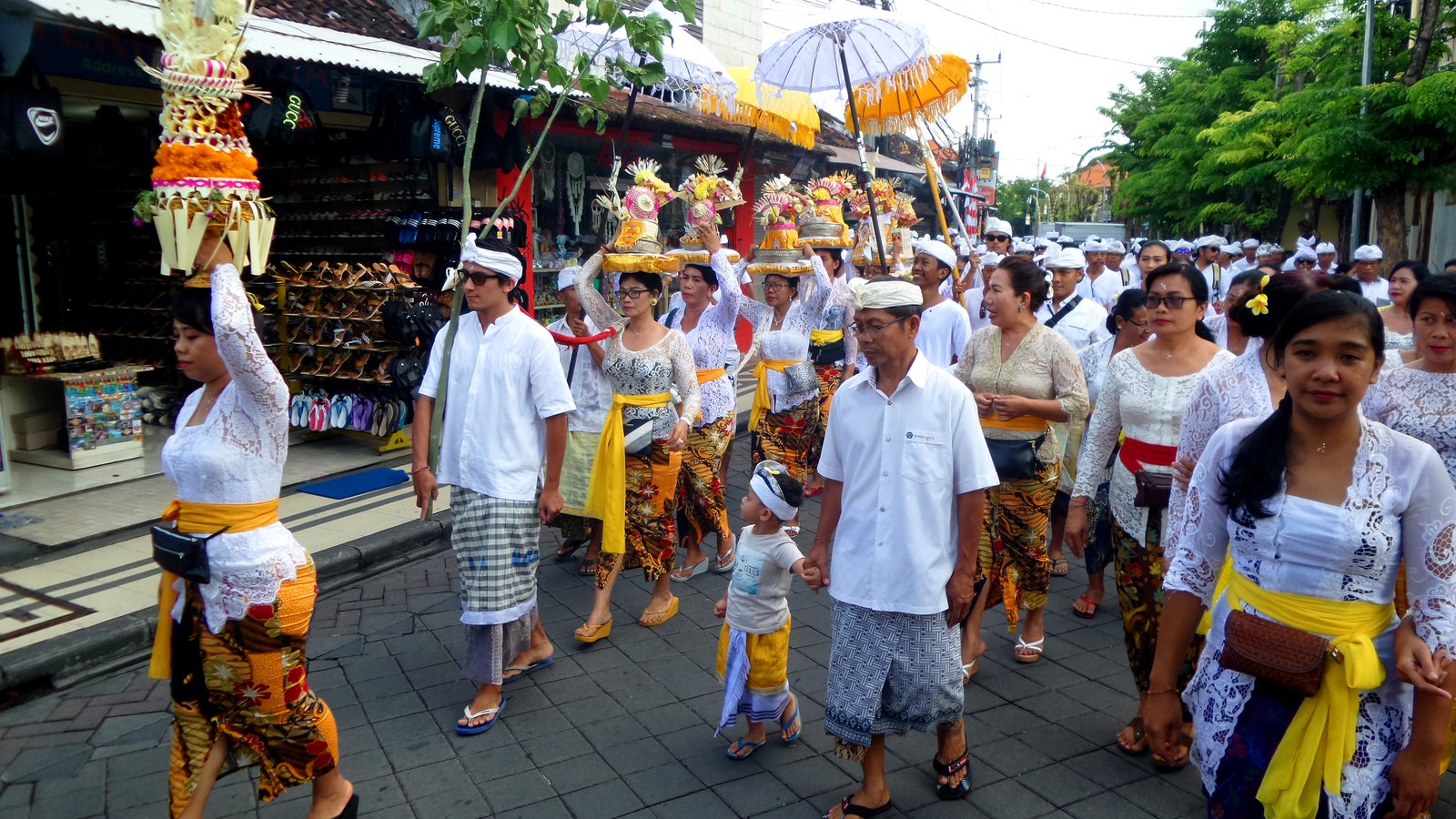
Living Balinese Traditions Offer Visitors a Different Form of Cultural Tourism
DENPASAR, Bali - September 29, 2026 - Amid escalating international debates regarding the commercialization and potential trivialization of cultural heritage in global mass-tourism capitals, Bali’s vibrant network of traditional customary villages (Desa Adat) is offering travelers an inspiring, authentic alternative: a tourism model grounded in living community rituals rather than staged commercial performances.
 📍 Ubud
Jatiluwih Sees Seasonal Visitor Decline as Asian Markets Gain Ground
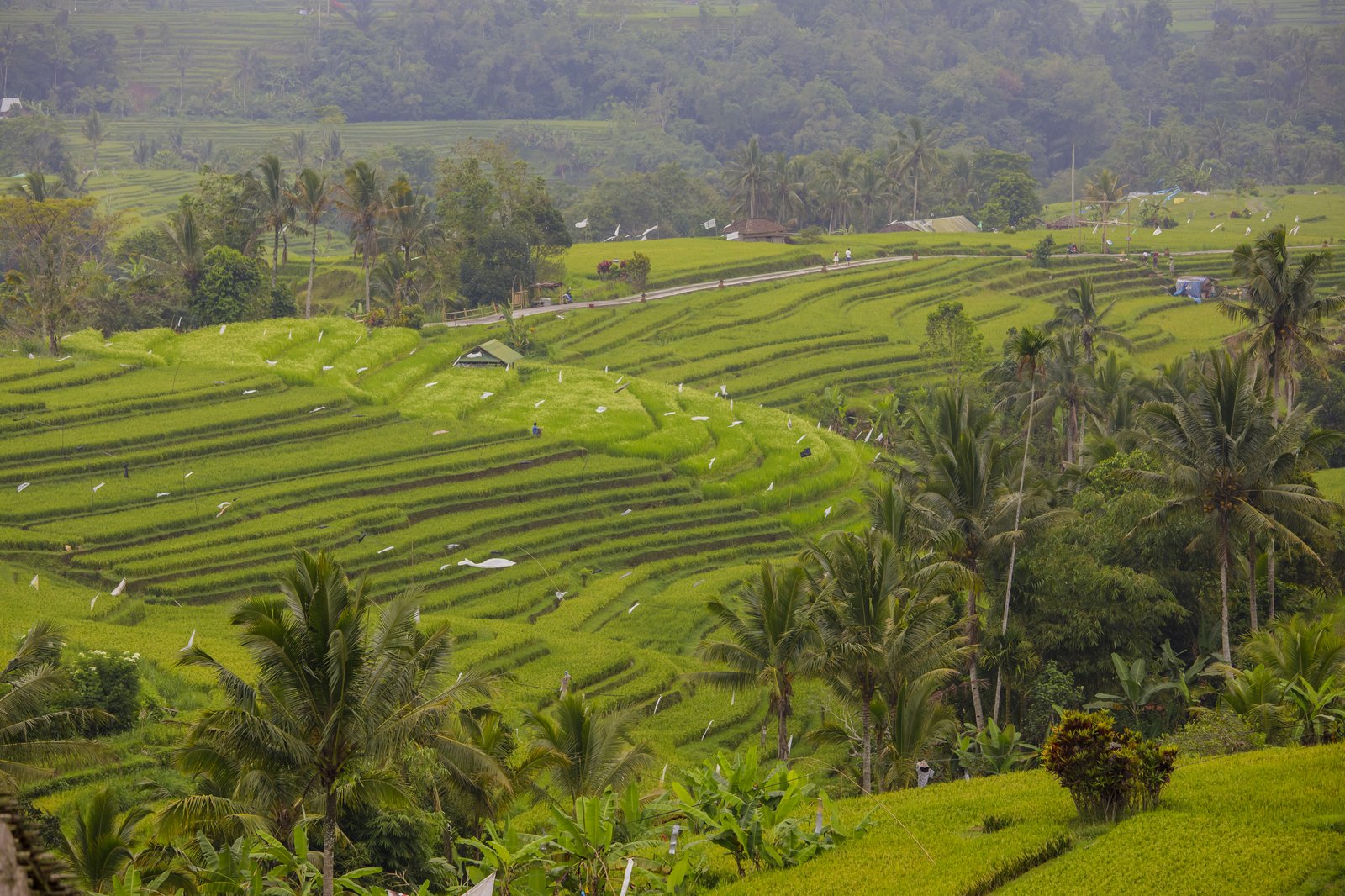
PENEBEL, Tabanan - September 29, 2026 - The operational management board of the Jatiluwih UNESCO World Heritage Cultural Landscape in Penebel, Tabanan Regency, has recorded a normal seasonal moderation in tourist arrivals following the conclusion of the peak European summer travel season in July and August.
 📍 Ubud
Bali’s Rainy Season Is Delayed, But a Shorter Season Could Bring Heavier Rain
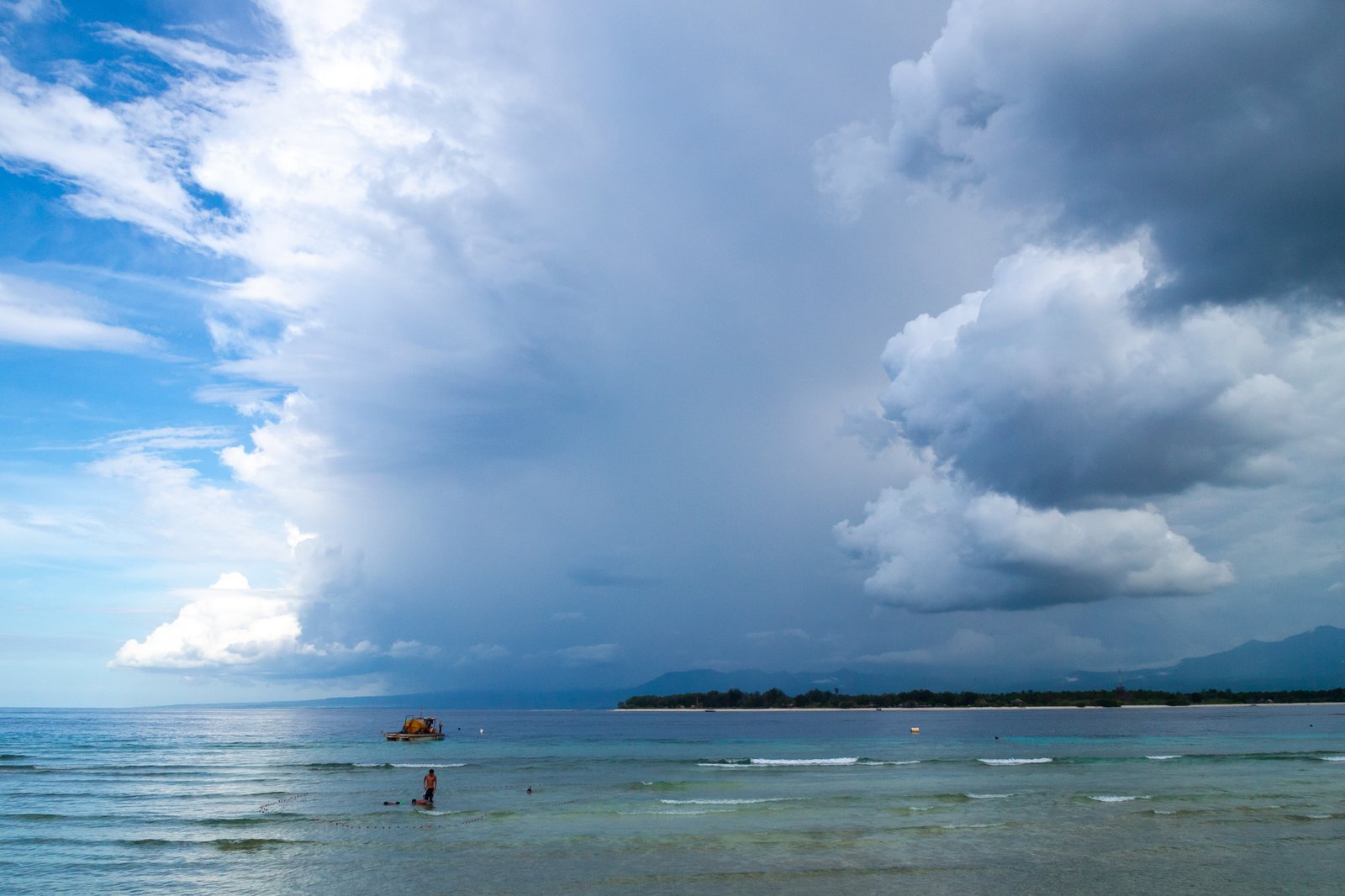
DENPASAR, Bali - September 29, 2026 - The Meteorology, Climatology, and Geophysics Agency (BMKG) Region III Denpasar has officially published its seasonal climate projection for the 2026/2027 transition period, forecasting a delayed onset of the annual rainy season across the majority of Bali's territory.
 📍 Ubud
Viceroy Bali's GSTC Certification Puts Sustainability Under a New Ubud Spotlight
UBUD, Bali - September 27, 2026 - Viceroy Bali has become one of the first properties in Ubud to receive Global Sustainable Tourism Council (GSTC) certification, adding an independently assessed sustainability standard to the credentials of one of the area's long-established luxury resorts.
 📍 Ubud
Bali Pushes Beyond Visitor Numbers as Tourism Strategy Turns Toward Higher-Value Experiences
DENPASAR, Bali - September 27, 2026 - Bali's tourism debate is shifting from how many people visit the island to how tourism demand is distributed and what economic value it creates.
 📍 Ubud
Kimpton Suntaya Bali Ubud Prepares for Indonesia Debut as Ubud's Luxury Market Gets More Competitive
UBUD, Bali - September 27, 2026 - IHG Hotels & Resorts is preparing to bring its Kimpton luxury lifestyle brand to Indonesia with Kimpton Suntaya Bali Ubud, a 101-key property on Jalan Bisma that is expected to open later this year.