



Viceroy Bali's GSTC Certification Puts Sustainability Under a New Ubud Spotlight
UBUD, Bali - September 27, 2026 - Viceroy Bali has become one of the first properties in Ubud to receive Global Sustainable Tourism Council (GSTC) certification, adding an independently assessed sustainability standard to the credentials of one of the area's long-established luxury resorts.

UBUD, Bali - September 27, 2026 - Viceroy Bali has become one of the first properties in Ubud to receive Global Sustainable Tourism Council (GSTC) certification, adding an independently assessed sustainability standard to the credentials of one of the area's long-established luxury resorts.
The certification was awarded in June 2026, rather than during the latest September tourism news cycle. It remains relevant to Ubud's hospitality market, however, as luxury properties increasingly face pressure to demonstrate what sustainability means in their day-to-day operations.
Viceroy Bali announced the certification on June 19, describing it as recognition of its long-term approach to environmental stewardship, cultural preservation and community engagement.
Certification goes beyond a sustainability claim
GSTC certification is built around four broad areas: sustainable management, socioeconomic benefits, cultural heritage preservation and environmental responsibility.
In Viceroy Bali's case, the assessment was carried out by Control Union, a GSTC-accredited certification body.
According to Viceroy Bali, the process included reviews of documentation, interviews, supplier assessments and on-site audits.
That distinction is important in a hotel market where sustainability is increasingly part of luxury-hospitality marketing.
A sustainability programme described by a hotel itself is different from one that has also undergone an external certification process.
Water is central to the property's approach
Viceroy Bali says its water and wastewater systems form a significant part of its environmental programme.
The resort uses water from an 80-metre mountain spring, which it says is filtered and suitable for drinking throughout the property.
Its wastewater is processed through an 18-step organic treatment system before being returned to the local river.
The hotel also reports the use of solar energy, an organic kitchen garden and a zero-single-use-plastic policy.
These measures are presented by Viceroy Bali as operational practices rather than temporary initiatives introduced specifically for certification. The property's sustainability materials say the hotel has been developing such systems since opening in 2005.
The local workforce is part of the equation
The certification also covers the social and economic side of tourism.
Viceroy Bali reports that 97 percent of its employees are local, while 37 percent of its team members come from the village of Petulu, where the property is located.
The hotel says its approach includes supporting surrounding communities and maintaining connections with Balinese cultural practices.
Those figures are based on information published by Viceroy Bali and form part of the hotel's sustainability reporting.
For Ubud, the emphasis is particularly relevant.
The area's appeal depends heavily on its relationship with surrounding villages, agricultural landscapes, religious traditions and natural environment. A sustainability programme that focuses only on energy or waste addresses only part of the tourism equation.
A sustainability credential in a competitive luxury market
Viceroy Bali operates a relatively small accommodation model compared with Bali's large integrated resorts.
The property currently has 40 pool villas, supported by more than 170 employees, according to its media materials.
That places the resort firmly within Ubud's boutique luxury segment, where privacy, service and the surrounding landscape are central to the guest proposition.
Its GSTC certification adds another differentiating element.
The certification does not establish that Viceroy Bali is environmentally impact-free, nor does it mean every sustainability issue associated with operating a luxury resort has been eliminated.
Instead, it provides an external framework for evaluating the property's management practices across environmental, social and cultural dimensions.
Part of a wider movement in Bali
Viceroy Bali is not the only Bali luxury hotel pursuing formal sustainability standards.
The Apurva Kempinski Bali was Indonesia's first hotel to receive GSTC certification, according to Island Lifestyle Periodical, and continues to use sustainability as part of its wider industry engagement.
The development points toward a broader change in Bali's luxury-hospitality market.
Hotels increasingly have to demonstrate not only the quality of their rooms, restaurants and service, but also how they manage water, waste, energy, local employment and cultural relationships.
That is particularly relevant in Ubud, where the landscape surrounding a hotel is part of what guests are paying to experience.
Certification is a beginning, not an endpoint
Viceroy Bali's own management describes the GSTC certification as a continuation rather than a final achievement.
That distinction is consistent with the purpose of a sustainability framework: practices have to be maintained and improved after certification rather than treated as a one-time marketing milestone.
For Ubud, the significance is broader than one hotel's certificate.
As more luxury properties compete for environmentally conscious travellers, formal standards such as GSTC provide a way to distinguish between general sustainability claims and programmes that have undergone an external assessment.
Viceroy Bali's certification therefore adds another benchmark to Ubud's luxury accommodation market.
The certificate was issued in June.
The more important story is what the resort does with it next.
This dispatch details active operational updates regarding regional transit corridors, airport procedures, park entry permits, or provincial regulations. Travelers are encouraged to verify departure schedules and official requirements prior to transit.
Curated Stays & Sanctuaries in Ubud
Expert-vetted accommodations featuring private pool sanctuaries, authentic architectural heritage, and seamless concierge support.

Mandapa, a Ritz-Carlton Reserve
Mandapa, a Ritz-Carlton Reserve is a 5-star hotel situated in Bali, Bali (Ultra-Luxury), holding a verified guest score of 9.6/10 across 144 reviews. Located 30.5 km (60–80 mins drive) with inland valley / highland retreat.
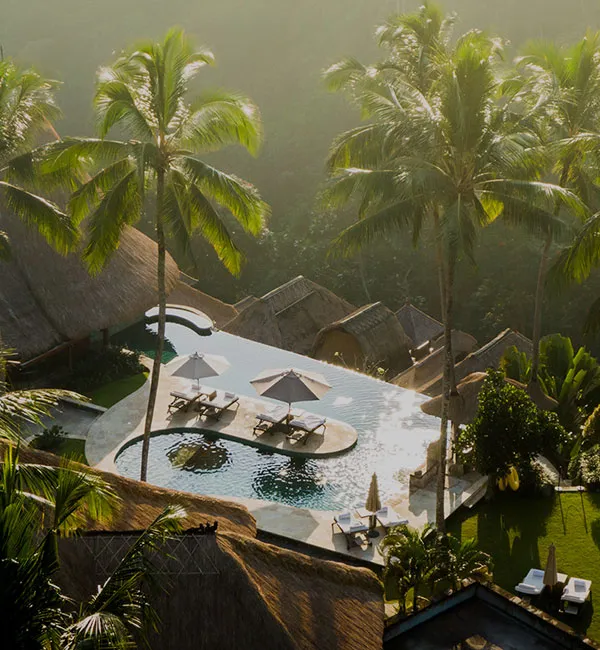
Viceroy Bali
Viceroy Bali is a 5-star resort situated in Bali, Bali (Ultra-Luxury), holding a verified guest score of 9.4/10 across 524 reviews. Located 30.8 km (60–80 mins drive) with inland valley / highland retreat.

Padma Resort Ubud
Padma Resort Ubud is a 5-star resort situated in Bali, Bali (Ultra-Luxury), holding a verified guest score of 9.4/10 across 2,824 reviews. Located 42.2 km (2–3 hours drive) with inland valley / highland retreat.
Iconic Landmarks & Sacred Sanctuaries in Ubud
Protected cultural heritage, historical architecture, and iconic natural viewpoints with official entrance tariffs and etiquette rules.
 temple
$2.79
temple
$2.79
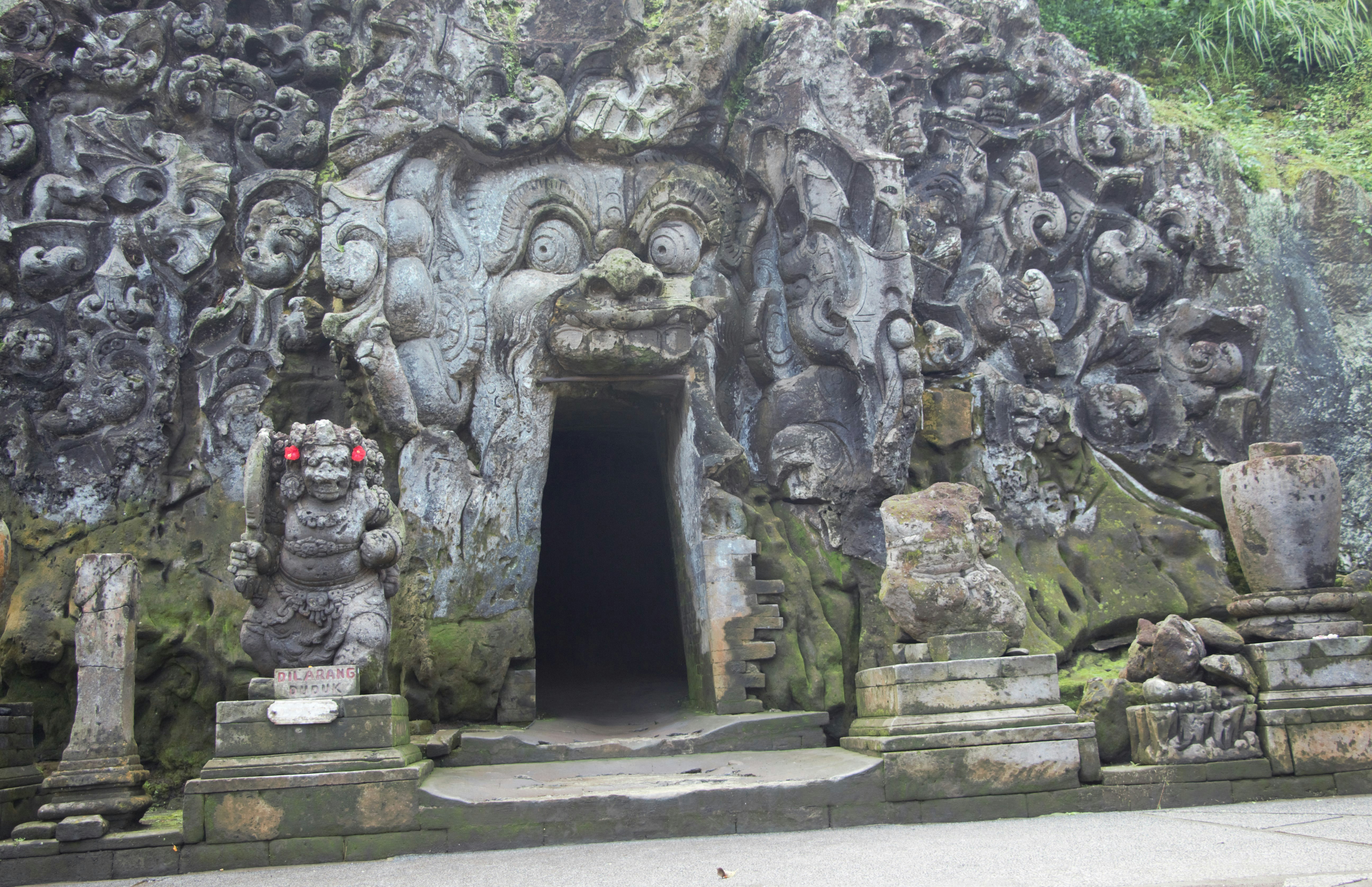
Goa Gajah (Elephant Cave)
Archaeological hermitage featuring a menacing demonic face carved into solid rock, leading into a T-shaped meditation chamber.
 cultural village
$4.47
cultural village
$4.47
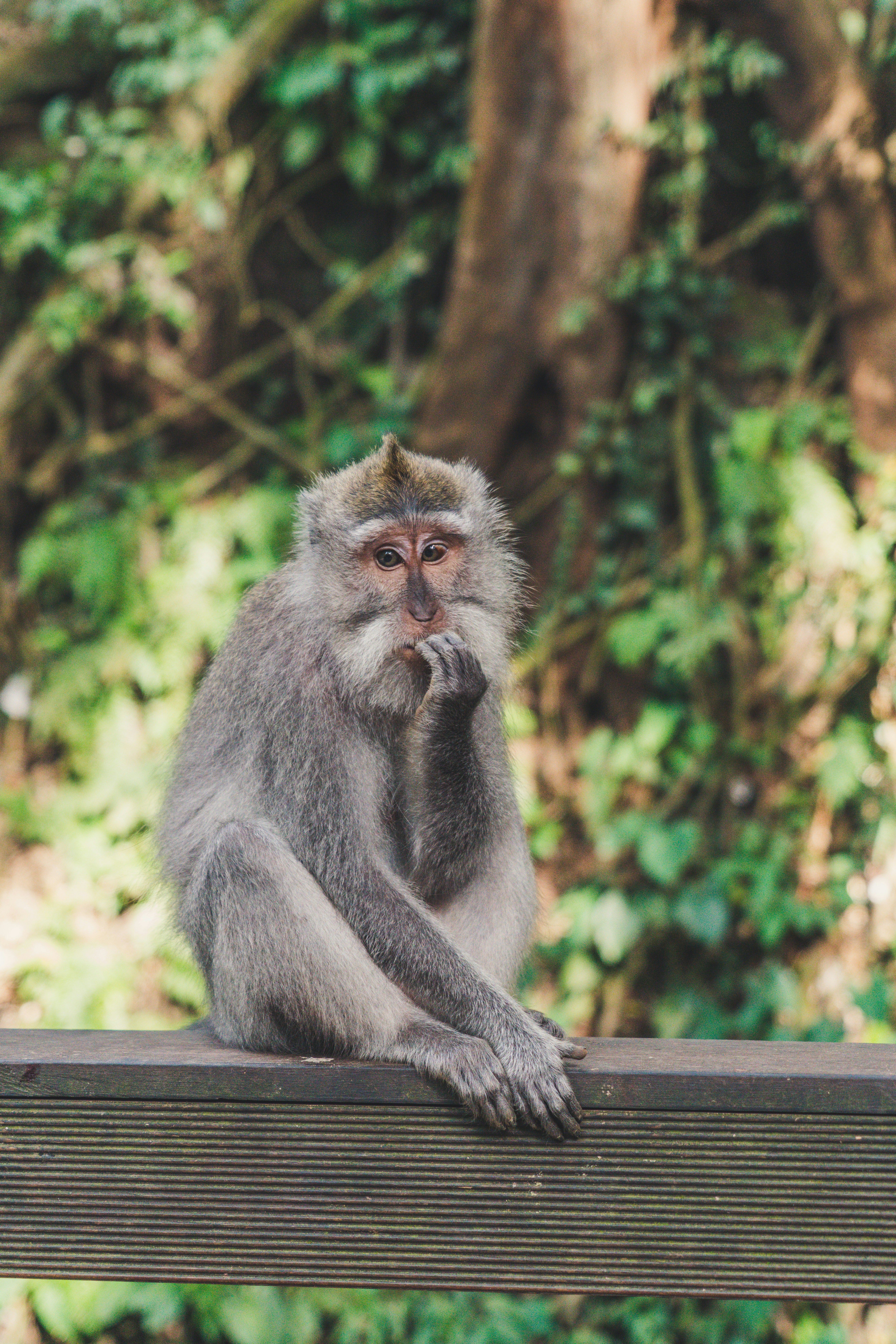
Sacred Monkey Forest Sanctuary Ubud
Sacred rainforest sanctuary sheltering over 1,200 Balinese long-tailed macaques and three ancient 14th-century temple ruins.
 temple
$2.79
temple
$2.79
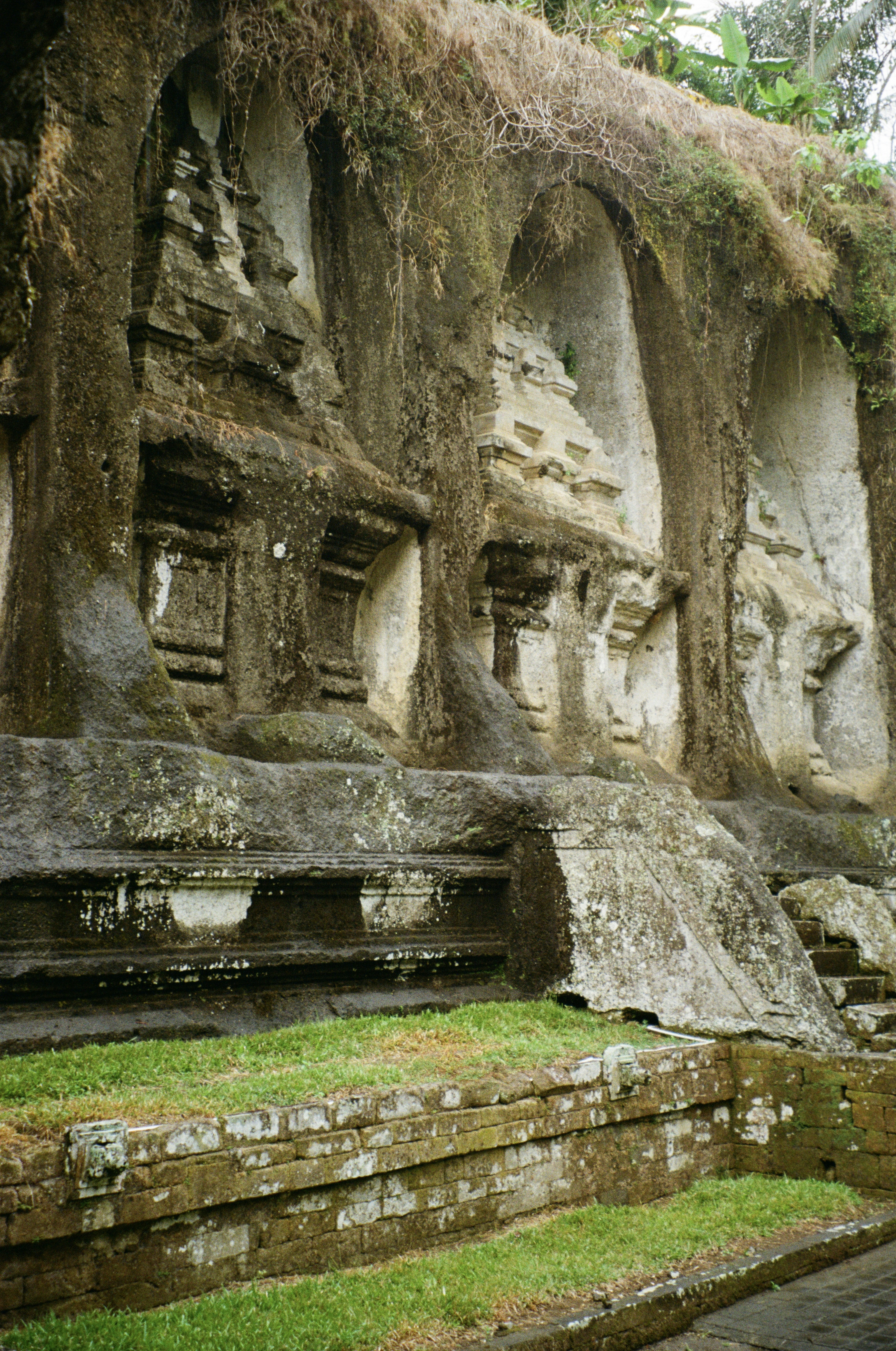
Gunung Kawi Tampaksiring
11th-century royal funerary shrines carved 7 meters high directly into vertical river cliff walls flanking the Pakerisan River.
Guided Tours & Field Experiences in Ubud
Handcrafted tours, masterclasses, and coastal expeditions led by licensed local guides with verified booking options.
 culture
📍 Ubud
$34.64
culture
📍 Ubud
$34.64
Ubud Permaculture Farm Harvest & Traditional Megibung Feast
Curated Balinese experience: Ubud Permaculture Farm Harvest & Traditional Megibung Feast. Part of Bali Expert Guide's signature curated journeys.
 culture
📍 Ubud
$34.64
culture
📍 Ubud
$34.64
Kintamani Volcanic Coffee Cupping & Bali Asli Open-Fire Masterclass
Curated Balinese experience: Kintamani Volcanic Coffee Cupping & Bali Asli Open-Fire Masterclass. Part of Bali Expert Guide's signature curated journeys.
 adventure
📍 Ubud
$44.70
adventure
📍 Ubud
$44.70
Ayung River White Water Rafting & Ubud Jungle Swing Landscape Combo
Exhilarating 12km white water rafting adventure down the sacred Ayung River gorge, viewing Ramayana stone wall carvings, paired with high-altitude panoramic jungle swings.
Related Travel News & Editorial Dispatches
Stay informed with latest field updates, regulatory notices, and luxury hospitality coverage across Bali and Beyond.
 📍 Ubud
Bali Pushes Beyond Visitor Numbers as Tourism Strategy Turns Toward Higher-Value Experiences
DENPASAR, Bali - September 27, 2026 - Bali's tourism debate is shifting from how many people visit the island to how tourism demand is distributed and what economic value it creates.
 📍 Ubud
Kimpton Suntaya Bali Ubud Prepares for Indonesia Debut as Ubud's Luxury Market Gets More Competitive
UBUD, Bali - September 27, 2026 - IHG Hotels & Resorts is preparing to bring its Kimpton luxury lifestyle brand to Indonesia with Kimpton Suntaya Bali Ubud, a 101-key property on Jalan Bisma that is expected to open later this year.
 📍 Ubud
Mandapa Retains Three MICHELIN Keys in 2026, Keeping Bali Among Indonesia's Highest-Rated Luxury Destinations
UBUD, Bali - September 27, 2026 - Mandapa, a Ritz-Carlton Reserve in Ubud, has retained Three MICHELIN Keys, the highest distinction in the MICHELIN Guide's hotel selection, in the organization's 2026 edition.
 📍 Ubud
Bali Moves to Protect Remaining Rice Fields as Land Prices Drive Development Pressure
Bali is strengthening its legal framework for protecting productive agricultural land as rising property values and continued development place increasing pressure on the island's remaining rice fields.
 📍 Ubud
47 Indonesian Hotels and Resorts Earn Michelin Keys in 2026, Expanding the Country's Luxury Hospitality Profile
Indonesia's luxury hospitality sector received a significant international recognition in September 2026 when 47 hotels and resorts were included in the 2026 Michelin Key selection.
 📍 Ubud
Bali's Eco-Tourism Projects Give Tourists Authentic Cultural Immersions On Vacation
Eco-tourism has been a buzzword for more than a decade.