



Bali Pushes Beyond Visitor Numbers as Tourism Strategy Turns Toward Higher-Value Experiences
DENPASAR, Bali - September 27, 2026 - Bali's tourism debate is shifting from how many people visit the island to how tourism demand is distributed and what economic value it creates.

TOURISM METRICS QUALITY Dispatch Timeline
- PHRI Bali Calls for a Shift From Tourism Quantity to Quality
- Bali Pushes Beyond Visitor Numbers as Tourism Strategy Turns Toward Higher-Value Experiences (Current Article)
DENPASAR, Bali - September 27, 2026 - Bali's tourism debate is shifting from how many people visit the island to how tourism demand is distributed and what economic value it creates.
The issue is increasingly visible in policy and industry discussions. At the Indonesia Tourism & MICE Outlook 2027 in Jakarta on September 24, Vice Minister of Tourism Ni Luh Puspa called for stronger development of high-value MICE tourism, while Bali's hotel and restaurant industry has been advocating a move from volume toward quality and greater local participation.
according to regional travel authorities and bureau field correspondents, the ministry wants business events to generate wider economic, social and cultural benefits while strengthening Indonesia's position in the international MICE market.
Bali's industry echoes the shift
Cok Ace, chairman of the Bali chapter of the Indonesian Hotel and Restaurant Association, said Bali is at a crossroads between tourism based on quantity and tourism based on quality.
He argued for a model involving local communities more directly and placing greater emphasis on sustainable and regenerative tourism.
The comments came as Bali continues to deal with an uneven distribution of tourism activity, with established southern centres attracting a much larger share of visitors and investment than many destinations elsewhere on the island.
Nusa Dua puts the idea into practice
One example was visible this week at The Nusa Dua, where Bali International Fashion Week 2026 and BMW Motorrad Days Bali 2026 took place simultaneously from September 24 to 26.
BIFW brought designers, models and industry participants from Indonesia and overseas to Museum Pasifika. BMW Motorrad Days brought motorcycle enthusiasts to Peninsula Island.
ITDC said BIFW targeted about 202 visitors per day, while BMW Motorrad Days targeted more than 1,500 domestic and 500 international riders and visitors.
The events generated demand across accommodation, food and beverage, transport and supporting services while attracting visitors for specific interests rather than a conventional holiday alone.
ITDC says The Nusa Dua contains 19 starred hotels and approximately 5,000 rooms, alongside convention and event facilities.
MICE is becoming a larger part of the picture
The focus on events extends beyond the Nusa Dua calendar.
From September 23 to 25, Bali Tourism Polytechnic hosted the 6th International Joint Conference on Hospitality and Tourism together with INSPIRE 2026.
The conference brought together academics, tourism professionals and policymakers to discuss regenerative tourism, community participation, MICE and technology.
Its theme, “Cultural Convergence: Regenerating Hospitality, Tourism, MICE and Events,” reflects the sector's growing interest in linking tourism activity with longer-term destination outcomes.
Spreading tourism beyond the south
The other major policy component is geographical.
The Ministry of Tourism is developing a tourist-dispersion masterplan for Bali focused on North, East and West Bali, where tourism infrastructure and visitor numbers remain less developed than in the south.
The plan includes improvements to connectivity, basic services, environmental management and community participation.
That means destination development will depend on more than promotion. Visitors need accommodation, transport, attractions and local businesses capable of turning a visit into a stay.
What changes for Bali's tourism economy
The discussion does not point to an end to mass tourism or to Bali's established southern destinations.
Instead, policymakers and industry representatives are increasingly looking at a broader set of measures alongside arrivals and hotel occupancy: length of stay, visitor spending, local economic participation, event demand and the geographical spread of tourism.
That is already visible in the island's current tourism calendar.
Nusa Dua is using international events to attract specific visitor communities. Bali-based restaurants are taking their brands to other Indonesian cities. At the same time, government planners are looking toward destinations outside the traditional southern corridor.
For Bali, the next stage of tourism development may therefore be less about filling the island with more visitors and more about creating stronger reasons to visit, stay and spend in a wider range of places.
Helpful planning insights for travelers exploring bookings, regional itineraries, and accommodations across the destination.
Curated Stays & Sanctuaries in Ubud
Expert-vetted accommodations featuring private pool sanctuaries, authentic architectural heritage, and seamless concierge support.

Maya Ubud Resort and Spa
Maya Ubud Resort and Spa is a 5-star resort situated in Bali, Bali (Ultra-Luxury), holding a verified guest score of 9.3/10 across 3,215 reviews. Located 28.8 km (60–80 mins drive) with inland valley / highland retreat.
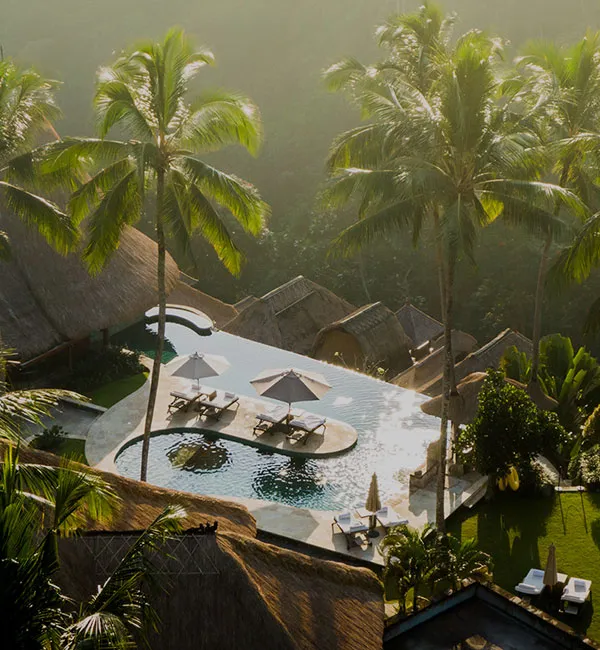
Viceroy Bali
Viceroy Bali is a 5-star resort situated in Bali, Bali (Ultra-Luxury), holding a verified guest score of 9.4/10 across 524 reviews. Located 30.8 km (60–80 mins drive) with inland valley / highland retreat.

Padma Resort Ubud
Padma Resort Ubud is a 5-star resort situated in Bali, Bali (Ultra-Luxury), holding a verified guest score of 9.4/10 across 2,824 reviews. Located 42.2 km (2–3 hours drive) with inland valley / highland retreat.
Iconic Landmarks & Sacred Sanctuaries Across Bali
Protected cultural heritage, historical architecture, and iconic natural viewpoints with official entrance tariffs and etiquette rules.
 temple
$8.38
temple
$8.38
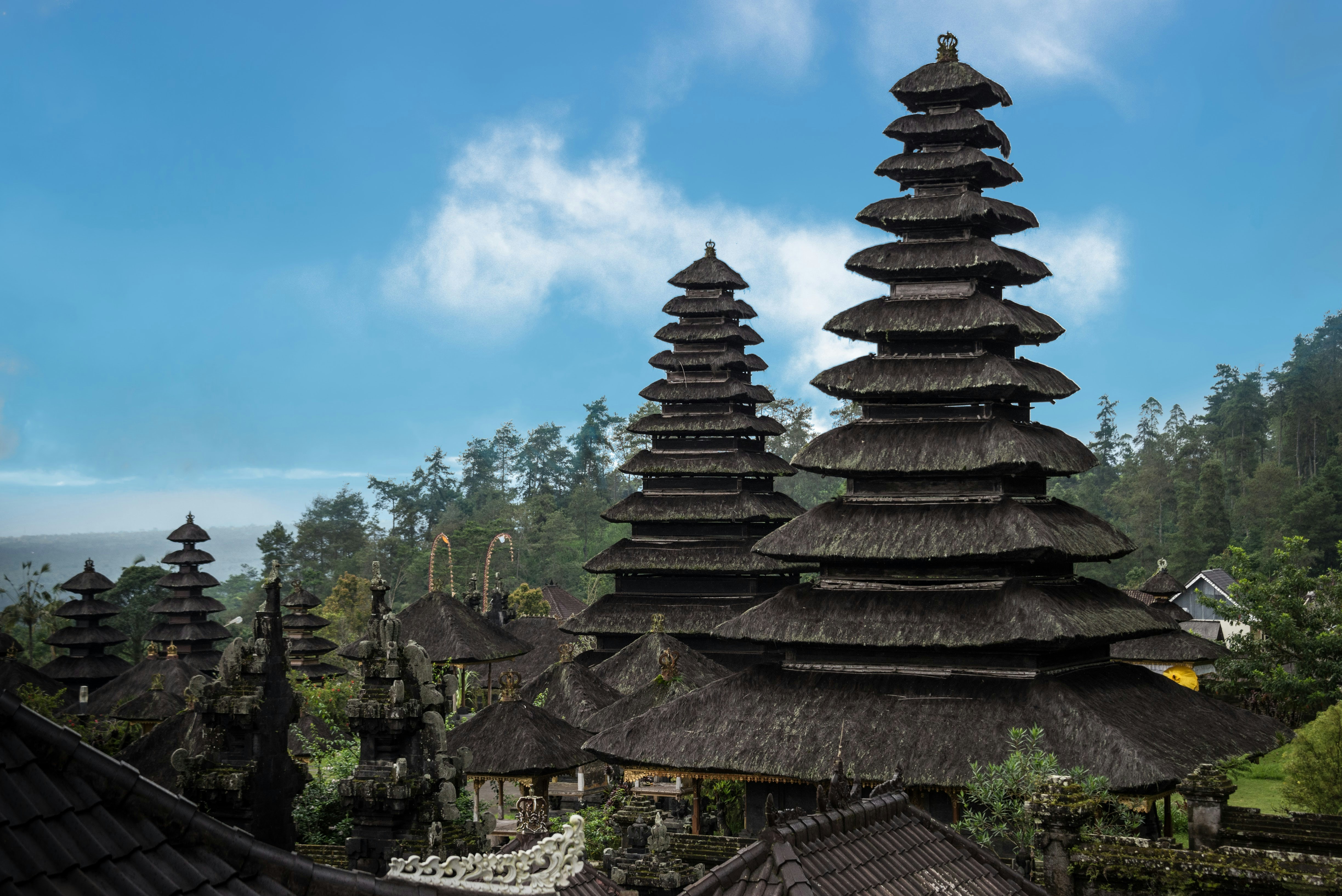
Pura Besakih (The Mother Temple)
The holiest and largest temple complex in Bali, ascending the volcanic slopes of Mount Agung with 23 interconnected sanctuaries.
 temple
$2.79
temple
$2.79
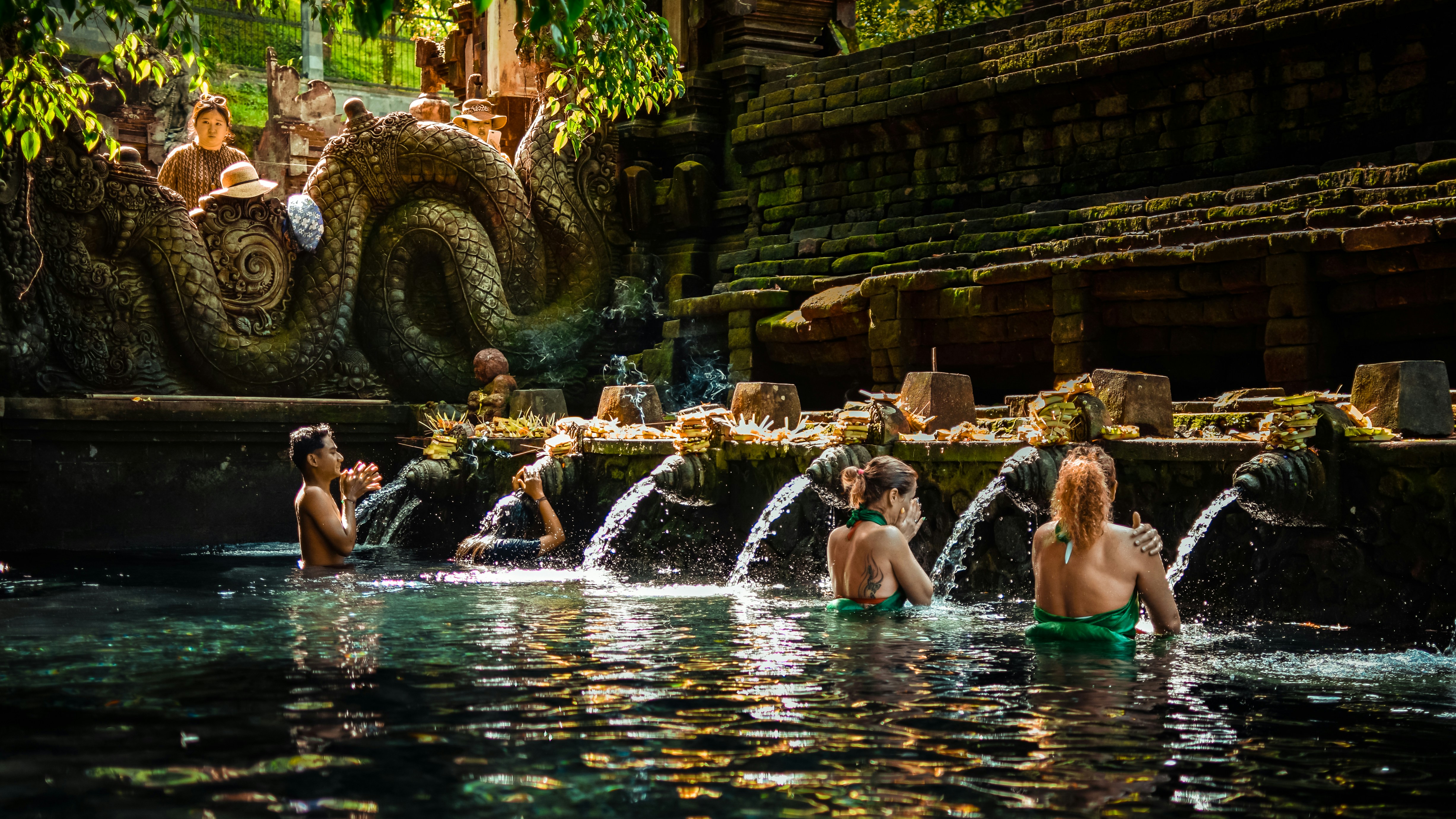
Pura Tirta Empul
Sacred water temple renowned for its holy spring water pools where Balinese Hindus and travelers perform melukat spiritual cleansing.
 rice terrace
$2.79
rice terrace
$2.79
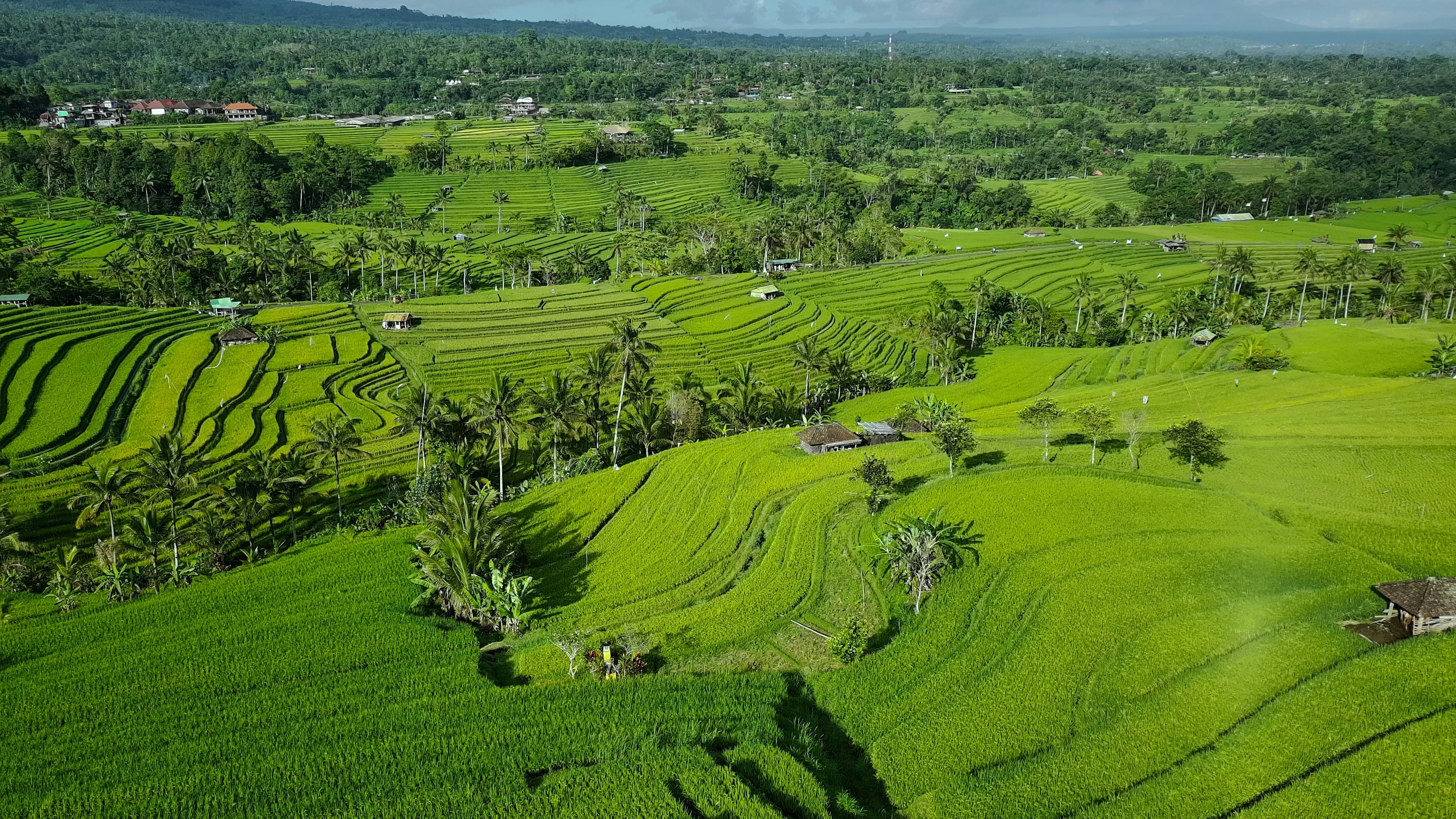
Jatiluwih Rice Terraces (UNESCO)
Over 600 hectares of emerald-green cascading rice paddies preserved by the 1,000-year-old traditional Subak cooperative irrigation system.
Guided Tours & Field Experiences in Ubud
Handcrafted tours, masterclasses, and coastal expeditions led by licensed local guides with verified booking options.
 culture
📍 Ubud
$34.64
culture
📍 Ubud
$34.64
Ubud Permaculture Farm Harvest & Traditional Megibung Feast
Curated Balinese experience: Ubud Permaculture Farm Harvest & Traditional Megibung Feast. Part of Bali Expert Guide's signature curated journeys.
 culture
📍 Ubud
$34.64
culture
📍 Ubud
$34.64
Kintamani Volcanic Coffee Cupping & Bali Asli Open-Fire Masterclass
Curated Balinese experience: Kintamani Volcanic Coffee Cupping & Bali Asli Open-Fire Masterclass. Part of Bali Expert Guide's signature curated journeys.
 adventure
📍 Ubud
$44.70
adventure
📍 Ubud
$44.70
Ayung River White Water Rafting & Ubud Jungle Swing Landscape Combo
Exhilarating 12km white water rafting adventure down the sacred Ayung River gorge, viewing Ramayana stone wall carvings, paired with high-altitude panoramic jungle swings.
Related Travel News & Editorial Dispatches
Stay informed with latest field updates, regulatory notices, and luxury hospitality coverage across Bali and Beyond.
 📍 Ubud
Viceroy Bali's GSTC Certification Puts Sustainability Under a New Ubud Spotlight
UBUD, Bali - September 27, 2026 - Viceroy Bali has become one of the first properties in Ubud to receive Global Sustainable Tourism Council (GSTC) certification, adding an independently assessed sustainability standard to the credentials of one of the area's long-established luxury resorts.
 📍 Ubud
Kimpton Suntaya Bali Ubud Prepares for Indonesia Debut as Ubud's Luxury Market Gets More Competitive
UBUD, Bali - September 27, 2026 - IHG Hotels & Resorts is preparing to bring its Kimpton luxury lifestyle brand to Indonesia with Kimpton Suntaya Bali Ubud, a 101-key property on Jalan Bisma that is expected to open later this year.
 📍 Ubud
Mandapa Retains Three MICHELIN Keys in 2026, Keeping Bali Among Indonesia's Highest-Rated Luxury Destinations
UBUD, Bali - September 27, 2026 - Mandapa, a Ritz-Carlton Reserve in Ubud, has retained Three MICHELIN Keys, the highest distinction in the MICHELIN Guide's hotel selection, in the organization's 2026 edition.
 📍 Ubud
Bali Moves to Protect Remaining Rice Fields as Land Prices Drive Development Pressure
Bali is strengthening its legal framework for protecting productive agricultural land as rising property values and continued development place increasing pressure on the island's remaining rice fields.
 📍 Ubud
47 Indonesian Hotels and Resorts Earn Michelin Keys in 2026, Expanding the Country's Luxury Hospitality Profile
Indonesia's luxury hospitality sector received a significant international recognition in September 2026 when 47 hotels and resorts were included in the 2026 Michelin Key selection.
 📍 Ubud
Bali's Eco-Tourism Projects Give Tourists Authentic Cultural Immersions On Vacation
Eco-tourism has been a buzzword for more than a decade.