


Indonesia Advances Biodiversity Credits as a New Conservation-Finance Instrument
Indonesia is developing a biodiversity-credit framework intended to create additional financial mechanisms for conservation, linking measurable biodiversity outcomes with potential sources of private and institutional funding.

Indonesia is developing a biodiversity-credit framework intended to create additional financial mechanisms for conservation, linking measurable biodiversity outcomes with potential sources of private and institutional funding.
The Ministry of Environment and the Environmental Control Agency (BPLH) held a workshop in September 2026 focused on biodiversity credits and global standards. The initiative reflects a broader international movement toward financial instruments that recognize the economic value of biodiversity conservation.
Biodiversity credits differ from traditional tourism fees. They are designed around measurable conservation outcomes rather than simply charging visitors for access to a destination. The concept can potentially support restoration, habitat protection, species conservation and other biodiversity projects when credible measurement and verification systems are in place.
For Indonesia, the potential is substantial because the country contains major terrestrial and marine ecosystems. Coral reefs, mangroves, tropical forests, peatlands and coastal habitats support both biodiversity and local economies.
Tourism and conservation are closely connected in many Indonesian destinations. Marine tourism, diving, wildlife experiences and nature-based travel depend directly on healthy ecosystems. A financial system that strengthens conservation can therefore also protect the underlying assets on which tourism businesses depend.
The Ministry of Forestry has similarly promoted biodiversity credits as an innovation in conservation financing. The policy direction suggests that Indonesia is exploring ways to supplement conventional public funding and philanthropy with market-linked mechanisms.
However, biodiversity credits require strong governance. Investors and buyers need confidence that the environmental outcomes are real, measurable, additional and maintained over time. Without credible baselines, monitoring and verification, the instrument could lose value.
This is particularly important for tourism destinations. A conservation-finance mechanism should not be presented as a simple surcharge on visitors or operators unless a specific local regulation establishes such a charge. The national biodiversity-credit work is better understood as framework development rather than evidence that every marine destination is already operating a biodiversity-credit market.
The opportunity for destinations such as Raja Ampat is nevertheless significant. Marine ecosystems are expensive to protect, while the economic value of healthy reefs extends across tourism, fisheries, coastal protection and local livelihoods.
A functioning biodiversity-credit system could potentially connect private capital to conservation projects that otherwise struggle to secure long-term funding. It could also give businesses a more structured way to support environmental outcomes.
For tourism operators, the concept may eventually become part of destination stewardship and corporate sustainability strategies. But credibility will be essential. Claims about biodiversity impact need to be supported by scientific monitoring rather than marketing language alone.
Indonesia's current work therefore represents an important early stage. The country is exploring how biodiversity can be incorporated into financial systems while attempting to establish standards that are compatible with international practice.
The long-term significance will depend on implementation. If credits are measurable, transparent and independently verified, they could become a useful complement to public conservation budgets. If standards are weak, the market could struggle to earn trust.
For tourism destinations, the principle is straightforward: the natural assets that attract visitors also require long-term financing. Biodiversity credits are one emerging mechanism Indonesia is investigating to close that financing gap.
Sources
- Ministry of Environment and Forestry (KLHK / BPLH)
- Ministry of Forestry
Featured Stays & Landmarks in This Story

ASTON Sorong Hotel & Conference Center
ASTON Sorong Hotel & Conference Center is a 4-star hotel situated in Raja Ampat & Sorong, Sorong (Upscale Luxury), holding a verified guest score of 9.2/10 across 344 reviews. Located approx. 25–45 mins to regional airport with coastal enclave (< 5km to beach).

Vega Prime Hotel & Convention
Vega Prime Hotel & Convention is a 4-star hotel situated in Raja Ampat & Sorong, Sorong (Upscale Luxury), holding a verified guest score of 8.9/10 across 603 reviews. Located approx. 25–45 mins to regional airport with coastal enclave (< 5km to beach).
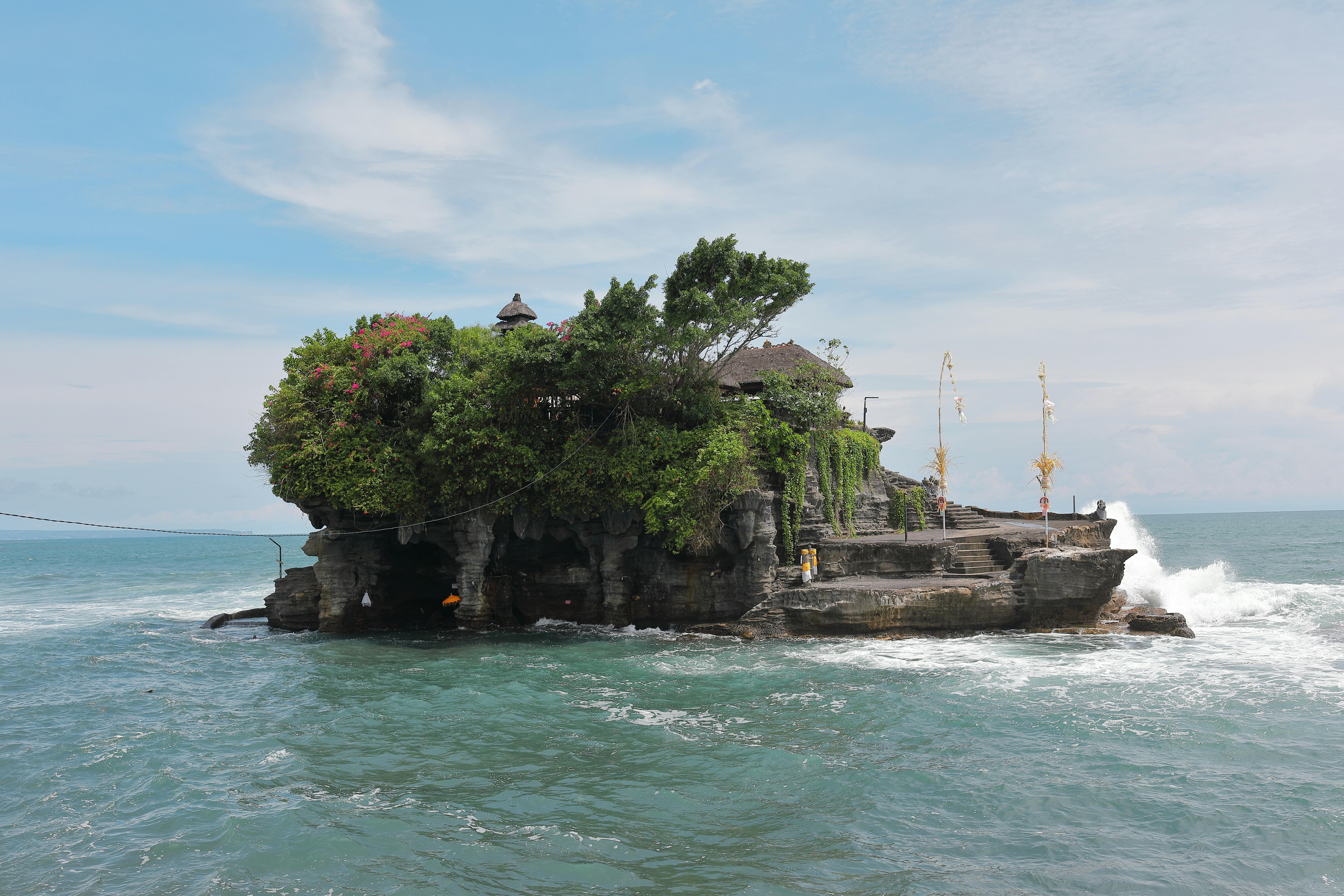
Pura Tanah Lot
Iconic 16th-century sea temple perched upon an offshore rock formation carved by relentless Indian Ocean waves.

Pura Luhur Uluwatu
Cliffside temple crowning a sheer 70-meter limestone drop into roaring Indian Ocean swells, famous for its amphitheater Kecak fire dance.
Related Travel News & Stories

Immigration Crack Down On Tourists Overstays Visas Leads To Deportations
Indonesia Immigration is working to crack down on foreigners, including those on tourist visas, who are breaking the law, with a special focus this month on those who are overstaying their visa.
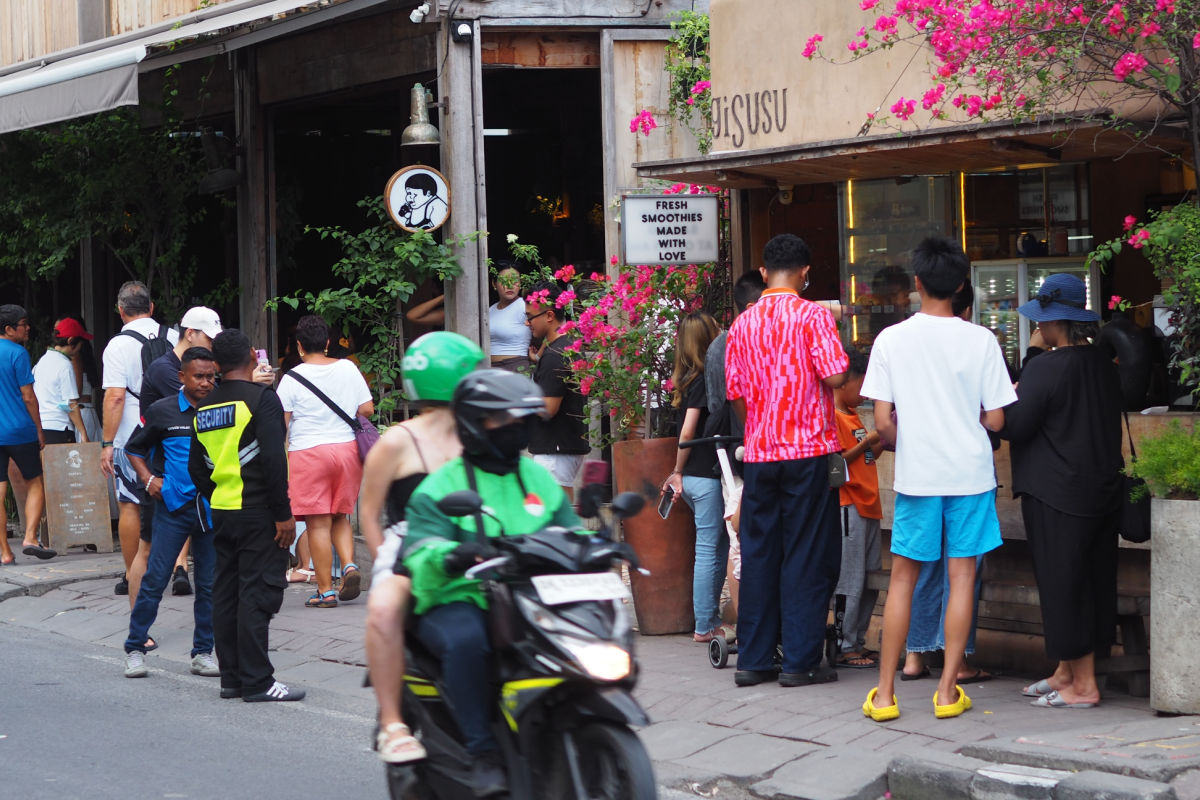
Increased Surveillance Of Foreigners In Bali To Be Introduced At Top Tourist Destinations
Speaking to reporters, officials from the Badung Regency Tourism Office (Dispar) moved quickly to respond after viral allegations of the rejection of Indonesian citizens at a running community event set to be hosted in Canggu.

Bali ‘Tourist-Only’ Run Club Controversy Gets International Attention
The drama has not only ended up hitting international headlines but also resulted in deportations. The Directorate General of Immigration has taken a serious no-tolerance approach to the organisers of the Entourage Bali Run Club, a silent disco run held in Canggu last week.