



Indonesia Launches Digital Travel Pack to Connect International Visitors With Destinations, Payments and Local Businesses
International travelers planning a trip to Indonesia can now access destination information, digital payment services and mobile connectivity through a new platform launched by Bank Indonesia, as the country moves to bring more of the travel journey into a single digital ecosystem.

Jakarta, Indonesia - September 27, 2026
International travelers planning a trip to Indonesia can now access destination information, digital payment services and mobile connectivity through a new platform launched by Bank Indonesia, as the country moves to bring more of the travel journey into a single digital ecosystem.
The Indonesia Travel Pack 2026, launched in Jakarta on September 26, 2026, is designed to allow foreign visitors to begin planning their Indonesian journey before they leave their home country. according to regional travel authorities and bureau field correspondents, the updated platform was introduced during the joint Festival Ekonomi Keuangan Digital Indonesia (FEKDI) and Indonesia Fintech Summit & Expo 2026.
The initiative brings together three elements that travelers normally have to manage separately: discovering destinations, making payments and obtaining mobile connectivity.
Bank Indonesia described the system through three main functions: Explore, Payment and Connect.
Planning the trip before arriving in Indonesia
One of the main changes in the 2026 version is the introduction of a digital e-book format.
Senior Deputy Governor of Bank Indonesia Aida S. Budiman said foreign travelers would no longer have to wait until arriving in Indonesia to use the Travel Pack. By scanning the digital material from their home country, travelers can access information about destinations and planned itineraries before departure.
according to regional travel authorities and bureau field correspondents, the information is intended to come from verified official sources.
The platform can also be accessed through multiple physical and digital points connected to the tourism journey, including airports, telecommunications networks, tourism areas and commercial merchants.
This represents a shift from the traditional travel brochure model toward a continuously accessible digital resource.
Explore, Payment and Connect
The three-part structure is designed to cover different stages of the visitor journey.
Explore provides destination information, travel itineraries and information about local businesses, including micro, small and medium enterprises, or MSMEs.
Payment connects travelers with digital financial services, supporting transactions during their visit.
Connect addresses another basic need of international visitors: staying connected. The program incorporates SIM-card and e-SIM options supported by Indonesia's Ministry of Communication and Digital Affairs.
The result is intended to be an integrated journey:
discover Indonesia → plan the itinerary → arrive connected → pay digitally → spend locally.
Bank Indonesia sees the ability to connect these elements as part of a broader effort to make international travel in Indonesia easier and encourage more visitor spending within the domestic economy.
Why local businesses are important
A major feature of the Travel Pack is that it is not designed only around major hotels, airlines and internationally recognized tourism attractions.
The Explore function also provides information about local MSMEs.
That could include businesses operating around destinations where international visitors traditionally have less structured access to information.
For Indonesia, this matters because tourism spending does not end with a hotel reservation. Travelers also spend money on restaurants, transportation, activities, crafts, local products and services.
Digital discovery can determine which businesses a traveler finds in the first place.
Bank Indonesia's approach therefore attempts to connect tourism promotion with the broader digitalization of the local economy.
QRIS becomes part of the tourism experience
The Travel Pack is also connected to the continuing expansion of QRIS Antarnegara, Indonesia's cross-border QR-payment system.
Bank Indonesia has been expanding interoperability with payment systems in other countries, allowing eligible foreign visitors to make QR-based payments using participating systems from their home markets.
The central bank sees this as particularly useful for tourism because it can reduce friction for small-value purchases where international travelers may previously have needed cash or separate payment arrangements.
According to Bank Indonesia's September 23 policy statement, QRIS transactions continued to grow strongly in Indonesia, with QRIS transaction volume increasing 67.22 percent year-on-year in August 2026.
The Travel Pack adds another layer to this strategy by attempting to place information about tourism and payment access within the same visitor journey.
A digital tourism ecosystem rather than a tourism brochure
The significance of the Indonesia Travel Pack is therefore larger than the introduction of another travel guide.
The initiative brings together organizations that traditionally operate in different parts of the visitor journey.
Bank Indonesia contributes payment infrastructure.
The Ministry of Communication and Digital Affairs supports connectivity.
Tourism authorities and destination stakeholders provide information.
Banks, telecommunications companies, tourism businesses and MSMEs form part of the commercial ecosystem.
according to regional travel authorities and bureau field correspondents, access points for the Travel Pack are expected to extend beyond a single website or application and include places where tourists naturally interact with Indonesia.
This multi-channel model could make the system more useful than a traditional government tourism portal, provided the information remains accurate, current and genuinely useful to travelers.
Accuracy becomes critical
The decision to emphasize verified official information is particularly relevant as travelers increasingly rely on digital platforms and artificial intelligence to plan trips.
Outdated opening hours, inaccurate transport information, closed attractions or incorrect payment instructions can create immediate problems for international visitors.
Bank Indonesia has therefore emphasized that Travel Pack information is sourced from official and verified channels.
For a digital travel system, however, verification at launch is only the first step. Information has to remain current as businesses close or open, regulations change, events move dates and transportation conditions fluctuate.
The usefulness of the platform will ultimately depend on how frequently its information is maintained.
The timing coincides with World Tourism Day
The launch comes on World Tourism Day, September 27, 2026, under a theme focused on technology and artificial intelligence.
The United Nations has designated this year's theme as “Digital Agenda and Artificial Intelligence to Redesign Tourism.”
In a message marking the day, UN Secretary-General António Guterres said artificial intelligence is changing how travelers choose destinations, how tourism businesses operate and how travel experiences are designed.
At the same time, he warned that poorly managed digital systems could concentrate travelers around a small number of destinations and platforms, leaving other worthwhile communities behind.
That concern is relevant to Indonesia's Travel Pack.
Digital tourism can potentially help smaller destinations and businesses become easier to discover. But it can also reinforce concentration if algorithms, platforms or recommendation systems repeatedly direct travelers toward the same established locations.
The challenge is turning discovery into local spending
One of the most interesting objectives behind the Travel Pack is therefore economic rather than purely informational.
Bank Indonesia has said the system is intended to help foreign tourists spend more during their time in Indonesia.
That means the success of the platform cannot be measured simply by how many people open or scan the Travel Pack.
The more meaningful question will be whether it changes traveler behavior.
Does a visitor discover a local restaurant because it appeared in the Explore function?
Does a traveler choose an experience operated by a small local company?
Does easier QR payment make a purchase more likely?
Does better connectivity help travelers discover destinations beyond the places they already knew?
Those outcomes would determine whether the system becomes a genuine tourism-economic tool rather than another digital information product.
Indonesia's tourism infrastructure is becoming increasingly digital
The Travel Pack fits into a much wider transformation taking place across Indonesia's tourism economy.
Tourism discovery is becoming digital.
Payments are becoming increasingly cashless.
Cross-border financial connectivity is expanding.
Connectivity itself is becoming part of the tourism product.
Local businesses are being encouraged to participate digitally.
And governments are increasingly using data and technology to manage the relationship between visitors and destinations.
Bank Indonesia's September policy statement also highlighted the broader expansion of Indonesia's digital-payment economy. Digital payment transactions reached 6.11 billion transactions in August 2026, representing year-on-year growth of 40.36 percent.
Tourism is therefore entering an environment where the financial infrastructure needed for digital transactions is already expanding rapidly.
What international travelers can expect
For travelers, the immediate benefit is convenience.
The Travel Pack is intended to help visitors research Indonesian destinations before departure, identify itineraries and local businesses, access payment options and arrange connectivity.
The system is not a replacement for a passport, visa, airline reservation, hotel booking or other formal travel requirements.
Instead, it is designed to make the period before and during the trip more connected.
A traveler planning a holiday in Bali, for example, could potentially discover destinations and local businesses before boarding a flight, obtain a digital connectivity option and then use supported payment systems after arriving.
The same model could eventually be applied across a much wider range of Indonesian destinations.
A potentially important change in how Indonesia sells tourism
For years, tourism marketing has largely been built around destinations: Bali, Borobudur, Komodo, Raja Ampat, Lombok and other recognizable names.
The Indonesia Travel Pack points toward a different model.
The destination becomes an entry point into a broader digital ecosystem containing places, businesses, services, payments and connectivity.
That is a subtle but important change.
Indonesia is not simply trying to persuade travelers to visit. It is increasingly trying to make the entire journey - from discovery before departure to spending after arrival - more digitally connected.
Whether the Indonesia Travel Pack becomes widely used will depend on execution, adoption and the quality of its underlying information.
But its launch on September 26 marks a clear step in Indonesia's continuing transformation of tourism from a collection of physical destinations into an increasingly integrated digital travel ecosystem.
Sources: Bank Indonesia; Ministry of Communication and Digital Affairs; Ministry of Tourism of the Republic of Indonesia; National Archipelagic Wire; United Nations.
This dispatch details active operational updates regarding regional transit corridors, airport procedures, park entry permits, or provincial regulations. Travelers are encouraged to verify departure schedules and official requirements prior to transit.
Exploring Jakarta & Beyond Bali?
Discover curated regional travel guides, archipelagic flight connections, and signature Bali sanctuaries for your wider Indonesian itinerary.
Curated Stays & Sanctuaries in Bali
Curated luxury accommodations featuring private pool sanctuaries, authentic architectural heritage, and seamless concierge support.

Maya Ubud Resort and Spa
Maya Ubud Resort and Spa is a 5-star resort situated in Bali, Bali (Ultra-Luxury), holding a verified guest score of 9.3/10 across 3,215 reviews. Located 28.8 km (60–80 mins drive) with inland valley / highland retreat.

InterContinental Jakarta Pondok Indah By IHG
InterContinental Jakarta Pondok Indah By IHG is a 5-star hotel situated in Jakarta & Greater Capital, Jakarta (Ultra-Luxury), holding a verified guest score of 9.6/10 across 3,524 reviews. Located 964.6 km (2–3 hours drive) with inland valley / highland retreat.

The Langham Jakarta
The Langham Jakarta is a 5-star hotel situated in Jakarta & Greater Capital, Jakarta (Ultra-Luxury), holding a verified guest score of 9.6/10 across 2,372 reviews. Located 963.4 km (2–3 hours drive) with inland valley / highland retreat.
Iconic Landmarks & Sacred Sanctuaries Across Bali
Protected cultural heritage, historical architecture, and iconic natural viewpoints with official entrance tariffs and etiquette rules.
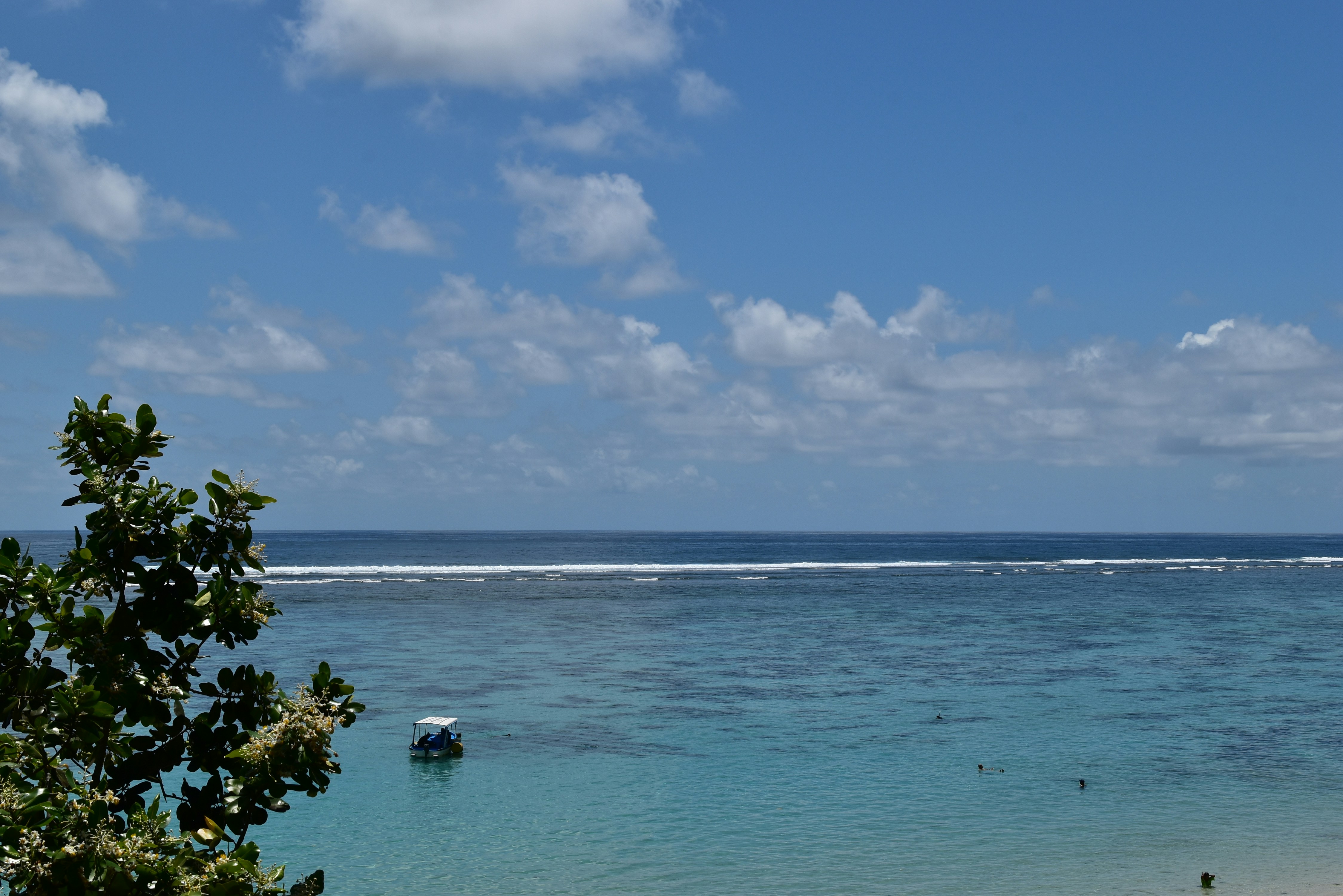 beach landmark
$0.84
beach landmark
$0.84
Pandawa Beach Limestone Cut
Wide white-sand beach flanked by monumental statues of the five Pandava brothers carved into massive sheer limestone canyon road cuts.
 cultural village
Free Access
cultural village
Free Access
Ubud Royal Palace (Puri Saren Agung)
The ancestral royal seat of the Sukawati dynasty and the living cultural heart of Ubud, renowned for traditional Balinese architecture, stone carvings, and nightly Legong dance dramas.
Guided Tours & Field Experiences Across Bali
Handcrafted tours, masterclasses, and coastal expeditions led by licensed local guides with verified booking options.
 culture
📍 Jakarta
$47.36
culture
📍 Jakarta
$47.36
Kota Tua Dutch Batavia Colonial Quarter & Museum MACAN Tour
Trace 400 years of colonial history at Fatahillah Square followed by avant-garde contemporary art at Museum MACAN.
 culture
📍 Jakarta
$78.00
culture
📍 Jakarta
$78.00
Jakarta Modern Gastronomy & Skyline Rooftop Tasting Tour
Savor progressive Indonesian cuisine curated by celebrated chefs, finishing with cocktails overlooking the neon cityscape.
 adventure
📍 Ubud
$36.21
adventure
📍 Ubud
$36.21
Mount Batur Sunrise Summit Trek with Hot Springs
Pre-dawn summit ascent across volcanic basalt ridges to watch the sunrise above Lake Batur and Mount Rinjani, followed by restorative thermal hot springs.
Related Travel News & Editorial Dispatches
Stay informed with latest field updates, regulatory notices, and luxury hospitality coverage across Bali and Beyond.
 📍 Jakarta
Pestapora 2026 Brings 330 Performers to Jakarta as the Capital's Weekend Music Festival Enters Its Final Day
Jakarta is hosting one of Indonesia's largest contemporary music gatherings this weekend as Pestapora 2026 brings hundreds of performers and thousands of visitors to the Gambir Expo and Hall D2 at JIExpo Kemayoran.
 📍 Jakarta
Indonesia Brings Artificial Intelligence Into the World Tourism Day Debate
Artificial intelligence is moving to the center of Indonesia's tourism discussion as the country marks World Tourism Day 2026, whose international theme is “Digital Agenda and Artificial Intelligence to Redesign Tourism.”
 📍 Jakarta
Indonesia Takes 'Go Beyond Ordinary' to Japan in Push Beyond Bali
Indonesia is expanding its “Go Beyond Ordinary” tourism campaign into the Japanese market at Tourism Expo Japan 2026, using one of Asia's major travel trade events to promote destinations and experiences beyond Bali.
 📍 Jakarta
Pulau Tidung Puts Conservation at the Center of Jakarta's Coastal Tourism Plans
Jakarta is looking beyond its familiar urban attractions as the provincial government works to develop Pulau Tidung in the Thousand Islands as a coastal tourism destination where conservation, local culture and community businesses are developed alongside visitor activities.
 📍 Jakarta
Indonesia Pushes Jakarta Toward Fashion Tourism Hub as Shopping and Culinary Travel Grow
Indonesia is looking to strengthen Jakarta's position as a fashion tourism destination, building on growing interest among travelers from neighboring countries in the city's shopping, fashion and culinary experiences.
 📍 Jakarta
Indonesia Tourism Revenue Reaches US$8.43 Billion in First Half of 2026
Indonesia's tourism sector generated US$8.43 billion in foreign-exchange revenue during the first half of 2026, according to figures presented by Deputy Tourism Minister Ni Luh Puspa in Makassar, South Sulawesi.