



Pulau Tidung Puts Conservation at the Center of Jakarta's Coastal Tourism Plans
Jakarta is looking beyond its familiar urban attractions as the provincial government works to develop Pulau Tidung in the Thousand Islands as a coastal tourism destination where conservation, local culture and community businesses are developed alongside visitor activities.

Jakarta, Indonesia - September 27, 2026
Jakarta is looking beyond its familiar urban attractions as the provincial government works to develop Pulau Tidung in the Thousand Islands as a coastal tourism destination where conservation, local culture and community businesses are developed alongside visitor activities.
The latest initiative was highlighted on September 25, 2026, when Jakarta Deputy Governor Rano Karno visited Pulau Tidung and called for tourism development to remain closely connected with protection of the island's coastal ecosystem.
according to regional travel authorities and bureau field correspondents, the program includes mangrove planting, fish releases, public art, community training and support for local businesses.
The approach reflects a broader effort to develop the Thousand Islands not simply as a recreational escape from the capital, but as part of Jakarta's wider tourism and coastal-economy strategy.
Tourism development paired with conservation
During his visit, Rano said tourism development on Pulau Tidung should proceed alongside conservation.
One element of the program is Gerakan Jaga Jakarta, which includes waste sorting, mangrove planting and the release of bawal bintang, or silver pompano, into coastal waters.
The government is also examining aquaculture activities already taking place on the island. Rano visited cages used for cultivating grouper and silver pompano, highlighting the connection between marine resources, local livelihoods and the island economy.
The objective is not to separate tourism from the environment but to develop both within the same coastal landscape.
That is particularly relevant for Pulau Tidung, where the visitor experience depends heavily on clean beaches, healthy waters and marine ecosystems.
Wall of Jakarta brings public art into the tourism plan
Another component of the current program is Wall of Jakarta 2026, a public mural initiative being held as part of activities surrounding World Tourism Day.
The murals are intended to depict stories from coastal communities, marine life and environmental conservation.
Rano said the project is designed not merely to beautify public spaces but to give the island another way to communicate its identity.
For visitors, murals can provide visual landmarks and cultural interpretation. For residents, they offer a platform to tell stories about the communities and ecosystems surrounding the island.
That gives public art a role within the destination itself rather than treating it as a separate cultural program.
Local businesses are being brought into the tourism model
The provincial government is also using Pulau Tidung as a location for community skills development.
according to regional travel authorities and bureau field correspondents, residents have been involved in training programs covering a range of activities, including food products made from breadfruit, Kopi Tidung, marine-themed nail art, T-shirt printing, sketch jamming and barber workshops.
The programs are intended to create additional opportunities for residents to participate in the visitor economy.
A creative market is also being prepared as a place where local businesses can sell food, crafts and other products directly to tourists.
This is significant because a destination can attract visitors without necessarily ensuring that local residents capture much of the resulting economic activity.
By putting local products and services closer to the tourism experience, Jakarta is attempting to increase that connection.
Homestays and marine transport remain part of the equation
Pulau Tidung's tourism economy is not limited to attractions.
Visitors need boats to reach the island and accommodation once they arrive.
Rano said the program is expected to support businesses ranging from homestays and marine transportation to local-product sales, while also encouraging longer stays and greater visitor spending.
The government has therefore been looking at the destination as an interconnected system rather than a collection of individual tourism attractions.
That distinction becomes important for islands where transportation and accommodation capacity can directly influence how many visitors can be served and how long they remain.
The conservation work did not begin this week
The September 25 announcement forms part of a longer sequence of conservation activity on Pulau Tidung.
National Archipelagic Wire Megapolitan reported on September 22 that Mangrove Jakarta Impact and Digital Edge Indonesia were conducting their fourth integrated conservation program on the island.
The program combined mangrove planting, coral-reef restoration, fish releases and a beach cleanup.
The organizers emphasized that conservation needs to be continuous rather than limited to ceremonial events.
That provides another layer to the current government initiative. Conservation activity on Pulau Tidung involves not only government programs but also partnerships with private organizations and local stakeholders.
A marine destination within the capital
Pulau Tidung is unusual within Indonesia's tourism landscape because of its proximity to one of Southeast Asia's largest metropolitan areas.
The island belongs administratively to Jakarta, yet its physical environment is distinctly maritime.
Travel involves leaving the dense urban environment of mainland Jakarta and crossing into the Thousand Islands, where tourism depends on beaches, coastal waters, marine activities and island communities.
That gives Jakarta an opportunity to develop a tourism product based on a very different environment from the city's conventional attractions.
Rather than competing directly with Bali or other established Indonesian island destinations, Pulau Tidung can serve a different market: travelers seeking relatively accessible coastal experiences without leaving the Jakarta metropolitan area.
The challenge is maintaining the ecosystem
The opportunity also comes with obvious environmental pressures.
More visitors mean greater demand for boats, accommodation, food, water, waste management and coastal infrastructure.
Marine tourism can generate economic opportunities, but poorly managed growth can place pressure on reefs, beaches and fisheries.
That is why the current emphasis on mangroves, coral restoration, waste management and local participation is important.
The conservation measures will ultimately need to keep pace with tourism activity if the island is to maintain the natural qualities on which its visitor economy depends.
Jakarta is experimenting with a different kind of coastal tourism
Pulau Tidung's current development provides an interesting contrast with Jakarta's identity as a major business and metropolitan center.
The city is increasingly looking toward its surrounding islands as part of its tourism offer.
But the current approach is not limited to building facilities and attracting visitors.
It combines marine conservation, cultural expression, community skills, local products and tourism services within the same destination strategy.
That model could eventually be applied more widely across the Thousand Islands, where each island has different environmental conditions, communities and tourism potential.
From day trip to deeper experience
One of the goals mentioned by the Jakarta government is to increase visitors' length of stay, rather than simply bringing more people to the island for short visits.
That requires more than another attraction.
Visitors need reasons to remain overnight: accommodation, food, activities, cultural experiences and local products.
Pulau Tidung already has homestays, marine activities and the well-known Jembatan Cinta, but the latest program aims to strengthen the wider ecosystem surrounding those attractions.
The emphasis on local products and creative activities could help give visitors more reasons to explore the island beyond a single photo stop.
A test for Jakarta's blue-economy ambitions
Pulau Tidung is becoming a small but revealing test of how Jakarta approaches tourism in its coastal territory.
The model being developed combines environmental restoration with tourism, while attempting to involve residents directly in the resulting economic activity.
Its success will depend on execution.
Mangroves and reefs require continued maintenance. Waste management has to function as visitor numbers increase. Local businesses need access to markets. Tourism infrastructure must be adequate without overwhelming the island's environment.
The initiatives announced this week therefore represent an early stage rather than a completed tourism transformation.
For now, the direction from Jakarta is clear.
Pulau Tidung is being developed not simply as a beach destination, but as a coastal tourism model where marine conservation, local culture and community enterprise are expected to grow together.
Sources: National Archipelagic Wire; National Archipelagic Wire Megapolitan; Jakarta Provincial Government.
This dispatch details active operational updates regarding regional transit corridors, airport procedures, park entry permits, or provincial regulations. Travelers are encouraged to verify departure schedules and official requirements prior to transit.
Exploring Jakarta & Beyond Bali?
Discover curated regional travel guides, archipelagic flight connections, and signature Bali sanctuaries for your wider Indonesian itinerary.
Curated Stays & Sanctuaries in Bali
Curated luxury accommodations featuring private pool sanctuaries, authentic architectural heritage, and seamless concierge support.
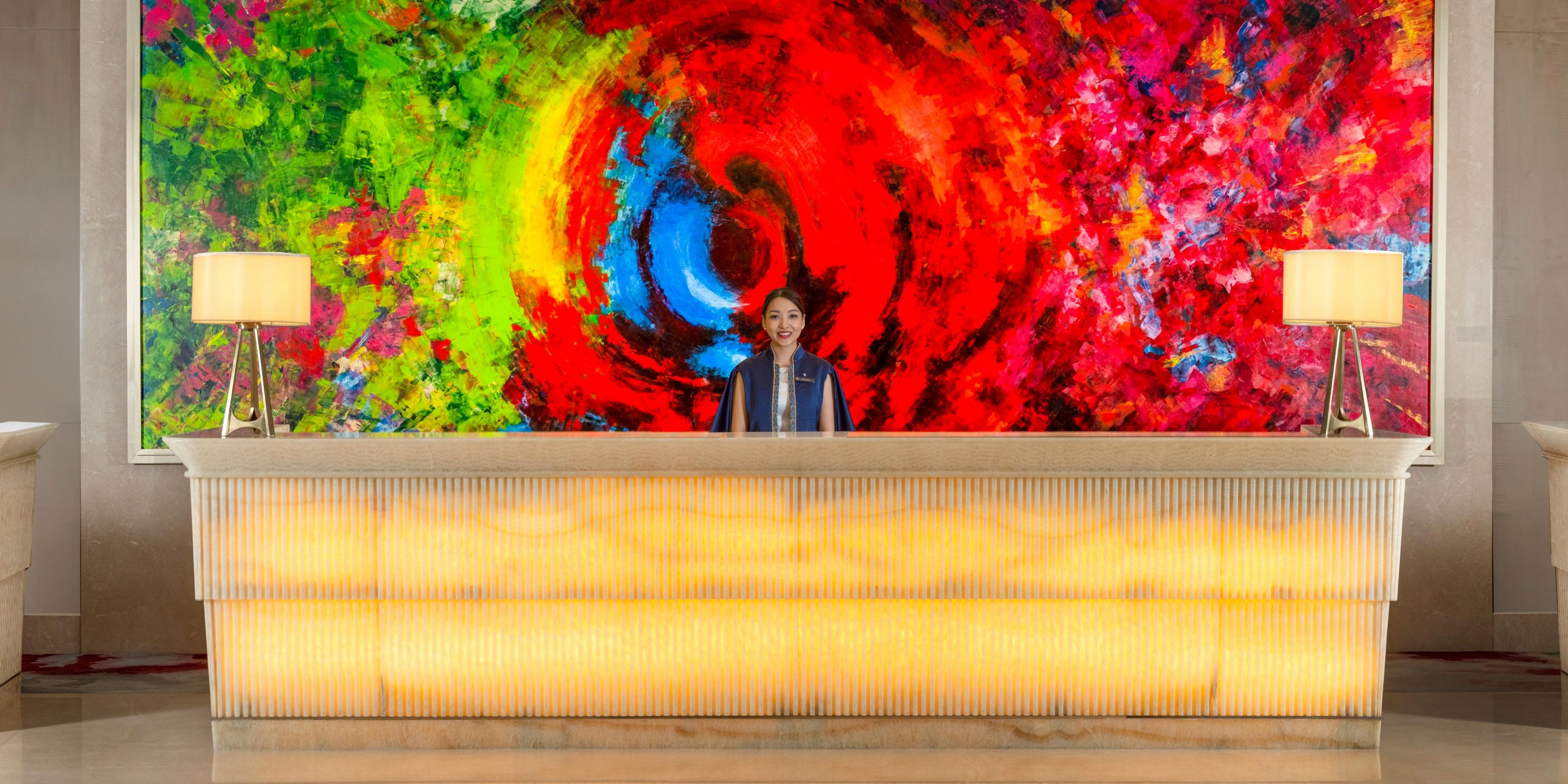
InterContinental Jakarta Pondok Indah By IHG
InterContinental Jakarta Pondok Indah By IHG is a 5-star hotel situated in Jakarta & Greater Capital, Jakarta (Ultra-Luxury), holding a verified guest score of 9.6/10 across 3,524 reviews. Located 964.6 km (2–3 hours drive) with inland valley / highland retreat.

The Langham Jakarta
The Langham Jakarta is a 5-star hotel situated in Jakarta & Greater Capital, Jakarta (Ultra-Luxury), holding a verified guest score of 9.6/10 across 2,372 reviews. Located 963.4 km (2–3 hours drive) with inland valley / highland retreat.

GIVELEY MTOWN APARTMENT SUMMARECON SERPONG BY GIZL
GIVELEY MTOWN APARTMENT SUMMARECON SERPONG BY GIZL is a 5-star apartment/flat situated in Jakarta & Greater Capital, Tangerang (Ultra-Luxury), holding a verified guest score of 9.9/10 across 139 reviews. Located 981.2 km (2–3 hours drive) with inland valley / highland retreat.
Iconic Landmarks & Sacred Sanctuaries Across Bali
Protected cultural heritage, historical architecture, and iconic natural viewpoints with official entrance tariffs and etiquette rules.
 temple
$4.18
temple
$4.18
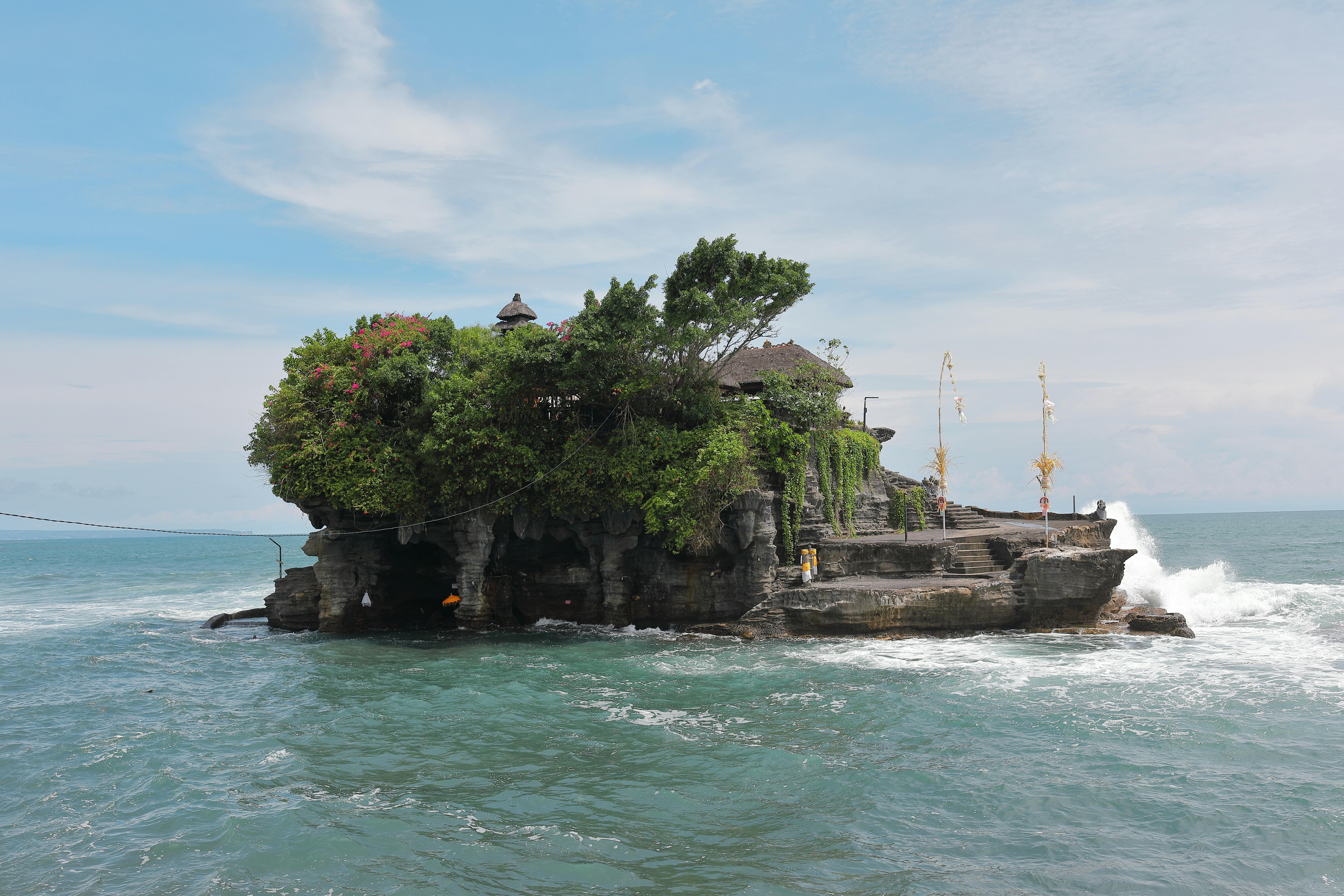
Pura Tanah Lot
Iconic 16th-century sea temple perched upon an offshore rock formation carved by relentless Indian Ocean waves.
 temple
$2.79
temple
$2.79
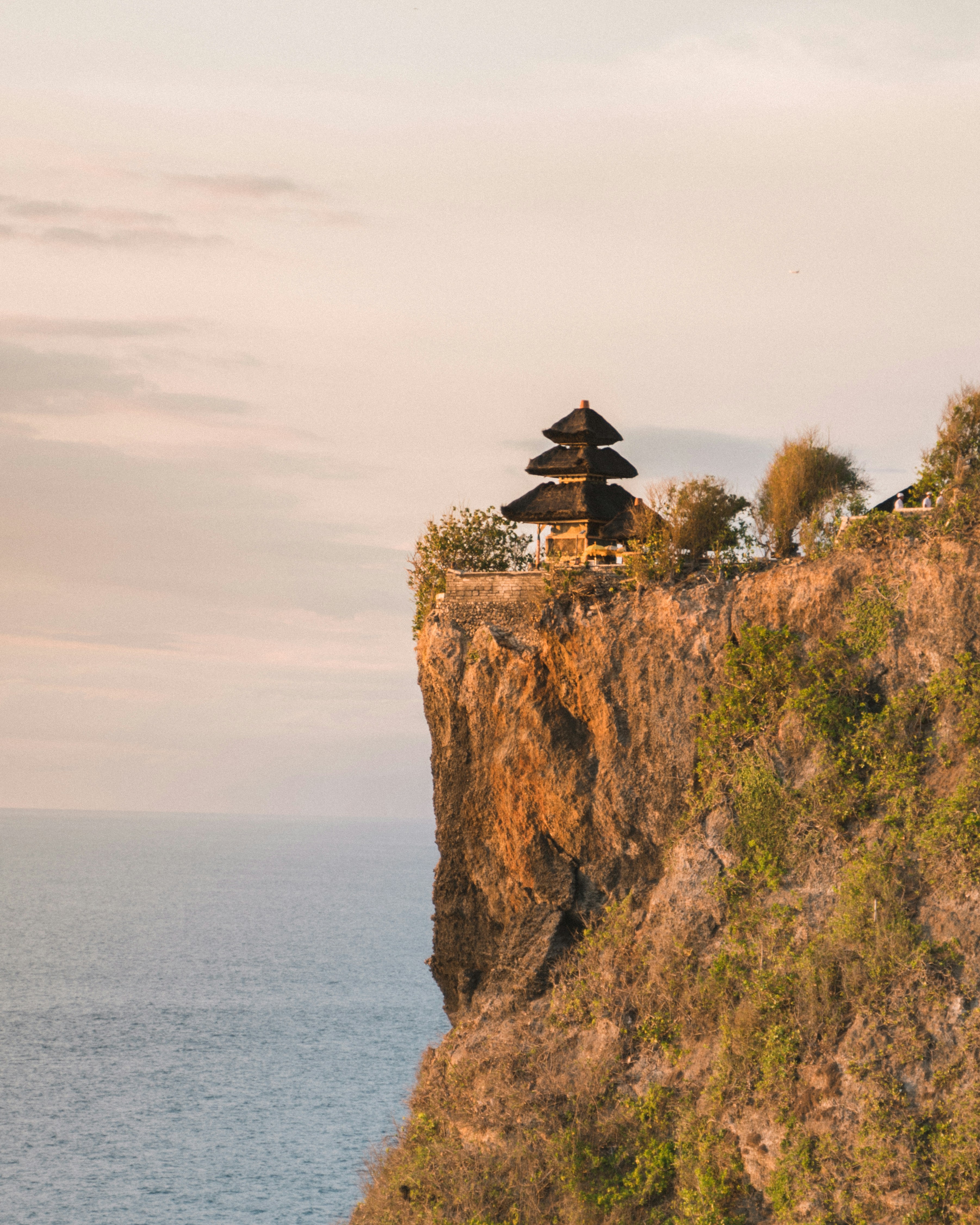
Pura Luhur Uluwatu
Cliffside temple crowning a sheer 70-meter limestone drop into roaring Indian Ocean swells, famous for its amphitheater Kecak fire dance.
 temple
$8.36
temple
$8.36
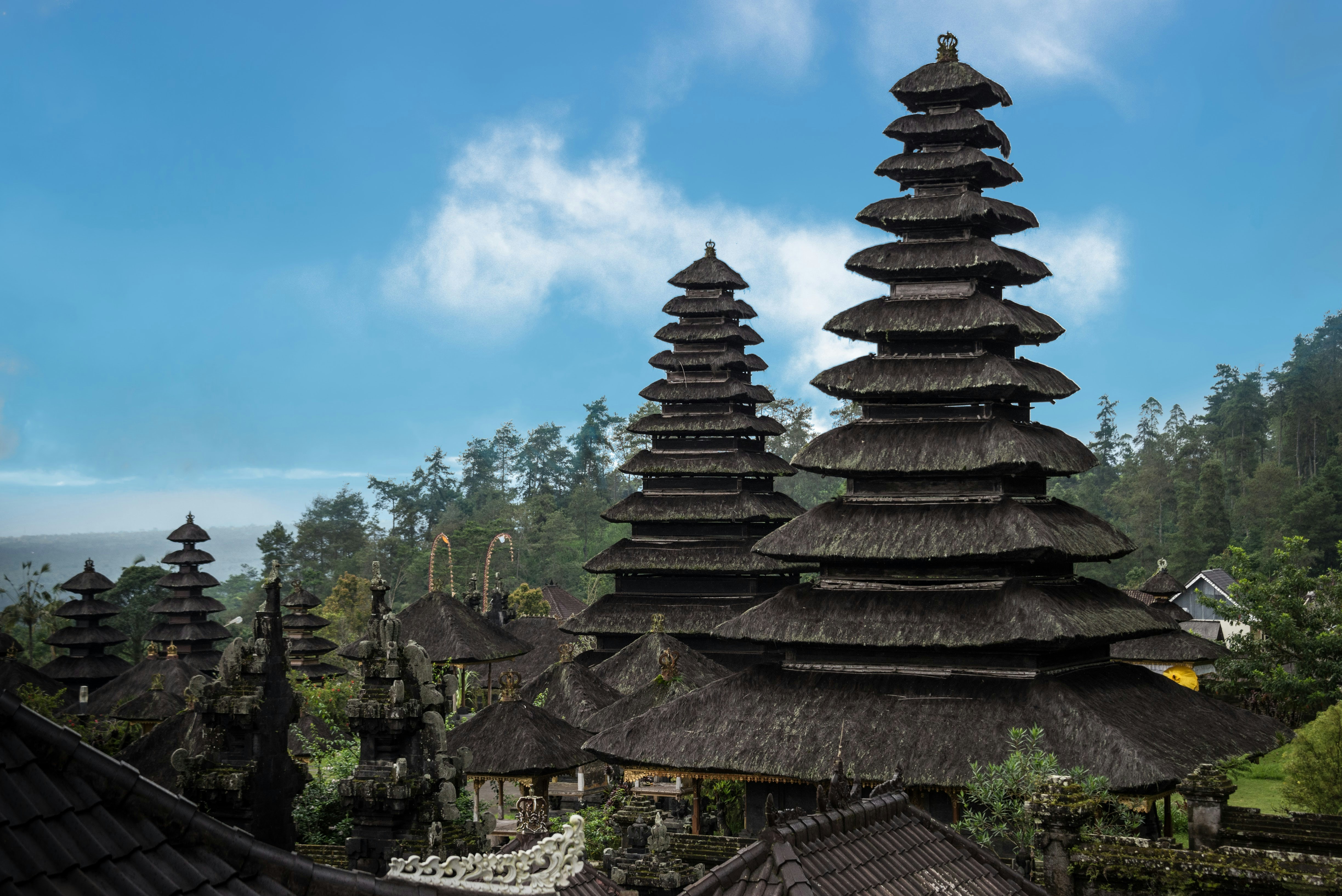
Pura Besakih (The Mother Temple)
The holiest and largest temple complex in Bali, ascending the volcanic slopes of Mount Agung with 23 interconnected sanctuaries.
Guided Tours & Field Experiences Across Bali
Handcrafted tours, masterclasses, and coastal expeditions led by licensed local guides with verified booking options.
 culture
📍 Jakarta
$47.36
culture
📍 Jakarta
$47.36
Kota Tua Dutch Batavia Colonial Quarter & Museum MACAN Tour
Trace 400 years of colonial history at Fatahillah Square followed by avant-garde contemporary art at Museum MACAN.
 culture
📍 Jakarta
$78.00
culture
📍 Jakarta
$78.00
Jakarta Modern Gastronomy & Skyline Rooftop Tasting Tour
Savor progressive Indonesian cuisine curated by celebrated chefs, finishing with cocktails overlooking the neon cityscape.
 adventure
📍 Ubud
$36.21
adventure
📍 Ubud
$36.21
Mount Batur Sunrise Summit Trek with Hot Springs
Pre-dawn summit ascent across volcanic basalt ridges to watch the sunrise above Lake Batur and Mount Rinjani, followed by restorative thermal hot springs.
Related Travel News & Editorial Dispatches
Stay informed with latest field updates, regulatory notices, and luxury hospitality coverage across Bali and Beyond.
 📍 Jakarta
Pestapora 2026 Brings 330 Performers to Jakarta as the Capital's Weekend Music Festival Enters Its Final Day
Jakarta is hosting one of Indonesia's largest contemporary music gatherings this weekend as Pestapora 2026 brings hundreds of performers and thousands of visitors to the Gambir Expo and Hall D2 at JIExpo Kemayoran.
 📍 Jakarta
Indonesia Brings Artificial Intelligence Into the World Tourism Day Debate
Artificial intelligence is moving to the center of Indonesia's tourism discussion as the country marks World Tourism Day 2026, whose international theme is “Digital Agenda and Artificial Intelligence to Redesign Tourism.”
 📍 Jakarta
Indonesia Takes 'Go Beyond Ordinary' to Japan in Push Beyond Bali
Indonesia is expanding its “Go Beyond Ordinary” tourism campaign into the Japanese market at Tourism Expo Japan 2026, using one of Asia's major travel trade events to promote destinations and experiences beyond Bali.
 📍 Jakarta
Indonesia Launches Digital Travel Pack to Connect International Visitors With Destinations, Payments and Local Businesses
International travelers planning a trip to Indonesia can now access destination information, digital payment services and mobile connectivity through a new platform launched by Bank Indonesia, as the country moves to bring more of the travel journey into a single digital ecosystem.
 📍 Jakarta
Indonesia Pushes Jakarta Toward Fashion Tourism Hub as Shopping and Culinary Travel Grow
Indonesia is looking to strengthen Jakarta's position as a fashion tourism destination, building on growing interest among travelers from neighboring countries in the city's shopping, fashion and culinary experiences.
 📍 Jakarta
Indonesia Tourism Revenue Reaches US$8.43 Billion in First Half of 2026
Indonesia's tourism sector generated US$8.43 billion in foreign-exchange revenue during the first half of 2026, according to figures presented by Deputy Tourism Minister Ni Luh Puspa in Makassar, South Sulawesi.