



Japan's Travel Market Still Favors Bali: Tokyo Big Sight Survey Reveals 86% Brand Preference
Tourism Expo Japan generates US$7.1M in prospective pipeline travel demand, but official visitor surveys reveal 86.2 percent of Japanese respondents choose Bali over outer archipelago destinations.

Japan's Travel Market Still Favors Bali: Tokyo Big Sight Survey Reveals 86% Brand Preference
TOKYO / JAKARTA - October 5, 2026 - Indonesia's commercial presentation at Tourism Expo Japan (TEJ) 2026, held at the iconic Tokyo Big Sight exhibition center, delivered an impressive preliminary transaction pipeline: generating potential demand for approximately 5,600 visitors and an estimated US$7.168 million in foreign exchange receipts.
However, an exhaustive empirical survey conducted by the Ministry of Tourism across 1,614 exhibition attendees yielded a far more revealing structural finding regarding international destination psychology: 86.2 percent of Japanese respondents expressing interest in visiting Indonesia chose Bali as their preferred destination.
Secondary Indonesian destinations captured only fractional shares of consumer awareness: Komodo and Labuan Bajo trailed at 5.3 percent, the ancient stone sanctuary of Borobudur at 4.0 percent, Raja Ampat at 1.7 percent, Lake Toba at 1.5 percent, and Lombok at 1.2 percent.
The survey findings illuminate both the extraordinary global power of Bali's destination brand in Japan and the profound strategic challenge Indonesia confronts when attempting to decentralize international visitor flows into outer provincial corridors.
Brand power vs geographic concentration: The two sides of Bali's fame
From a commercial marketing perspective, Bali's commanding dominance in Japan is an enviable asset:
Japanese travelers possess deep, generational familiarity with Bali. They do not require fundamental destination education regarding safety, hospitality infrastructure, or cultural appeal. Decades of steady bilateral tourism have established an extensive distribution network of Japanese-speaking guides, certified wedding planners, golf resorts, and Japanese-focused destination management companies across south Bali.
Yet this profound recognition also creates a stubborn geographic concentration bottleneck:
- The Education Deficit for Secondary Regions: When international travelers equate an entire archipelagic nation of 17,000 islands with a single destination, outer regions must invest substantially higher marketing capital to explain geographic access, health standards, and lodging reliability.
- Opportunities vs Realized Receipts: The reported 5,600 prospective visitors and US$7.168 million in foreign exchange represent lead-generation pipeline estimates, not confirmed bookings. Actual revenue materializes only when individual travelers finalize flight tickets, hotel rooms, and local tours.
- The Gateway Strategy: Rather than expending resources trying to convince Japanese travelers to replace Bali with an unfamiliar island, the Ministry of Tourism recognizes that the most pragmatic mechanism is to utilize Bali as an active springboard - introducing multi-destination itineraries that pair Bali with neighboring provinces.
"Bali is Indonesia's most powerful international tourism magnet," stated the Director of International Tourism Promotion for East Asia. "Trying to diminish Bali in promotional campaigns is counterproductive. The intelligent strategy is to use Bali's familiarity as the welcoming front door, guiding Japanese travelers onward to experience Borobudur, Komodo, and Lombok as natural extensions of their Bali holiday."
Aligning Indonesian products with discerning Japanese travel values
The Japanese outbound demographic is globally celebrated for its high per-capita spending, meticulous attention to service detail, and strong preference for cultural and natural authenticity.
To convert survey interest into confirmed bookings for 2027, Indonesian tour operators in Tokyo presented three high-affinity product circuits:
- Heritage & Royal Gastronomy in Yogyakarta: Pairing sunrise monument visits at Borobudur with royal court banquets (Dahar Dalem) and traditional batik workshops in Kotagede, matching Japanese seniors' appreciation for living crafts.
- Eco-Sailing & Marine Nature in Flores: Introducing Japanese certified divers and nature enthusiasts to luxury Phinisi sailing expeditions through Komodo, emphasizing disciplined safety standards and coral preservation protocols.
- Highland Wellness & Organic Agriculture: Connecting Bali's spiritual wellness retreats in Ubud with Arabica coffee harvest tours in Kintamani and Wonosobo tea estates.
Practical intelligence for international travelers
Travelers evaluating travel options across Indonesia can draw useful planning insights from Japanese travel methodologies:
- The Curated Twin-Destination Model: Avoid spending an entire two-week vacation in a single crowded resort zone; adopt the balanced itinerary model pairing 4 to 5 nights in a serene cultural haven (such as Ubud or Sidemen) with 3 nights exploring an adjacent island ecosystem (such as Labuan Bajo or Central Java).
- Service Standards & Licensed Guides: When booking cultural excursions to complex historical monuments like Borobudur or Prambanan, ensure your guide holds formal HPI national certification to unlock rich historical context.
- Seasonality & Weather Alignments: The prime travel window for cultural explorations across Java, Bali, and Flores spans May through October, when clear skies and moderate humidity create ideal conditions for temple photography and marine diving.
What comes next
Following the Tokyo showcase, the Ministry of Tourism will partner with major Japanese travel wholesalers - including JTB and HIS - to roll out dedicated digital marketing campaigns promoting 'Bali Plus Heritage' itineraries ahead of Japan's major Golden Week holiday booking period in early 2027.
Regional tourism boards in Yogyakarta and NTT are coordinating targeted inspection tours for Japanese travel media in December 2026, working to transform high brand interest into distributed economic prosperity.
Exploring Yogyakarta & Beyond Bali?
Discover curated regional travel guides, archipelagic flight connections, and signature Bali sanctuaries for your wider Indonesian itinerary.
Curated Stays & Sanctuaries in Bali
Curated luxury accommodations featuring private pool sanctuaries, authentic architectural heritage, and seamless concierge support.
![distudio1528 [The Yudhistira Tower]](http://pix3.agoda.net/hotelimages/35480620/0/54f843e148ccc5fd5a50098487fb9024.jpg)
distudio1528 [The Yudhistira Tower]
distudio1528 [The Yudhistira Tower] is a 5-star apartment/flat situated in Yogyakarta, Yogyakarta (Ultra-Luxury), holding a verified guest score of 9.9/10 across 128 reviews. Located 538.9 km (2–3 hours drive) with inland valley / highland retreat.

Eastparc Hotel Yogyakarta
Eastparc Hotel Yogyakarta is a 5-star hotel situated in Yogyakarta, Yogyakarta (Ultra-Luxury), holding a verified guest score of 9.4/10 across 10,959 reviews. Located 534.6 km (2–3 hours drive) with inland valley / highland retreat.

Hotel Tentrem Yogyakarta
Hotel Tentrem Yogyakarta is a 5-star hotel situated in Yogyakarta, Yogyakarta (Ultra-Luxury), holding a verified guest score of 9.4/10 across 5,593 reviews. Located 539.1 km (2–3 hours drive) with inland valley / highland retreat.
Iconic Landmarks & Sacred Sanctuaries in Yogyakarta
Protected cultural heritage, historical architecture, and iconic natural viewpoints with official entrance tariffs and etiquette rules.
Guided Tours & Field Experiences Across Bali
Handcrafted tours, masterclasses, and coastal expeditions led by licensed local guides with verified booking options.
 culture
📍 Yogyakarta
$69.77
culture
📍 Yogyakarta
$69.77
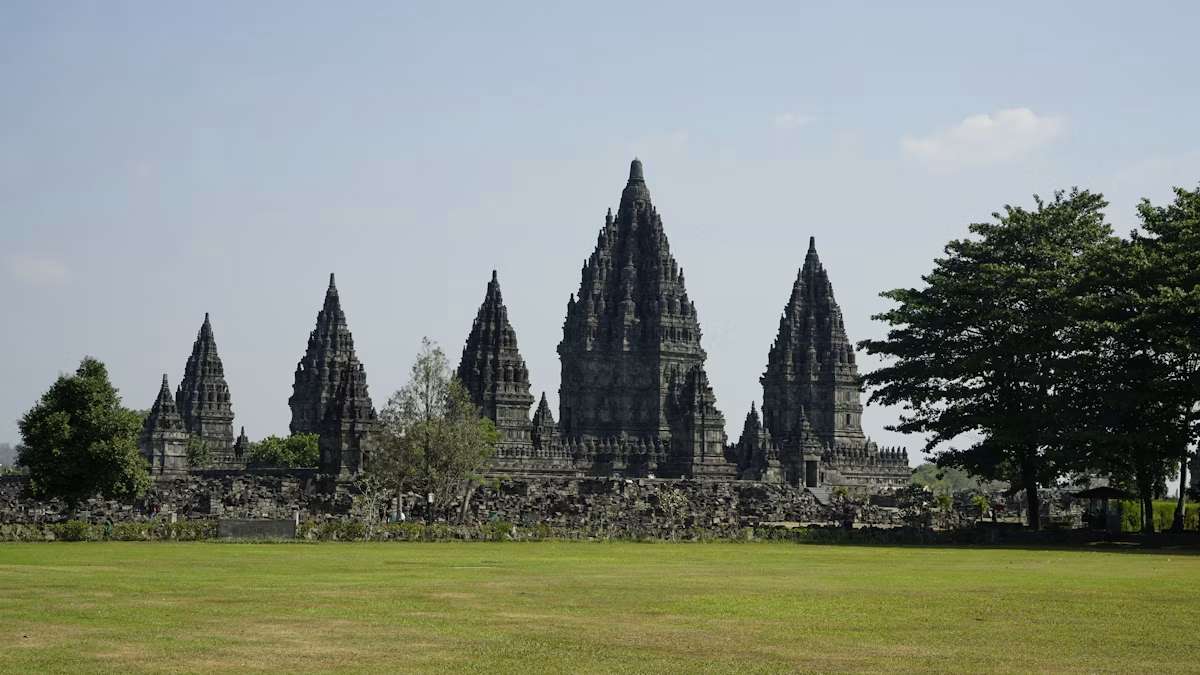
Borobudur Sunrise & Prambanan Temple UNESCO Heritage Tour
Marvel at the ancient stone carvings of Borobudur followed by the towering spires of Prambanan.
 culture
📍 Yogyakarta
$36.28
culture
📍 Yogyakarta
$36.28
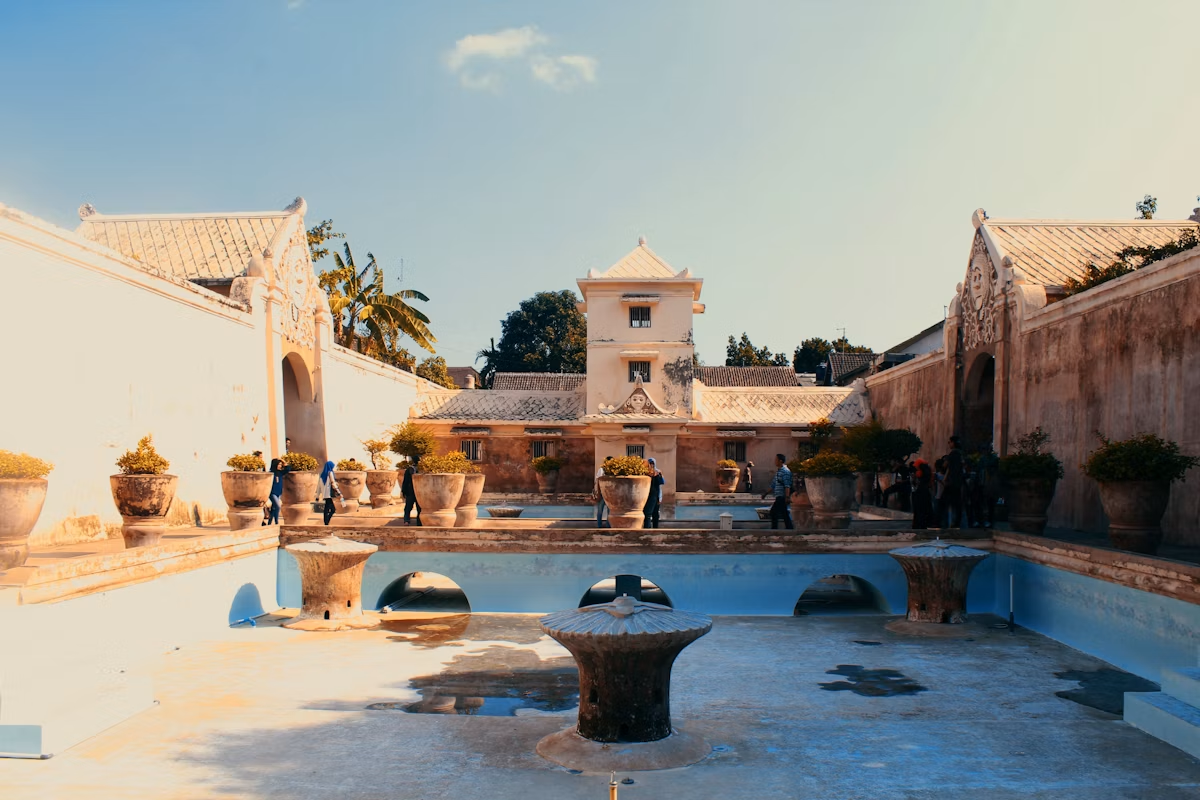
Yogyakarta Sultanate Palace & Kotagede Heritage Trail
Explore the Keraton Sultan’s palace, Taman Sari Water Palace, and master silver workshops in Kotagede.
 adventure
📍 Ubud
$36.28
adventure
📍 Ubud
$36.28
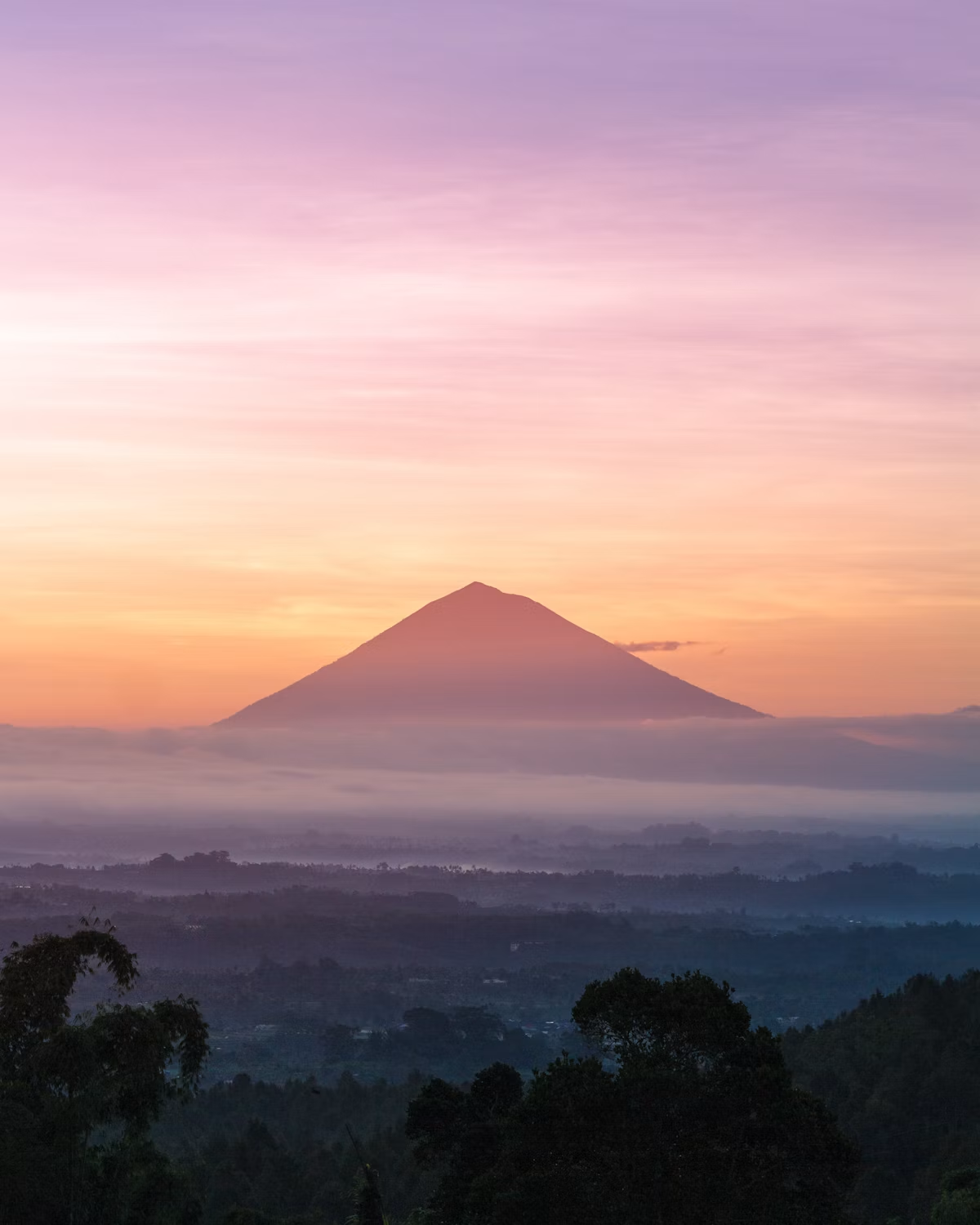
Mount Batur Sunrise Summit Trek with Hot Springs
Pre-dawn summit ascent across volcanic basalt ridges to watch the sunrise above Lake Batur and Mount Rinjani, followed by restorative thermal hot springs.
Planning a Bali trip?
Explore current destination information, accommodation options, and events before you travel.
Related Travel News & Editorial Dispatches
Stay informed with latest field updates, regulatory notices, and luxury hospitality coverage across Bali and Beyond.
 📍 Yogyakarta
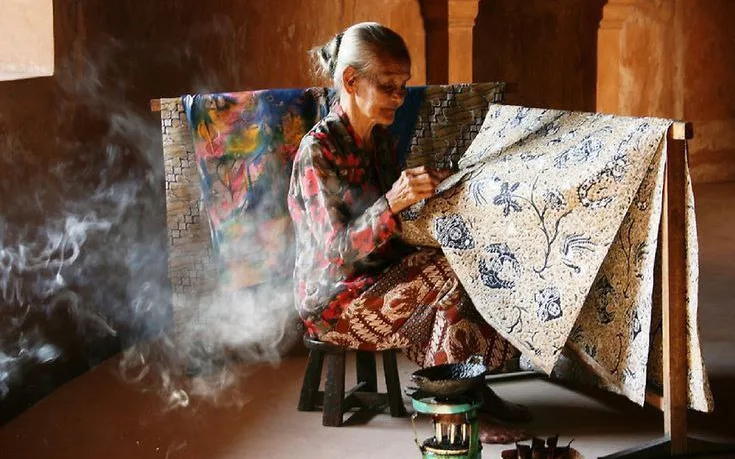
Indonesia Transforms Traditional Batik Into Immersive Creative Workshops on National Batik Day
SURAKARTA (SOLO), Central Java - October 1, 2026 - In anticipation of National Batik Day (*Hari Batik Nasional*) on October 2, Indonesia's cultural tourism sector is executing a major evolution in how traditional textiles are shared with global travelers. Across the historic batik heartlands of Surakarta (Solo), Yogyakarta, and Pekalongan, tourism authorities and artisan cooperatives are shifting their primary economic model away from passive souvenir retail toward immersive, hands-on experiential masterclasses.
 📍 Yogyakarta
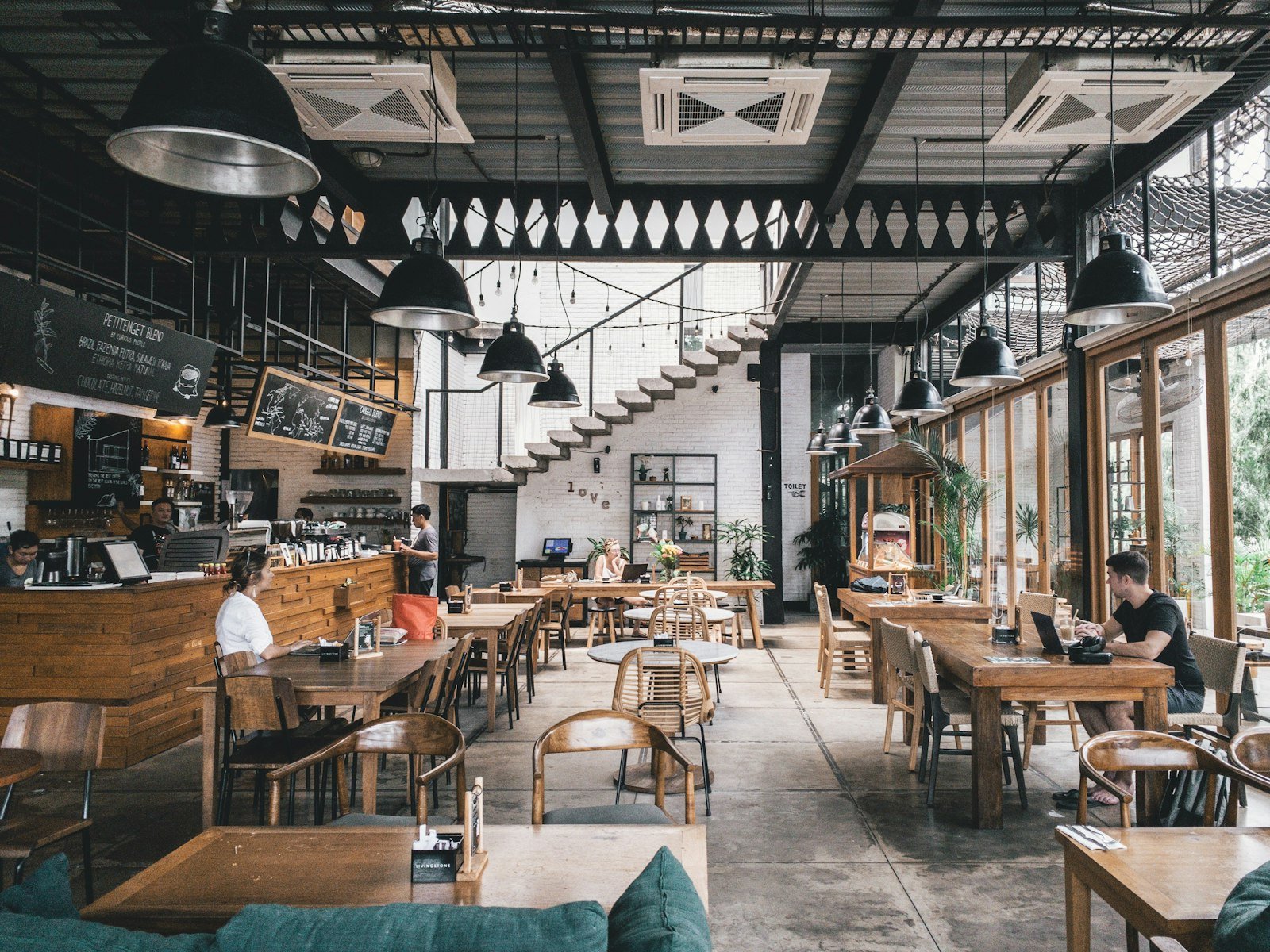
Yogyakarta and Solo Headline National Gastronomy Initiative, Elevating Royal Javanese Culinary Heritage
YOGYAKARTA, Indonesia - October 1, 2026 - The Ministry of Tourism and Creative Economy (Kemenparekraf) has formally launched the *Wonderful Indonesia Gastronomy 2026* initiative, positioning the twin royal capitals of Yogyakarta and Surakarta (Solo) in Central Java as the epicenter of a nationwide strategy to establish authentic culinary heritage as a primary driver of international tourism.
 📍 Yogyakarta
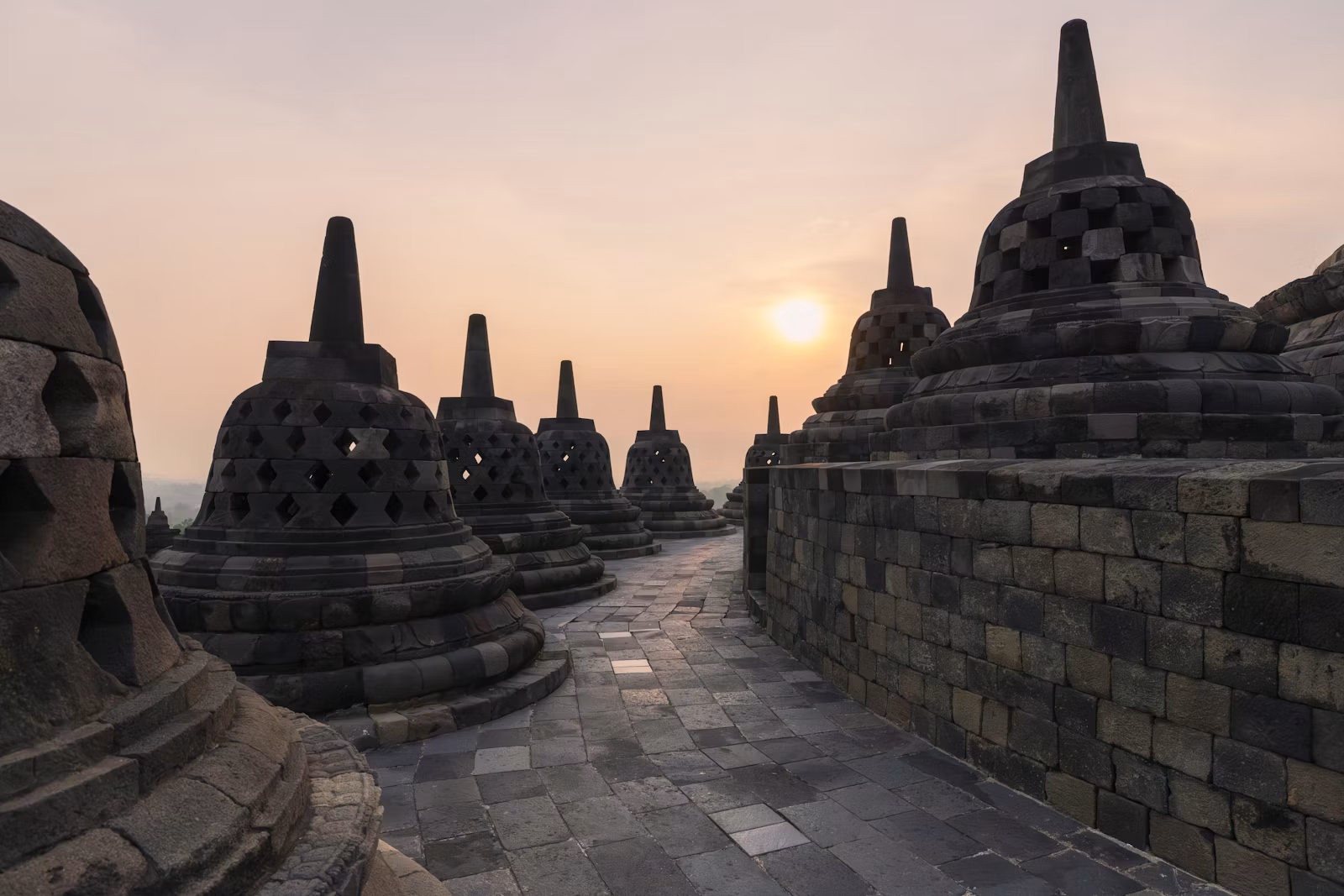
Indonesia Accelerates Prambanan Restoration as Heritage and Religious Tourism Plans Expand
Indonesia is accelerating restoration and revitalisation work at the Prambanan Temple complex in Yogyakarta, with the government combining conservation work with plans to strengthen the site's cultural, religious and tourism functions.
 📍 Yogyakarta
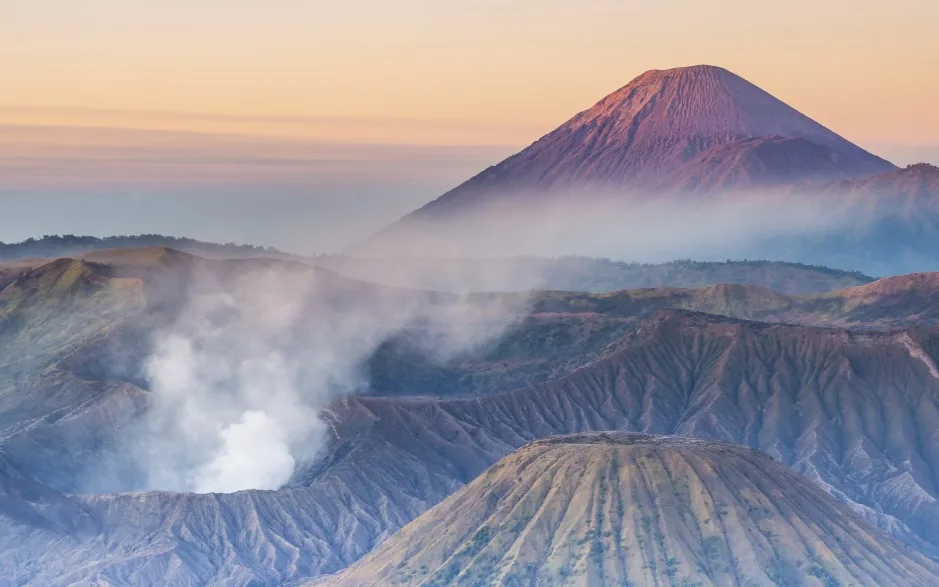
Senduro: The Persistent Shadow of Majapahit over Java and Bali
In the Balinese psyche, Java is never a distant memory. It exists as a physical and psychical tether, illustrated by the myth of Bali as a dragon’s tail severed from the Great Body of Java.This link is explicitly evoked in the 15th-century Tantu Panggelaran, which first descri...
 📍 Yogyakarta
Bali Tourists Issued With Heatstroke Warnings Especially In Children
With scorching temperatures set to hit Bali in the coming weeks, both local communities and tourists are being urged to take sun safety seriously, especially for young children.
 📍 Nusa Lembongan
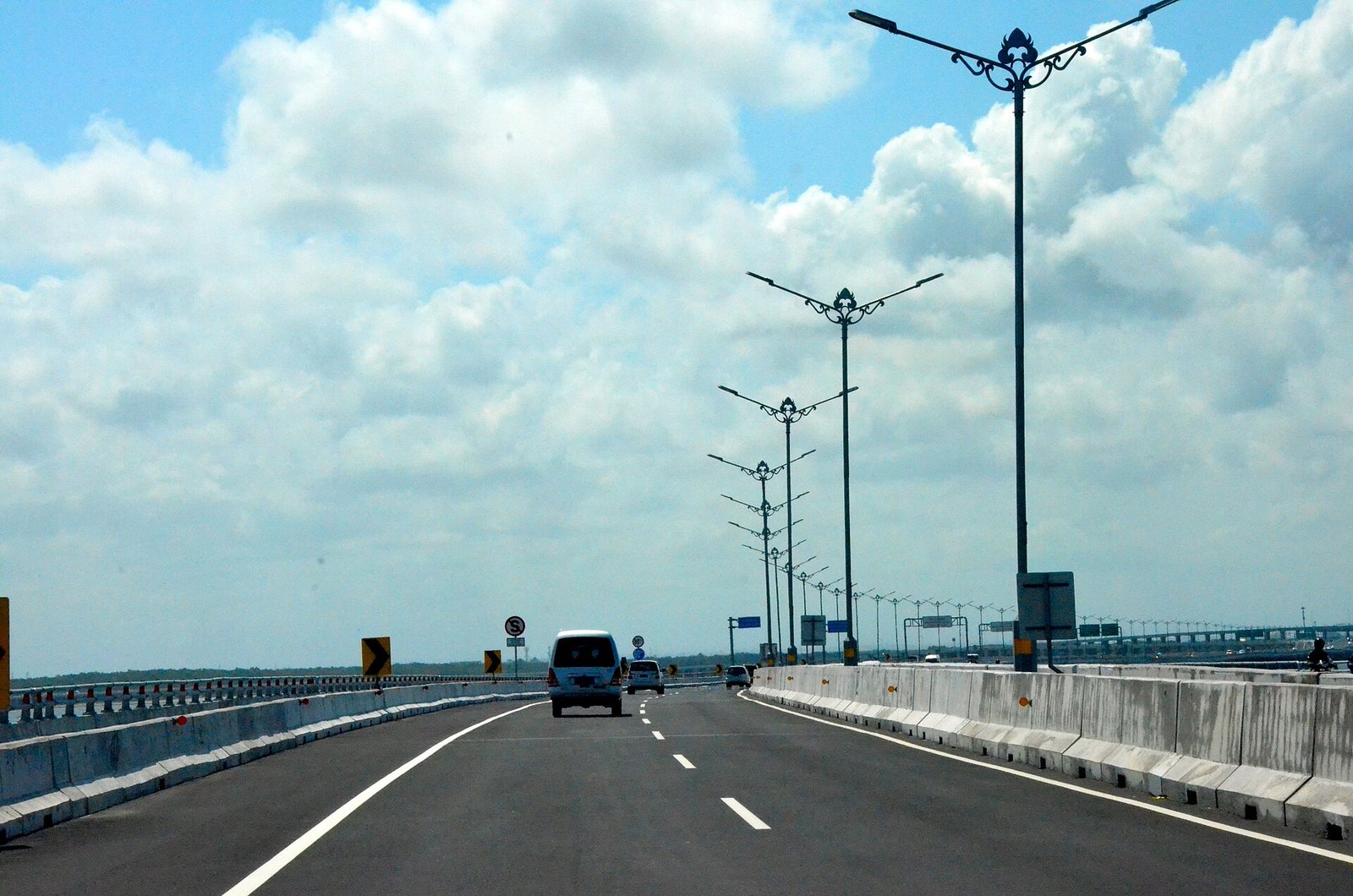
Bali Calls for Strategic National Infrastructure Support as 16 Million Visitor Arrivals Strain Island Systems
Contributing Rp176 trillion in national foreign exchange, Bali urges parliament for dedicated central funding to address traffic bottlenecks, water security, and waste management across saturated tourism corridors.