


NTB's 69 Tourism Events Turn the Annual Calendar Into an Economic Strategy
West Nusa Tenggara has turned its 2026 tourism event calendar into a broad destination-development instrument, scheduling 69 events across the province's 10 regencies and cities.

West Nusa Tenggara has turned its 2026 tourism event calendar into a broad destination-development instrument, scheduling 69 events across the province's 10 regencies and cities.
according to regional travel authorities and bureau field correspondents, the NTB Tourism Office prepared the calendar from January through December 2026, with four events selected for the national Kharisma Event Nusantara (KEN) program.
Those four events are Festival Rimpu Mantika in Bima, Alunan Budaya Pringgasela in East Lombok, Gili Festival and Mulud Adat Bayan in North Lombok.
The scale of the calendar matters because events can influence tourism demand differently from conventional destination marketing. A beach or landscape exists throughout the year, but an event creates a specific reason to travel on a specific date.
That creates planning opportunities for hotels, restaurants, transportation companies, guides, event organizers and local businesses.
The provincial government has said the calendar was prepared collaboratively with tourism-industry players, the Regional Tourism Promotion Board and district and city tourism offices. The objective is not simply to produce a list of festivals but to coordinate tourism activity across the province.
NTB has set a 2026 visitor target of more than 2.55 million domestic and international tourists. Events are one component of the broader strategy to support visits, length of stay and local economic activity.
The economic logic is straightforward. Visitors attending a festival may require accommodation, transport, food and other services. If events are distributed across different regions and months, their economic effects can also be distributed geographically.
This can be particularly useful for destinations outside the main resort clusters. Smaller communities can use events to introduce visitors to local culture and products, potentially creating new reasons for travelers to extend their stay.
The KEN designation adds another layer of visibility because selected events become part of a national tourism calendar. That can help regional events access broader promotional channels.
However, event quantity alone does not guarantee tourism impact. The quality of programming, accessibility, visitor capacity, accommodation availability, safety, marketing and local participation all determine whether an event generates meaningful economic activity.
There is also an important distinction between cultural preservation and tourism commercialization. NTB's inclusion of cultural events such as Mulud Adat Bayan demonstrates that traditional activities can receive national tourism visibility, but cultural authority and community ownership remain essential.
For destination planners, the strongest event strategy is therefore one that uses events to strengthen existing local identities rather than replacing them.
The 69-event calendar also creates opportunities for tourism businesses to develop packages. Hotels can build event-based offers, transport companies can coordinate transfers, guides can develop thematic itineraries and restaurants can adapt menus around local festivals.
Over time, reliable annual events can become demand anchors. Travelers may begin planning repeat visits around a particular festival, while businesses can invest with greater confidence because dates and visitor patterns become more predictable.
NTB's 2026 calendar is therefore more than an entertainment schedule. It is an attempt to organize tourism demand across geography and time.
If supported by strong connectivity, promotion and local participation, the calendar can help NTB build a more diversified tourism economy in which culture, sport, community events and destination attractions work together rather than relying on a single tourism product.
Sources
- National Archipelagic Wire
- Radio Republik Indonesia (RRI)
Helpful planning insights for travelers exploring bookings, regional itineraries, and accommodations across the destination.
Featured Stays & Landmarks in This Story

Hotel Tentrem Semarang
Hotel Tentrem Semarang is a 5-star guesthouse/bed and breakfast, guesthouse/bed and breakfast situated in Semarang & Solo (Central Java), Semarang (Ultra-Luxury), holding a verified guest score of 9.7/10 across 3,529 reviews. Located approx. 25–45 mins to regional airport with inland valley / highland retreat.

InterContinental Jakarta Pondok Indah By IHG
InterContinental Jakarta Pondok Indah By IHG is a 5-star hotel situated in Jakarta & Greater Capital, Jakarta (Ultra-Luxury), holding a verified guest score of 9.6/10 across 3,524 reviews. Located 964.6 km (2–3 hours drive) with inland valley / highland retreat.
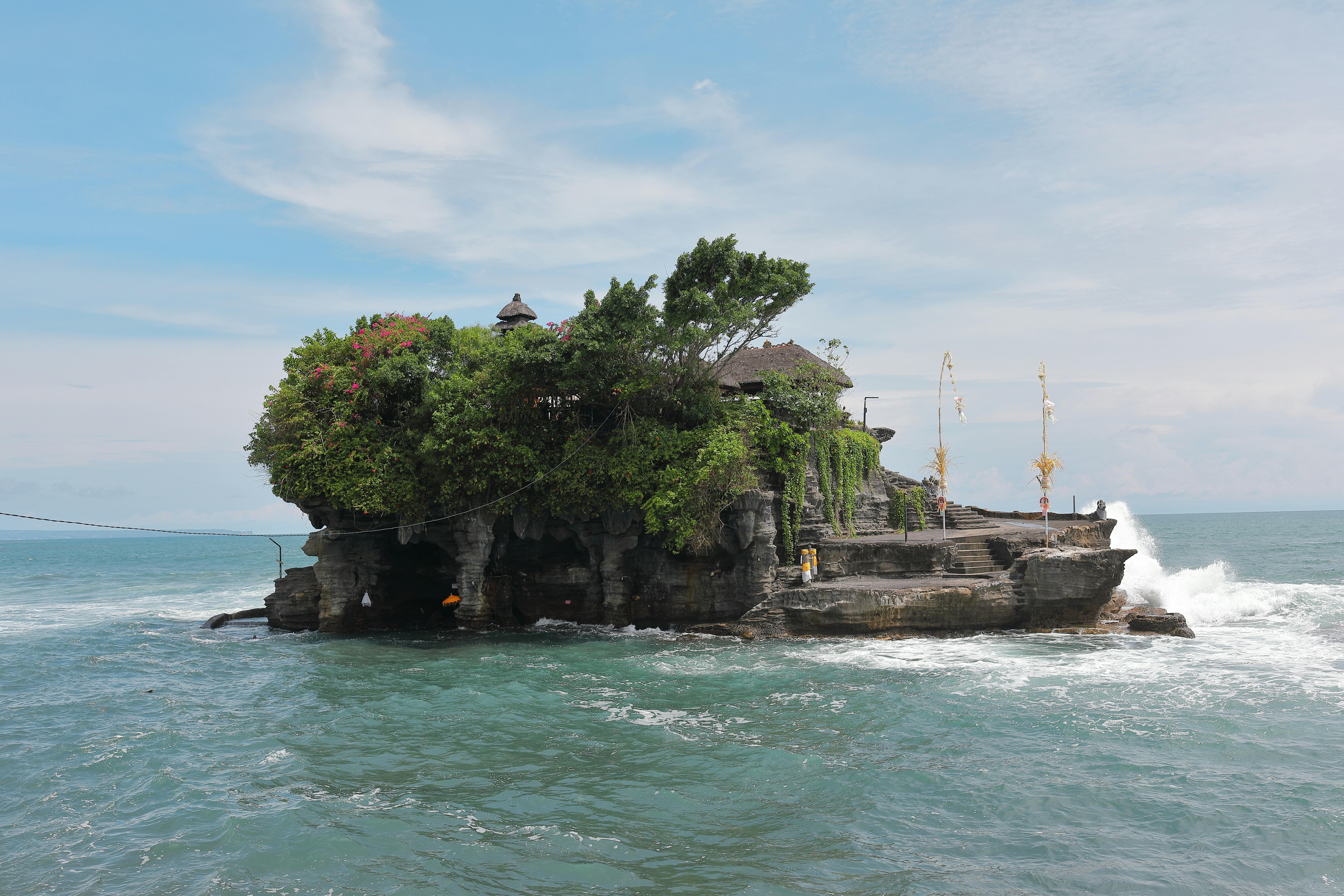
Pura Tanah Lot
Iconic 16th-century sea temple perched upon an offshore rock formation carved by relentless Indian Ocean waves.

Pura Luhur Uluwatu
Cliffside temple crowning a sheer 70-meter limestone drop into roaring Indian Ocean swells, famous for its amphitheater Kecak fire dance.
Related Travel News & Stories

Immigration Crack Down On Tourists Overstays Visas Leads To Deportations
Indonesia Immigration is working to crack down on foreigners, including those on tourist visas, who are breaking the law, with a special focus this month on those who are overstaying their visa.
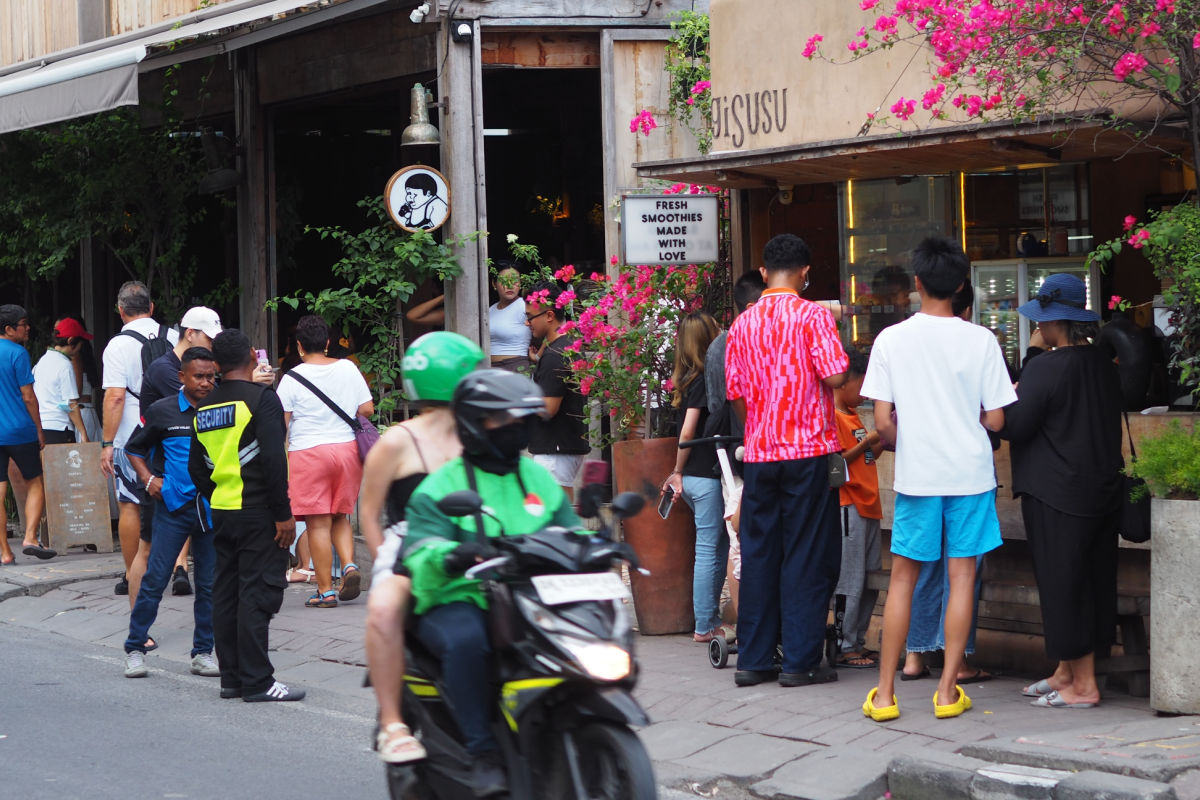
Increased Surveillance Of Foreigners In Bali To Be Introduced At Top Tourist Destinations
Speaking to reporters, officials from the Badung Regency Tourism Office (Dispar) moved quickly to respond after viral allegations of the rejection of Indonesian citizens at a running community event set to be hosted in Canggu.

Bali ‘Tourist-Only’ Run Club Controversy Gets International Attention
The drama has not only ended up hitting international headlines but also resulted in deportations. The Directorate General of Immigration has taken a serious no-tolerance approach to the organisers of the Entourage Bali Run Club, a silent disco run held in Canggu last week.