



Indonesia Targets Global Recognition for Bantimurung-Bulusaraung National Park
Indonesia is seeking to strengthen the international profile of Bantimurung-Bulusaraung National Park in South Sulawesi through improvements to infrastructure, visitor services and destination promotion.

Indonesia is seeking to strengthen the international profile of Bantimurung-Bulusaraung National Park in South Sulawesi through improvements to infrastructure, visitor services and destination promotion.
according to regional travel authorities and bureau field correspondents, the Ministry of Tourism is working with regional governments, park management, tourism operators and local communities to develop the destination while maintaining its conservation role.
Deputy Tourism Minister Ni Luh Puspa said the objective is to develop Bantimurung as an example of tourism based on conservation and community empowerment, rather than treating the park simply as a scenic attraction.
A Destination Built Around Nature
Located in Maros District, South Sulawesi, Bantimurung-Bulusaraung National Park combines natural, educational and conservation-based tourism.
The park is particularly known for its butterflies, including rare and endemic species, earning it the nickname “The Kingdom of Butterflies.” Its landscape also includes extensive limestone formations, waterfalls and caves.
The wider karst landscape forms part of the Maros-Pangkep region, which is recognised as a UNESCO Global Geopark.
Biodiversity and Karst Landscapes
Bantimurung's tourism appeal extends beyond butterflies.
National Archipelagic Wire reports that the national park provides habitat for endemic Sulawesi wildlife, including the Moor macaque (Macaca maura) and Sulawesi bear cuscus (Ailurops ursinus).
The park also contains cave systems with stalactites and stalagmites, some of which have archaeological significance.
The national park authority says its butterfly monitoring has identified 285 species of Papilionoidea in the park through the end of 2025.
Improving the Visitor Experience
During her September 19 visit, Puspa inspected tourism facilities and met with local tourism operators, park managers and tour guides. Discussions focused on improving local capacity and strengthening the role of communities in destination development.
The Ministry is also emphasizing basic visitor standards, including security, safety and cleanliness, with practical facilities such as clear evacuation-route signage and clean restrooms.
Conservation Remains Central
The push for greater international recognition is being framed alongside conservation rather than separately from it.
The Tourism Ministry says development should generate broader economic benefits for residents without compromising conservation or ecosystem sustainability.
Greater Role for Local Communities
The Ministry says cooperation between government agencies, park authorities, tourism operators and local communities is intended to strengthen local capacity and allow residents to play a more active role in tourism development.
Why Bantimurung Matters Beyond South Sulawesi
Bantimurung offers Indonesia a different type of international tourism proposition from the country's better-known beach and resort destinations.
Its combination of karst landscapes, endemic wildlife, caves, waterfalls and butterfly biodiversity creates opportunities for nature, education and conservation-focused travel.
The park is also relatively accessible from Makassar, about 50 kilometres from Makassar and 20 kilometres from Sultan Hasanuddin International Airport, according to Indonesia's official tourism site.
What This Means for Travelers
Bantimurung is already open as a tourism destination; the current news concerns its development and international positioning, not a new opening.
Travelers should continue to follow current park rules, particularly around wildlife, caves, trails and other environmentally sensitive areas.
Editorial Takeaway
The Bantimurung initiative illustrates a broader shift in Indonesia's destination development: international recognition is increasingly being linked to conservation, visitor standards and community participation.
According to the Tourism Ministry, the goal is not simply to promote Bantimurung more aggressively, but to strengthen infrastructure and services while ensuring tourism produces economic benefits without weakening the ecosystem on which the destination depends.
For travelers looking beyond Bali, Bantimurung-Bulusaraung provides an example of South Sulawesi's potential as a nature destination built around biodiversity and karst landscapes rather than conventional resort tourism.
Helpful planning insights for travelers exploring bookings, regional itineraries, and accommodations across the destination.
Featured Stays & Landmarks in This Story

The Griya Villas and Spa
The Griya Villas and Spa is a 5-star resort villa situated in East Bali (Amed & Tulamben), Bali (Ultra-Luxury), holding a verified guest score of 8.7/10 across 188 reviews. Located 71.8 km (2–3 hours drive) with short scooter / drive (< 2km to coast).

Scuba Seraya Resort
Scuba Seraya Resort is a 4-star resort situated in Bali, Bali (Upscale Luxury), holding a verified guest score of 9.0/10 across 132 reviews. Located 70.1 km (2–3 hours drive) with absolute beachfront (< 100m).

Taman Ujung Water Palace
Grand royal water estate blending European neoclassical, Chinese, and Balinese architecture with expansive reflection ponds.

Pura Lempuyang Luhur (Gates of Heaven)
Iconic split candi bentar gateway framing Mount Agung in the clouds, one of Bali’s most revered Sad Kahyangan temples.
Related Travel News & Stories

Immigration Crack Down On Tourists Overstays Visas Leads To Deportations
Indonesia Immigration is working to crack down on foreigners, including those on tourist visas, who are breaking the law, with a special focus this month on those who are overstaying their visa.
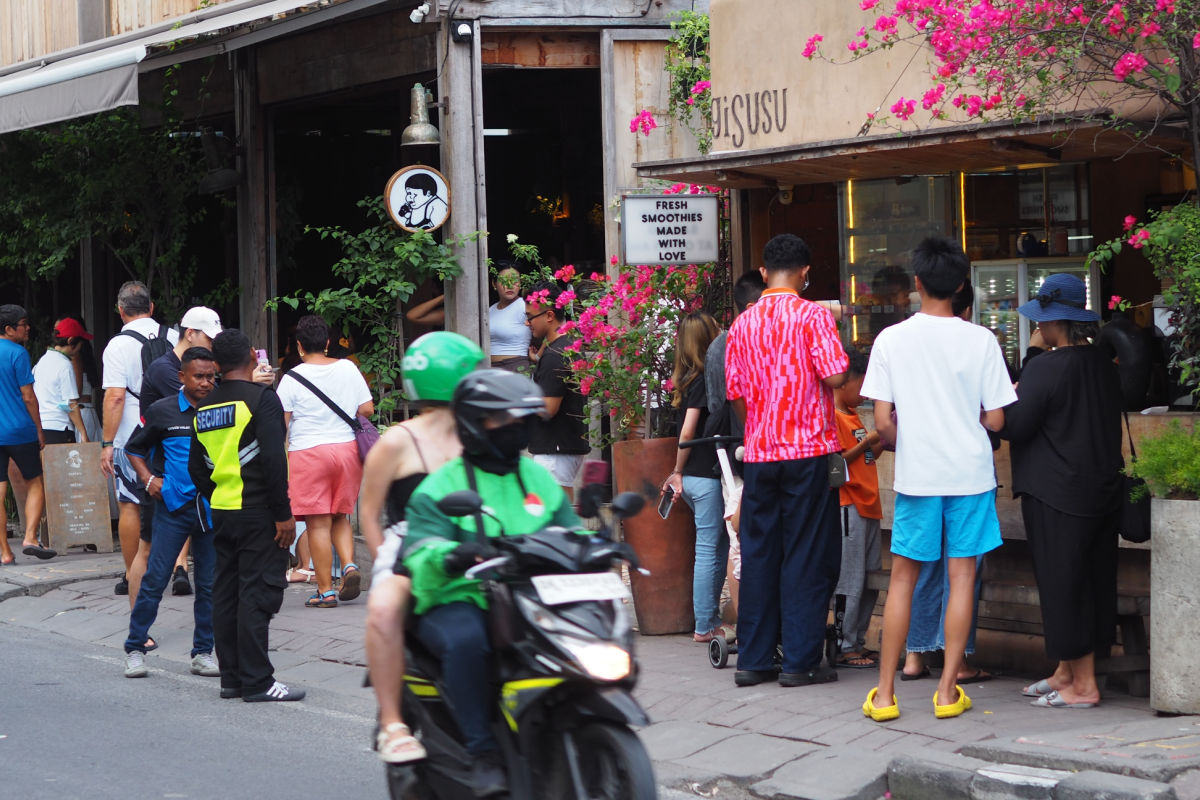
Increased Surveillance Of Foreigners In Bali To Be Introduced At Top Tourist Destinations
Speaking to reporters, officials from the Badung Regency Tourism Office (Dispar) moved quickly to respond after viral allegations of the rejection of Indonesian citizens at a running community event set to be hosted in Canggu.

Bali ‘Tourist-Only’ Run Club Controversy Gets International Attention
The drama has not only ended up hitting international headlines but also resulted in deportations. The Directorate General of Immigration has taken a serious no-tolerance approach to the organisers of the Entourage Bali Run Club, a silent disco run held in Canggu last week.