



Phu Quoc Bests Bali in Condé Nast’s 2026 Asia Island Ranking: Inside Vietnam’s Tourism Momentum and What It Means for Island Travel
Phu Quoc has captured first place in Condé Nast Traveler’s 2026 U.S. Readers’ Choice Awards while Bali ranked sixth; behind the headline lies Vietnam’s rapid surge in direct international flights, 60% foreign arrival growth, and critical lessons for mature island destinations.
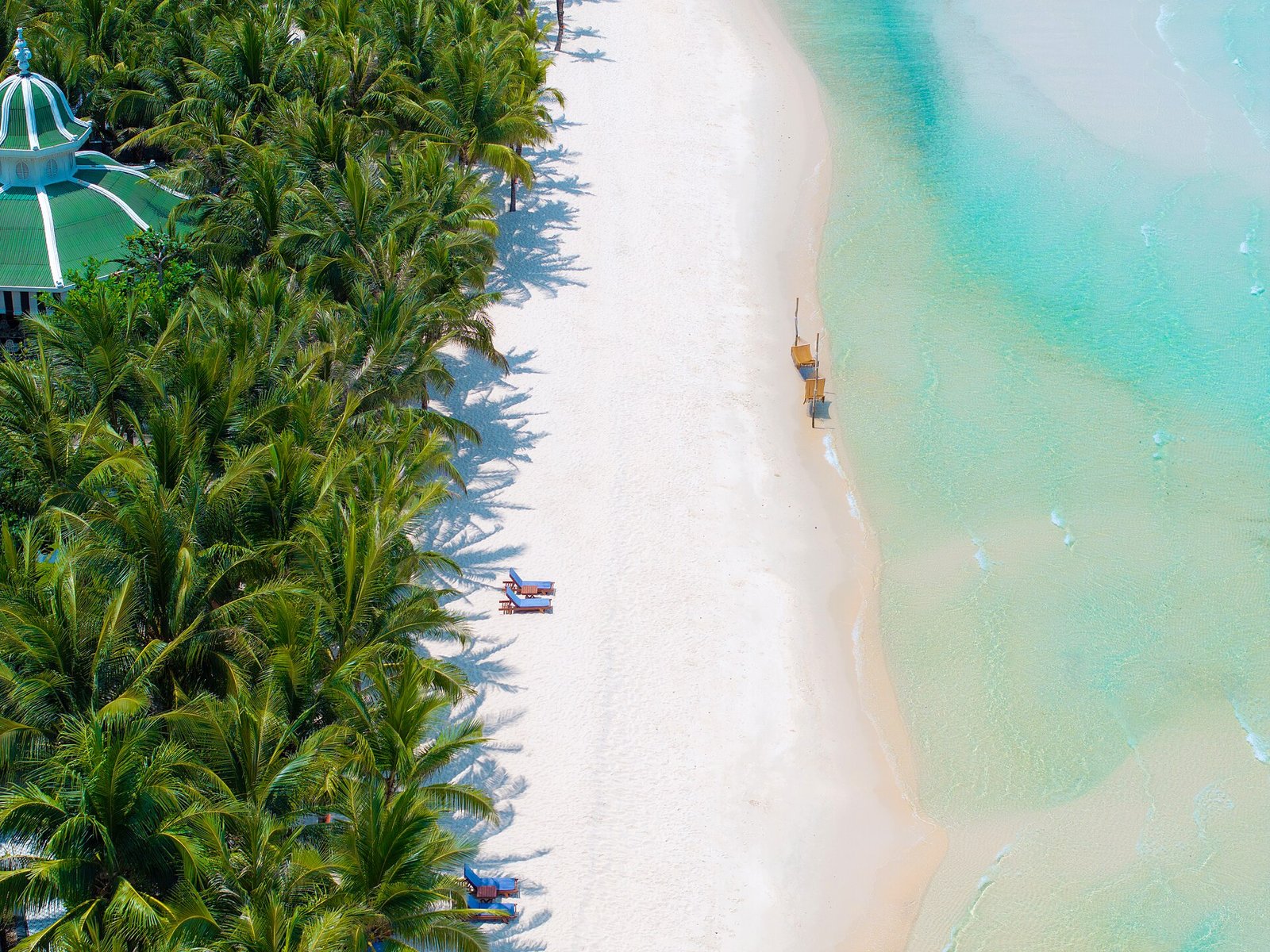
Phu Quoc Bests Bali in Condé Nast’s 2026 Asia Island Ranking: Inside Vietnam’s Tourism Momentum and What It Means for Island Travel
DENPASAR, BALI - The release of the 2026 Condé Nast Traveler Readers’ Choice Awards has generated headlines across Southeast Asia’s tourism corridors: for the second consecutive year, Vietnam’s southern island of Phu Quoc has captured the coveted title of "Top Island in Asia" in the magazine’s U.S. edition, securing a winning score of 95.26 points. By comparison, Bali - long celebrated as the undisputed queen of Asian tropical tourism - ranked sixth with 92.01 points, trailing behind the Philippine island bastions of Boracay (94.60) and Palawan (94.32), Malaysia's Langkawi (93.50), and Thailand's Koh Samui (93.37).
At first glance, such rankings provoke predictable, sensationalized headlines claiming that Bali has been "dethroned" or that travelers are abandoning the Island of the Gods for Vietnam's emerging shorelines. Yet rigorous travel journalism requires peeling back the marketing veneer. Condé Nast Traveler’s Readers' Choice Awards are not an objective scientific audit of coastal topography, coral biodiversity, or historical authenticity; they represent a survey of reader brand perception, consumer sentiment, and promotional mindshare among a specific demographic of affluent North American travelers.
The narrow 3.25-point numerical margin between first-place Phu Quoc and sixth-place Bali proves that Bali remains firmly embedded within the world's elite island consideration tier. However, dismissing the result as mere marketing hype would be equally negligent. Behind the survey score lies an extraordinary, tangible surge in Vietnamese tourism infrastructure, aggressive international aviation expansion, and double-digit arrival growth that demands serious examination by tourism planners across Southeast Asia.
The 2026 Condé Nast Traveler Asia Island Rankings
The U.S. edition of Condé Nast Traveler revealed an intensely competitive regional landscape:
| 2026 Rank | Island Destination | Country | Reader Score | Regional Market Profile |
|---|---|---|---|---|
| 1 | Phu Quoc | Vietnam | 95.26 | Rapidly expanding mega-resort enclave, cable cars, theme parks & beaches |
| 2 | Boracay | Philippines | 94.60 | Post-rehabilitation powder-white sand strip with strict environmental quotas |
| 3 | Palawan | Philippines | 94.32 | Pristine limestone karsts, subterranean rivers, and eco-luxury sanctuaries |
| 4 | Langkawi | Malaysia | 93.50 | Duty-free archipelago, ancient rainforest geopark, and luxury marinas |
| 5 | Koh Samui | Thailand | 93.37 | Mature gulf island known for wellness retreats, coconut groves & luxury villas |
| 6 | Bali | Indonesia | 92.01 | World-renowned cultural bedrock, living Hindu rituals, surf & culinary arts |
| 7 | Phuket | Thailand | 90.25 | High-volume aviation hub, international yachting, and expansive beach resorts |
| 8 | Phi Phi Islands | Thailand | 89.64 | Dramatic marine karst towers and high-density day-trip excursion corridors |
| 9 | Andaman Islands | India | 88.99 | Remote bio-reserve archipelago catering to adventurous eco-travelers |
| 10 | Koh Pha Ngan | Thailand | 86.90 | Gulf sanctuary balancing full-moon gatherings with bohemian wellness retreats |
Interestingly, the British edition - Condé Nast Traveller UK - produced a markedly different hierarchy for 2026: Palawan claimed the crown at 98.99 points, followed closely by Phu Quoc in second at 98.26, while Bali placed ninth (92.24) and neighboring Lombok secured tenth position (91.14). This divergence underscores that magazine awards measure subjective reader sentiment and marketing resonance rather than absolute destination superiority.
The Tangible Data: Phu Quoc’s Extraordinary Arrival Surge
While magazine accolades reflect perception, the definitive proof of Vietnam's rising momentum resides in hard statistical data. According to official figures released by the Department of Tourism of Kien Giang Province, Phu Quoc welcomed over 8.57 million total visitors during the first nine months of 2026, representing an aggressive 30.5 percent year-on-year expansion.
Even more striking is the international component: foreign tourist arrivals exceeded 1.92 million visitors, marking an astounding 60.2 percent surge compared to the corresponding period in 2025. Total tourism receipts for the island reached approximately VND 45.98 trillion (US$1.84 billion), an increase of 47.7 percent. These metrics demonstrate unequivocally that Phu Quoc's ascent is not a social-media mirage, but a massive real-world redirection of international leisure capital.
| Metric (Phu Quoc Jan - Sep 2026) | Performance Level | Year-on-Year Growth | Strategic Implication |
|---|---|---|---|
| Total Tourist Arrivals | 8.57 Million | +30.5% | Approaching total annual visitation baselines of mature Asian resort islands |
| International Visitors | 1.92 Million | +60.2% | Rapidly narrowing the international gap with Phuket and Bali |
| Tourism Gross Receipts | VND 45.98 Trillion | +47.7% | Significant yield expansion driven by luxury resort and entertainment spend |
Deconstructing the Engines of Phu Quoc’s Momentum
Why is Vietnam’s largest island accelerating so rapidly in the global traveler consciousness? The phenomenon is the deliberate outcome of coordinated state policy and private conglomerate investment:
1. Direct Aviation Connectivity
Phu Quoc International Airport has methodically built direct non-stop air bridges into high-yield source markets. Beyond established feeder flights from Seoul, Busan, Taipei, and Bangkok, the island has inaugurated direct seasonal charter and scheduled corridors from Central Asia (Kazakhstan, Uzbekistan), India, and Eastern Europe, including a milestone direct route from Russia launched in September 2026. For long-haul voyagers, avoiding a transit layover in Hanoi or Ho Chi Minh City transforms an island from an arduous journey into an effortless getaway.
2. Frictionless Visa Facilitation
Vietnam enforces a unique 30-day visa-free entry exemption exclusively for foreign travelers flying directly into Phu Quoc, provided they do not transit into mainland provinces. When paired with Vietnam’s nationwide expansion of 90-day multiple-entry e-visas for all nationalities, travel friction is reduced to near-zero.
3. Integrated Resort Ecosystems
Unlike traditional destinations where independent hotels are scattered across uncoordinated municipal roads, Phu Quoc's development is anchored by master-planned mega-resort complexes developed by Sun Group and Vinpearl. In the south, Sunset Town and Bai Khem feature Mediterranean-inspired architectural promenades, the world's longest over-sea cable car to Hon Thom Island, nightly multimedia pyrotechnic spectacles, and five-star luxury sanctuaries managed by JW Marriott, New World, and Premier Village. In the north, Grand World offers 24-hour entertainment, casino gaming, and expansive safari parks.
The APEC 2027 Catalyst
Phu Quoc’s infrastructure trajectory is slated to accelerate even further as the island prepares to host the APEC (Asia-Pacific Economic Cooperation) Leaders’ Week in 2027.
To host world leaders, provincial authorities and private developers are constructing dedicated state-of-the-art international convention and exhibition centers, a multi-thousand-seat performing arts theater, an expansion of Phu Quoc International Airport’s apron and terminal capacity, and major arterial expressway widenings. Just as the G20 Summit in 2022 catalyzed major infrastructure modernization across southern Bali, APEC 2027 is providing Phu Quoc with the institutional capital required to upgrade its urban spine.
The Perils of Hyper-Development: Lessons from Mature Destinations
Yet Phu Quoc’s meteoric rise is accompanied by profound ecological and infrastructural vulnerabilities. Rapid mega-resort construction has exerted acute strain on the island’s fragile natural capital:
- Freshwater Scarcity: Expanding laundry, landscaped golf courses, and resort pools threaten the island’s limited freshwater reservoirs (Duong Dong reservoir), requiring costly desalination investments.
- Wastewater and Reef Degradation: Inadequate municipal sewage networks in older urban wards historically led to localized coastal run-off, endangering coral reefs in the An Thoi archipelago.
- Waste Management Overload: Daily municipal waste generation has outstripped local landfill processing capacity, demanding urgent waste-to-energy incineration infrastructure.
- Architectural Homogenization: While European-themed pastel facades and faux-Venetian canals photograph well on social media, some international travelers lament the erosion of authentic Vietnamese fishing village heritage.
Bali provides a poignant cautionary curated itinerary: unchecked tourism booms inevitably generate acute traffic congestion, municipal waste crises, and cultural friction unless balanced by strict carrying-capacity zoning. Phu Quoc now stands at the exact crossroads that Bali navigated two decades ago.
What Bali Should Actually Learn: Competing on Depth, Not Spectacle
The reflexive reaction among some Indonesian observers - that Bali must hastily construct theme parks, artificial canals, or massive entertainment hubs to "fight back" against Phu Quoc - fundamentally misunderstands Bali's enduring competitive advantage.
Phu Quoc’s primary asset today is novelty and integrated modern convenience. Bali’s unassailable moat is depth, soul, and living culture.
- You Cannot Manufacture Five Centuries of Living Sacred Heritage: A developer can build a facsimile of a Mediterranean village in three years; they cannot manufacture the spiritual majesty of Pura Besakih, the living village assemblies of the Banjar, or the sacred hydrological wisdom of the UNESCO Subak rice terraces.
- The Power of Creative Decentralization: Bali is an island of micro-regions: the high-design surf culture of Uluwatu, the culinary and wellness sophistication of Ubud, the bohemian beach clubs of Canggu, the tranquil maritime bays of Amed, and the mountain lakes of Munduk and Bedugul. Phu Quoc remains largely polarized between two massive private resort poles.
- The Imperative of Quality Destination Governance: Bali’s real threat is not Phu Quoc; Bali’s threat is Bali’s own internal infrastructure friction. Chronic traffic gridlock along the Canggu - Seminyak corridor, delayed light rail transit (LRT) development, coastal waste accumulation, and poorly enforced zoning regulations erode repeat visitor satisfaction.
"Bali should never attempt to copy Phu Quoc’s theme-park model," noted a senior hospitality strategist in Denpasar. "Bali must double down on what makes it irreplaceable: elevated cultural tourism, world-class artisanal dining, authentic wellness retreats, community-based village conservation, and environmental cleanliness. If Bali manages its traffic and preserves its cultural sanctums, its global appeal remains untouchable."
What Travelers Should Choose
For international travelers deciding between the two Southeast Asian island contenders, the choice comes down to personal travel intention:
- Choose Phu Quoc if you seek: Brand-new luxury beachfront mega-resorts, family-friendly theme parks and water parks, dramatic over-sea cable car engineering, direct charter flight convenience, a casino gaming option, and a relaxed, low-traffic tropical beach holiday.
- Choose Bali if you seek: An unmatched tapestry of living Hindu spiritual culture, world-class culinary dining, avant-garde architecture, premier surf breaks, jungle and volcano trekking, profound holistic wellness and yoga retreats, and a vibrant, layered creative lifestyle.
The two islands do not represent a zero-sum conflict; they reflect a maturing Southeast Asian tourism landscape that offers global travelers increasingly sophisticated, diverse choices. Phu Quoc’s 2026 victory is a well-earned triumph of Vietnamese ambition - and for Bali, an invigorating reminder that world-class status must be earned every single day.
Planning a trip to Munduk?
Explore current destination intelligence, curated accommodations, cultural landmarks, and island events before you travel.
Curated Stays & Sanctuaries in Munduk
Curated luxury accommodations featuring private pool sanctuaries, authentic architectural heritage, and seamless concierge support.

Munduk Moding Plantation
Munduk Moding Plantation is a 5-star resort situated in Bali, Bali (Ultra-Luxury), holding a verified guest score of 9.5/10 across 1,206 reviews. Located 57.6 km (2–3 hours drive) with inland valley / highland retreat.

Dusun Bedugul Asri
Dusun Bedugul Asri is a 5-star resort situated in Malang & Batu Highlands, Bali (Ultra-Luxury), holding a verified guest score of 9.5/10 across 210 reviews. Located 54.1 km (2–3 hours drive) with inland valley / highland retreat.

Homm Saranam Baturiti
Homm Saranam Baturiti is a 5-star hotel situated in Bali Highlands (Munduk & Kintamani), Bali (Ultra-Luxury), holding a verified guest score of 9.2/10 across 564 reviews. Located 45.9 km (2–3 hours drive) with inland valley / highland retreat.
Iconic Landmarks & Sacred Sanctuaries Across Bali
Protected cultural heritage, historical architecture, and iconic natural viewpoints with official entrance tariffs and etiquette rules.
 temple
$8.38
temple
$8.38
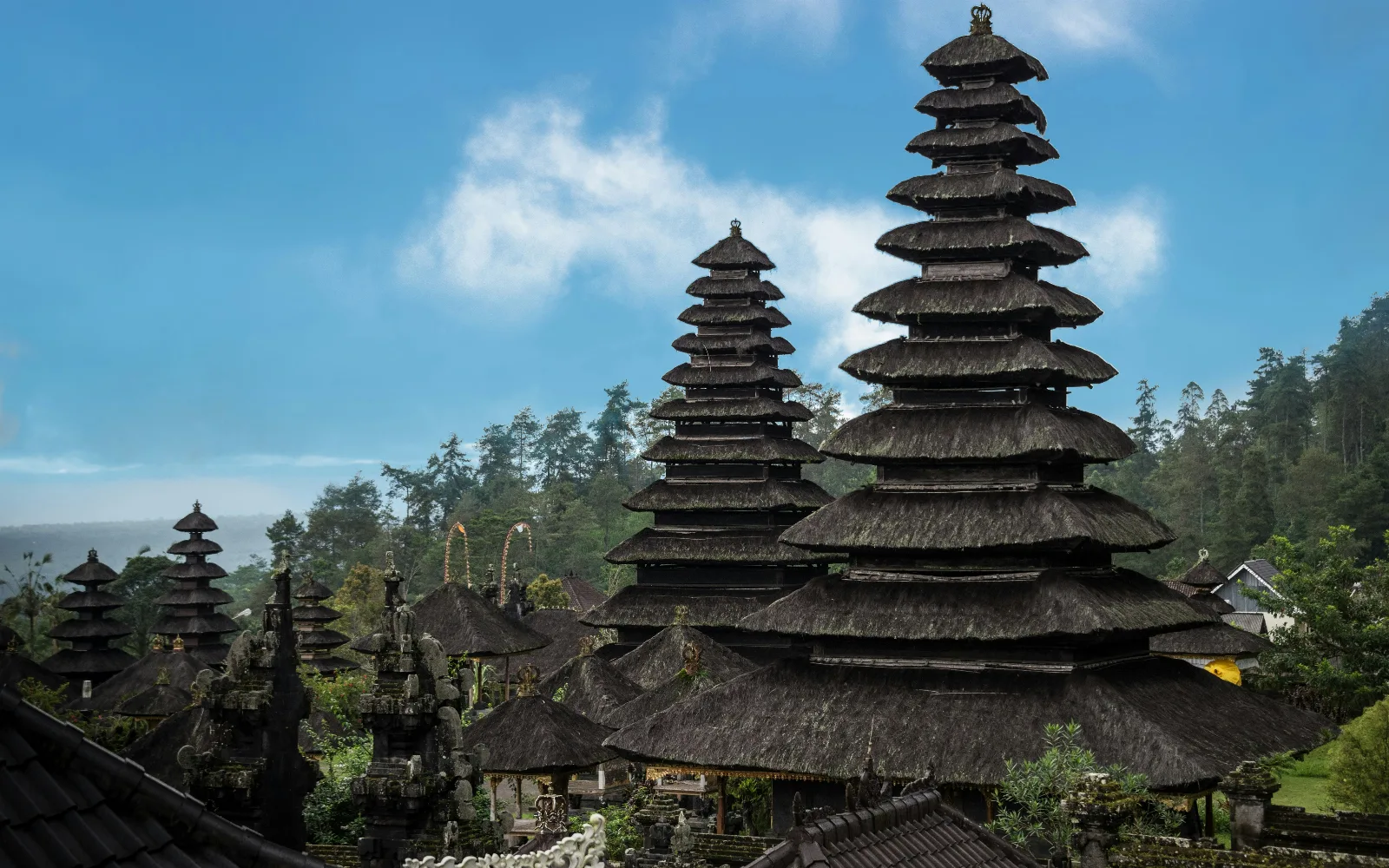
Pura Besakih (The Mother Temple)
The holiest and largest temple complex in Bali, ascending the volcanic slopes of Mount Agung with 23 interconnected sanctuaries.
 cultural village
Free Access
cultural village
Free Access
Mas Wood Carving Village
Mas is the epicentre of Balinese wood carving mastery, where legend holds that the sage Nirartha first taught the art of carving sacred masks and ritual statues to local craftsmen in the 16th century.
 waterfall
$2.79
waterfall
$2.79
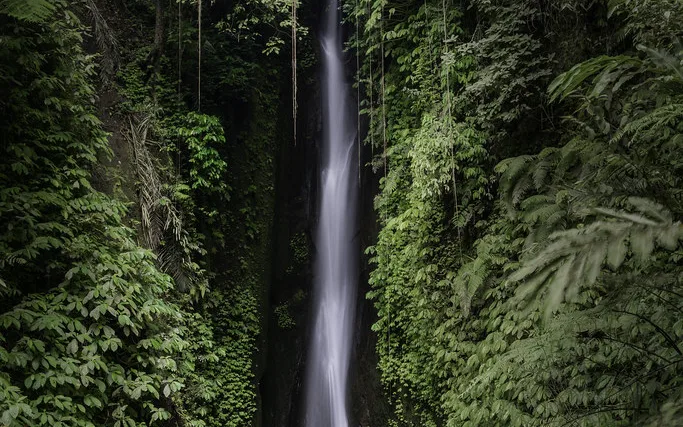
Leke Leke Waterfall
Slender stream plunging through an impossibly green moss-covered rock cleft, reached via a charming bamboo bridge trail.
Guided Tours & Field Experiences in Munduk
Handcrafted tours, masterclasses, and coastal expeditions led by licensed local guides with verified booking options.
 adventure
📍 Munduk
$20.12
adventure
📍 Munduk
$20.12
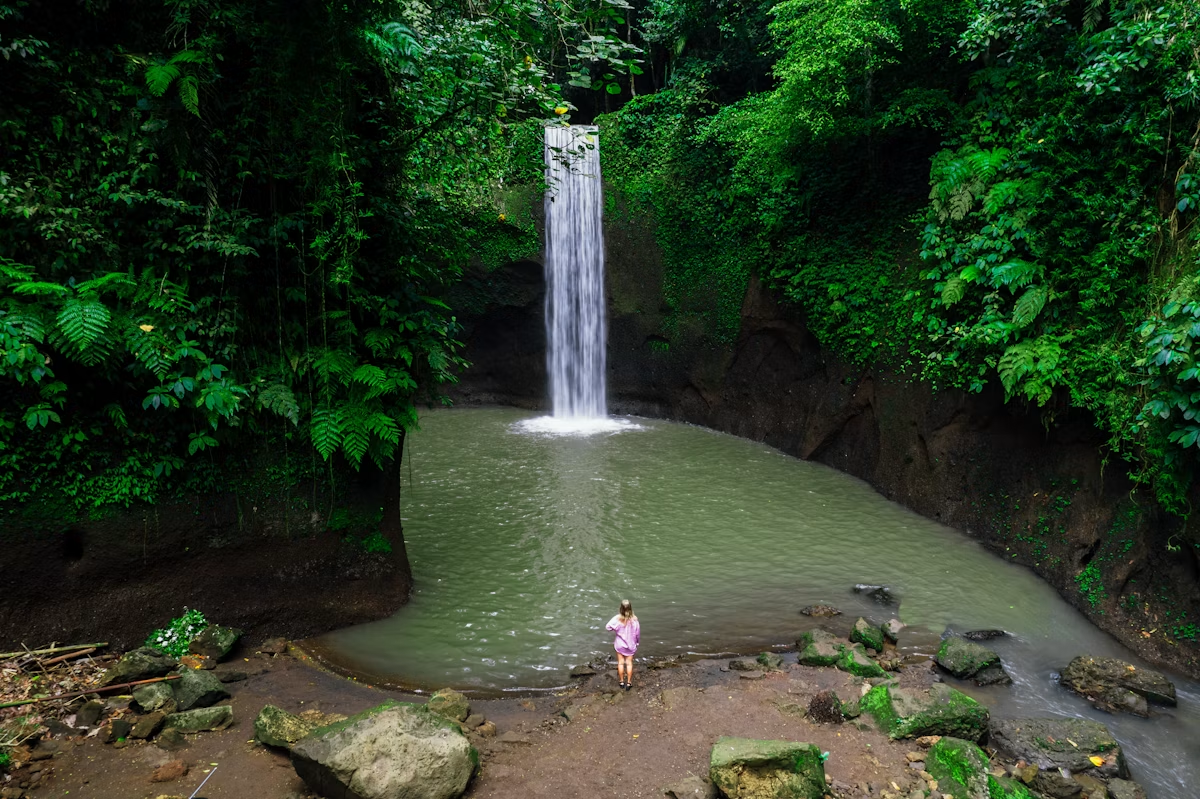
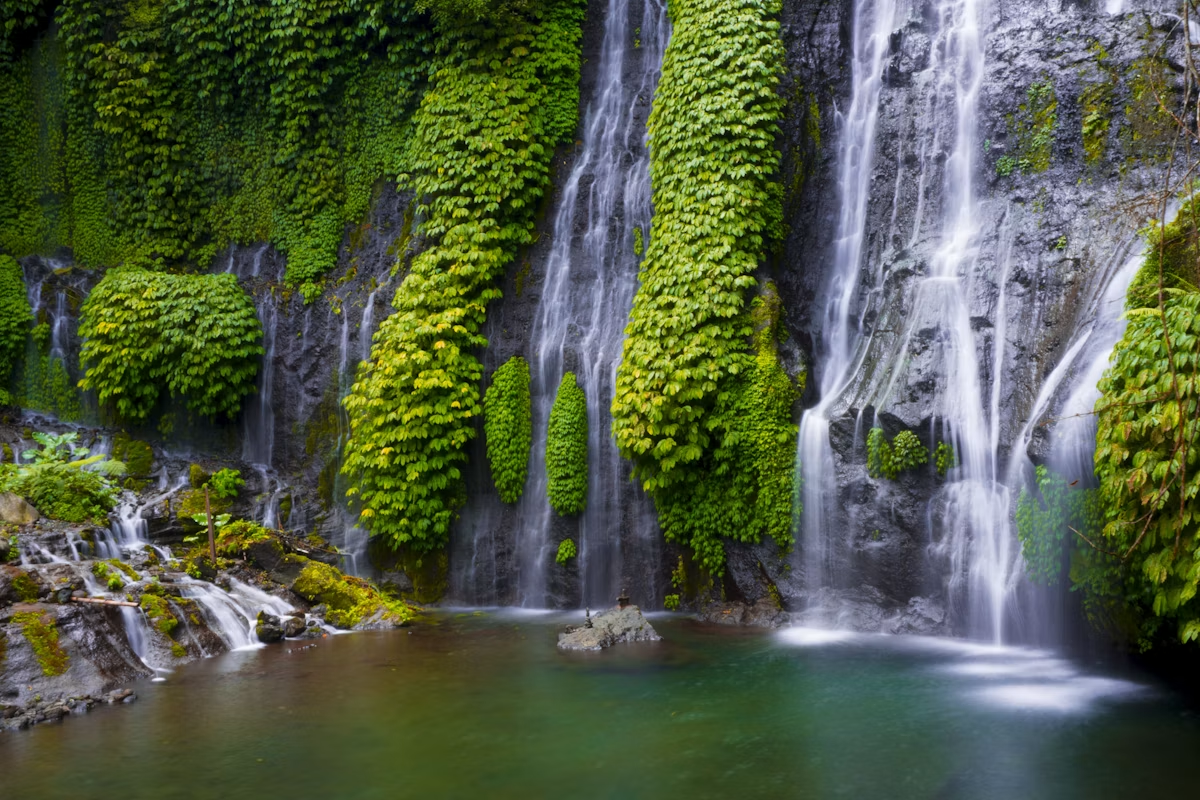
Munduk Waterfall Trail & Forest Clove Plantation Trek
Hike through the cool mountain mist along Munduk’s historic ridge paths, shaded by towering clove trees and flowering coffee bushes. Follow the sound of roaring water down into mossy ravines where Red Coral Waterfall tumbles into a secluded rock pool. This invigorating trail reveals why Munduk has long been celebrated as Bali’s quintessential highland trekking haven.
 adventure
📍 Munduk
$23.47
adventure
📍 Munduk
$23.47
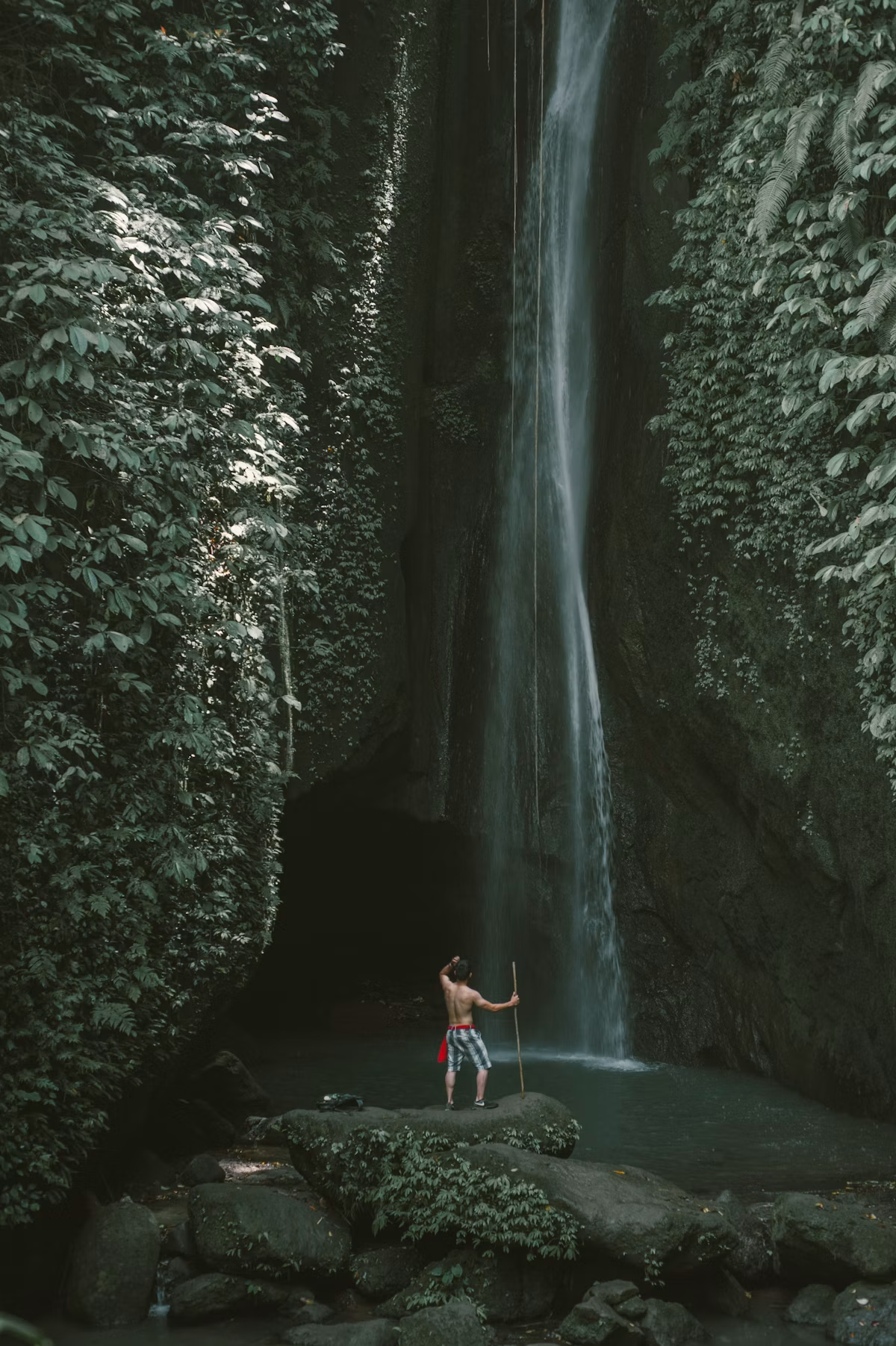
Banyumala Twin Waterfalls & Golden Valley Gorge Hike
Combine two of the central highlands’ most dramatic natural spectacles on an exhilarating canyon hike connecting Banyumala and Golden Valley. Trek along stepped ridge trails lined with wild bamboo and tropical ferns before cooling off in Banyumala’s natural spring-fed basin. It is a quintessential mountain trek showcasing the untouched raw beauty of Bali’s northern watersheds.
 adventure
📍 Munduk
$47.51
adventure
📍 Munduk
$47.51
Sambangan Secret Garden Waterfall Canyoning & Cliff Jump Tour
Plunge into the ultimate adrenaline adventure within the pristine river ravines of the Sambangan Secret Garden. Slide down smooth, rushing natural water flumes and leap from volcanic cliff edges plunging up to 15 meters into deep emerald pools. Guided by certified river experts, this high-energy canyoning journey promises an unforgettable rush in Bali’s lush northern highlands.
Planning a Bali trip?
Explore current destination information, accommodation options, and events before you travel.
Related Travel News & Editorial Dispatches
Stay informed with latest field updates, regulatory notices, and luxury hospitality coverage across Bali and Beyond.
 📍 Munduk
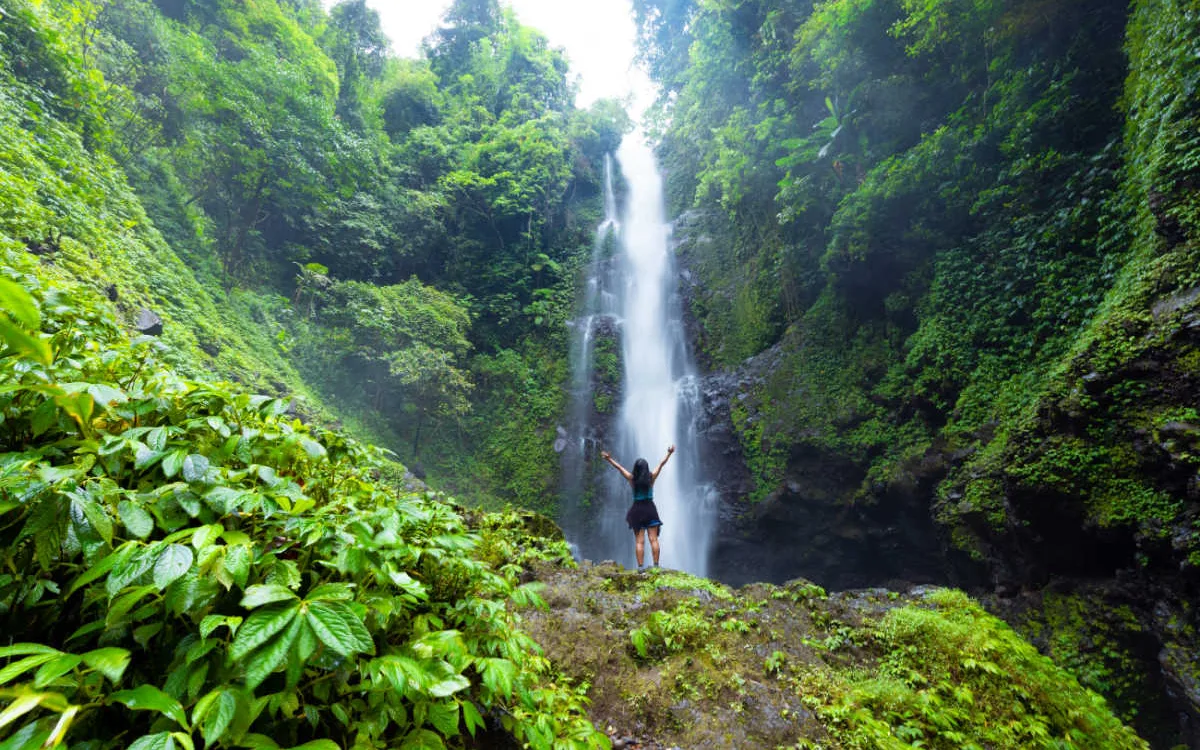
New Eco-Luxury Sanctuaries Emerge in Sidemen and Munduk High Altitude Valleys: Regenerative Bamboo Estates and Subak Permaculture
Discerning travelers gravitate toward Bali's mist-shrouded northern and eastern volcanic ridges as bespoke boutique retreats in Sidemen and Munduk pioneer regenerative architecture, zero-concrete footprints, off-grid micro-hydro power, and deep alliances with ancestral Subak agrarian cooperatives.
 📍 Munduk
Munduk Is The Destination Topping Travel Trending Lists: Here’s What Tourists Need To Know
It’s not hard to see why this stunning north Bali jungle escape is home to some of the most stunning views the island has to offer.
 📍 Munduk
Increase in ticket prices does not affect visits to DTW Ulun Danu Beratan
The policy of adjusting ticket prices to the Ulun Danu Beratan Tourist Destination Area (DTW), Baturiti District, Tabanan, which came into effect on July 1 2026, did not have a significant impact on the number of visits. During the recent school holidays, the level of visits r...
 📍 Munduk
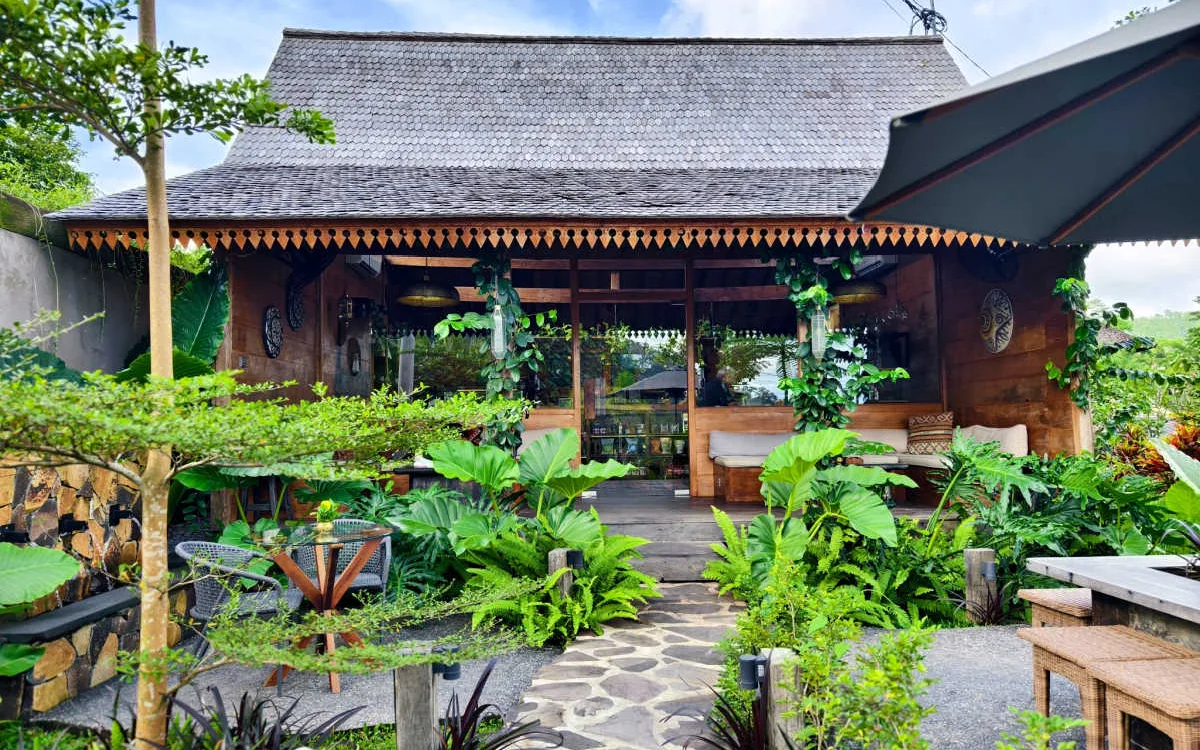
Hidden Jungle Eco-Stays Offer Bali Tourists A Reset For Mind, Body And Soul
From the hills of Tabanan to the riverine jungles of Ubud to the waterfall oasis of Munduk, Bali’s hidden jungle eco-stays are not to be missed by tourists looking to resort mind, body, and soul.
 📍 Munduk
Entrance tickets to Ulun Danu Beratan will increase starting July 1 2026, this is the price
The management of the Ulun Danu Beratan Tourist Destination Area (DTW), Candikuning Village, Baturiti District, Tabanan, confirmed that it will increase the entrance ticket rate for tourists starting July 1 2026. The tariff adjustment applies to domestic and foreign tourists v...
 📍 Munduk
Galungan Holiday, Buyan Lake Becomes Residents' Favorite Fishing Spot
Buleleng residents take advantage of the Galungan holiday in various ways. One of them is enjoying the natural atmosphere while fishing in the Buyan Lake area, Pancasari Village, Sukasada District, Buleleng, Bali.