


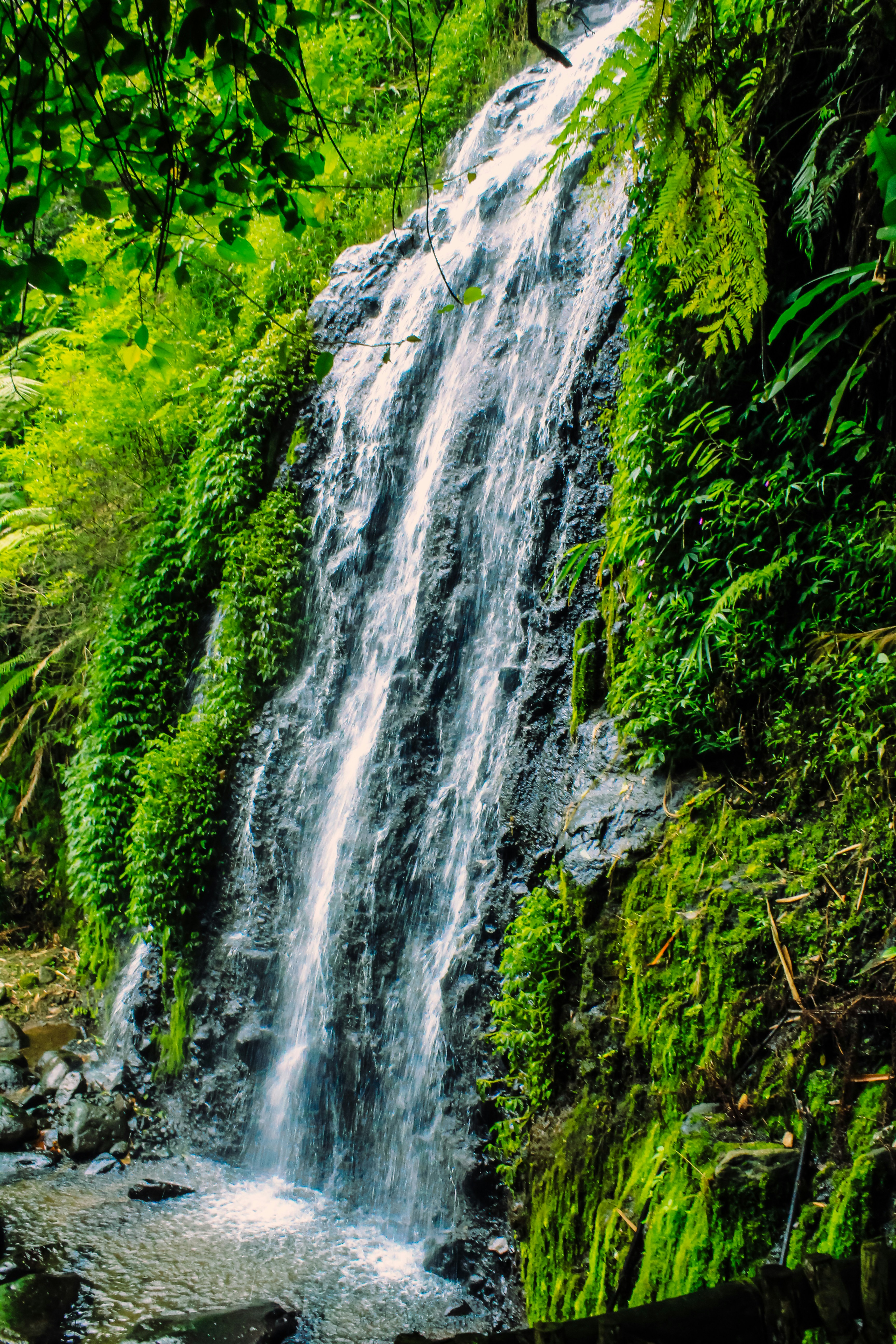
Campuhan Antapan Waterfall
Впечатляющий водопад в глубине дикого ущелья Батурити, окруженный свисающими лианами, зарослями исполинского бамбука и живописными подвесными мостиками над горной рекой.
📜 Исторический контекст и значение
Слово «Кампухан» означает сакральное слияние двух рек. Старейшины деревни Антапан веками почитали это место как точку мощного средоточия природной энергии, дарующей гармонию и духовную защиту.
Официальные тарифы на входные билеты
| Категория посетителей | Официальный тариф (IDR) | Est. (USD) | Что включено и примечания |
|---|---|---|---|
| Domestic / WNI (Adult) | IDR 15.000 | $0.84 | WNI Adult ticket |
| Domestic / WNI (Child) | IDR 10.000 | $0.56 | WNI Child ticket |
| Foreign Tourist (Adult) | IDR 20.000 | $1.13 | General ravine and suspension bridge access |
| Foreign Tourist (Child) | IDR 10.000 | $0.56 | Child ticket (ages 5-11) |
Балийский культурный этикет и правила Awig-Awig
Официальные правила деревенского адата и протокол священных мест для Campuhan Antapan Waterfall.
Рекомендуется обувь с цепкой подошвой для влажных деревянных и бамбуковых настилов, а также комплект сухой сменной одежды в герметичном чехле.
Правила общины Антапан (Авиг-Авиг): в целях безопасности проходить по подвесным бамбуковым мостам строго по одному человеку. Категорически запрещено повреждать реликтовые растения и вырезать надписи на бамбуке.
Полеты дронов разрешены. Полеты над ущельем разрешены; соблюдайте максимальную осторожность из-за натянутых тросов мостов и свисающих лиан, опасных для винтов дрона.
Мотоцикл/скутер: IDR 2.000
Легковой автомобиль: IDR 5.000
Transportation & Access Radar
Zero ride-hailing services (Grab/Gojek) in rural Antapan. Must hire private car with driver or self-drive scooter.
FLASH FLOOD ADVISORY: Campuhan Antapan is a narrow river confluence gorge. During heavy rainfall in the Bedugul/Batukaru headwaters (especially November to March), flash flood surges can occur rapidly. Immediately exit the riverbed and canyon if the water turns murky brown or if the current begins rising suddenly. Bamboo footbridges and stone stairs become very slick when damp; hold onto guide ropes at all times.
Радар высоты и доступности
Навигация и транспорт
Архитектурные и визуальные акценты (7 фото)
Campuhan Antapan Waterfall — Twin river streams cascading through lush Indonesian highland jungle amphitheater and hanging vines.
Photo: Faris Afif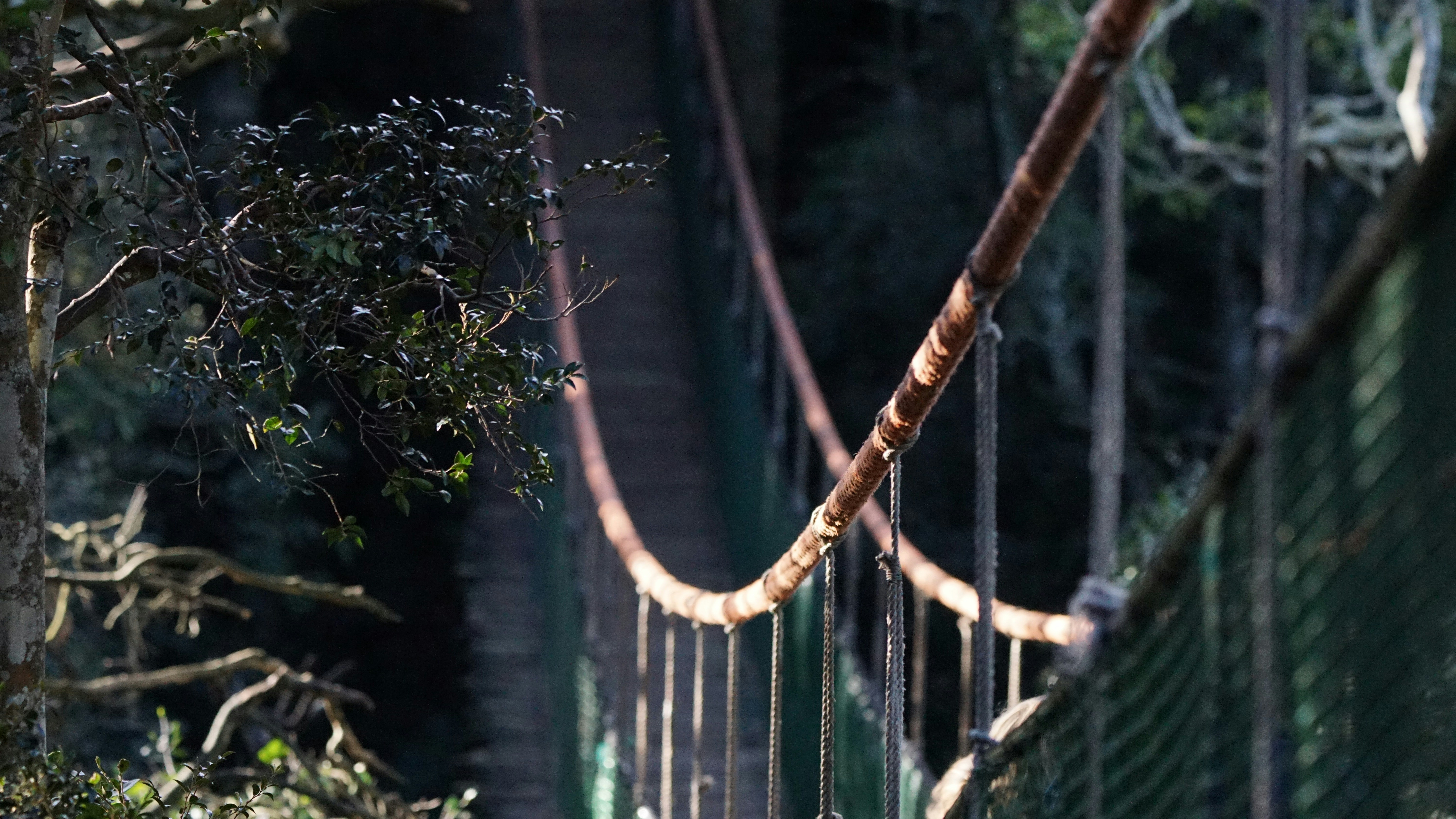
Campuhan Antapan Waterfall — Rustic bamboo & timber suspension bridge spanning the forested river gorge.
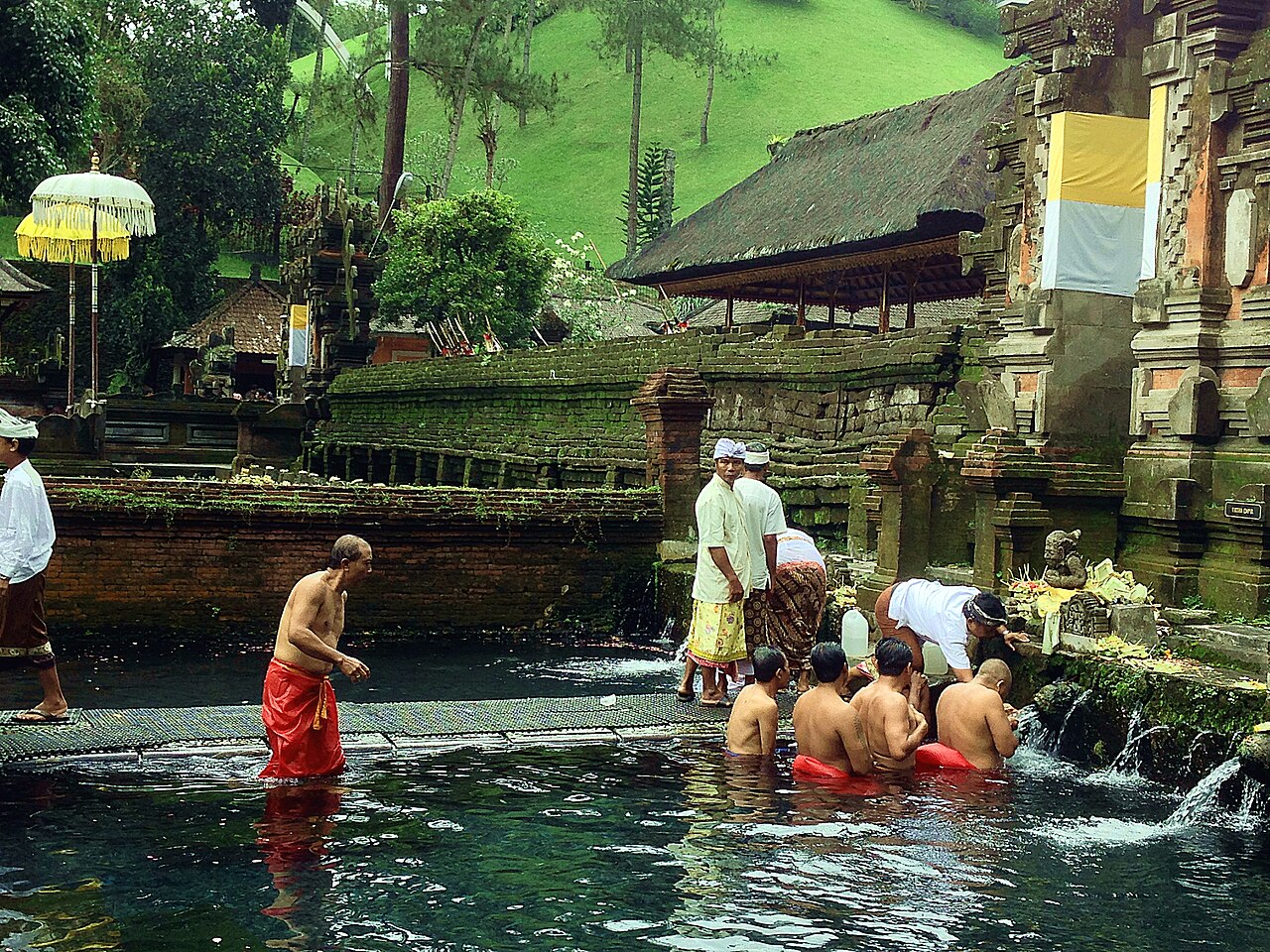
Campuhan Antapan Waterfall — A beautiful and old Hindu temple which hosts rituals. The temple has holy springs in which devotees bathe.
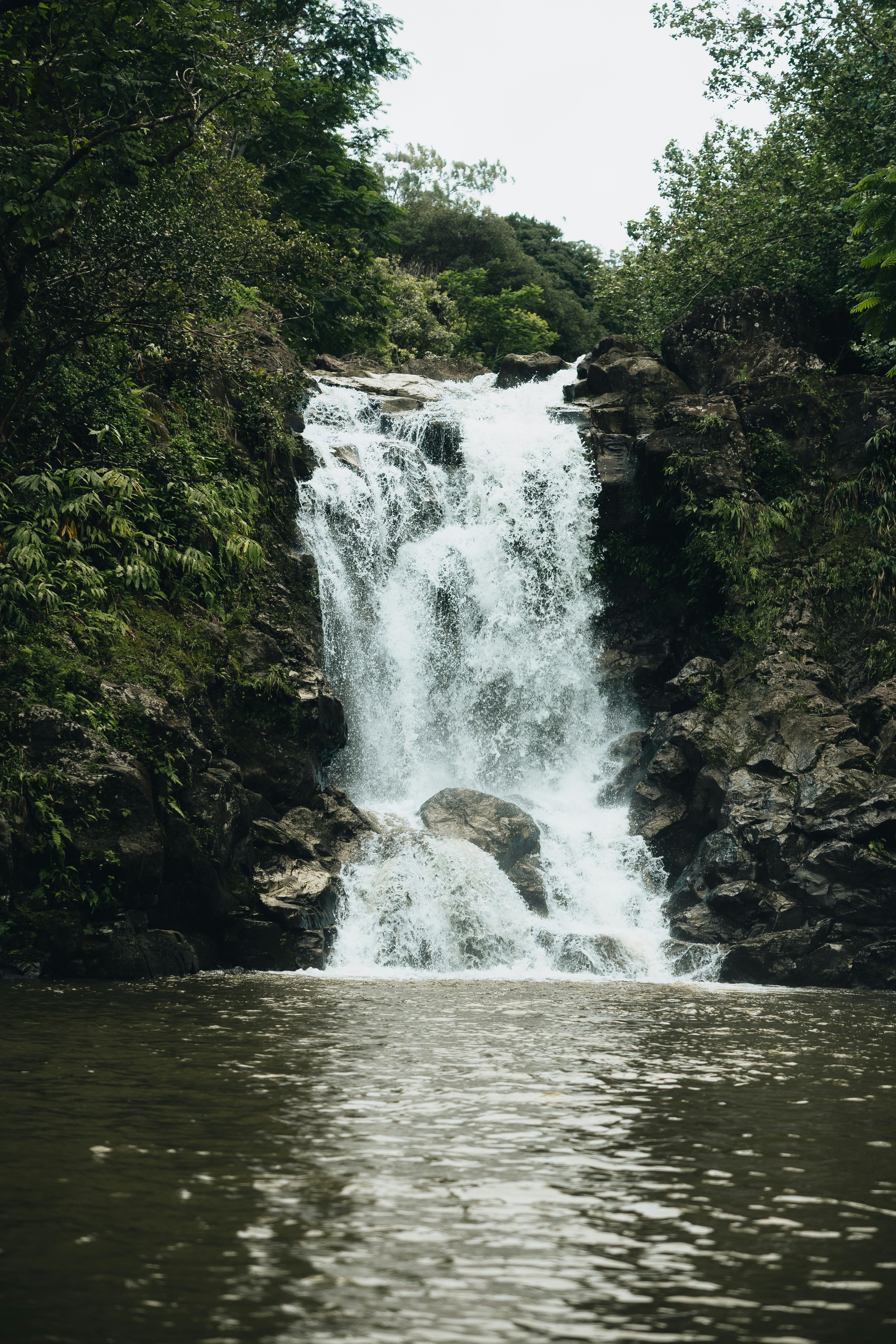
Campuhan Antapan Waterfall — Emerald river plunge basin formed at the base of the cascade surrounded by mossy river boulders.
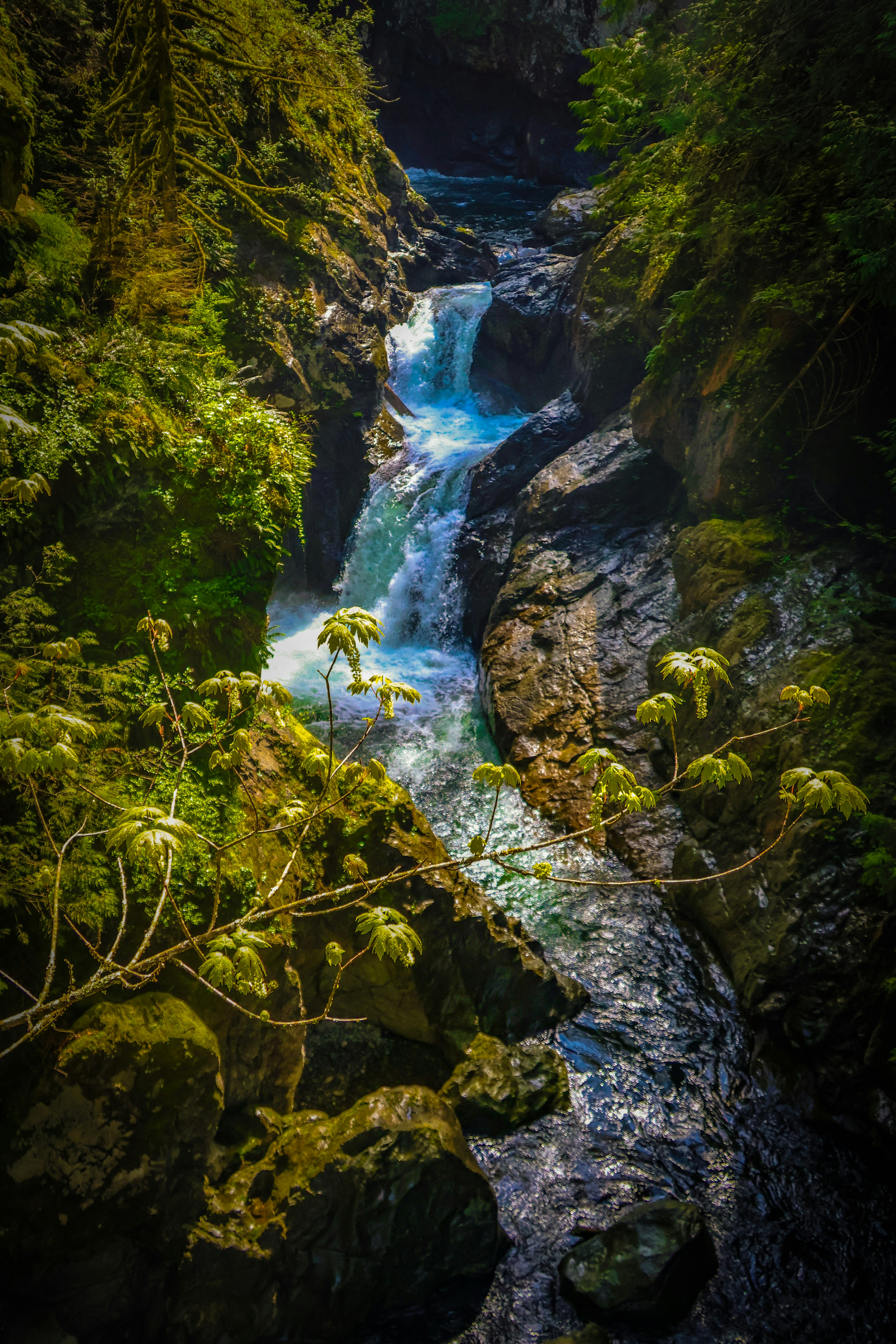
Campuhan Antapan Waterfall — Volcanic rock canyon gorge where rushing mountain streams merge.
Культурный, исторический и архитектурный гид
Comprehensive Cultural & Geographic Guide: Campuhan Antapan Waterfall
1. Comprehensive Overview & Cultural Significance
Concealed within a dramatic, mist-shrouded jungle gorge in central Bali’s Tabanan Regency, Campuhan Antapan Waterfall stands as one of the island's most enchanting and spiritually resonant natural treasures. Located in the highland agrarian village of Antapan, Baturiti District—midway between the artistic cultural capital of Ubud and the cool volcanic lakes of Bedugul—this remarkable landmark offers an authentic escape into Bali's untamed natural interior. While southern waterfalls are often crowded with commercial day-trippers, Campuhan Antapan retains the mysterious, tranquil aura of an ancient, forgotten sanctuary where the roar of cascading water echoes through a cathedral of giant bamboo and hanging jungle lianas.
In the Balinese spiritual lexicon, the word Campuhan holds profound philosophical weight. Denoting the sacred intersection where two rivers merge into one, a campuhan is revered across Bali as a cosmic vortex of natural cleansing and spiritual equilibrium. At Campuhan Antapan Waterfall, nature has crafted an extraordinary amphitheater where two rushing mountain streams unite, cascading over towering volcanic ledges into a crystal-clear emerald river basin. The site feels suspended in time, evoking the primal majesty of Bali before the advent of modern tourism, where nature, myth, and human devotion intertwine seamlessly.
Under the thoughtful, community-led stewardship of Desa Adat Antapan, the waterfall has been accessible through an eco-conscious network of rustic bamboo suspension bridges and terraced walking trails. Visitors who make the journey here discover not merely a scenic waterfall, but a multi-sensory pilgrimage into the heart of Balinese river culture. From the refreshing mountain air scented with wild ginger and damp earth to the exhilarating experience of crossing bamboo footbridges swinging gently over rushing torrents, Campuhan Antapan delivers an unforgettable adventure rooted in deep cultural authenticity.
2. Exact Geographic Positioning & Micro-Terrain
Campuhan Antapan Waterfall is situated in the central mountain highlands of Bali, positioned precisely at latitude -8.3347 and longitude 115.2014, within Antapan village, Baturiti District, Tabanan Regency. Perched at an elevation of approximately 620 meters above sea level, the waterfall enjoys an invigorating, temperate highland climate. Daytime temperatures generally hover around a comfortable 22°C to 26°C, with cool, refreshing breezes continuously channeling down the river ravine from the northern peaks of Mount Batukaru and the Beratan caldera rim.
The micro-terrain of Antapan is characterized by deeply incised river ravines that slice through rolling agricultural highlands. To reach the waterfall, travelers turn off the main Denpasar-Singaraja mountain highway onto a quiet, paved rural road that winds through terraced vegetable farms, cacao orchards, and bamboo groves. At the village trailhead, the landscape drops dramatically into the river canyon, enveloped by towering forest canopies that block out the heat of the midday sun.
The physical difficulty rating for exploring Campuhan Antapan Waterfall is classified as MODERATE. The descent into the gorge involves approximately 110 concrete and earthen steps interspersed with sloped pathways and rustic bamboo suspension bridges. The trail is well-maintained by the local village cooperative, equipped with bamboo and rope handrails along steep sections. While the descent takes only seven to ten minutes, hikers must exercise mindful footing, as persistent river spray and mountain humidity can make stone steps and wooden planks slick. Sturdy walking shoes or hiking sandals with aggressive rubber grip are strongly recommended over smooth-soled street shoes or casual flip-flops.
The botanical microclimate along the descent is extraordinarily rich. Dense stands of wild bird of paradise (Strelitzia), giant tree ferns (Cyathea), native bamboo varieties, and flowering costus ginger line the switchbacks, creating a vibrant tropical corridor that cools travelers as they descend deeper into the canyon. Dew-laden mosses coat the vertical rock banks, while mountain butterflies and vibrant dragonflies flit across the sunlit clearings. This intermediate descent serves as a tranquil natural decompression zone, preparing visitors mentally and spiritually for the sacred river meeting point below.
At the bottom of the ravine, the terrain opens into a series of gravel riverbanks, natural stone promontories, and wooden resting platforms nestled beneath ancient banyan trees. The unique topography allows visitors to explore both sides of the river confluence via the interconnected suspension footbridges, offering ever-changing viewpoints of the falls from multiple elevations and perspectives.
The hydraulic dynamic of the confluence itself is visually captivating. Where the two streams collide, miniature whirlpools and frothing white-water eddies form around smooth river boulders before smoothing into a tranquil emerald wading pool downstream. The water maintains a crisp, invigorating temperature of roughly 19°C to 21°C, providing a deeply refreshing contrast to the humid tropical atmosphere of the gorge. Natural gravel banks along the water's edge provide comfortable, stable areas to sit, remove footwear, and dip tired feet into the restorative mountain currents.
3. Mythological Genesis & Sacred Lore
In the sacred cosmography of Balinese Hinduism, water is the primary medium of spiritual purification, and confluences of mountain rivers are recognized as sacred sanctums of the highest order. The mythological origins of Campuhan Antapan are deeply rooted in the ancient religious traditions of Tabanan, an agrarian kingdom historically celebrated as the primary "Rice Bowl of Bali." According to local folklore, the two rivers that converge at Antapan represent complementary cosmic forces: the masculine solar energy (Purusa) and the feminine lunar energy (Pradana). Their union at the waterfall is believed to generate an aura of perpetual harmony that blesses the entire valley with agricultural abundance and spiritual protection.
Local village elders preserve captivating oral narratives of ancient holy sages (rsi) who were guided to this hidden ravine by divine visions. The sages recognized the roaring waterfall as a place of profound spiritual power, where the kinetic turbulence of the water naturally dispels negative thought forms and subtle energetic impurities (mala). In historical eras, pilgrims from across Tabanan and Gianyar would undertake arduous walking journeys to Antapan to perform Melukat purification ceremonies beneath the waterfall's spray, praying for recovery from illness, fertility blessings, and inner peace.
Nestled against the basalt cliff near the base of the cascade stands a consecrated stone water shrine (Pelinggih Beji). Decorated with traditional sacred yellow textiles and protected by carved stone guardian figures (dwarapala), this shrine serves as the spiritual heart of the ravine. Village priests and local caretakers place freshly crafted Canang Sari offerings at the shrine daily, wafting incense smoke into the river mist while uttering quiet mantras of thanksgiving to Dewi Danu and Ida Bhatara Campuhan. Mindful travelers are invited to observe these simple rituals with quiet reverence, feeling the deep spiritual pulse that has animated this sacred gorge for centuries.
4. Chronicle of River Stewards, Sages & Agrarian History
The historical evolution of Campuhan Antapan Waterfall is an inspiring testament to the resilience and vision of traditional Balinese community governance. For centuries, the deep gorge remained an intimate village secret, known almost exclusively to local farmers who descended the steep cliffs to maintain their irrigation intakes and harvest wild medicinal herbs that flourish in the humid river microclimate. The surrounding plateaus have been cultivated for generations under the ancient Subak system, producing prize-winning heritage rice, Arabica coffee, cloves, and tropical highland vegetables.
In recent years, as the main Denpasar-Singaraja highway became increasingly busy with commercial traffic heading toward Bedugul and northern Bali, the elders of Desa Adat Antapan recognized the opportunity to create a sustainable, community-owned eco-tourism destination that would protect their pristine river canyon from external commercial exploitation while generating meaningful local employment for village youth. Rejecting offers from outside corporate investors to build commercial amusement parks or concrete zip-lines, the village council voted to preserve the canyon's natural, organic character.
Mobilizing through the traditional Balinese practice of gotong royong (collective mutual assistance), the villagers pooled their skills to design and build the infrastructure with their own hands. Local master bamboo carpenters built the graceful suspension bridges that span the river, while young men from the banjar carved out the hillside pathways, reinforcing steep embankments with living bamboo root structures and dry-stone masonry. Today, the waterfall is operated entirely as a village cooperative. All entry revenues are deposited into the communal village treasury, directly funding community health services, village school infrastructure, and the perpetual ceremonial upkeep of the village’s ancestral temples.
5. Architectural Anatomy, Canyon Geology & Water Formations
The architectural anatomy of Campuhan Antapan Waterfall represents an extraordinary symbiosis between raw geological magnificence and eco-conscious, traditional Balinese engineering. Spatially, the complex adheres rigorously to the sacred Balinese spatial doctrine of Tri Mandala:
- Nista Mandala (Outer Arrival Perimeter): The upper parking concourse situated at the edge of the rural village road, comprising vehicle parking areas, a modest bamboo registration kiosk, clean local restroom facilities, and small family-run refreshment warungs serving local coffee and seasonal fruits.
- Madya Mandala (The Canyon Descent Corridor): The steep, terraced walking path that winds through towering groves of giant bamboo (Dendrocalamus asper), tree ferns, and flowering ginger. This transitional descent allows travelers to decompress, leaving the mundane world behind as the roar of the river grows steadily louder.
- Utama Mandala (The Sacred Confluence Amphitheater): The innermost geological chamber at the river bottom, encompassing the fifteen-meter cascading waterfall, the natural plunge pool, the streamside offering shrine, and the interconnected bamboo suspension bridges.
Geologically, the canyon is carved into volcanic tuff and agglomerate rock formed during the Pleistocene epoch by eruptions from the nearby Bratan and Batukaru volcanic centers. The main cascade drops approximately fifteen meters in a broad, curtain-like sheet of water over a convex basalt ledge, crashing onto a bed of rounded river boulders and gravel. The force of the water has sculpted a wide, shallow plunge pool that is remarkably safe for wading and splashing, free from the dangerous deep siphons found in narrow slot canyons.
The highlight of the site's human architecture is the network of bamboo suspension bridges. Crafted from treated giant petung bamboo and secured with galvanized steel cables, these bridges sway gently as visitors cross, providing thrilling, unobstructed views directly down into the swirling confluence of the two river currents. The natural bamboo materials blend harmoniously into the surrounding rainforest canopy, creating an organic aesthetic that honors the pristine environment rather than dominating it.
6. Essential Etiquette, Awig-Awig & Taboos
To maintain the supreme environmental purity, visitor safety, and sacred sanctity of Campuhan Antapan Waterfall, Desa Adat Antapan enforces traditional customary bylaws (awig-awig):
- Bridge Crossing Safety: The bamboo suspension bridges are handcrafted organic structures. Visitors must cross in a calm, orderly fashion, maintaining a maximum capacity of six persons on a single bridge at any time. Running, jumping, or intentionally rocking the bridges is strictly forbidden under village safety regulations.
- Respectful Attire & Modesty: While wading and swimming in the river basin is welcomed, visitors must maintain cultural modesty. Nude swimming, topless sunbathing, and skimpy thongs are completely prohibited in accordance with traditional Balinese moral codes. Lightweight athletic shorts, swim tops, and t-shirts are recommended.
- Sacred Water Protection: The rivers meeting at Campuhan Antapan are active subak lifelines feeding agriculture across Tabanan. The use of chemical soaps, shampoos, detergents, or synthetic oils in the water is strictly prohibited. Sunscreens should be applied well before entering the water, with eco-friendly mineral formulas strongly encouraged.
- Sanctity of Shrines & Offerings: The riverside pelinggih shrine is a consecrated place of worship. Visitors must never touch sacred carvings, sit on shrine foundations, or place personal items upon offering altars. If village priests are presenting ceremonial offerings, maintain a respectful distance of at least five meters.
- Strict Leave-No-Trace Mandate: Discarding plastic wrappers, cigarette butts, or food containers anywhere in the canyon is an offense against village customary law. All waste must be carried out and placed in the sorting receptacles located at the upper trailhead.
7. Practical Logistics & Optimal Timing
Visiting Campuhan Antapan Waterfall is a deeply rewarding highland adventure that fits seamlessly into travel plans between southern Bali and the central lakes:
- Optimal Time of Day: The quintessential window to visit is between 09:00 and 12:00. During these mid-morning hours, bright highland sunlight streams directly into the east-facing gorge, illuminating the hanging curtain vines and turning the spray into shimmering golden mist. Afternoon visits (13:30–16:00) offer a cooler, atmospheric experience, though travelers should monitor the sky for sudden mountain rain showers common in the Bedugul highlands.
- Operating Hours: Open daily from 08:00 to 17:00. The ticket office closes at 16:30 to ensure all visitors have safely returned up the canyon stairs before nightfall.
- Transportation Access: Located in Antapan village, Baturiti, approximately 45 minutes north of Ubud or 20 minutes south of Lake Beratan via the main Denpasar-Singaraja highway. Due to the rural highland location, online ride-hailing apps (Grab and Gojek) have zero pick-up service in Antapan. Travelers must arrange a private hire car with a driver for the day or rent a scooter (for confident riders experienced with highland mountain roads).
- Road Conditions: The turnoff from the main highway leads along a paved, single-lane village road in good condition. Parking is available at the trailhead for both cars and motor scooters.
- Recommended Gear: Sturdy trekking sandals or water shoes with deep rubber traction, quick-dry clothing, a lightweight rain poncho, a waterproof dry bag for electronics, and a small towel. Clean bamboo changing cubicles and restrooms are available near the entrance.
8. Entry Tariffs & Transparent Inclusions
The entry tariff structure at Campuhan Antapan Waterfall is established transparently by the village cooperative council of Desa Adat Antapan:
- Foreign Adult Entry Ticket: IDR 20,000 (approximately USD $1.25)
- Foreign Child Entry Ticket (Ages 5–11): IDR 10,000 (approximately USD $0.65)
- Domestic Indonesian Adult: IDR 15,000
- Domestic Indonesian Child: IDR 10,000
- Vehicle Parking Fees: IDR 5,000 for private cars; IDR 2,000 for motor scooters.
- Children Under 5 Years: Free admission.
Transparent Inclusions: Every admission ticket includes unrestricted access to the entire waterfall gorge, the bamboo suspension bridges, river wading pools, viewing platforms, and clean restroom facilities. Unlike commercial tourist parks with hidden surcharges, Campuhan Antapan operates with absolute transparency. Modest refreshment stalls operated by local village families at the parking concourse offer chilled fresh young coconuts (IDR 20,000), hot Balinese coffee (IDR 10,000), and bottled water at fair local prices.
Every ticket purchased directly supports the agrarian families of Antapan, funding community welfare, educational assistance, and the ecological conservation of the river canyon. Visitors receive an official stamped paper receipt upon payment at the village registration kiosk.
9. Sustainable Tourism & Respectful Exploration
Campuhan Antapan Waterfall exemplifies the profound harmony that can exist when rural Balinese communities steward their own natural heritage:
- Direct Community Investment: By visiting Campuhan Antapan, your admission fee directly empowers the local farmers and craftsmen of Antapan village. It ensures that rural families have sustainable economic alternatives, allowing them to remain on their ancestral lands and maintain their cultural traditions without selling out to external developers.
- Protecting River Biodiversity: The cool, unpolluted waters of the Antapan canyon harbor rare freshwater fish, river crabs, and diverse amphibian species that are disappearing from more developed parts of the island. By respecting village rules, avoiding chemical contaminants, and staying on designated paths, travelers help preserve this fragile highland ecosystem.
- A Journey of Sensory Reconnection: In our fast-paced modern world, Campuhan Antapan offers a rare opportunity to disconnect from technology and reconnect with the primal forces of nature. Walking across swinging bamboo bridges suspended above rushing mountain streams, feeling the cool spray on your face, and listening to the thunderous roar of sacred waters, you experience the timeless, untamed soul of Bali at its most authentic.
Mythological Origins, Foundation Chronicles & Sacred River Folklore of Campuhan Antapan Waterfall
In the esoteric spiritual landscape of Bali, the term Campuhan (or Tjampuhan) is never merely a geographical descriptor; it signifies an intensely sacred vortex of spiritual confluence. In classical Balinese Hindu metaphysics, whenever two distinct river streams merge into a single unified current, an extraordinary concentration of cosmic spiritual energy (prana sakti) is generated. Campuhan Antapan Waterfall, secluded within the misty highland valleys of Antapan village in Tabanan's Baturiti district, represents one of central Bali’s most venerated natural confluences. According to ancient palm-leaf scriptures (lontar) preserved in central Bali, river confluences represent the physical meeting point of solar and lunar cosmic energies (Rwa Bhineda), transforming the surrounding waters into potent agents of energetic neutralization and spiritual rebirth.
Oral traditions passed down by the village elders (Panglingsir Desa Adat Antapan) recount that for centuries, the gorge was guarded as a sanctified purification sanctuary (patirtaan pasucian). Highland hermits, royal emissaries from the Court of Tabanan, and local village healers (balian) would descend the steep jungle cliffs to perform Melukat—the sacred Balinese water purification ritual. By immersing themselves in the roaring waters where the two mountain streams collide, seekers cleansed their aura of spiritual impurities (leteh), neutralised malevolent energies (guna-guna), and sought divine blessings for agricultural fertility and personal protection.
The site is intrinsically linked to the worship of Dewi Danu, the supreme goddess of Lake Beratan and volcanic headwaters, as well as the local river guardians known as Ida Bhatara Campuhan. Beside the natural rock ledges where the waters plunge, a time-honored stone altar (Pelinggih Beji) stands wrapped in ceremonial black-and-white checkered cloth (kain poleng). Local village priests regularly present elaborate Banten Pejati and daily Canang Sari offerings filled with mountain flowers, betel leaves, and burning incense. Village custom dictates that all who approach the roaring cataract must maintain quiet humility, offering a silent prayer of respect to the resident spirits before stepping into the sacred waters, ensuring that the ancient energetic harmony of the gorge remains pristine and undisturbed.
River Canyon Geology, Subak Waterways & Natural Formations of Campuhan Antapan Waterfall
From a geological perspective, Campuhan Antapan Waterfall is a dramatic product of central Bali's volcanic and fluvial dynamics. Situated at an elevation of approximately 620 meters above sea level along the transitional plateau between Ubud's rolling foothills and the high volcanic caldera of Bedugul, the site occupies a deeply incised river canyon carved into thick layers of volcanic tuff, pyroclastic flow deposits, and dense basaltic andesite. Over millennia of hydraulic erosion, the confluence of two torrential mountain streams carved a narrow, vertical-walled amphitheater that drops more than twenty-five meters below the surrounding agricultural plateaus.
The waterfall itself features a powerful, curtain-like drop of approximately fifteen meters, where water sheets across a broad, concave volcanic rock ledge into a natural plunge basin. The structural geometry of the gorge creates a natural acoustic chamber; the sound of falling water echoes between the sheer volcanic cliffs, generating a resonant sonic hum that masks all outside noise. The sheer rock faces are festooned with hanging aerial root systems, thick curtain lianas (Cissus), and ancient bird's nest ferns that cling tenaciously to moisture-laden rock crevices, forming a living vertical hanging garden.
Human structural interventions in the canyon have been crafted with exceptional ecological sensitivity. Rather than pouring rigid concrete bridges that disrupt the natural river dynamics, the community of Antapan constructed rustic suspension footbridges utilizing local giant bamboo (Dendrocalamus asper) and steel cables anchored into solid bedrock. These bridges span the swirling currents, allowing visitors to walk directly above the roaring confluence without disturbing the riverbed. Downstream from the main cascade, the river feeds directly into the ancient Subak Antapan irrigation system, where hand-carved stone weirs divert mineral-rich mountain water through terraced rice paddies, coffee groves, and highland vegetable gardens before continuing its southward journey toward the central plains of Tabanan.
Frequently Asked Questions & Local Logistics
Key logistical insights, official tariffs, and customary etiquette for Campuhan Antapan Waterfall.
Top Curated Stays Near Campuhan Antapan Waterfall
Проверенные отели в радиусе 8 км, отсортированные по отзывам и близости.

Homm Saranam Baturiti

Pondok Nyoman Bedugul

Mina Baturiti Hotel and Resto

KAMANIcamp
Кураторские экскурсии рядом с Campuhan Antapan Waterfall
Curated guided tours and local adventures operated within easy transit of this landmark.

Mount Batur Sunrise Summit Trek with Hot Springs
Pre-dawn summit ascent across volcanic basalt ridges to watch the sunrise above Lake Batur and Mount Rinjani, followed by restorative thermal hot springs.

Ayung River Class II-III White Water Rafting
Thrilling 11-kilometer descent through the pristine rainforest gorges of Ubud, skimming past ancient Hindu rock carvings and hidden waterfall cascades.

Ubud Jungle ATV Quad Bike & Gorilla Cave Expedition
Off-road quad biking across rice fields, bamboo forests, muddy riverbeds, and through the dramatic hollow mouth of the Gorilla Cave.