


Kawah Ijen Midnight Blue Fire Expedition & Acid Lake
Nocturnal descent into the volcano crater to observe electric blue sulfuric flames and sunrise over turquoise acid waters.

Essential Activity Facts & Specs
Why This Experience Matters
坐落于Banyuwangi & Ijen Crater壮丽的自然风貌之中,【Kawah Ijen Midnight Blue Fire Expedition & Acid Lake】为旅行者提供了一场深入探索印尼热带生态与人文底蕴的经典探险之旅。这里拥有原始的河谷峡谷、郁郁葱葱的热带雨林以及壮阔的山峦景观,让人远离都市喧嚣,沉浸于大自然的宁静与生机。
整个行程在经验丰富的当地持证向导带领下有序展开。Nocturnal descent into the volcano crater to observe electric blue sulfuric flames and sunrise over turquoise acid waters。参与者将穿越多样的自然地形,领略原生态自然奇观,沿途欣赏当地野生动植物,并体验纯正的地道风土人情与探索乐趣。
该项目配备专业安全防护装备并严格执行安全准则。同时遵循可持续生态旅游理念,严格执行无塑料垃圾环保规定,行程收益直接赋能当地乡村向导合作社,助力自然生态与文化传承。
⏱️ 行程路线与时间轴节点
-
1
00:00 - 00:45 : 午夜专车至外南梦(Banyuwangi)或客达邦区域酒店接乘出发
-
2
00:45 - 02:00 : 夜间乘车前往宜珍火山脚下海拔1,850米帕图丁(Paltuding)徒步大本营
-
3
02:00 - 02:15 : 健康合格证明核验并佩戴调试专业双滤盒防硫磺防毒面具
-
4
02:15 - 04:00 : 在持证高山向导带领下夜爬山路,登上海拔2,386米宜珍火山口边缘
-
5
04:00 - 05:15 : 沿火山口小径小心下探,近距离目睹全球罕见的幽蓝火(Blue Fire)奇观
-
6
05:15 - 06:30 : 守候高山壮美日出,俯瞰世界最大高浓度绿松石色酸性火山口湖全景
-
7
06:30 - 08:00 : 沿风景优美的山间步道缓步下撤回帕图丁大本营,享用简便热早餐
-
8
08:00 - 09:30 : 乘空调专车返程,安全送抵外南梦酒店大堂
✅ 费用包含项目
- ✓ 持证当地专业高山向导及宜珍火山口领队
- ✓ 专业双滤盒防硫磺防毒面具及护目镜
- ✓ 超高流明LED登山头灯及轻量铝合金登山杖借用
- ✓ 宜珍自然保护区入山许可证及健康体检合格核验
- ✓ 外南梦(Banyuwangi)及客达邦码头空调专车往返接送
❌ 费用不包含项目
- ✕ 当地诊所出具的基础健康体检证明(约30,000-50,000印尼盾)
- ✕ 当地传统人力硫磺矿工推车/木制滑车租赁费用(Troly)
- ✕ 酒精饮料、零食补给及个人纪念品消费
- ✕ 给登山向导及司机的自愿小费
Complete Field Guide & Visitor Intelligence
Kawah Ijen Midnight Blue Fire Expedition & Acid Lake: Comprehensive Island Guide & Expedition Overview
The destination corridor of Banyuwangi & Ijen Crater in Banyuwangi represents one of the most compelling geographic settings across the Indonesian archipelago. While mainstream travel itineraries frequently condense regional visits into hasty photo stops, this in-depth field guide explores Kawah Ijen Midnight Blue Fire Expedition & Acid Lake as an immersive, context-rich journey. Designed for cultural explorers, nature enthusiasts, and adventurous travelers, this guide synthesizes geological foundations, historical traditions, hour-by-hour route navigation, technical terrain ratings, and sustainable conservation protocols.
1. Geographic Setting & Geological Foundations of Banyuwangi & Ijen Crater
The regional topography surrounding Banyuwangi & Ijen Crater in Banyuwangi is characterized by dynamic landforms shaped over millennia by tectonic and volcanic activity. The interplay of high-altitude volcanic ridges, fertile volcanic soils, and rushing river gorges creates a distinct microclimate with temperate mornings, humid afternoons, and brisk highland breezes. Elevation gradients across this zone range from sea-level coastal plains up to towering volcanic slopes, fostering lush subtropical agroforests, bamboo belts, and tiered rice terraces.
Water is the dominant sculptor of this landscape. Rain falling on the upper mountain catchments permeates deep into porous basaltic and volcanic tuff aquifers, re-emerging downstream in the form of crystalline artisan springs, subterranean caves, and thundering waterfalls. Across Banyuwangi, these river networks provide life-giving hydration to surrounding agricultural ecosystems and sustain critical freshwater habitats. Understanding this unique hydrological and geological framework enhances appreciation of Kawah Ijen Midnight Blue Fire Expedition & Acid Lake, highlighting how the physical terrain directly dictates route logistics, seasonal river discharge, and trail conditions throughout the year.
Furthermore, the mineral richness of the volcanic substrate fuels remarkable botanical vigor. Towering banyan canopies, wild fig trees, giant bamboo groves, and native ferns create a dense green canopy overhead that regulates understory temperatures. When navigating through Banyuwangi & Ijen Crater, travelers move through distinct vegetative zones, each supporting specialized micro-habitats for native avian species, butterflies, and small forest mammals.
In addition to topography and freshwater drainage, the atmospheric dynamics of Banyuwangi & Ijen Crater are governed by maritime wind currents and daily thermal shifts. Along coastal expanses, steady offshore morning breezes give way to predictable trade winds, creating optimal windows for marine navigation and watersports. Inland valleys and mountain ridges experience gentle upslope air movement that cools tropical midday heat, offering invigorating microclimates for physical activity. Recognizing these atmospheric patterns enables participants to appreciate the optimal departure timings established by local expedition marshals.
2. Cultural Lore, Regional Heritage & Local Community Stewardship
Beyond its sheer physical appeal, Banyuwangi & Ijen Crater possesses deep ancestral significance. Local communities maintain a profound philosophy of harmony—exemplified in Bali by Tri Hita Karana (the balanced coexistence between humanity, nature, and the spiritual realm). Every natural feature, from towering ancient banyan trees (Ficus benjamina) and sheer limestone gorges to roaring river confluences (Campuhan), is regarded as a sacred precinct inhabited by ancestral spirits and elemental forces.
Traditional customary village institutions (Desa Adat) and local agricultural irrigation societies (Subak) play a crucial role in safeguarding these sites. In this region of Banyuwangi, communal land management and spiritual oversight ensure that natural corridors remain protected against unbridled commercial development. Local ceremonies regularly sanctify water sources, agricultural harvests, and sacred groves with fragrant floral offerings (canang sari) and incensed prayers.
Travelers participating in Kawah Ijen Midnight Blue Fire Expedition & Acid Lake are welcomed not merely as commercial patrons, but as honored guests within an active, living ecosystem. Respecting local customary dress codes, observing quiet decorum during temple ceremonies, and listening to the oral lore shared by native guides provides meaningful cultural depth that elevates this experience far above ordinary resort tourism. By engaging directly with village custodians, visitors gain rare perspective on how ancient values continue to guide modern environmental ethics.
3. Complete Experience Schedule & Hour-by-Hour Daily Flow
Successful participation in this experience requires precise scheduling aligned with regional conditions. The following progression reflects authentic field operations:
00:00 - 00:45  | Midnight Hotel Pickup Across Banyuwangi & Ketapang Gateway Accommodations
00:45 - 02:00  | 4WD / Overland Mountain Transit to Paltuding Base Camp (1,850m)
02:00 - 02:15  | Medical Clearance & Industrial Twin-Cartridge Sulfur Gas Mask Fitting
02:15 - 04:00  | Guided 3km Caldera Ascent with Certified Mountain Guide and Headlamp
04:00 - 05:15  | Crater Descent to Witness Electric Blue Fire Phenomenon & Sulfur Miners
05:15 - 06:30  | Sunrise over World's Largest Acidic Crater Lake & Turquoise Caldera Panorama
06:30 - 08:00  | Scenic Rim Descent to Paltuding Base Camp & Morning Hot Drinks/Light Breakfast
08:00 - 09:30  | Comfortable Air-Conditioned Return Transit & Hotel Drop-off in Banyuwangi
Phase-by-Phase Operational Highlights
Departing around midnight from Banyuwangi, travelers ascend to Paltuding base camp to begin this nocturnal volcanic expedition. Nocturnal descent into the volcano crater to observe electric blue sulfuric flames and sunrise over turquoise acid waters. Outfitted with professional sulfur gas masks, hikers ascend the caldera rim under starlight to witness the mesmerizing electric blue flames and the turquoise acidic crater lake at sunrise.
4. Technical Difficulty, Terrain Analysis & Physical Demands
This experience is officially rated as Strenuous difficulty. A thorough understanding of terrain demands ensures participants arrive appropriately prepared:
- Footing & Surface Conditions: Routes incorporate natural earthen paths, stepped stone stairs, riverbed crossings, and uneven volcanic rock surfaces. In wet conditions, clay trails and moss-covered stones require careful foot placement.
- Cardiovascular & Physical Exertion: Moderate walking intervals punctuated by gradual inclines. Guests should possess comfortable mobility and the ability to walk continuously for 45 to 60 minutes.
- Altitude & Thermal Factors: Regional elevations provide pleasant breezes with ambient temperatures ranging between 22°C and 28°C. Exposed coastal or clifftop sections require adequate hydration and sun protection.
- Age & Accessibility Parameters: Recommended for travelers aged 0 years and older. Guests with chronic knee injuries or restricted mobility should consult operators in advance for route adjustments.
Proper conditioning includes regular hydration starting 24 hours before departure, particularly in tropical climates where heat and humidity elevate fluid loss. Sturdy footwear with arch support is strongly advised to prevent foot fatigue over uneven surfaces.
Acclimatization to the tropical climate of Banyuwangi is another essential factor for an enjoyable expedition. High relative humidity combined with ambient daytime warmth increases personal metabolic exertion, making early fluid intake critical. Participants are advised to begin hydrating with electrolyte-rich water at least 12 hours prior to start, while packing light, quick-drying layers that safeguard skin against sun exposure and trail abrasion. Certified lead instructors carry backup rehydration salts and adjust group pacing dynamically to accommodate varying endurance thresholds.
5. Inclusions, Equipment Specifications & Cost Transparency
Safety and billing clarity remain foundational to all operations. The official tariff of IDR 1.050.000 (approximately $70.00 USD) covers the following verified service deliverables:
- Certified local mountain trekking guide and Ijen crater specialist: Included under official operator standards.
- Professional twin-cartridge sulfur respirator gas mask and safety goggles: Included under official operator standards.
- Ultra-bright LED headlamp and aluminum trekking poles: Included under official operator standards.
- Ijen Nature Reserve entrance permit and mandatory health check verification: Included under official operator standards.
- Round-trip air-conditioned hotel transit from Banyuwangi/Ketapang: Included under official operator standards.
Banyuwangi Gateway Transfer Logistics
Round-trip transfers in an air-conditioned vehicle are fully included for accommodations located within Banyuwangi, Ketapang, and Licin. Travelers crossing from Bali (via Gilimanuk ferry) can rendezvous at Ketapang harbour or coordinate a bespoke cross-strait transfer.
Mandatory Personal Packing Checklist
- Footwear: Sturdy walking shoes with grip. Neoprene water shoes or strap-on sandals for marine and river areas.
- Clothing: Lightweight, breathable moisture-wicking apparel. Modest attire covering shoulders and knees for temple areas.
- Sun & Weather Defense: Eco-friendly reef-safe sunscreen (SPF 50+), polarized sunglasses, and a wide-brim hat.
- Waterproof Dry Bag: 10L to 15L dry sack to protect smartphones, camera bodies, and personal valuables.
- Indonesian Rupiah Cash: Small notes (IDR 10,000 to IDR 50,000) for local warungs, sarong rentals, and artisanal souvenirs.
Emergency Preparedness & First Aid Protocols
All certified field leaders carry first aid kits, emergency communications equipment, and maintain direct coordination with regional medical clinics. Contingency protocols are established to guarantee guest safety in all conditions.
6. Seasonality, Meteorology & Ideal Photography Windows
Weather conditions in Banyuwangi follow Indonesia's dual-season tropical monsoon rhythm:
| Travel Parameter | Dry Season (May – October) | Wet / Green Season (November – April) |
|---|---|---|
| Trail & River Clarity | Clear blue skies, firm trails, crystal water | Lush greenery, high waterfall flow, misty valleys |
| Ambient Temperature | 22°C – 28°C (Pleasant breezes) | 24°C – 30°C (High tropical humidity) |
| Photography Quality | Golden sunset light, crisp horizon visibility | Dramatic cloudscapes, saturated emerald tones |
| Crowd Density | Moderate to high peak season volume | Tranquil, unhurried, intimate trail atmosphere |
For optimal photographic results, early morning departures provide gentle directional sunlight without harsh midday glare, while golden hour light (17:00–18:30) delivers warm clifftop and coastal silhouettes across Banyuwangi & Ijen Crater.
7. Local Warung Gastronomy & Regional Culinary Pairings
No expedition through Banyuwangi & Ijen Crater is complete without exploring the distinctive culinary traditions of Banyuwangi. Local dining emphasizes fresh, farm-harvested ingredients cooked over open coconut husk embers with aromatic spice pastes (bumbu).
- Nasi Campur Banyuwangi & Ijen Crater: Steamed heritage rice accompanied by shredded slow-cooked chicken, spiced long beans (lawar), boiled egg in chili sambal, and crisp peanut crackers.
- Sate Lilit: Minced fish or chicken spiced with lemongrass, shallots, garlic, and fresh grated coconut, pressed onto fragrant bamboo stalks and grilled.
- Sambal Matah: Hand-sliced shallots, fiery bird's-eye chilies, lemongrass, and torch ginger tossed with kaffir lime juice and hot coconut oil.
- Local Highland Coffee: Freshly roasted Robusta and Arabica coffee brewed traditionally (kopi tubruk) with organic palm sugar (gula aren).
Dining at family-run roadside warungs offers an authentic cultural interlude where travelers can sample freshly plucked tropical fruits and interact with hospitable village cooks whose recipes have been handed down through generations.
8. Environmental Stewardship, Waste Mitigation & Leave-No-Trace Ethics
The delicate ecosystems and sacred precincts of Banyuwangi & Ijen Crater face increasing environmental pressure from modern tourism. To protect these ancestral lands for future generations, this itinerary adheres strictly to sustainable travel practices:
- Single-Use Plastic Elimination: Guests are requested to carry refillable thermal water flasks. Single-use plastic bottles, bags, and straws are strictly discouraged throughout the journey.
- Leave-No-Trace Principles: All personal refuse, fruit peels, and snack packaging must be carried out of the trail area to designated municipal sorting bins.
- Wildlife Protection: Maintain a respectful distance from native macaques, birds, and marine life. Feeding wild animals disrupts natural foraging habits and is strictly forbidden.
- Respect for Sacred Shrines: Sarongs must be worn when entering any temple or shrine precincts. Never touch sacred stone carvings or step on ceremonial offerings (canang sari).
- Support for Local Artisan Collectives: Purchasing crafts and produce directly from village producers ensures tourism revenue directly benefits resident communities.
9. Comprehensive Traveler FAQ & Practical Troubleshooting
What time does the Kawah Ijen tour start?
Pickup begins around midnight (00:00 - 00:30 AM) from Banyuwangi or Ketapang accommodations to reach Paltuding base camp by 02:00 AM when the national park gate opens.
Are gas masks and headlamps provided?
Yes. Professional twin-cartridge sulfur respirators (gas masks) and high-lumen LED headlamps are provided for all participants.
How physically demanding is the Ijen hike?
The 3-kilometer trail from Paltuding to the rim climbs approximately 450 vertical meters, with the first 2 kilometers being quite steep. A moderate to good level of physical fitness is recommended.
Is a medical health certificate required?
Yes. Indonesian conservation authorities at Kawah Ijen require all hikers to present a basic medical health certificate, which can be verified at local Banyuwangi clinics prior to departure.
Frequently Asked Questions & Field Guidance
Essential planning advice, fitness suitability, pickup corridors, and booking reassurance.
🚐 酒店接送服务覆盖区域
Curated Stays in Banyuwangi & Ijen Crater
接送范围内的优选推荐住宿。
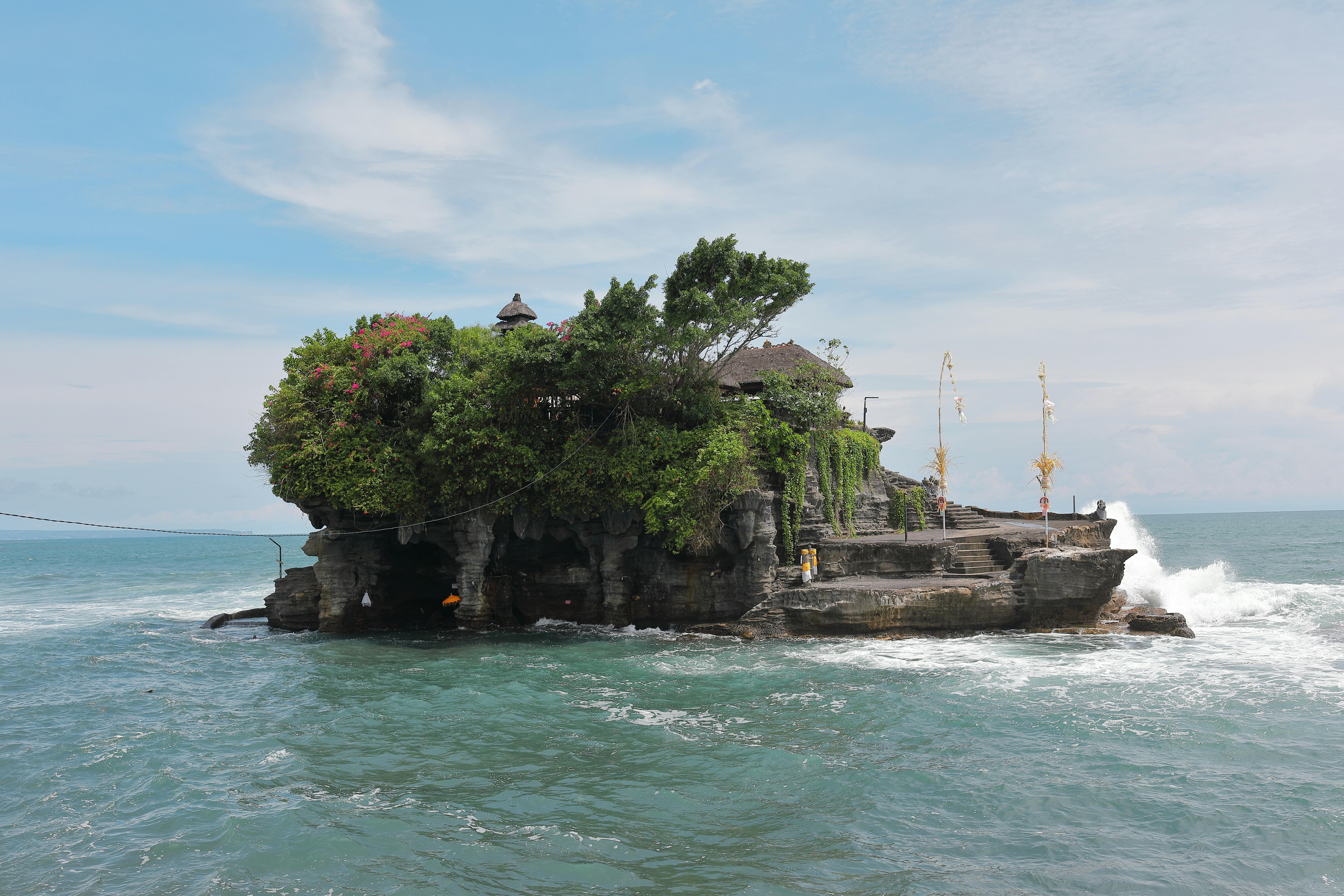
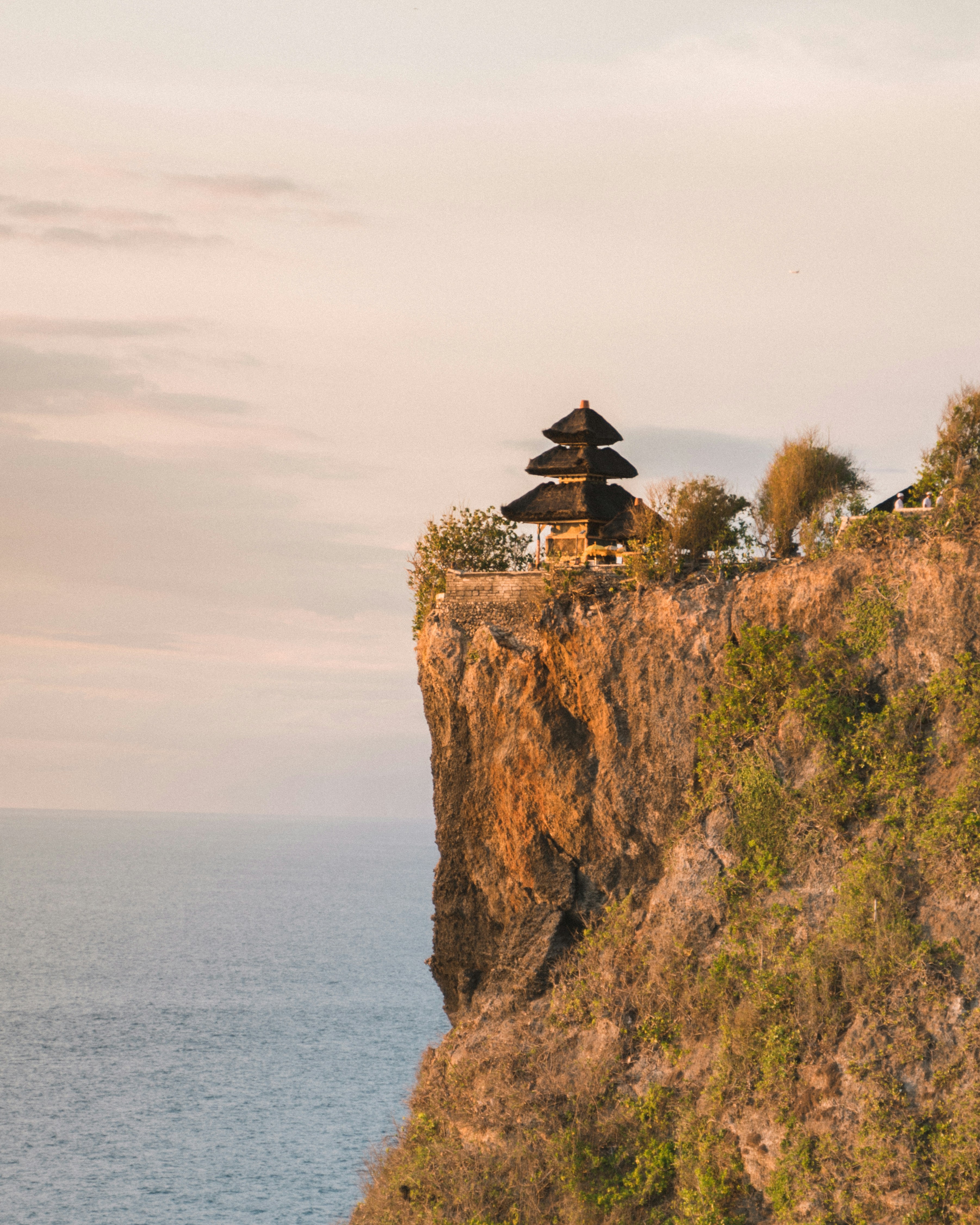
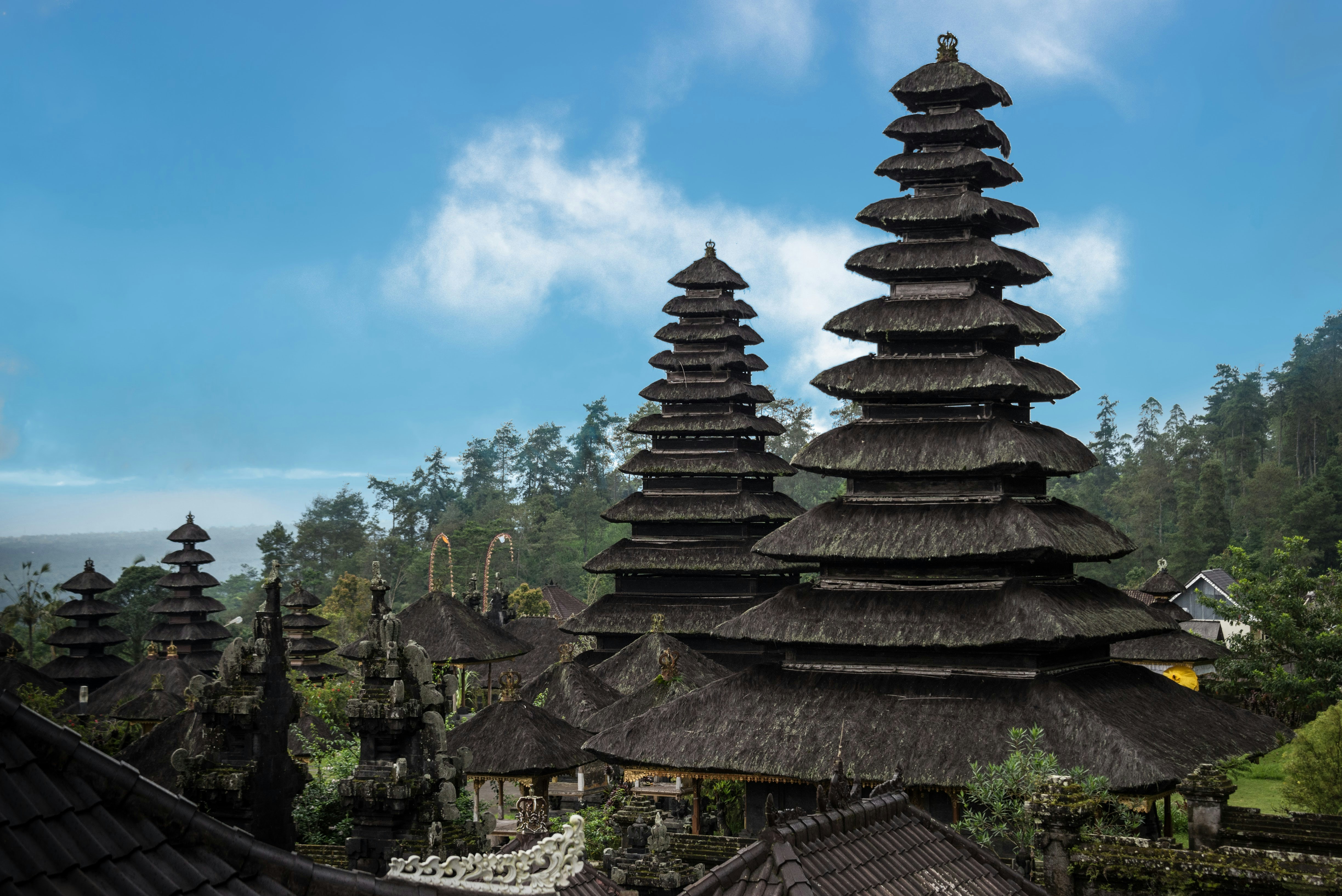
周边文化遗迹与神圣圣地
本项旅程周边的常设寺庙、瀑布胜景与文化遗产保护区。
Recommended Stays in Covered Pickup Corridors
Door-to-door hotel transfers are available for guests staying in Banyuwangi, Ketapang, Licin. Explore vetted accommodations within these zones:

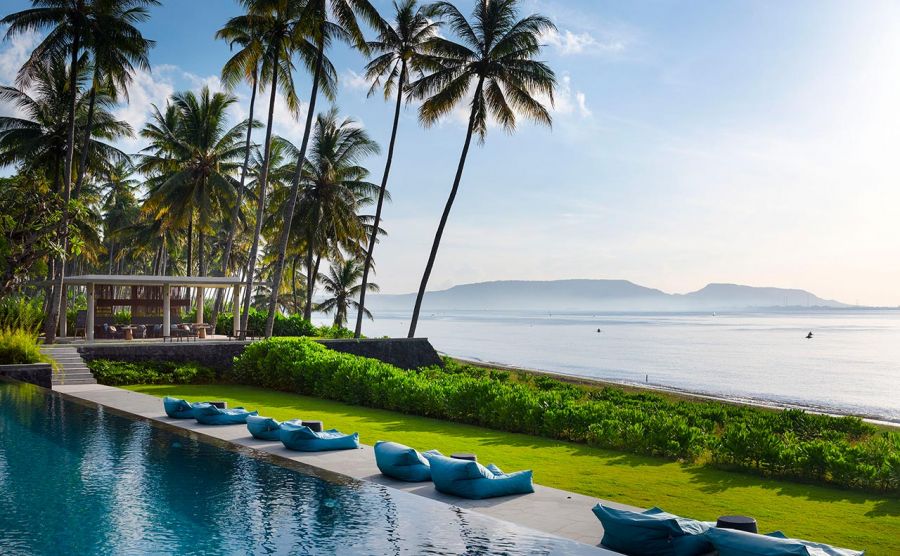
L'JAVAS VILLAS
L'JAVAS VILLAS is a 5-star hotel situated in Banyuwangi & Ijen Crater, Banyuwangi (Ultra-Luxury), holding a verified guest score of 9.6/10 across 107 reviews. Located 116.2 km (2–3 hours drive) with inland valley / highland retreat.
Dialoog Banyuwangi
Dialoog Banyuwangi is a 4-star hotel situated in Banyuwangi & Ijen Crater, Banyuwangi (Upscale Luxury), holding a verified guest score of 9.3/10 across 1,993 reviews. Located 106.4 km (2–3 hours drive) with inland valley / highland retreat.

Kokoon Hotel Banyuwangi
Kokoon Hotel Banyuwangi is a 4-star hotel situated in Banyuwangi & Ijen Crater, Banyuwangi (Upscale Luxury), holding a verified guest score of 9.5/10 across 2,402 reviews. Located 106.3 km (2–3 hours drive) with inland valley / highland retreat.

ILLIRA Hotel Banyuwangi
ILLIRA Hotel Banyuwangi is a 4-star hotel situated in Banyuwangi & Ijen Crater, Banyuwangi (Upscale Luxury), holding a verified guest score of 9.3/10 across 3,345 reviews. Located 106.8 km (2–3 hours drive) with inland valley / highland retreat.
Curated Booking Launching Soon
Direct reservations and operator dispatch for this guided tour are currently being finalized to guarantee verified safety compliance, certified local guides, and the best local rates. In the meantime, this editorial guide serves as your complete verified field guide.
🔒 Verified local pricing • Direct operator field audit