


Tanah Lot Sea Temple & Royal Taman Ayun Sunset Route
Afternoon cultural expedition exploring Mengwi's royal water gardens of Pura Taman Ayun and the world-renowned offshore sea temple of Tanah Lot at sunset.

Essential Activity Facts & Specs
Why This Experience Matters
坐落于Ubud壮丽的自然风貌之中,【Tanah Lot Sea Temple & Royal Taman Ayun Sunset Route】为旅行者提供了一场深入探索印尼热带生态与人文底蕴的经典探险之旅。这里拥有原始的河谷峡谷、郁郁葱葱的热带雨林以及壮阔的山峦景观,让人远离都市喧嚣,沉浸于大自然的宁静与生机。
整个行程在经验丰富的当地持证向导带领下有序展开。Afternoon cultural expedition exploring Mengwi's royal water gardens of Pura Taman Ayun and the world-renowned offshore sea temple of Tanah Lot at sunset。参与者将穿越多样的自然地形,领略原生态自然奇观,沿途欣赏当地野生动植物,并体验纯正的地道风土人情与探索乐趣。
该项目配备专业安全防护装备并严格执行安全准则。同时遵循可持续生态旅游理念,严格执行无塑料垃圾环保规定,行程收益直接赋能当地乡村向导合作社,助力自然生态与文化传承。
⏱️ 行程路线与时间轴节点
-
1
14:30 - 15:30 : 午后专车至酒店接乘出发,避开早高峰车流
-
2
15:30 - 16:45 : 乘车前往南部海岸悬崖或文化古迹景区游览观光
-
3
16:45 - 17:45 : 漫步园区文化步道,提前就座优选海景落日观景席位
-
4
17:45 - 19:15 : 黄金落日盛景(乌鲁瓦图克恰克火舞或悬崖海景落日晚霞)
-
5
19:15 - 20:45 : 特色风味晚宴(金巴兰沙滩烛光烤海鲜或夜市地道美食巡礼)
-
6
20:45 - 22:00 : 乘专车平安送抵酒店大堂
✅ 费用包含项目
- ✓ 午后全程独立空调专车接送服务
- ✓ 持证专业英文司机向导随行解说
- ✓ 行程所列全部景点与寺庙正式门票
- ✓ 传统文化艺术演出正式预留门票
- ✓ 全程停车费及高速通行路桥费
- ✓ 车程全程提供冰镇瓶装矿泉水
❌ 费用不包含项目
- ✕ 个人手工艺纪念品采购消费
- ✕ 行程中未明确提及的正餐餐饮及个人酒水
- ✕ 给司机及向导的自愿小费
⚠️ 必备准备与行前要求
- • Modest attire for temple grounds
- • Sun protection including hat and sunglasses
- • Footwear with good grip for coastal stone pathways
Complete Field Guide & Visitor Intelligence
The Royal & Coastal Odyssey: Pura Taman Ayun, Sangeh Monkey Forest & Sunset at Pura Tanah Lot
Bali's southwestern coastline and the historic heartland of Mengwi present an extraordinary confluence of royal hydraulic landscaping, verdant tropical nutmeg forests, and dramatic coastal marine shrines. While inland Ubud captures the island's artistic and culinary imagination, the historic kingdom of Mengwi in Tabanan and Badung regencies preserves some of the most sophisticated monumental architecture developed during Bali's classical feudal era. This comprehensive editorial travel guide unpacks one of the island's most venerable afternoon cultural routes: traveling from the tranquil moat-encircled pavilions of Pura Taman Ayun through the ancient canopy of Sangeh Monkey Forest, culminating along the wave-carved sandstone bluffs of Pura Tanah Lot as the sun descends into the Indian Ocean.
Designed for travelers seeking authentic cultural depth, architectural insight, and meticulous route logistics, this guide offers an exhaustive examination of Mengwi's royal genealogy, coastal erosion dynamics, sacred sea snake mythology, subak irrigation ethics, and respectful temple conduct.
1. Geographic Setting & Landscape Transitions of Southwest Bali
The southwestern littoral of Bali transitions from fertile agricultural lowlands sculpted by ancestral river systems to a rugged coastal boundary shaped by the relentless hydraulic energy of the Indian Ocean. Originating in the volcanic highlands of Mount Batukaru—the second highest volcano on the island at 2,276 meters—countless mountain streams flow southward through the rich volcanic soils of Tabanan, traditionally celebrated as the "rice bowl" of Bali (Lumbung Beras Bali).
As these river systems approach the sea, they carve dramatic sandstone and shale bluffs along the shoreline. Pura Tanah Lot sits upon an eroded offshore rock promontory located in Beraban village, Tabanan. Over thousands of years, tidal action and heavy ocean swell have detached the sandstone outcrop from the main coastal shelf, leaving the temple perched dramatically on an insular rock pedestal separated from the mainland at high tide.
In contrast, Pura Taman Ayun is situated inland within the village of Mengwi, at an elevation of approximately 100 meters above sea level. Here, the landscape is defined by gentle alluvial slopes, dense canopy vegetation, and engineered canals diverted from the Yeh Ho river basin. The contrast between the placid, mirror-like moats of Taman Ayun and the roaring coastal breakers of Tanah Lot demonstrates the extraordinary geographical diversity encompassed within a single afternoon route spanning less than 35 kilometers.
2. Feudal History & Spiritual Philosophy: The Legacy of the Mengwi Kingdom
Understanding the cultural resonance of this route requires tracing the historical rise and spiritual patronage of the Royal Kingdom of Mengwi (Kerajaan Mengwi), which flourished from the 17th through the late 19th centuries.
Pura Taman Ayun: The Mother Temple of the Mengwi Dynasty
Founded in 1634 (or 1556 Saka in the Balinese lunar calendar) by the celebrated monarch I Gusti Agung Putu, Pura Taman Ayun literally translates as "Beautiful Garden Temple." During this era, travel across the rugged volcanic topography of Bali to the high mountain mother temple of Pura Besakih was a perilous, multi-day journey for villagers. King I Gusti Agung Putu conceived Taman Ayun as an architectural and spiritual surrogate (Panyawangan) where the subjects of the Mengwi realm could offer prayers and venerate both ancestral deities and the supreme mountain gods without undertaking arduous expeditions across the island.
Taman Ayun represents the absolute pinnacle of classical Balinese garden architecture (Taman Kerajaan). The royal compound is enclosed by a wide, lotus-filled outer moat, symbolizing the cosmic ocean (Ksirarnawa) surrounding the sacred mountain of the gods, Mount Meru. In 2012, UNESCO officially designated Pura Taman Ayun as a core site of the Cultural Landscape of Bali Province: the Subak System as a Manifestation of the Tri Hita Karana Philosophy.
Pura Tanah Lot: Guardian Sanctuary of the Southern Seas
The foundation of Pura Tanah Lot is inextricably linked to the venerated 16th-century Javanese Hindu priest and sage Dang Hyang Nirartha (also known as Pedanda Sakti Bawu Rawuh). Traveling along the southern coast of Bali from the Blambangan kingdom in East Java, Nirartha was captivated by the luminescence radiating from the offshore rock formation of Gili Beo. He established a meditation retreat on the rock outcrop, attracting local fishermen and village chieftains through his profound spiritual discourses.
Recognizing the rock as a sacred dwelling place for the deities of the ocean (Dewa Baruna) and ancestral spirits, Nirartha instructed the local populace to erect a sanctuary on the crag. According to living Balinese lore, to protect the temple from malevolent maritime entities and ocean demons, Nirartha cast his spiritual sash (selendang) into the crashing waves, transforming it into venomous black-and-silver striped sea kraits (ular suci) that continue to inhabit the tidal caves beneath the temple to this day.
3. Comprehensive Route Logistics & Hour-by-Hour Afternoon Schedule
Because the climatic conditions of southwest Bali are characterized by intense tropical afternoon heat followed by golden sunset illumination, this itinerary is engineered to optimize shade, comfortable garden strolls, and timely arrival at the coast.
13:30 - 14:15  | Hotel Departure from South Bali (Canggu, Seminyak, or Sanur)
14:45 - 16:00  | Pura Taman Ayun Historical Immersion & Moat Perimeter Walk
16:00 - 16:30  | Scenic Countryside Transit via Rural Mengwi & Tabanan Rice Fields
16:30 - 18:15  | Pura Tanah Lot Coastal Exploration, Cave of Holy Water & Sunset
18:15 - 19:00  | Dusk Twilight Viewing over Enjung Galuh & Coastal Cliff Bluffs
19:00 - 20:15  | Evening Highway Return Transit to Accommodation
Route Corridors and Navigation
Departing coastal hubs such as Canggu or Seminyak, the route heads north along Jalan Raya Canggu or Jalan Raya Kerobokan, quickly escaping suburban congestion and entering the rural district of Mengwi. Roadways are fully paved and well-maintained two-lane provincial corridors, flanked by traditional Balinese family compounds (pekarangan), brick carved gateway entrances (angkul-angkul), and lush subak irrigation waterways.
From Taman Ayun to Tanah Lot, the road winds southwest along Jalan I Gusti Ketut Jelantik through the hamlets of Gaba and Pandak, offering glimpses of traditional duck-herding in post-harvest rice terraces and rural village temples.
4. In-Depth Site Breakdown: Art, Architecture & Natural Phenonema
Pura Taman Ayun
The compound of Taman Ayun is structured into three expansive, ascending courtyards (Mandala), reflecting the Balinese tripartite cosmological division between the underworld (Bhur Loka), the human world (Bhuwah Loka), and the celestial realm (Swah Loka).
- The Outer Courtyard (Jaba): Entered via a split stone candi bentar gateway across an ornamental bridge over the moat. This level houses the Bale Kulkul (wooden slit-drum tower used for communal assembly), a circular fountain representing the nine cosmological directions (Nawa Sanga), and an ornamental cockfighting arena (Bale Wantilan).
- The Middle Courtyard (Jaba Tengah): Ascending past a second gateway, this elevated terrace contains pavilions where ceremonial offerings are prepared by village women, alongside a shaded resting terrace where historical stone tablets commemorate royal benefactors.
- The Inner Sanctum (Jeroan): The most sacred sanctum is encircled by a second interior moat and inaccessible to non-worshippers, ensuring its sanctity. However, visitors enjoy unobstructed views along a clean perimeter walking path. Within the Jeroan rise 29 magnificent multi-tiered shrines (Meru), including towering eleven-tiered structures dedicated to Mount Batukaru, Mount Agung, and the deified royal ancestors of Mengwi. The wooden roofs of these shrines are thatched with black ijuk (fibers harvested from the sugar palm), creating an indelible architectural silhouette against the sky.
Pura Tanah Lot & Enjung Galuh
The coastal precinct of Tanah Lot encompasses several distinct geological and cultural features:
- The Main Sea Shrine (Pura Tanah Lot): Constructed directly upon the wave-swept sandstone outcrop, this shrine features classical multi-tiered meru pavilions dedicated to Dewa Baruna (the ocean deity) and Dang Hyang Nirartha. At low tide, visitors can walk across the wet, algae-covered rock shelf directly to the base of the rock island.
- The Sacred Freshwater Spring (Tirta Pabersihan): At the foot of the sea rock, an extraordinary hydrological phenomenon occurs: freshwater wells bubble up from deep subterranean fissures within the porous rock, completely surrounded by the saline water of the open ocean. Temple priests administer blessings (melukat) to visitors with this holy water, pressing grains of blessed raw rice (bija) to the forehead.
- The Sacred Sea Snake Cave (Gua Ular Suci): Directly opposite the freshwater spring in the mainland cliff wall lies a shallow natural sea cave guarded by local temple wardens. Here, visitors can observe the docile black-and-silver striped sea kraits (Laticauda colubrina), revered as the protective familiars of the temple.
- Pura Batu Bolong: Located 300 meters west along the coastal promenade, this adjacent cliff temple is built upon a dramatic natural rock arch hollowed out by marine erosion. Waves surge violently through the massive hollow arch, creating spectacular spray effects during high tides.
5. Traditional Adat Protocol, Coastal Safety & Temple Etiquette
Visiting sacred coastal temples requires heightened awareness of both spiritual etiquette and marine safety precautions:
- Observing Tidal Safety: The Indian Ocean swell along Bali's southwest coast is notoriously powerful and unpredictable. When walking on the low-tide rock shelf surrounding Tanah Lot, never turn your back on the ocean. Rogue waves can surge unexpectedly across the slick stone shelf. Always heed the instructions and whistle warnings of the red-shirted lifeguards (Balawista) and traditional security officers (Pecalang).
- Restricted Sanctuary Access: While visitors are permitted to cross the rock shelf at low tide and receive water blessings at the base spring, ascending the wooden and stone stairways into the upper temple courtyards is strictly reserved for Hindu devotees actively participating in religious ceremonies.
- Modest Coastal Dress: Even though Tanah Lot is situated along the ocean, swimwear, bikinis, uncovered shoulders, and revealing beachwear are strictly prohibited within the temple perimeter. Visitors must wear modest attire covering shoulders and knees. Sarongs and sashes are available for loan at the entrance gate.
- Wildlife Interaction at Sacred Snake Caves: When observing the sacred sea snakes, visitors must remain calm, refrain from sudden movements, and never attempt to handle the creatures without the presence and explicit permission of the attendant temple priest.
6. Seasonality, Ocean Tides & Sunset Photography Windows
Achieving iconic photography at Tanah Lot is deeply contingent upon two independent natural variables: the astronomical tide table and atmospheric cloud dynamics.
| Factor | Low Tide Conditions | High Tide Conditions |
|---|---|---|
| Temple Accessibility | Rock shelf fully exposed; visitors can walk to the base of the island | Island completely encircled by ocean waves; access cut off |
| Visual Aesthetic | Dramatic textures of exposed volcanic rocks, green sea moss, tidal pools | Classic "floating island" illusion; roaring white-water surf against cliffs |
| Sunset Reflection | Glassy tidal pools reflect orange and purple sunset hues on the rock shelf | Dynamic long-exposure photography of crashing sea spray |
| Best Photography Position | Low-angle perspective from the tidal shelf looking up at the sea crag | Elevated clifftop promenades near Sunset Terrace or Enjung Galuh |
The Twilight Golden Hour
Sunset at Tanah Lot occurs between 18:15 and 18:35 depending on the time of year. Arriving by 16:30 allows travelers ample daylight to explore the temple grounds and secure an optimal vantage point along the southern clifftops before the golden hour bathes the black sandstone merus in warm amber light.
7. Practical Gear, Packing & Equipment Checklist
- Footwear: Sturdy sandals or walking shoes with non-slip rubber soles. The coastal rock shelf at Tanah Lot is covered in wet marine algae (Enteromorpha) that becomes exceptionally slippery when wet. Avoid smooth-soled dress shoes or slick flip-flops.
- Lens & Camera Recommendations: A wide-angle zoom lens (16–35mm full-frame equivalent) is ideal for capturing the grandeur of Taman Ayun's multi-tiered meru towers across the wide moat. A telephoto zoom (70–200mm) is invaluable at Tanah Lot for isolating sea birds, wave textures, and sunset silhouettes against the temple crag.
- Sun & Wind Protection: The coastal cliffs at Tanah Lot are completely exposed to offshore winds and late-afternoon tropical sun. Bring high-UPF polarized sunglasses, sunscreen, and a wind-resistant sun hat with a chin strap.
- Cash for Local Village Parking & Tolls: Small denomination bills (IDR 5,000, 10,000, and 20,000) are recommended for parking attendants, traditional toilet facilities, and purchasing cold young coconuts (kelapa muda) along the clifftop warungs.
8. Regional Culinary Insights & Tabanan Countryside Warungs
The agricultural expanse of Tabanan and Mengwi offers authentic culinary experiences rooted in heirloom rice varieties and freshwater river harvests.
Babi Guling Mengwi
While Gianyar regency is globally renowned for its roast suckling pig, the town of Mengwi boasts its own distinctive culinary style. Babi Guling Mengwi is seasoned with a lighter, highly aromatic spice paste heavily featuring galangal, lemongrass, and fresh coriander seeds, paired with ultra-crisp golden skin, blood sausage (urutan), and spiced pork bone soup (jukut balung).
Mujair Nyat-Nyat & Fresh River Prawns
Travelers dining in rural Tabanan warungs often encounter Ikan Nyat-Nyat, freshwater tilapia or gourami simmered in a reduction of turmeric, shallots, garlic, and wild torch ginger. Paired with steaming heirloom red rice (beras merah) grown in the subak terraces of Tabanan, this regional dish represents the unpretentious, deeply nourishing culinary heritage of Bali's agricultural heartland.
9. Comprehensive Traveler FAQ & Practical Troubleshooting
What happens if it rains during the tour?
Southwest Bali experiences brief, intense tropical convection showers during the late afternoon, particularly from November to March. Pura Taman Ayun offers numerous wide thatched pavilions (bale) where visitors can comfortably shelter while enjoying the soothing sight of rain falling across the water-lily moats. Rain often clears rapidly before dusk, frequently leaving dramatic cloud formations and vibrant post-storm sunsets over Tanah Lot.
Is the site wheelchair and stroller accessible?
Pura Taman Ayun features flat, paved pathways throughout its perimeter, making it exceptionally accessible for wheelchairs, strollers, and travelers with limited mobility. Pura Tanah Lot has paved clifftop viewing boulevards and ramps leading to the primary overlooks; however, descending the final stone stairs down to the beach and walking across the uneven tidal rock shelf is not wheelchair accessible.
Can visitors purchase souvenirs at Tanah Lot?
Between the main vehicular parking area and the coastal viewpoints lies an extensive municipal souvenir boulevard (Pasar Seni Tanah Lot). Local merchants offer traditional Balinese sarongs, batik shirts, hand-carved wooden crafts, and woven straw bags. Prices are customary and bargaining is conducted in a friendly, polite manner.
10. Environmental Conservation & Coastal Preservation in Tabanan
The severe coastal erosion threatening Tanah Lot has made it a focal point for modern coastal engineering and marine conservation in Indonesia. In the late 1990s, extensive Japanese-assisted geotechnical stabilization projects installed submerged tetrapod concrete armor blocks and artificial rock revetments around the base of the sea crag, preserving the fragile sandstone foundation from catastrophic collapse while maintaining its natural aesthetic.
Marine Ecology of the Intertidal Reef Shelf
The intertidal platform exposed during low tide at Tanah Lot hosts a surprisingly resilient community of marine life adapted to violent wave action and extreme salinity variations. Rock pools harbor vibrant colonies of green sea anemones, brittle sea stars, hermit crabs, and endemic gobies. Preserving this intertidal ecosystem requires travelers to tread conscientiously, avoiding dislodging fragile coralline algae or disturbing feeding shorebirds such as Pacific reef herons that frequent the rocky margins at dawn and dusk.
Botanical Diversity and Hydraulic Equilibrium at Taman Ayun
At Pura Taman Ayun, environmental stewardship is deeply intertwined with ancient horticultural traditions. The compound preserves rare heirloom timber trees, including majestic Majegau (Dysoxylum densiflorum), historically reserved exclusively for building sacred temple shrines, and sacred Pule (Alstonia scholaris) trees whose aromatic wood is harvested by high priests to carve sacred Barong masks. The encircling moats function as bio-retention wetlands, naturally filtering upstream agricultural runoff through dense beds of pink water-lilies (Nymphaea pubescens) and submerged aquatic reeds before the water flows into downstream subak distribution weirs.
Frequently Asked Questions & Field Guidance
Essential planning advice, fitness suitability, pickup corridors, and booking reassurance.
🚐 酒店接送服务覆盖区域
Curated Stays in Ubud
接送范围内的优选推荐住宿。

Mulia Villas

Desa Potato Head Bali

RIMBA by AYANA Bali

The Apurva Kempinski Bali
周边文化遗迹与神圣圣地
本项旅程周边的常设寺庙、瀑布胜景与文化遗产保护区。
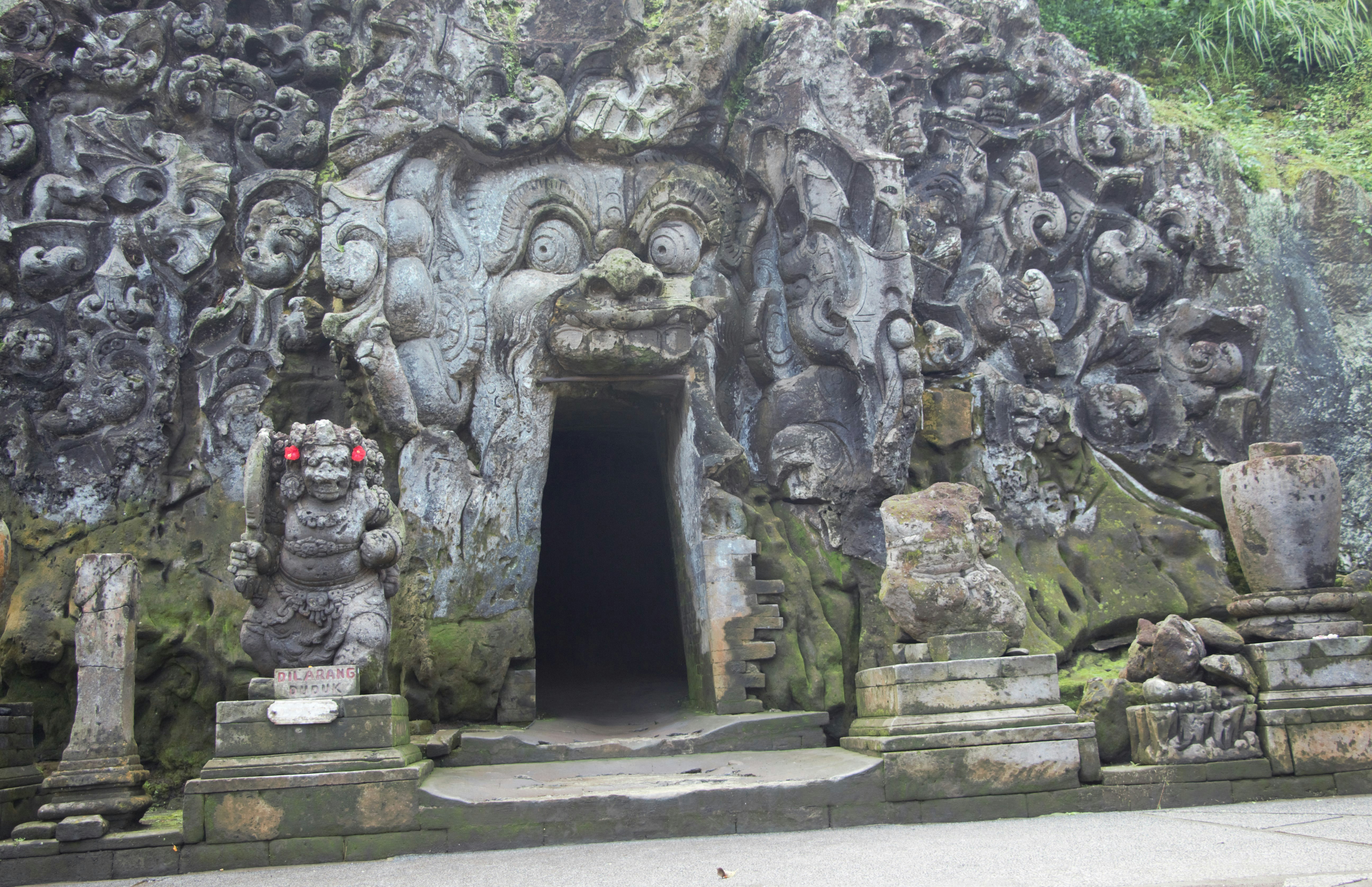
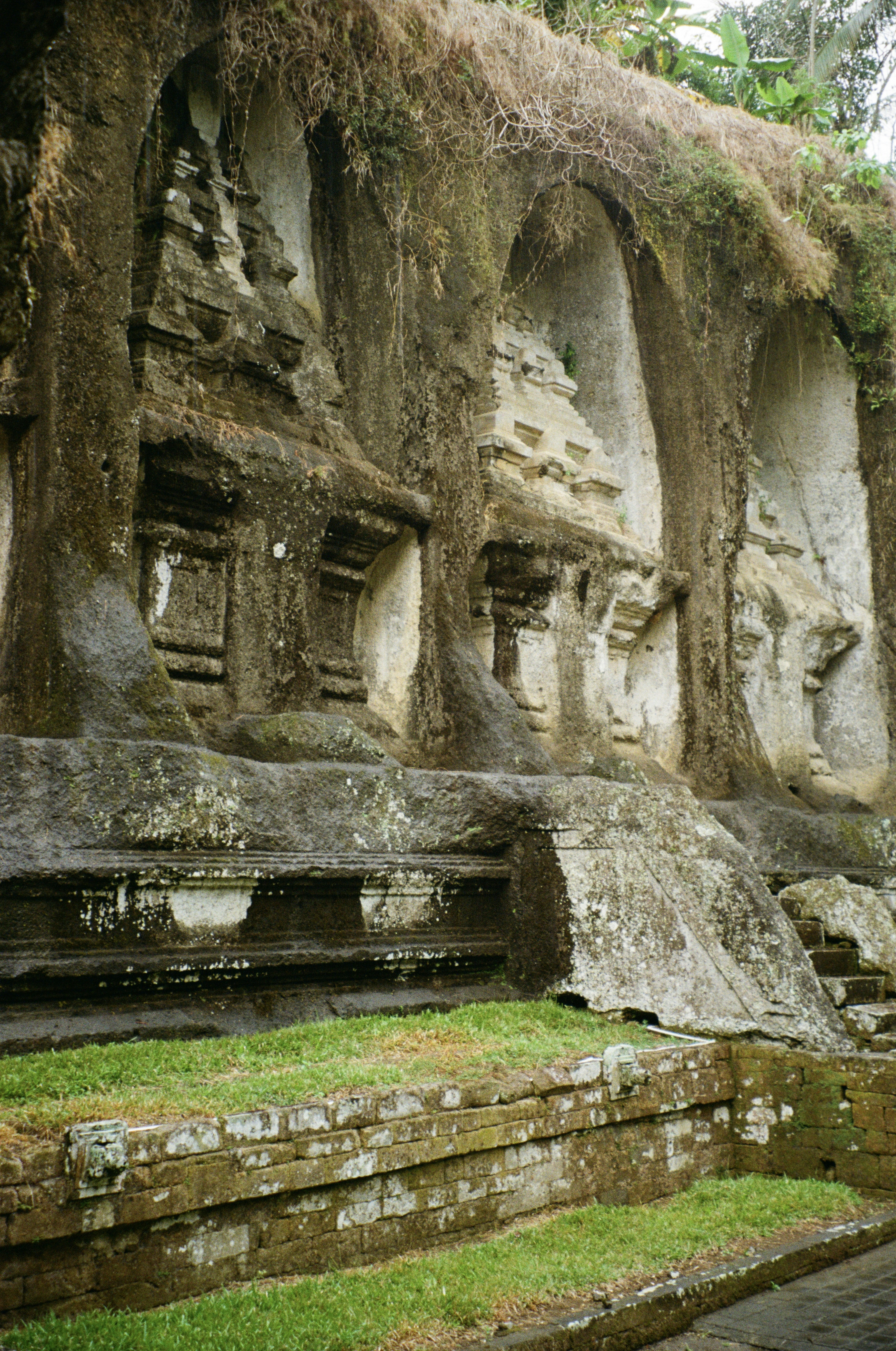
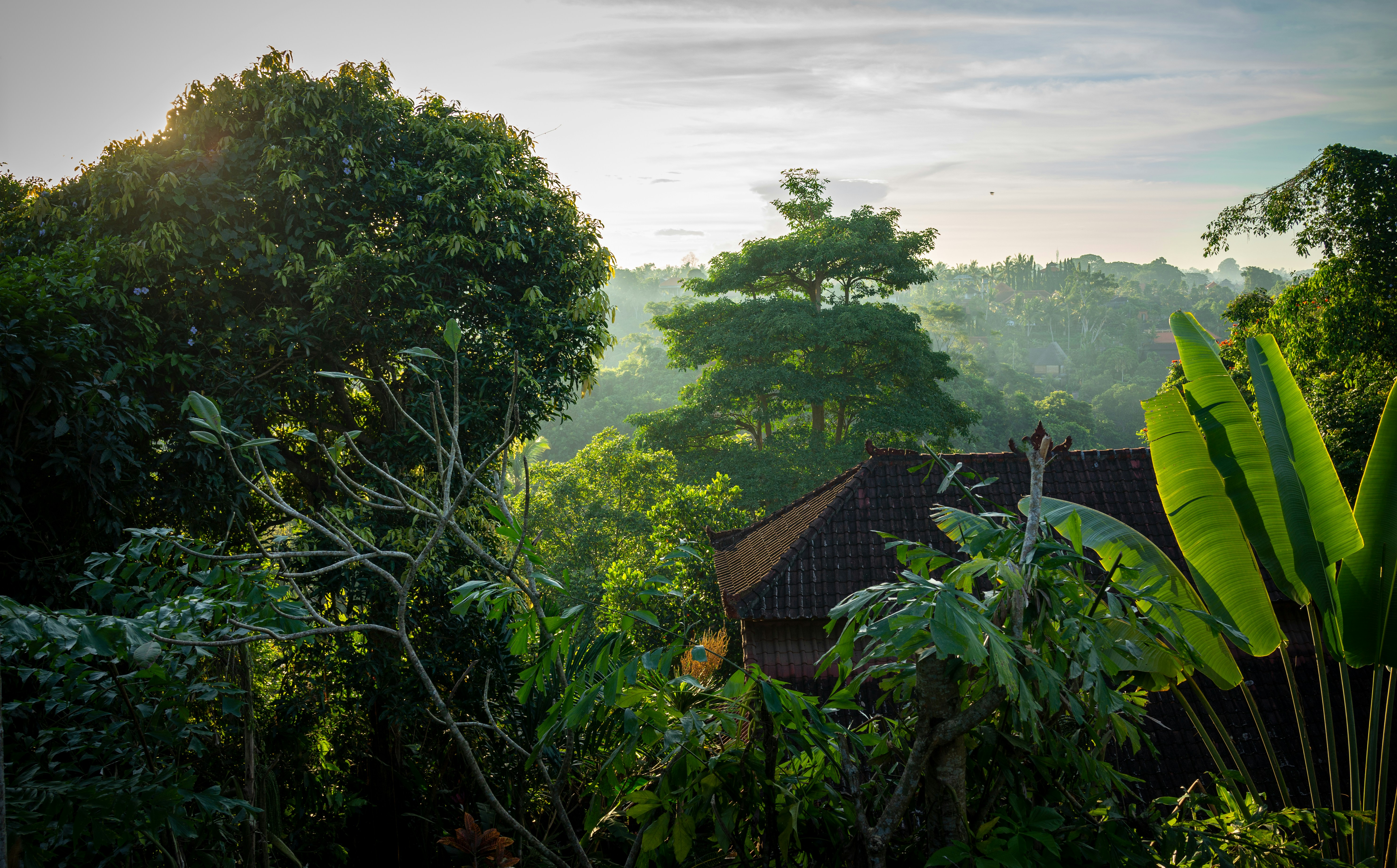
Recommended Stays in Covered Pickup Corridors
Door-to-door hotel transfers are available for guests staying in Kuta, Seminyak, Canggu, Sanur, Nusa Dua, Jimbaran, Ubud. Explore vetted accommodations within these zones:
Mulia Villas
Mulia Villas is a 5-star hotel situated in Nusa Dua, Bali (Ultra-Luxury), holding a verified guest score of 9.7/10 across 855 reviews. Located 9.5 km (20–30 mins drive) with absolute beachfront (< 100m).
Desa Potato Head Bali
Desa Potato Head Bali is a 5-star hotel situated in Seminyak, Bali (Ultra-Luxury), holding a verified guest score of 9.5/10 across 2,537 reviews. Located 7.9 km (20–30 mins drive) with short scooter / drive (< 2km to coast).
RIMBA by AYANA Bali
RIMBA by AYANA Bali is a 5-star resort situated in Bali, Bali (Ultra-Luxury), holding a verified guest score of 9.3/10 across 13,548 reviews. Located 5.6 km (20–30 mins drive) with inland valley / highland retreat.
The Apurva Kempinski Bali
The Apurva Kempinski Bali is a 5-star resort situated in Nusa Dua, Bali (Ultra-Luxury), holding a verified guest score of 9.4/10 across 5,390 reviews. Located 10.3 km (20–30 mins drive) with short scooter / drive (< 2km to coast).
Curated Booking Launching Soon
Direct reservation channels for this cultural workshop are currently being finalized with our verified local master artisans. Instant date scheduling will open shortly.
🔒 Verified local pricing • Direct operator field audit