


Uluwatu Clifftop Temple, Melasti Beach & Jimbaran Seafood Sunset Route
Southern Bukit Peninsula expedition featuring the carved limestone cliffs of Melasti Beach, Uluwatu's 70-meter sea temple, and the sunset coastline of Jimbaran Bay.

Essential Activity Facts & Specs
Why This Experience Matters
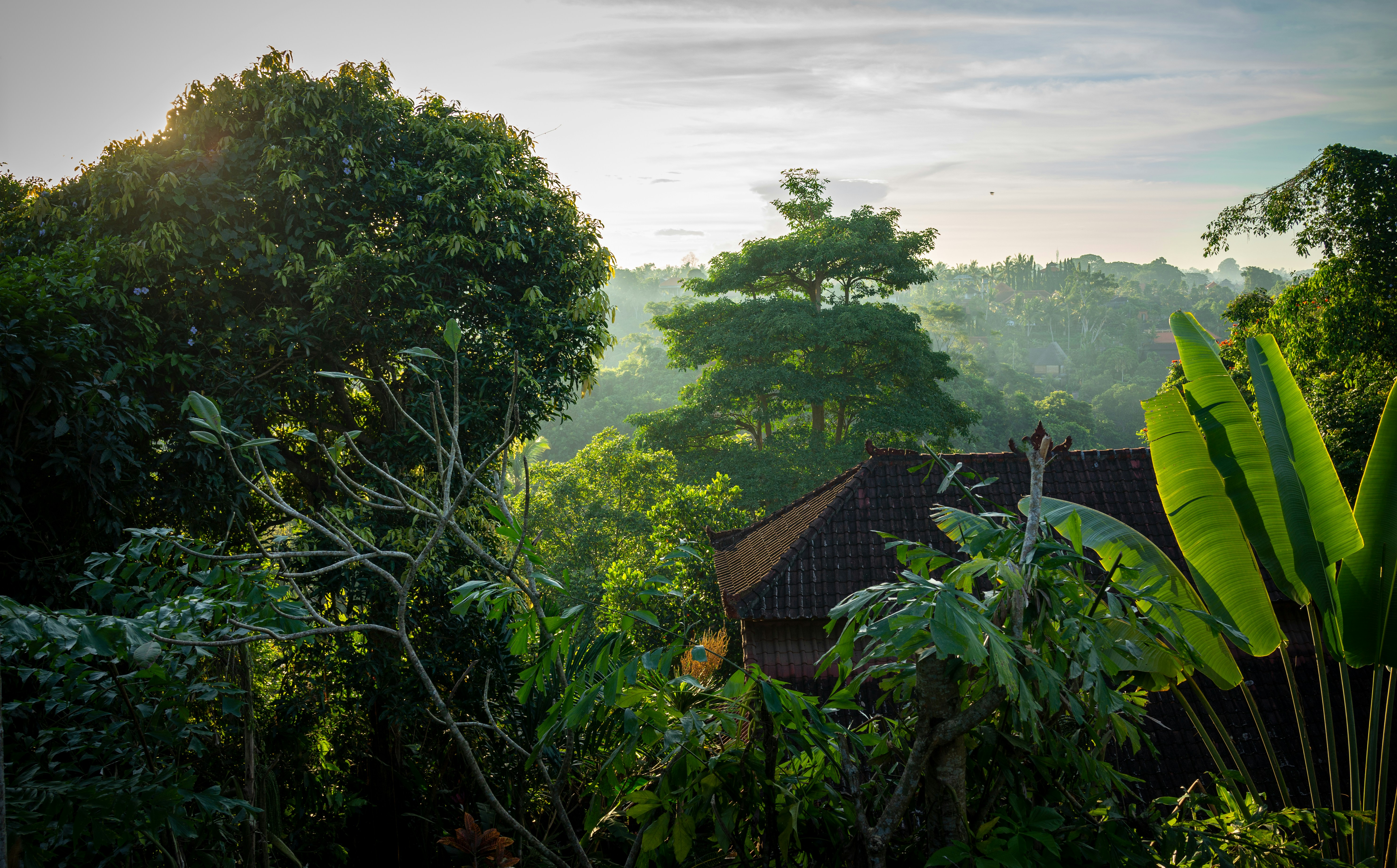
坐落于Ubud壮丽的自然风貌之中,【Uluwatu Clifftop Temple, Melasti Beach & Jimbaran Seafood Sunset Route】为旅行者提供了一场深入探索印尼热带生态与人文底蕴的经典探险之旅。这里拥有原始的河谷峡谷、郁郁葱葱的热带雨林以及壮阔的山峦景观,让人远离都市喧嚣,沉浸于大自然的宁静与生机。
整个行程在经验丰富的当地持证向导带领下有序展开。Southern Bukit Peninsula expedition featuring the carved limestone cliffs of Melasti Beach, Uluwatu's 70-meter sea temple, and the sunset coastline of Jimbaran Bay。参与者将穿越多样的自然地形,领略原生态自然奇观,沿途欣赏当地野生动植物,并体验纯正的地道风土人情与探索乐趣。
该项目配备专业安全防护装备并严格执行安全准则。同时遵循可持续生态旅游理念,严格执行无塑料垃圾环保规定,行程收益直接赋能当地乡村向导合作社,助力自然生态与文化传承。
⏱️ 行程路线与时间轴节点
-
1
14:30 - 15:30 : 午后专车至酒店接乘出发,避开早高峰车流
-
2
15:30 - 16:45 : 乘车前往南部海岸悬崖或文化古迹景区游览观光
-
3
16:45 - 17:45 : 漫步园区文化步道,提前就座优选海景落日观景席位
-
4
17:45 - 19:15 : 黄金落日盛景(乌鲁瓦图克恰克火舞或悬崖海景落日晚霞)
-
5
19:15 - 20:45 : 特色风味晚宴(金巴兰沙滩烛光烤海鲜或夜市地道美食巡礼)
-
6
20:45 - 22:00 : 乘专车平安送抵酒店大堂
✅ 费用包含项目
- ✓ 午后全程独立空调专车接送服务
- ✓ 持证专业英文司机向导随行解说
- ✓ 行程所列全部景点与寺庙正式门票
- ✓ 传统文化艺术演出正式预留门票
- ✓ 全程停车费及高速通行路桥费
- ✓ 车程全程提供冰镇瓶装矿泉水
❌ 费用不包含项目
- ✕ 个人手工艺纪念品采购消费
- ✕ 行程中未明确提及的正餐餐饮及个人酒水
- ✕ 给司机及向导的自愿小费
⚠️ 必备准备与行前要求
- • Secure glasses, hats, and small bags near monkeys at Uluwatu temple cliffs
- • Comfortable walking shoes for stone steps along cliff pathways
- • Modest temple clothing
Complete Field Guide & Visitor Intelligence
The Southern Bukit Peninsula Odyssey: Melasti Beach Limestone Canyons, Pura Luhur Uluwatu & Jimbaran Bay Seafood Sunset
The southern extremity of Bali, known geographically as the Bukit Peninsula (Semenanjung Bukit), presents a stunning, stark geological contrast to the verdant volcanic mountains and river terraces of the island's central heartland. Here, an uplifted limestone plateau rises precipitously out of the Indian Ocean, characterized by sheer 70-meter maritime cliffs, arid savannah vegetation, sapphire-blue surf breaks, and ancient clifftop sea sanctuaries.
This comprehensive editorial dossier delivers an exhaustive travel guide to the ultimate southern peninsula traversal: from the carved limestone canyon roadways and powdered coral sands of Melasti Beach to the dramatic coastal headlands of Pura Luhur Uluwatu, concluding along the twilight coastline of Jimbaran Bay where fresh seafood is grilled over fragrant coconut husks beneath the evening sky.
1. Geographic Setting & Geological Foundations of the Bukit Plateau
The Bukit Peninsula is geologically distinct from the rest of Bali. While the mainland was shaped primarily by Quaternary stratovolcanoes and fertile volcanic ash soils, the Bukit formed as an ancient Miocene coral reef platform that was uplifted by tectonic subduction along the Sunda Trench. The bedrock consists of porous crystalline limestone, karst sinkholes (dolina), and calcium carbonate strata, resulting in sharp, vertical ocean-facing cliffs that drop sheer into the deep, turbulent waters of the Indian Ocean.
Because the limestone tableland absorbs rainfall rapidly into subterranean fissure aquifers, the peninsula historically lacked surface rivers and wet-rice cultivation. Instead, the native flora comprises hardy drought-tolerant tropical deciduous forest, wild frangipani (Plumeria), bougainvillea, and coastal screwpine (Pandanus tectorius).
Melasti Beach, situated on the southernmost tip of the island in Ungasan village, was carved directly into the sheer limestone cliffs through an ambitious municipal engineering project. A paved roadway winds through monumental 50-meter white limestone canyon walls, descending to an immaculate shoreline bordered by a vibrant shallow fringing coral reef.
Further west along the coastal rim rises the headland of Uluwatu, where sheer 70-meter cliffs take the full brunt of deep-ocean Southern Ocean swells, producing some of the world's most revered professional surf breaks (including The Peak, Racetrack, and Temples) before terminating in the protected sweep of Jimbaran Bay.
2. Spiritual Cosmology & Ancestral Heritage: The Legacy of Sage Dang Hyang Dwijendra
The cultural soul of the Bukit Peninsula is anchored by Pura Luhur Uluwatu, one of Bali's supreme directional protective temples (Sad Kahyangan Jagat).
Pura Luhur Uluwatu: Guardian of the Southwest Direction
Dedicated to Bhatara Rudra, the Balinese Hindu deity governing storms, cosmic transformation, and the southwestern cardinal quadrant, Pura Luhur Uluwatu occupies an extraordinary geographic position. The temple is perched on the narrow tip of an ancient limestone promontory that juts like a ship's prow 70 meters above the churning ocean surf.
The founding of the sanctuary is attributed to two monumental holy men in Balinese history:
- Empu Kuturan (11th Century): A revered sage from East Java who introduced the foundational structure of Balinese village governance (Desa Pakraman) and established the tripartite village temple system (Kahyangan Tiga). Empu Kuturan initiated the original stone shrines at Uluwatu to honor the deities of the southern sea.
- Dang Hyang Dwijendra / Nirartha (16th Century): The great spiritual reformer expanded the temple into its present architectural majesty. In his later years, having completed his spiritual mission across Java, Bali, and Lombok, Nirartha returned to Uluwatu to attain supreme spiritual liberation (Moksha), transcending his physical body without leaving earthly remains. For this reason, the temple is honored as Pura Luhur (the Supreme Sacred Shrine), and the central three-tiered black thatched Meru tower stands as the sacred monument to Nirartha's divine ascension.
3. Comprehensive Route Logistics & Hour-by-Hour Afternoon Itinerary
Because the Bukit Peninsula is exposed to intense tropical solar radiation during midday, this route is engineered to explore the shoreline during prime afternoon tidal conditions, proceed to the clifftops as ambient heat moderates, and reach Jimbaran Bay exactly at dusk.
13:30 - 14:15  | Hotel Departure from South Bali (Kuta, Seminyak, Canggu, or Sanur)
14:45 - 16:15  | Melasti Beach Exploration, Limestone Canyon Walk & Lagoon Swim
16:15 - 16:45  | Scenic Ridge Drive across Ungasan & Pecatu to Uluwatu Headland
16:45 - 18:30  | Pura Luhur Uluwatu Clifftop Exploration & Golden Sunset Viewing
18:30 - 19:15  | Twilight Coastal Transit to Jimbaran Bay Seafood Shoreline
19:15 - 20:45  | Beachfront Dinner Experience at Muaya Beach, Jimbaran Bay
20:45 - 21:30  | Evening Return Transit & Drop-Off at Accommodation
Road Infrastructure & Navigation Across the Peninsula
The primary road artery across the southern peninsula is Jalan Raya Uluwatu, connecting Jimbaran to Pecatu and Uluwatu. The road is well-paved, passing through vibrant village settlements, surf boutiques, and cliffside villa enclaves. To reach Melasti Beach, tour vehicles branch south onto Jalan Melasti in Ungasan, traversing modern multi-lane limestone cuttings with dedicated vehicular parking plazas, clean beach club facilities, and paved sea-wall boulevards.
4. In-Depth Site Breakdown: Coastal Architecture, Marine Karst & Shorelines
Melasti Beach (Pantai Melasti)
Melasti Beach derives its sacred name from the annual Hindu purification ceremony (Upacara Melasti), held prior to the Balinese New Year (Nyepi). During this ceremony, thousands of Balinese villagers dressed in ceremonial white process from inland villages down to the ocean to cleanse sacred temple heirlooms (Pratima) and wash away worldly impurities in the ocean surf.
The beach features a wide expanse of powdery white coral sand sheltered by an extensive offshore fringing reef barrier. At low tide, the receding waters create calm, crystal-clear turquoise lagoons ideal for swimming and viewing small reef fish, sea anemones, and blue sea stars. An engineered stone seawall walk extends along the base of the towering limestone cliffs, providing exceptional angles for landscape photography.
Pura Luhur Uluwatu
The temple complex is constructed almost entirely from dense, gray volcanic stone (batu candi) and weathered coastal limestone, allowing it to withstand centuries of salt spray and gale-force ocean winds.
Key architectural features include:
- The Winged Split Gate (Candi Bentar Batukaru): The entrance gateway to the middle courtyard features rare sculpted stone wings flanking the doorway, symbolizing the mythological Garuda bird carrying devotees into higher celestial realms.
- The Classical Paduraksa Gateway: A covered stone portal adorned with an intricately carved Kala demon face with protruding fangs, situated above the threshold to frighten away unpurified spirits.
- The Clifftop Perimeter Promenade: Stretching more than a kilometer along the rim of the precipice, a sturdy concrete and stone balustrade allows visitors to safely walk along the cliff edge, gazing hundreds of feet down at turquoise swells crashing into deep marine caverns.
The Sacred Macaque Troops of Uluwatu
The coastal forest (Alas Kekeran) surrounding Pura Luhur Uluwatu is inhabited by several large troops of long-tailed macaques (Macaca fascicularis). Revered by local villagers as the sacred guardians (warga alas) of the temple, these monkeys have lived along the cliffs for centuries.
The Classical Kecak & Fire Dance Heritage
Uluwatu's clifftop amphitheater has become globally celebrated as the premier venue for the Kecak and Fire Dance. Developed in the 1930s through a creative collaboration between Balinese dancer Wayan Limbak and German painter Walter Spies, the modern Kecak drama adapted an ancient trance ritual known as Sanghyang Dedari. Rather than using a conventional gamelan orchestra, the performance relies exclusively on a choir of 50 to 70 bare-chested men seated in concentric circles, chanting rhythmic vocal patterns ("chak-a-chak-a-chak") that replicate the monkey army of Sugriwa in the Hindu Ramayana epic. As dusk falls and torch fires flicker against the ocean backdrop, the dramatic tale of Prince Rama, Princess Sita, and the loyal white monkey general Hanuman unfolds in a mesmerizing display of Balinese theatrical expression.
Oceanographic Bathymetry & The World-Class Uluwatu Swell
The seabed bathymetry fronting the limestone cliffs of Uluwatu drops rapidly from a shallow coral reef platform into the deep underwater canyon of the Java Trench. This sheer underwater topography allows long-period deep-ocean groundswells generated thousands of miles away in the Roaring Forties of the Southern Ocean to travel across the Indian Ocean without losing velocity, unloading their concentrated hydrodynamic energy directly against the limestone shelf. The resulting waves peel mechanically across reef sections known to the global surfing community as The Peak, Outside Corner, and Racetracks, making Uluwatu one of the planet's premier high-performance surfing arenas.
Jimbaran Bay (Pantai Muaya)
Jimbaran Bay is an expansive, sheltered crescent-shaped harbor located immediately south of Ngurah Rai International Airport. Shielded from the heavy oceanic swells by the western hook of the Bukit Peninsula, Jimbaran's calm waters have sustained a traditional fishing community (Desa Nelayan) for centuries.
Each morning at dawn, hundreds of brightly painted wooden outrigger boats (jukung) powered by triangular sails return from overnight expeditions in the deep waters of the Bali Strait, delivering fresh tuna, mackerel, and red snapper directly to the Kedonganan fish market. Walking along the shoreline in the late afternoon allows travelers to watch local fishermen mending nylon nets and preparing their craft for the next nocturnal voyage.
At dusk, the beachfront transforms into an open-air dining spectacle. Dozens of family-owned seafood warungs set candle-lit tables directly on the sand just meters from the gentle lapping tide, grilling fresh ocean harvests over glowing charcoal and dried coconut husks.
5. Traditional Adat Protocol, Wildlife Safety & Coastal Etiquette
Monkey Safety & Prevention of Property Loss at Uluwatu
The macaques at Uluwatu have developed sophisticated foraging behaviors and are notorious for snatching unattended personal accessories from visitors:
- Mandatory Securing of Accessories: Before entering the forest pathway leading to the temple, remove sunglasses, reading glasses, hats, caps, dangling jewelry, and loose hair clips. Place them securely inside a zipped backpack. Never carry them in your hands or resting on your forehead.
- Handle Smartphones with Firm Grip: If using a phone to take photographs along the cliff balustrades, maintain a firm two-handed grip with a wrist strap. Do not hold phones loosely near low stone walls where monkeys perch.
- If a Monkey Takes an Item: Do not chase the monkey, scream, or attempt to strike it. Alert an official local temple guard (Pecalang or temple attendant). The attendants carry small bags of peanuts or fruit and can skillfully negotiate a peaceful exchange, enticing the monkey to drop the item safely without damaging it.
Temple Decorum & Etiquette
A sarong and sash must be worn at all times within the temple grounds. Avoid leaning over the safety barriers along the cliff rim. Never attempt to cross cordoned-off stone staircases leading into the upper sanctum where priests conduct daily prayers.
6. Seasonality, Wind Currents & Sunset Photography Windows
| Month Period | Ambient Temperatures | Wind & Wave Swell Dynamics | Sunset & Atmospheric Conditions |
|---|---|---|---|
| May – September | 24°C – 29°C (Pleasant ocean breeze) | Strong dry trade winds; massive southern ocean swells | Consistently crisp, vivid orange and crimson sunsets |
| October – November | 26°C – 31°C (Higher humidity) | Moderate winds; warm seas | Colorful twilight cloud formations |
| December – March | 25°C – 30°C (Occasional showers) | Wet monsoon winds; occasional rough coastal surf | Dramatic stormy horizons; lush green cliff foliage |
| April | 25°C – 30°C | Calming winds; transitional season | Clear evening horizons; calm lagoon waters |
The Sunset Golden Hour at Uluwatu
Sunset along the west-facing cliffs of Uluwatu takes place between 18:15 and 18:35. For photographers, positioning oneself along the southern clifftop balustrade looking northward toward the main pagoda at 17:30 allows you to capture the warm golden light illuminating the vertical cliff faces, with the black thatched meru shrines silhouetted against glowing amber clouds.
7. Practical Gear, Packing & Equipment Checklist
- Footwear: Supportive walking shoes or sandals with non-slip soles for traversing the stone steps and paved cliff pathways at Uluwatu, alongside flip-flops or water shoes for walking the sand at Melasti Beach and Jimbaran.
- Sun & Heat Protection: Broad-spectrum reef-safe sunscreen (SPF 50+), UV-blocking sunglasses (to be worn only in open areas away from monkeys), and a lightweight sun scarf to cover bare shoulders.
- Camera Equipment: A wide-angle lens (16–35mm) captures the sheer vertical drop of the cliffs, while a telephoto lens (70–200mm) is perfect for capturing distant surfers catching massive waves at the base of the cliffs and framing the setting sun behind the temple silhouette.
- Cash for Local Parking & Gratuities: Small cash notes (IDR 5,000, 10,000, and 20,000) are essential for parking attendants at Melasti Beach and voluntary gratuities for temple attendants who assist visitors.
8. Gastronomy & The Jimbaran Seafood Grilling Ritual
Dining on the beach at Jimbaran Bay is an essential culinary ritual that showcases the traditional maritime flavors of southern Bali.
The Coconut Husk Grilling Technique (Bakar Sabut Kelapa)
What distinguishes Jimbaran seafood from ordinary grilled fish is the fuel source. Warungs use dense piles of dried coconut husks (sabut kelapa) rather than standard wood or lump charcoal. Coconut husks burn at an exceptionally high, consistent temperature while releasing sweet, aromatic smoke that deeply infuses the seafood with a subtle nutty fragrance without scorching the delicate flesh.
Regional Seafood Offerings & Sauces
A typical Jimbaran seafood feast features:
- Fresh Red Snapper or Sea Bass (Ikan Kakap Merah): Butterflied and slathered with a rich glaze of shallots, garlic, sweet soy (kecap manis), and crushed chili before grilling.
- Jumbo King Prawns (Udang Bakar): Split and charred to smoky perfection.
- Grilled Squid Skewers (Cumi-Cumi Bakar): Scored and seasoned with fresh lime juice and sea salt.
- The Quartet of Balinese Sambals: Served alongside warm white rice, water spinach (plecing kangkung) with tomato-chili dressing, and four distinctive sauces: Sambal Matah (raw shallot and lemongrass relish), Sambal Terasi (cooked shrimp paste chili relish), Sambal Kecap (sweet soy with sliced bird's-eye chilies), and sweet garlic-butter sauce.
9. Comprehensive Traveler FAQ & Practical Troubleshooting
How do visitors select seafood at Jimbaran Bay?
Upon arriving at the beachfront warung in Jimbaran, guests can walk directly to the fresh fish display coolers positioned at the front counter. You can inspect the day's catch on ice, select your specific whole fish, prawns, calamari, or crab, and have them weighed on a scale to know the exact price based on weight (typically priced per kilogram) before they are prepared and grilled.
Is Melasti Beach suitable for swimming?
Yes. Unlike the perilous surf breaks along the exposed cliffs of Uluwatu, Melasti Beach is protected by a wide offshore reef crest that breaks incoming ocean swells hundreds of meters offshore. At low to medium tide, the wide lagoon area between the beach and the reef is calm, shallow, and ideal for swimming. However, visitors should always pay attention to daily tide charts and avoid swimming during extreme high tides or heavy ocean swells.
Are there monkeys at Melasti Beach?
No. The wild macaque troops live exclusively in the protected forests surrounding Pura Luhur Uluwatu and do not frequent Melasti Beach.
10. Environmental Conservation & Reef Protection in the Bukit
The dramatic surge in coastal tourism across the Bukit Peninsula has highlighted the vital importance of marine habitat conservation and responsible development.
Protecting Fringing Reef Corals
The intertidal reef platforms at Melasti and surrounding beaches harbor delicate hard corals (Acropora), giant clams, and diverse marine organisms. Visitors are urged to use strictly mineral, reef-safe sunscreens free of oxybenzone and octinoxate, which are proven to cause coral bleaching. Additionally, never step directly on living coral heads when wading in the tidal lagoons.
Community Coastal Waste Initiatives
Customary village councils (Desa Adat) in Ungasan and Pecatu employ full-time beach cleaning squads that patrol Melasti and Uluwatu daily to remove marine debris washed ashore from the Indian Ocean. Travelers can actively support these efforts by disposing of all trash in designated bins and avoiding the purchase of single-use plastic water bottles.
Frequently Asked Questions & Field Guidance
Essential planning advice, fitness suitability, pickup corridors, and booking reassurance.
🚐 酒店接送服务覆盖区域
Curated Stays in Ubud
接送范围内的优选推荐住宿。

Mulia Villas

Desa Potato Head Bali

RIMBA by AYANA Bali

The Apurva Kempinski Bali
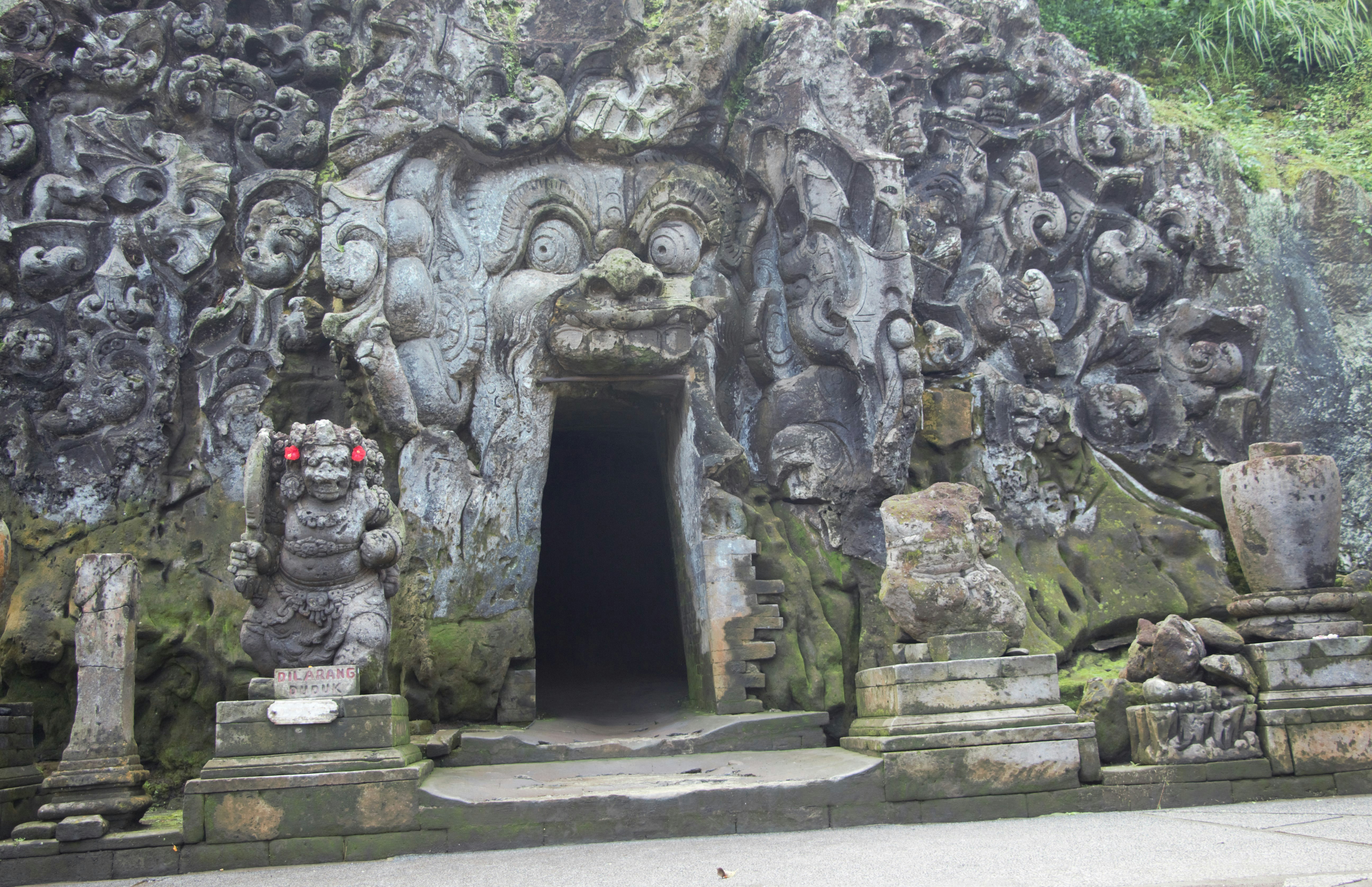
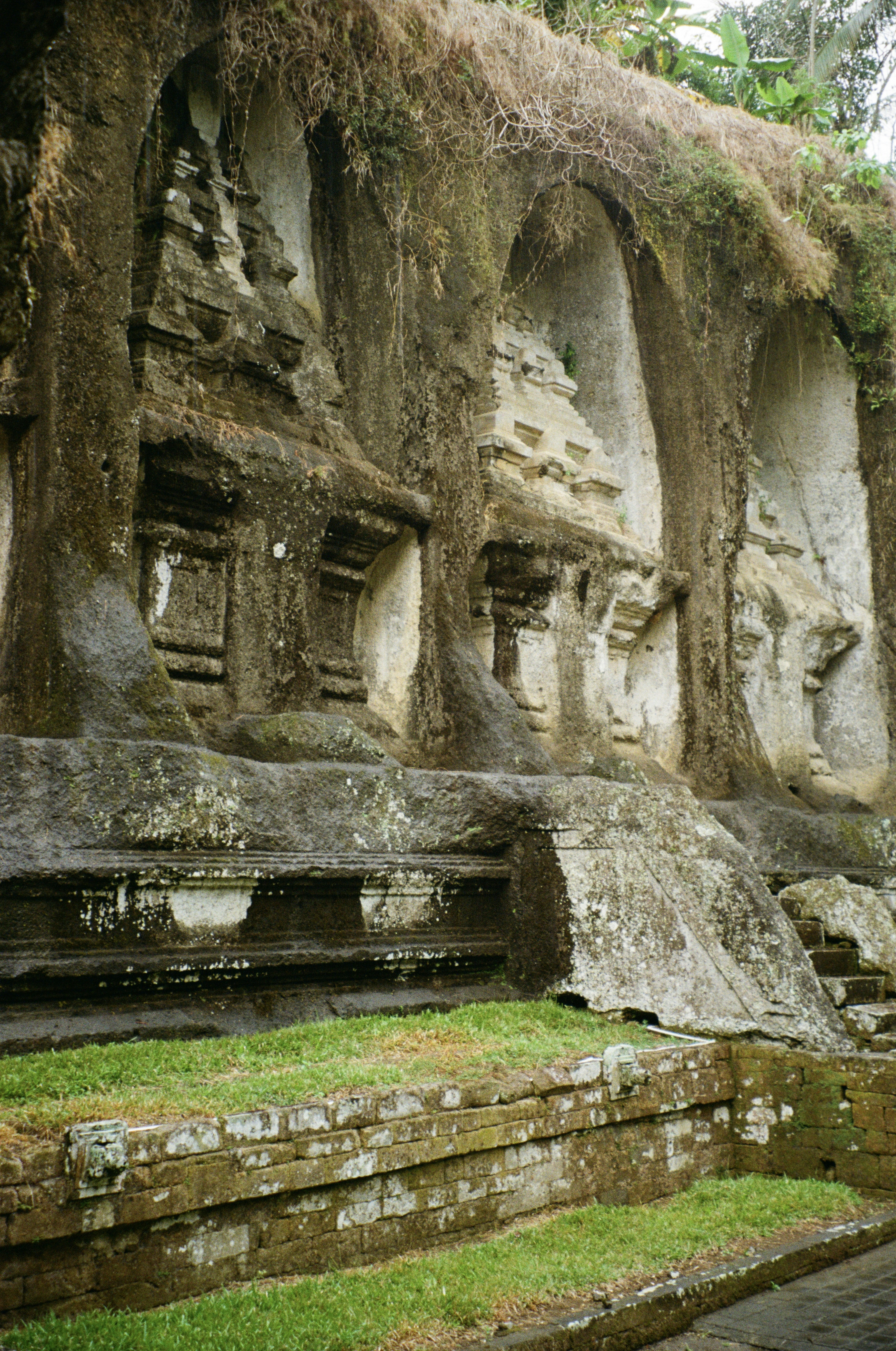
周边文化遗迹与神圣圣地
本项旅程周边的常设寺庙、瀑布胜景与文化遗产保护区。
Recommended Stays in Covered Pickup Corridors
Door-to-door hotel transfers are available for guests staying in Kuta, Seminyak, Canggu, Sanur, Nusa Dua, Jimbaran, Ubud. Explore vetted accommodations within these zones:
Mulia Villas
Mulia Villas is a 5-star hotel situated in Nusa Dua, Bali (Ultra-Luxury), holding a verified guest score of 9.7/10 across 855 reviews. Located 9.5 km (20–30 mins drive) with absolute beachfront (< 100m).
Desa Potato Head Bali
Desa Potato Head Bali is a 5-star hotel situated in Seminyak, Bali (Ultra-Luxury), holding a verified guest score of 9.5/10 across 2,537 reviews. Located 7.9 km (20–30 mins drive) with short scooter / drive (< 2km to coast).
RIMBA by AYANA Bali
RIMBA by AYANA Bali is a 5-star resort situated in Bali, Bali (Ultra-Luxury), holding a verified guest score of 9.3/10 across 13,548 reviews. Located 5.6 km (20–30 mins drive) with inland valley / highland retreat.
The Apurva Kempinski Bali
The Apurva Kempinski Bali is a 5-star resort situated in Nusa Dua, Bali (Ultra-Luxury), holding a verified guest score of 9.4/10 across 5,390 reviews. Located 10.3 km (20–30 mins drive) with short scooter / drive (< 2km to coast).
Curated Booking Launching Soon
Direct reservation channels for this cultural workshop are currently being finalized with our verified local master artisans. Instant date scheduling will open shortly.
🔒 Verified local pricing • Direct operator field audit