


Jembong Waterfall
坐落于北部安本甘(Ambengan)村庄的岩蓬瀑布(Jembong),以其难得一见的舒缓斜坡阶梯状水流著称。清冽纯净的山泉沿着层层平缓的天然磐石斜面潺潺流淌,两旁环抱着可可树、野生兰花与宛如世外桃源的热带植物花园。
📜 历史渊源与文化背景意义
在巴厘岛北部先民传统中,岩蓬清泉因其水质极其甘冽纯净,被当地人奉为兼具安抚心神与洗涤疲乏的灵性疗愈之水。这里坡度平缓、水声清雅,自古以来就是村民休养生息与祈愿身心和谐的静谧圣所。
官方门票收费标准
| 游客分类 | 官方价格 (印尼盾 IDR) | Est. (USD) | 包含项目与门票说明 |
|---|---|---|---|
| Domestic / WNI (Adult) | IDR 10.000 | $0.56 | WNI Adult ticket |
| Domestic / WNI (Child) | IDR 5.000 | $0.28 | WNI Child ticket |
| Foreign Tourist (Adult) | IDR 20.000 | $1.13 | Foreign Adult admission (includes botanical garden and natural pool access) |
| Foreign Tourist (Child) | IDR 10.000 | $0.56 | Foreign Child admission (ages 5-11) |
巴厘传统礼仪与村规习惯法 (Awig-Awig)
Jembong Waterfall 官方村庄习惯法准则与圣殿礼仪规范。
适合穿着休闲泳装在天然浅水潭中涉水泡澡;建议穿轻便凉鞋、涉水拖鞋或防滑凉鞋在修剪平整的花园步道与石阶间悠闲散步。
安本甘传统村落守则(Awig-Awig Desa Adat Ambengan):此地为清净神圣的水域栖息地。严禁向天然泉潭中倒入化学洗涤剂或杂物,严禁践踏摧折村民悉心打理的热带花卉与景观苗木。
允许放飞无人机。 允许在开阔的花园露台和梯田水系上空航拍;请保持合理的飞行间距,避免低空喧闹以维护当地家庭与访客共享的清幽雅致氛围。
摩托车/踏板车: IDR 2.000
小型客车/轿车: IDR 5.000
Transportation & Access Radar
No online ride-hailing pickups available in Ambengan. Arrange round-trip transport with a Lovina driver or scooter.
HYDROLOGY & SAFETY: Jembong's 75-degree sloping rock formation makes it much safer and calmer than vertical plunge cataracts. The natural terraced pools are well-channeled by Subak Ambengan retaining walls. During heavy monsoonal storms in the Sukasada hills, current can surge; follow village staff advisories. Wide, gentle 45-step garden descent is accessible for all ages.
海拔与通行条件评估
交通导航与出行
视觉亮点与建筑风貌 (7 张照片)
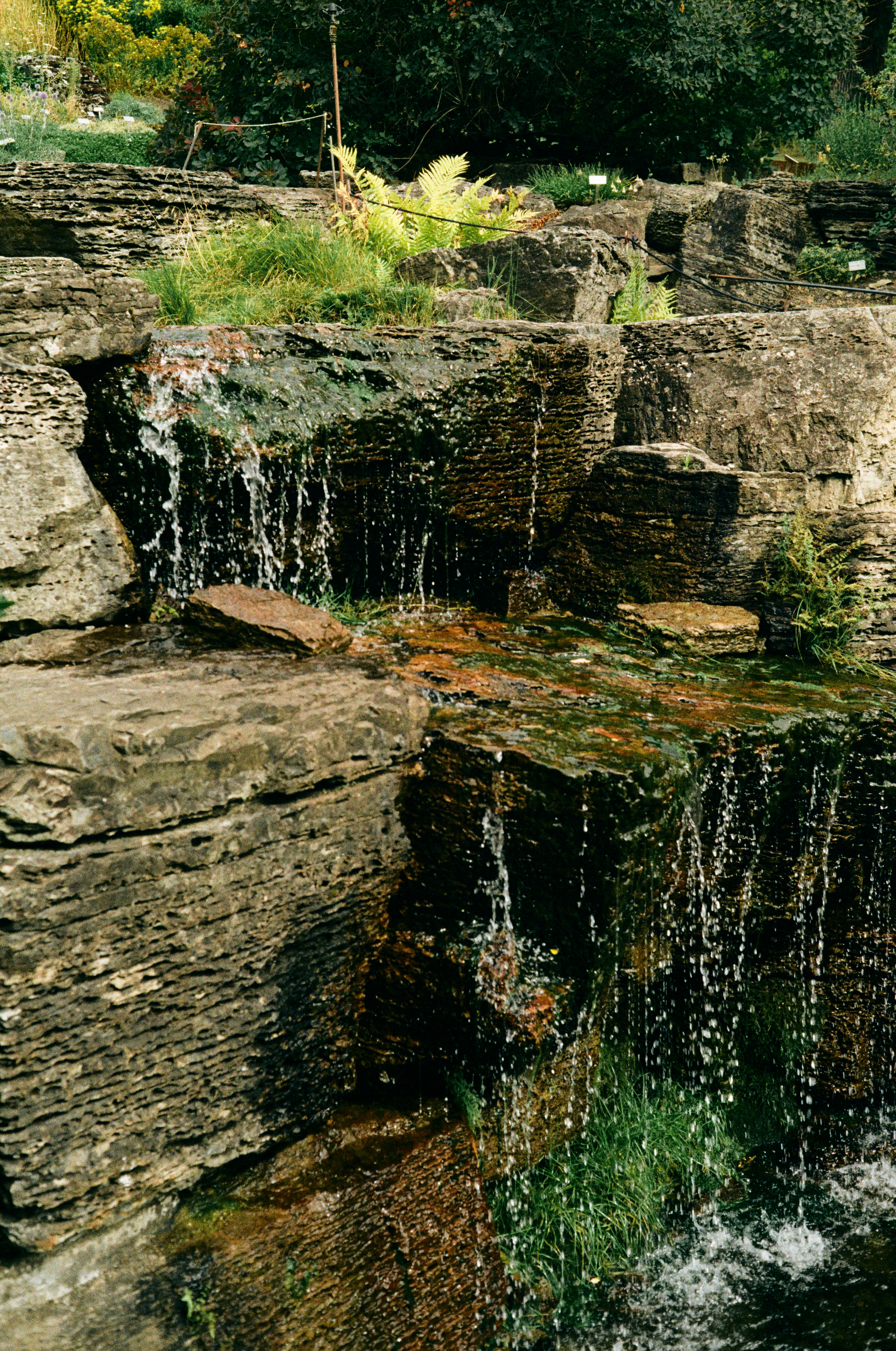
Jembong Waterfall — Distinctive stepped multi-tiered cascade tumbling over layered dark volcanic rock in a lush botanical garden.
Photo: Tuan Tran
Jembong Waterfall — Welcoming landscaped village entrance leading into the peaceful Ambengan sanctuary.
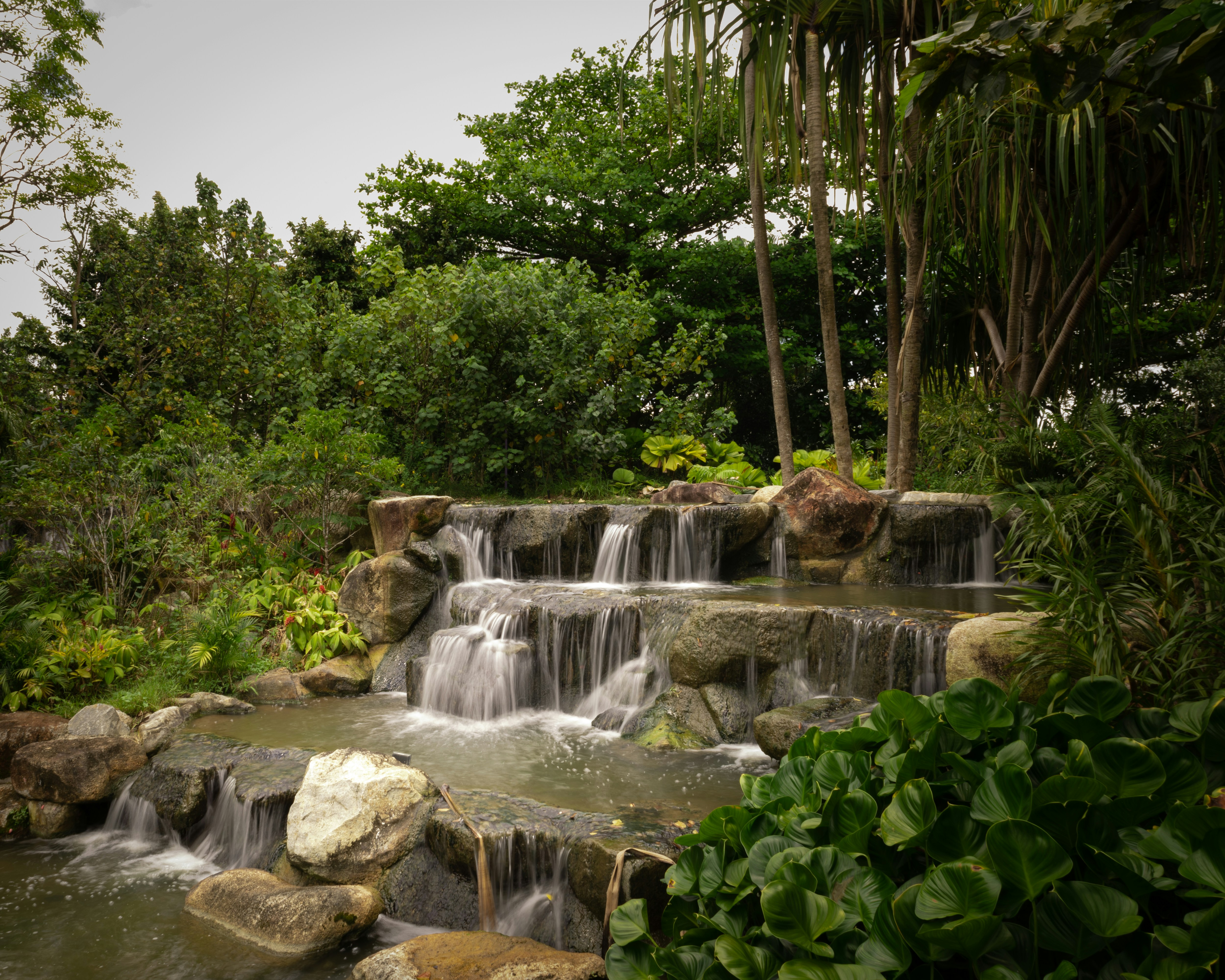
Jembong Waterfall — Clear, terraced natural swimming basins fed by oxygenated mountain spring water.
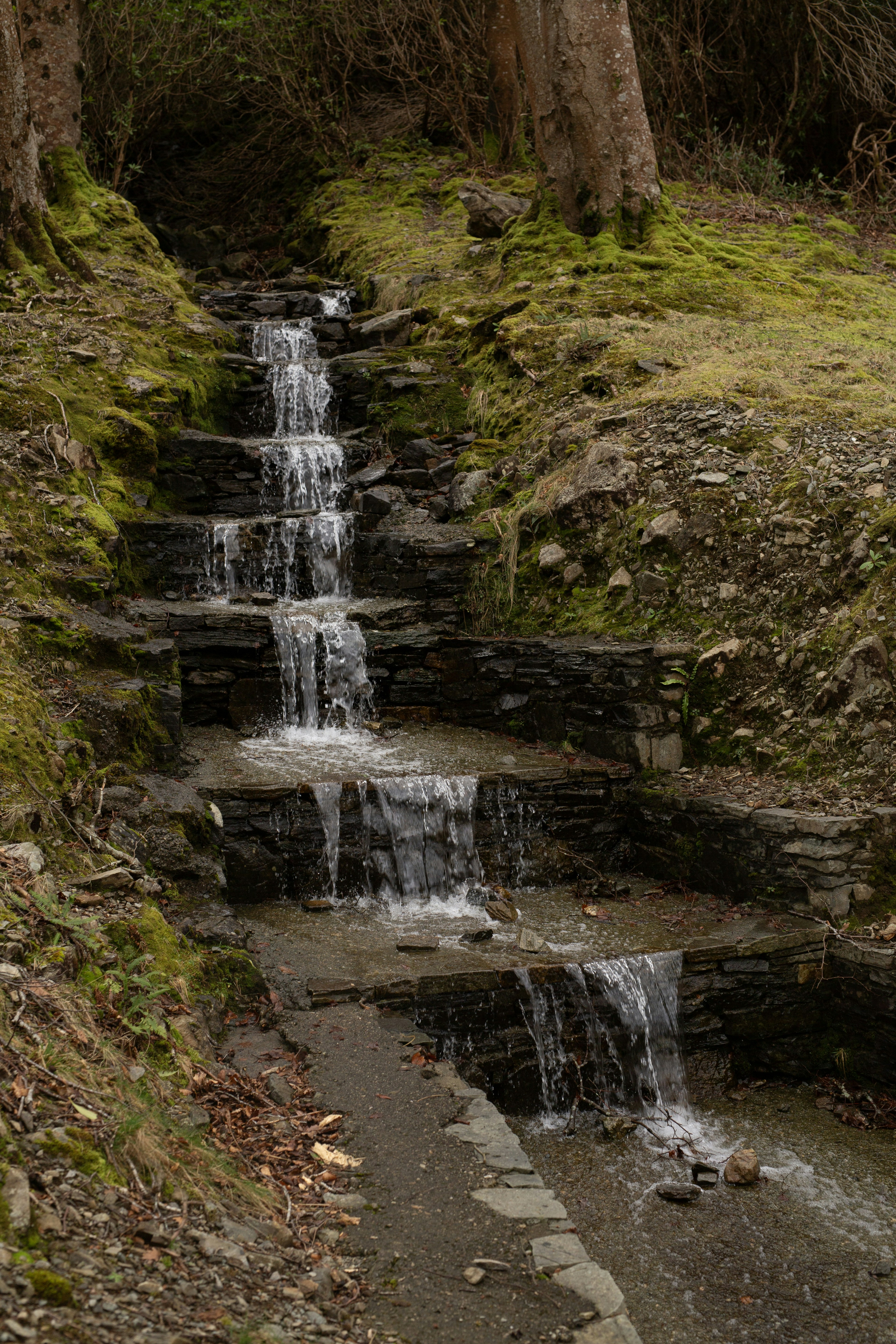
Jembong Waterfall — Landscaped garden paths and stepped stone walkways flanked by tropical orchids and ferns.
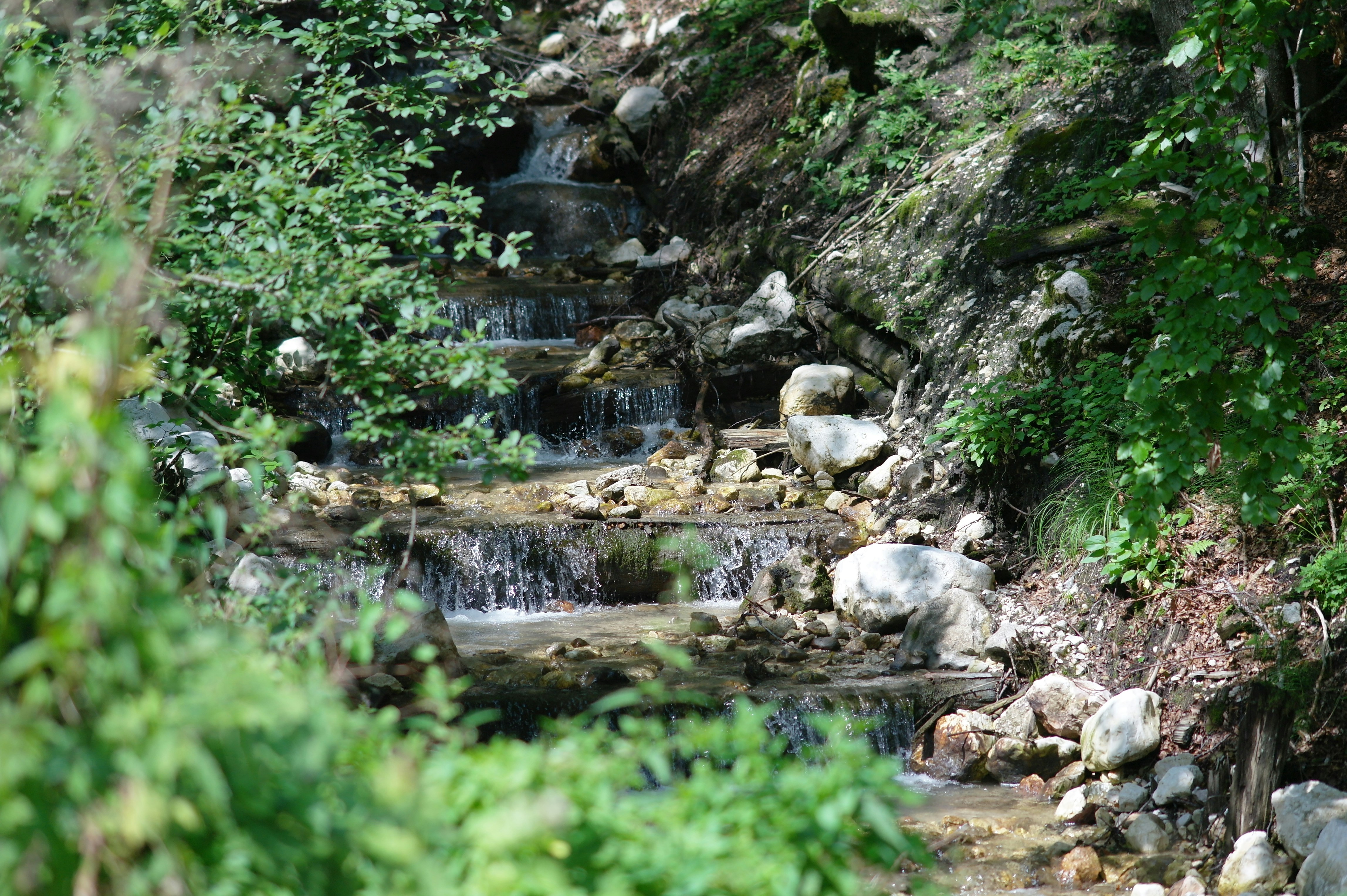
Jembong Waterfall — Sloping andesite rock tiers creating the cascade's gentle, therapeutic hydraulic flow.
文化、历史与建筑深度指南
Comprehensive Cultural & Geographic Guide: Jembong Waterfall
1. Comprehensive Overview & Cultural Significance
Hidden within the verdant, rolling orchard hills of Ambengan village in Buleleng Regency, Jembong Waterfall stands as one of northern Bali’s most serene and rejuvenating natural sanctuaries. Located just six kilometers south of Singaraja and approximately twenty minutes inland from Lovina beach, Jembong is widely celebrated by local Balinese as the "Gentle Giant" of northern waterfalls. While northern Bali is famous for thunderous, adrenaline-pumping cataracts like Gitgit and Sekumpul, Jembong offers a refreshing antithesis: a gently sloping, multi-tiered cascade that tumbles gracefully over natural volcanic stone ledges through meticulously maintained tropical gardens.
The name Jembong is synonymous throughout the Sukasada district with spiritual healing, family relaxation, and environmental harmony. For generations, local Balinese families have journeyed here not for extreme sports or hurried photography, but for therapeutic bathing (melukat), leisurely weekend picnics, and peaceful communion with nature. The waterfall’s unique terraced incline creates a soft, bubbling flow of water that massage the shoulders and back without the crushing, hazardous impact associated with high-drop vertical falls.
Under the dedicated custodial stewardship of the Ambengan village council (Desa Adat Ambengan), Jembong has been thoughtfully developed into an eco-friendly botanical park. Manicured stone pathways meander through lush collections of native Balinese orchids, tropical ferns, hibiscus, and heliconias, while crystal-clear swimming pools provide a safe, idyllic swimming environment for visitors of all generations. For travelers seeking an authentic encounter with northern Bali’s restorative water culture away from mass tour bus crowds, Jembong Waterfall offers a blissful, deeply peaceful retreat.
Beyond its recreational appeal, Jembong embodies the quintessential northern Balinese way of life, where agrarian rhythms dictate the flow of community activity. The surrounding orchards of cacao, clove, and tropical fruit trees are not commercial monocultures, but traditional permaculture forests (kebun campursari) that have sustained local families for centuries. Visitors who spend an unhurried morning here witness the seamless integration of agriculture, ecological stewardship, and sacred water reverence that defines the living heritage of Buleleng.
2. Exact Geographic Positioning & Micro-Terrain
Jembong Waterfall is situated in the north-central foothills of Buleleng Regency, positioned precisely at latitude -8.1814 and longitude 115.1275, in the hamlet of Ambengan, Sukasada District. The waterfall sits at an elevation of approximately 310 meters above sea level, occupying an intermediate ecological zone between the cool cloud forests of the central volcanic mountain chain and the warm coastal plains of the Bali Sea. This positioning gives Jembong an exceptionally pleasant microclimate, characterized by warm daytime temperatures tempered by gentle mountain valley breezes.
The micro-terrain of Ambengan village is renowned as one of the most picturesque agrarian landscapes in northern Bali, often referred to by locals as the "Little Ubud of Buleleng." The approach road winds through rolling hills draped in emerald rice terraces, dense cacao groves, and orchards of mangosteen, durian, and duku fruit. From the spacious village parking concourse, the walk to the waterfall is exceptionally short, safe, and gentle.
The physical difficulty rating for Jembong Waterfall is classified as EASY. The descent involves only about 45 wide, gently graded concrete stairs flanked by sturdy handrails, traversing a beautifully landscaped botanical garden. The walk from the parking area to the water’s edge takes less than four minutes, making Jembong one of the most accessible waterfalls in all of Bali. Families with young children, elderly travelers, and visitors with limited hiking mobility can navigate the site with total confidence and ease.
The grounds surrounding the waterfall feature flat, manicured grass terraces, paved viewing promenades, and clean stone seating areas. The riverbed itself has been reinforced with traditional stone masonry, creating safe, flat entry points into the natural wading pools without the slippery boulders and treacherous drop-offs common to wild mountain ravines. The micro-basin enjoys ample dappled sunlight throughout the morning hours, creating a bright, welcoming atmosphere that feels worlds apart from dark, claustrophobic slot canyons. Hydrologically, subterranean springs continuously replenish the pool with crisp, mineral-rich mountain water that remains translucent throughout the year.
3. Mythological Genesis & Sacred Lore
In the spiritual traditions of northern Balinese Hinduism, water that flows over stepped stones is regarded as possessing a uniquely maternal, nurturing energy. The sacred folklore of Jembong Waterfall is intimately connected to the ancestral healing traditions of Buleleng. Local legends recount that the mountain spring feeding the falls was manifested through the spiritual meditations of a revered holy priestess (Balian Istri) who sought a source of pure water to heal a mysterious epidemic afflicting the agrarian children of Sukasada centuries ago.
Upon discovering the terraced rock formation in the Ambengan valley, the holy woman prayed to Dewi Gangga, the divine personification of holy rivers, to imbue the cascade with perpetual cleansing virtues. According to local belief, the water that sheets over Jembong's stepped andesite ledges is infused with the divine power of Pangentas, capable of severing negative karmic ties, calming agitated minds, and restoring vitality to weary bodies.
At the base of the cascade, nestled against a living volcanic rock face draped in wild river ferns, stands a sacred water shrine (Pelinggih Beji). Dedicated to Ida Ratu Niang Toya Mas, the celestial guardian of golden waters, this consecrated shrine is maintained with profound devotion by the priests of Desa Adat Ambengan. Daily offerings of Canang Sari, adorned with fresh blossoms and fragrant incense, are presented at dawn and dusk. Local visitors regularly pause at the shrine to perform simple prayers before stepping into the pools, expressing gratitude for the water’s continuous abundance and seeking spiritual peace.
The presence of the sacred shrine imbues the entire garden complex with an unmistakable atmosphere of quiet serenity. Unlike commercial tourist attractions where noisy activities dominate, visitors to Jembong naturally speak in hushed, respectful tones, attuned to the gentle rhythm of the falling water and the melodic chorus of tropical birds inhabiting the surrounding fruit orchards.
4. Chronicle of River Stewards, Sages & Agrarian History
The modern development of Jembong Waterfall represents one of the earliest and most successful community-led eco-tourism initiatives in northern Bali. Historically, Ambengan was a quiet farming village celebrated for its exceptionally sophisticated Subak irrigation system, which has sustained multi-crop terrace farming for over eight centuries. The natural waterfall was originally known only to local farmers who utilized its pools for daily bathing and domestic water collection.
In the early 2010s, village elders and youth leaders in Ambengan recognized the potential to develop Jembong into a sustainable community sanctuary that would generate local employment while celebrating the natural beauty of their village. Rejecting offers from commercial investors who wished to construct intrusive concrete water parks, the village assembly (Bale Banjar) voted to keep the waterfall entirely under community ownership.
Working through collective communal labor (gotong royong), the villagers landscaped the natural ravine using organic materials. They planted thousands of native flowering shrubs, paved safe access pathways with local river stones, and created natural swimming basins fed by the continuous flow of the waterfall. Today, Jembong is managed as a communal cooperative under Desa Adat Ambengan. All operational profits are reinvested into village welfare, supporting the village elderly, providing scholarships for local students, and maintaining the historic village temples.
The local attendants who manage the ticket kiosk, care for the botanical gardens, and oversee visitor safety are all residents of Ambengan village. Their genuine warmth, pride of ownership, and deep commitment to authentic Balinese hospitality create an atmosphere where travelers feel like welcomed personal guests rather than mere commercial patrons.
5. Architectural Anatomy, Canyon Geology & Water Formations
The architectural layout of Jembong Waterfall is designed to harmonize effortlessly with the surrounding topography, adhering strictly to the Balinese spatial philosophy of Tri Mandala:
- Nista Mandala (Outer Concourse): The spacious arrival area located at the top of the slope, featuring clean paved parking for cars and scooters, small local warungs operated by village families, and ticket redemption kiosks.
- Madya Mandala (Botanical Garden Corridor): The gently descending garden path that winds through terraced beds of exotic tropical flora, manicured grass lawns, and shaded wooden resting pavilions (bale bengong). This area allows visitors to decompress, enjoy the scenic vistas across Ambengan's rice terraces, and prepare for swimming.
- Utama Mandala (Inner Water Sanctuary): The natural river amphitheater, comprising the multi-tiered 75-degree sloping cascade, the streamside pelinggih offering shrine, and the crystal-clear swimming basins.
Geologically, the waterfall is celebrated for its sloping, stepped andesite formation. The cascade drops over a succession of natural volcanic stone benches, extending approximately twenty-five meters along its inclined face. The water spreads out in a wide, shimmering sheet, cascading gently over moss-covered rock steps and creating dozens of miniature splash pools and bubbling water curtains.
At the foot of the cascade, the village has constructed two interconnected swimming basins using natural stone retaining walls. The upper pool, located directly beneath the primary cascade, is approximately one to 1.5 meters deep, allowing swimmers to recline comfortably against the sloping rock face and enjoy the soothing hydro-therapeutic massage of the falling water. The lower pool is shallower (approximately 0.8 meters deep), designed specifically as a safe, family-friendly swimming area where children can play freely in pure, non-chlorinated mountain spring water.
The water quality at Jembong is exceptional. Originating from protected highland aquifers, the water is naturally filtered through deep volcanic strata, resulting in a crystalline clarity that allows every pebble on the pool floor to be seen with complete clarity. The continuous flow ensures that the water remains fresh, cool, and impeccably clean throughout the day.
The botanical surroundings play an equally vital structural role in the site's architecture. The steep earthen banks bordering the cascades are stabilized by ancient banyan and mahogany root systems, interwoven with ornamental ferns and flowering bougainvillea planted by the village cooperative. Shaded bamboo resting gazebos (bale bengong) are positioned on natural grass promontories above the pools, offering visitors panoramic views of the water terraces while allowing the cool mountain air to circulate freely.
6. Essential Etiquette, Awig-Awig & Taboos
To maintain the peaceful ambiance, ecological cleanliness, and sacred sanctity of Jembong Waterfall, visitors are required to observe traditional customary bylaws (awig-awig):
- Modest Swimwear Required: While swimming in the pools is enthusiastically encouraged, cultural modesty is strictly maintained. Revealing swimwear, thong bikinis, and topless sunbathing are strictly prohibited. Visitors should wear modest swimwear, board shorts, or swim t-shirts. When walking through the garden concourse, dry clothing or a sarong should be worn over swimwear.
- No Chemical Cleansers: The water from Jembong flows directly into downstream subak channels that irrigate food crops. The use of chemical soaps, shampoos, detergents, or oily lotions in the pools is completely forbidden.
- Respect for Shrines and Sacred Flora: The riverside pelinggih shrine is a sacred space of prayer. Do not climb on shrine foundations, do not hang towels or bags from shrine fences, and do not touch religious statues. Visitors must also refrain from plucking flowers or damaging the botanical garden plantings.
- Safety in Swimming Pools: While Jembong is exceptionally safe compared to deep plunge waterfalls, running on wet stone decks and diving headfirst into the pools is dangerous and strictly prohibited. Children must always be supervised by an adult.
- Strict Waste Disposal: Littering is an offense against village customary law. All trash, food wrappers, and plastic containers must be placed in the designated sorting bins positioned throughout the garden grounds.
7. Practical Logistics & Optimal Timing
Visiting Jembong Waterfall is an effortless, enjoyable excursion that fits perfectly into any North Bali travel itinerary:
- Optimal Time of Day: The quintessential time to visit Jembong is between 08:30 and 11:30 AM. During the morning hours, the garden is quiet, the air is crisp, and soft morning sunlight filters through the orchard canopy, illuminating the terraced cascades in radiant light. Visiting on weekday mornings offers near-private access before local families arrive for weekend leisure.
- Operating Hours: Open daily from 08:00 to 17:00. The ticket office closes at 16:30.
- Transportation Access: Located just six kilometers south of Singaraja and approximately fifteen to twenty minutes from Lovina Beach. The road from the coastal highway (Jalan Raya Singaraja-Lovina) is fully paved, smooth, and easily navigable by both private hire cars and motor scooters. Unlike remote canyon hikes, Jembong does not require extreme mountain driving skill.
- Ride-Hailing Advisory: While Lovina is relatively close, online ride-hailing apps (Grab/Gojek) have limited to zero reliable pick-up service in rural Ambengan. It is strongly recommended to hire a private driver for the day or arrange a round-trip transfer with a local Lovina driver who will wait for you during your visit.
- Combination Excursions: Jembong Waterfall can be effortlessly paired with morning dolphin excursions along Lovina Beach, cultural visits to the historic royal palace of Singaraja (Puri Agung Singaraja), or an afternoon soak at the sacred Banjar Hot Springs (Air Panas Banjar), creating a comprehensive, stress-free day of northern Balinese exploration.
- Recommended Gear: Swimwear, a quick-drying towel, a change of clothes, flip-flops or water sandals, and sunscreen. Lockers and clean changing cabins are available on site.
8. Entry Tariffs & Transparent Inclusions
The tariff structure at Jembong Waterfall is established transparently by Desa Adat Ambengan, providing outstanding value while ensuring direct community benefit:
- Foreign Adult Entry Ticket: IDR 20,000 (approximately USD $1.25)
- Foreign Child Entry Ticket (Ages 5–11): IDR 10,000 (approximately USD $0.65)
- Domestic Indonesian Adult: IDR 10,000
- Domestic Indonesian Child: IDR 5,000
- Vehicle Parking Fees: IDR 5,000 for private cars; IDR 2,000 for motor scooters.
- Children Under 5 Years: Free admission.
Transparent Inclusions: Every entry ticket includes full access to the botanical garden grounds, the natural terraced waterfalls, the constructed swimming basins, clean public restrooms, and outdoor shower facilities. Unlike commercial venues that charge extra fees for garden viewing or swimming pool use, Jembong provides complete, all-inclusive access. Family-run warungs near the parking concourse offer chilled fresh young coconuts (IDR 15,000–20,000), iced tea, and freshly prepared local dishes at authentic village prices.
All admission revenue is managed openly by the village treasurer, with financial reports posted transparently at the village hall (Bale Banjar). Travelers receive official paper tickets stamped with the seal of Desa Adat Ambengan, assuring them that their contribution actively sustains the community rather than lining private corporate pockets.
9. Sustainable Tourism & Respectful Exploration
Jembong Waterfall stands as an inspiring testament to the power of community-driven, conservation-oriented tourism in Bali:
- Preserving Traditional Agro-Forestry: The success of Jembong has allowed the community of Ambengan to maintain their agricultural heritage without converting fertile fruit and cacao orchards into commercial real estate developments. By visiting, travelers directly incentivize the continued preservation of Buleleng's lush agrarian landscapes.
- Direct Economic Empowerment: Every entry fee directly funds essential public services within the village, including healthcare for the elderly, cultural arts education for children, and the maintenance of historic irrigation infrastructure that has sustained the community for centuries.
- Minimizing Environmental Impact: Visitors are encouraged to treat the botanical garden with gentle reverence, adhering strictly to paved paths and avoiding single-use plastics. The community conducts regular communal cleanups (gotong royong) to ensure the riverbed remains immaculate.
- A Sanctuary for Peaceful Reflection: In a world filled with high-intensity attractions, Jembong Waterfall invites travelers to slow down, breathe deeply, and experience the quiet, nurturing heart of northern Bali. Sitting beside its terraced waters, enveloped by the fragrance of tropical orchids and the gentle murmur of mountain streams, one discovers an enduring sanctuary of true restorative peace.
Mythological Origins, Foundation Chronicles & Sacred River Folklore of Jembong Waterfall
Nestled in the lush agricultural foothills of Ambengan village, just six kilometers south of Singaraja in northern Bali, Jembong Waterfall—venerated as Air Terjun Jembong—holds a sacred reputation among northern Balinese communities as a sanctuary of spiritual healing and energetic rejuvenation. Unlike Bali's dramatic sheer-drop cataracts that inspire awe through terrifying vertical force, Jembong is celebrated for its gentle, soothing disposition. In traditional Balinese medical lore (Usadha Bali), water that cascades down an inclined, terraced stone gradient is believed to absorb the stabilizing energetic qualities of the earth (prertiwi) while retaining the invigorating pranic vitality of mountain air (bayu).
Local village elders (Tetua Desa Ambengan) preserve oral traditions (tutur) recounting that ancient spiritual practitioners and village healers (balian usadha) regularly brought individuals suffering from chronic physical ailments, grief, and spiritual exhaustion to the natural pools of Jembong for ritual purification (melukat). The gentle, non-turbulent flow of the water allowed seekers to recline comfortably beneath the terraced streams for hours, allowing the oxygen-rich currents to wash away subtle spiritual blockages (leteh) from the energy chakras. The site was historically known as an auspicious dwelling of benevolent river spirits (Ratu Niang Toya), who bestow peace of mind and fertility upon all who approach with pure devotion.
The landmark is governed under the timeless tenets of Tri Hita Karana. A consecrated stone water shrine (Pelinggih Beji) stands peacefully near the central cascade, shaded by fragrant frangipani trees and wild ginger bushes. The shrine is reverently wrapped in traditional yellow and white textiles, where custodial priests and local villagers present daily Canang Sari offerings filled with fresh blossoms, holy betel leaves (base lekesan), and burning incense. Before stepping into the natural pools, local visitors touch their fingertips to the water and touch their foreheads in silent prayer, acknowledging the river as an embodiment of divine motherly grace. This enduring ritual reverence has shielded Jembong from environmental degradation, ensuring that its healing waters remain pure, pristine, and spiritually alive across generations.
River Canyon Geology, Subak Waterways & Natural Formations of Jembong Waterfall
From a geological perspective, Jembong Waterfall exhibits a distinctive structural profile that sets it apart from almost all other cascades in Bali. Rather than dropping vertically from an undercut rock cliff into a deep plunge crater, Jembong flows down an inclined, terraced staircase of hard volcanic andesite at an approximate 75-degree angle. This geological formation was created during the late quaternary period by successive sheets of volcanic lava flows that cooled into stratified, stepped stone benches, subsequently sculpted and smoothed by thousands of years of alluvial water erosion.
The waterfall extends across multiple descending tiers over a total linear distance of roughly twenty-five meters, with a total vertical elevation drop of approximately fifteen meters. As the water descends across the stepped volcanic ledges, it breaks into dozens of delicate, interlacing rivulets and bubbling white-water chutes that empty into a series of shallow, natural rock pools and constructed stone swimming basins. This terraced hydraulic dynamic naturally aerates the water, saturating it with high levels of dissolved oxygen and producing negative ions that create an exceptionally fresh, crisp atmospheric microclimate.
The river that powers Jembong Waterfall is fed by pristine highland springs originating within the Sukasada mountain catchment basin. The water is exceptionally translucent, with visibility extending straight to the smooth pebble-and-sand riverbed. Hydrologically, the cascade serves as an integral diversion hub for the local Subak Ambengan agricultural cooperative. The pristine overflow is channeled through traditional stone weirs and ancient masonry aqueducts to hydrate hundreds of hectares of terraced rice paddies, cacao groves, rambutan orchards, and mangosteen plantations down-valley, exemplifying the sustainable integration of natural river hydraulics and traditional Balinese irrigation engineering. Furthermore, the mineral chemistry of the spring waters carries dissolved volcanic silica, calcium, and trace minerals leached from the upstream volcanic aquifers, which naturally inhibits algae accumulation and imparts a luminous clarity to the standing basins. Traditional dry-stone masonry walls (turap batu kali) constructed by village farmers along the riverbanks subtly channel the overflow back into the primary river course without disturbing the organic contours of the ancient gorge.
Frequently Asked Questions & Local Logistics
Key logistical insights, official tariffs, and customary etiquette for Jembong Waterfall.
Top Curated Stays Near Jembong Waterfall
8公里半径内的精选住宿推荐,综合出行耗时最短与真实旅客评价排序。

De-Ranggon Home stay garden huts

Pondok Penganringan II

OYO 3835 Spice Paradise Hotel And Restaurant

Maha Hills Resort by Mahaprana Experience
Jembong Waterfall 附近的精选特色体验
Curated guided tours and local adventures operated within easy transit of this landmark.

Sambangan Secret Garden Waterfall Cliff Jumping & Sliding
Adrenaline-packed canyoning through northern Bali’s secluded jungle waterfalls with natural rock waterslides.

Sekumpul & Fiji Waterfalls Comprehensive Jungle Canyon Trek
Curated Balinese experience: Sekumpul & Fiji Waterfalls Comprehensive Jungle Canyon Trek. Part of Bali Expert Guide's signature curated journeys.

Aling-Aling Waterfall Jumping, Sliding & Canyon Safari
Curated Balinese experience: Aling-Aling Waterfall Jumping, Sliding & Canyon Safari. Part of Bali Expert Guide's signature curated journeys.