


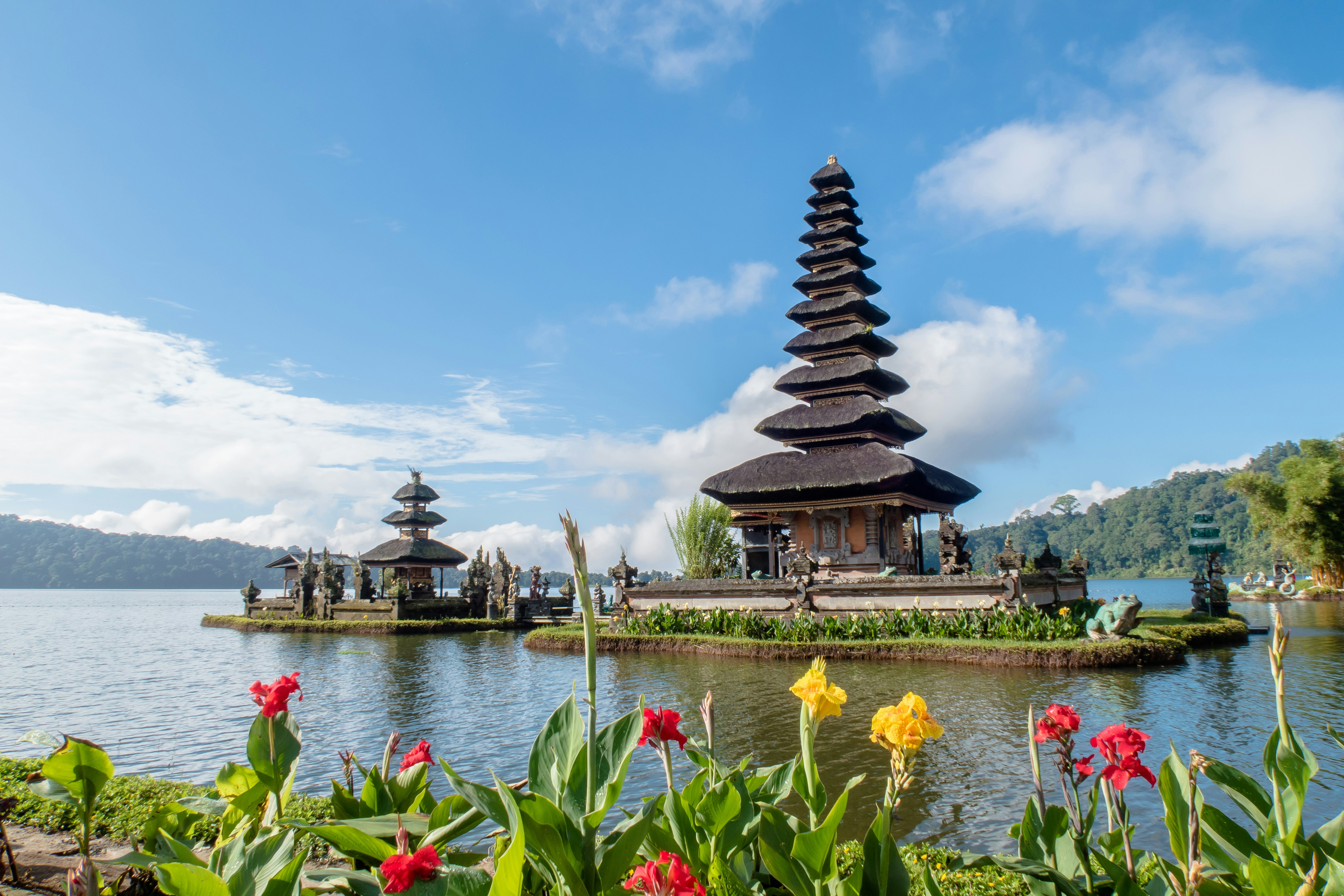
USAT Liberty Shipwreck & Coral Gardens
全球最具知名度与可达性的二战水下沉船潜点之一,长达125米的美国陆军运输舰静卧于图兰奔(Tulamben)黑色火山石海滩外仅30米处的斜坡海底,六十载岁月将其幻化为生命丰饶的璀璨人工珊瑚暗礁王国。
📜 历史渊源与文化背景意义
1942年1月11日,自由号在龙目海峡遭到日本潜艇鱼雷重创,随后被拖拽搁浅在图兰奔海滩。1963年阿贡火山发生灾难性大爆发,剧烈地震与熔岩碎屑震动导致这艘百米钢铁巨兽滑入近海碧波,自4米至30米深度的斜坡底床长眠至今。
官方门票收费标准
| 游客分类 | 官方价格 (印尼盾 IDR) | Est. (USD) | 包含项目与门票说明 |
|---|---|---|---|
| Domestic / WNI (Adult) | IDR 25.000 | $1.41 | WNI Adult |
| Domestic / WNI (Child) | IDR 15.000 | $0.84 | WNI Child |
| Foreign Tourist (Adult) | IDR 50.000 | $2.81 | Tulamben village coastal marine park & porter conservation fee |
| Foreign Tourist (Child) | IDR 25.000 | $1.41 | Child beach access |
Two guided shore dives with full scuba equipment, tanks, and certified local divemaster
巴厘传统礼仪与村规习惯法 (Awig-Awig)
USAT Liberty Shipwreck & Coral Gardens 官方村庄习惯法准则与圣殿礼仪规范。
专业潜水湿衣或防晒水母服、面镜呼吸管及带硬底潜水靴的脚蹼,以保护双脚在灼热坚硬的黑色火山卵石滩上稳步行走。离开潜点进入村庄主路时须穿着干爽得体便装。
依据图兰奔海洋传统公约(Awig-Awig Bahari Desa Adat Tulamben):所有岸潜必须雇用村庄本地妇女气瓶搬运工队(Tukang Angkut),以维护村落互助生计;严禁触摸碰撞脆弱珊瑚、严禁追逐海龟与隆头鹦哥鱼群;沉船核心内部无洞潜资质者严禁盲目穿越;严禁一切水下鱼叉捕猎。
允许放飞无人机。 允许在图兰奔海湾及海面航拍以捕捉清澈海水与阿贡火山背景;但操作时须严格远离潜水员入水点、气瓶整备区及度假村休闲露台,严禁在低空近水面俯冲干扰浮潜游客。
摩托车/踏板车: IDR 2.000
小型客车/轿车: IDR 5.000
Transportation & Access Radar
Zero ride-hailing app coverage. Book local Tulamben/Amed dive center transport.
Wear booties when walking across round black shore pebbles to prevent slipping.
海拔与通行条件评估
交通导航与出行
视觉亮点与建筑风貌 (7 张照片)
USAT Liberty Shipwreck — World-famous 125-meter WWII shipwreck resting on a volcanic sand reef just 30 meters off Tulamben beach.
Photo: Alfiano Sutianto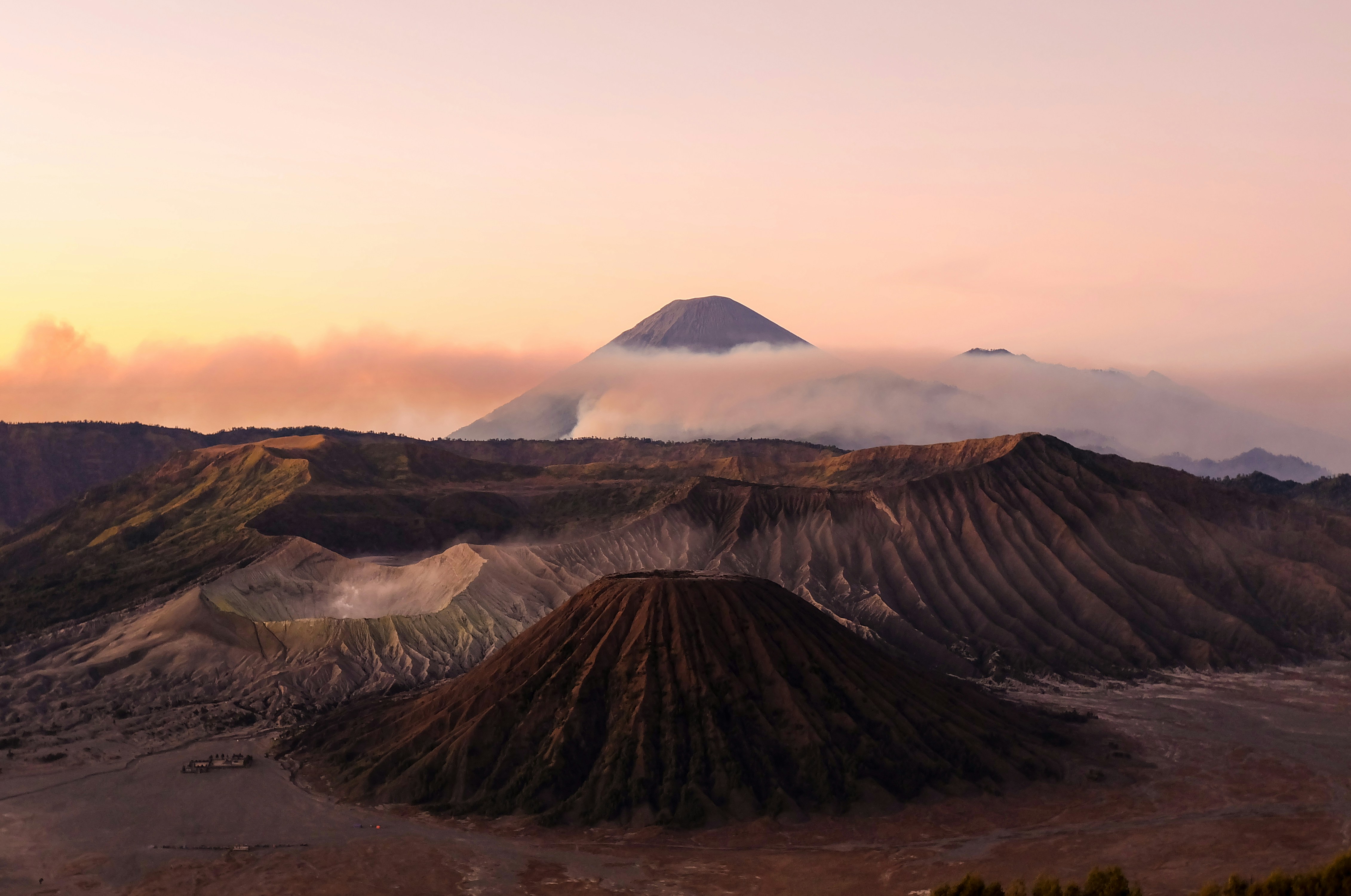
USAT Liberty Shipwreck — Coral-Encrusted Cargo Holds. Magnificent swim-through holds cloaked in vibrant soft corals, gorgonians, and sponges.
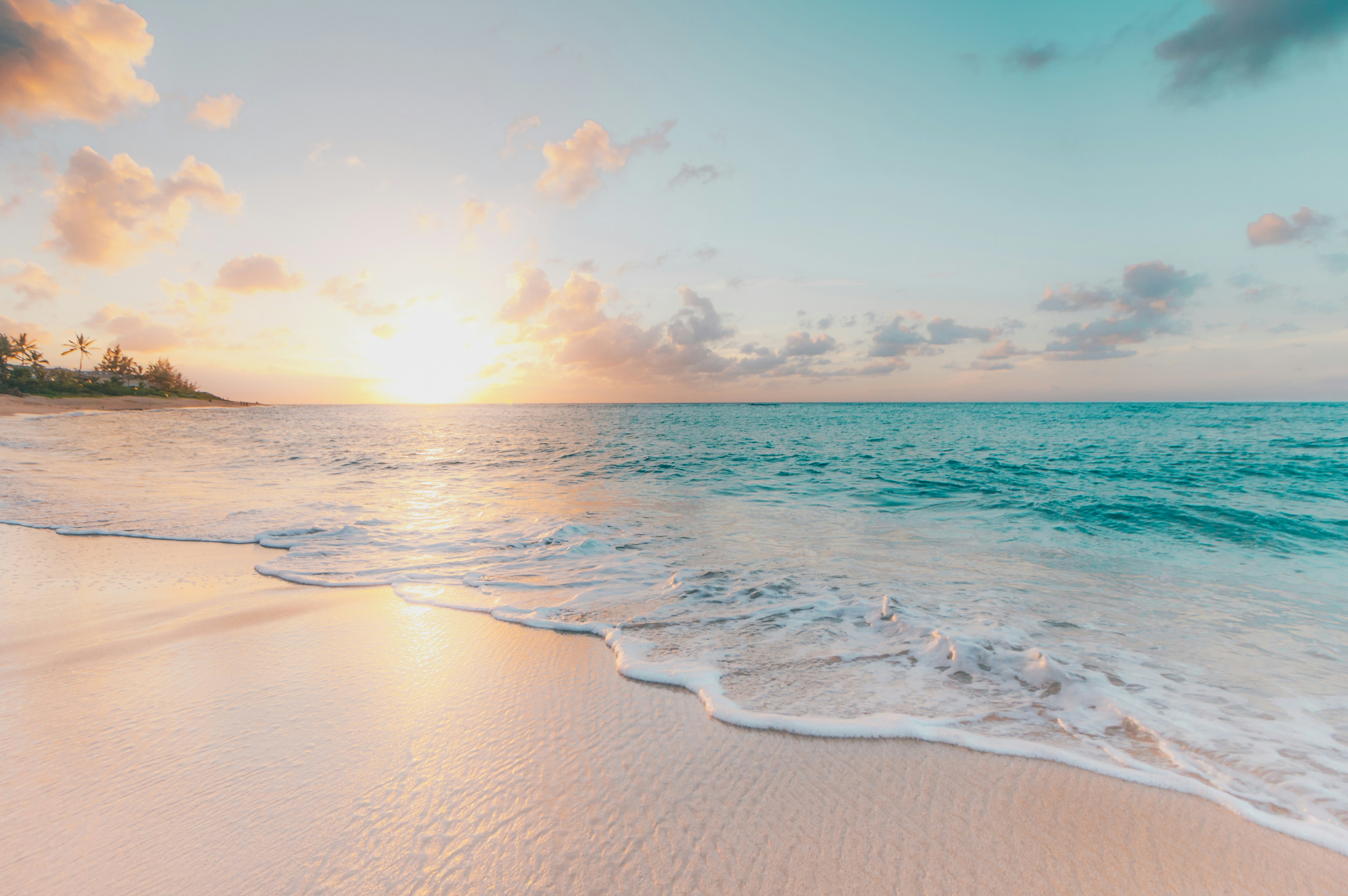
USAT Liberty Shipwreck — Tulamben Black Sand Beach Panorama. The volcanic coastline looking toward Mount Agung across the Lombok Strait.
USAT Liberty Shipwreck — Resident Bumphead Parrotfish School. Giant bumphead parrotfish cruising the sunlit upper wreck in early morning.

USAT Liberty Shipwreck — Pebble Shore Entry Path. The black basalt cobblestone shoreline where local porters transport scuba equipment.
文化、历史与建筑深度指南
Comprehensive Cultural Guide: USAT Liberty Shipwreck & Coral Gardens
1. Comprehensive Overview & Cultural Significance
USAT Liberty Shipwreck & Coral Gardens stands as one of the world's most renowned maritime historical landmarks and premier shore-accessible scuba diving sanctuaries, celebrated across the international diving community for its rich wartime history, vibrant marine biodiversity, and remarkable geological origins. Situated on the rugged northeastern coastline of Karangasem, this extraordinary underwater monument harmonizes military history with marine conservation, offering an unparalleled submerged journey just 30 meters from a volcanic pebble beach. Whether explored by experienced deep technical divers, recreational open-water divers, or surface snorkelers, the site exemplifies the extraordinary resilience and beauty of the oceanic realm.
At the core of the landmark’s identity is the foundational Balinese worldview of Tri Hita Karana—the eternal harmony between humanity (pawongan), the natural marine environment (palemahan), and the transcendent realm of sea deities (parahyangan). In Balinese spiritual philosophy, the ocean (Segara) is treated with deep reverence as a divine source of life, purification, and spiritual sustenance. The custodial community of Desa Adat Tulamben community dive cooperative and village council takes immense pride in maintaining the marine park with rigorous conservation oversight, welcoming international travelers while strictly protecting the fragile coral ecosystems and aquatic life that inhabit the wreck.
Visitors encountering USAT Liberty Shipwreck & Coral Gardens are immediately mesmerized by the sheer scale and biological vibrancy of the submerged vessel. Stretching 125 meters in length and resting upon a dark volcanic sand slope ranging from 5 to 30 meters depth, the ship has been completely colonized by over 60 years of luxuriant coral growth. Giant sea fans, soft corals, and vast colonies of reef fish create an underwater kaleidoscope of color and motion. Here, the legendary local female porters (tukang angkut) of Tulamben carry heavy scuba tanks with incredible grace upon their heads, embodying a unique tradition of community hospitality that has welcomed ocean explorers for decades.
Beyond its regional significance within Karangasem, USAT Liberty Shipwreck & Coral Gardens serves as a global benchmark for artificial reef ecology and sustainable marine tourism. Its remarkable transformation from a torpedoed World War II cargo casualty into one of the most biodiverse marine habitats on Earth proves how nature can reclaim human artifacts and create vibrant sanctuaries of life. For marine biologists, underwater photographers, and adventurous travelers alike, exploring this historic wreck offers unforgettable encounters with the magnificent wonders of the Indo-Pacific marine corridor.
2. Exact Geographic Positioning & Micro-Terrain
Positioned precisely within the administrative jurisdiction of Karangasem, USAT Liberty Shipwreck & Coral Gardens is located in the coastal hamlet of Tulamben, facing the deep, oceanic waters of the Lombok Strait. In traditional Balinese spatial cosmology, this coastal setting represents the ultimate kelod (seaward) dimension, where volcanic mountain runoffs meet the deep sea in a perpetual cycle of renewal and spiritual balance.
The micro-terrain of USAT Liberty Shipwreck & Coral Gardens is characterized by a dramatic contrast between stark volcanic terrestrial geology and lush submerged ecology. Onshore, the beach is composed of smooth, rounded black basalt cobbles and pebbles formed by ancient lava flows from Mount Agung. Entering the water, the seabed drops off gently across dark volcanic sand beds before plunging down a 45-degree slope where the shipwreck rests on its starboard side, oriented parallel to the shore. The dark sand background enhances underwater contrast, providing a striking backdrop for macro marine life and vibrant coral polyps.
The physical difficulty rating for exploring USAT Liberty Shipwreck & Coral Gardens is classified as EASY. Because the top of the wreck sits just 5 meters below the surface and begins only 30 meters from the beach, the site is exceptionally accessible. Snorkelers and beginner divers can easily explore the upper hull and cargo holds in calm morning waters, while advanced divers can descend to 30 meters to inspect the bow gun, propeller shaft, and deep structural swim-throughs. The primary physical consideration is walking across the rounded shore pebbles when entering and exiting the water, which requires sturdy neoprene dive booties with thick rubber soles.
Hydrologically and oceanographically, the site benefits from the powerful Indonesian Throughflow—a major oceanic current system that transports warm, nutrient-rich Pacific Ocean waters through the Lombok Strait into the Indian Ocean. These consistent, nutrient-dense water currents nourish the corals and provide abundant food for pelagic schooling fish, maintaining world-class water clarity and thriving biological productivity throughout the year.
3. Mythological Genesis & Sacred Lore
The sacred lore surrounding USAT Liberty Shipwreck & Coral Gardens is intimately bound to the spiritual traditions of coastal Bali and the volcanic majesty of Mount Agung. Local Balinese Fishermen and village elders revere the wreck as a divine gift bestowed upon the village by Ida Bhatara Tolangkir, the supreme spiritual deity of Mount Agung. Prior to the 1963 eruption, Tulamben was an impoverished, water-scarce hamlet suffering from chronic drought. The volcanic tremors that launched the ship into the sea transformed the economic destiny of the village, creating a flourishing community sustained by international eco-tourism.
In accordance with Balinese Hindu tradition, the marine waters surrounding the wreck are protected under the sacred spiritual realm of Lord Baruna, supreme sovereign of the oceans. The local community regularly conducts elaborate seaside ceremonies, notably the Melasti purification rites prior to the Balinese New Year (Nyepi) and Pakelem offerings, wherein prayers, flower mandalas, and symbolic offerings are presented to the sea to express gratitude and seek divine blessing for calm seas and abundant marine life.
Local dive guides and custodial elders preserve fascinating oral narratives detailing mystical encounters around the wreck. Divers and fishermen recount sightings of giant, docile sea turtles and immense schools of silvery bumphead parrotfish that inhabit the wreck's interior chambers like ancient spirit guardians (rencang). These magnificent creatures are treated with profound respect by the local community, who view them as living emblems of the ocean's sacred wisdom and harmony.
Daily devotional offerings of Canang Sari are placed on roadside sea altars (Pelinggih Segara) along the Tulamben beachfront by dive shop operators and local porters before descending into the water. These small yet heartfelt acts of devotion acknowledge the unseen spiritual forces of the ocean (niskala) and ensure safe dives, favorable currents, and enduring harmony between human visitors and the marine world.
4. Chronicle of Priests, Sages & Dynasties
The historical chronicle of USAT Liberty Shipwreck & Coral Gardens began far across the globe in 1918, when she was constructed as a steel cargo transport vessel by the Federal Shipbuilding and Drydock Company in Kearny, New Jersey, for the United States Army during the First World War. During 1918 naval construction, 1942 WWII torpedoing, and 1963 Mount Agung volcanic submersion, she was reactivated for duty in the Pacific theater of World War II, transporting essential supplies and military equipment across allied sea lanes.
On the night of January 11, 1942, while voyaging from Australia toward the Philippines, the Liberty was struck by two torpedoes fired from the Japanese submarine I-166 approximately 10 nautical miles southwest of the Lombok Strait. Despite catastrophic hull damage, two Allied naval destroyers—the Dutch destroyer HNLMS Van Ghent and the American destroyer USAT Paul Jones—attempted to tow the crippled ship to the north coast port of Singaraja. As the vessel took on massive volumes of water, the crew made the decisive choice to beach her on the volcanic gravel shores of Tulamben to salvage her valuable cargo. All crew members were safely evacuated, and the ship sat stranded on the rocky beach for over two decades.
In early 1963, the dramatic volcanic eruption of Mount Agung forever altered the ship’s fate. Cataclysmic earthquakes, pyroclastic surges, and molten lava flows shook the eastern coast of Bali, dislodging the rusted hull from its shoreline perch and sliding the entire 125-meter vessel beneath the ocean surface. For the next several decades, the marine environment performed its miraculous work of colonization, turning the forgotten war relic into a flourishing underwater biosphere.
In the late 1970s and 1980s, pioneer international divers discovered the astonishing richness of the Tulamben wreck. Recognizing the immense economic and environmental potential, the customary village council of Desa Adat Tulamben community dive cooperative and village council established visionary local bylaws (awig-awig) that banned commercial net fishing, spearfishing, and coral harvesting around the wreck. Today, the village operates an equitable community cooperative that organizes local dive portering, guide licensing, and marine park conservation, ensuring that tourism benefits directly empower the indigenous community while preserving the wreck for international visitors.
5. Architectural Anatomy & Sacred Relics
The submerged structural footprint of USAT Liberty Shipwreck & Coral Gardens represents a breathtaking architectural marvel where historic wartime industrial engineering has been softened and transformed by decades of biological coral accretion:
- The Stern Section (5 to 10 meters depth): The most accessible sector of the wreck, resting close to the surface and covered in vibrant soft corals, gorgonian fans, and sea anemones. Snorkelers can clearly view the rudder steering assembly, collapsed deck cabins, and schools of damselfish feeding in the sunlit shallows.
- Midship Cargo Holds & Boilers (12 to 20 meters depth): The cavernous central holds of the ship, which now form dramatic structural swim-throughs for certified divers. Huge steam boilers, twisted iron ladders, and steel bulkheads provide shelter for nocturnal fish, giant moray eels, and sleeping sea turtles.
- The Bow Section & Deck Gun (20 to 30 meters depth): The deepest and most dramatic extremity of the wreck, where the ship’s bow points gracefully downward toward the ocean floor. Resting upon the dark volcanic sand is the intact 3-inch bow defense gun, completely enveloped in crinoids, sponges, and hard corals.
- The Surrounding Volcanic Coral Gardens: Adjacent to the wreck lies an expansive coral garden featuring natural volcanic rock outcroppings, artificial reef structures, and a submerged traditional Balinese stone temple garden (Pura Taman Bawah Laut) adorned with carved stone statues draped in coral growth.
Among the prominent historical artifacts and marine features preserved at USAT Liberty Shipwreck & Coral Gardens are 125-meter steel hull resting from 5m to 30m depth, intact bow defense gun, steam boilers, steering rudder, and adjacent submerged stone temple garden (Pura Taman Bawah Laut). The vessel’s steel plates have become encrusted with hundreds of species of hard corals (Scleractinia) and soft octocorals, creating an intricate living matrix that shelters an estimated over 400 species of reef fish, resident bumphead parrotfish schools, barracudas, and flourishing hard and soft coral gardens.
Continuous conservation monitoring is conducted by local dive associations and marine biologists. Divers are instructed to maintain neutral buoyancy to prevent fin strikes against the fragile coral crust, while regular community clean-up dives remove stray fishing lines and debris carried in by offshore currents, ensuring that the ship’s structural integrity and ecological splendor endure.
6. Essential Etiquette, Awig-Awig & Taboos
To maintain the supreme ecological health and cultural sanctity of USAT Liberty Shipwreck & Coral Gardens, all divers, snorkelers, and shore visitors must adhere strictly to local marine conservation bylaws (awig-awig) and diving ethics:
- Strict "No Touch, No Take" Conservation Policy: Never touch, kick, or grasp the corals encrusting the shipwreck. Divers must maintain excellent trim and neutral buoyancy at all times. Collecting shells, corals, marine creatures, or historic metal artifacts from the wreck is strictly illegal under customary law and international marine conservation treaties.
- Reef-Safe Sunscreen & Shore Modesty: Chemical sunscreens containing oxybenzone and octinoxate bleach coral reefs and harm marine larvae. Visitors must use exclusively mineral-based, reef-safe sunscreens. While swimwear and wetsuits are standard for the beach and water, visitors walking through the village access roads should wear modest shirts and shorts.
- Respect for Local Dive Porters & Guides: The female porters of Tulamben who carry tanks and dive equipment on their heads are respected cultural ambassadors of the village cooperative. Treat them with courtesy, allow them ample space along the pebble paths, and tip generously for their extraordinary service.
- Aerial Drone Regulations: Drone flights are permitted along the shoreline and over the open ocean, provided they do not disturb beachgoers, dive staging areas, or ongoing coastal religious ceremonies.
7. Practical Logistics & Optimal Timing
Planning an unforgettable dive or snorkel excursion to USAT Liberty Shipwreck & Coral Gardens requires attention to lighting, visibility, and oceanographic conditions:
- Optimal Time of Day: The premier diving window is early morning from 06:30 - 09:00 (Pristine underwater visibility before morning trade winds pick up). During early dawn hours, the ocean is calm and glassy, underwater visibility reaches its peak (15 to 25 meters), and the wreck’s resident school of giant bumphead parrotfish can be observed returning from their deep sleeping quarters. Midday dives offer warm sunlight illuminating the cargo holds, while night dives reveal bioluminescent plankton, hunting moray eels, and sleeping reef fish.
- Transportation & Arrival: Local dive porters carry tanks directly to the shoreline entry point. Zero ride-hailing app coverage. Book local Tulamben/Amed dive center transport.
- Road & Shore Conditions: Two-lane coastal asphalt road winding through Tulamben. Entering the water requires navigating smooth black basalt stones; wearing hard-soled neoprene dive booties is mandatory to prevent slipping or foot discomfort.
- Diving Infrastructure & Equipment: The beachfront in Tulamben is lined with professional, certified dive resorts offering full equipment rentals, nitrox fills, and multilingual divemaster guiding.
8. Entry Tariffs & Transparent Inclusions
The official conservation tariff for accessing USAT Liberty Shipwreck & Coral Gardens is administered transparently by the customary village council of Desa Adat Tulamben:
- Foreign Adult Marine Park Ticket: IDR 50000 (approx. USD $3.23)
- Foreign Child Marine Park Ticket (Ages 5-11): IDR 25000 (approx. USD $1.61)
- Domestic Indonesian Adult Ticket: IDR 25000
- Domestic Indonesian Child Ticket: IDR 15000
- Standard Parking Tariffs: IDR 5,000 for passenger vehicles; IDR 2,000 for motor scooters.
Transparent Inclusions: The modest admission fee directly funds the ongoing conservation of the Tulamben Marine Reserve, waste collection along the volcanic coastline, maintenance of freshwater rinse showers and changing facilities, and local village welfare programs. By paying this fee, visitors directly support the multi-generational fishing families who have dedicated their lives to preserving this world-class marine treasure. Certified local dive guides and equipment packages can be engaged locally, providing vital direct income to the village economy.
9. Sustainable Tourism & Respectful Visits
Mindful stewardship from every visitor is essential to ensuring that USAT Liberty Shipwreck & Coral Gardens thrives as a premier marine sanctuary for decades to come:
- Buoyancy Mastery & Fin Control: Keep fins elevated away from the volcanic seabed and coral walls. Kicking up fine black sand reduces visibility for fellow divers and smothers fragile coral polyps. Practice mindful buoyancy control and keep gauges and octopuses tucked securely to prevent snagging.
- Eliminating Single-Use Plastics: Tulamben’s remote coastal location makes plastic waste management vital. Bring a refillable insulated water bottle and refuse single-use plastic water cups. Support local dive shops that provide free water refill stations and prioritize eco-friendly operations.
- Patronizing Local Dive Centers & Warungs: Enjoy authentic Balinese meals, fresh fruit juices, and cold coconuts at the family-owned warungs along the beachfront. Your patronage directly empowers the local community whose dedication makes safe and enjoyable diving possible.
- Safety First & Pre-Dive Checks: Always dive with a certified local guide or buddy, inspect your scuba equipment thoroughly, monitor your air supply and dive computer, and adhere to Wear booties when walking across round black shore pebbles to prevent slipping. By prioritizing safety and environmental reverence, your dive at this legendary shipwreck becomes an inspiring and unforgettable ocean adventure.
Mythological Origins, Foundation Chronicles & Sacred Sages of USAT Liberty Shipwreck & Coral Gardens
In the maritime chronicles and indigenous oral histories of eastern Bali, USAT Liberty Shipwreck & Coral Gardens occupies a singular and legendary chapter that unites World War II naval history with dramatic volcanic geology and indigenous spiritual lore. According to historical records and local community historiography, the inception of this renowned underwater artificial reef is intricately bound to Desa Adat Tulamben community dive cooperative and village council, flourishing predominantly during 1918 naval construction, 1942 WWII torpedoing, and 1963 Mount Agung volcanic submersion.
The philosophical bedrock of this landmark reflects the harmonious Balinese worldview of Tri Hita Karana—the eternal balance between humanity (pawongan), the ocean environment (palemahan), and the transcendent realm of divine sea guardians (parahyangan). In Balinese maritime cosmology (Segara Kertih), the ocean is venerated as the sacred realm of Lord Baruna, god of the seas, whose deep waters receive and purify all cosmic energies. Coastal communities maintain profound spiritual reverence for the ocean, conducting sacred offerings (Pakelem) and seaside purification rituals (Melasti) to preserve maritime equilibrium and seek protection from unpredictable tidal storms.
Historical accounts chronicle the extraordinary transformation of the vessel from a wartime cargo ship into a world-famous marine sanctuary. Built in 1918 as an armed United States Army transport vessel, she survived service in World War I only to be torpedoed in January 1942 by the Japanese submarine I-166 in the Lombok Strait during World War II. After being beached on the black volcanic sands of Tulamben for 21 years, the catastrophic 1963 eruption of Mount Agung sent powerful seismic tremors and subterranean lava flows that pushed the entire 125-meter hull off the shore and deep beneath the sea surface, where it settled onto a sloping volcanic sand reef.
The local custodial community of Tulamben revere this sequence of events as a miraculous divine blessing from Mount Agung (Ida Bhatara Tolangkir). Once a destitute arid coastal village struggling with crop failures on volcanic slag, Tulamben was transformed into a thriving international marine haven as the submerged wreck blossomed into an extraordinary living coral reef teeming with marine biodiversity. Coastal village elders and fishermen organized customary conservation guilds to protect the wreck from destructive commercial fishing and dynamite blasting, ensuring that the vessel became a permanent marine reserve.
The enduring cultural and ecological legacy of USAT Liberty Shipwreck & Coral Gardens lies in the harmonious symbiosis between human stewardship and marine nature. Every rusted steel girder, cargo deck, and coral-encrusted gun turret now serves as a thriving sanctuary for hundreds of marine species, demonstrating how remnants of human conflict can be organically transformed into a magnificent monument of natural renewal and peaceful community prosperity.
Architectural Anatomy, Spatial Cosmology & Sacred Relics of USAT Liberty Shipwreck & Coral Gardens
The physical anatomy of USAT Liberty Shipwreck & Coral Gardens represents a magnificent fusion of early 20th-century naval architecture and vibrant marine coral accretion, organized across clear bathymetric and spatial ecological zones:
- Upper Shore & Shallows Zone (0 to 5 meters): The volcanic shoreline entry corridor comprising smooth black basalt cobbles and shallow coral bommies, gently sloping into the sea just 30 meters from the water’s edge. Here, gentle surge currents nourish encrusting table corals, anemone fish colonies, and colorful wrasses, offering an ideal introductory corridor for snorkelers and divers adjusting their buoyancy.
- Mid-Hull & Cargo Holds (5 to 18 meters): The expansive central structural spine of the 125-meter steel vessel, featuring spacious swim-through cargo holds, twisted iron support ribs, and collapsed deck beams. This intermediate depth receives abundant tropical sunlight, fostering dense colonies of soft corals (Dendronephthya), sea fans (Gorgonians), and giant barrel sponges that carpet the steel hull in brilliant hues of crimson, orange, and purple.
- Deep Stern & Bow Precincts (18 to 30 meters): The dramatic deep extremity resting on the dark volcanic seabed, where the ship’s steering rudder, massive propeller shaft, and forward deck gun tower into the oceanic blue. In this tranquil deep realm, nutrient-rich upwelling currents attract resident schools of predatory pelagic fish, including giant trevallies, dogtooth tuna, and passing reef sharks.
The structural framework of the vessel is crafted from heavy-gauge American riveted marine steel, which has undergone over eight decades of natural oxidation and biological colonization. Rather than deteriorating into formless debris, the iron superstructure has been consolidated into an exceptionally sturdy biogenic limestone reef through the continuous calcification of hard stony corals (Acropora, Porites, and Favites).
Among the notable relics and historical artifacts preserved within USAT Liberty Shipwreck & Coral Gardens are 125-meter steel hull resting from 5m to 30m depth, intact bow defense gun, steam boilers, steering rudder, and adjacent submerged stone temple garden (Pura Taman Bawah Laut). The juxtaposition of historic military machinery—such as the intact bow gun turret and cargo cranes—with delicate marine life creates an awe-inspiring underwater museum where history and biology exist in breathtaking harmony.
The preservation of this fragile marine relic is rigorously safeguarded by the customary village council (Desa Adat) and local dive guide associations. Strictly enforcing anti-touch policies, anchor prohibitions, and marine conservation bylaws, the community ensures that the shipwreck's delicate coral ecosystems and structural integrity remain protected for future generations of ocean adventurers.
Frequently Asked Questions & Local Logistics
Key logistical insights, official tariffs, and customary etiquette for USAT Liberty Shipwreck & Coral Gardens.
Top Curated Stays Near USAT Liberty Shipwreck & Coral Gardens
8公里半径内的精选住宿推荐,综合出行耗时最短与真实旅客评价排序。

Mimpi Resort Tulamben, Dive & SPA

Ocean Sun Dive Resort

Dive & Dwell Tulamben

Liberty Dive Resort Bali
USAT Liberty Shipwreck & Coral Gardens 附近的精选特色体验
Curated guided tours and local adventures operated within easy transit of this landmark.

Tianyar Savanna & Volcanic Foothills Trail Buggy Safari
East Bali African-style savanna safari with sweeping views of Mount Agung and free-roaming equestrian herds.

Tulamben USAT Liberty Shipwreck Scuba Dive
World-famous 120-meter WWII cargo shipwreck resting just 30 meters offshore, encrusted in soft corals and swarming with bumphead parrotfish.

Padangbai Blue Lagoon Snorkel & Fishing Boat Tour
Calm, turquoise coastal bay with shallow reef structures harboring anemone clownfish, blue-spotted rays, and docile reef sharks.