



Bali's Decennial Tawur Agung Manca Wali Krama at Pura Hulundanu Batur: Why Enduring Cultural Tourism Begins with Living Sacred Tradition
The conclusion of the two-month Tawur Agung Manca Wali Krama ritual at Pura Hulundanu Batur highlights a defining truth for Bali: the island's most compelling cultural heritage flourishes because ceremonies exist for spiritual continuity and communal devotion, not as staged tourist spectacles.
Bali's Decennial Tawur Agung Manca Wali Krama at Pura Hulundanu Batur: Why Enduring Cultural Tourism Begins with Living Sacred Tradition
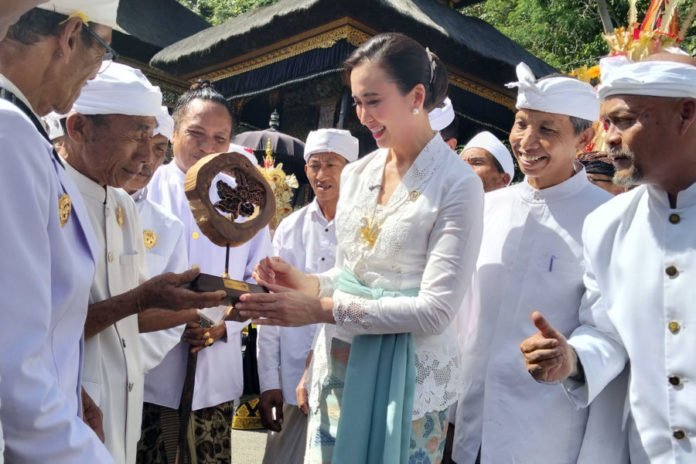
KINTAMANI, BALI - High upon the northern lip of the ancient volcanic caldera, shrouded in shifting mountain mist beneath the jagged basalt silhouette of Mount Batur, one of the most sacred ceremonial cycles in the Balinese Hindu calendar reached its solemn conclusion on October 6, 2026. At Pura Hulundanu Batur, nestled within the customary mountain territory of Desa Songan, the decennial Karya Tawur Agung Manca Wali Krama completed an exhaustive two-month liturgical progression that had commenced on August 12.
The conclusion of this monumental decennial ritual - held only once every ten years - drew customary elders, thousands of white-clad Hindu pilgrims from across Bali, and high-level dignitaries, including Indonesian Minister of Tourism Widiyanti Putri Wardhana. Yet the deeper significance of the ceremony resonates far beyond the ceremonial presence of state officials or the dramatic visual choreography of temple processions.
For Bali's evolving visitor economy, the Batur ceremony serves as a powerful reminder of an inviolable truth: the island’s cultural tourism is compelling precisely because its sacred ceremonies exist for spiritual continuity, cosmological equilibrium, and community devotion - never as performances staged for outside consumption. When a destination understands that distinction, its living heritage remains resilient; when it forgets, cultural tourism decays into superficial spectacle.
The Liturgical Architecture of a Ten-Year Cycle
The Tawur Agung Manca Wali Krama is not an annual temple anniversary (odalan); it is an extraordinary decennial rite of universal purification and cosmic rebalancing (Penyucian Jagat). The two-month ceremonial sequence unfolded through meticulously observed astrological milestones:
- 12 August 2026: Initial preparatory purification (Matur Piuning) and customary coordination across the highland customary village of Desa Adat Songan and the wider Batur temple assembly (Pangemong Pura).
- 8 September 2026: The sacred rite of Danu Kerthi or Mapag Toya (the welcoming and sanctification of water), honoring Lake Batur as the divine hydrological life-source of Bali's agricultural fertility.
- 21 September 2026: The execution of the Tawur Manca Wali Krama, featuring grand multi-directional sacrificial offerings (caru) oriented toward the five cardinal cosmological directions (Manca Desa) to pacify chaotic natural forces.
- 26 September 2026: The pinnacle ceremonial observance (Puncak Karya), drawing religious congregations from all nine regencies of Bali for collective high-order devotion led by consecrated Hindu high priests (Ida Pedanda).
- 6 October 2026: The concluding rites of thanksgiving (Penyineban Karya), marked by solemn prayer gatherings attended by village elders, municipal leaders, and the Minister of Tourism.
"Tawur Agung Manca Wali Krama at Pura Hulundanu Batur exemplifies the profound depth of culture-based tourism in Bali," remarked Minister Widiyanti Putri Wardhana during her visit to the sanctuary. "This ceremony demonstrates that Bali's cultural richness is rooted in authentic spiritual devotion and centuries-old community harmony. Our tourism strategy must protect and celebrate this foundation rather than compromise it."
The Theological and Hydrological Heart of Bali
To understand why this sanctuary commands such profound reverential awe, one must understand the sacred geography of Batur. Pura Hulundanu Batur does not function as an isolated village shrine; alongside Pura Ulun Danu Batur on the caldera rim and Pura Besakih on Mount Agung, it forms the supreme spiritual bedrock of the island's water governance.
The temple is consecrated to Dewi Danu, the revered goddess of lakes and rivers. Lake Batur - the vast, crescent-shaped caldera lake cradled 1,050 meters above sea level - is the supreme aquifer of Bali. Through deep subterranean volcanic aquifers and surface river systems, its cool waters feed the springs and rivers that flow south into the central plains, irrigating hundreds of thousands of hectares of terraced rice paddies stewarded by the UNESCO-inscribed Subak irrigation societies.
When farmers in Gianyar, Badung, or Tabanan plant their rice seedlings, their water originates spiritually and geologically in the caldera basin of Batur. The decennial Danu Kerthi rituals performed here are an act of cosmological debt payment (Rna) and environmental stewardship, thanking the divine for the continuous flow of water that prevents famine and sustains human life.
UNESCO Global Geopark: Where Volcanic Geology Meets Living Theology
The cultural significance of Batur is intimately bound to its unique geological landscape. In 2012, the 36,640-hectare Batur volcanic landscape was inscribed as Indonesia's inaugural UNESCO Global Geopark, a territory distinguished by dramatic twin calderas formed through cataclysmic prehistoric eruptions 29,300 and 20,150 years ago.
In Batur, geology and theology are inextricably linked. The black basalt lava fields (Lahar Hitam) of the 1968 and 1974 eruptions, the steaming fumaroles along the summit crater, and the alkaline waters of the lake are not treated by the indigenous community as passive geological curiosities; they are venerated as the living dwelling place of sacred deities and ancestral spirits.
According to official evaluations by UNESCO and the Ministry of Tourism, the Batur Global Geopark has maintained its prestigious Green revalidation status through four consecutive assessment cycles. During the closing period of the 2026 ceremony, secondary and university students were actively engaged in field study programs analyzing volcanic morphology, geothermal conservation, and customary environmental law (awig-awig). This highlights the dual identity of Batur: a living sacred landscape and an open-air geological laboratory.
Tri Hita Karana in Real Tourism Practice
The Ministry of Tourism explicitly framed the Batur decennial rites within the philosophy of Tri Hita Karana - the foundational Balinese worldview emphasizing reciprocal harmony across three cosmic relationships:
- Parahyangan (Harmony between Humans and the Divine): Expressed through unbroken rituals, sacred temple maintenance, and reverence for spiritual laws governing sanctified space.
- Pawongan (Harmony among Humans): Embodied by the extraordinary communal cooperation (gotong royong) of Desa Adat Songan, where hundreds of families dedicated weeks of uncompensated labor to weave elaborate palm-leaf offerings (banten), manage pilgrim traffic, and maintain public order.
- Palemahan (Harmony between Humans and Nature): Reflected in the Danu Kerthi commitment to preserve the fragile ecological catchment of Lake Batur against pollution, agricultural run-off, and unregulated lakeside construction.
In modern tourism discourse, Tri Hita Karana is frequently reduced to a marketing slogan on luxury resort brochures. The reality witnessed at Pura Hulundanu Batur demonstrates its rigorous practical application. When applied faithfully, the philosophy mandates that economic gain from tourism must never be pursued at the expense of environmental degradation or spiritual desecration.
Experiencing Culture vs. Consuming Entertainment
The conclusion of the 2026 Tawur Agung Manca Wali Krama offers critical guidance for international travelers seeking authentic cultural encounters in Bali. There is an enormous ethical chasm between experiencing living culture and consuming it as entertainment.
A Balinese Hindu ceremony is an act of communal worship, not a stage production. Pilgrims who spend hours seated in deep meditation before the Padmasana shrine are not performers; they are residents engaged in sacred ritual duty.
For travelers fortunate enough to witness ceremonies in Batur or across the island, respectful engagement requires strict adherence to customary etiquette:
- Sacred Dress Codes: Modest attire is non-negotiable. Visitors must wear a traditional Balinese waist sash (selendang) and sarong (kamen), covering shoulders and knees.
- Spatial Boundaries: Never enter the inner sanctum (jeroan) of a temple unless explicitly invited by customary leaders for formal prayer. Respect posted signs and bamboo cordons.
- Dignified Conduct: Never walk directly in front of seated worshipers or position yourself higher than praying priests (Pemangku or Pedanda). Refrain from using drones over temple courtyards or pointing mobile phone flashes into the faces of meditating pilgrims.
- Offering Sanctity: Avoid stepping over or touching consecrated offerings (canang sari or banten) placed on stone pavilions or ground pathways.
- The Golden Invariant: Remember that the ceremony does not exist for the tourist. Visitors are privileged observers in a sacred space, not an intended audience.
The Enduring Appeal of Batur Outside Major Festivals
While the decennial Tawur Agung Manca Wali Krama has concluded and will not recur until 2036, Batur's appeal as a cultural and natural landscape remains undiminished. Indeed, visiting outside major ceremonial periods offers travelers a calmer, more reflective encounter with the region's sacred geography.
Travelers exploring the Kintamani highlands can engage with Batur through diverse, low-impact experiences:
- Geological Exploration: Guided trekking across the frozen basalt lava flows of the 1968 eruption and the geothermal summit crater rim.
- Agro-Tourism and Culinary Heritage: Exploring highland citrus orchards, heirloom Arabica coffee plantations grown in volcanic soil, and lakeside freshwater fish farming stewarded by customary cooperatives.
- Cultural Villages of Lake Batur: Visiting ancient Bali Aga settlements around the lake margin, such as Trunyan, Buahan, and Kedisan, each harboring distinct pre-Majapahit customs, burial traditions, and temple architecture.
- Lakeside Thermal Springs: Rejuvenating in natural thermal hot springs along the western shores of Toya Bungkah, fed by mineral-rich geothermal volcanic aquifers.
What This Means for Bali's Destination Model
The enduring vitality of Pura Hulundanu Batur exposes the fundamental paradox of modern tourism: global travelers flock to Bali drawn by the beauty of its living cultural landscape, yet excessive commercialization and insensitive tourist behavior continuously threaten the spiritual integrity of that very culture.
The solution is not to cordon off Bali's heritage behind museum walls, but to enforce clear boundaries, visitor education, and local customary authority. A luxury five-star hotel can be constructed anywhere in the world; a beach club or golf course can be replicated across any tropical island. But an unbroken, five-century-old communal ritual honoring the goddess of water inside a mist-shrouded volcanic caldera cannot be manufactured.
The decennial ceremony at Pura Hulundanu Batur proves that Bali's ultimate tourism treasure is not scenery alone, but the sacred pact between people, faith, and land. When travelers approach that reality with humility and reverence, cultural tourism becomes not an extractive transaction, but a transformative journey.
Planning a trip to Ubud?
Explore current destination intelligence, curated accommodations, cultural landmarks, and island events before you travel.
Curated Stays & Sanctuaries in Ubud
Curated luxury accommodations featuring private pool sanctuaries, authentic architectural heritage, and seamless concierge support.
Padma Resort Ubud
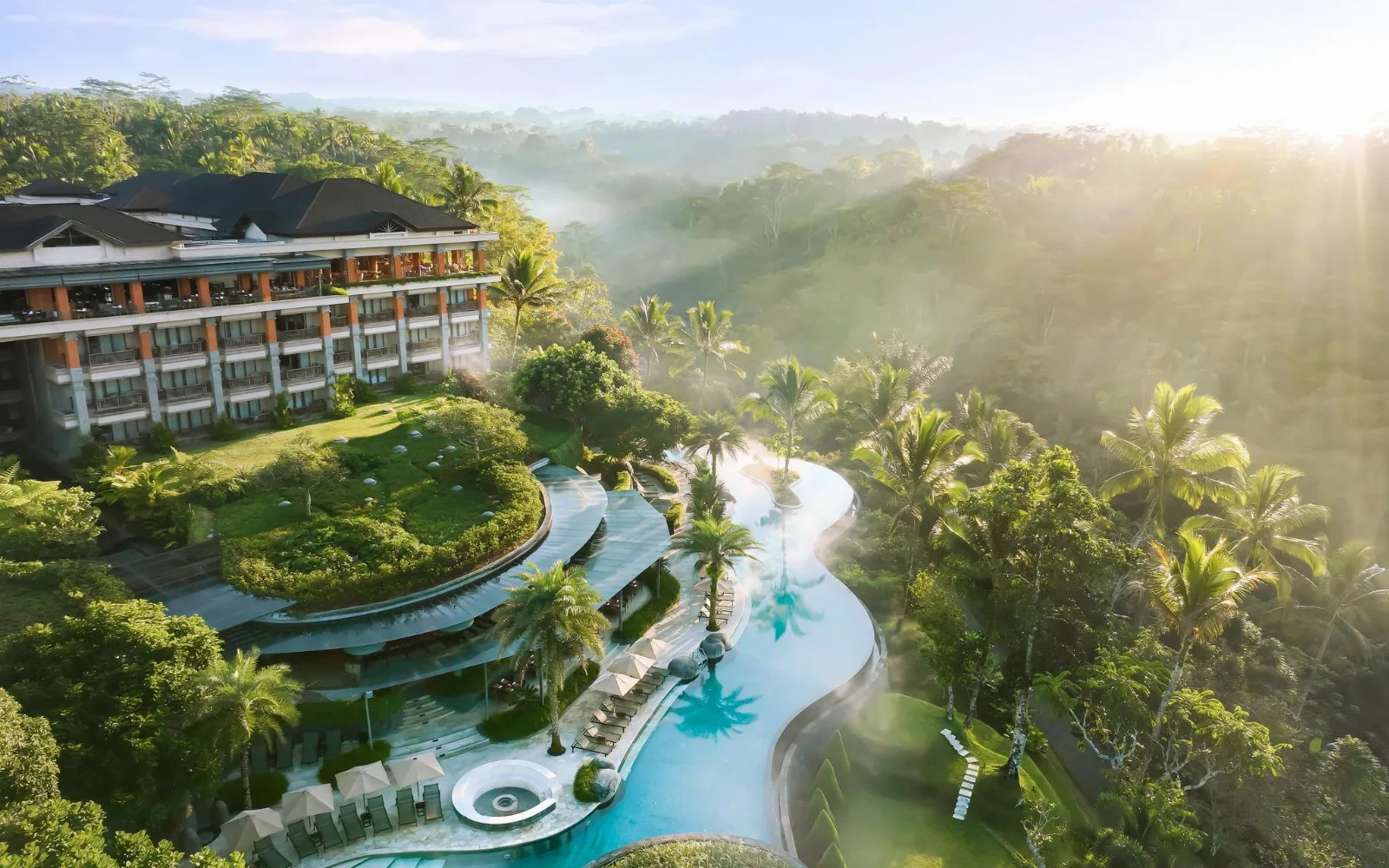
Padma Resort Ubud is a 5-star resort situated in Bali, Bali (Ultra-Luxury), holding a verified guest score of 9.4/10 across 2,824 reviews. Located 42.2 km (2–3 hours drive) with inland valley / highland retreat.
Komaneka at Bisma Ubud
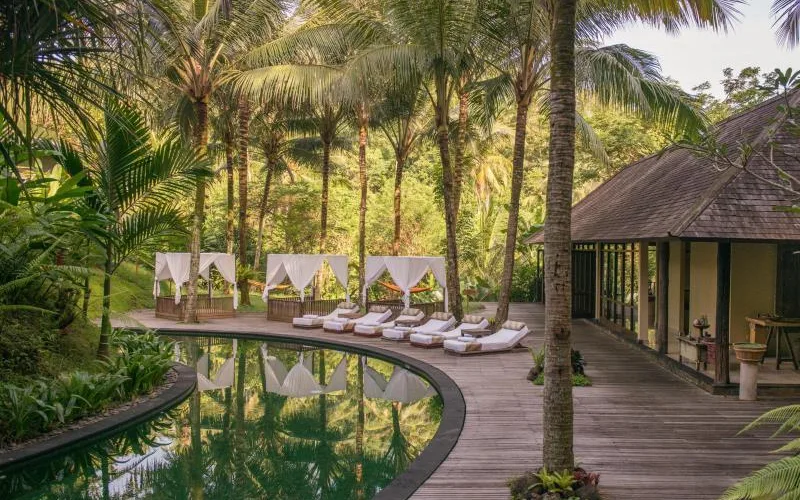
Komaneka at Bisma Ubud is a 5-star resort situated in Bali, Bali (Ultra-Luxury), holding a verified guest score of 9.4/10 across 2,773 reviews. Located 28 km (60–80 mins drive) with inland valley / highland retreat.

JAPA Suites and Villas
JAPA Suites and Villas is a 5-star resort situated in Ubud, Bali (Ultra-Luxury), holding a verified guest score of 9.4/10 across 1,812 reviews. Located 27.6 km (60–80 mins drive) with inland valley / highland retreat.
Iconic Landmarks & Sacred Sanctuaries Across Bali
Protected cultural heritage, historical architecture, and iconic natural viewpoints with official entrance tariffs and etiquette rules.
 temple
$8.38
temple
$8.38
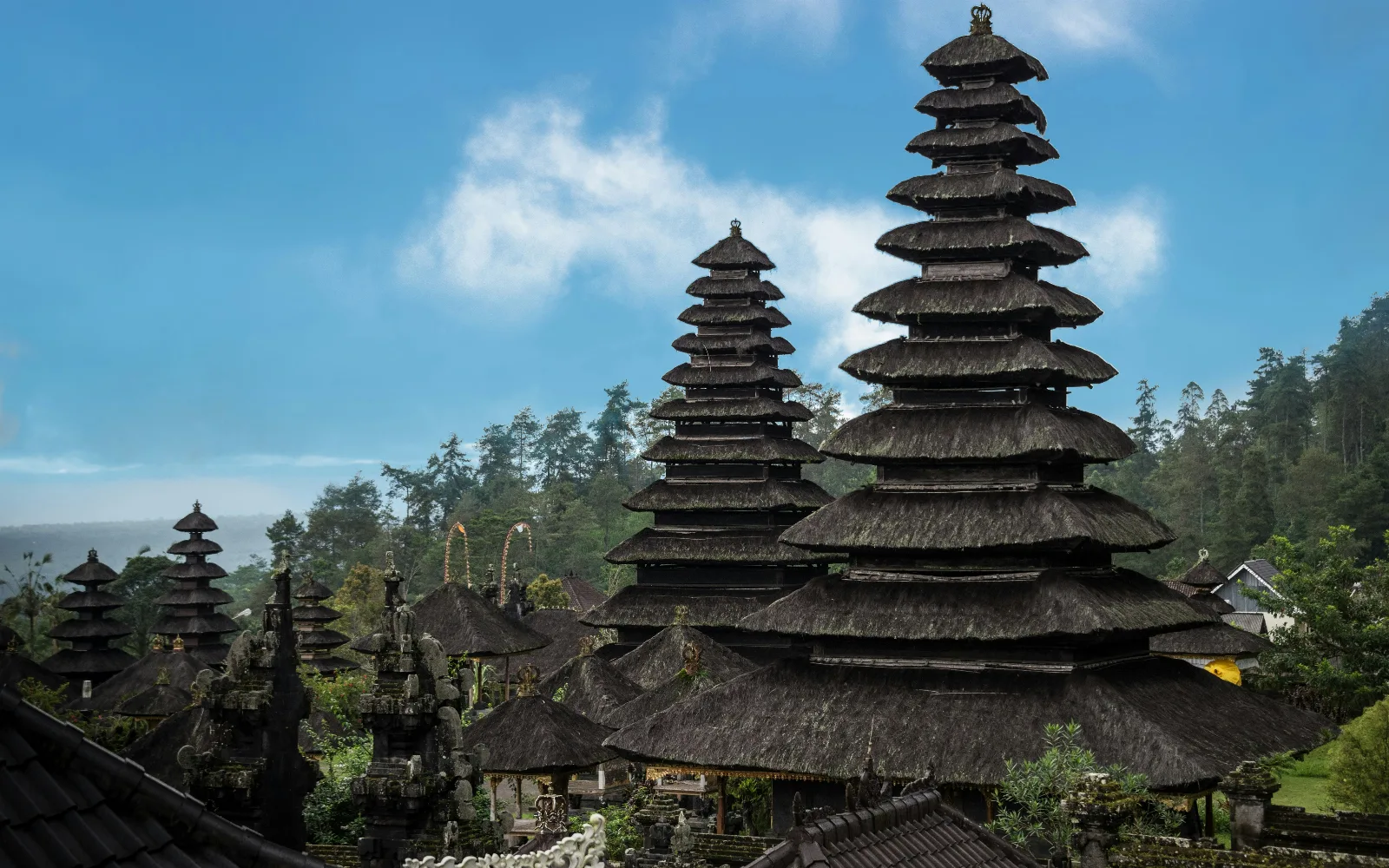
Pura Besakih (The Mother Temple)
The holiest and largest temple complex in Bali, ascending the volcanic slopes of Mount Agung with 23 interconnected sanctuaries.
 volcano
$8.38
volcano
$8.38
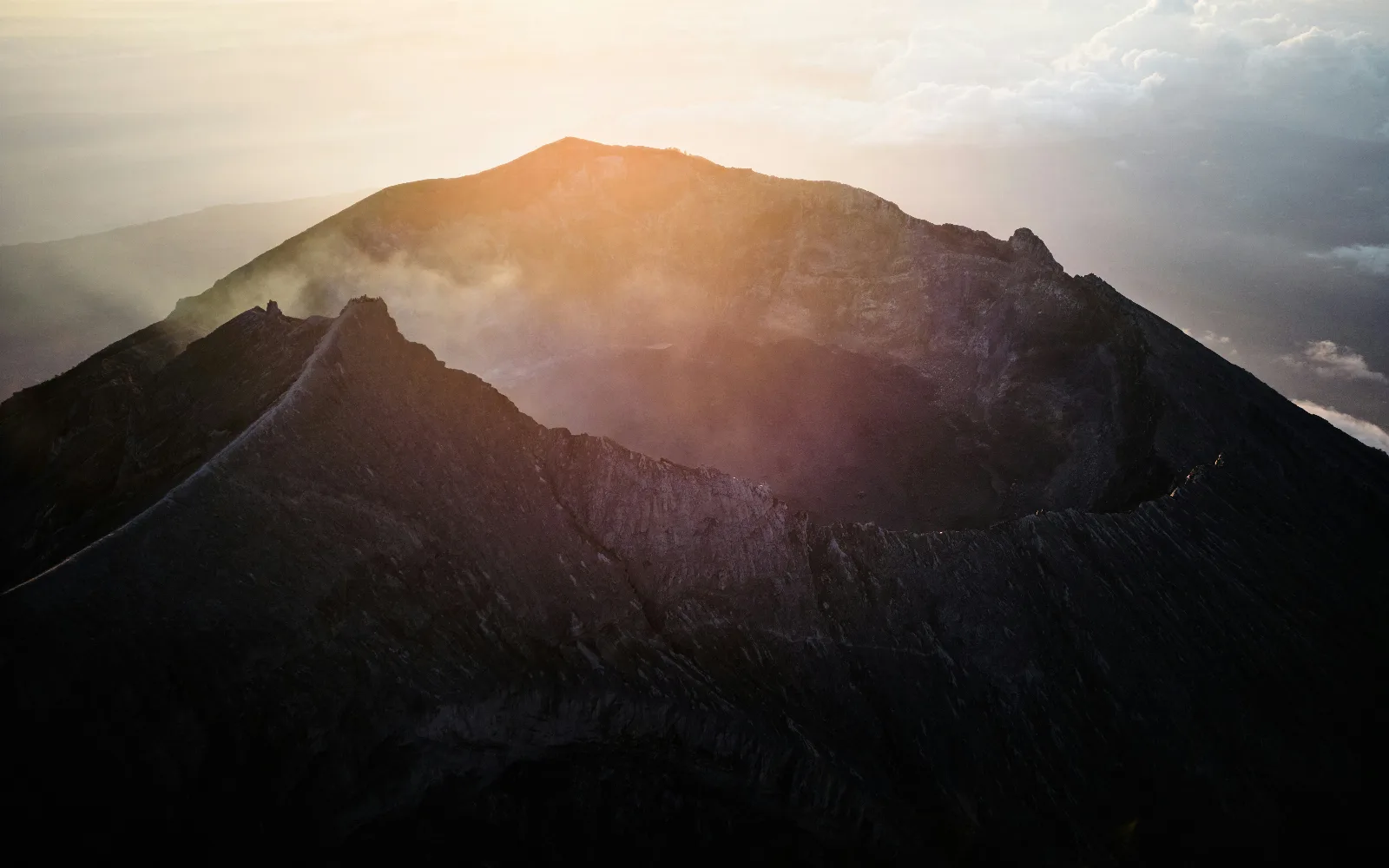
Mount Agung Sacred Stratovolcano
Bali’s highest and most sacred peak, an active stratovolcano revered as the physical manifestation of Mount Meru, spiritual center of the universe.
 temple
$2.79
temple
$2.79
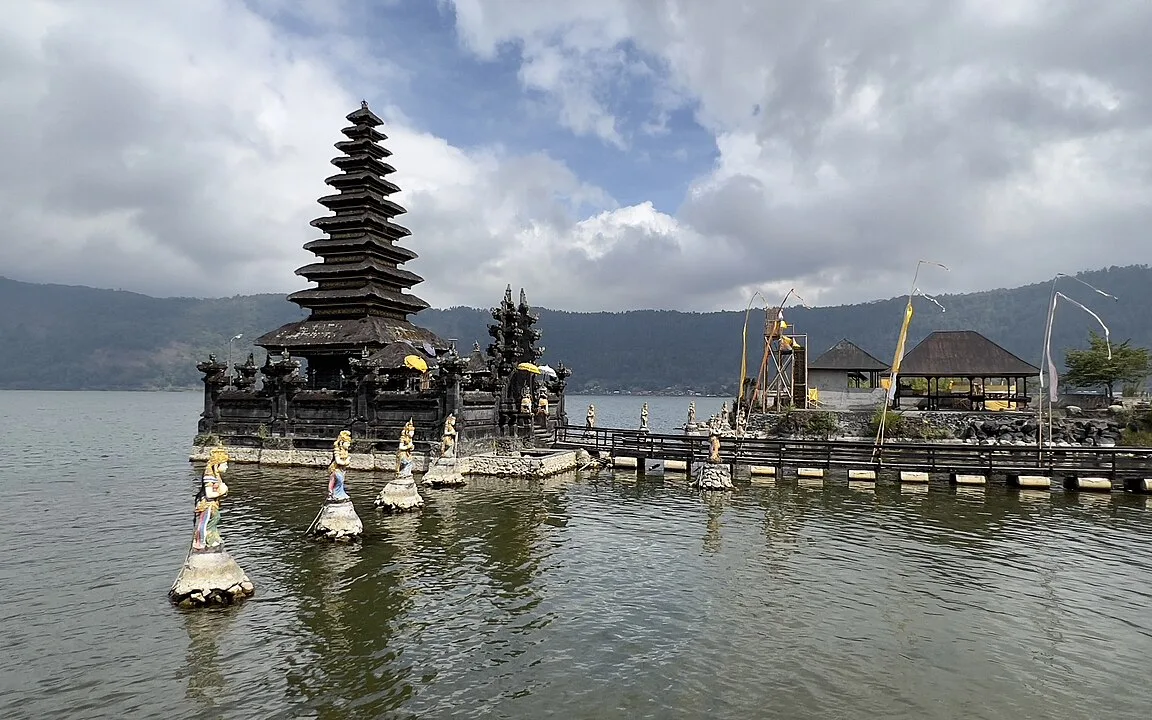
Pura Ulun Danu Batur
The second most sacred directional temple on Bali after Besakih, dedicated to Dewi Danu, goddess of lakes and rivers, commanding the northern rim of Batur caldera.
Guided Tours & Field Experiences in Ubud
Handcrafted tours, masterclasses, and coastal expeditions led by licensed local guides with verified booking options.
 culture
📍 Ubud
$26.83
culture
📍 Ubud
$26.83
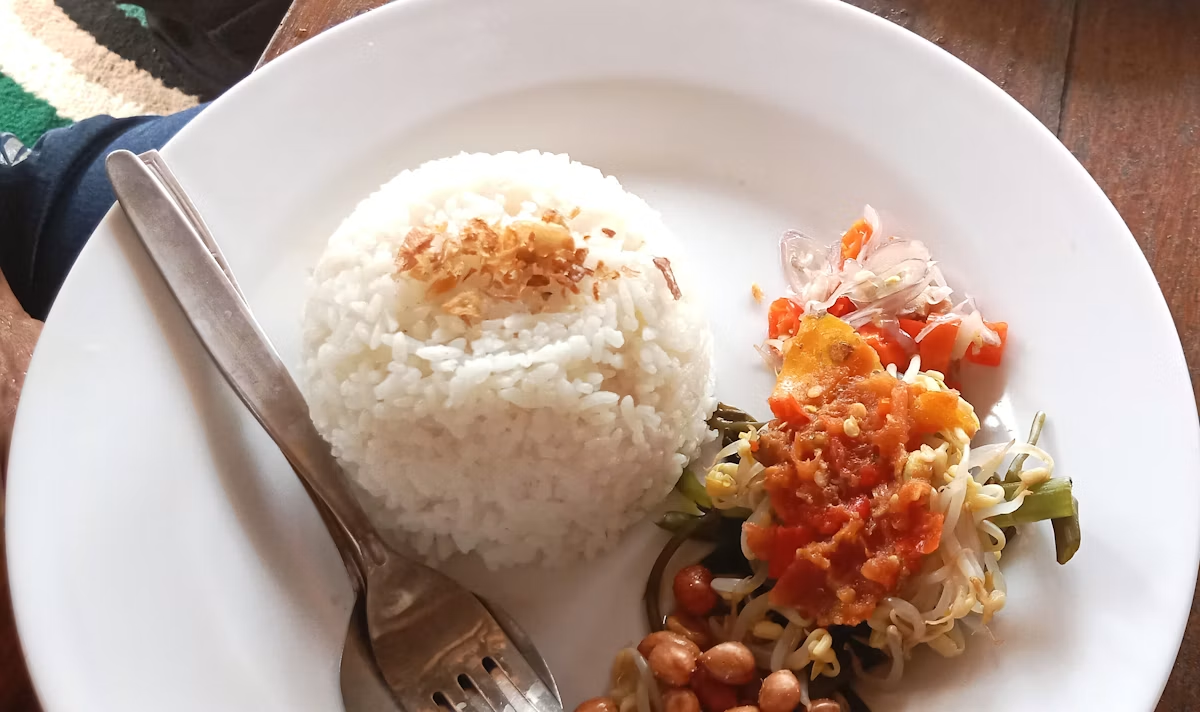
Ubud Permaculture Farm Harvest & Traditional Megibung Feast
Discover the sustainable roots of Balinese farming at an organic permaculture farm near Ubud, walking among chemical-free garden beds to pick heirloom vegetables and herbs. Afterward, gather in an open-air bamboo pavilion to share an authentic megibung feast—a ceremonial dining tradition where dishes are served on large banana leaves to celebrate community and unity. It offers a heartwarming cultural and culinary encounter honoring the island's rich agrarian traditions.
 adventure
📍 Ubud
$44.71
adventure
📍 Ubud
$44.71
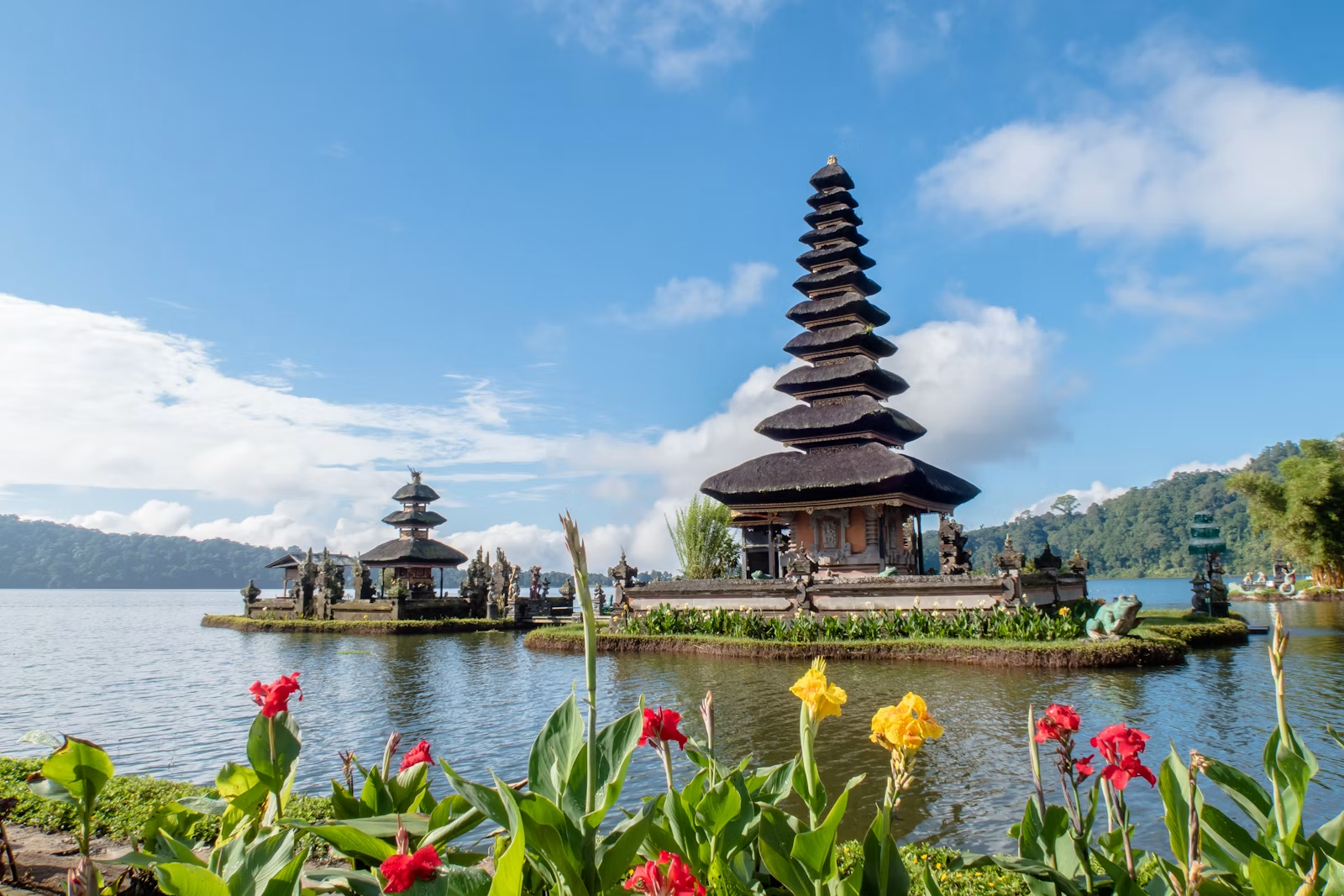
Ayung River White Water Rafting & Ubud Jungle Swing Landscape Combo
Exhilarating 12km white water rafting adventure down the sacred Ayung River gorge, viewing Ramayana stone wall carvings, paired with high-altitude panoramic jungle swings.
 adventure
📍 Ubud
$41.92
adventure
📍 Ubud
$41.92
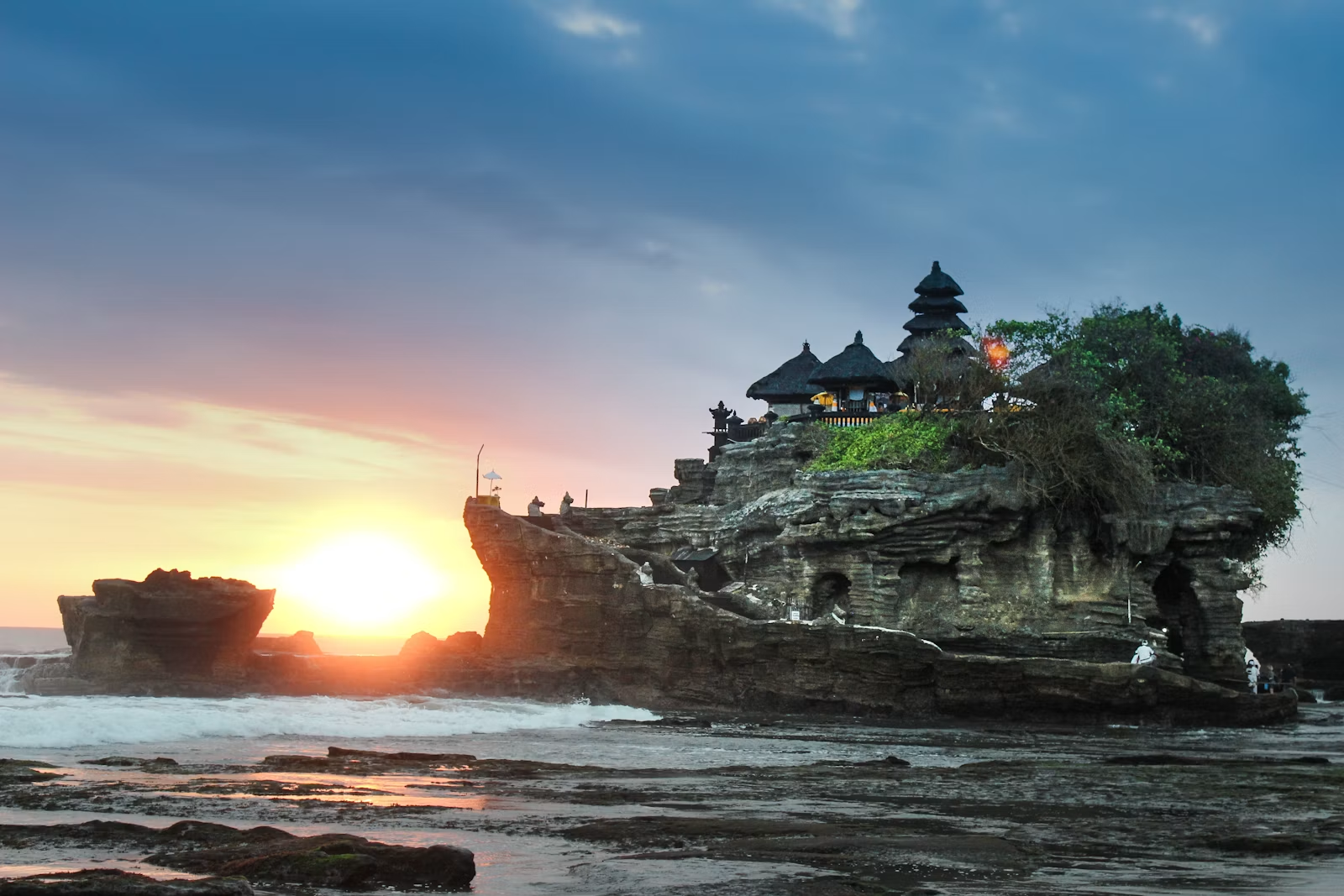
Mount Batur Sunrise 4WD Off-Road Jeep Safari & Black Lava Fields
Thrilling 4WD open-top off-road safari across Mount Batur's volcanic caldera, witnessing golden sunrise above the clouds and exploring the 1963 Black Lava fields.
Planning a Bali trip?
Explore current destination information, accommodation options, and events before you travel.
Related Travel News & Editorial Dispatches
Stay informed with latest field updates, regulatory notices, and luxury hospitality coverage across Bali and Beyond.
 📍 Ubud
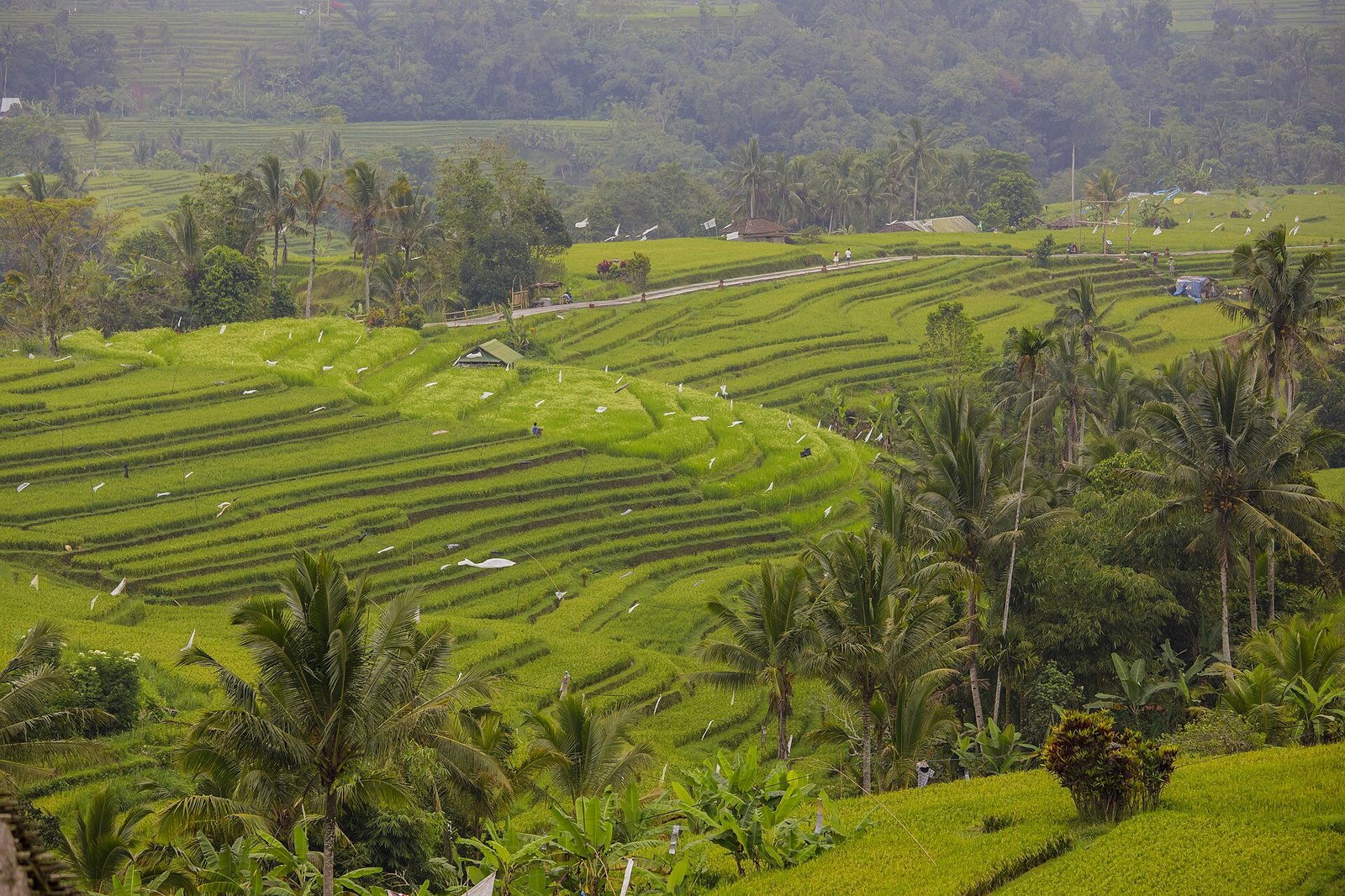
French Arrivals to Bali Surge Past 41,000 in August, Overtaking India as Top-Three Source Market
Official BPS statistics record a 20.4 percent monthly surge in French arrivals, driven by European summer holidays and demand for extended cultural stays in rural heritage sanctuaries.
 📍 Ubud
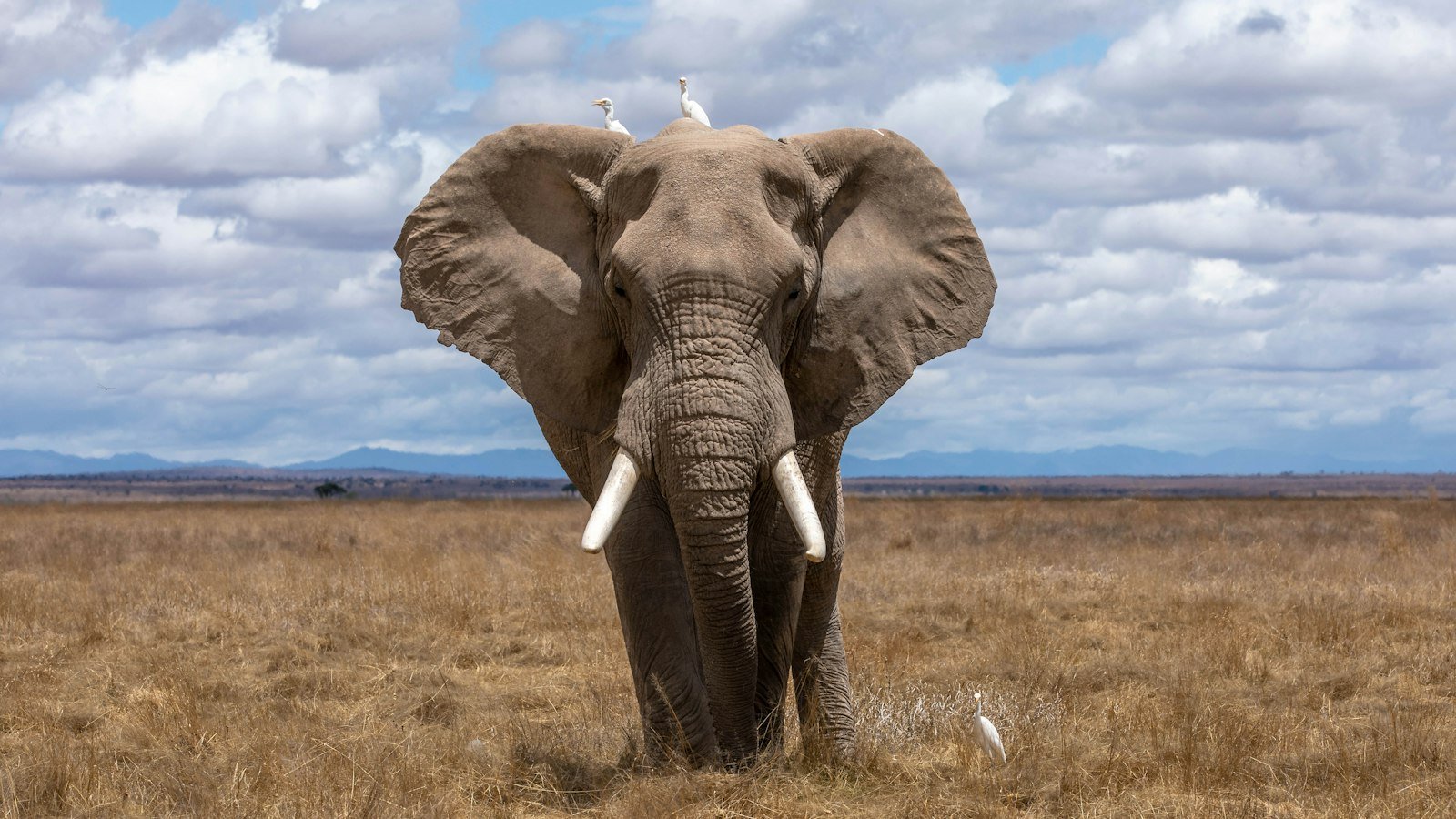
Bali Wildlife Tourism Faces Heightened Welfare Scrutiny as International Travelers Demand Ethical Standards
DENPASAR, Bali - October 1, 2026 - Commercial animal-interaction venues across Bali are encountering unprecedented operational and reputational scrutiny following an extensive investigative report published by the Bali Wildlife Protection Coalition. The evaluation, assessing animal husbandry and welfare practices across twenty-four commercial wildlife attractions, calls on provincial tourism authorities to implement strict animal welfare certifications and transition outdated captive facilities toward humane, observational sanctuary models.
 📍 Ubud
Bali's Delayed 2026 Rainy Season Onset Prompts Climatology Warnings of Concentrated Downpours
DENPASAR, Bali - October 1, 2026 - Climatological forecasters from the Meteorology, Climatology, and Geophysical Agency (BMKG Climatology Station Bali) have released their seasonal transition assessment, confirming that the onset of Bali's 2026/2027 wet monsoon is running approximately two to three weeks behind long-term historical averages. However, meteorologists and disaster management authorities caution that a delayed rainy season does not signify a benign weather outlook; rather, compressed precipitation cycles carry heightened risks of localized high-intensity downpours, flash floods (*air bah*), and terrain instability.
 📍 Ubud
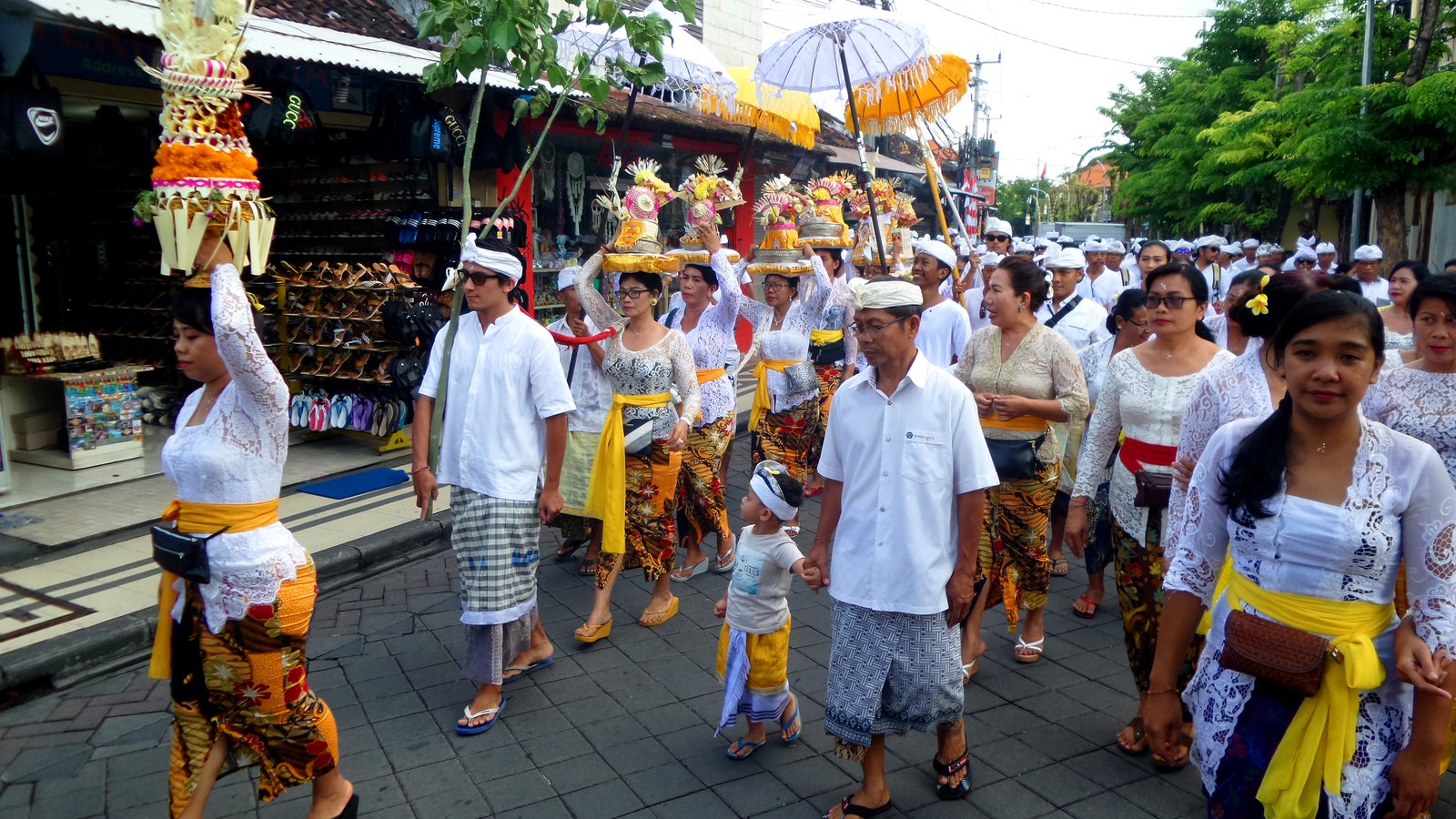
Living Balinese Traditions Offer Visitors a Different Form of Cultural Tourism
DENPASAR, Bali - September 29, 2026 - Amid escalating international debates regarding the commercialization and potential trivialization of cultural heritage in global mass-tourism capitals, Bali’s vibrant network of traditional customary villages (Desa Adat) is offering travelers an inspiring, authentic alternative: a tourism model grounded in living community rituals rather than staged commercial performances.
 📍 Ubud
Indonesia’s Tourism Promotion Moves Further Toward Interactive Digital Discovery
JAKARTA - September 29, 2026 - The Ministry of Tourism and Creative Economy (Kemenparekraf), working in direct strategic alignment with provincial tourism boards across Bali and regional destination authorities, has officially enacted its comprehensive 2026-2028 Digital Tourism Transformation Roadmap.
 📍 Ubud
Jatiluwih Sees Seasonal Visitor Decline as Asian Markets Gain Ground
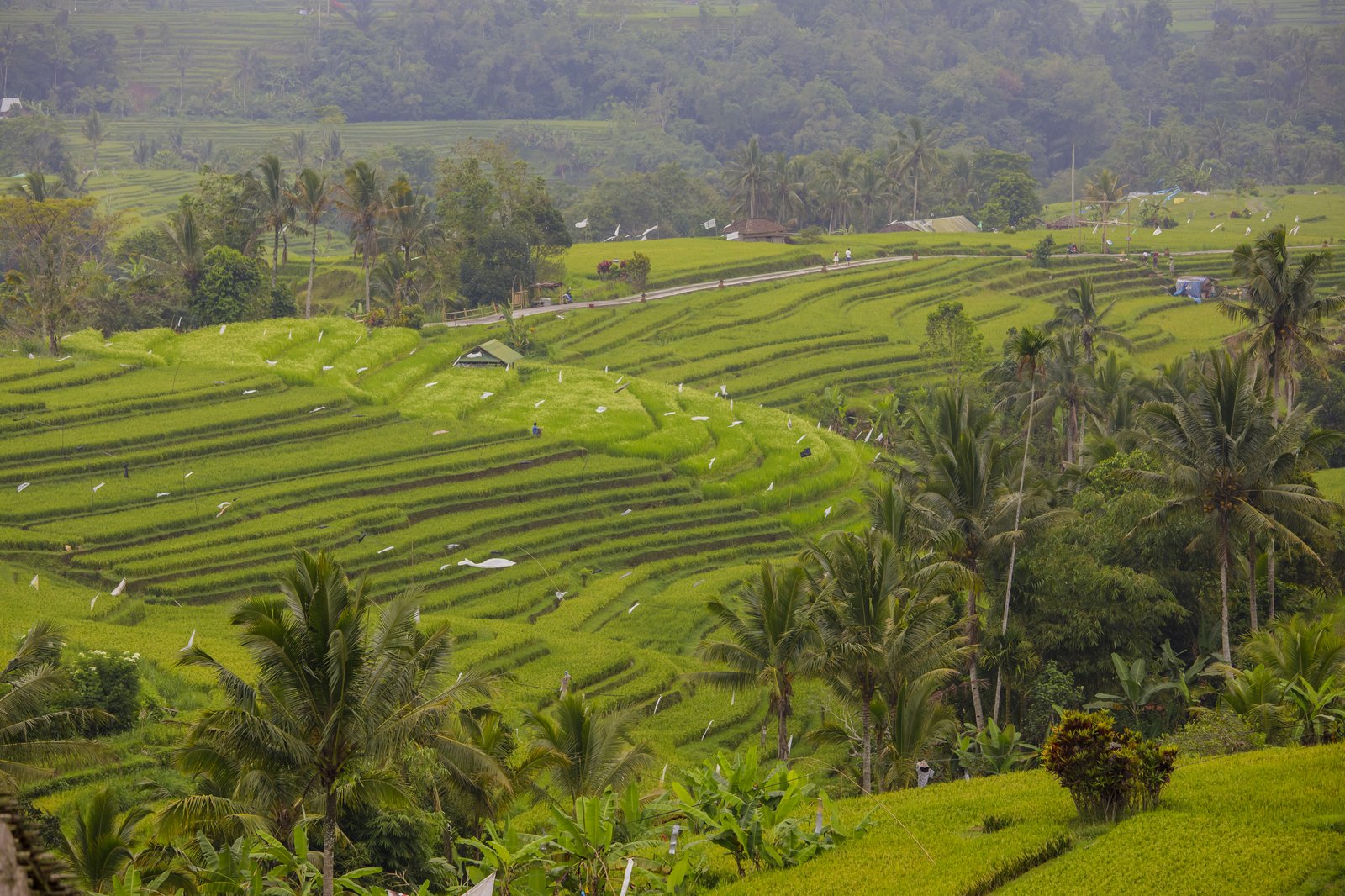
PENEBEL, Tabanan - September 29, 2026 - The operational management board of the Jatiluwih UNESCO World Heritage Cultural Landscape in Penebel, Tabanan Regency, has recorded a normal seasonal moderation in tourist arrivals following the conclusion of the peak European summer travel season in July and August.