


47 Indonesian Hotels and Resorts Earn Michelin Keys in 2026, Expanding the Country's Luxury Hospitality Profile
Indonesia's luxury hospitality sector received a significant international recognition in September 2026 when 47 hotels and resorts were included in the 2026 Michelin Key selection.
Indonesia's luxury hospitality sector received a significant international recognition in September 2026 when 47 hotels and resorts were included in the 2026 Michelin Key selection.
according to regional travel authorities and bureau field correspondents, the Global Michelin Guide published its 2026 Michelin Key list on September 18 after inspecting more than 9,000 properties worldwide. Indonesia's 47 selected properties span several regions, with Bali accounting for a large share of the recognized hotels and resorts.
Three Indonesian properties received the highest Three Keys distinction, described by Michelin as “An Extraordinary Stay”: NIHI Sumba in East Nusa Tenggara, Amanjiwo in Central Java and Mandapa, a Ritz-Carlton Reserve in Bali.
A further 11 Indonesian properties received Two Keys. Many of these are located in Bali, including Amankila, The Apurva Kempinski Bali, Soori Bali, Capella Ubud, Bvlgari Resort Bali, Four Seasons Resort Bali at Jimbaran Bay, Buahan, a Banyan Tree Escape, and Raffles Bali. Outside Bali, the Two-Key group includes Four Seasons Hotel Jakarta, The Langham Jakarta and The Sanchaya in the Riau Islands.
The remaining 33 properties received One Key, Michelin's “A Very Special Stay” distinction.
The importance of the list extends beyond individual hotels. Michelin Keys provide an internationally recognizable signal for a country's accommodation sector, especially among travelers who already use Michelin's restaurant and hotel guides as part of trip planning.
For Indonesia, the geographic distribution is particularly relevant. Bali continues to dominate the country's luxury accommodation visibility, but recognition for NIHI Sumba and Amanjiwo demonstrates that international luxury hospitality can be built around destinations beyond the island.
The Sumba example is especially significant because luxury resorts can function as destination anchors in places that have historically received less international attention. Rather than competing only on conventional city or beach-hotel metrics, these properties can build demand around landscape, privacy, culture, conservation and curated experiences.
Michelin recognition also highlights the increasing importance of experience quality. Luxury hospitality is no longer defined only by room size, architecture or facilities. Service, setting, design, food, wellness, privacy and the coherence of the overall guest journey are increasingly part of the competitive proposition.
For Indonesian hotel operators, the 2026 Michelin Keys can therefore be read as a benchmark for the country's evolving luxury sector. Recognition does not guarantee commercial performance, but it can provide a valuable international reference point for properties competing for high-spending travelers.
The selection also arrives as Indonesia attempts to diversify tourism investment. The Tourism Ministry has said that most tourism investment remains concentrated in Jakarta and Bali and has called for more capital to flow toward priority destinations and Tourism Special Economic Zones.
Luxury hospitality could play a role in that diversification if investors combine high-quality accommodation with strong destination stewardship. New properties can create employment and supply-chain demand, but they also need to fit local environmental and cultural conditions.
Indonesia's 47 Michelin Keys therefore represent more than a list of hotels. They show that the country's hospitality proposition is increasingly being evaluated within a global luxury framework, while also demonstrating that exceptional accommodation can emerge in multiple Indonesian regions.
The next challenge is to turn that recognition into a broader hospitality ecosystem: stronger local suppliers, skilled service professionals, better connectivity, distinctive experiences and sustainable destination management. If those elements develop together, international recognition can become part of a larger tourism-development cycle rather than an isolated hotel accolade.
Sources
- National Archipelagic Wire
Helpful planning insights for travelers exploring bookings, regional itineraries, and accommodations across the destination.
Featured Stays & Landmarks in This Story

Four Seasons Resort Bali at Jimbaran Bay
Four Seasons Resort Bali at Jimbaran Bay is a 5-star resort situated in Jimbaran, Bali (Ultra-Luxury), holding a verified guest score of 9.2/10 across 336 reviews. Located 4.1 km (15–25 mins drive) with short scooter / drive (< 2km to coast).

Bvlgari Resort Bali
Bvlgari Resort Bali is a 5-star hotel situated in Bali, Bali (Ultra-Luxury), holding a verified guest score of 9.0/10 across 274 reviews. Located 11.8 km (35–50 mins drive)) with short scooter / drive (< 2km to coast).
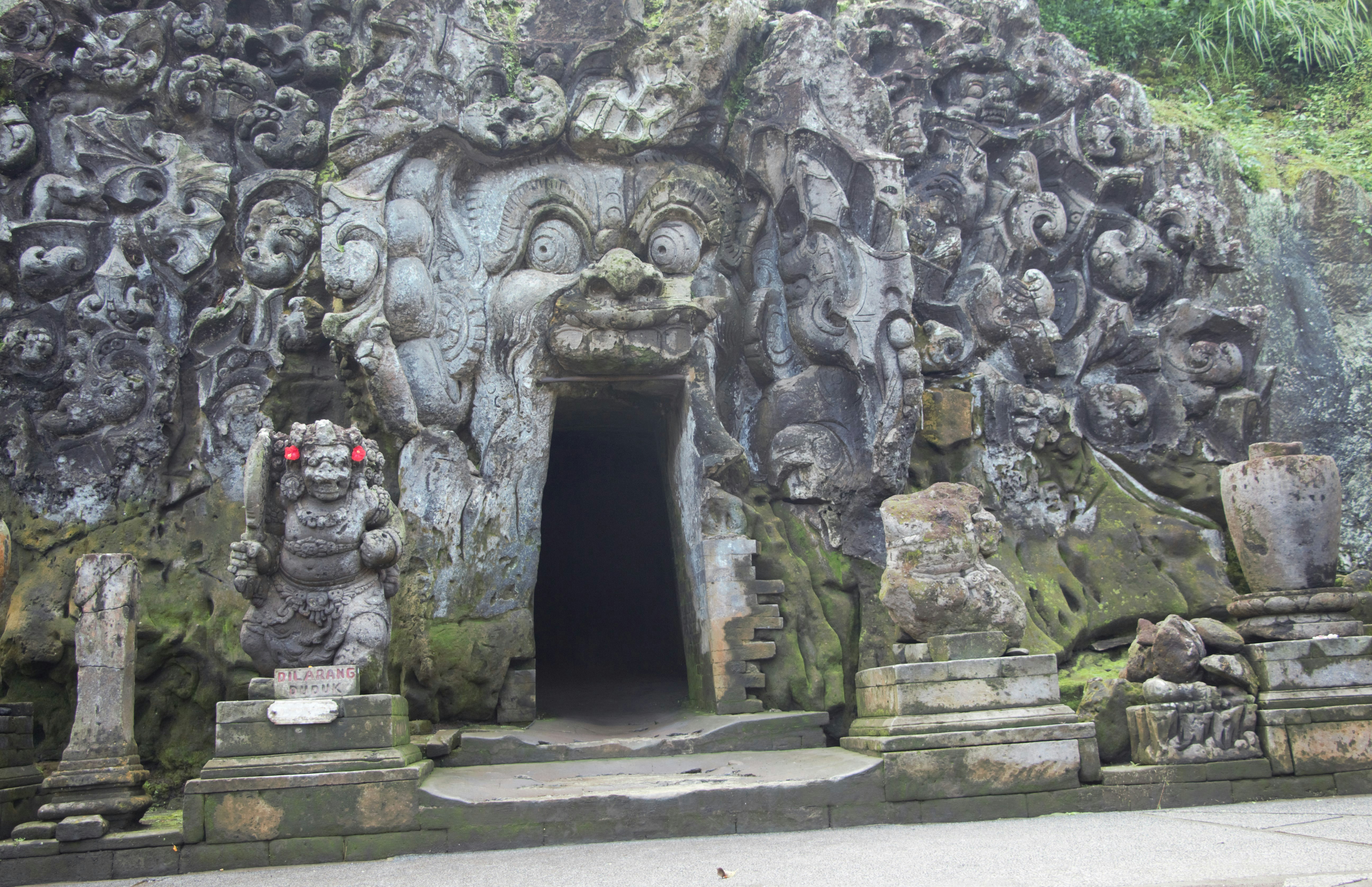
Goa Gajah (Elephant Cave)
Archaeological hermitage featuring a menacing demonic face carved into solid rock, leading into a T-shaped meditation chamber.
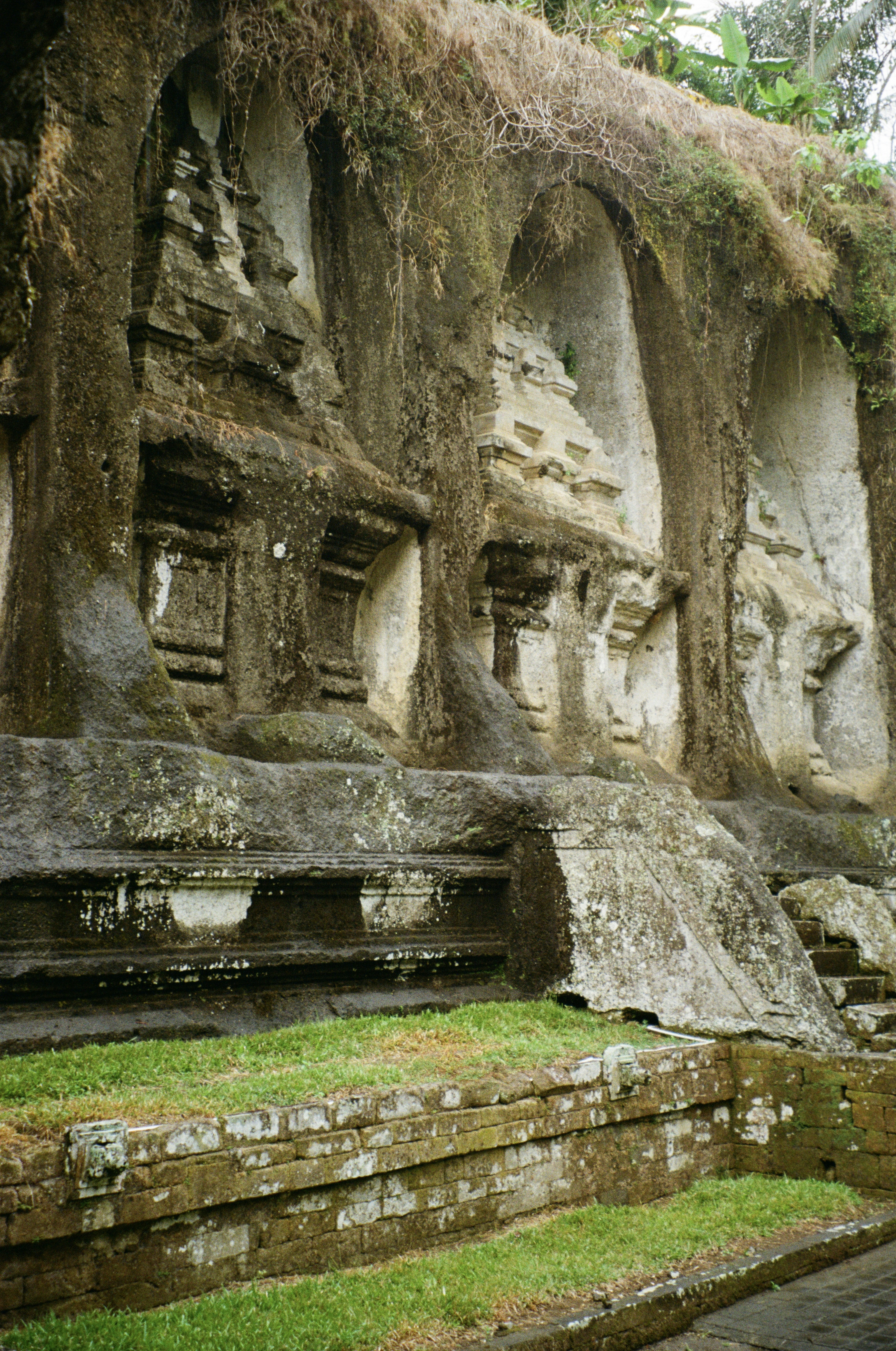
Gunung Kawi Tampaksiring
11th-century royal funerary shrines carved 7 meters high directly into vertical river cliff walls flanking the Pakerisan River.
Related Travel News & Stories

New Eco-Luxury Sanctuaries Emerge in Sidemen and Munduk High Altitude Valleys: Regenerative Bamboo Estates and Subak Permaculture
Discerning travelers gravitate toward Bali's mist-shrouded northern and eastern volcanic ridges as bespoke boutique retreats in Sidemen and Munduk pioneer regenerative architecture, zero-concrete footprints, off-grid micro-hydro power, and deep alliances with ancestral Subak agrarian cooperatives.

Jakarta Builds a New MICE Economy as International Tourism and Global Events Accelerate
![Regional image]()

Bandung’s Sport Tourism Boom: How Major Events Are Filling Hotels and Expanding the City’s Hospitality Economy
![Regional image]()