


Mandalika Investment Reaches Rp5.96 Trillion as Lombok Builds a Larger Tourism Economy
The Mandalika Special Economic Zone has accumulated approximately Rp5.96 trillion in investment through 2025, strengthening its role as one of Indonesia's major tourism-development projects outside Bali.

The Mandalika Special Economic Zone has accumulated approximately Rp5.96 trillion in investment through 2025, strengthening its role as one of Indonesia's major tourism-development projects outside Bali.
according to regional travel authorities and bureau field correspondents, cumulative investment in the Mandalika SEZ reached Rp5.96 trillion through 2025, involving 34 investors.
The figure illustrates how the area is evolving beyond its identity as a motorsport venue. Mandalika is being developed as a broader resort destination with hotels, villas, commercial facilities, leisure attractions and supporting infrastructure.
One of the developments is a high-end villa project involving PT Sapo Development Lombok, a Spanish investor. ITDC reported an investment value of EUR2.76 million, or around Rp54.17 billion, for development on two lots in The Mandalika. The project is planned to include 50 villas.
The significance of the investment is less about a single property than the growing diversity of capital entering Lombok. International investors can add new hospitality products, management expertise and demand networks while local businesses benefit from supply-chain and employment opportunities.
Mandalika's location also provides a strategic tourism anchor. The area combines beaches and resort development with the Mandalika International Street Circuit, creating an unusual relationship between leisure tourism and international sport events.
That combination can help smooth demand. A destination can attract visitors for major events while also building a leisure market around beaches, accommodation, dining and recreation.
The larger investment base also creates expectations for infrastructure and destination management. Tourism zones require reliable transport, utilities, waste management, public spaces and community integration. Investment in individual properties is therefore most effective when supported by broader destination infrastructure.
For Lombok, the Mandalika development is part of a wider attempt to capture a greater share of Indonesia's international tourism economy. The national government has repeatedly encouraged investment outside Jakarta and Bali, particularly in priority destinations and Tourism Special Economic Zones.
The investment story also demonstrates why tourism development should be measured over a longer horizon. Large destination projects require years to move from land development and infrastructure into mature hotel operations and stable visitor demand.
The Rp5.96 trillion figure therefore represents a development base rather than the final economic outcome. The long-term test will be how effectively that capital translates into hotel occupancy, visitor spending, employment, local procurement and repeat visitation.
If the ecosystem continues to expand, Mandalika can function as an economic engine for southern Lombok while complementing other destinations across the island.
The broader lesson is that Lombok's tourism growth is increasingly being built through multiple investment channels: international hospitality, branded resorts, villas, sport tourism and destination infrastructure.
Mandalika is becoming less a single project and more a tourism-development platform.
Sources
- National Archipelagic Wire
- Indonesia Tourism Development Corporation (ITDC)
Featured Stays & Landmarks in This Story

Royal Avila Boutique Resort
Royal Avila Boutique Resort is a 5-star resort situated in Lombok & Gili Islands, Lombok (Ultra-Luxury), holding a verified guest score of 9.6/10 across 890 reviews. Located 100.9 km (2–3 hours drive) with absolute beachfront (< 100m).

Katamaran Hotel & Resort Lombok
Katamaran Hotel & Resort Lombok is a 5-star resort situated in Lombok & Gili Islands, Lombok (Ultra-Luxury), holding a verified guest score of 9.2/10 across 3,108 reviews. Located 100.5 km (2–3 hours drive) with short scooter / drive (< 2km to coast).
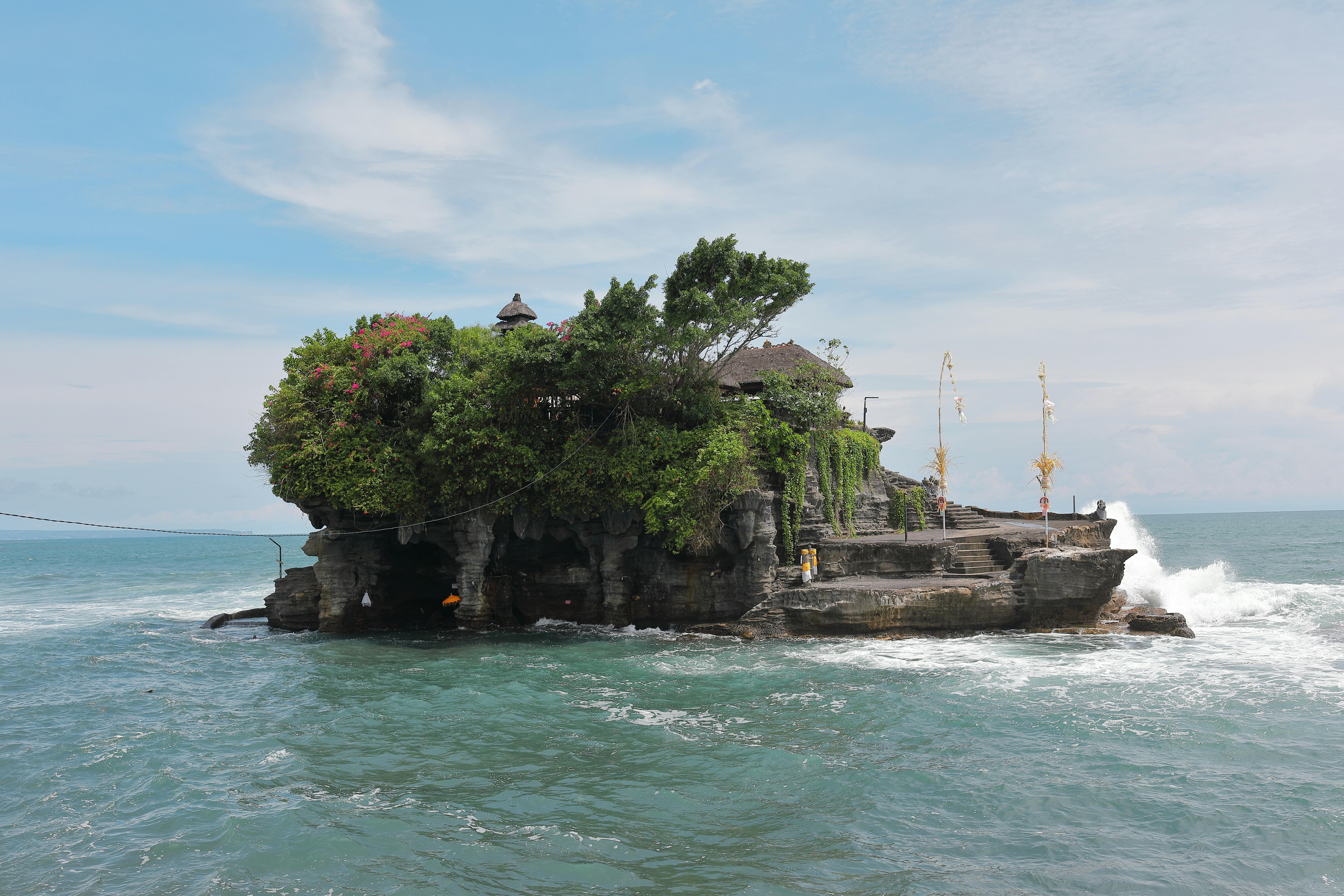
Pura Tanah Lot
Iconic 16th-century sea temple perched upon an offshore rock formation carved by relentless Indian Ocean waves.
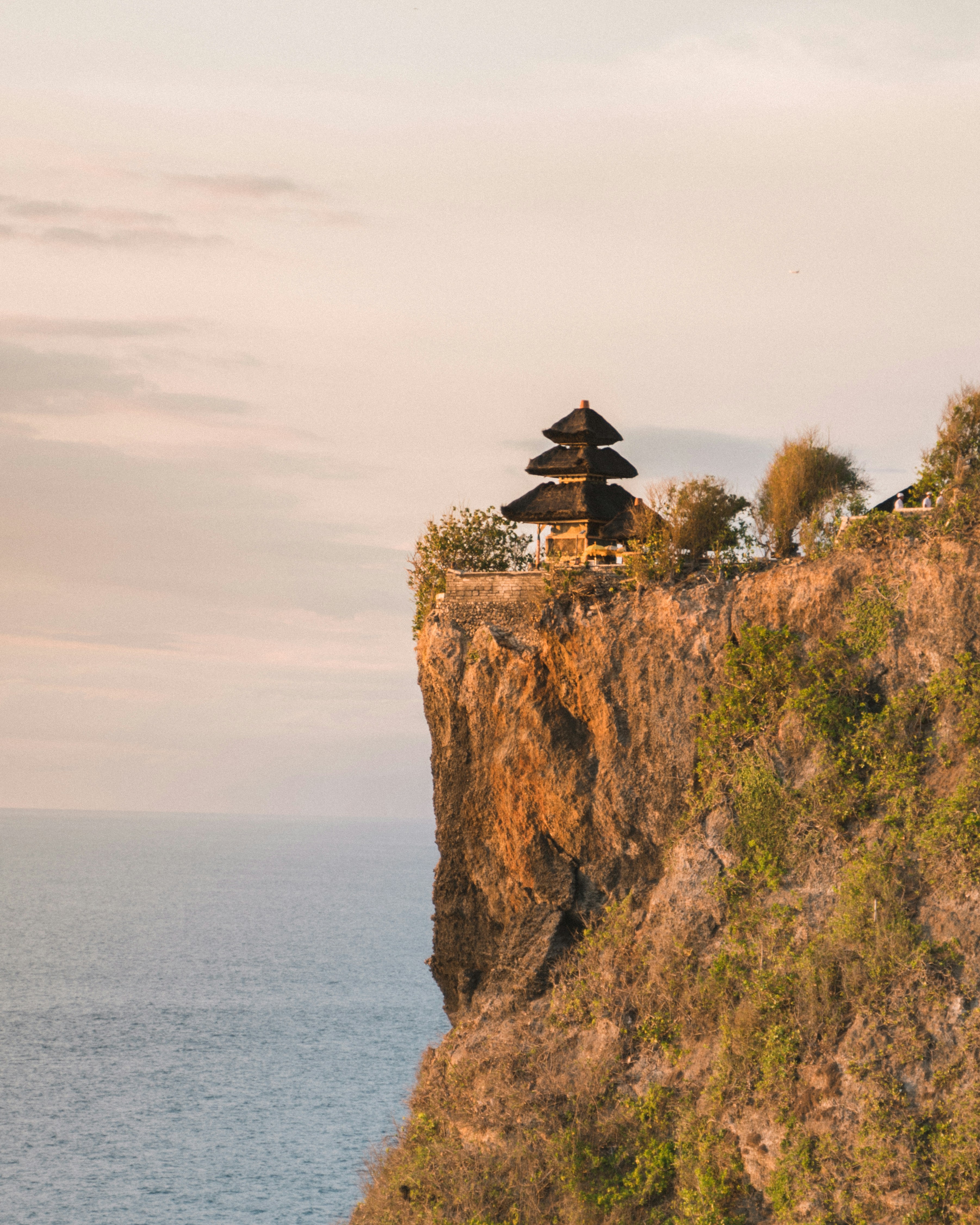
Pura Luhur Uluwatu
Cliffside temple crowning a sheer 70-meter limestone drop into roaring Indian Ocean swells, famous for its amphitheater Kecak fire dance.
Related Travel News & Stories

New Eco-Luxury Sanctuaries Emerge in Sidemen and Munduk High Altitude Valleys: Regenerative Bamboo Estates and Subak Permaculture
Discerning travelers gravitate toward Bali's mist-shrouded northern and eastern volcanic ridges as bespoke boutique retreats in Sidemen and Munduk pioneer regenerative architecture, zero-concrete footprints, off-grid micro-hydro power, and deep alliances with ancestral Subak agrarian cooperatives.

Jakarta Builds a New MICE Economy as International Tourism and Global Events Accelerate
![Regional image]()

Bandung’s Sport Tourism Boom: How Major Events Are Filling Hotels and Expanding the City’s Hospitality Economy
![Regional image]()