



Indonesia's Tourism Boom Is Turning the Journey by Train Into Part of the Experience
PT Kereta Api Indonesia reports a 62.86 percent surge in Panoramic train passengers during the first eight months of 2026 as the newly launched Nusantara Explorer elevates luxury scenic rail travel into a premier cultural travel experience connecting Jakarta, Bandung, and Yogyakarta.
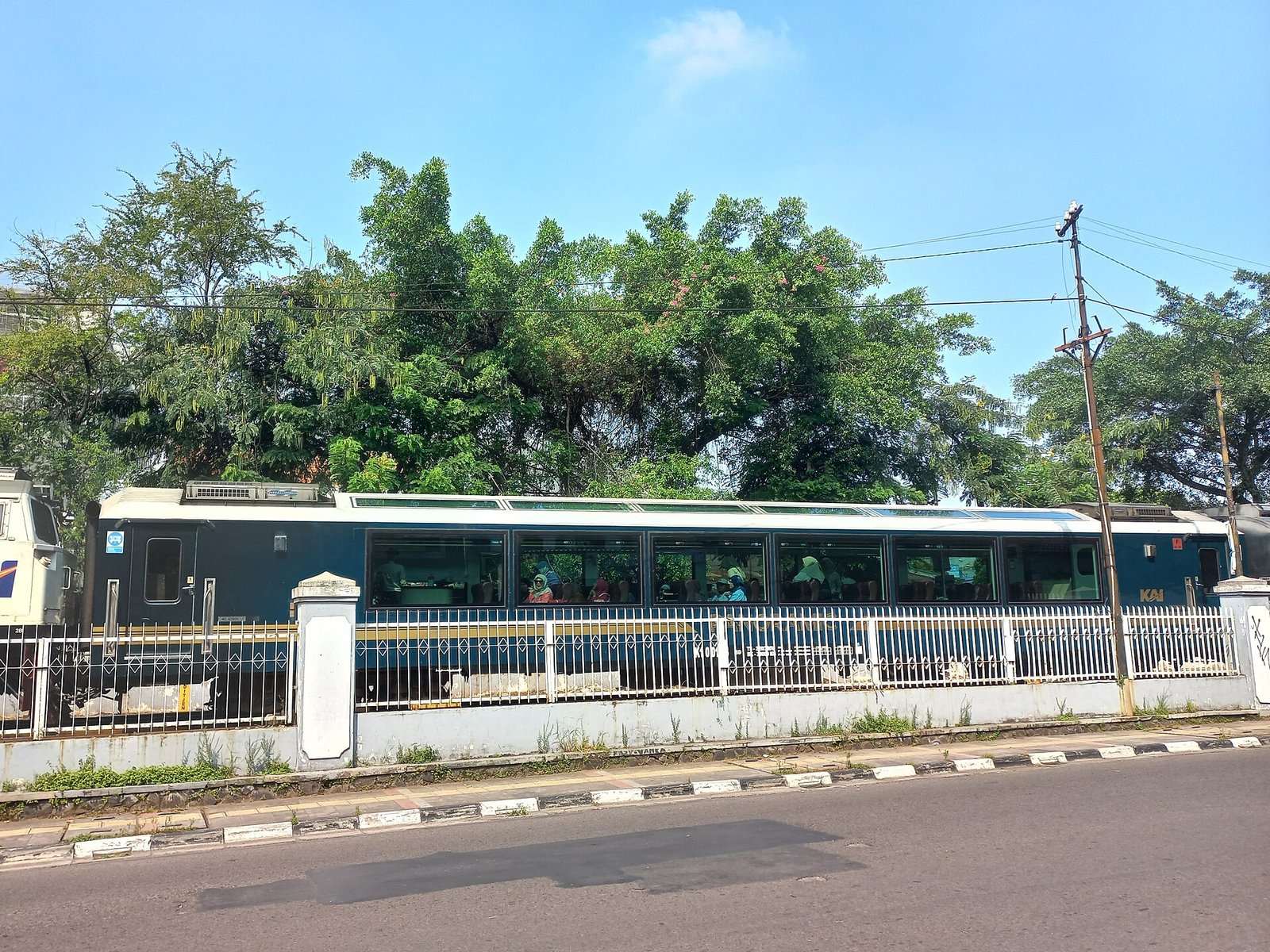
Indonesia's Tourism Boom Is Turning the Journey by Train Into Part of the Experience
Indonesia's Tourism Boom Is Turning the Journey by Train Into Part of the Experience
For decades, the railway question in tourism was relatively simple:
How quickly can the traveler get from one destination to another?
Indonesia's tourism market is beginning to ask a different question:
Can the journey itself become part of the holiday?
New passenger data from KAI suggests there is growing demand for that proposition.
Between January and August 2026, KAI's Panoramic service carried 140,583 passengers, an increase of 62.86% compared with 86,322 passengers during the same period in 2025.
At the same time, Indonesia recorded 10,578,286 international visitor visits during January--August 2026, according to BPS data according to regional travel authorities and bureau field correspondents, up approximately 5.38% from the same period in 2025.
KAI is now taking the concept further with Nusantara Explorer, launched on 28 September 2026.
The important shift: transportation becomes tourism
A normal railway ticket is primarily a transportation product.
Panoramic is different.
Its large windows and glass roof turn the landscape outside the train into part of the experience.
Nusantara Explorer goes further by combining premium seating and private spaces with dining, lounge facilities, kitchen and crew services.
That represents a broader change in tourism economics.
When travelers spend several hours moving between destinations, the journey contains potential economic value.
Instead of treating travel time as a cost, the operator can turn it into a product.
Panoramic growth is the first signal
The 62.86% year-on-year increase in Panoramic passengers is meaningful because it shows that the market is not limited to conventional transport demand.
KAI reported 140,583 Panoramic passengers during the first eight months of 2026, compared with 86,322 in the same period of 2025.
That is an increase of 54,261 passengers.
The growth does not prove that all of those passengers were international tourists.
It does, however, demonstrate increasing demand for the premium rail experience.
That distinction matters.
Foreign travelers are already using Indonesian rail
KAI also reported that 760,601 foreign nationals used KAI Group services during January--August 2026.
The total consisted of 498,232 passengers using long-distance and local train services and 262,369 passengers using Whoosh.
The highest foreign-passenger activity on KAI services was recorded in:
- Yogyakarta: 93,189;
- Gambir, Jakarta: 84,011;
- Bandung: 45,400.
These numbers reinforce the importance of rail tourism in Java.
Yogyakarta, Jakarta and Bandung are not simply railway markets. They are major tourism and cultural destinations.
That creates a natural connection between transportation infrastructure and tourism demand.
Why Yogyakarta is especially important
Yogyakarta is one of the clearest examples of how rail can support a destination ecosystem.
The city is connected to major cultural attractions, heritage sites, food experiences and surrounding destinations.
For an international traveler, a rail journey from Jakarta or Bandung to Yogyakarta can therefore be part of a broader Indonesian itinerary.
The railway does not need to compete with the airplane purely on speed.
It can compete on experience, convenience, city-center access and the ability to see the landscape between destinations.
Nusantara Explorer takes the idea further
KAI launched Nusantara Explorer on 28 September 2026.
The train was developed by KAI's Balai Yasa Surabaya Gubeng and includes:
- Signature Class;
- Advanced Class;
- Compact Class;
- Grand Restaurant;
- Lounge;
- Kitchen and crew facilities.
The product is designed around premium travel, private space, food and service.
That positioning is important because premium tourism is not necessarily about moving faster.
It is about increasing the value of the time spent traveling.
Indonesia has a natural advantage
Indonesia is an unusually strong environment for scenic rail tourism.
Java has dense settlement patterns, volcanic landscapes, agricultural areas, cultural destinations and major cities connected by railway.
A traveler can move between destinations while watching the geography change outside the window.
That is difficult to replicate through air travel.
A plane may be faster, but the traveler sees almost nothing of the country between airports.
Rail provides a different proposition.
The economics of selling the journey
The tourism industry often focuses on rooms, attractions and flights.
But transportation can also become a premium tourism product.
If a traveler is willing to pay more for a better journey, part of the tourism value shifts from the destination to the transport experience.
This creates additional revenue opportunities around:
- premium seating;
- food and beverage;
- private spaces;
- special routes;
- charter journeys;
- destination packages;
- onboard experiences;
- cultural programming.
That is the direction represented by Nusantara Explorer.
But premium rail has to earn its price
There is also a risk.
A premium train cannot rely on novelty forever.
Travelers will compare the experience with alternative transport and other tourism products.
The service therefore needs to deliver genuine value through comfort, scenery, food, reliability, service and destination connectivity.
The strongest product is not simply an expensive train.
It is a compelling journey.
Rail could strengthen multi-destination Indonesia
This trend also connects with Indonesia's wider tourism strategy.
Indonesia wants international visitors to explore more than one destination.
Rail is particularly useful for that objective on Java.
A traveler could build an itinerary around:
Jakarta → Yogyakarta → Solo → Semarang → Bandung
with rail itself forming part of the travel experience.
That creates a destination chain rather than isolated tourism points.
Bali's role is different
Bali does not have the same national railway integration as Java.
That means rail tourism should not be presented as a replacement for Bali's aviation-led connectivity.
Instead, it can be part of a broader Indonesia itinerary.
A traveler could spend time in Bali and then fly to Java, where rail becomes the preferred method of exploring multiple cities.
This is another reason Indonesia should be marketed as a collection of connected travel experiences rather than a single destination.
The 10.5 million visitor figure provides context
BPS recorded 10,578,286 international visitor visits during January--August 2026, according to data cited by KAI/National Archipelagic Wire.
The increase of approximately 5.38% year-on-year provides a broader demand context for the development of tourism transport products.
But the two statistics should not be treated as direct cause and effect.
There is no evidence in the cited data that the increase in international visitors directly caused the 62.86% growth in Panoramic passengers.
They are related indicators within a growing tourism environment.
That distinction is important for serious tourism analysis.
The bigger opportunity: itinerary design
The real opportunity may not be the train itself.
It may be what the train makes possible.
Travel platforms, hotels, destination organizations and tour operators can build itineraries around the railway.
Instead of selling:
train ticket
they can sell:
three-city cultural journey.
Instead of:
transport from Jakarta to Yogyakarta
the product becomes:
Jakarta heritage → scenic rail journey → Yogyakarta culture → Central Java exploration.
This is a much higher-value tourism proposition.
What travelers should know
For travelers considering premium rail experiences in Indonesia, the key factors are:
- route;
- departure time;
- journey duration;
- seating category;
- food and beverage;
- luggage arrangements;
- station access;
- onward transportation;
- destination activities.
The most important decision is whether the rail journey improves the itinerary.
If it does, the journey itself becomes part of the holiday.
What happens next?
KAI's Panoramic growth and the launch of Nusantara Explorer suggest that Indonesian rail tourism is moving into a more experience-led phase.
The market is still developing.
The important question is whether premium rail can become a repeatable tourism category rather than a niche novelty.
If it can, Indonesia gains another way to distribute visitor spending across destinations.
That is particularly valuable on Java, where cities and tourism attractions are already connected by rail.
The future of Indonesian rail tourism may therefore be less about replacing airplanes and more about creating a different reason to choose the train.
Bottom line
Indonesia's railway network is increasingly becoming part of the tourism product.
Panoramic passenger growth of 62.86% in the first eight months of 2026 provides a strong market signal, while Nusantara Explorer shows how KAI is trying to move the concept further into premium experiential travel.
For international visitors, the opportunity is simple:
do not think of the train only as the way to reach the destination.
On the right route, the train can be part of the destination experience itself.
Exploring Yogyakarta & Beyond Bali?
Discover curated regional travel guides, archipelagic flight connections, and signature Bali sanctuaries for your wider Indonesian itinerary.
Curated Stays & Sanctuaries in Bali
Curated luxury accommodations featuring private pool sanctuaries, authentic architectural heritage, and seamless concierge support.
![distudio1528 [The Yudhistira Tower]](http://pix3.agoda.net/hotelimages/35480620/0/54f843e148ccc5fd5a50098487fb9024.jpg)
distudio1528 [The Yudhistira Tower]
distudio1528 [The Yudhistira Tower] is a 5-star apartment/flat situated in Yogyakarta, Yogyakarta (Ultra-Luxury), holding a verified guest score of 9.9/10 across 128 reviews. Located 538.9 km (2–3 hours drive) with inland valley / highland retreat.

Eastparc Hotel Yogyakarta
Eastparc Hotel Yogyakarta is a 5-star hotel situated in Yogyakarta, Yogyakarta (Ultra-Luxury), holding a verified guest score of 9.4/10 across 10,959 reviews. Located 534.6 km (2–3 hours drive) with inland valley / highland retreat.

Hotel Tentrem Yogyakarta
Hotel Tentrem Yogyakarta is a 5-star hotel situated in Yogyakarta, Yogyakarta (Ultra-Luxury), holding a verified guest score of 9.4/10 across 5,593 reviews. Located 539.1 km (2–3 hours drive) with inland valley / highland retreat.
Iconic Landmarks & Sacred Sanctuaries in Yogyakarta
Protected cultural heritage, historical architecture, and iconic natural viewpoints with official entrance tariffs and etiquette rules.

Guided Tours & Field Experiences Across Bali
Handcrafted tours, masterclasses, and coastal expeditions led by licensed local guides with verified booking options.
 culture
📍 Yogyakarta
$69.86
culture
📍 Yogyakarta
$69.86
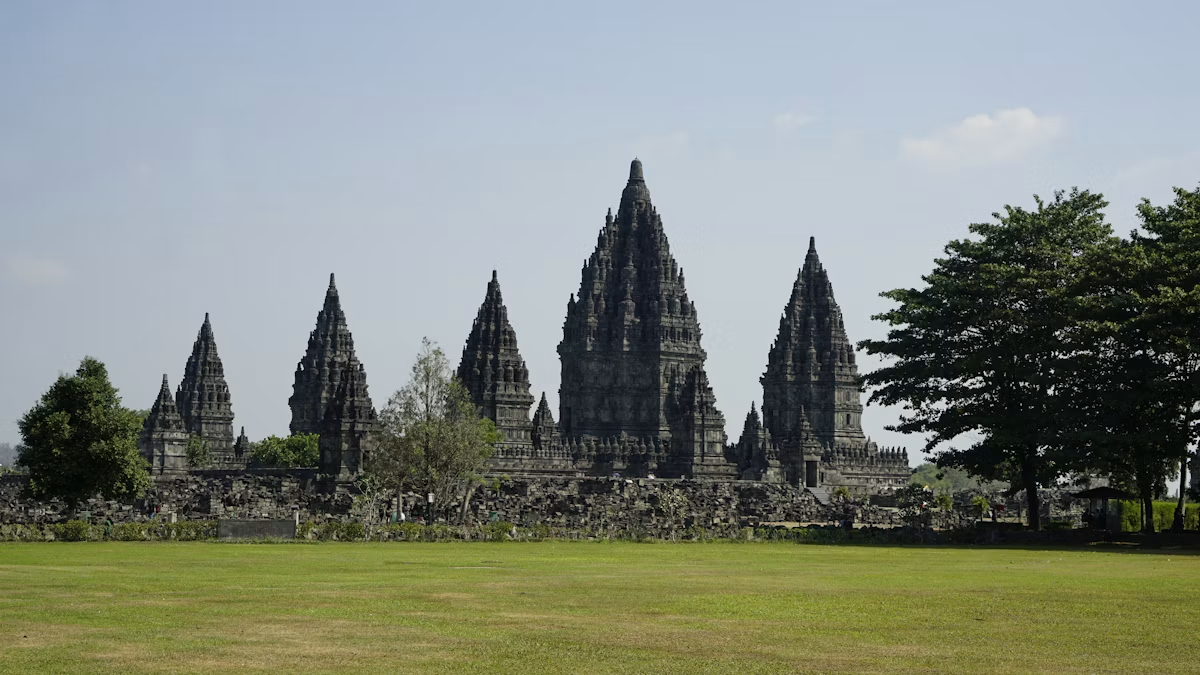
Borobudur Sunrise & Prambanan Temple UNESCO Heritage Tour
Marvel at the ancient stone carvings of Borobudur followed by the towering spires of Prambanan.
 culture
📍 Yogyakarta
$36.33
culture
📍 Yogyakarta
$36.33
Yogyakarta Sultanate Palace & Kotagede Heritage Trail
Explore the Keraton Sultan’s palace, Taman Sari Water Palace, and master silver workshops in Kotagede.
 adventure
📍 Ubud
$36.33
adventure
📍 Ubud
$36.33
Mount Batur Sunrise Summit Trek with Hot Springs
Pre-dawn summit ascent across volcanic basalt ridges to watch the sunrise above Lake Batur and Mount Rinjani, followed by restorative thermal hot springs.
Planning a Bali trip?
Explore current destination information, accommodation options, and events before you travel.
Related Travel News & Editorial Dispatches
Stay informed with latest field updates, regulatory notices, and luxury hospitality coverage across Bali and Beyond.
 📍 Yogyakarta
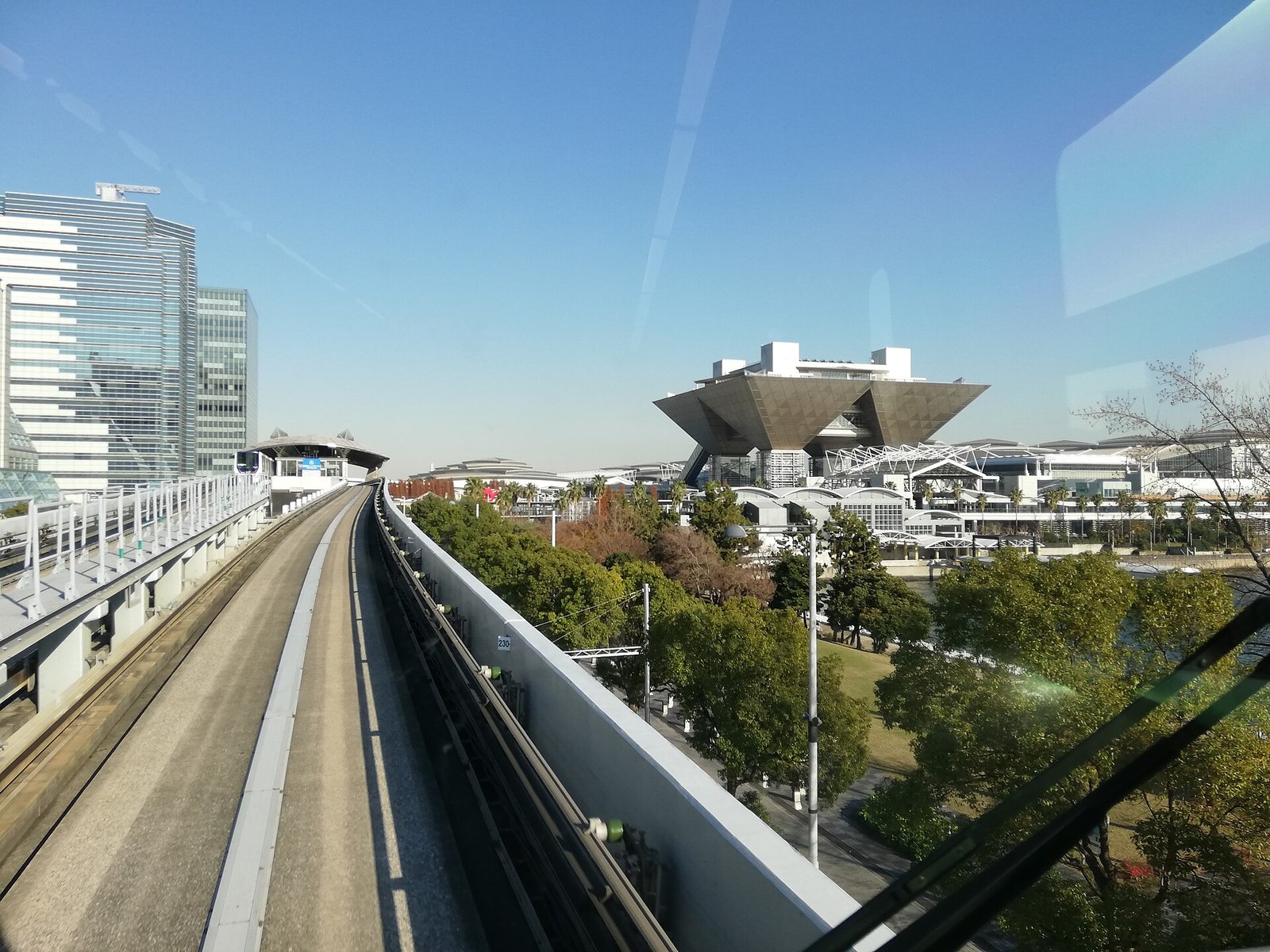
Japan's Travel Market Still Favors Bali: Tokyo Big Sight Survey Reveals 86% Brand Preference
Tourism Expo Japan generates US$7.1M in prospective pipeline travel demand, but official visitor surveys reveal 86.2 percent of Japanese respondents choose Bali over outer archipelago destinations.
 📍 Yogyakarta
Indonesia Transforms Traditional Batik Into Immersive Creative Workshops on National Batik Day
SURAKARTA (SOLO), Central Java - October 1, 2026 - In anticipation of National Batik Day (*Hari Batik Nasional*) on October 2, Indonesia's cultural tourism sector is executing a major evolution in how traditional textiles are shared with global travelers. Across the historic batik heartlands of Surakarta (Solo), Yogyakarta, and Pekalongan, tourism authorities and artisan cooperatives are shifting their primary economic model away from passive souvenir retail toward immersive, hands-on experiential masterclasses.
 📍 Yogyakarta
Yogyakarta and Solo Headline National Gastronomy Initiative, Elevating Royal Javanese Culinary Heritage
YOGYAKARTA, Indonesia - October 1, 2026 - The Ministry of Tourism and Creative Economy (Kemenparekraf) has formally launched the *Wonderful Indonesia Gastronomy 2026* initiative, positioning the twin royal capitals of Yogyakarta and Surakarta (Solo) in Central Java as the epicenter of a nationwide strategy to establish authentic culinary heritage as a primary driver of international tourism.
 📍 Yogyakarta
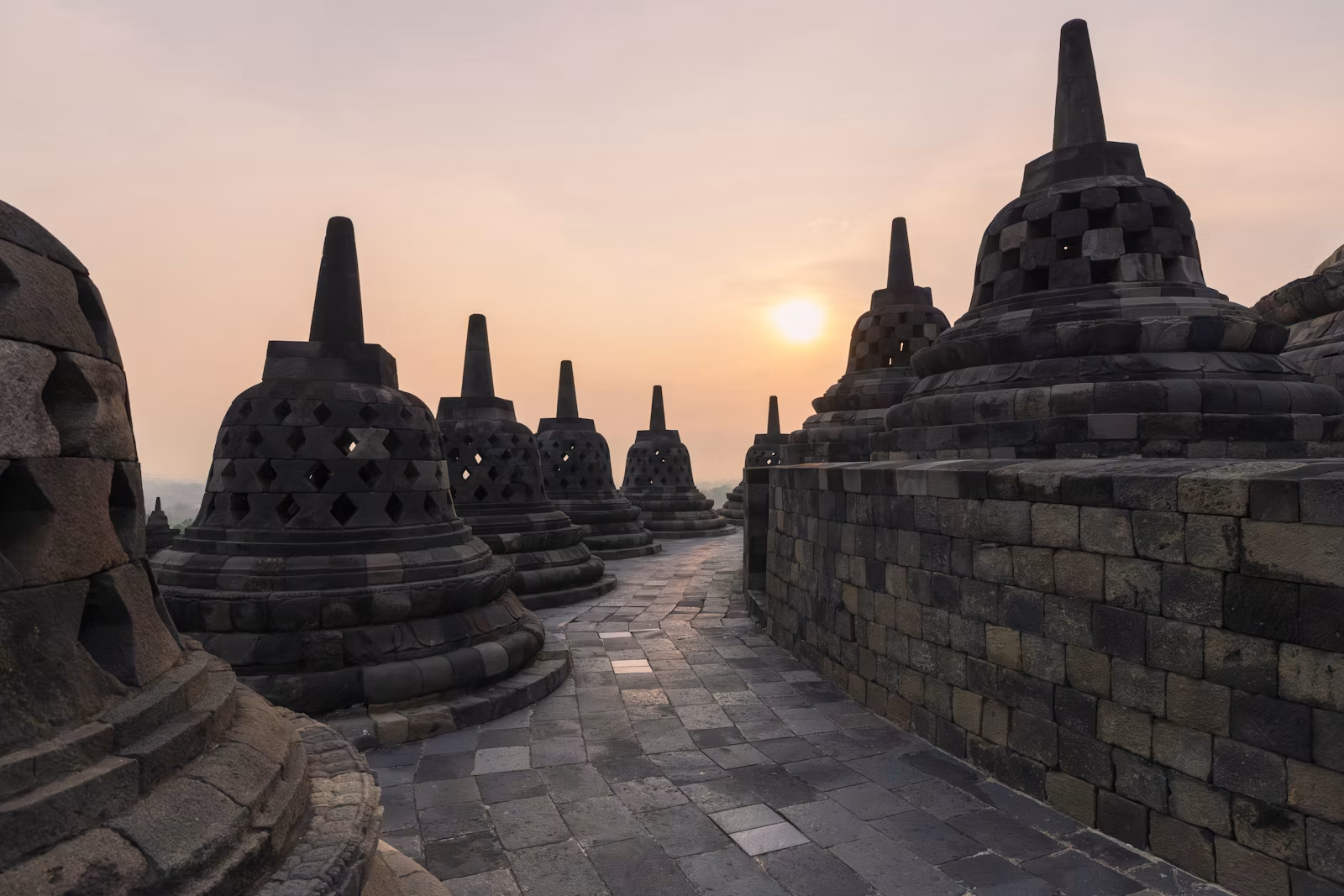
Indonesia Accelerates Prambanan Restoration as Heritage and Religious Tourism Plans Expand
Indonesia is accelerating restoration and revitalisation work at the Prambanan Temple complex in Yogyakarta, with the government combining conservation work with plans to strengthen the site's cultural, religious and tourism functions.
 📍 Yogyakarta
Senduro: The Persistent Shadow of Majapahit over Java and Bali
In the Balinese psyche, Java is never a distant memory. It exists as a physical and psychical tether, illustrated by the myth of Bali as a dragon’s tail severed from the Great Body of Java.This link is explicitly evoked in the 15th-century Tantu Panggelaran, which first descri...
 📍 Yogyakarta
Bali Tourists Issued With Heatstroke Warnings Especially In Children
With scorching temperatures set to hit Bali in the coming weeks, both local communities and tourists are being urged to take sun safety seriously, especially for young children.