



Komodo National Park Tightens Visitor Rules as Unpaid and Unauthorised Visits Draw Greater Enforcement
Labuan Bajo, East Nusa Tenggara - September 27, 2026

Labuan Bajo, East Nusa Tenggara - September 27, 2026
Visitors entering Komodo National Park are facing tighter enforcement after park authorities announced administrative penalties for people entering the conservation area without valid tickets or carrying out activities that are not permitted within designated tourism zones.
Under the latest enforcement measure, visitors who enter the national park without a valid ticket can face an administrative fine equal to five times the applicable normal entrance fee.
The measure was set out in an official announcement issued by the Komodo National Park Authority (Balai Taman Nasional Komodo) on September 23 and according to regional travel authorities and bureau field correspondents. The announcement was addressed not only to tourists but also to boat owners and travel agencies operating trips into the national park.
The park authority said the action was introduced after officers continued to find visitors entering the conservation area without tickets and, in some cases, carrying out activities that violated visitor regulations.
The new enforcement approach is therefore not simply about collecting entrance fees. It is also intended to strengthen compliance with the rules governing tourism inside one of Indonesia's most environmentally sensitive destinations.
Five Times the Normal Entrance Fee
According to the Komodo National Park Authority, visitors and vessels entering the park without the required ticket can be subject to an administrative penalty equivalent to five times the normal applicable entrance tariff.
The penalty is calculated per visitor per day, while the applicable calculation for vessels is per vessel per day, according to the park authority's announcement.
The authority said that visitors must ensure they have a valid ticket before entering the national park and that the ticket must correspond with the activity being undertaken.
Boat operators and travel agencies are also responsible for ensuring that the tourists they carry and the vessels used for the visit comply with the applicable ticketing requirements.
The authority has encouraged visitors and tourism operators to check their tickets through SiOra, the digital system used for information and visitor administration within the conservation area.
The Problem Goes Beyond Tickets
The enforcement announcement followed observations by park officers that some visitors were not only entering without tickets but also conducting activities that are prohibited or restricted under the national park's visitor protocol.
Among the violations identified were entering areas that are not designated for tourism, establishing tents or eating areas on islands, and operating drones outside areas where drone use is permitted.
These may appear to be relatively minor tourism-rule violations, but in a national park the distinction is important.
Komodo National Park is not an unrestricted recreational area. It is a protected conservation landscape containing vulnerable terrestrial and marine ecosystems, including the habitat of the Komodo dragon and numerous other species.
Visitor access is consequently structured around designated zones and activities intended to reduce pressure on sensitive environments.
Authorities Begin With Prevention, Then Enforcement
The Komodo National Park Authority described the new announcement as an initial preventive measure.
Urbanus Sius, Head of the authority's Administration Subdivision, told regional observers that officers were increasing direct supervision in the field after the announcement was issued.
Visitors found violating the rules can initially be called upon to provide an explanation and make a formal statement, depending on the nature of the violation. More serious or repeated violations can lead to further action under the applicable regulations.
The approach reflects a broader effort to make visitors, tour operators and boat operators responsible for compliance rather than placing the entire burden on park officers.
Rules Cover Both Visitors and Tourism Businesses
The park authority specifically addressed boat owners and travel agencies in its announcement.
Operators are expected to verify that everyone travelling into the park has the correct ticket and that the vessel itself has fulfilled the applicable requirements.
This creates an additional compliance responsibility for Labuan Bajo's growing tourism sector.
For established operators, the process may simply become part of standard pre-departure procedures. For smaller or informal operators, however, increased enforcement means that ticket verification and visitor briefing can no longer be treated as secondary administrative matters.
The development also underlines the importance of using authorized channels when arranging trips.
Visitors booking a last-minute boat directly at the port may not always understand which fees are included in a package and which conservation-area charges have to be paid separately. The park authority's warning makes checking the validity and scope of the ticket particularly important.
Komodo's Tourism Model Is Becoming More Regulated
The latest action comes as Komodo National Park continues to develop a more controlled approach to tourism.
The national park is one of Indonesia's most internationally recognized natural destinations, combining the Komodo dragon with coral reefs, marine wildlife, trekking landscapes, diving sites and islands such as Komodo and Padar.
That popularity creates a management challenge.
The more visitors arrive, the greater the need to control where they go, what they do and how much pressure is placed on particular locations.
Regulation therefore increasingly becomes part of the tourism experience itself.
For visitors, this can mean designated routes, specific access procedures, conservation fees, activity restrictions, vessel requirements and limits on where photography or drone operations can take place.
For park managers, these rules provide a mechanism for balancing tourism access with conservation responsibilities.
Drone Use Is Also Being Watched
Drone restrictions are one of the clearest examples of how modern tourism can create new management problems.
Drones have become common among travelers seeking aerial footage of Komodo's landscape, particularly the distinctive coastlines, hills and beaches around the national park.
But aerial equipment can interfere with wildlife, disturb visitors and create safety or privacy concerns. The park authority therefore regulates where drones can be operated.
Visitors who assume that a drone can be flown anywhere simply because the surrounding landscape appears open can find themselves violating conservation-area rules.
The latest enforcement warning specifically identifies unauthorized drone use as one of the activities being monitored.
Camping and Food Preparation Are Not Automatically Allowed
The same applies to camping and setting up eating areas.
Komodo's islands may look like open wilderness to visitors, but different parts of the park have different management classifications and permitted uses.
The park authority cited the creation of tents or eating areas on islands as examples of activities that have been found outside the permitted rules.
The restrictions reflect the fact that visitor facilities and activities need to be concentrated in locations where they can be managed without causing unnecessary environmental impacts.
A spontaneous decision to stay longer, establish a campsite or prepare food away from designated areas can therefore become a conservation issue rather than simply a personal travel choice.
The Enforcement Comes Amid Wider Tourism Pressure
The latest ticket announcement follows other recent incidents involving tourism operations in Labuan Bajo.
Earlier in September, a group of 11 foreign tourists was reported to have left a Rp19 million unpaid bill following a Komodo National Park tour. After the tourism operator reported the matter to police, the group subsequently paid the outstanding amount.
That incident is separate from the national park's ticket enforcement and should not be interpreted as evidence of a connection between the cases.
Together, however, the events illustrate a broader issue facing Labuan Bajo as international tourism expands: clearer transactions, stronger operator standards and greater accountability are becoming increasingly important.
The destination is no longer operating as a small-scale adventure tourism market. It now serves a substantial international visitor base, with a complex network of hotels, boat operators, travel agencies, guides and conservation authorities.
What Visitors Should Check Before Entering
The latest enforcement announcement makes several points especially relevant for travelers planning a Komodo National Park excursion.
A valid ticket should be obtained before entering the conservation area, and visitors should confirm that the ticket corresponds with the planned activity.
Tour operators should be able to explain what is included in the trip package and which conservation or activity fees are covered separately.
Visitors should also confirm the permitted locations for activities such as trekking, camping, eating and drone use rather than assuming that an open landscape is automatically available for unrestricted use.
Most importantly, travelers should follow instructions from park officers and guides while inside the national park.
A Shift From Destination Marketing to Destination Management
The latest enforcement measures point to a broader change in Komodo tourism.
For many years, the destination's international image was built primarily around discovery: dragons, remote islands, turquoise waters, dramatic hills and sailing adventures.
The next stage is increasingly about management.
As visitor numbers, tourism businesses and investment grow, the authorities have to determine not only how to attract travelers but also how to control access, protect ecosystems, collect conservation revenues and ensure that tourism activities remain compatible with the national park's protected status.
The five-times tariff penalty is one instrument within that system.
It sends a straightforward message to visitors and operators: entering Komodo National Park is not simply a matter of arriving by boat. Access must be documented, activities must follow designated rules, and responsibility for compliance extends throughout the tourism chain.
For travelers, the practical lesson is equally straightforward. Check the ticket, understand what the tour includes, follow the permitted activities and listen to the park authorities.
In Komodo, conservation is no longer something happening in the background of a holiday. It is becoming an increasingly visible part of the visitor experience itself.
Sources: Komodo National Park Authority; regional observers; Ministry of Tourism of the Republic of Indonesia.
This dispatch details active operational updates regarding regional transit corridors, airport procedures, park entry permits, or provincial regulations. Travelers are encouraged to verify departure schedules and official requirements prior to transit.
Exploring Labuan Bajo & Komodo & Beyond Bali?
Discover curated regional travel guides, archipelagic flight connections, and signature Bali sanctuaries for your wider Indonesian itinerary.
Curated Stays & Sanctuaries in Bali
Curated luxury accommodations featuring private pool sanctuaries, authentic architectural heritage, and seamless concierge support.

Hotel Tentrem Semarang
Hotel Tentrem Semarang is a 5-star guesthouse/bed and breakfast, guesthouse/bed and breakfast situated in Semarang & Solo (Central Java), Semarang (Ultra-Luxury), holding a verified guest score of 9.7/10 across 3,529 reviews. Located approx. 25–45 mins to regional airport with inland valley / highland retreat.

InterContinental Jakarta Pondok Indah By IHG
InterContinental Jakarta Pondok Indah By IHG is a 5-star hotel situated in Jakarta & Greater Capital, Jakarta (Ultra-Luxury), holding a verified guest score of 9.6/10 across 3,524 reviews. Located 964.6 km (2–3 hours drive) with inland valley / highland retreat.

Snooze Hostel Malang
Snooze Hostel Malang is a 5-star hostel situated in Malang & Batu Highlands, Malang (Ultra-Luxury), holding a verified guest score of 9.8/10 across 389 reviews. Located approx. 25–45 mins to regional airport with inland valley / highland retreat.
Iconic Landmarks & Sacred Sanctuaries in Labuan Bajo & Komodo
Protected cultural heritage, historical architecture, and iconic natural viewpoints with official entrance tariffs and etiquette rules.
 nature reserve
$8.38
nature reserve
$8.38
Komodo National Park UNESCO Sanctuary
UNESCO World Heritage marine sanctuary and the only evolutionary habitat on Earth of the endangered Komodo dragon (Varanus komodoensis), surrounded by world-class coral reefs.
 beach landmark
$8.38
beach landmark
$8.38
Padar Island Panoramic Viewpoint
Dramatic rugged volcanic island summit offering a world-famous panoramic vista over three distinct crescent bays featuring pink, white, and black volcanic sand beaches.
Guided Tours & Field Experiences Across Bali
Handcrafted tours, masterclasses, and coastal expeditions led by licensed local guides with verified booking options.
 adventure
📍 Labuan Bajo & Komodo
$97.81
adventure
📍 Labuan Bajo & Komodo
$97.81
Komodo National Park Full-Day Speedboat Safari
Visit Padar Island summit, Komodo dragon ranger trek, Pink Beach, and Manta Point in a single day.
 water marine
📍 Labuan Bajo & Komodo
$83.83
water marine
📍 Labuan Bajo & Komodo
$83.83
Padar Island Sunrise Trek & Manta Point Drift Snorkel
Dawn ascent to Padar viewpoint overlooking tri-color bays, followed by drifting alongside ocean manta rays.
 adventure
📍 Ubud
$36.33
adventure
📍 Ubud
$36.33
Mount Batur Sunrise Summit Trek with Hot Springs
Pre-dawn summit ascent across volcanic basalt ridges to watch the sunrise above Lake Batur and Mount Rinjani, followed by restorative thermal hot springs.
Planning a Bali trip?
Explore current destination information, accommodation options, and events before you travel.
Related Travel News & Editorial Dispatches
Stay informed with latest field updates, regulatory notices, and luxury hospitality coverage across Bali and Beyond.
 📍 Labuan Bajo & Komodo
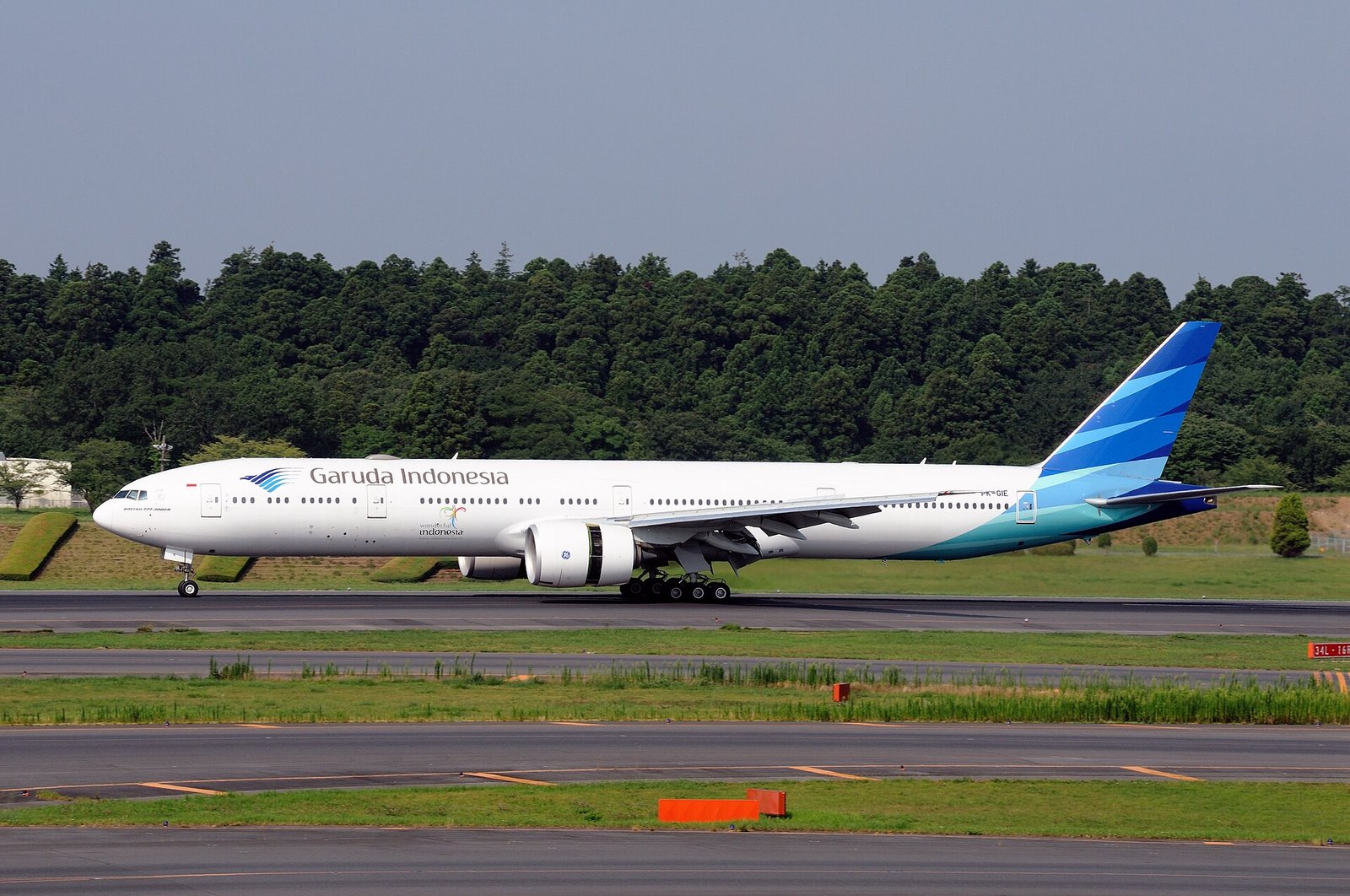
Indonesia Wants Tourists to Go Beyond Bali: How Garuda's Stopover Strategy Could Change Travel
A new partnership between Garuda Indonesia, the Ministry of Tourism, and Mastercard offers qualifying international voyagers complimentary onward domestic airfare to Mandalika, Labuan Bajo, Borobudur, and Lake Toba, establishing Bali as an international feeder gateway for nationwide exploration.
 📍 Labuan Bajo & Komodo
Komodo National Park Enforces 1,000-Visitor Daily Cap to Guard Fragile Terrestrial and Marine Ecosystems
LABUAN BAJO, East Nusa Tenggara - October 1, 2026 - Indonesia's Ministry of Environment and Forestry (KLHK), in coordination with the Komodo National Park Authority (BTNK), has established strict operational enforcement of a 1,000-person daily visitor quota across the UNESCO World Heritage sanctuary. The quota represents a decisive intervention to safeguard the world's last remaining wild populations of the Komodo dragon (*Varanus komodoensis*) and mitigate anthropogenic pressure across delicate coral reef and savanna island habitats.
 📍 Labuan Bajo & Komodo
Flores Religious Tourism Festival Series Builds Toward October 2026 Events
Flores is developing a broader religious tourism calendar in 2026, with a series of events combining religious traditions, local culture, environmental activities and community-based tourism.
 📍 Labuan Bajo & Komodo
Komodo National Park's Visitor-Cap Model Signals a Shift Toward Controlled Tourism
Komodo National Park's visitor-management discussion illustrates a growing tension at Indonesia's most sensitive destinations: how to maintain tourism revenue while controlling pressure on ecosystems and iconic sites.
 📍 Labuan Bajo & Komodo
The Charm of Kukusan Island, a Potential New Destination Outside Komodo National Park
The Ministry of Tourism (Kemenpar) and the West Manggarai Government (Pemkab) have prepared Kukusan Island as one of the leading destinations outside the Komodo National Park (TN) area. This island is located in Pasir Panjang Village, Komodo District, Labuan Bajo, West Manggar...
 📍 Labuan Bajo & Komodo
Wae Lolos Tourist Village in NTT Becomes Filming Location for French Reality Show
Wae Lolos Tourism Village in Sano Nggoang District, West Manggarai, East Nusa Tenggara (NTT), was chosen as one of the filming locations for the 23rd season of Pekín Express. Pekín Express is an adventure racing reality show broadcast on French television stations.