



Indonesia Transforms Traditional Batik Into Immersive Creative Workshops on National Batik Day
SURAKARTA (SOLO), Central Java - October 1, 2026 - In anticipation of National Batik Day (*Hari Batik Nasional*) on October 2, Indonesia's cultural tourism sector is executing a major evolution in how traditional textiles are shared with global travelers. Across the historic batik heartlands of Surakarta (Solo), Yogyakarta, and Pekalongan, tourism authorities and artisan cooperatives are shifting their primary economic model away from passive souvenir retail toward immersive, hands-on experiential masterclasses.
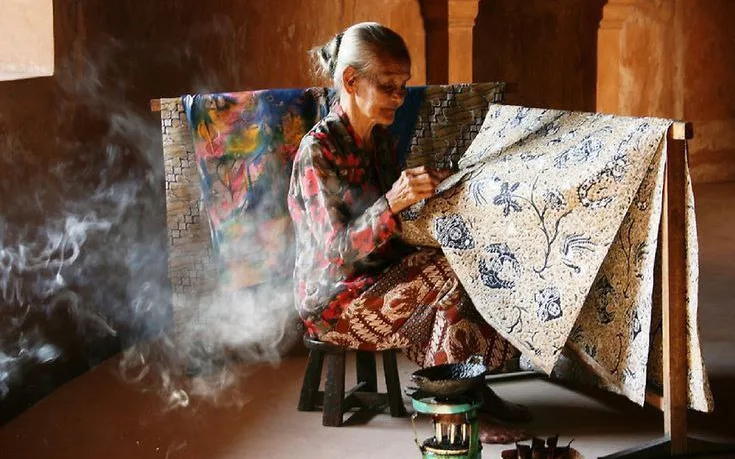
SURAKARTA (SOLO), Central Java - October 1, 2026 - In anticipation of National Batik Day (Hari Batik Nasional) on October 2, Indonesia's cultural tourism sector is executing a major evolution in how traditional textiles are shared with global travelers. Across the historic batik heartlands of Surakarta (Solo), Yogyakarta, and Pekalongan, tourism authorities and artisan cooperatives are shifting their primary economic model away from passive souvenir retail toward immersive, hands-on experiential masterclasses.
Rather than merely browsing finished bolts of fabric in air-conditioned showrooms, international travelers are increasingly drawn to multi-day creative residencies inside centuries-old artisan settlements like Kampoeng Batik Laweyan and Kauman in Solo, and the Giriloyo weaving village in Bantul, Yogyakarta. In these heritage compounds, visitors sit alongside master artisans, wielding traditional copper wax pens (canting), sketching intricate motifs with hot botanical beeswax, and immersing fabrics in natural indigo and tree-bark dye vats (soga alam).
The transition responds to surging global interest in UNESCO Intangible Cultural Heritage preservation and the growing desire among experiential travelers for authentic creative craftsmanship rooted in living heritage.
The living philosophy of hand-drawn Batik Tulis
At the core of the experiential movement is an effort to educate visitors on the profound artistic distinction between genuine hand-drawn wax-resist textile art (Batik Tulis) and mass-produced screen-printed consumer fabric:
Authentic Javanese batik is not simply a visual pattern; it is a sacred artistic meditation imbued with cultural philosophy:
- The Canting and Hot Wax Technique: The artisan draws molten beeswax through a delicate copper spout onto hand-spun cotton or silk. The wax acts as an impenetrable barrier that resists cold dye penetration, requiring repetitive cycles of waxing, dyeing, and boiling (lorod) to achieve multi-hued compositions.
- Sacred Royal Motifs and Symbolism: Traditional motifs carry ancestral blessings and cosmological meaning. The Parang Rusak pattern once symbolized the unyielding resolve of Javanese kings against inner turbulence, while the geometric Kawung motif represents spiritual purity and universal balance.
- Organic Botanical Dyeing: Progressive workshops are reviving ancestral plant-based dyes, using Indigofera tinctoria for deep midnight blues, mahogany bark (kayu mahoni) for warm ambers, and Ceriops tagal bark for regal ochres.
"Batik is not mere fabric; it is written prayer and living philosophy," said Wayan Sudarma, Senior Cultural and Heritage Correspondent. "When an international traveler spends four hours drawing a single motif with a canting pen, their entire appreciation shifts. They understand the immense human patience, botanical knowledge, and ancestral spiritual dedication woven into every thread. That experiential connection is something no retail shop can duplicate."
Heritage neighborhoods leading the creative residency wave
In Surakarta, the historic enclave of Kampoeng Batik Laweyan - an atmospheric labyrinth of high-walled Javanese-Indo merchant estates dating back to the 14th century - has revitalized over forty artisan studios to host structured tourist workshops.
Visitors can enroll in programs ranging from two-hour introductory scarf-waxing sessions to comprehensive five-day dye masterclasses. Local homestays allow guests to lodge within the historic compounds of merchant families, dining on traditional Javanese breakfasts and falling asleep to the subtle aroma of melting beeswax and boiling cloves.
Similarly, in Pekalongan on Java's north coast, the maritime coastal batik tradition - famed for its vibrant floral bouquets (Batik Buketan) influenced by Chinese, Dutch, and Arab trade contacts - is offering specialized workshops centered around cross-cultural textile evolution at the Pekalongan Batik Museum.
Essential practical guidance for travelers attending batik workshops
Travelers seeking an authentic batik workshop experience should consider the following practical advice:
- Prioritize Genuine Hand-Drawn (Batik Tulis) Studios: Ensure your booking specifies hand-drawn wax (canting) rather than copper stamp printing (batik cap), unless you specifically wish to explore both traditional techniques.
- Dress for Dyeing: Wear dark, comfortable cotton clothing that you do not mind staining, as natural indigo and bark dye vats can splash during the rinsing process.
- Allow Adequate Time for Boiling and Drying: Creating a completed hand-dyed textile requires several sequential hours for the wax to be boiled out in rainwater cauldrons and air-dried under shaded open pavilions. Schedule a full half-day for a basic piece.
- Acquire Certified Works of Provenance: When purchasing completed collector textiles, look for the official Batik Mark certification logo issued by the Ministry of Industry, which verifies authentic hand-drawn craftsmanship over industrial imitation prints.
Cultural dividends for local communities
The rise of experiential workshops is generating vital economic revitalization for younger generations of Indonesian artisans. By transforming textile knowledge into a high-yield educational tourism product, youth in Solo and Yogyakarta are embracing master craftsmanship as a viable, prestigious career, ensuring that Indonesia's ancestral batik heritage flourishes vibrantly for centuries to come.
Helpful planning insights for travelers exploring bookings, regional itineraries, and accommodations across the destination.
Exploring Yogyakarta & Beyond Bali?
Discover curated regional travel guides, archipelagic flight connections, and signature Bali sanctuaries for your wider Indonesian itinerary.
Curated Stays & Sanctuaries in Bali
Curated luxury accommodations featuring private pool sanctuaries, authentic architectural heritage, and seamless concierge support.
![distudio1528 [The Yudhistira Tower]](http://pix3.agoda.net/hotelimages/35480620/0/54f843e148ccc5fd5a50098487fb9024.jpg)
distudio1528 [The Yudhistira Tower]
distudio1528 [The Yudhistira Tower] is a 5-star apartment/flat situated in Yogyakarta, Yogyakarta (Ultra-Luxury), holding a verified guest score of 9.9/10 across 128 reviews. Located 538.9 km (2–3 hours drive) with inland valley / highland retreat.

Eastparc Hotel Yogyakarta
Eastparc Hotel Yogyakarta is a 5-star hotel situated in Yogyakarta, Yogyakarta (Ultra-Luxury), holding a verified guest score of 9.4/10 across 10,959 reviews. Located 534.6 km (2–3 hours drive) with inland valley / highland retreat.

Hotel Tentrem Yogyakarta
Hotel Tentrem Yogyakarta is a 5-star hotel situated in Yogyakarta, Yogyakarta (Ultra-Luxury), holding a verified guest score of 9.4/10 across 5,593 reviews. Located 539.1 km (2–3 hours drive) with inland valley / highland retreat.
Iconic Landmarks & Sacred Sanctuaries Across Bali
Protected cultural heritage, historical architecture, and iconic natural viewpoints with official entrance tariffs and etiquette rules.
 cultural village
Free Access
cultural village
Free Access
Mas Wood Carving Village
Mas is the epicentre of Balinese wood carving mastery, where legend holds that the sage Nirartha first taught the art of carving sacred masks and ritual statues to local craftsmen in the 16th century.
 temple
$20.87
temple
$20.87
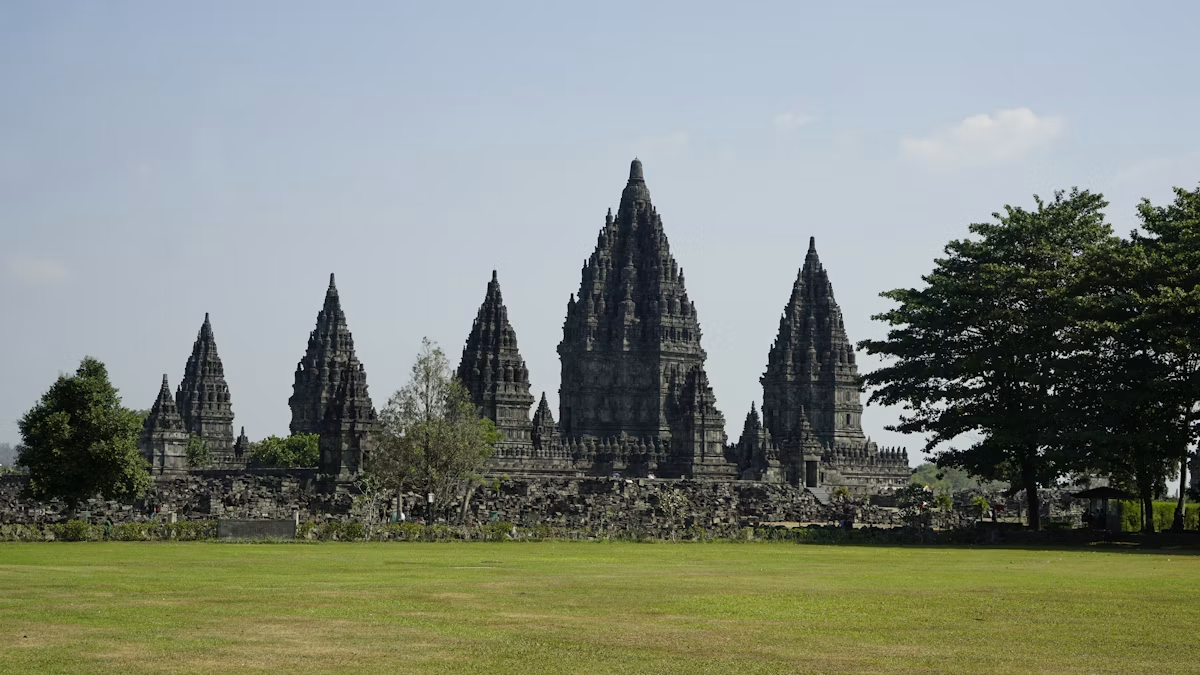
Prambanan Hindu Temple Compound
Southeast Asia’s largest Hindu temple site, featuring majestic 47-meter towering spires dedicated to the Trimurti (Brahma, Vishnu, and Shiva) with intricate Ramayana relief carvings.
Guided Tours & Field Experiences Across Bali
Handcrafted tours, masterclasses, and coastal expeditions led by licensed local guides with verified booking options.
 culture
📍 Yogyakarta
$69.56
culture
📍 Yogyakarta
$69.56
Borobudur Sunrise & Prambanan Temple UNESCO Heritage Tour
Marvel at the ancient stone carvings of Borobudur followed by the towering spires of Prambanan.
 culture
📍 Yogyakarta
$36.17
culture
📍 Yogyakarta
$36.17
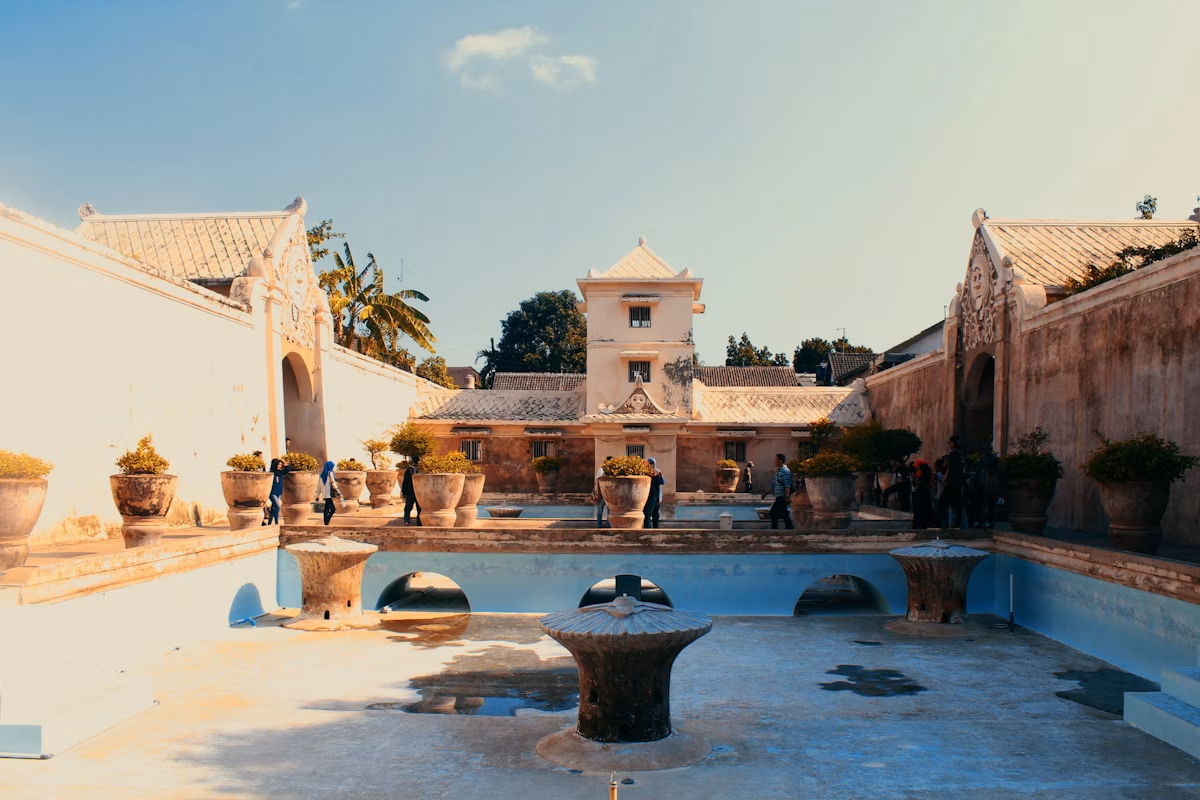
Yogyakarta Sultanate Palace & Kotagede Heritage Trail
Explore the Keraton Sultan’s palace, Taman Sari Water Palace, and master silver workshops in Kotagede.
 adventure
📍 Ubud
$36.17
adventure
📍 Ubud
$36.17
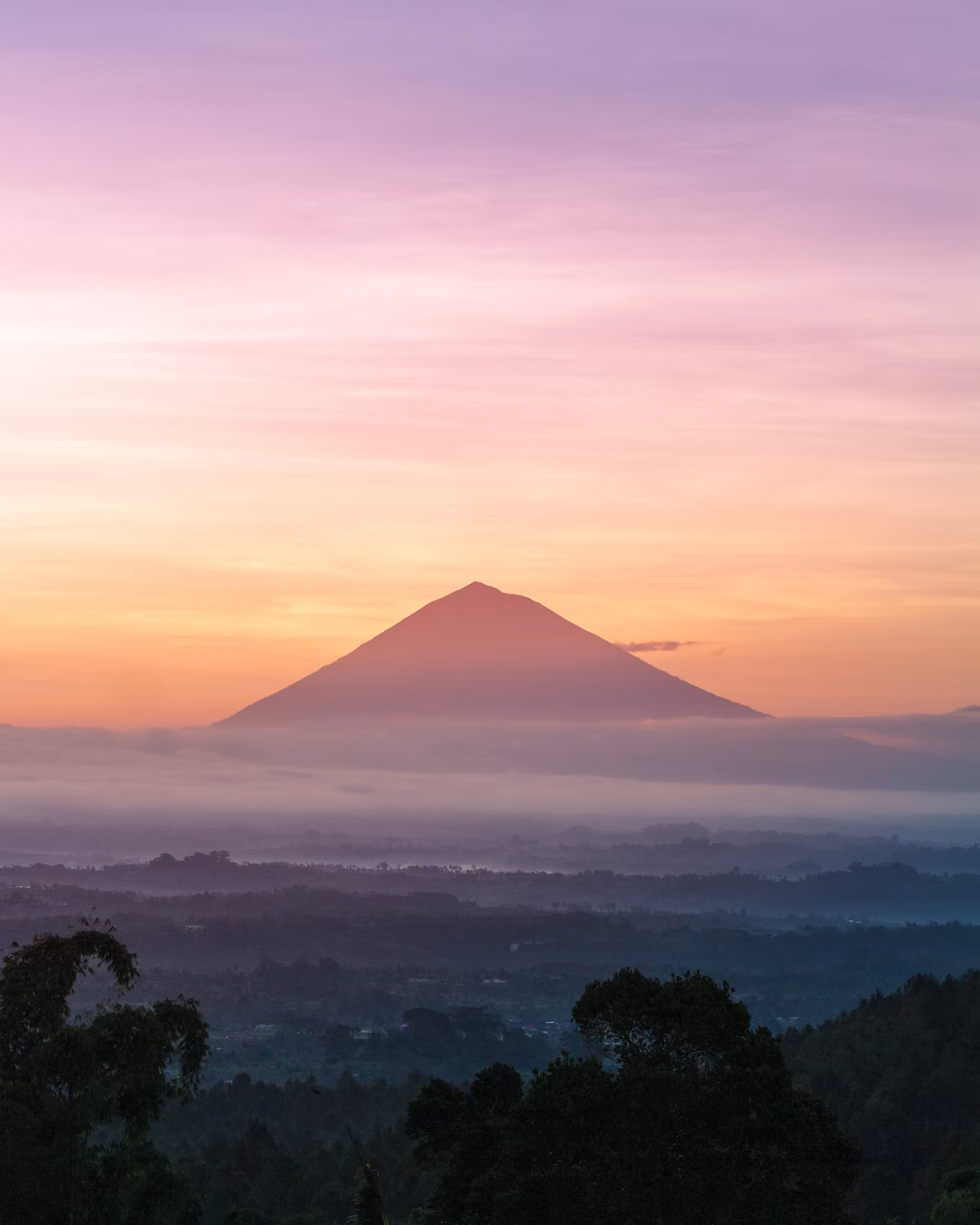
Mount Batur Sunrise Summit Trek with Hot Springs
Pre-dawn summit ascent across volcanic basalt ridges to watch the sunrise above Lake Batur and Mount Rinjani, followed by restorative thermal hot springs.
Related Travel News & Editorial Dispatches
Stay informed with latest field updates, regulatory notices, and luxury hospitality coverage across Bali and Beyond.
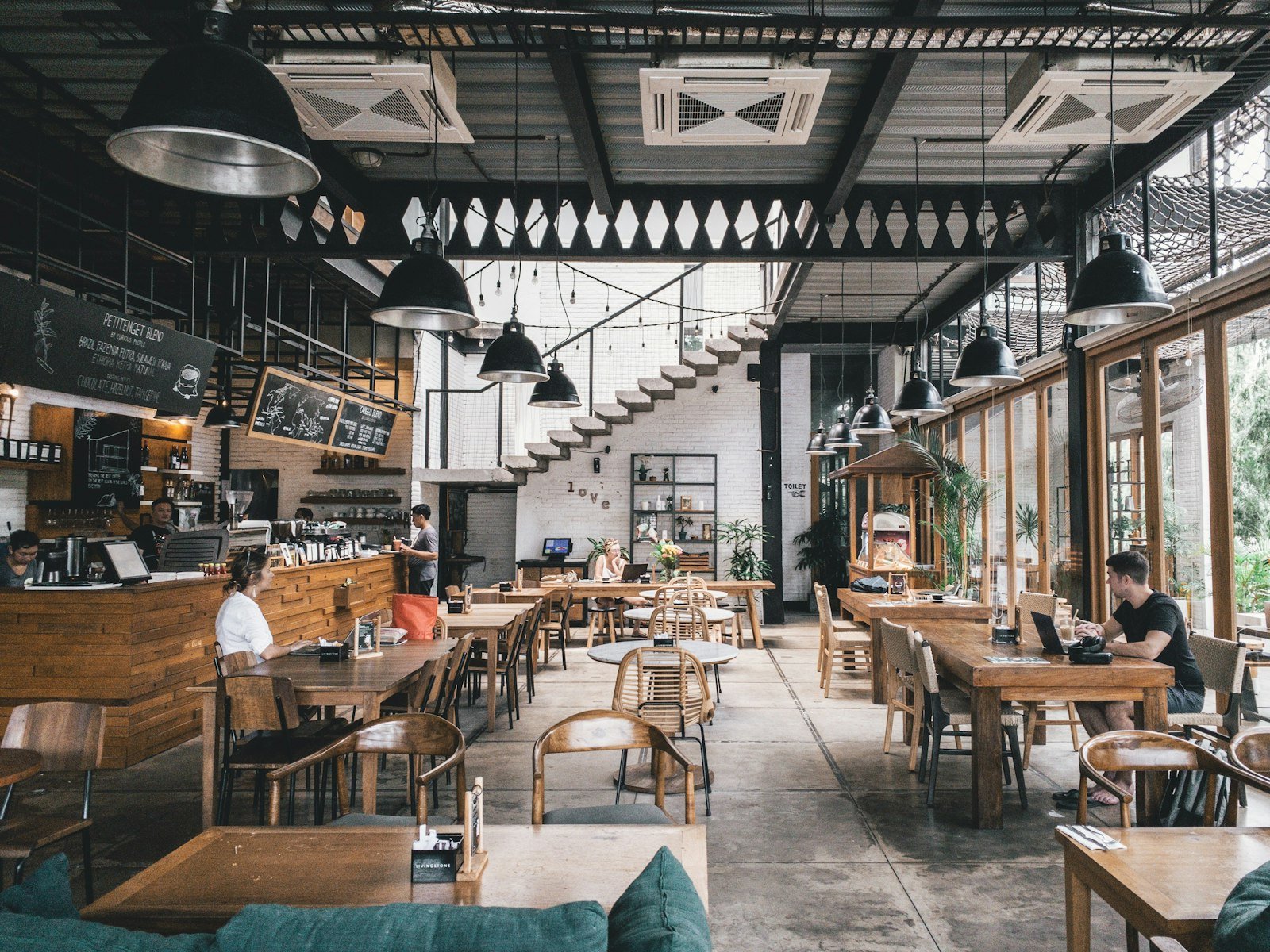 📍 Yogyakarta
Yogyakarta and Solo Headline National Gastronomy Initiative, Elevating Royal Javanese Culinary Heritage
YOGYAKARTA, Indonesia - October 1, 2026 - The Ministry of Tourism and Creative Economy (Kemenparekraf) has formally launched the *Wonderful Indonesia Gastronomy 2026* initiative, positioning the twin royal capitals of Yogyakarta and Surakarta (Solo) in Central Java as the epicenter of a nationwide strategy to establish authentic culinary heritage as a primary driver of international tourism.
 📍 Yogyakarta
Indonesia Accelerates Prambanan Restoration as Heritage and Religious Tourism Plans Expand
Indonesia is accelerating restoration and revitalisation work at the Prambanan Temple complex in Yogyakarta, with the government combining conservation work with plans to strengthen the site's cultural, religious and tourism functions.
 📍 Yogyakarta
Senduro: The Persistent Shadow of Majapahit over Java and Bali
In the Balinese psyche, Java is never a distant memory. It exists as a physical and psychical tether, illustrated by the myth of Bali as a dragon’s tail severed from the Great Body of Java.This link is explicitly evoked in the 15th-century Tantu Panggelaran, which first descri...
 📍 Yogyakarta
Bali Tourists Issued With Heatstroke Warnings Especially In Children
With scorching temperatures set to hit Bali in the coming weeks, both local communities and tourists are being urged to take sun safety seriously, especially for young children.
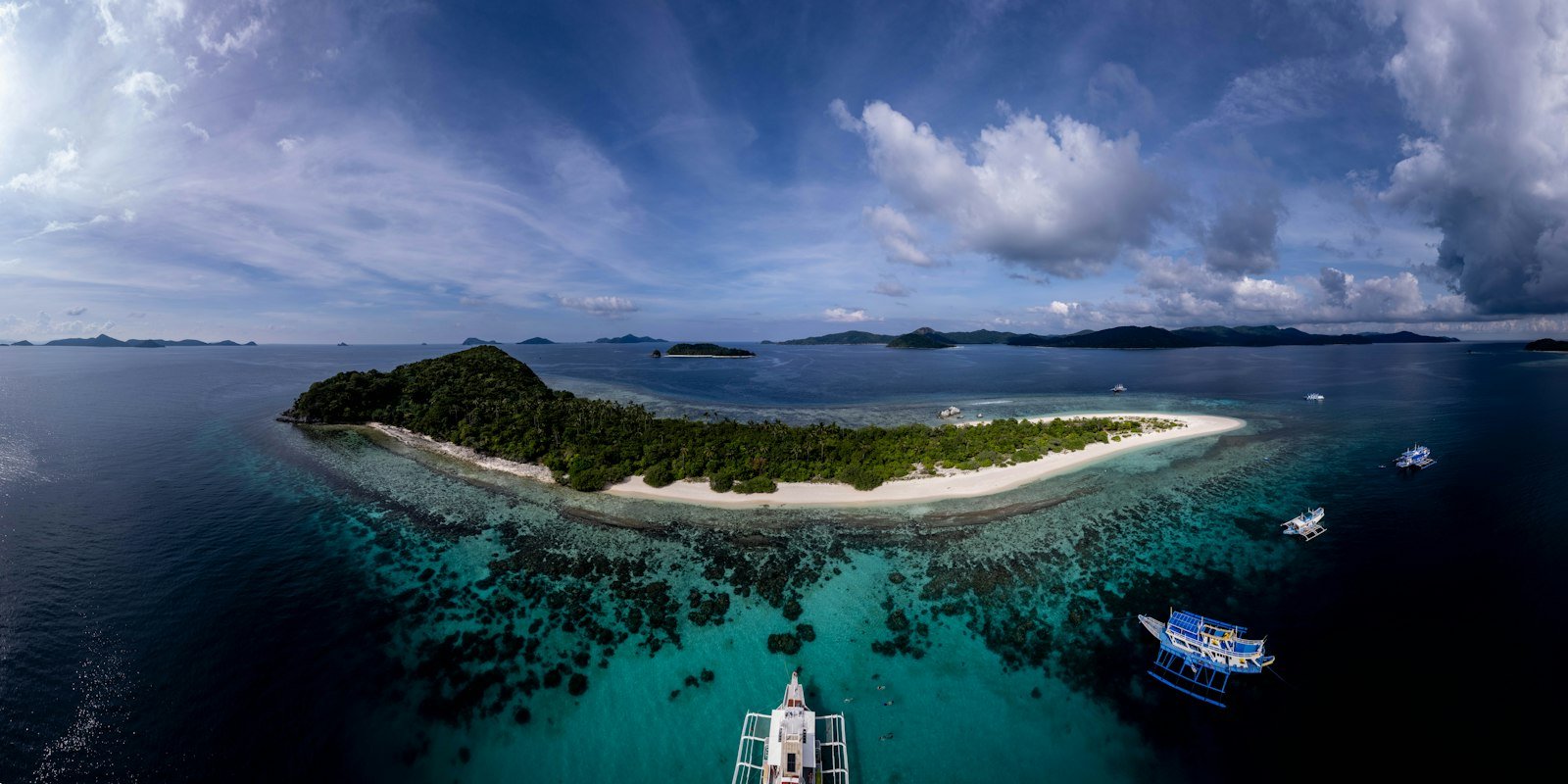 📍 Wakatobi Marine Park
Wakatobi WAVE 2026 Festival Celebrates Marine Biosphere Heritage and Bajau Seafaring Traditions
WANGI-WANGI, Southeast Sulawesi - October 1, 2026 - The remote island regency of Wakatobi - situated off the southeastern tip of Sulawesi in the heart of the Banda Sea - is welcoming cultural travelers and ocean conservationists for the opening of the *Wakatobi Wonderful Festival and Expo (Wakatobi WAVE) 2026*, scheduled to run from October 2 to 4. Staged across the island of Wangi-Wangi, the annual signature celebration serves as a vital platform spotlighting Wakatobi's global status as a UNESCO Biosphere Reserve and honoring the ancestral seafaring knowledge of the Indigenous Bajau people.
 📍 Seminyak
North Sulawesi's Marine Tourism Expands as Bunaken and Lembeh Draw Global Dive Enthusiasts
MANADO, North Sulawesi - October 1, 2026 - North Sulawesi's marine tourism sector is undergoing a sustained international resurgence, driven by surging arrivals of global scuba diving travelers, wildlife photographers, and marine conservationists. Centered around the iconic vertical coral wall drop-offs of Bunaken National Marine Park and the world-renowned macro muck-diving corridors of the Lembeh Strait, the province is cementing its status as one of the world's most complete and accessible underwater ecosystems.