



Nusa Penida Falls Silent for Nyepi Segara as Sea Crossings and Marine Tourism Pause for 24 Hours
The waters around Nusa Penida have entered a 24-hour period of silence as the island observes Nyepi Segara, a traditional Balinese ceremony in which the sea is temporarily freed from human activity.
Nusa Penida, Bali - September 27, 2026
The waters around Nusa Penida have entered a 24-hour period of silence as the island observes Nyepi Segara, a traditional Balinese ceremony in which the sea is temporarily freed from human activity.
The observance began at 6:00 a.m. on Sunday, September 27, 2026, and continues until 6:00 a.m. on Monday, September 28. During that period, marine activity is suspended, including passenger crossings, fishing, snorkeling, diving and other recreational activities.
according to regional travel authorities and bureau field correspondents, the restriction affects crossings to and from Nusa Penida through Sanur, Kusamba and Padangbai. The closure was confirmed by Nusa Penida Subdistrict Head Kadek Yoga Kusuma on September 26.
For travelers, the practical consequence is straightforward: Nusa Penida's normal boat-based tourism operations are unavailable during the observance.
A day when the sea is allowed to rest
Nyepi Segara forms part of the religious and cultural sequence associated with Ngusaba Alit at Pura Penataran Ped in Nusa Penida.
The observance is traditionally held during the Purnama Kapat period and is connected with prayers, offerings and the seeking of tirta amertha, sacred water associated with the ocean.
The sea is consequently treated not simply as a physical environment but as an important part of the island's spiritual landscape.
For an island whose modern economy depends heavily on marine tourism, that creates a striking contrast. Boats normally move continuously between Nusa Penida and mainland Bali, while dive and snorkeling operators take visitors into the surrounding waters.
During Nyepi Segara, that activity stops.
A cultural observance, not a tourism event
It is important to distinguish Nyepi Segara from a tourism promotion or an environmental campaign created for visitors.
The observance belongs to the local religious and cultural calendar. Tourism businesses must work around it rather than the other way around.
This distinction matters because Nusa Penida is now one of Bali's most heavily visited island destinations. Fast boats, diving, snorkeling and day tours have become central to its international tourism identity, but those activities remain subject to local cultural practices.
For international visitors unfamiliar with the Balinese calendar, the complete cessation of maritime activity can therefore come as a surprise.
The most useful approach is simply to understand the date in advance and plan accordingly.
What the pause means for tourism businesses
Nyepi Segara affects a broad section of the local visitor economy.
Fast-boat companies cannot operate their normal crossings. Dive and snorkeling operators cannot take customers into the water. Fishing activity is also suspended.
Hotels, restaurants and other businesses on Nusa Penida can continue operating, but guests arriving or departing by sea have to organize their travel around the 24-hour observance.
For tour operators, this makes calendar awareness particularly important.
A standard day-trip itinerary may work perfectly on most dates but become impossible during Nyepi Segara. Travel companies selling Nusa Penida excursions therefore need to account for local religious dates when confirming bookings.
A temporary reduction in pressure on the marine environment
Nyepi Segara is fundamentally a religious observance, not a formal conservation program.
Nevertheless, the complete pause in maritime activity creates a temporary reduction in human use of the surrounding waters.
There are no ordinary passenger boats moving between the island and mainland Bali, no recreational diving and snorkeling, and no routine fishing activity during the observance.
From a destination-management perspective, the effect is notable.
Nusa Penida's marine environment has become increasingly important to tourism, particularly through its diving and snorkeling industry. A recurring day when human activity is deliberately suspended illustrates a different relationship between tourism and the destination's natural environment.
The cultural tradition itself provides the reason for the pause; any environmental benefit is a consequence rather than its primary purpose.
Respecting the local community
Visitors are expected to respect the restrictions rather than attempt to arrange unofficial marine excursions.
That means not looking for alternative boat operators during the closure or trying to organize private snorkeling, diving or fishing trips.
The purpose of Nyepi Segara is to allow the sea to remain undisturbed for the duration of the observance.
For tourism businesses, informing guests in advance is equally important. Clear communication can prevent travelers from arriving at a port expecting normal services when the entire maritime network has been temporarily suspended.
The tourism lesson from Nusa Penida
Nyepi Segara offers a useful reminder that tourism does not define the entire identity of a destination.
Nusa Penida's beaches, cliffs, diving sites and marine wildlife have made it an international tourism brand. But the island also has a religious calendar and community traditions that continue to determine how parts of the visitor economy operate.
For one day each year, the normal rhythm of boats, dive trips and snorkeling excursions gives way to silence.
That makes Nyepi Segara more than a travel inconvenience. It offers visitors a glimpse of a side of Nusa Penida that cannot be understood through an itinerary alone.
The sea is not only where tourists go.
For the local community, it is also part of a cultural and spiritual world that deserves periods of rest and respect.
Sources: regional observers; local statements from the Nusa Penida Subdistrict Government.
This dispatch details active operational updates regarding regional transit corridors, airport procedures, park entry permits, or provincial regulations. Travelers are encouraged to verify departure schedules and official requirements prior to transit.
Planning a trip to Nusa Penida?
Explore current destination intelligence, curated accommodations, cultural landmarks, and island events before you travel.
Curated Stays & Sanctuaries in Nusa Penida
Curated luxury accommodations featuring private pool sanctuaries, authentic architectural heritage, and seamless concierge support.

Ring Sameton Resort Hotel
Ring Sameton Resort Hotel is a 3-star serviced apartment, serviced apartment situated in Bali, Bali (Mid-Range Comfort), holding a verified guest score of 8.4/10 across 948 reviews. Located 38.9 km (2–3 hours drive) with coastal enclave (< 5km to beach).

Manta Cottages with Sea View
Manta Cottages with Sea View is a 2-star serviced apartment, serviced apartment situated in Malang & Batu Highlands, Bali (Budget & Homestay), holding a verified guest score of 7.4/10 across 120 reviews. Located 46 km (2–3 hours drive) with coastal enclave (< 5km to beach).

Sunrise Cottage Nusa Penida
Sunrise Cottage Nusa Penida is a 5-star guesthouse/bed and breakfast, guesthouse/bed and breakfast situated in Nusa Islands (Penida & Lembongan), Bali (Ultra-Luxury), holding a verified guest score of 8.8/10 across 404 reviews. Located 40.2 km (2–3 hours drive) with coastal enclave (< 5km to beach).
Iconic Landmarks & Sacred Sanctuaries Across Bali
Protected cultural heritage, historical architecture, and iconic natural viewpoints with official entrance tariffs and etiquette rules.
 beach landmark
$1.39
beach landmark
$1.39
Atuh Beach & Thousand Islands Viewpoint
Panoramic clifftop viewpoint overlooking scattered karst sea-pinnacles (Pulau Seribu) and the famed Molenteng Tree House (Rumah Pohon).
 beach landmark
Free Access
beach landmark
Free Access
Yellow Bridge & Ceningan Blue Lagoon
Vibrant yellow suspension bridge linking Nusa Lembongan and Nusa Ceningan over azure seaweed farming straits, leading to glowing Blue Lagoon.
 beach landmark
$1.39
beach landmark
$1.39
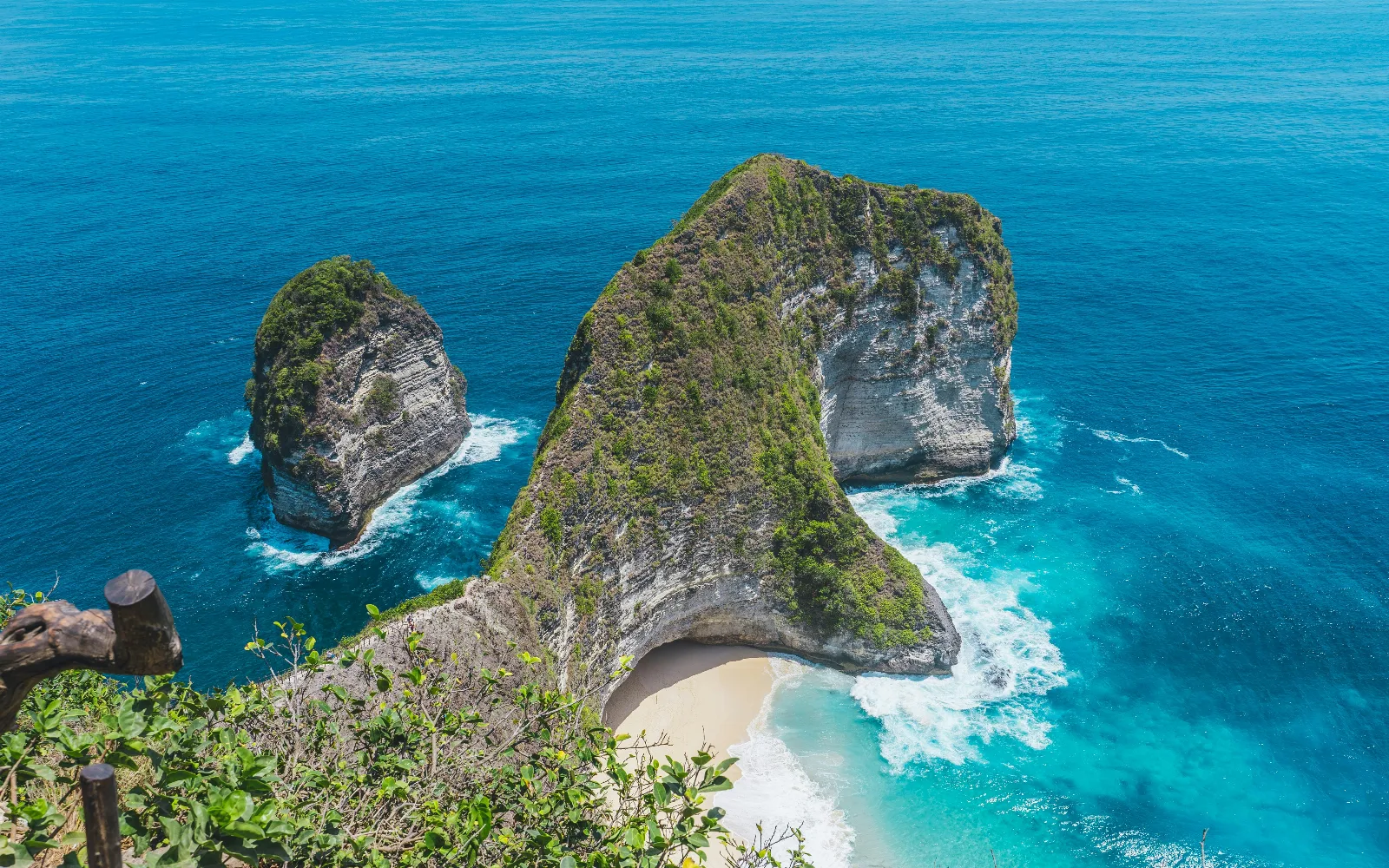
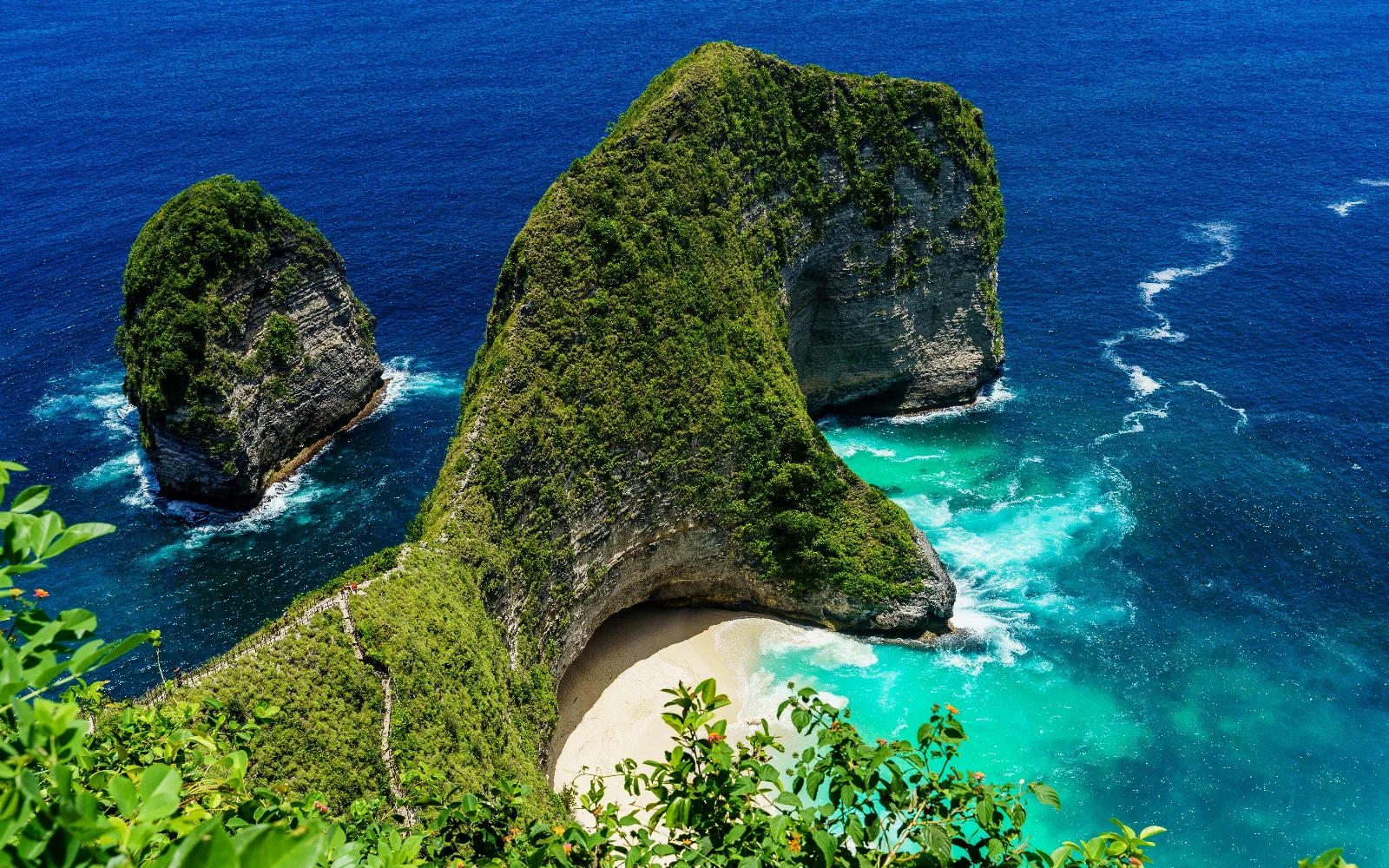
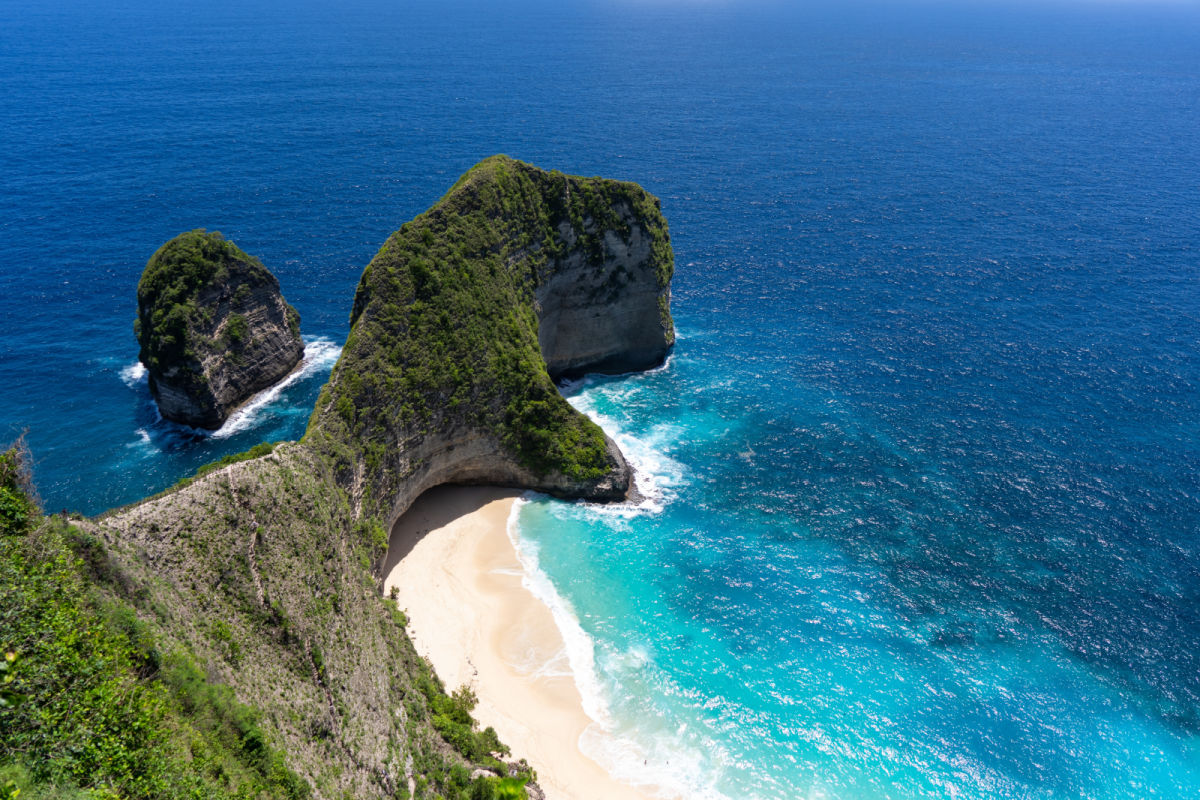
Kelingking Beach (T-Rex Cliff)
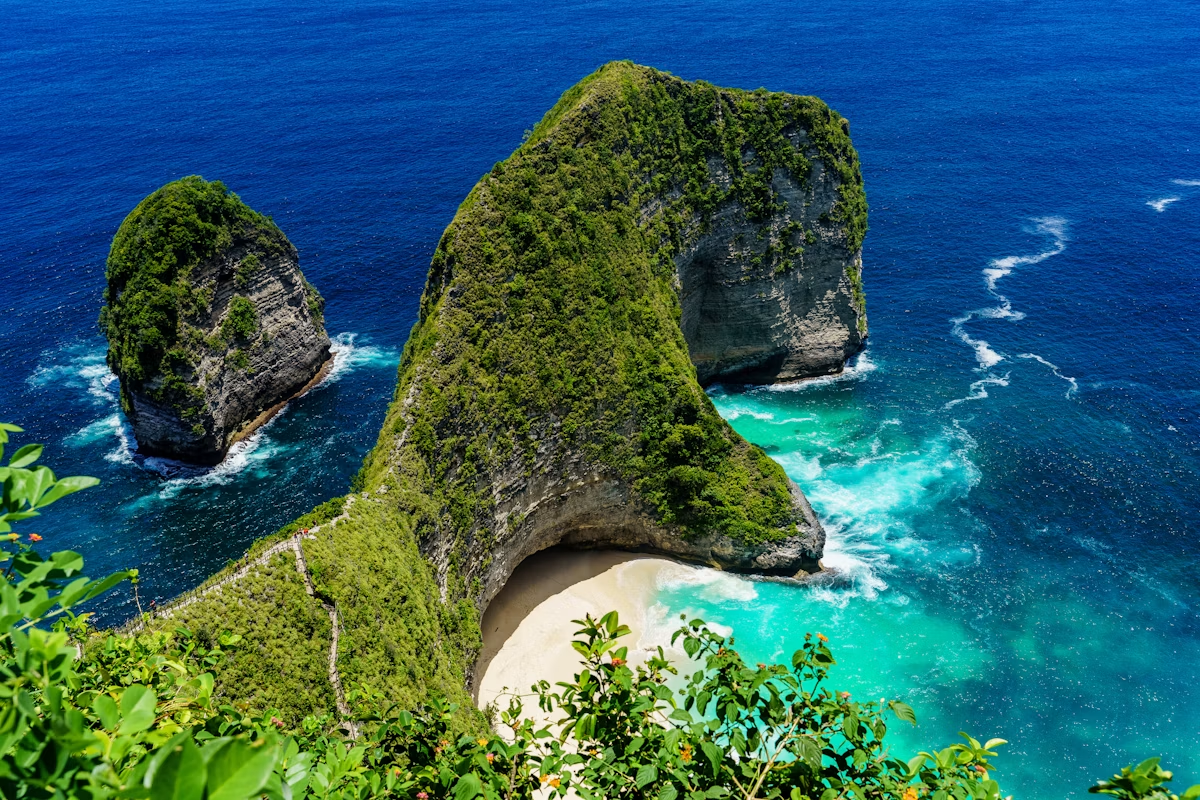
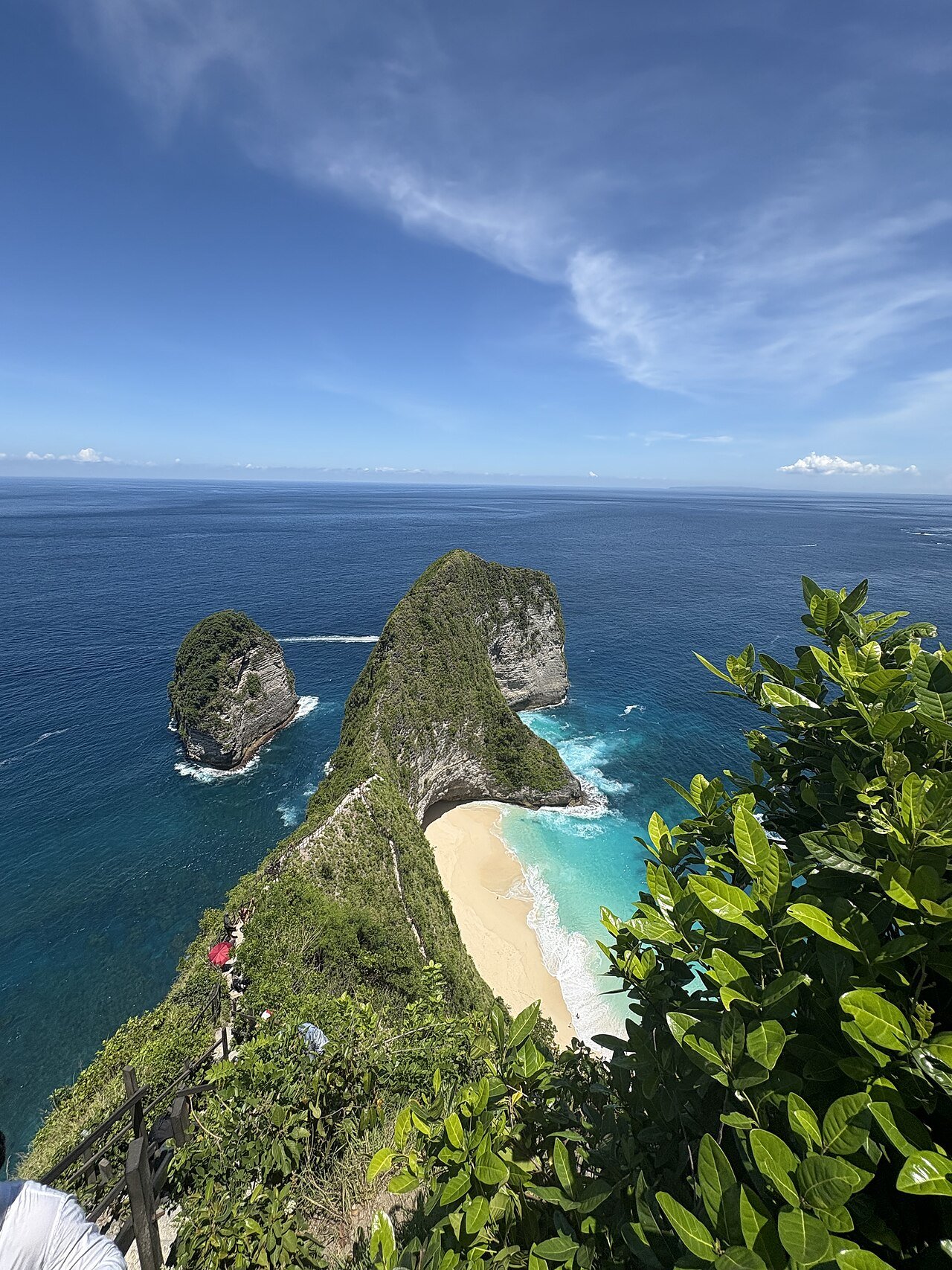
World-famous dramatic limestone promontory shaped like a Tyrannosaurus Rex overlooking turquoise seas and powder-white sand.
Guided Tours & Field Experiences in Nusa Penida
Handcrafted tours, masterclasses, and coastal expeditions led by licensed local guides with verified booking options.
 water marine
📍 Nusa Penida
$25.04
water marine
📍 Nusa Penida
$25.04
Nusa Penida Manta Bay & Crystal Bay Snorkeling Safari
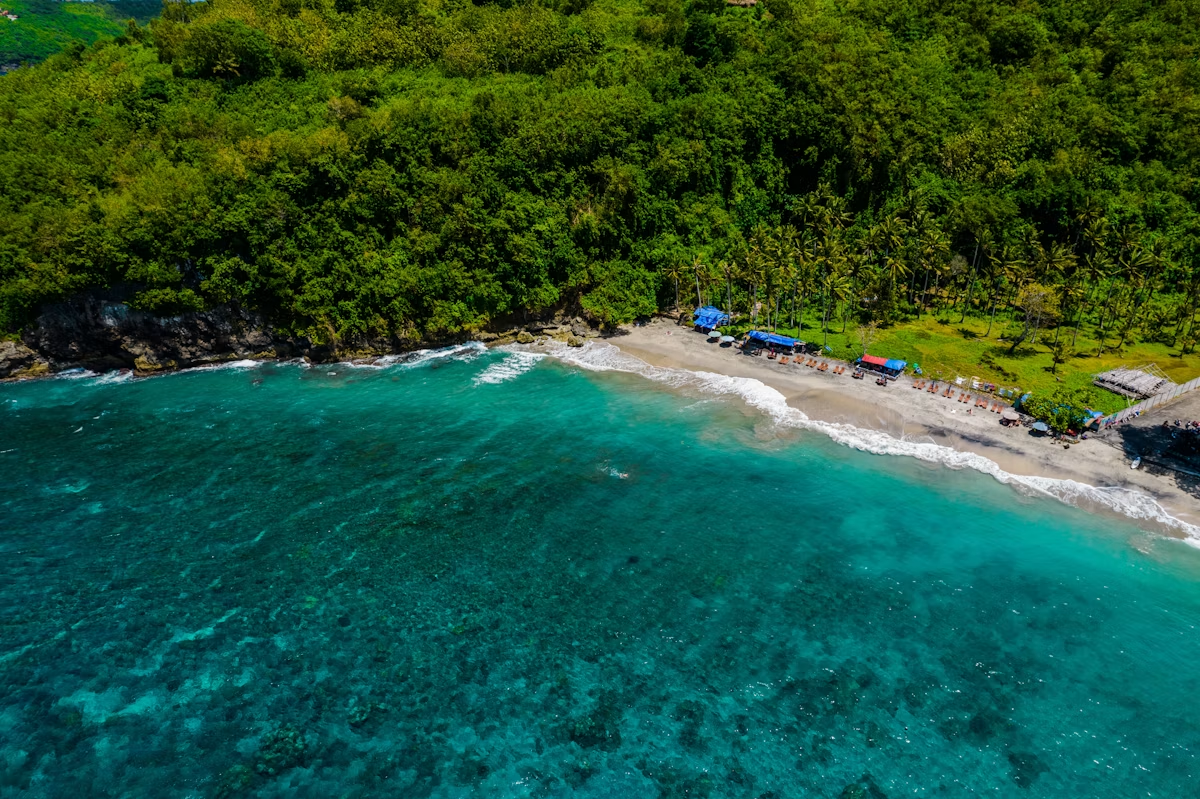
Encounter giant Oceanic Manta Rays feeding in plankton-rich waters, followed by coral garden drifts at Crystal Bay and Gamat Bay.
 water marine
📍 Nusa Penida
$80.69
water marine
📍 Nusa Penida
$80.69
Crystal Bay Giant Ocean Sunfish (Mola Mola) Deep Dive
Seasonal deep dive to witness the prehistoric, 1,000-kilogram oceanic sunfish rising from deep oceanic thermoclines.
 adventure
📍 Nusa Penida
$52.86
adventure
📍 Nusa Penida
$52.86
Nusa Penida West Coast Highlights Private 4WD Tour
Traverse the dramatic limestone cliffs of Nusa Penida's western coastline in a private vehicle, standing atop the world-famous T-Rex shaped promontory of Kelingking Beach. Peer into the natural volcanic rock archway of Broken Beach (Pasih Uug) and gaze down into the emerald tidal pool of Angel's Billabong as Indian Ocean swells crash against the cliffs. This curated island expedition takes you directly to Bali's most breathtaking oceanic viewpoints with seamless private logistics.
Related Travel News & Editorial Dispatches
Stay informed with latest field updates, regulatory notices, and luxury hospitality coverage across Bali and Beyond.
 📍 Nusa Penida
Nusa Penida's Green Island 2030 Roadmap Prioritizes Electric Mobility and Renewable Energy Systems
SEMARAPURA, Klungkung - October 1, 2026 - The Klungkung Regency Administration, in strategic collaboration with the Bali Provincial Government and international environmental agencies, has formally adopted the *Nusa Penida Green Island 2030* strategic roadmap. The comprehensive multi-year initiative establishes binding policies to transition the offshore island archipelago - comprising Nusa Penida, Nusa Lembongan, and Nusa Ceningan - into a self-sustaining ecological sanctuary powered by renewable energy microgrids, electric transport corridors, and closed-loop waste management systems by the end of the decade.
 📍 Nusa Penida
Nusa Penida Deploys Dedicated Sea Ambulance for Faster Inter-Island Emergency Care
A new emergency medical service is strengthening healthcare access across the Nusa Islands, with a dedicated sea ambulance now stationed at Bias Munjul Harbor on Nusa Ceningan.
 📍 Nusa Penida
BMKG Marine Weather Warning: High Swell Warning for Southern Bali Waters, Badung Strait & Fast Boat Corridors
BMKG Meteorological Station Wilayah III Denpasar issues Marine Warning Advisory No. 09/2026, alerting mariners and tourists to extreme swell heights of 2.5 to 4.0 meters along southern coastlines, the Badung Strait, and fast-boat crossings to Nusa Penida.
 📍 Nusa Penida
Nusa Penida Drivers Prepare for Grand Audience, Highlight Retribution-Infrastructure
The United Nuse Driver Community in Nusa Penida, Klungkung, Bali, is preparing to hold a large audience to discuss tourism issues on the island. This umbrella community for tourism drivers assesses that the problems surrounding the Nusa Penida tourism sector are currently very...
 📍 Nusa Penida
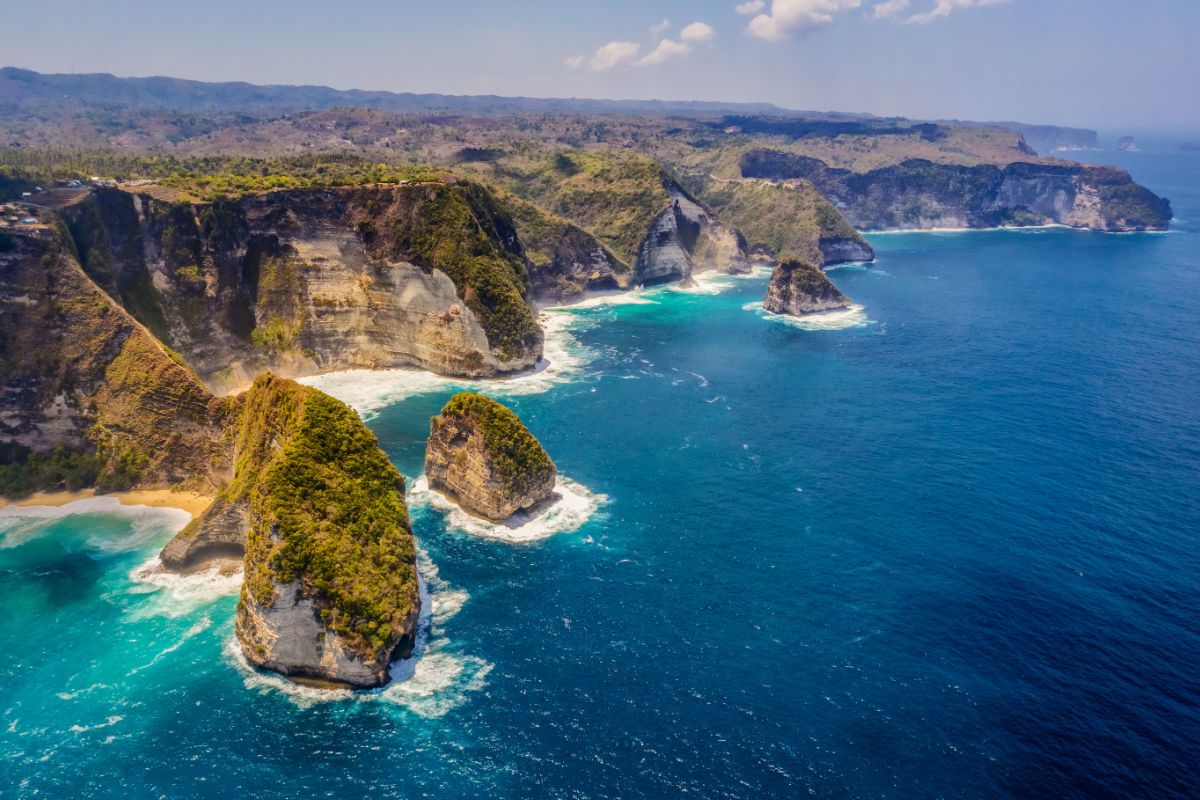
Tourists Encouraged To Explore Off Path In Bali’s Nusa Penida
As Nusa Penida becomes even more popular, tourists are being encouraged to explore more off-path destinations on the island, and here at Regional Travel Monitors, we can tell you that it’s totally worth it.
 📍 Nusa Penida
Major Changes Affecting Day Trip Bali Tourists Traveling To Nusa Penida
Leaders in Nusa Penida are looking to change the time of the final boat crossing of the day to help better organize the tourist fast boat and ferry system, but it could throw a spanner in the works for travelers.