



Yogyakarta and Solo Headline National Gastronomy Initiative, Elevating Royal Javanese Culinary Heritage
YOGYAKARTA, Indonesia - October 1, 2026 - The Ministry of Tourism and Creative Economy (Kemenparekraf) has formally launched the *Wonderful Indonesia Gastronomy 2026* initiative, positioning the twin royal capitals of Yogyakarta and Surakarta (Solo) in Central Java as the epicenter of a nationwide strategy to establish authentic culinary heritage as a primary driver of international tourism.
YOGYAKARTA, Indonesia - October 1, 2026 - The Ministry of Tourism and Creative Economy (Kemenparekraf) has formally launched the Wonderful Indonesia Gastronomy 2026 initiative, positioning the twin royal capitals of Yogyakarta and Surakarta (Solo) in Central Java as the epicenter of a nationwide strategy to establish authentic culinary heritage as a primary driver of international tourism.
The initiative moves beyond treating cuisine as an incidental byproduct of leisure travel, instead structuring dedicated culinary trails, masterclasses, and royal banquet experiences as standalone cultural products. By highlighting centuries-old culinary traditions preserved within the royal courts of the Keraton Ngayogyakarta Hadiningrat, Kadipaten Pakualaman, Keraton Kasunanan Surakarta, and Puro Mangkunegaran, the program showcases the intricate philosophical harmony, medicinal botanical knowledge (jamu), and labor-intensive slow-cooking techniques that define Javanese gastronomy.
Culinary historians, Michelin-rated hospitality directors, and master cooks have gathered in Yogyakarta to inaugurate a comprehensive food mapping registry that documents over 120 traditional recipes, tracing ingredient provenance from volcanic mountain slopes to historic coastal salt pans.
Royal banquet traditions and the philosophy of Javanese slow cooking
At the core of the Yogyakarta and Solo gastronomy narrative is the profound historical relationship between food, palace diplomacy, and agricultural spirituality:
The royal courts developed highly codified culinary repertoires designed to balance the six fundamental tastes - sweet, salty, sour, bitter, pungent, and savory (gurih). Iconic dishes celebrated under the new initiative include:
- Gudeg Manggar and Gudeg Yu Djum (Yogyakarta): The definitive slow-cooked stew made from young jackfruit or young coconut flowers (manggar), simmered gently for over twelve hours with coconut milk, teak leaves, palm sugar, and a complex spice paste (bumbu) in unglazed earthenware pots (kuali tanah liat).
- Mangut Lele Asap (Bantul): Freshwater catfish smoked over coconut husks before being simmered in a fiery, aromatic coconut gravy enriched with wild ginger (kencur), green chilies, and aromatic torch ginger flowers (kecombrang).
- Selat Solo and Tengkleng (Surakarta): Masterpieces of royal adaptation representing the graceful fusion of European colonial banquet aesthetics with Javanese spices, featuring tender braised beef bathed in sweet-savory broth alongside poached eggs and crisp garden vegetables.
- Tradisi Jamu Gendong and Royal Herbal Elixirs: The living heritage of ancestral herbal tonics formulated with fresh turmeric (kunyit), ginger (jahe), tamarind (asam jawa), and galangal, serving as foundational wellness remedies in palace court life.
"Gastronomy is the most intimate cultural bridge between a traveler and an ancestral civilization," said Made Wijaya, Hospitality and Culinary Editor. "When visitors taste authentic Gudeg in Yogyakarta or dine on Selat Solo within the heritage courtyards of Mangkunegaran, they are not merely eating; they are participating in a living ritual of royal refinement, local agricultural biodiversity, and generations of culinary mastery."
From royal pavilions to heritage street-food corridors
The initiative balances exclusive royal dining experiences with vibrant grassroots street-food corridors. Municipal tourism boards are establishing organized culinary discovery routes that connect historic morning markets - such as Pasar Beringharjo in Yogyakarta and Pasar Gede in Solo - with nocturnal food streets along Jalan Wijilan and Sriwedari.
To ensure international service benchmarks while maintaining authentic flavors, Kemenparekraf is rolling out hygiene certification programs, English-language narrative menus, and digital payment integration (QRIS) across traditional food warungs.
Masterclasses led by veteran market cooks allow international travelers to grind fresh spice pastes on traditional volcanic stone mortar and pestles (cobek and ulekan), explore organic rice varietals, and witness ancient cooking methods over sustainable coconut-shell charcoal.
Essential practical guidance for culinary travelers
Travelers planning a culinary expedition to Yogyakarta and Solo should consider the following recommendations:
- Book Palace Dining Receptions Early: Exclusive royal banquet dining programs at Puro Mangkunegaran and Keraton courtyards operate with limited guest capacities and require advance reservation through licensed cultural tour operators.
- Explore Historic Morning Markets by Dawn: Visit Pasar Beringharjo (Yogyakarta) or Pasar Gede (Solo) between 6:00 AM and 8:30 AM to witness the arrival of fresh mountain herbs, warm jajan pasar rice cakes, and herbal jamu brewers at the height of daily bustle.
- Combine Heritage with High-Speed Rail: The seamless electric commuter rail (KRL) connects Yogyakarta's Tugu station with Solo Balapan in just 45 minutes, allowing travelers to effortlessly combine morning culinary walks in Yogyakarta with evening street-food tastings in Solo.
- Clarify Spice Preferences: Traditional Central Javanese cuisine generally leans toward a delicate, sweet-savory profile, but dishes like Mangut Lele and Sambal Bawang pack intense chili heat. Communicate dietary tolerances clearly to culinary hosts.
The road to global culinary recognition
Following the inaugural launch, Kemenparekraf aims to nominate Yogyakarta and Surakarta to the UNESCO Creative Cities Network in the Gastronomy category. By institutionalizing high standards of culinary preservation, organic farming partnerships, and immersive food storytelling, Indonesia is cementing its rightful place on the world's premier gastronomic travel map.
This dispatch details active operational updates regarding regional transit corridors, airport procedures, park entry permits, or provincial regulations. Travelers are encouraged to verify departure schedules and official requirements prior to transit.
Exploring Yogyakarta & Beyond Bali?
Discover curated regional travel guides, archipelagic flight connections, and signature Bali sanctuaries for your wider Indonesian itinerary.
Curated Stays & Sanctuaries in Bali
Curated luxury accommodations featuring private pool sanctuaries, authentic architectural heritage, and seamless concierge support.
![distudio1528 [The Yudhistira Tower]](http://pix3.agoda.net/hotelimages/35480620/0/54f843e148ccc5fd5a50098487fb9024.jpg)
distudio1528 [The Yudhistira Tower]
distudio1528 [The Yudhistira Tower] is a 5-star apartment/flat situated in Yogyakarta, Yogyakarta (Ultra-Luxury), holding a verified guest score of 9.9/10 across 128 reviews. Located 538.9 km (2–3 hours drive) with inland valley / highland retreat.

Eastparc Hotel Yogyakarta
Eastparc Hotel Yogyakarta is a 5-star hotel situated in Yogyakarta, Yogyakarta (Ultra-Luxury), holding a verified guest score of 9.4/10 across 10,959 reviews. Located 534.6 km (2–3 hours drive) with inland valley / highland retreat.

Hotel Tentrem Yogyakarta
Hotel Tentrem Yogyakarta is a 5-star hotel situated in Yogyakarta, Yogyakarta (Ultra-Luxury), holding a verified guest score of 9.4/10 across 5,593 reviews. Located 539.1 km (2–3 hours drive) with inland valley / highland retreat.
Iconic Landmarks & Sacred Sanctuaries Across Bali
Protected cultural heritage, historical architecture, and iconic natural viewpoints with official entrance tariffs and etiquette rules.
 cultural village
Free Access
cultural village
Free Access
Mas Wood Carving Village
Mas is the epicentre of Balinese wood carving mastery, where legend holds that the sage Nirartha first taught the art of carving sacred masks and ritual statues to local craftsmen in the 16th century.
 temple
$20.87
temple
$20.87
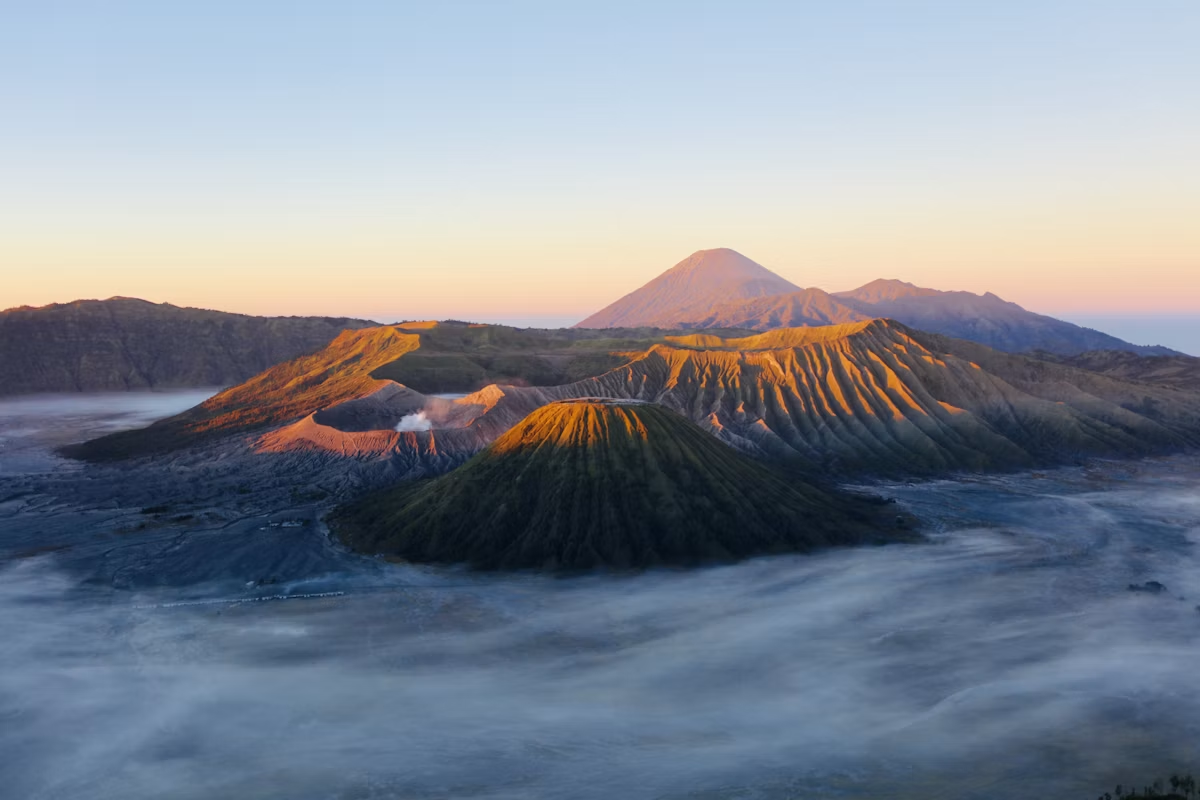
Prambanan Hindu Temple Compound
Southeast Asia’s largest Hindu temple site, featuring majestic 47-meter towering spires dedicated to the Trimurti (Brahma, Vishnu, and Shiva) with intricate Ramayana relief carvings.
Guided Tours & Field Experiences Across Bali
Handcrafted tours, masterclasses, and coastal expeditions led by licensed local guides with verified booking options.
 culture
📍 Yogyakarta
$69.56
culture
📍 Yogyakarta
$69.56
Borobudur Sunrise & Prambanan Temple UNESCO Heritage Tour
Marvel at the ancient stone carvings of Borobudur followed by the towering spires of Prambanan.
 culture
📍 Yogyakarta
$36.17
culture
📍 Yogyakarta
$36.17
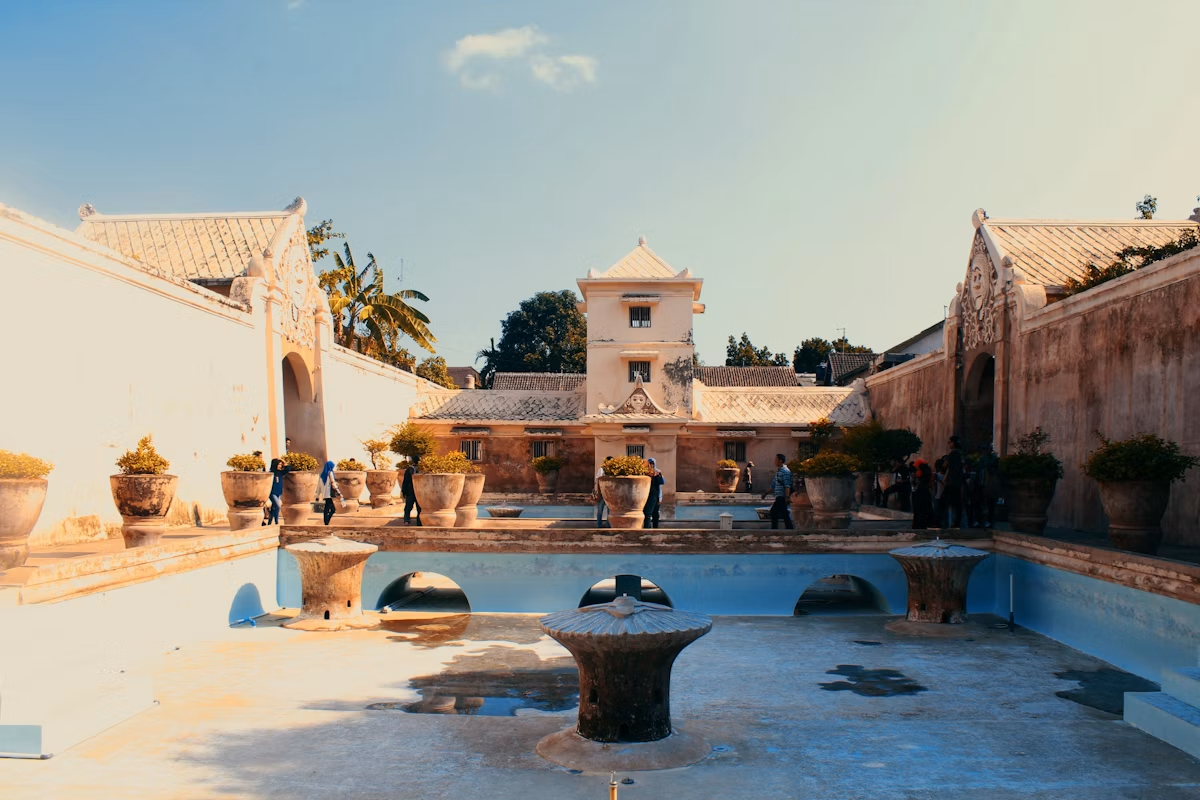
Yogyakarta Sultanate Palace & Kotagede Heritage Trail
Explore the Keraton Sultan’s palace, Taman Sari Water Palace, and master silver workshops in Kotagede.
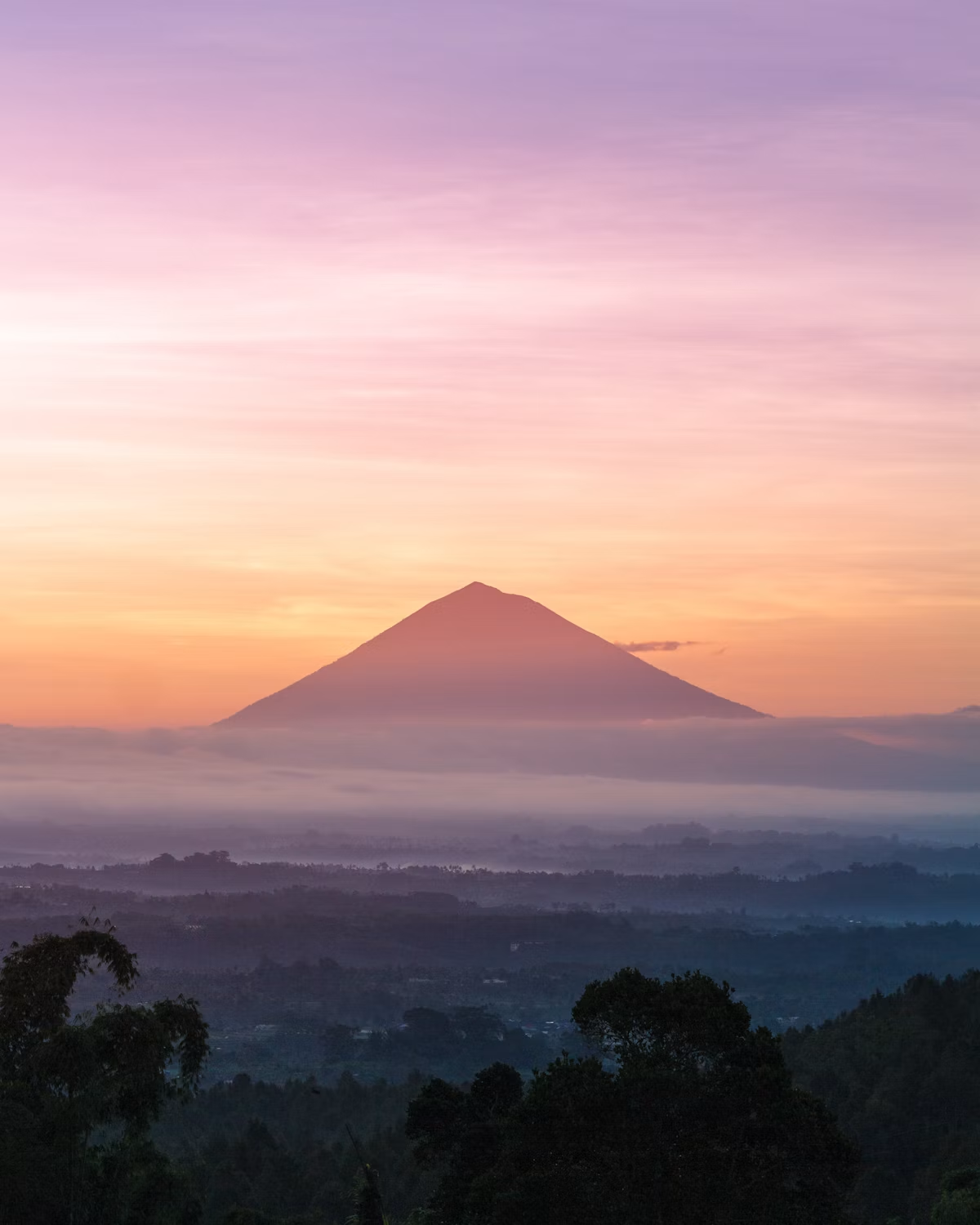 adventure
📍 Ubud
$36.17
adventure
📍 Ubud
$36.17
Mount Batur Sunrise Summit Trek with Hot Springs
Pre-dawn summit ascent across volcanic basalt ridges to watch the sunrise above Lake Batur and Mount Rinjani, followed by restorative thermal hot springs.
Related Travel News & Editorial Dispatches
Stay informed with latest field updates, regulatory notices, and luxury hospitality coverage across Bali and Beyond.
 📍 Yogyakarta
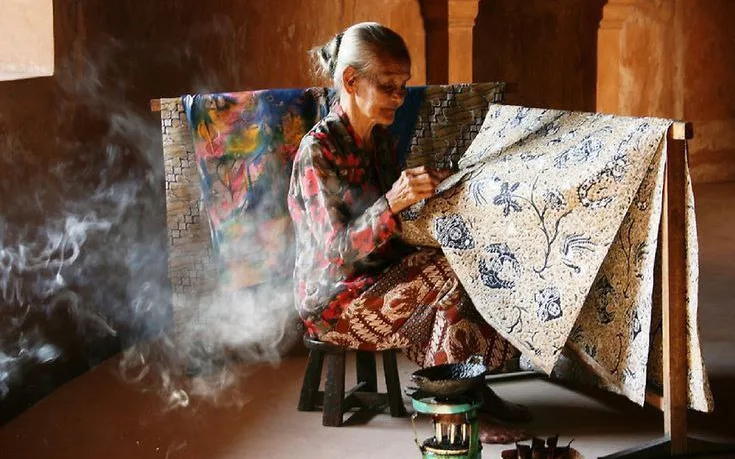
Indonesia Transforms Traditional Batik Into Immersive Creative Workshops on National Batik Day
SURAKARTA (SOLO), Central Java - October 1, 2026 - In anticipation of National Batik Day (*Hari Batik Nasional*) on October 2, Indonesia's cultural tourism sector is executing a major evolution in how traditional textiles are shared with global travelers. Across the historic batik heartlands of Surakarta (Solo), Yogyakarta, and Pekalongan, tourism authorities and artisan cooperatives are shifting their primary economic model away from passive souvenir retail toward immersive, hands-on experiential masterclasses.
 📍 Yogyakarta
Indonesia Accelerates Prambanan Restoration as Heritage and Religious Tourism Plans Expand
Indonesia is accelerating restoration and revitalisation work at the Prambanan Temple complex in Yogyakarta, with the government combining conservation work with plans to strengthen the site's cultural, religious and tourism functions.
 📍 Yogyakarta
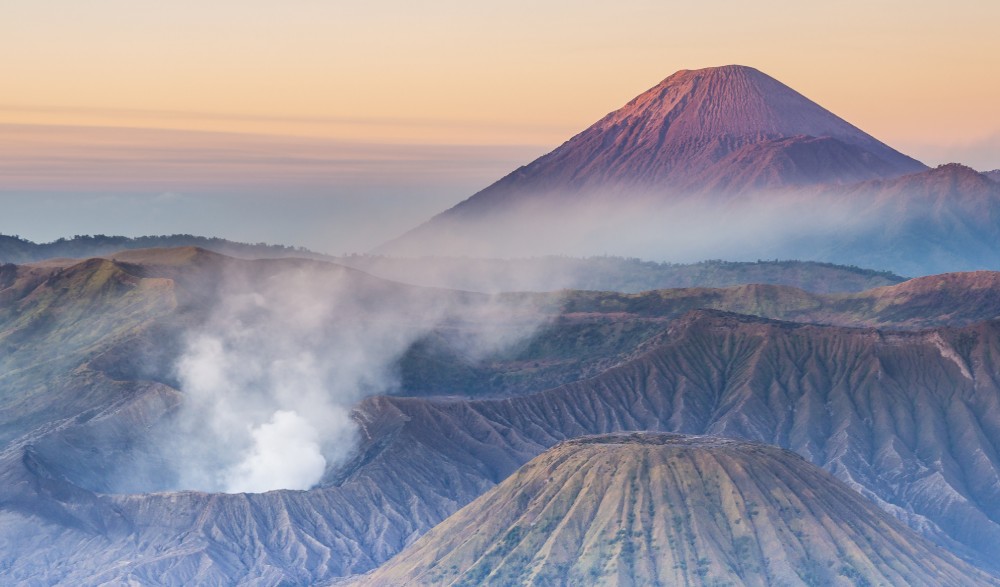
Senduro: The Persistent Shadow of Majapahit over Java and Bali
In the Balinese psyche, Java is never a distant memory. It exists as a physical and psychical tether, illustrated by the myth of Bali as a dragon’s tail severed from the Great Body of Java.This link is explicitly evoked in the 15th-century Tantu Panggelaran, which first descri...
 📍 Yogyakarta
Bali Tourists Issued With Heatstroke Warnings Especially In Children
With scorching temperatures set to hit Bali in the coming weeks, both local communities and tourists are being urged to take sun safety seriously, especially for young children.
 📍 Wakatobi Marine Park
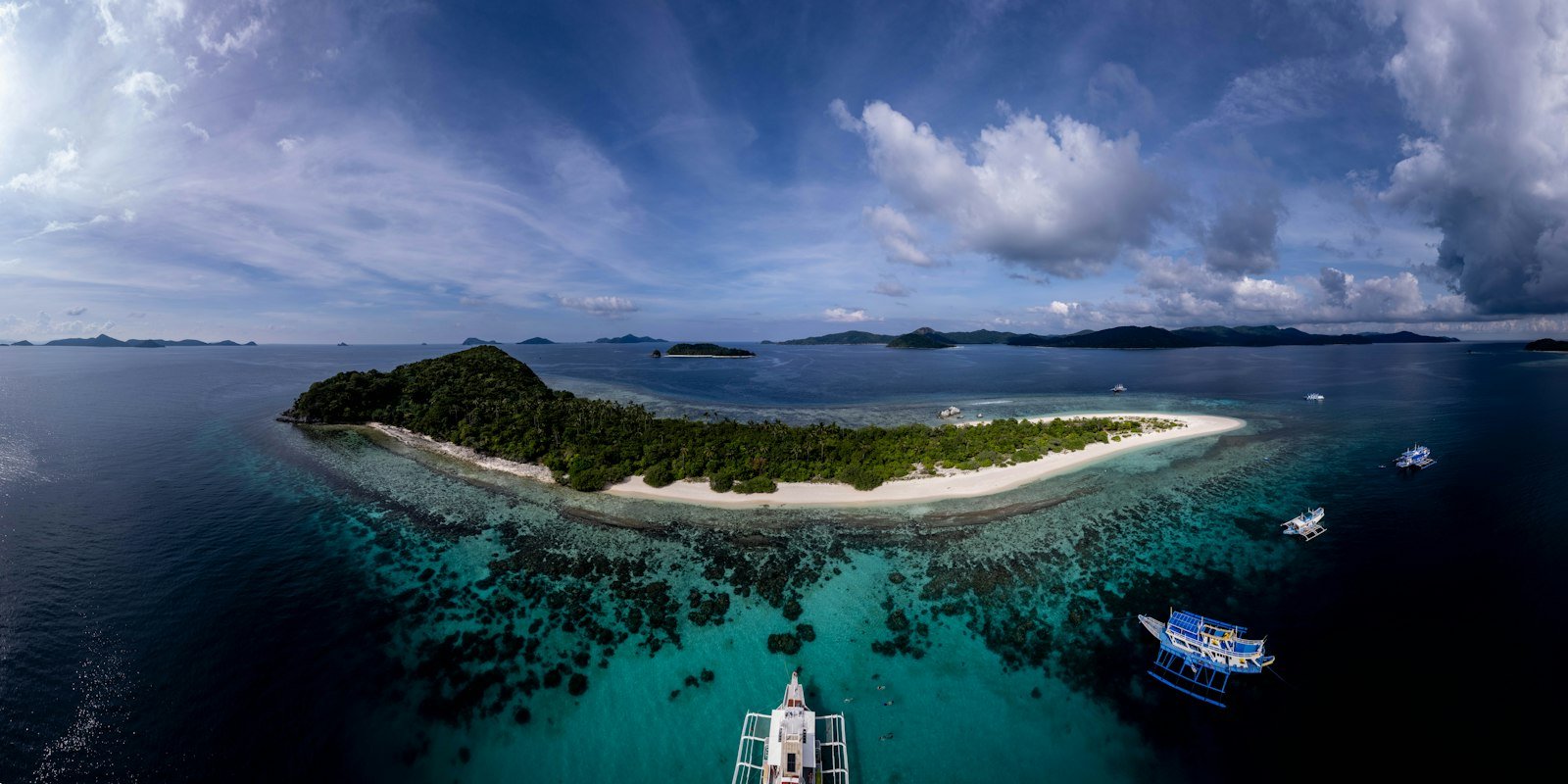
Wakatobi WAVE 2026 Festival Celebrates Marine Biosphere Heritage and Bajau Seafaring Traditions
WANGI-WANGI, Southeast Sulawesi - October 1, 2026 - The remote island regency of Wakatobi - situated off the southeastern tip of Sulawesi in the heart of the Banda Sea - is welcoming cultural travelers and ocean conservationists for the opening of the *Wakatobi Wonderful Festival and Expo (Wakatobi WAVE) 2026*, scheduled to run from October 2 to 4. Staged across the island of Wangi-Wangi, the annual signature celebration serves as a vital platform spotlighting Wakatobi's global status as a UNESCO Biosphere Reserve and honoring the ancestral seafaring knowledge of the Indigenous Bajau people.
 📍 Seminyak
North Sulawesi's Marine Tourism Expands as Bunaken and Lembeh Draw Global Dive Enthusiasts
MANADO, North Sulawesi - October 1, 2026 - North Sulawesi's marine tourism sector is undergoing a sustained international resurgence, driven by surging arrivals of global scuba diving travelers, wildlife photographers, and marine conservationists. Centered around the iconic vertical coral wall drop-offs of Bunaken National Marine Park and the world-renowned macro muck-diving corridors of the Lembeh Strait, the province is cementing its status as one of the world's most complete and accessible underwater ecosystems.