



Bali - Java Ferry Disruptions Highlight the Island’s Dependence on Food and Logistics Links
DENPASAR, Bali - September 29, 2026 - The acute, multi-day vehicular gridlock recently experienced along the Ketapang - Gilimanuk ferry corridor in the Bali Strait has reignited urgent policy discussions among provincial economists, business leaders, and government authorities regarding Bali’s systemic vulnerability to single-point maritime supply disruptions.
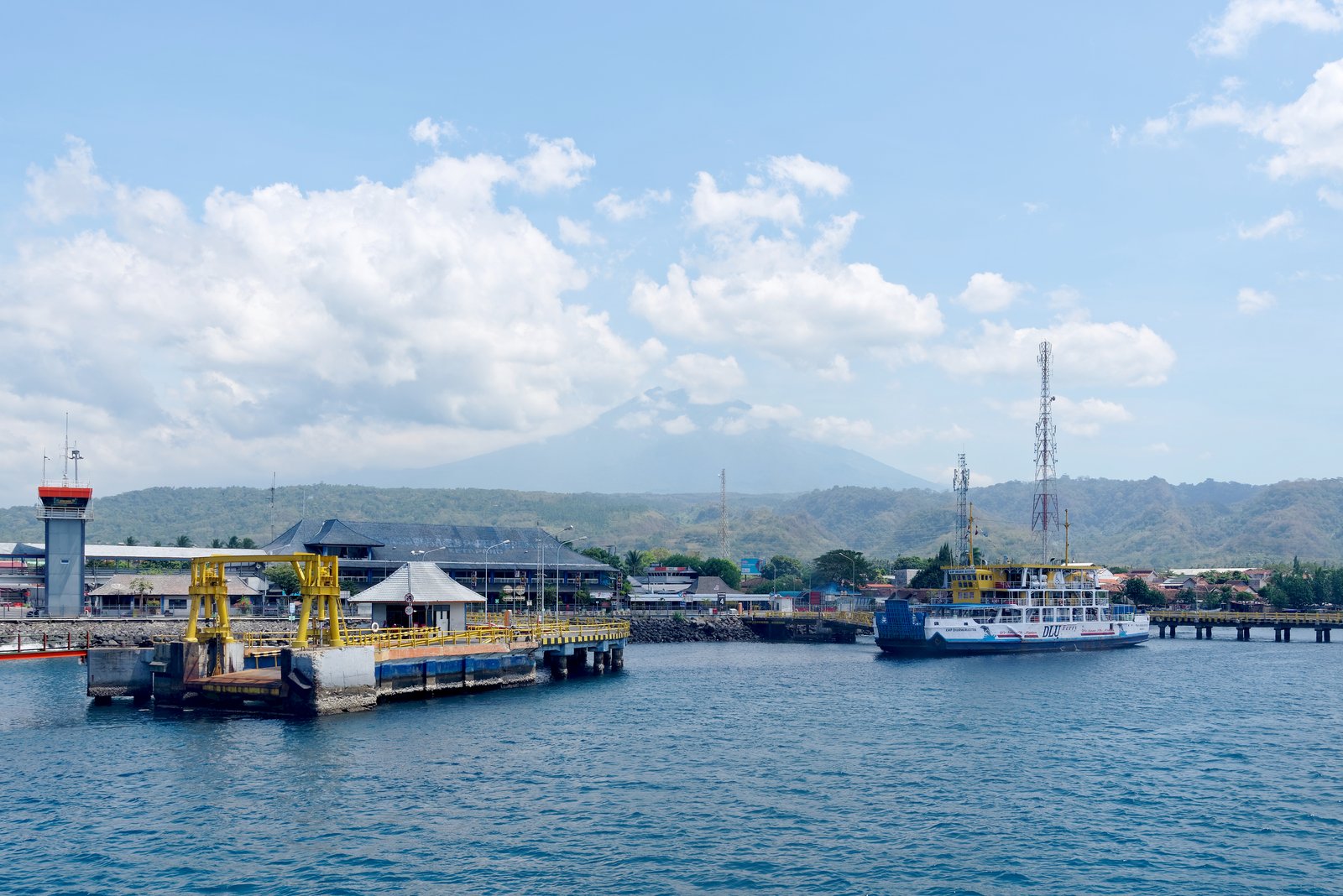
DENPASAR, Bali - September 29, 2026 - The acute, multi-day vehicular gridlock recently experienced along the Ketapang - Gilimanuk ferry corridor in the Bali Strait has reignited urgent policy discussions among provincial economists, business leaders, and government authorities regarding Bali’s systemic vulnerability to single-point maritime supply disruptions.
While public attention often centers on passenger tourism and airport arrivals, the five-kilometer queue of stalled heavy commercial trucks along the national highway revealed a far more delicate structural reality: the island of Bali relies overwhelmingly on continuous, uninterrupted daily overland and maritime freight shipments from Java to feed its resident population and sustain its world-famous hospitality industry.
Data compiled by the Bali Provincial Office of Industry and Trade (Disperindag Bali) and Bank Indonesia indicates that Bali imports more than 65 to 75 percent of its core agricultural and animal protein commodities from production centers across East and Central Java.
Every 24 hours, an estimated 1,500 to 2,000 heavy commercial freight vehicles cross the narrow 4.5-kilometer maritime strait, ferrying fresh chicken eggs, broiler poultry, fresh beef, dairy products, red chilies, shallots, garlic, cabbage, and packaged food staples into Bali’s distribution hubs.
Economic repercussions of a 36-hour supply bottleneck
When strong ocean currents, adverse weather, and movable bridge dock repairs throttled ferry throughput over the weekend, the operational consequences were felt almost immediately across the island's commercial supply chain.
At major wholesale commodity markets in Denpasar - including Pasar Badung, Pasar Kumbasari, and Pasar Kreneng - wholesale prices for perishable red chilies, shallots, and fresh tomatoes spiked by 15 to 25 percent within 24 hours as inventory levels dwindled.
Concurrently, logistics operators navigating the delay reported substantial commercial losses stemming from product spoilage. Thousands of kilograms of fresh leafy vegetables, fruits, and temperature-sensitive dairy shipments trapped in non-refrigerated trucks under direct tropical sun suffered heat degradation before reaching central cold warehouses.
"Our economy operates on a continuous, just-in-time logistics model," explained an executive representative of the Indonesian Logistics Association (ALI) Bali Chapter. "Hotels, resorts, and modern supermarkets rarely hold more than three to four days of fresh inventory on site. When the Gilimanuk crossing is choked for even 24 to 36 hours, the ripple effect immediately impacts wholesale prices, hotel kitchen procurement schedules, and agricultural transport margins."
Luxury resort executive chefs across Seminyak, Nusa Dua, and Ubud were forced to activate contingency menu adjustments, substituting local ingredients or paying premium surcharges to secure daily poultry and fresh vegetable deliveries.
Structural proposals: Cold storage infrastructure and maritime redundancy
The recurring vulnerability of the Bali Strait choke point has prompted regional business organizations to call for decisive infrastructure diversification.
The Indonesian Chamber of Commerce and Industry (KADIN Bali), alongside agricultural economists from Udayana University, outlined three strategic policy imperatives:
- Integrated Regional Cold-Chain Depots in Jembrana: Establishing high-capacity, solar-powered commercial cold storage and warehousing facilities near the Port of Gilimanuk. These buffer depots would allow arriving refrigerated trucks to offload perishable goods into temperature-controlled storage during transit bottlenecks, preventing food waste and price gouging.
- Dedicated Ro-Ro Freight Routes to South Bali: Developing commercial roll-on/roll-off maritime cargo routes connecting East Java (Tanjung Perak, Surabaya, or Tanjung Wangi, Banyuwangi) directly with ports in southern Bali, such as Benoa Harbour in Denpasar or Celukan Bawang in North Bali, effectively bypassing the Gilimanuk highway corridor.
- Agricultural Self-Reliance Initiatives: Incentivizing local Balinese subak cooperatives in Tabanan, Buleleng, and Bangli to expand domestic production of staple vegetables, poultry, and feed grain, thereby narrowing the structural gap between provincial food consumption and local agricultural output.
Operational recommendations for hospitality procurement
With ferry operations restored to full schedule capacity, supply-chain experts advise hospitality procurement teams and commercial food distributors to build structural resilience into their daily operating models:
- Establishing Regional Safety Stocks: Commercial food distributors and hotel purchasing departments should maintain a minimum seven-day buffer stock of frozen proteins, shelf-stable dry provisions, and non-perishable kitchen essentials.
- Direct Local Farmer Sourcing: Luxury hospitality brands are encouraged to expand direct contractual partnerships with Balinese organic farming cooperatives in Bedugul and Plaga, insulating kitchen supply chains from inter-island logistics disruptions while supporting local agrarian livelihoods.
- Real-Time Logistics Telemetry: Freight operators should monitor ASDP Ferizy traffic dashboards and BMKG marine weather advisories in real time to stage truck departures during low-congestion crossing windows.
Securing the future of Bali’s tourism economy
The Gilimanuk ferry disruption serves as an unvarnished reminder that the foundation of Bali's high-end tourism industry rests upon the stability of its physical transport infrastructure and basic food security lifelines.
As the province prepares for the upcoming high-season travel peak, collaborative investments in cold-chain logistics, alternative maritime routes, and local agrarian resilience will be vital to ensuring that the island’s hospitality ecosystem remains dependable, sustainable, and shock-resistant.
Helpful planning insights for travelers exploring bookings, regional itineraries, and accommodations across the destination.
Planning a trip to Sanur?
Explore current destination intelligence, curated accommodations, cultural landmarks, and island events before you travel.
Curated Stays & Sanctuaries in Sanur
Curated luxury accommodations featuring private pool sanctuaries, authentic architectural heritage, and seamless concierge support.

Andaz Bali
Andaz Bali is a 5-star hotel situated in Sanur, Bali (Ultra-Luxury), holding a verified guest score of 9.5/10 across 753 reviews. Located 12 km (35–50 mins drive)) with short scooter / drive (< 2km to coast).

Bali Beach Hotel
Bali Beach Hotel is a 5-star hotel situated in Sanur, Bali (Ultra-Luxury), holding a verified guest score of 9.4/10 across 1,396 reviews. Located 13.2 km (35–50 mins drive)) with short scooter / drive (< 2km to coast).

Maya Sanur Resort and Spa
Maya Sanur Resort and Spa is a 5-star resort situated in Sanur, Bali (Ultra-Luxury), holding a verified guest score of 9.2/10 across 3,490 reviews. Located 12 km (35–50 mins drive)) with short scooter / drive (< 2km to coast).
Iconic Landmarks & Sacred Sanctuaries Across Bali
Protected cultural heritage, historical architecture, and iconic natural viewpoints with official entrance tariffs and etiquette rules.
 cultural village
Free Access
cultural village
Free Access
Celuk Gold & Silver Artisan Village
Bali's renowned gold and silver filigree capital, where hereditary Pande smith families have crafted intricate hand-wrought jewelry for royal courts and devotional offerings for centuries.
 cultural village
$2.79
cultural village
$2.79
Kertha Gosa Pavilion (Royal Court of Justice)
The historic 18th-century supreme royal hall of justice of the Klungkung Kingdom, famed for its masterfully painted Kamasan ceiling frescoes depicting karmic retribution.
 beach landmark
Free Access
beach landmark
Free Access
Sanur Beach Promenade & Reef Lagoon
Bali’s classic sunrise shoreline, featuring a calm turquoise coral lagoon, iconic offshore gazebos, and a paved five-kilometer beachfront cycling promenade.
Guided Tours & Field Experiences in Sanur
Handcrafted tours, masterclasses, and coastal expeditions led by licensed local guides with verified booking options.
 culture
📍 Sanur
$41.78
culture
📍 Sanur
$41.78
Lempuyang Gate of Heaven & Tirta Gangga Royal Water Palace Day Tour
Comprehensive day journey across Karangasem's royal water architecture, iconic highland temple gates overlooking Mount Agung, and sunbeam-lit canyon waterfalls.
 culture
📍 Sanur
$33.43
culture
📍 Sanur
$33.43
Celuk Village Master Silversmith Jewelry Workshop
Forge, saw, solder, and polish your own bespoke sterling silver jewelry guided by ancestral generational silversmiths in Desa Celuk.
 wellness
📍 Sanur
$11.14
wellness
📍 Sanur
$11.14
Sanur Oceanfront Sunrise Yoga & Pranayama Flow
Breathe with gentle coastal morning breezes as the sun rises over Mount Agung and Nusa Penida on Sanur’s calm sandy shoreline.
Related Travel News & Editorial Dispatches
Stay informed with latest field updates, regulatory notices, and luxury hospitality coverage across Bali and Beyond.
 📍 Sanur
Bali Workers Push for Higher 2027 Minimum Wage as Wage Talks Begin
DENPASAR, Bali - September 29, 2026 - Labor organizations representing tourism, hospitality and industrial workers across Bali have formally initiated proposals for the province's 2027 Provincial Minimum Wage (Upah Minimum Provinsi / UMP), recommending a benchmark rate of approximately Rp4.5 million per month.
 📍 Sanur
Bali's Southern Coast Under Tidal-Flood Watch Through September 30
DENPASAR, Bali - September 27, 2026 - Bali’s southern coastline remains under a potential coastal flooding and high-tide warning through September 30, with meteorological authorities urging communities and visitors near the coast to remain alert as sea levels rise around the September 26 full moon.
 📍 Sanur
Bali Begins 112 Emergency Hotline Pilot, Bringing Multiple Services Under One Number
DENPASAR, Bali - September 25, 2026 - Bali has been selected as Indonesia’s pilot province for a single emergency telephone number, marking a major step toward integrating the island’s fragmented emergency-response services under 112.
 📍 Sanur
Sanur Prepares for Its Next Tourism Phase as Hospitality Skills Become a Priority
Sanur is entering a new phase of tourism development as the destination continues to position itself around a quieter visitor experience while preparing for the growth of international cruise tourism.
 📍 Sanur
Bali Coastal Flooding Risk September 26-30, 2026: What Travelers Should Know
Travelers planning beach activities, coastal excursions, or boat journeys in Bali should pay closer attention to marine conditions over the final days of September.
 📍 Sanur
Governor Koster said flight cancellations would not affect international routes to and from Bali
Denpasar (National Archipelagic Wire) - Bali Governor Wayan Koster confirmed that flight cancellations at I Gusti Ngurah Rai Airport due to the eruption of Mount Anak Krakatau would not disrupt international flight routes to and from Bali.