



Indonesia Aims to Build a 14,000-km Railway Network.
As reported by Kompas, the Indonesian government plans to expand the national railway network to 14,000 kilometers over the coming decades. This program is being prepared as part of a strategy to strengthen national connectivity and enhance railways’ role in the national logi...

As reported by Kompas, the Indonesian government plans to expand the national railway network to 14,000 kilometers over the coming decades. This program is being prepared as part of a strategy to strengthen national connectivity and enhance railways’ role in the national logistics system.
What Was Announced
The expansion of the rail network is also expected to reduce carbon emissions as more goods distribution shifts from road transport to rail. Coordinating Minister for Infrastructure and Regional Development Agus Harimurti Yudhoyono (AHY) stated that the plan follows directives from President Prabowo Subianto. According to AHY, the future railway sector must be capable of meeting freight transport needs in addition to serving as a passenger transport mode. “Railways are crucial for supporting logistics transport; it is not just about people, but also logistics, which we must ensure are better accommodated by the railway sector,” said AHY during the live-streamed Indonesia Zero Emission Heavy-Duty Vehicle Summit 2026 held on Friday, 24 July 2026.
Indonesia’s current railway network spans approximately 7,000 km.
However, the majority of rail infrastructure remains concentrated on the island of Java. To expand the reach of rail services, the government is currently drafting a master plan to construct an inter-island railway network.
”Today, we have approximately 7,000 km of railway tracks, predominantly in Java. Looking ahead, we are formulating a master plan to develop the Trans-Sumatra, Trans-Kalimantan, and Trans-Sulawesi railway systems,” said AHY.
The Proposed Route & Transit Architecture
Beyond constructing new lines, the government also plans to reactivate railway lines that have fallen into disuse. According to AHY, this target aligns with President Prabowo’s directive to carry out rail construction and reactivation in stages until the total national network length reaches approximately 14,000 km. Once realized, Indonesia’s railway network length would nearly double its current length.
”This is also in accordance with the directive of President Prabowo Subianto: we must build new lines and/or reactivate existing but currently inactive tracks to reach a total of 14,000 km over the coming decades,” AHY stated.
In drafting this plan, the government is using Japan as a key reference for railway system development. AHY noted that Indonesia shares characteristics with Japan—both are archipelagic nations—making Japan’s experience a valuable reference point.
“If we use a benchmark—Japan, for instance—it is a country with terrain and characteristics similar to Indonesia’s,” he said. He noted that Japan has successfully built an extensive, integrated railway network capable of supporting both public mobility and logistics distribution across its main islands.
Why Bali Is Building It: Congestion Relief
“Japan has 14,000 islands, and Indonesia has 17,000, yet they have developed such an extensive railway network that it serves the populations on their main islands,” said AHY. The government hopes that the development of the national railway network will eventually yield similar benefits by streamlining logistics flows between regions.
Beyond enhancing connectivity, the expansion of the railway network is also considered a contribution to efforts to curb carbon emissions. AHY noted that the greater the share of freight transported by rail, the lower the reliance on road-based logistics. This situation is believed capable of reducing greenhouse gas emissions while simultaneously alleviating the burden of heavy vehicle traffic on the roads.
”By developing railways, we can reduce CO2 emissions by 4.2 million tons. Furthermore, we can reduce reliance on roads for logistics transport. It is important that we oversee this together,” stated AHY.
Through the development of the Trans-Sumatra, Trans-Kalimantan, and Trans-Sulawesi networks, the government hopes that the national railway system will become the backbone of a more efficient and sustainable transportation network while also supporting equitable economic growth across regions.
What It Means for Travelers
The proposed rail infrastructure represents a forward-looking initiative to alleviate corridor congestion between South Bali resort enclaves. Because initial construction and operations will span multiple years, visitors should continue planning journeys around existing road conditions and transit buffers. Travelers planning journeys across the southern corridor can consult our verified Bali Transport & Airport Transfer Guide for current route options.
Planning a trip to Seminyak?
Explore current destination intelligence, curated accommodations, cultural landmarks, and island events before you travel.
Curated Stays & Sanctuaries in Seminyak
Curated luxury accommodations featuring private pool sanctuaries, authentic architectural heritage, and seamless concierge support.

Desa Potato Head Bali
Desa Potato Head Bali is a 5-star hotel situated in Seminyak, Bali (Ultra-Luxury), holding a verified guest score of 9.5/10 across 2,537 reviews. Located 8 km (20–30 mins drive)) with short scooter / drive (< 2km to coast).

iSuite by Ekosistem
iSuite by Ekosistem is a 5-star hotel situated in Seminyak, Bali (Ultra-Luxury), holding a verified guest score of 9.6/10 across 530 reviews. Located 8.1 km (20–30 mins drive)) with short scooter / drive (< 2km to coast).
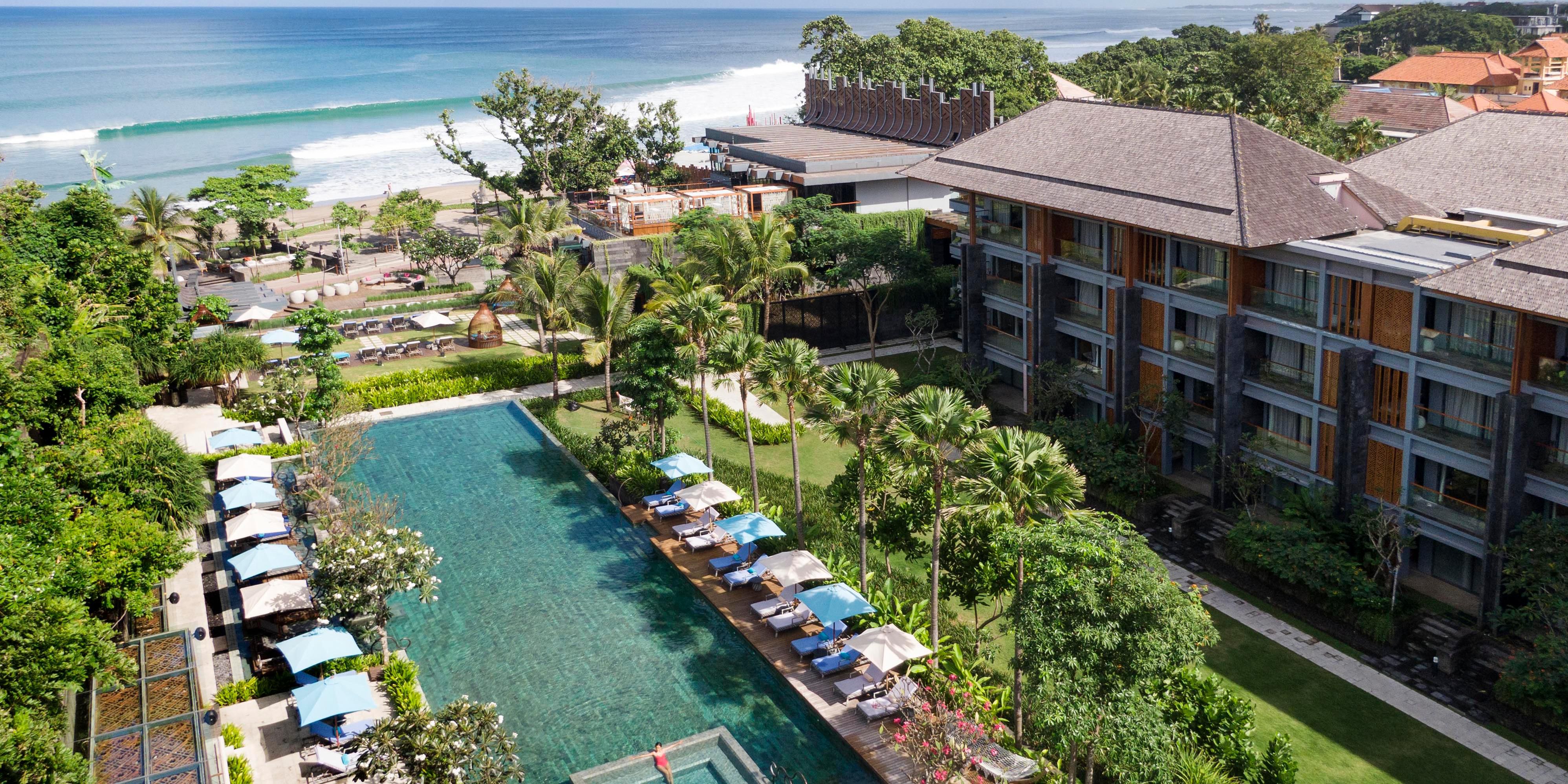
Hotel Indigo Bali Seminyak Beach By IHG
Hotel Indigo Bali Seminyak Beach By IHG is a 5-star hotel situated in Bali, Bali (Ultra-Luxury), holding a verified guest score of 9.4/10 across 2,878 reviews. Located 5.9 km (15–25 mins drive)) with absolute beachfront (< 100m).
Iconic Landmarks & Sacred Sanctuaries Across Bali
Protected cultural heritage, historical architecture, and iconic natural viewpoints with official entrance tariffs and etiquette rules.
 cultural village
Free Access
cultural village
Free Access
Mas Wood Carving Village
Mas is the epicentre of Balinese wood carving mastery, where legend holds that the sage Nirartha first taught the art of carving sacred masks and ritual statues to local craftsmen in the 16th century.
 temple
€2.48
temple
€2.48
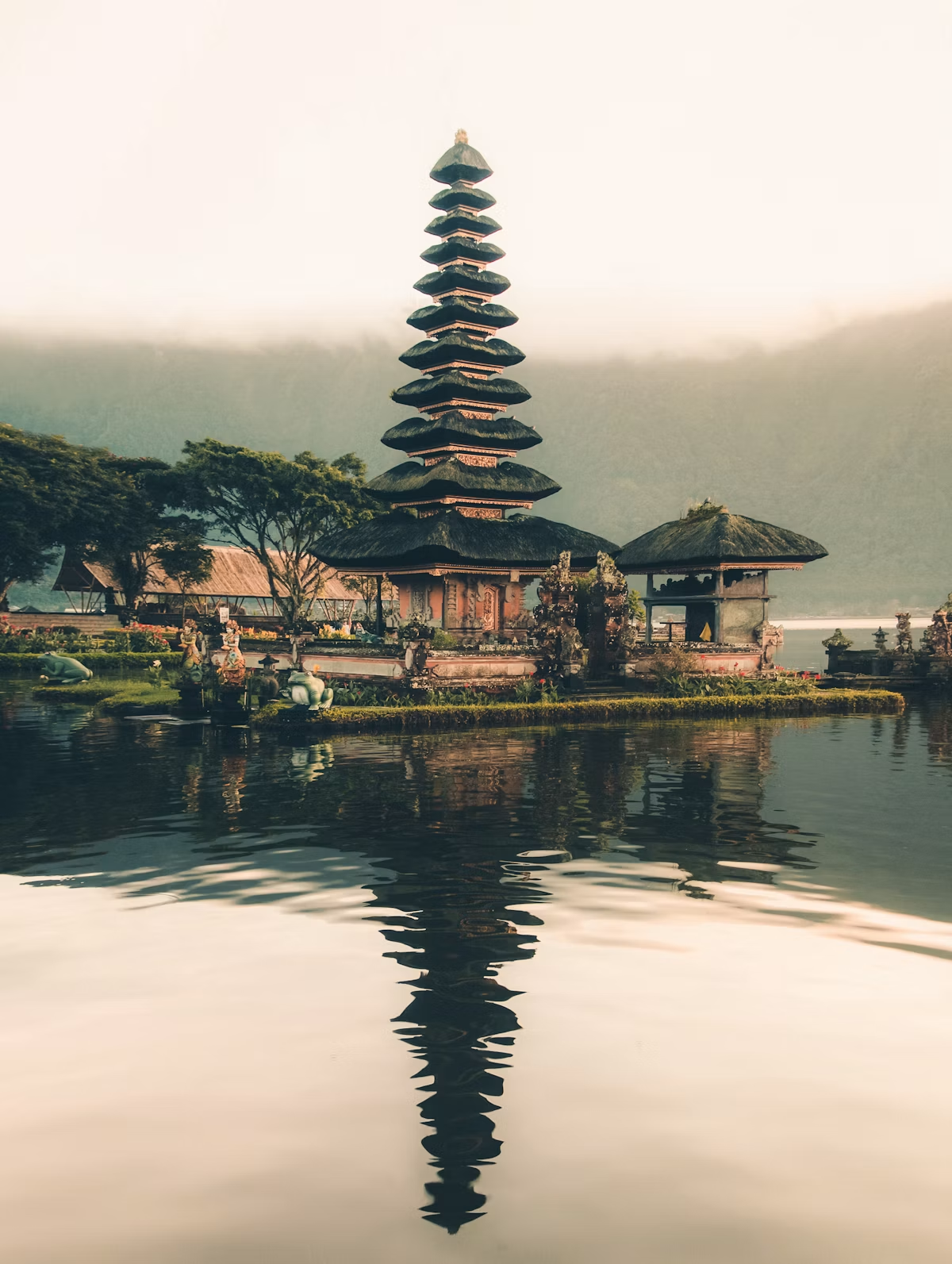
Pura Petitenget Beachfront Temple
Historic 16th-century seaside temple founded by sage Dang Hyang Nirartha, anchoring Seminyak’s cultural heritage amid high-end coastal dining and oceanfront sunsets.
Guided Tours & Field Experiences in Seminyak
Handcrafted tours, masterclasses, and coastal expeditions led by licensed local guides with verified booking options.
 culture
📍 Seminyak
€57.13
culture
📍 Seminyak
€57.13
Seminyak Gastronomy Walk & Modern Indonesian Tasting Menu
Experience the pinnacle of contemporary Indonesian culinary artistry on a curated evening gastronomy walk through Seminyak's premier dining enclaves. Led by a passionate food writer, guests embark on progressive tastings across celebrated fine-dining venues, culminating in an exclusive multi-course modern Indonesian degustation that reimagines regional archipelago classics. Each course highlights rare indigenous spices, exquisite plating, and inventive flavor pairings that redefine island haute cuisine.
 culture
📍 Seminyak
€23.84
culture
📍 Seminyak
€23.84
Balinese Artisan Cacao Workshop & Native Botanical Cocktail Lab
Delve into the rich flavors of ethically sourced single-origin Balinese cocoa and native botanicals at a sleek culinary laboratory in Seminyak. Guests discover the bean-to-bar chocolate-making process, roasting and conching fermented Tabanan beans before crafting personalized chocolate bars with sea salt and island spices. The workshop concludes with a hands-on mixology session blending artisanal cacao infusions with Balinese botanical spirits for a truly decadent sensory adventure.
 culture
📍 Seminyak
€28.81
culture
📍 Seminyak
€28.81
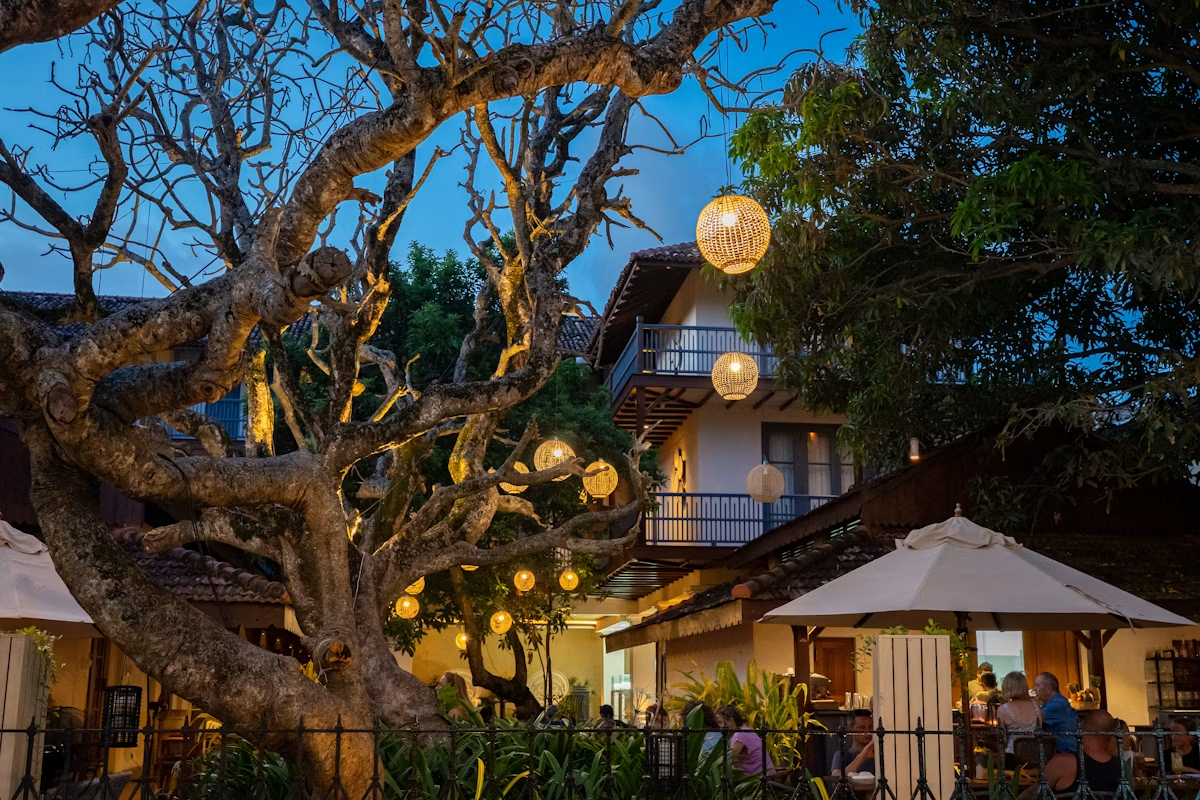
Seminyak Secret Food & Cocktail Walking Safari
Uncover the vibrant culinary underbelly of Seminyak on a twilight stroll connecting hidden warung treasures with chic cocktail dens. Led by an insider food anthropologist, you will taste sizzling babi guling pork crackling, aromatic satay lilit, and artisanal Balinese sambals before slipping into clandestine speakeasies for signature native botanical cocktails. This evening celebrates the dynamic synergy between centuries-old Indonesian culinary heritage and contemporary mixology.
Planning a Bali trip?
Explore current destination information, accommodation options, and events before you travel.
Related Travel News & Editorial Dispatches
Stay informed with latest field updates, regulatory notices, and luxury hospitality coverage across Bali and Beyond.
 📍 Seminyak
North Sulawesi's Marine Tourism Expands as Bunaken and Lembeh Draw Global Dive Enthusiasts
MANADO, North Sulawesi - October 1, 2026 - North Sulawesi's marine tourism sector is undergoing a sustained international resurgence, driven by surging arrivals of global scuba diving travelers, wildlife photographers, and marine conservationists. Centered around the iconic vertical coral wall drop-offs of Bunaken National Marine Park and the world-renowned macro muck-diving corridors of the Lembeh Strait, the province is cementing its status as one of the world's most complete and accessible underwater ecosystems.
 📍 Seminyak
Direct International Flights Bypass Bali, Opening Direct Gateways to Outer Indonesian Archipelago Hubs
JAKARTA, Indonesia - October 1, 2026 - A quiet aviation transformation is reshaping Indonesia's international tourism map. International carriers and low-cost regional airlines are progressively expanding scheduled direct passenger routes linking Singapore, Kuala Lumpur, and Australian capitals directly with secondary Indonesian destinations, allowing international travelers to explore the outer archipelago without navigating congested transit hubs in Jakarta or Bali.
 📍 Seminyak
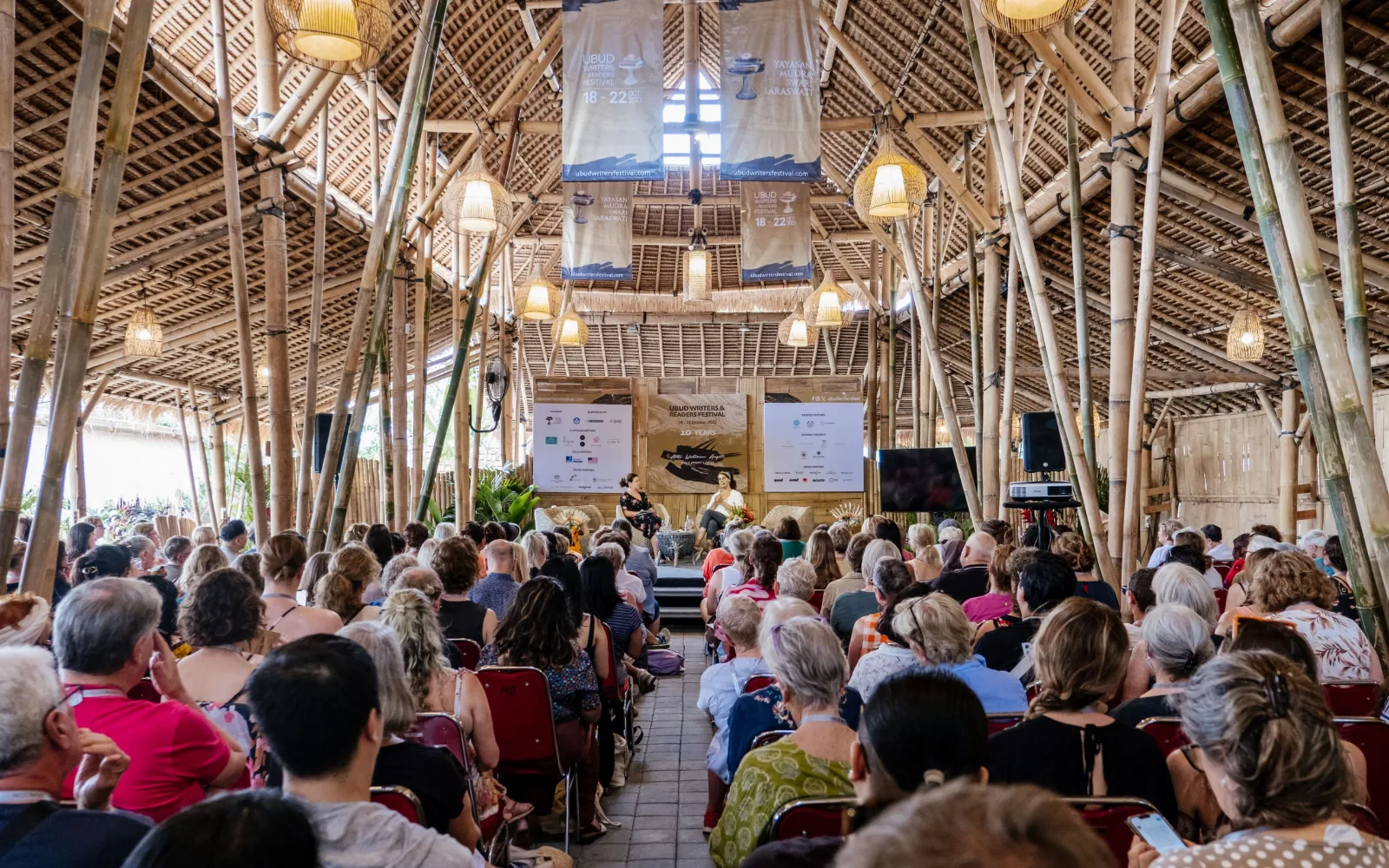
Indonesia's October 2026 Cultural Calendar: Signature Festivals and Sporting Highlights Across the Archipelago
JAKARTA, Indonesia - October 1, 2026 - October 2026 is shaping up to be one of the most vibrant months on Indonesia's cultural tourism calendar. A rich convergence of traditional arts festivals, international motorsport spectacles, indigenous regattas, and contemporary creative expos is unfolding across every major island group, offering travelers an extraordinary gateway into the nation's diverse regional heritage.
 📍 Seminyak
Indonesia Tourism Outlook 2026/2027: National Strategy Prioritizes Archipelago Dispersal and High-Yield Experiential Travel
JAKARTA, Indonesia - October 1, 2026 - The Ministry of Tourism and Creative Economy (Kemenparekraf) has officially unveiled the *Indonesia Tourism Outlook 2026/2027*, establishing a comprehensive strategic framework designed to steer Southeast Asia's largest archipelago toward sustainable, high-value, and geographically decentralized tourism growth through 2027 and beyond.
 📍 Seminyak
Indonesia Introduces COBAIN Digital Tourism Activation
JAKARTA - September 29, 2026 - The Ministry of Tourism and Creative Economy (Kemenparekraf) has officially unveiled "COBAIN!" (an acronym for *Cobain Wisata Indonesia* / Experience Indonesian Tourism), a nationwide interactive digital campaign designed to modernize domestic destination discovery through gamified mobile applications, artificial intelligence personalization, and curated regional itineraries.
 📍 Seminyak
Foreign Visitors Join Bali’s Siat Tipat Bantal Tradition in Kapal
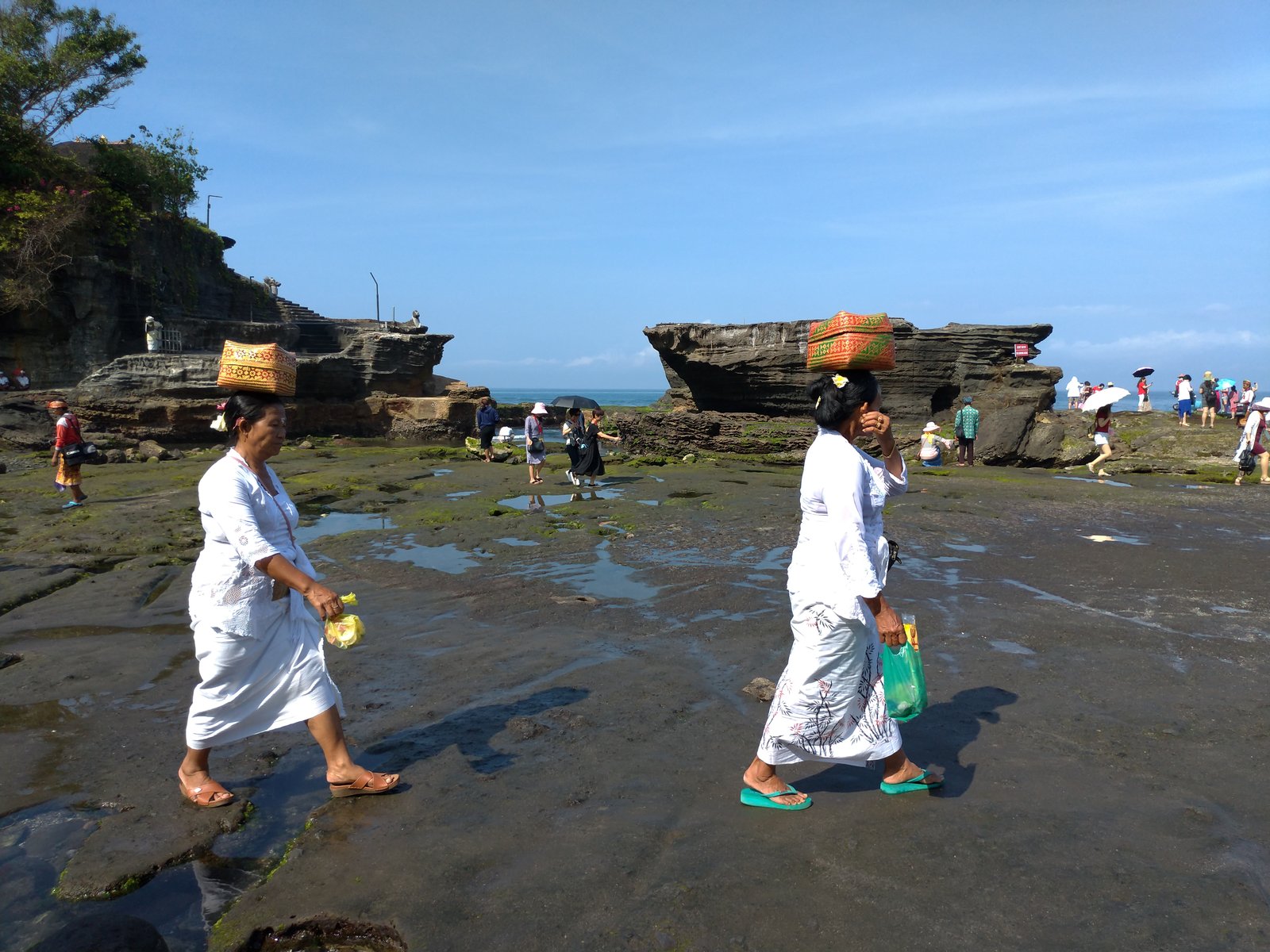
MENGWI, Badung - September 29, 2026 - The village thoroughfare of Desa Adat Kapal in Mengwi, Badung Regency, transformed into an energetic celebration of communal gratitude and sacred heritage on Saturday afternoon, September 26, as thousands of villagers and international visitors gathered for the annual Aci Tabuh Rah Pengangon ceremony, widely known as Siat Tipat Bantal.