



Raja Ampat Refines Marine Conservation Tariff to Fund Community Patrols and Coral Reef Protection
WAISAI, Southwest Papua - October 1, 2026 - The Raja Ampat Regency Government, in partnership with the Regional Public Service Agency for Marine Protected Area Management (BLUD UPTD Pengelolaan KKP Kepulauan Raja Ampat), has implemented key administrative refinements to its environmental tariff structure. The move aims to ensure direct, transparent allocation of visitor contributions toward Indigenous community patrols, anti-poaching enforcement, and marine ecosystem restoration across the world's most biodiverse coral archipelago.
WAISAI, Southwest Papua - October 1, 2026 - The Raja Ampat Regency Government, in partnership with the Regional Public Service Agency for Marine Protected Area Management (BLUD UPTD Pengelolaan KKP Kepulauan Raja Ampat), has implemented key administrative refinements to its environmental tariff structure. The move aims to ensure direct, transparent allocation of visitor contributions toward Indigenous community patrols, anti-poaching enforcement, and marine ecosystem restoration across the world's most biodiverse coral archipelago.
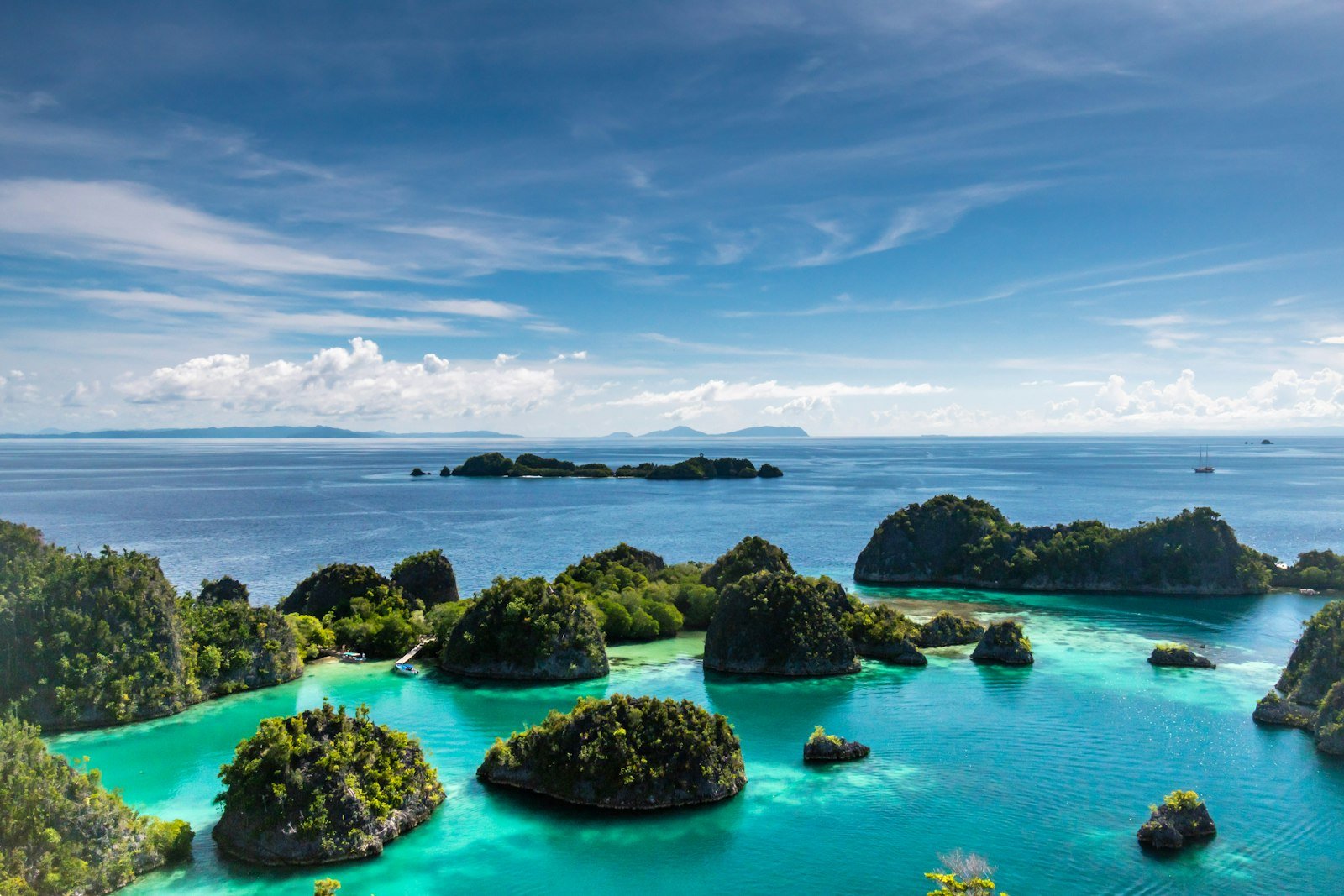
Situated in the heart of the global Coral Triangle, Raja Ampat's labyrinth of limestone karst islands, mangrove channels, and marine protected areas encompasses over two million hectares of ocean. Under the updated regulatory framework, international and domestic travelers visiting the archipelago pay the mandatory Environmental Tariff (Tarif Layanan Lingkungan / TLE) alongside the regional Marine Park Entry Card (Kartu Jasa Lingkungan), creating a dedicated, ring-fenced funding mechanism designed to protect the marine ecosystem from industrial threats and uncontrolled tourism impacts.
Revenue reports audited for the first three quarters of 2026 demonstrate that visitor fee proceeds directly financed over 1,200 maritime patrol operations, the installation of 85 anchor-free mooring buoys, and subsidized healthcare initiatives across thirty-two coastal indigenous villages (kampung adat).
Transparent ring-fencing: From visitor tariffs to village patrols
The core success of Raja Ampat's conservation model lies in its community-anchored governance structure. Rather than pooling visitor fees into distant provincial budgets, tariffs collected in Waisai and through official digital portals are channeled into frontline conservation efforts managed collaboratively by government rangers and local Adat customary councils.
A substantial proportion of fee allocations sustains the Indigenous Community Surveillance Groups (Kelompok Pengawas Masyarakat / Pokmaswas). Operating motorized wooden longboats, village surveillance teams conduct routine day and night patrols across vulnerable marine sanctuaries - such as the Dampier Strait, Misool, Wayag, and Mayalibit Bay - deterring destructive blast-fishing incursions and monitoring compliance among recreational dive boats.
"Every visitor who contributes the environmental tariff becomes an active partner in defending Raja Ampat's marine heritage," said an official from BLUD UPTD Raja Ampat during a community assembly in Waisai. "Without these direct funds, remote villages would lack fuel, vessel engines, and communications equipment required to intercept illegal fishing fleets. Tourism fees literally protect the manta ray nurseries, shark sanctuaries, and pristine coral reefs that travelers journey across the planet to experience."
Furthermore, a designated percentage of fee receipts is disbursed directly to customary landowning clans (marga), funding clean solar water desalination units, village solar electrical grids, and primary school educational materials for local children.
Guarding the epicenter of marine biodiversity
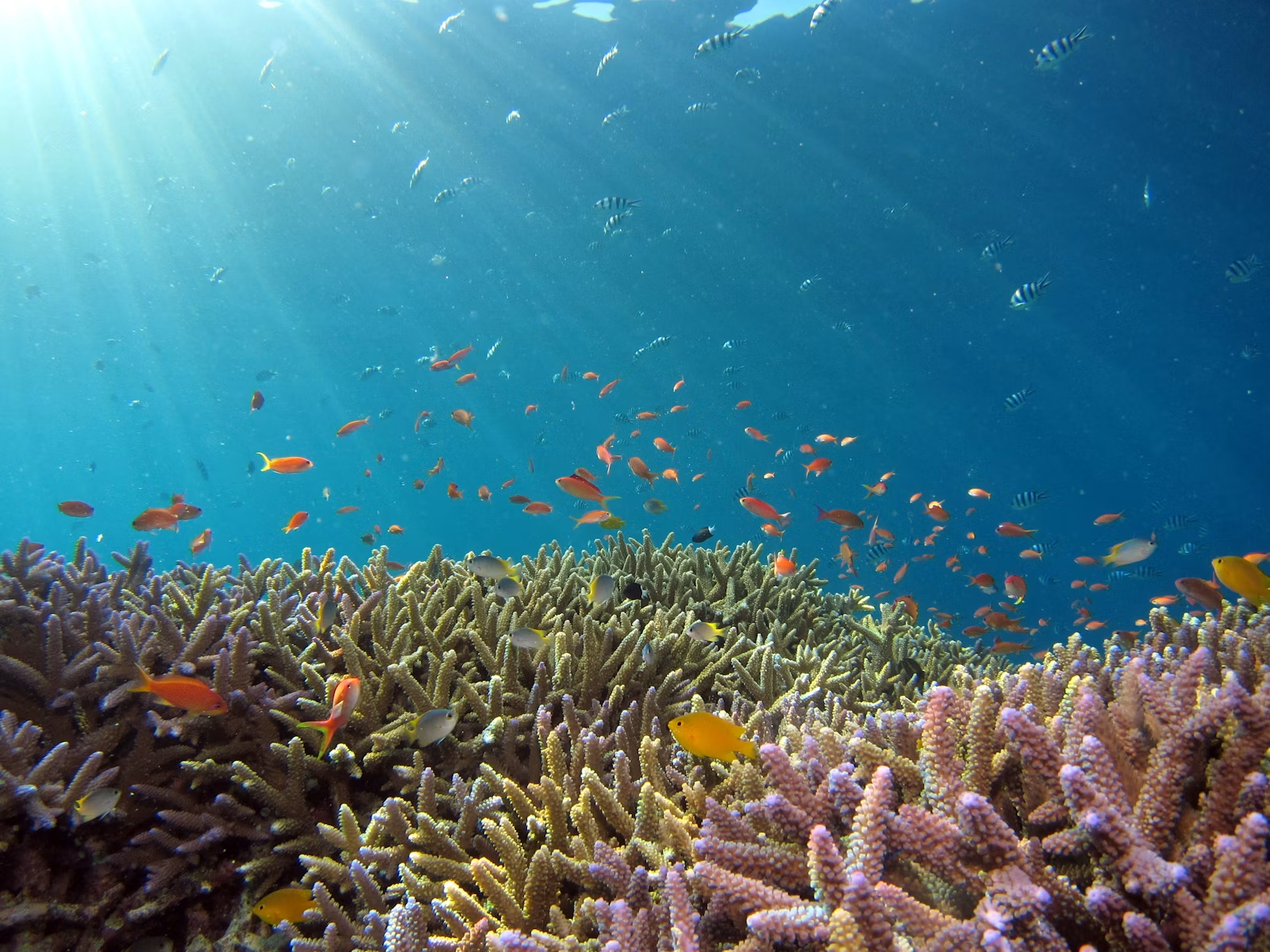
Raja Ampat harbors more than 550 species of hard corals - representing 75 percent of all known coral species on Earth - alongside 1,400 species of reef fish, endangered dugongs, green sea turtles, and resident populations of reef and oceanic manta rays (Mobula alfredi and Mobula birostris).
The enforcement of the conservation fee system has yielded remarkable ecological results over the past decade:
- Zero-Tolerance Poaching Zones: Key sanctuaries such as the Misool Marine Reserve have witnessed an 80 percent rebound in reef shark biomass and complete stabilization of apex predator populations.
- Mooring Buoy Network Maintenance: The installation of heavy-duty permanent moorings eliminates the devastating anchor damage historically caused by commercial dive yachts dropping heavy anchors onto delicate branching coral gardens.
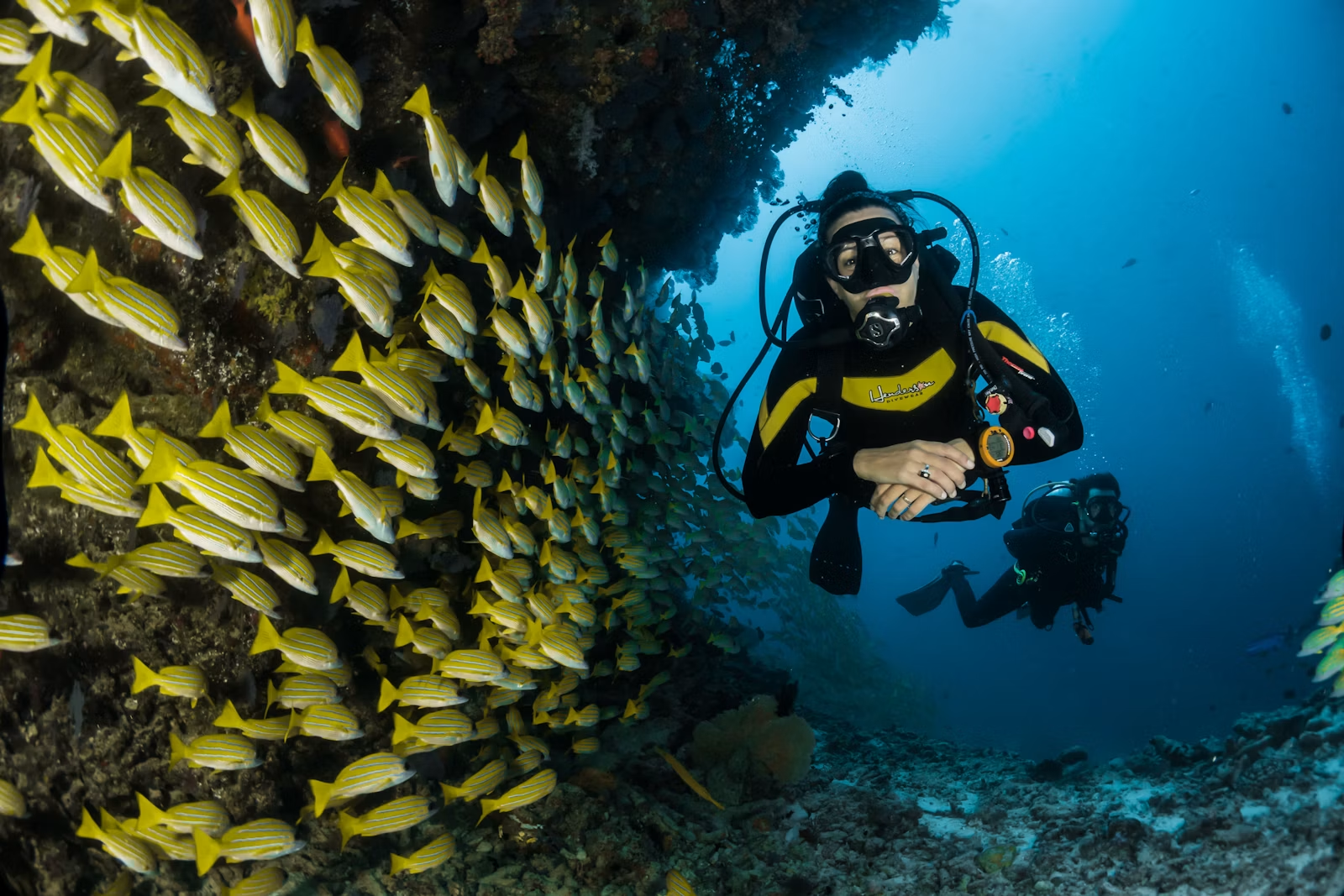
- Manta Ray Sanctuary Monitoring: Ranger teams monitor critical cleaning stations in the Dampier Strait, enforcing strict vessel speed limits and diver capacity ceilings to prevent harassing feeding mantas.
Essential practical guidance for international travelers
Travelers organizing expeditions to Raja Ampat should be mindful of procedural and financial requirements:
- Verify Official Tariff Channels: Ensure the Environmental Tariff (TLE) and regional entry permits are purchased through official BLUD counters in Waisai or via accredited dive liveaboard operators. Keep physical receipt badges and digital verification codes on your person during all boat transfers.
- Budget for Conservation Contributions: The combined conservation fee structure generally totals Rp1,000,000 for international travelers and Rp500,000 for Indonesian citizens, valid for twelve calendar months. Consider this mandatory contribution an essential, ethical investment in ecological preservation.
- Respect Local Adat Customs: When visiting traditional villages such as Arborek, Sauwandarek, or Yenbuba, dress modestly, obtain permission before photographing ceremonies, and support local community cooperatives by purchasing authentic hand-woven handicrafts.
- Choose Certified Eco-Operators: Select liveaboard charter vessels and island homestays that enforce strict gray-water filtration, reef-safe sunscreen mandates, and single-use plastic bans.
Looking ahead
The Raja Ampat environmental tariff model is increasingly studied by conservation economists worldwide as a benchmark for self-sustaining ecotourism financing. As global travel demand for remote nature reserves intensifies, Raja Ampat's commitment to community-led conservation ensures that tourism revenue serves as a shield for ecological resilience rather than a catalyst for habitat degradation.
This dispatch details active operational updates regarding regional transit corridors, airport procedures, park entry permits, or provincial regulations. Travelers are encouraged to verify departure schedules and official requirements prior to transit.
Exploring Raja Ampat & Beyond Bali?
Discover curated regional travel guides, archipelagic flight connections, and signature Bali sanctuaries for your wider Indonesian itinerary.
Curated Stays & Sanctuaries in Bali
Curated luxury accommodations featuring private pool sanctuaries, authentic architectural heritage, and seamless concierge support.

ASTON Sorong Hotel & Conference Center
ASTON Sorong Hotel & Conference Center is a 4-star hotel situated in Raja Ampat & Sorong, Sorong (Upscale Luxury), holding a verified guest score of 9.2/10 across 344 reviews. Located approx. 25–45 mins to regional airport with coastal enclave (< 5km to beach).

Vega Prime Hotel & Convention
Vega Prime Hotel & Convention is a 4-star hotel situated in Raja Ampat & Sorong, Sorong (Upscale Luxury), holding a verified guest score of 8.9/10 across 603 reviews. Located approx. 25–45 mins to regional airport with coastal enclave (< 5km to beach).

Swiss-Belhotel Sorong
Swiss-Belhotel Sorong is a 4-star hotel situated in Raja Ampat & Sorong, Sorong (Upscale Luxury), holding a verified guest score of 8.3/10 across 1,161 reviews. Located approx. 25–45 mins to regional airport with coastal enclave (< 5km to beach).
Iconic Landmarks & Sacred Sanctuaries Across Bali
Protected cultural heritage, historical architecture, and iconic natural viewpoints with official entrance tariffs and etiquette rules.
 cultural village
Free Access
cultural village
Free Access
Mas Wood Carving Village
Mas is the epicentre of Balinese wood carving mastery, where legend holds that the sage Nirartha first taught the art of carving sacred masks and ritual statues to local craftsmen in the 16th century.
 beach landmark
$27.95
beach landmark
$27.95
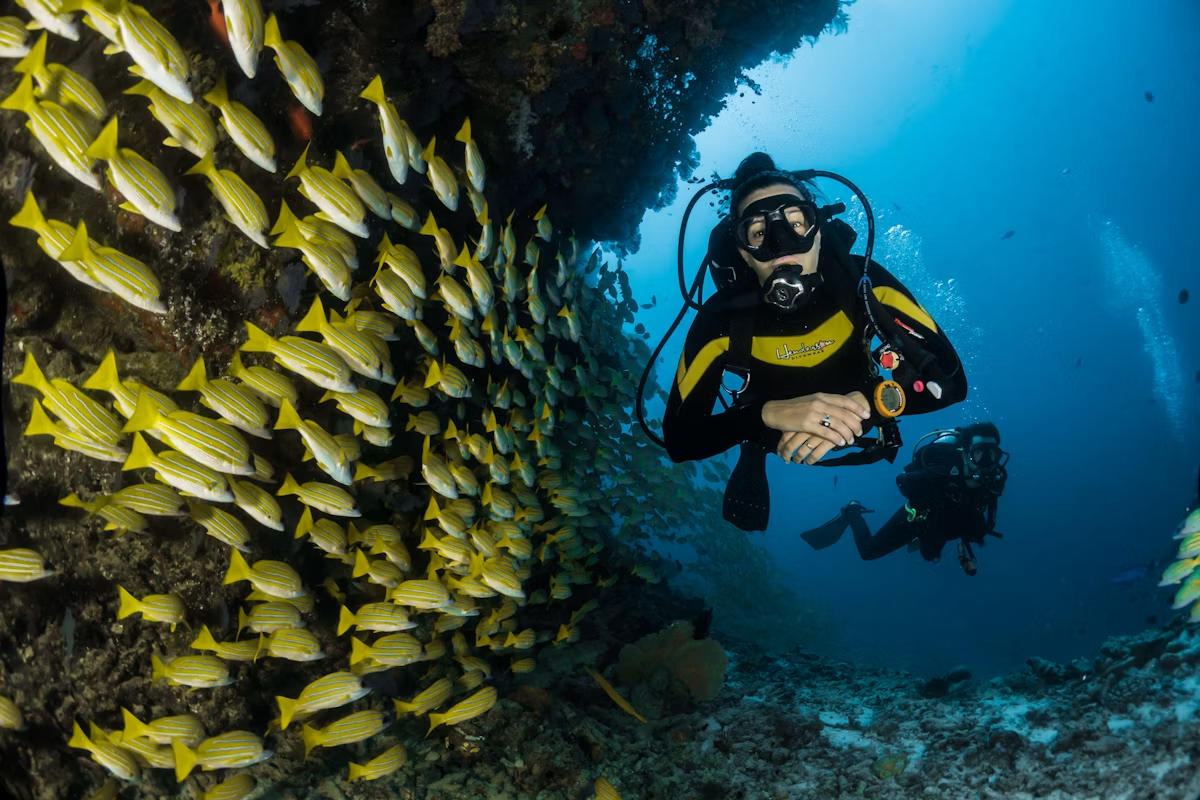
Wayag Islands Marine Archipelago
Iconic labyrinth of emerald-topped karst limestone islands rising dramatically from crystalline aquamarine waters, serving as the global pinnacle of marine biodiversity.
Guided Tours & Field Experiences Across Bali
Handcrafted tours, masterclasses, and coastal expeditions led by licensed local guides with verified booking options.
 water marine
📍 Raja Ampat
$122.98
water marine
📍 Raja Ampat
$122.98
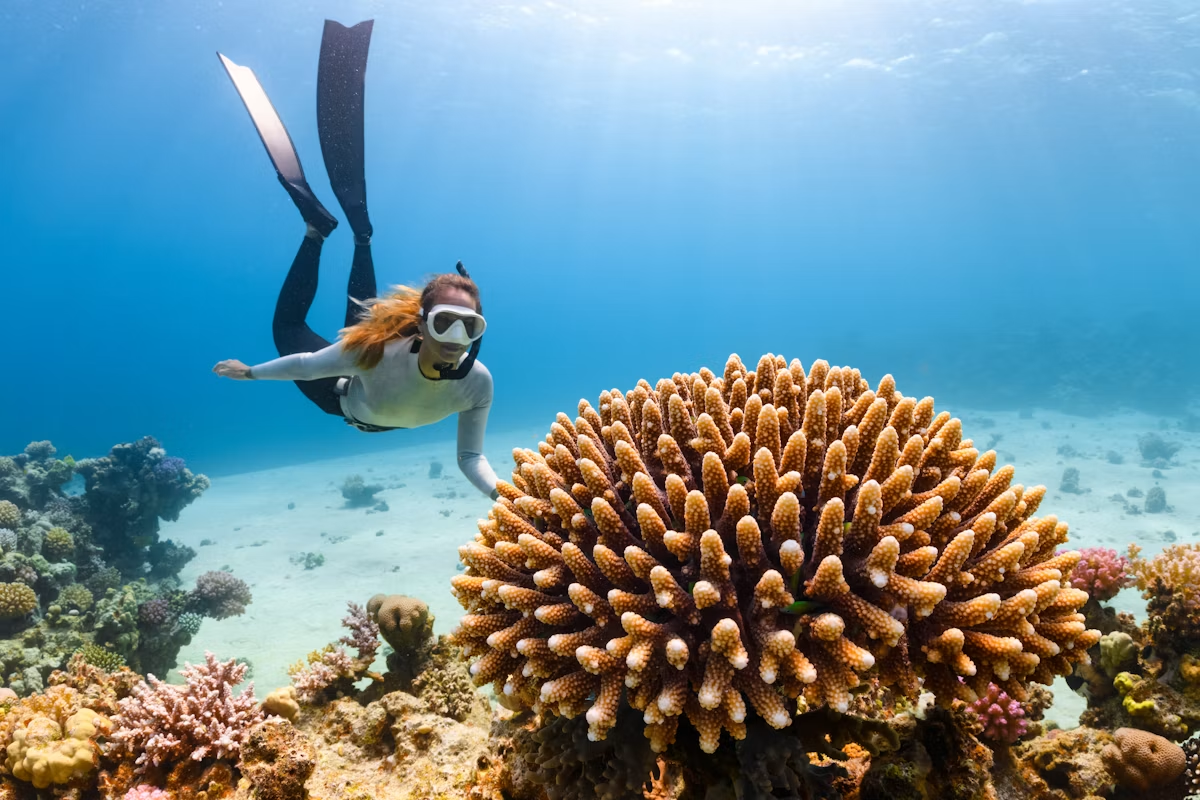
Pianemo Karst Panorama & Arborek Manta Expedition
Climb to the Pianemo viewpoint overlook and snorkel with reef manta rays at Arborek village.
 adventure
📍 Raja Ampat
$212.41
adventure
📍 Raja Ampat
$212.41
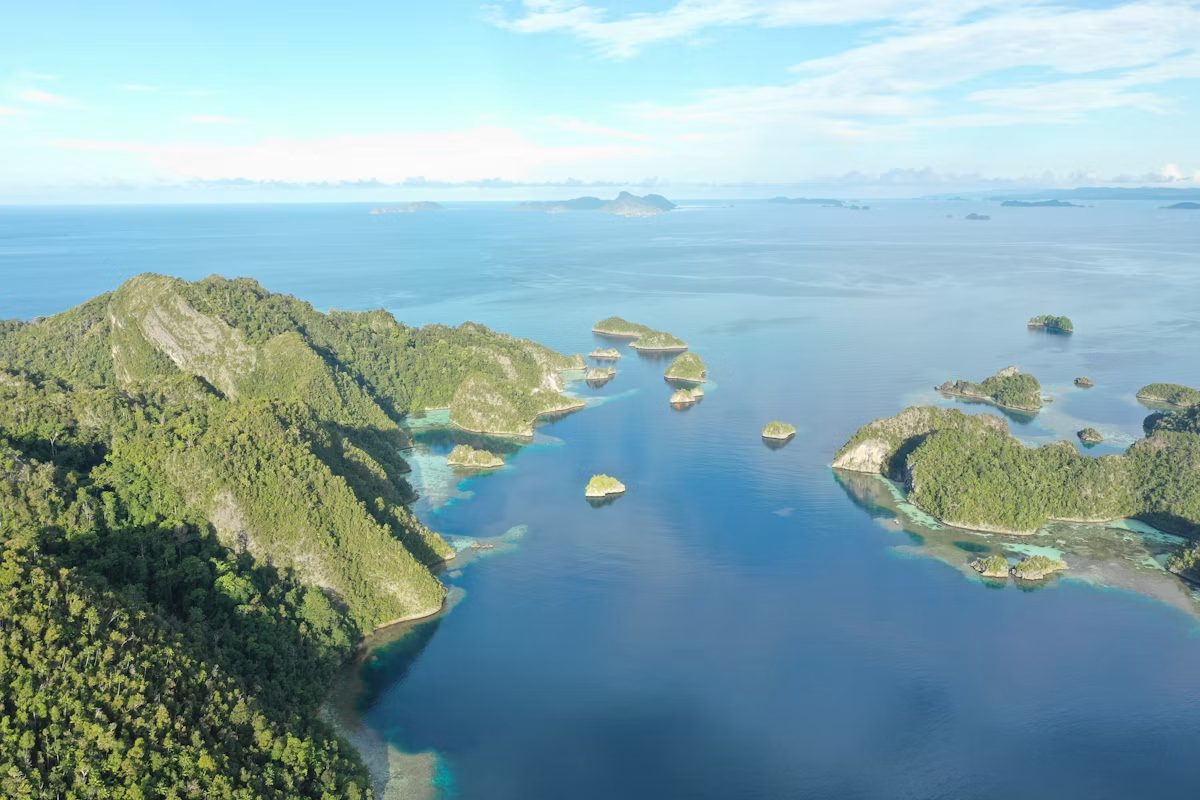
Wayag Cathedral Karst Lagoon & Shark Bay Boat Expedition
Scale the iconic karst pinnacle of Wayag 2 and swim with blacktip reef sharks in shallow turquoise bays.
 adventure
📍 Ubud
$36.33
adventure
📍 Ubud
$36.33
Mount Batur Sunrise Summit Trek with Hot Springs
Pre-dawn summit ascent across volcanic basalt ridges to watch the sunrise above Lake Batur and Mount Rinjani, followed by restorative thermal hot springs.
Planning a Bali trip?
Explore current destination information, accommodation options, and events before you travel.
Related Travel News & Editorial Dispatches
Stay informed with latest field updates, regulatory notices, and luxury hospitality coverage across Bali and Beyond.
 📍 Raja Ampat
Raja Ampat Strengthens Sea Patrols as Authorities Step Up Action Against Destructive Fishing
Raja Ampat, Southwest Papua - September 27, 2026
 📍 Raja Ampat
Raja Ampat Plans a Manta Impact Bond to Finance Long-Term Marine Conservation
Raja Ampat, Southwest Papua - September 27, 2026
 📍 Raja Ampat
Raja Ampat's Manta Rays: More Than 3,000 Individuals Documented in Indonesia's Marine Paradise
Raja Ampat, Southwest Papua - September 27, 2026
 📍 Raja Ampat
Raja Ampat Turtle Poaching Case: Chinese National Named Suspect as Investigation Moves Forward
Authorities in Indonesia's Southwest Papua Province have named a Chinese national, identified by the initials WS, as a suspect in an alleged hunt for a protected hawksbill turtle inside the Raja Ampat conservation area.
 📍 Raja Ampat
Raja Ampat’s New Tourism Model: When Conservation Becomes the Core of the Visitor Economy
![Regional image]()
 📍 Munduk
Phu Quoc Bests Bali in Condé Nast’s 2026 Asia Island Ranking: Inside Vietnam’s Tourism Momentum and What It Means for Island Travel
Phu Quoc has captured first place in Condé Nast Traveler’s 2026 U.S. Readers’ Choice Awards while Bali ranked sixth; behind the headline lies Vietnam’s rapid surge in direct international flights, 60% foreign arrival growth, and critical lessons for mature island destinations.