



Living Balinese Traditions Offer Visitors a Different Form of Cultural Tourism
DENPASAR, Bali - September 29, 2026 - Amid escalating international debates regarding the commercialization and potential trivialization of cultural heritage in global mass-tourism capitals, Bali’s vibrant network of traditional customary villages (Desa Adat) is offering travelers an inspiring, authentic alternative: a tourism model grounded in living community rituals rather than staged commercial performances.
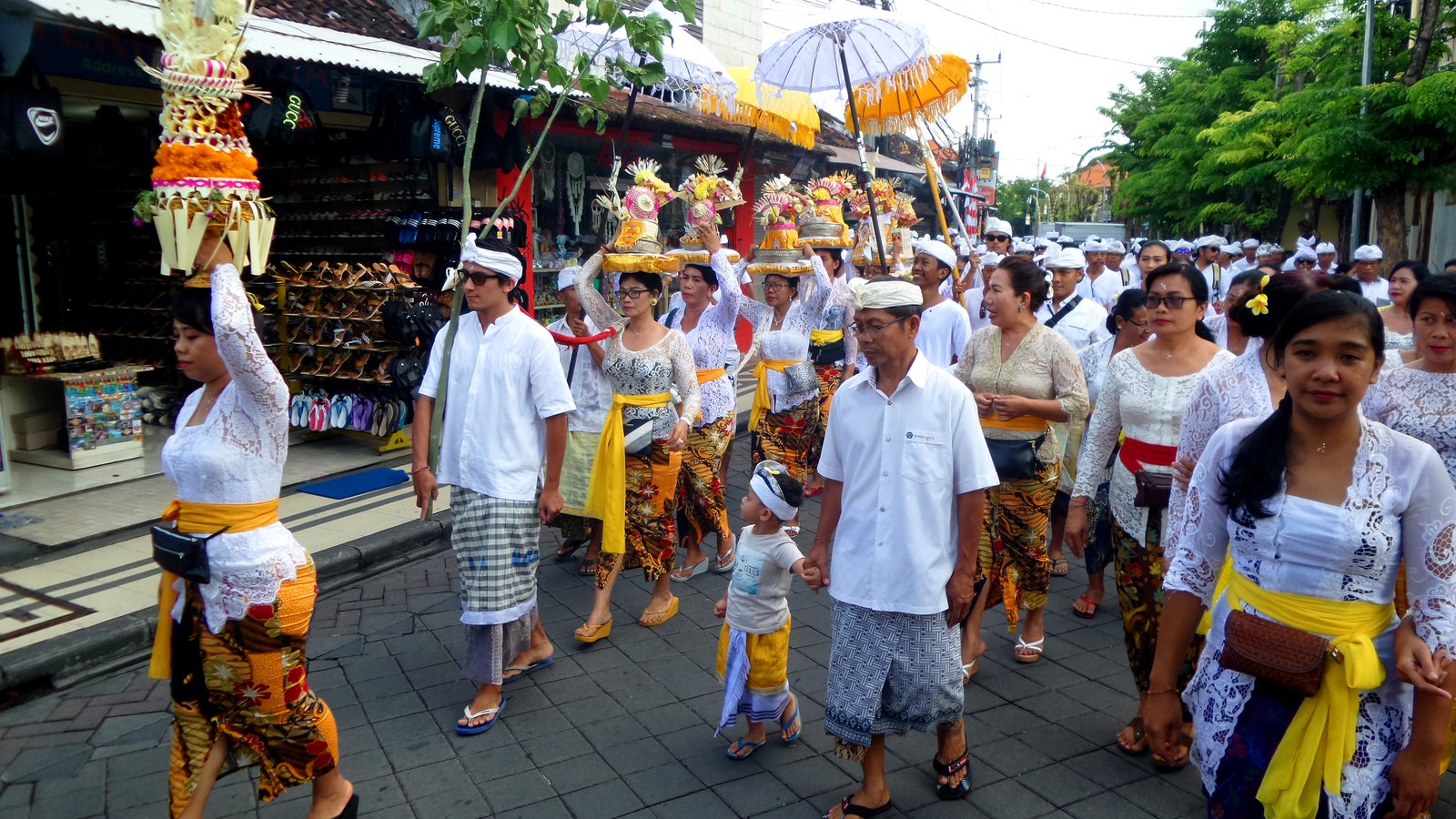
DENPASAR, Bali - September 29, 2026 - Amid escalating international debates regarding the commercialization and potential trivialization of cultural heritage in global mass-tourism capitals, Bali’s vibrant network of traditional customary villages (Desa Adat) is offering travelers an inspiring, authentic alternative: a tourism model grounded in living community rituals rather than staged commercial performances.
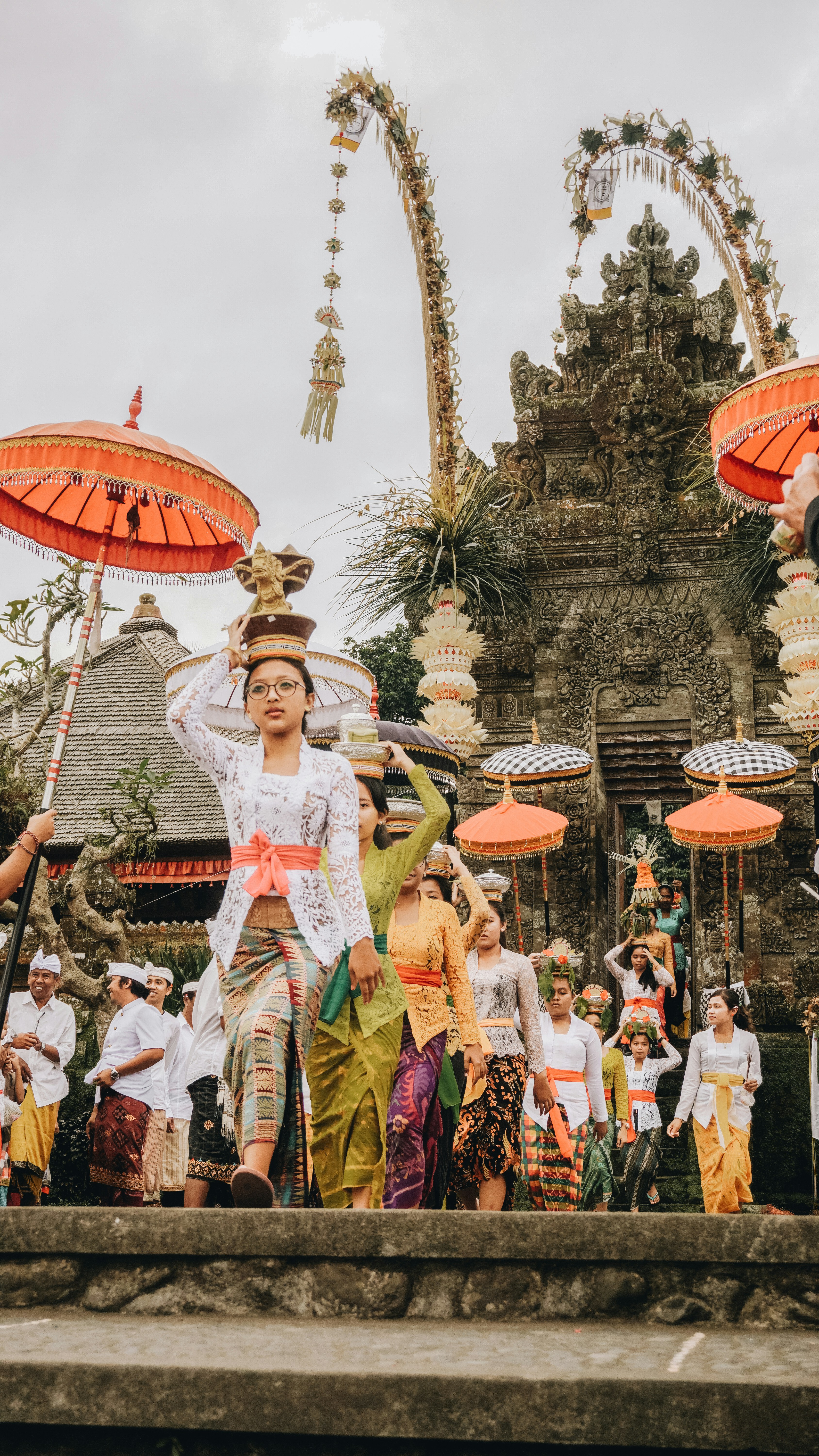
Across villages throughout the island, recent traditional ceremonies - ranging from the sacred rice-cake throwing of Siat Tipat Bantal in Kapal, the ritual thorny pandanus duels of Perang Pandan (Mekare-kare) in Tenganan Pegringsingan, to communal temple anniversaries (Odalan) in Gianyar and Bangli - demonstrate how ancient cultural expressions remain deeply functional, spiritual, and community-centered.
Cultural anthropologists, religious leaders, and tourism scholars emphasize that these sacred practices are not theatrical productions manufactured for commercial spectators.
Instead, they are profound devotional offerings organized by and for the village community to maintain cosmic harmony between humanity, nature, and the divine realm in accordance with the foundational Balinese Hindu philosophy of Tri Hita Karana.
When international visitors are invited to witness or respectfully take part in these living traditions, tourism transitions from superficial voyeurism into a meaningful, respectful intercultural dialogue.
Staged entertainment vs. living communal ritual
The structural distinction between staged tourist entertainment and living community tradition is central to understanding sustainable cultural tourism in Bali.
For decades, commercial tourism models have packaged Balinese cultural arts into bite-sized, scheduled hotel amphitheater performances - such as abbreviated Kecak or Barong dances presented on stage before dinner banquets. While these performances provide professional livelihoods for Balinese dancers and gamelan musicians, they inevitably decouple the sacred art from its sanctified village ritual context.
In contrast, village customary ceremonies are determined by complex cyclical calendars (such as the 210-day Pawukon cycle and monthly Sasih lunar calendars), taking place within sanctified temple courtyards (jeroan) and village commons:
- Collective Community Cohesion: Preparations involve weeks of collaborative volunteer labor (ngayah) by village youth, women's associations (PKK), and elders, weaving intricate palm offerings (banten), carving sacrificial foods, and tuning gamelan instruments.
- Absence of Commercial Ticketing: Customary ceremonies do not charge admission fees or erect velvet ropes. The spiritual efficacy of the ceremony depends on pure communal devotion, shared sacred intention, and ancestral reverence.
- Living Social Continuity: Children learn complex rhythmic dance steps, epic devotional singing (kidung), and temple decorations by actively assisting their parents and grandparents, ensuring that cultural knowledge is transmitted organically across generations without institutional artificiality.
"The ultimate resilience of Balinese culture lies in the fact that we do not dance for tourists; we dance for the gods and our ancestors," explained Dr. I Made Wayan Mastra, a cultural researcher at the Udayana University Center for Cultural Studies. "Tourists are warmly welcomed to witness our ceremonies as honored guests of the village, provided they enter with a sincere heart, modest attire, and humble conduct. When visitors experience a genuine ritual, they sense the spiritual energy (taksu) that no theatrical stage can replicate."
The transformative power of respectful traveler participation
For contemporary travelers seeking authentic cultural encounters, witnessing or joining a living village tradition represents a profound travel experience.
As demonstrated during the recent Siat Tipat Bantal ceremony in Kapal, where international visitors donned traditional Balinese sarongs (kamen) and headcloths (udeng) to join villagers in joyous rice-cake throwing, participatory cultural encounters dismantle barriers between outsider and host community:
- Eradicating the Voyeuristic Gaze: By putting down cameras, participating in community prayers, or helping carry ceremonial temple umbrellas, visitors cease to be passive voyeurs taking snapshots from the sidelines. They become active, respectful participants sharing in human joy and communal devotion.
- Economic Dignity for Rural Communities: Rather than paying middleman booking agencies, travelers attending village rituals frequently purchase ceremonial attire from local village weavers, patronize traditional warungs, and provide voluntary donations (punia) directly to village temple maintenance funds.
- Fostering Cross-Cultural Empathy: Direct, unscripted conversations with village elders and youth foster genuine mutual understanding, dispelling stereotypes and cultivating profound global respect for indigenous spiritual worldviews.
Establishing clear boundaries and cultural etiquette
To ensure that growing visitor curiosity does not compromise the sanctity of sacred ceremonies, customary village councils across Bali, supported by the Parisada Hindu Dharma Indonesia (PHDI), have established clear behavioral standards:
- Mandatory Customary Attire: Complete Balinese ceremonial dress - including a clean kamen (sarong), waist sash (senteng), and modest collared top covering shoulders - is strictly mandatory before entering any village temple precinct (mandala).
- Spatial Sanctity and Purity: Visitors must respect sacred thresholds, never entering the innermost sanctum (jeroan) without explicit invitation, avoiding standing higher than the officiating priests (pemangku), and refraining from entering temple grounds during periods of spiritual impurity (sebel), such as bereavement or menstruation.
- Unobtrusive Observation: Flash photography, noisy drones, and aggressive selfie-taking during solemn prayer or trance rituals are strictly prohibited by village pecalang (customary security officers).
Safeguarding cultural heritage in an interconnected world
The enduring vitality of living village rituals across Bali proves that cultural authenticity and global tourism need not be mutually destructive forces.
When cultural tourism is grounded in deep community ownership, spiritual reverence, and mutual human respect, ancient traditions do not merely survive the pressures of modernity - they flourish as radiant beacons of living heritage, inspiring travelers and enriching humanity for generations to come.
This dispatch details active operational updates regarding regional transit corridors, airport procedures, park entry permits, or provincial regulations. Travelers are encouraged to verify departure schedules and official requirements prior to transit.
Planning a trip to Ubud?
Explore current destination intelligence, curated accommodations, cultural landmarks, and island events before you travel.
Curated Stays & Sanctuaries in Ubud
Curated luxury accommodations featuring private pool sanctuaries, authentic architectural heritage, and seamless concierge support.

Padma Resort Ubud
Padma Resort Ubud is a 5-star resort situated in Bali, Bali (Ultra-Luxury), holding a verified guest score of 9.4/10 across 2,824 reviews. Located 42.2 km (2–3 hours drive) with inland valley / highland retreat.

Komaneka at Bisma Ubud
Komaneka at Bisma Ubud is a 5-star resort situated in Bali, Bali (Ultra-Luxury), holding a verified guest score of 9.4/10 across 2,773 reviews. Located 28 km (60–80 mins drive) with inland valley / highland retreat.

JAPA Suites and Villas
JAPA Suites and Villas is a 5-star resort situated in Ubud, Bali (Ultra-Luxury), holding a verified guest score of 9.4/10 across 1,812 reviews. Located 27.6 km (60–80 mins drive) with inland valley / highland retreat.
Iconic Landmarks & Sacred Sanctuaries Across Bali
Protected cultural heritage, historical architecture, and iconic natural viewpoints with official entrance tariffs and etiquette rules.
 cultural village
$1.11
cultural village
$1.11
Tenganan Pegringsingan Ancient Bali Aga Village
One of Bali’s oldest pre-Majapahit aboriginal villages (Bali Aga), celebrated for double-ikat Geringsing woven cloths and annual Pandan wars (Mekare-kare).
 cultural village
Free Access
cultural village
Free Access
Mas Wood Carving Village
Mas is the epicentre of Balinese wood carving mastery, where legend holds that the sage Nirartha first taught the art of carving sacred masks and ritual statues to local craftsmen in the 16th century.
 temple
$2.79
temple
$2.79
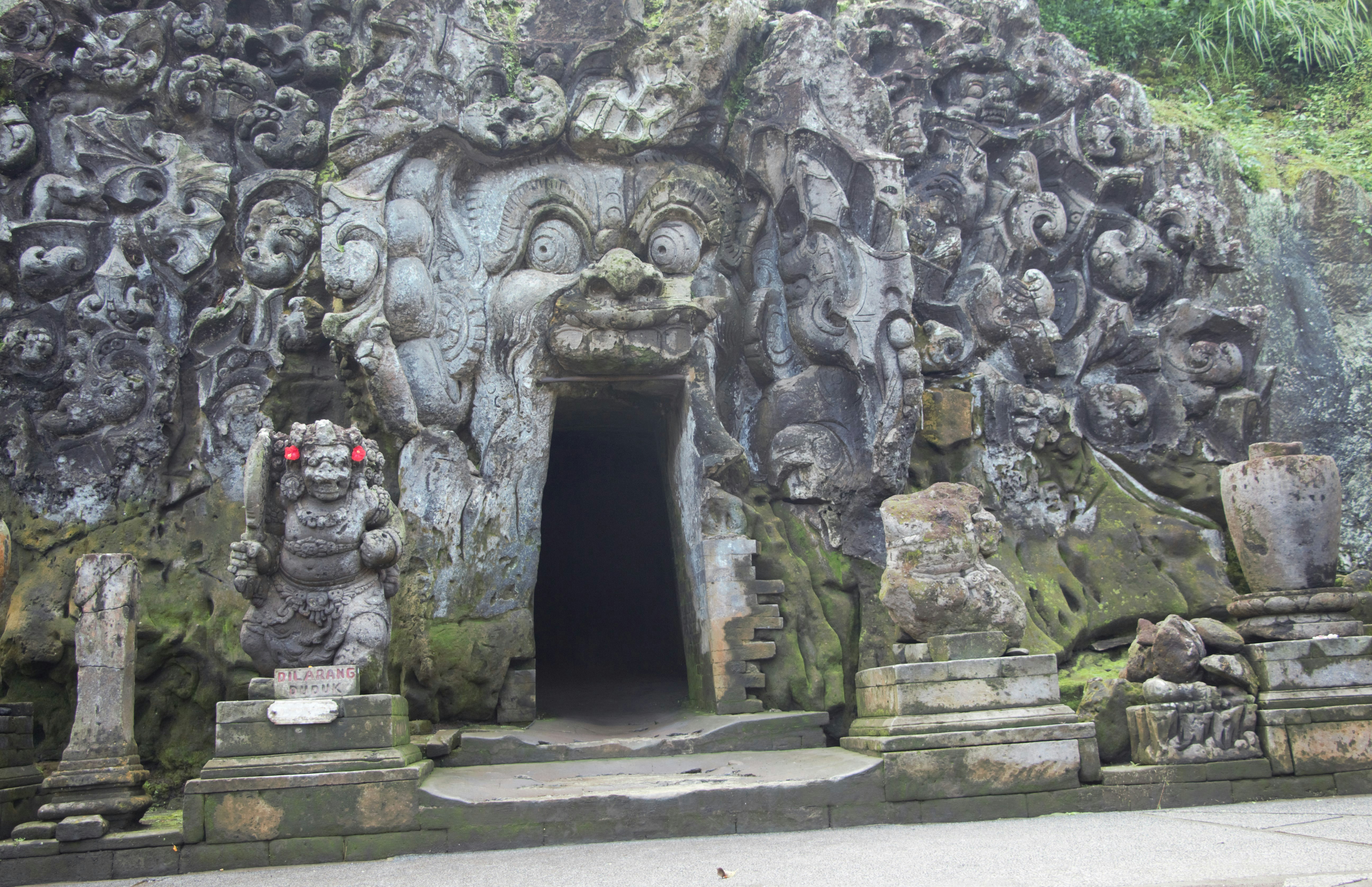
Goa Gajah (Elephant Cave)
Archaeological hermitage featuring a menacing demonic face carved into solid rock, leading into a T-shaped meditation chamber.
Guided Tours & Field Experiences in Ubud
Handcrafted tours, masterclasses, and coastal expeditions led by licensed local guides with verified booking options.
 culture
📍 Ubud
$26.74
culture
📍 Ubud
$26.74
Ubud Permaculture Farm Harvest & Traditional Megibung Feast
Discover the sustainable roots of Balinese farming at an organic permaculture farm near Ubud, walking among chemical-free garden beds to pick heirloom vegetables and herbs. Afterward, gather in an open-air bamboo pavilion to share an authentic megibung feast—a ceremonial dining tradition where dishes are served on large banana leaves to celebrate community and unity. It offers a heartwarming cultural and culinary encounter honoring the island's rich agrarian traditions.
 adventure
📍 Ubud
$44.57
adventure
📍 Ubud
$44.57
Ayung River White Water Rafting & Ubud Jungle Swing Landscape Combo
Exhilarating 12km white water rafting adventure down the sacred Ayung River gorge, viewing Ramayana stone wall carvings, paired with high-altitude panoramic jungle swings.
 adventure
📍 Ubud
$41.78
adventure
📍 Ubud
$41.78
Mount Batur Sunrise 4WD Off-Road Jeep Safari & Black Lava Fields
Thrilling 4WD open-top off-road safari across Mount Batur's volcanic caldera, witnessing golden sunrise above the clouds and exploring the 1963 Black Lava fields.
Related Travel News & Editorial Dispatches
Stay informed with latest field updates, regulatory notices, and luxury hospitality coverage across Bali and Beyond.
 📍 Ubud
Indonesia’s Tourism Promotion Moves Further Toward Interactive Digital Discovery
JAKARTA - September 29, 2026 - The Ministry of Tourism and Creative Economy (Kemenparekraf), working in direct strategic alignment with provincial tourism boards across Bali and regional destination authorities, has officially enacted its comprehensive 2026-2028 Digital Tourism Transformation Roadmap.
 📍 Ubud
Jatiluwih Sees Seasonal Visitor Decline as Asian Markets Gain Ground
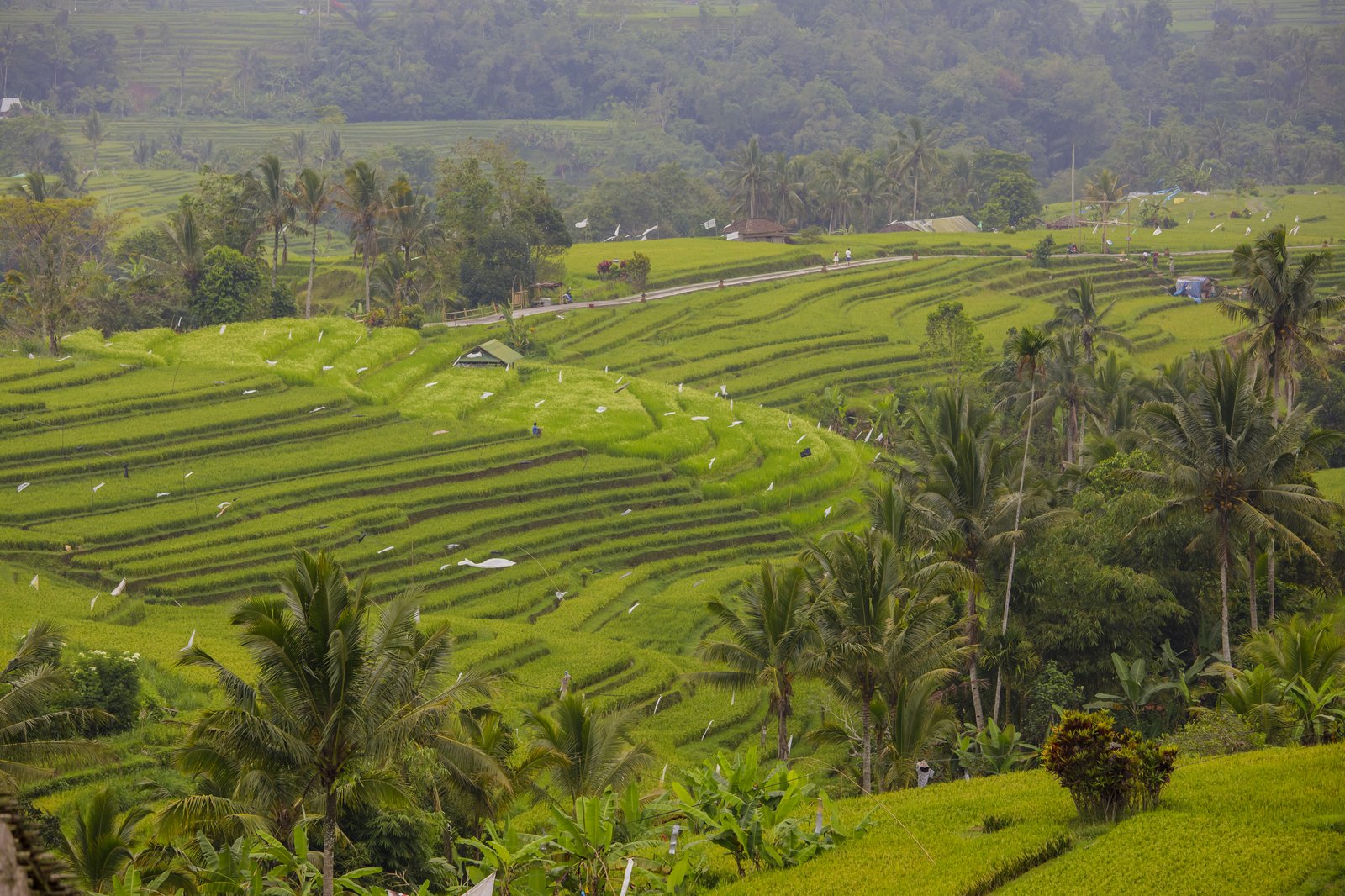
PENEBEL, Tabanan - September 29, 2026 - The operational management board of the Jatiluwih UNESCO World Heritage Cultural Landscape in Penebel, Tabanan Regency, has recorded a normal seasonal moderation in tourist arrivals following the conclusion of the peak European summer travel season in July and August.
 📍 Ubud
Bali’s Rainy Season Is Delayed, But a Shorter Season Could Bring Heavier Rain
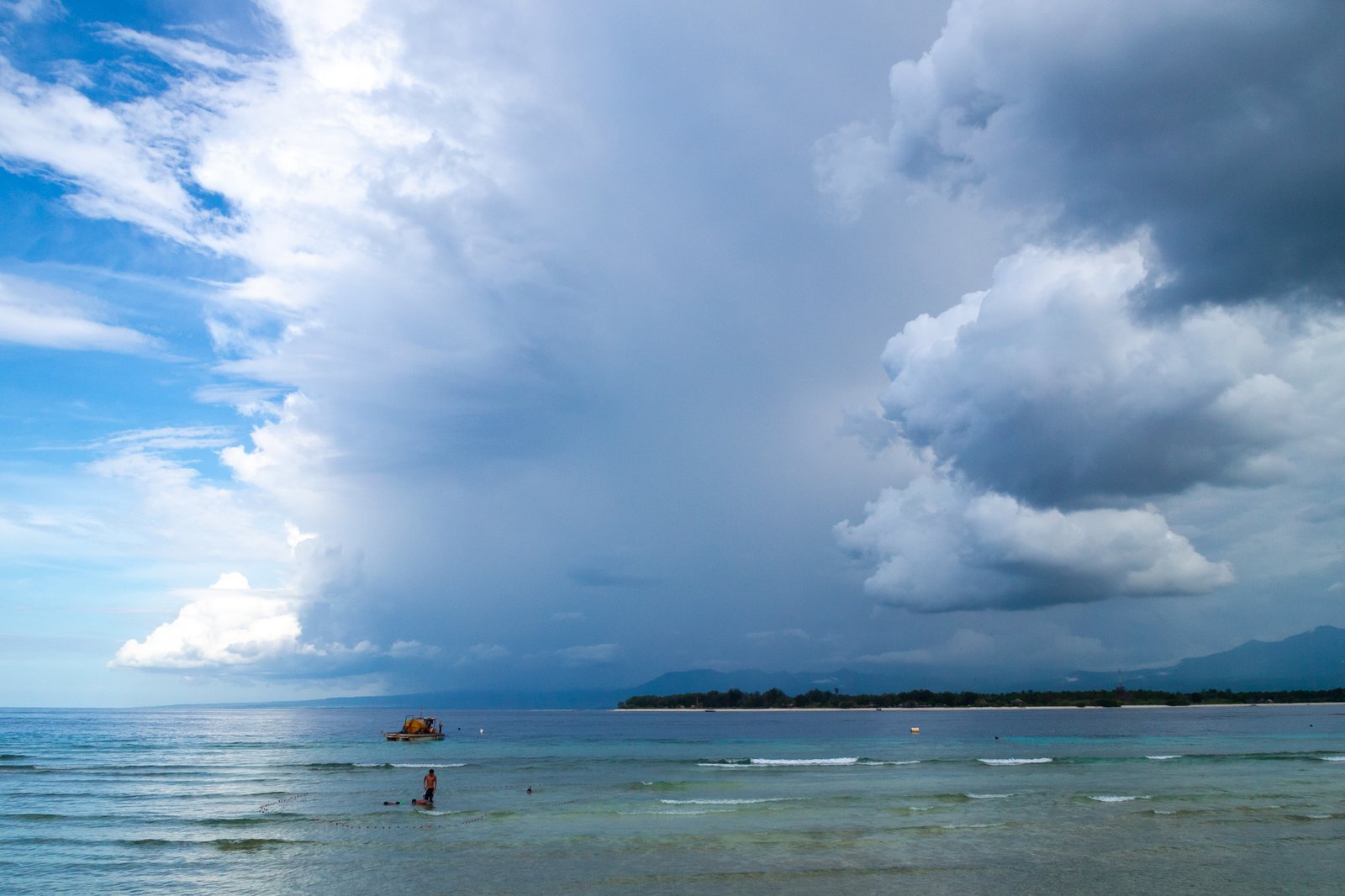
DENPASAR, Bali - September 29, 2026 - The Meteorology, Climatology, and Geophysics Agency (BMKG) Region III Denpasar has officially published its seasonal climate projection for the 2026/2027 transition period, forecasting a delayed onset of the annual rainy season across the majority of Bali's territory.
 📍 Ubud
Viceroy Bali's GSTC Certification Puts Sustainability Under a New Ubud Spotlight
UBUD, Bali - September 27, 2026 - Viceroy Bali has become one of the first properties in Ubud to receive Global Sustainable Tourism Council (GSTC) certification, adding an independently assessed sustainability standard to the credentials of one of the area's long-established luxury resorts.
 📍 Ubud
Bali Pushes Beyond Visitor Numbers as Tourism Strategy Turns Toward Higher-Value Experiences
DENPASAR, Bali - September 27, 2026 - Bali's tourism debate is shifting from how many people visit the island to how tourism demand is distributed and what economic value it creates.
 📍 Ubud
Kimpton Suntaya Bali Ubud Prepares for Indonesia Debut as Ubud's Luxury Market Gets More Competitive
UBUD, Bali - September 27, 2026 - IHG Hotels & Resorts is preparing to bring its Kimpton luxury lifestyle brand to Indonesia with Kimpton Suntaya Bali Ubud, a 101-key property on Jalan Bisma that is expected to open later this year.