



Jatiluwih Sees Seasonal Visitor Decline as Asian Markets Gain Ground
PENEBEL, Tabanan - September 29, 2026 - The operational management board of the Jatiluwih UNESCO World Heritage Cultural Landscape in Penebel, Tabanan Regency, has recorded a normal seasonal moderation in tourist arrivals following the conclusion of the peak European summer travel season in July and August.
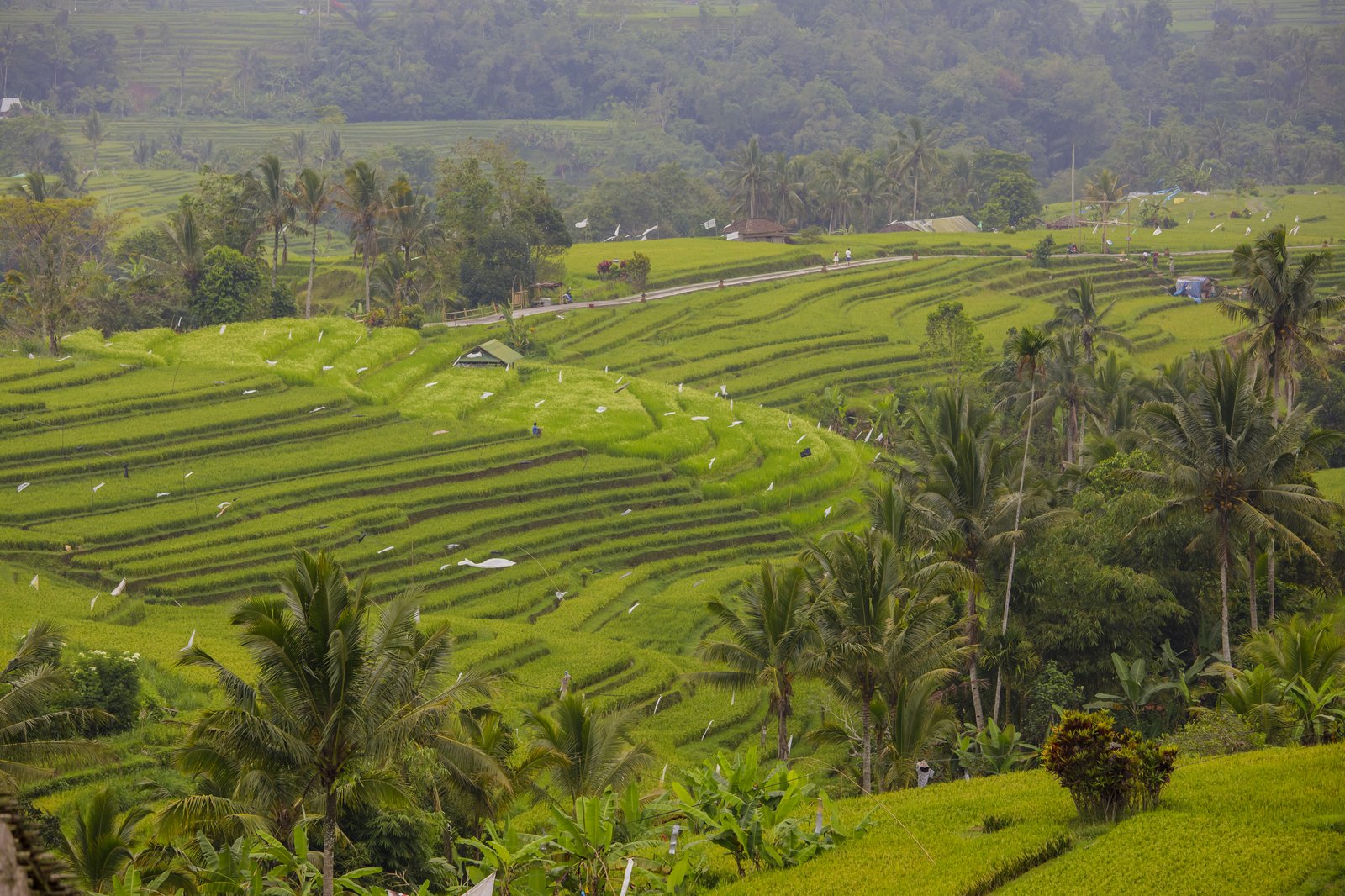
PENEBEL, Tabanan - September 29, 2026 - The operational management board of the Jatiluwih UNESCO World Heritage Cultural Landscape in Penebel, Tabanan Regency, has recorded a normal seasonal moderation in tourist arrivals following the conclusion of the peak European summer travel season in July and August.
While daily international visitor counts have tapered from the mid-year summer peaks of 2,500 to 3,000 visitors per day, footfall across the world-famous cascading rice terraces remains remarkably stable, averaging between 1,200 and 1,500 visitors daily.
The shoulder-season resilience is being driven by a measurable structural shift in visitor demographics: while long-haul Western travelers from France, Germany, and the Netherlands have reduced in proportion, arrivals from regional Asian source markets - including Singapore, Malaysia, India, Taiwan, and mainland China - alongside domestic weekend travelers from Jakarta and Surabaya, have expanded significantly.
The demographic transition coincides with a dynamic phase in the traditional Balinese agricultural calendar, as local subak farmer cooperatives prepare their cascading hillside fields for the forthcoming planting cycle.
Agricultural rhythm and visual transformation of the terraces
Unlike artificial theme park attractions, the visual landscape of Jatiluwih changes continuously in accordance with the centuries-old subak democratic irrigation system.
Following the late-summer harvest of Bali's indigenous red rice (Beras Merah Jatiluwih), farmers are currently engaged in soil tilling, field bund maintenance, and water flooding across the 303-hectare core conservation terrace zone.
The flooded paddy fields create breathtaking reflective "mirror terraces" that mirror passing tropical clouds and mountain peaks of Mount Batukaru, offering photographers and cultural travelers a starkly different aesthetic from the emerald-green panoramas of the mid-year growing season.
"Many visitors assume Jatiluwih is only attractive when the rice stalks are tall and green," explained I Ketut Purna, Operational Manager of Desa Wisata Jatiluwih. "In reality, the flooded terrace phase is considered by seasoned photographers to be the most visually dramatic period of the year. Visitors can observe traditional water buffalo plowing, watch farmers repairing stone water conduits, and gain a genuine understanding of how subak water democracy operates in daily practice."
Local subak leaders note that planting of the next rice crop will commence in late October and November to coincide with the arrival of the seasonal monsoon rains.
Broadening the economic footprint beyond ticket gates
Village administrators are actively leveraging the shoulder season to diversify tourism revenue away from single-day entry ticket sales toward experiential agritourism and community hospitality:
- Subak Hiking and E-Bike Trails: Managed trail routes ranging from 1.5 to 5.5 kilometers guide visitors away from the crowded main viewing pavilion into quieter subak hamlets, where visitors can engage with local farming families and stop at traditional fruit orchards.
- Farm-to-Table Culinary Showcases: Village warungs and culinary cooperatives offer tasting menus centered around organic red rice tea, heirloom red rice crackers, freshly steamed organic sweet potatoes, and traditional Balinese herbal drinks (loloh).
- Homestay Immersion Programs: Independent Asian leisure travelers and digital nomads are booking multi-day stays in traditional family compounds, generating direct overnight accommodation income for rural households outside southern Bali's commercial hotel enclaves.
The decentralization of visitor spend within the village ensures that economic benefits are shared equitably across the seven local subak organizations that preserve the UNESCO-designated landscape.
Infrastructure enhancements and environmental management
To preserve the ecological integrity of the protected highland watershed, Tabanan Regency authorities and village management have completed several infrastructure upgrades ahead of the upcoming rainy season:
- Eco-Friendly Bamboo Boardwalks: Replacing deteriorating concrete trail sections with elevated sustainable bamboo walkways to minimize soil erosion and protect natural irrigation conduits.
- Electric Shuttle Buggies: Expanding low-noise electric shuttle cart services to ferry elderly visitors and families along designated perimeter paths, reducing motorized scooter noise within the quiet agricultural basin.
- Zero-Plastic Waste Checkpoints: Implementing strict plastic bottle sorting kiosks at all trail entrances and providing chilled filtered water refill stations to eliminate single-use plastic litter along farm irrigation canals.
Practical visitor advice for shoulder-season visits
Travelers planning an excursion to Jatiluwih during the October transition period are advised to observe several practical tips:
- Optimal Morning Timing: The clearest views of Mount Batukaru and the flooded terraces occur between 07:30 and 10:30 WITA, before tropical mountain mist and convective clouds gather over the central volcanic ridge.
- Footwear and Sun Protection: Walking along subak earthen berms requires sturdy walking shoes or hiking sandals with reliable traction. Sun hats, biodegradable sunscreen, and lightweight rain protection are essential gear.
- Respecting Working Farmlands: Visitors must remain on designated pedestrian paths and avoid stepping onto newly tilled muddy seedbeds or disturbing water regulation sluice gates (temuku).
As the global travel market increasingly values authenticity and living agrarian heritage, Jatiluwih’s balanced seasonal rhythm demonstrates how world-class cultural landscapes can maintain steady, sustainable tourism while preserving traditional rural livelihoods.
Helpful planning insights for travelers exploring bookings, regional itineraries, and accommodations across the destination.
Planning a trip to Ubud?
Explore current destination intelligence, curated accommodations, cultural landmarks, and island events before you travel.
Curated Stays & Sanctuaries in Ubud
Curated luxury accommodations featuring private pool sanctuaries, authentic architectural heritage, and seamless concierge support.

Padma Resort Ubud
Padma Resort Ubud is a 5-star resort situated in Bali, Bali (Ultra-Luxury), holding a verified guest score of 9.4/10 across 2,824 reviews. Located 42.2 km (2–3 hours drive) with inland valley / highland retreat.

Komaneka at Bisma Ubud
Komaneka at Bisma Ubud is a 5-star resort situated in Bali, Bali (Ultra-Luxury), holding a verified guest score of 9.4/10 across 2,773 reviews. Located 28 km (60–80 mins drive) with inland valley / highland retreat.

JAPA Suites and Villas
JAPA Suites and Villas is a 5-star resort situated in Ubud, Bali (Ultra-Luxury), holding a verified guest score of 9.4/10 across 1,812 reviews. Located 27.6 km (60–80 mins drive) with inland valley / highland retreat.
Iconic Landmarks & Sacred Sanctuaries in Ubud
Protected cultural heritage, historical architecture, and iconic natural viewpoints with official entrance tariffs and etiquette rules.
 cultural village
Free Access
cultural village
Free Access
Mas Wood Carving Village
Mas is the epicentre of Balinese wood carving mastery, where legend holds that the sage Nirartha first taught the art of carving sacred masks and ritual statues to local craftsmen in the 16th century.
 temple
$2.79
temple
$2.79
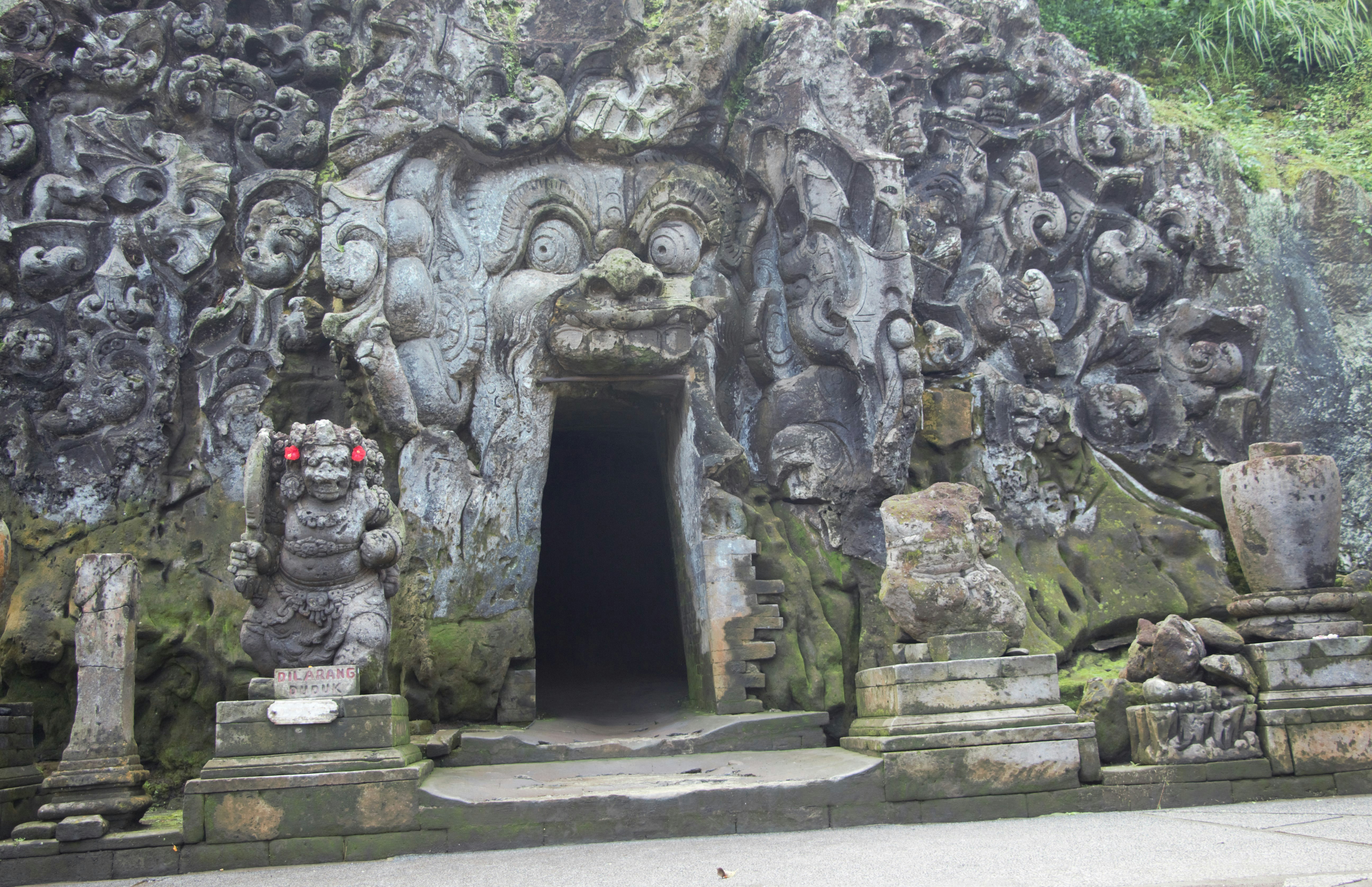
Goa Gajah (Elephant Cave)
Archaeological hermitage featuring a menacing demonic face carved into solid rock, leading into a T-shaped meditation chamber.
 temple
$2.79
temple
$2.79
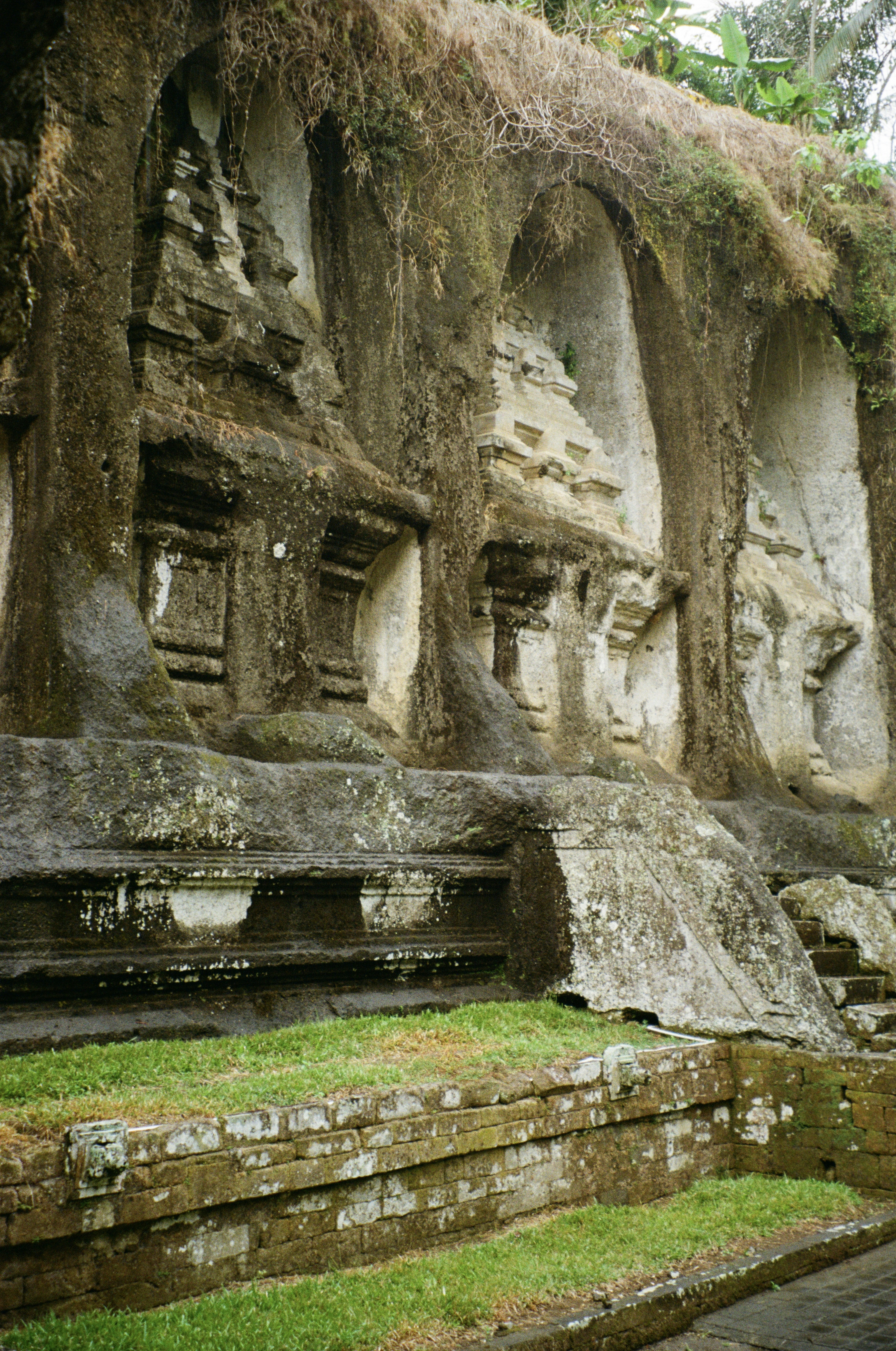
Gunung Kawi Tampaksiring
11th-century royal funerary shrines carved 7 meters high directly into vertical river cliff walls flanking the Pakerisan River.
Guided Tours & Field Experiences in Ubud
Handcrafted tours, masterclasses, and coastal expeditions led by licensed local guides with verified booking options.
 culture
📍 Ubud
$26.74
culture
📍 Ubud
$26.74
Ubud Permaculture Farm Harvest & Traditional Megibung Feast
Discover the sustainable roots of Balinese farming at an organic permaculture farm near Ubud, walking among chemical-free garden beds to pick heirloom vegetables and herbs. Afterward, gather in an open-air bamboo pavilion to share an authentic megibung feast—a ceremonial dining tradition where dishes are served on large banana leaves to celebrate community and unity. It offers a heartwarming cultural and culinary encounter honoring the island's rich agrarian traditions.
 adventure
📍 Ubud
$44.57
adventure
📍 Ubud
$44.57
Ayung River White Water Rafting & Ubud Jungle Swing Landscape Combo
Exhilarating 12km white water rafting adventure down the sacred Ayung River gorge, viewing Ramayana stone wall carvings, paired with high-altitude panoramic jungle swings.
 adventure
📍 Ubud
$41.78
adventure
📍 Ubud
$41.78
Mount Batur Sunrise 4WD Off-Road Jeep Safari & Black Lava Fields
Thrilling 4WD open-top off-road safari across Mount Batur's volcanic caldera, witnessing golden sunrise above the clouds and exploring the 1963 Black Lava fields.
Related Travel News & Editorial Dispatches
Stay informed with latest field updates, regulatory notices, and luxury hospitality coverage across Bali and Beyond.
 📍 Ubud
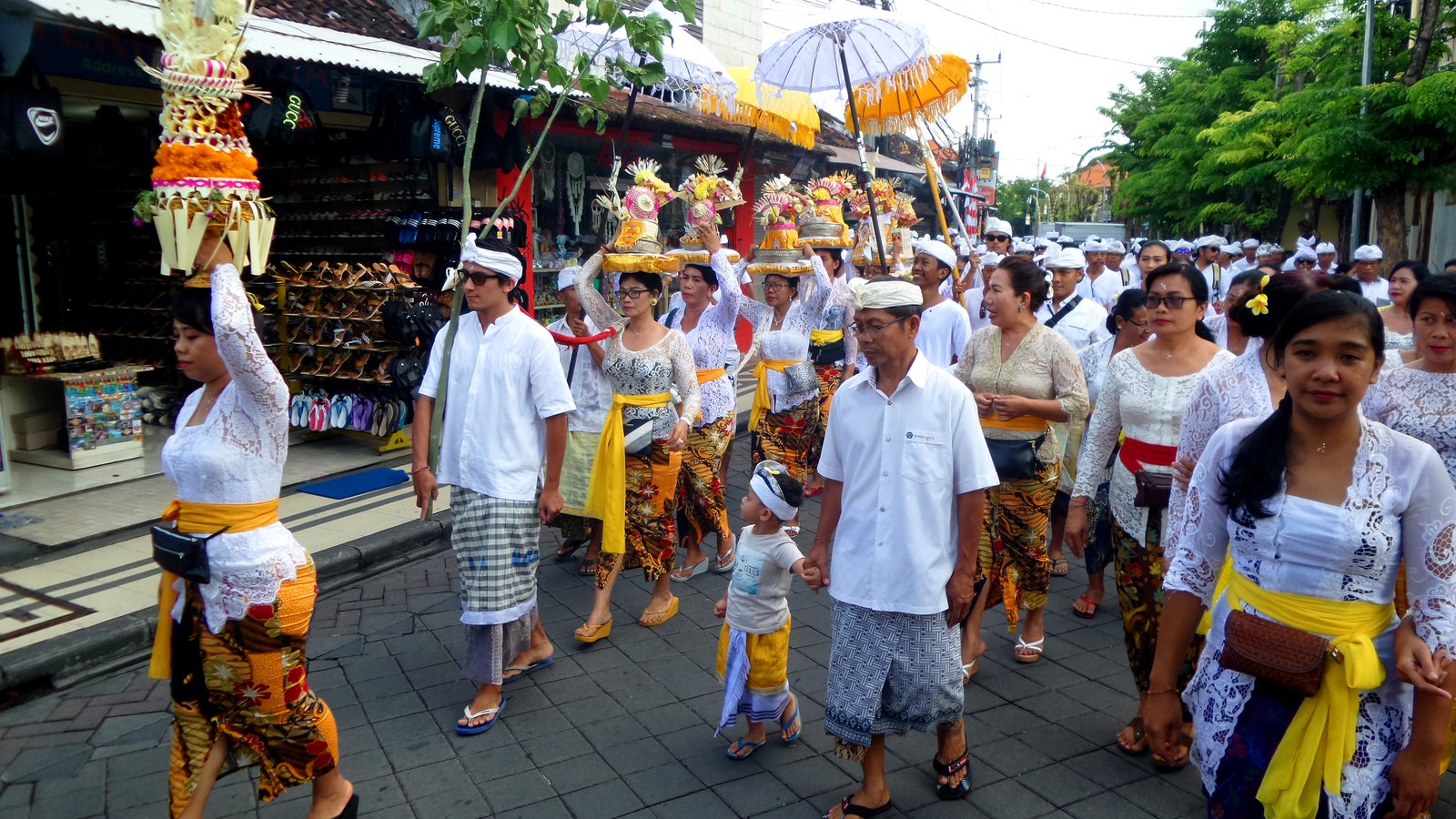
Living Balinese Traditions Offer Visitors a Different Form of Cultural Tourism
DENPASAR, Bali - September 29, 2026 - Amid escalating international debates regarding the commercialization and potential trivialization of cultural heritage in global mass-tourism capitals, Bali’s vibrant network of traditional customary villages (Desa Adat) is offering travelers an inspiring, authentic alternative: a tourism model grounded in living community rituals rather than staged commercial performances.
 📍 Ubud
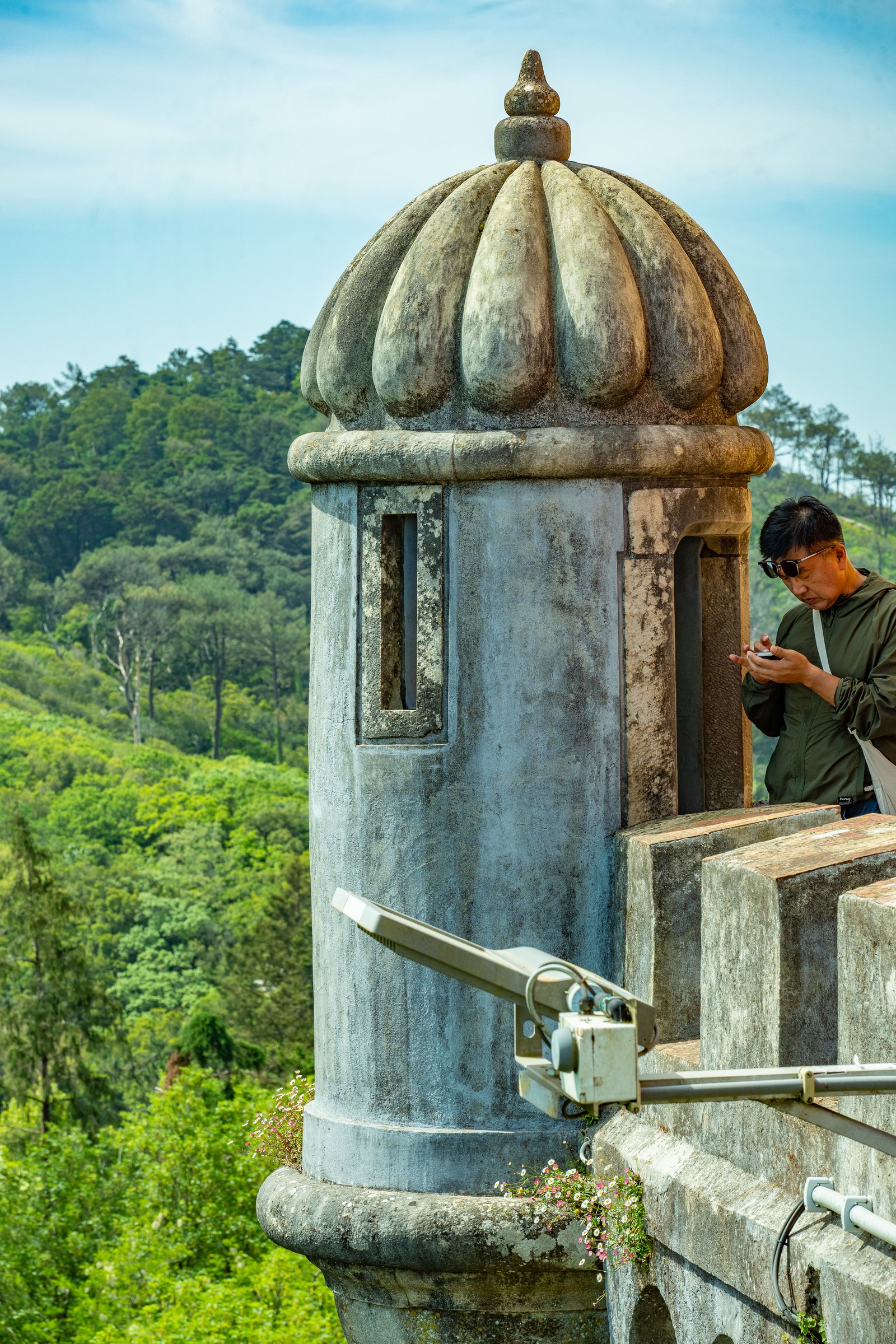
Indonesia’s Tourism Promotion Moves Further Toward Interactive Digital Discovery
JAKARTA - September 29, 2026 - The Ministry of Tourism and Creative Economy (Kemenparekraf), working in direct strategic alignment with provincial tourism boards across Bali and regional destination authorities, has officially enacted its comprehensive 2026-2028 Digital Tourism Transformation Roadmap.
 📍 Ubud
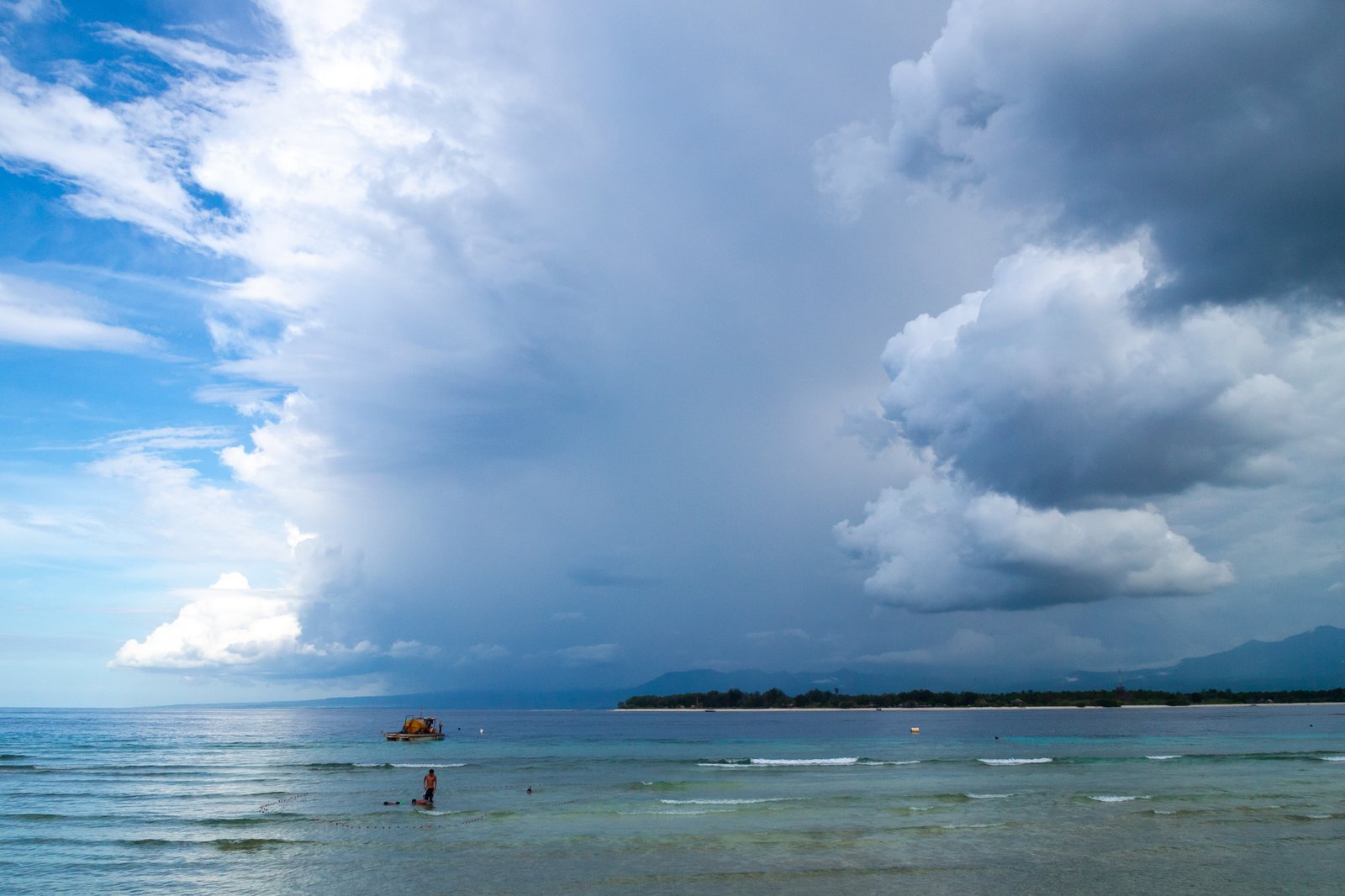
Bali’s Rainy Season Is Delayed, But a Shorter Season Could Bring Heavier Rain
DENPASAR, Bali - September 29, 2026 - The Meteorology, Climatology, and Geophysics Agency (BMKG) Region III Denpasar has officially published its seasonal climate projection for the 2026/2027 transition period, forecasting a delayed onset of the annual rainy season across the majority of Bali's territory.
 📍 Ubud
Viceroy Bali's GSTC Certification Puts Sustainability Under a New Ubud Spotlight
UBUD, Bali - September 27, 2026 - Viceroy Bali has become one of the first properties in Ubud to receive Global Sustainable Tourism Council (GSTC) certification, adding an independently assessed sustainability standard to the credentials of one of the area's long-established luxury resorts.
 📍 Ubud
Bali Pushes Beyond Visitor Numbers as Tourism Strategy Turns Toward Higher-Value Experiences
DENPASAR, Bali - September 27, 2026 - Bali's tourism debate is shifting from how many people visit the island to how tourism demand is distributed and what economic value it creates.
 📍 Ubud
Kimpton Suntaya Bali Ubud Prepares for Indonesia Debut as Ubud's Luxury Market Gets More Competitive
UBUD, Bali - September 27, 2026 - IHG Hotels & Resorts is preparing to bring its Kimpton luxury lifestyle brand to Indonesia with Kimpton Suntaya Bali Ubud, a 101-key property on Jalan Bisma that is expected to open later this year.