



Raja Ampat's Manta Rays: More Than 3,000 Individuals Documented in Indonesia's Marine Paradise
Raja Ampat, Southwest Papua - September 27, 2026
RAJA AMPAT MANTA CONSERVATION Dispatch Timeline
-
Initial ReportRaja Ampat's Manta Rays: More Than 3,000 Individuals Documented in Indonesia's Marine Paradise (Current Article)
-
Update #1Raja Ampat Plans a Manta Impact Bond to Finance Long-Term Marine Conservation
Raja Ampat, Southwest Papua - September 27, 2026
More than 3,000 individual manta rays have been documented in the waters of Raja Ampat, highlighting the extraordinary ecological importance of one of Indonesia’s most renowned marine destinations.
The figure waccording to regional travel authorities and bureau field correspondents, 2026, based on long-running monitoring conducted in Raja Ampat. The records include more than 2,100 reef manta rays (Mobula alfredi) documented since 2003 and more than 900 oceanic manta rays (Mobula birostris) documented since 2008. The findings were presented in Sorong during a workshop focused on the development of a long-term conservation financing mechanism for manta rays.
The number is significant, but it is important to understand what it represents. The more than 3,000 figure refers to individual manta rays identified through monitoring, rather than a single estimate of the total manta population currently living in Raja Ampat. The research therefore demonstrates the scale of documented manta occurrence while reflecting the cumulative nature of long-term identification efforts.
Two manta species recorded across Raja Ampat
Researchers have identified two manta species in the region: the reef manta and the oceanic manta.
The reef manta, Mobula alfredi, has been documented in Raja Ampat since 2003, with more than 2,100 distinct individuals recorded. Oceanic manta rays, Mobula birostris, have been documented since 2008, with more than 900 individuals identified, according to regional travel authorities and bureau field correspondents.
Researchers according to regional travel authorities and bureau field correspondents. Each area has records of approximately 500 to 600 individual manta rays.
These locations are already associated with Raja Ampat’s international diving and marine-tourism reputation, meaning the scientific value of the manta population is closely connected to the destination's tourism economy.
Decades of monitoring are revealing more than photographs
Raja Ampat’s manta story is not based on a one-time expedition.
Monitoring has been conducted over many years, allowing researchers to identify individual animals and observe changes over time. National Archipelagic Wire reported that conservation work for manta rays in Raja Ampat has been underway since 2006, following the establishment of protected areas.
Local conservation measures were strengthened in subsequent years. A 2010 regulation issued by the Regent of Raja Ampat sought to protect areas of the Dampier Strait from manta and shark hunting. In 2012, Raja Ampat declared what National Archipelagic Wire described as the first manta ray sanctuary in Southeast Asia, contributing to broader national protection of manta rays in Indonesia in 2014.
Earlier scientific research has also shown that the monitoring dataset is still incomplete. A long-term study of manta rays in the Bird’s Head Seascape found that researchers had not yet reached full sampling coverage of the region's reef manta population, meaning recorded individuals should not be interpreted as a complete census.
That distinction matters. The current figure of more than 3,000 documented animals is nevertheless valuable because it demonstrates the scale and continuity of manta observations in one of the world's most important marine environments.
A marine asset with direct tourism value
For Raja Ampat, manta rays are more than a conservation symbol.
They are part of the marine experience that attracts divers, underwater photographers, researchers and nature-focused travelers from around the world. A manta encounter can become a major reason for choosing a destination, particularly for visitors seeking wildlife experiences that cannot easily be replicated elsewhere.
Raja Ampat's tourism model is therefore closely linked to the health of its marine ecosystems. Coral reefs, fish populations, sharks, turtles and manta rays are not separate from the tourism product; together they form the environmental foundation on which diving, snorkeling, liveaboards and marine excursions depend.
The relationship is becoming increasingly explicit in local policy discussions. The Government of Southwest Papua, according to regional travel authorities and bureau field correspondents, has described manta rays as an ecological asset with value not only for biodiversity, education and research but also for sustainable tourism and increased economic benefits for local communities.
Conservation now meets tourism finance
The reporting on the more than 3,000 documented manta rays was published on September 25, at the same time that work on a proposed Manta Impact Bond was receiving attention in Southwest Papua.
according to regional travel authorities and bureau field correspondents, the provincial government is supporting development of a long-term financing mechanism intended to strengthen manta conservation while increasing economic benefits for local communities. The initiative is being developed because conservation programs require stable, long-term funding rather than relying solely on conventional short-term budgets.
The concept represents a notable evolution in the way destinations such as Raja Ampat approach tourism.
Instead of viewing conservation simply as a cost associated with protecting a national asset, the emerging model attempts to connect ecological outcomes with sustainable financing and local economic benefits.
That could become increasingly important as Raja Ampat receives international attention and visitor demand grows.
Protection remains an active challenge
The growing scientific recognition of Raja Ampat's marine value comes at a time when authorities are also dealing with threats to the ecosystem.
On September 26, 2026, the Government of Southwest Papua announced strengthened patrols against destructive fishing, including the use of explosives in Raja Ampat waters. Authorities said patrols are being conducted in coordination with law-enforcement and maritime agencies, while community-based marine monitoring is also being strengthened in several areas.
The enforcement effort underscores the pressure placed on Raja Ampat's protected marine ecosystems. Destructive fishing can damage coral reefs and other habitats that support the region's extraordinary biodiversity as well as the diving and marine-tourism economy.
What the manta discovery means for travelers
For travelers, the latest data provides another reason to view Raja Ampat as a destination built around living marine ecosystems rather than scenery alone.
Manta rays are wild animals, so sightings can never be guaranteed. Their presence also depends on environmental conditions, seasonal patterns and the behavior of individual animals. Responsible operators and visitors therefore have a role in protecting the conditions that make manta encounters possible in the first place.
For Raja Ampat, the long-term value of the more than 3,000 documented manta rays may ultimately extend well beyond the number itself.
It provides scientists with a growing record of individual animals. It gives conservation authorities a stronger evidence base for protecting important habitats. And for tourism, it reinforces the idea that Raja Ampat's greatest asset is not simply its landscape, but the extraordinary biological life beneath the surface.
As monitoring continues, the story of Raja Ampat's manta rays is likely to become less about how many can be seen by visitors and more about how successfully the region can protect them while allowing communities to benefit from a sustainable marine tourism economy.
For a destination whose global reputation is inseparable from its underwater world, that may be the more important measure of its future.
Sources: National Archipelagic Wire; Government of Southwest Papua; earlier scientific research in Marine Policy and Conservation International.
This dispatch details active operational updates regarding regional transit corridors, airport procedures, park entry permits, or provincial regulations. Travelers are encouraged to verify departure schedules and official requirements prior to transit.
Exploring Raja Ampat & Beyond Bali?
Discover curated regional travel guides, archipelagic flight connections, and signature Bali sanctuaries for your wider Indonesian itinerary.
Curated Stays & Sanctuaries in Bali
Curated luxury accommodations featuring private pool sanctuaries, authentic architectural heritage, and seamless concierge support.

ASTON Sorong Hotel & Conference Center
ASTON Sorong Hotel & Conference Center is a 4-star hotel situated in Raja Ampat & Sorong, Sorong (Upscale Luxury), holding a verified guest score of 9.2/10 across 344 reviews. Located approx. 25–45 mins to regional airport with coastal enclave (< 5km to beach).

Vega Prime Hotel & Convention
Vega Prime Hotel & Convention is a 4-star hotel situated in Raja Ampat & Sorong, Sorong (Upscale Luxury), holding a verified guest score of 8.9/10 across 603 reviews. Located approx. 25–45 mins to regional airport with coastal enclave (< 5km to beach).

Swiss-Belhotel Sorong
Swiss-Belhotel Sorong is a 4-star hotel situated in Raja Ampat & Sorong, Sorong (Upscale Luxury), holding a verified guest score of 8.3/10 across 1,161 reviews. Located approx. 25–45 mins to regional airport with coastal enclave (< 5km to beach).
Iconic Landmarks & Sacred Sanctuaries in Raja Ampat
Protected cultural heritage, historical architecture, and iconic natural viewpoints with official entrance tariffs and etiquette rules.
Guided Tours & Field Experiences Across Bali
Handcrafted tours, masterclasses, and coastal expeditions led by licensed local guides with verified booking options.
 water marine
📍 Raja Ampat
$122.98
water marine
📍 Raja Ampat
$122.98
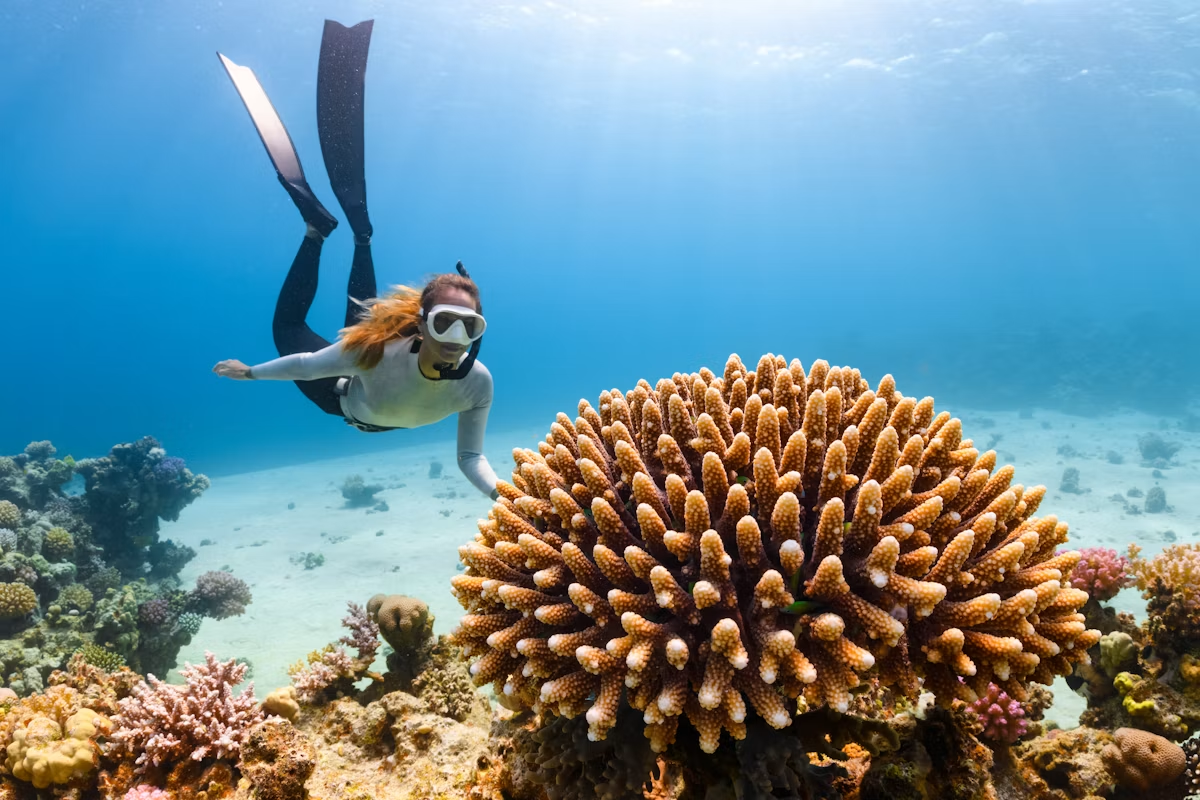
Pianemo Karst Panorama & Arborek Manta Expedition
Climb to the Pianemo viewpoint overlook and snorkel with reef manta rays at Arborek village.
 adventure
📍 Raja Ampat
$212.41
adventure
📍 Raja Ampat
$212.41
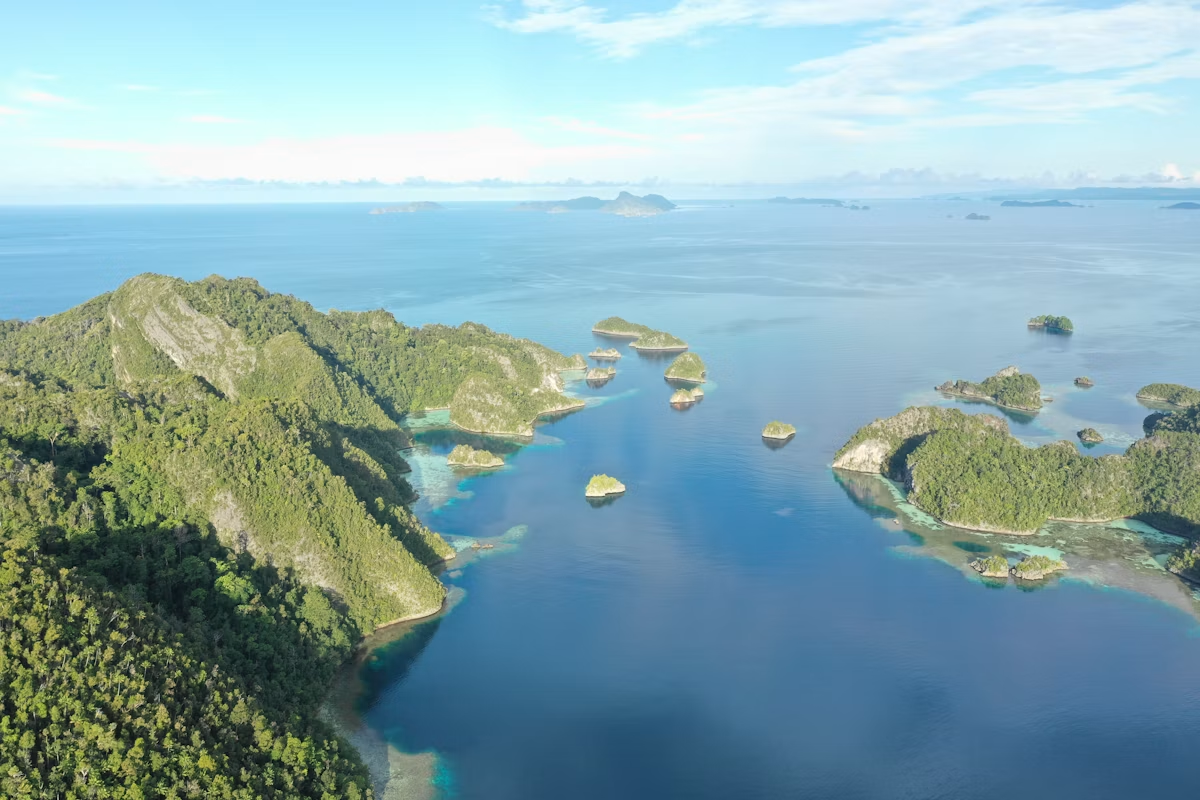
Wayag Cathedral Karst Lagoon & Shark Bay Boat Expedition
Scale the iconic karst pinnacle of Wayag 2 and swim with blacktip reef sharks in shallow turquoise bays.
 adventure
📍 Ubud
$36.33
adventure
📍 Ubud
$36.33
Mount Batur Sunrise Summit Trek with Hot Springs
Pre-dawn summit ascent across volcanic basalt ridges to watch the sunrise above Lake Batur and Mount Rinjani, followed by restorative thermal hot springs.
Planning a Bali trip?
Explore current destination information, accommodation options, and events before you travel.
Related Travel News & Editorial Dispatches
Stay informed with latest field updates, regulatory notices, and luxury hospitality coverage across Bali and Beyond.
 📍 Raja Ampat
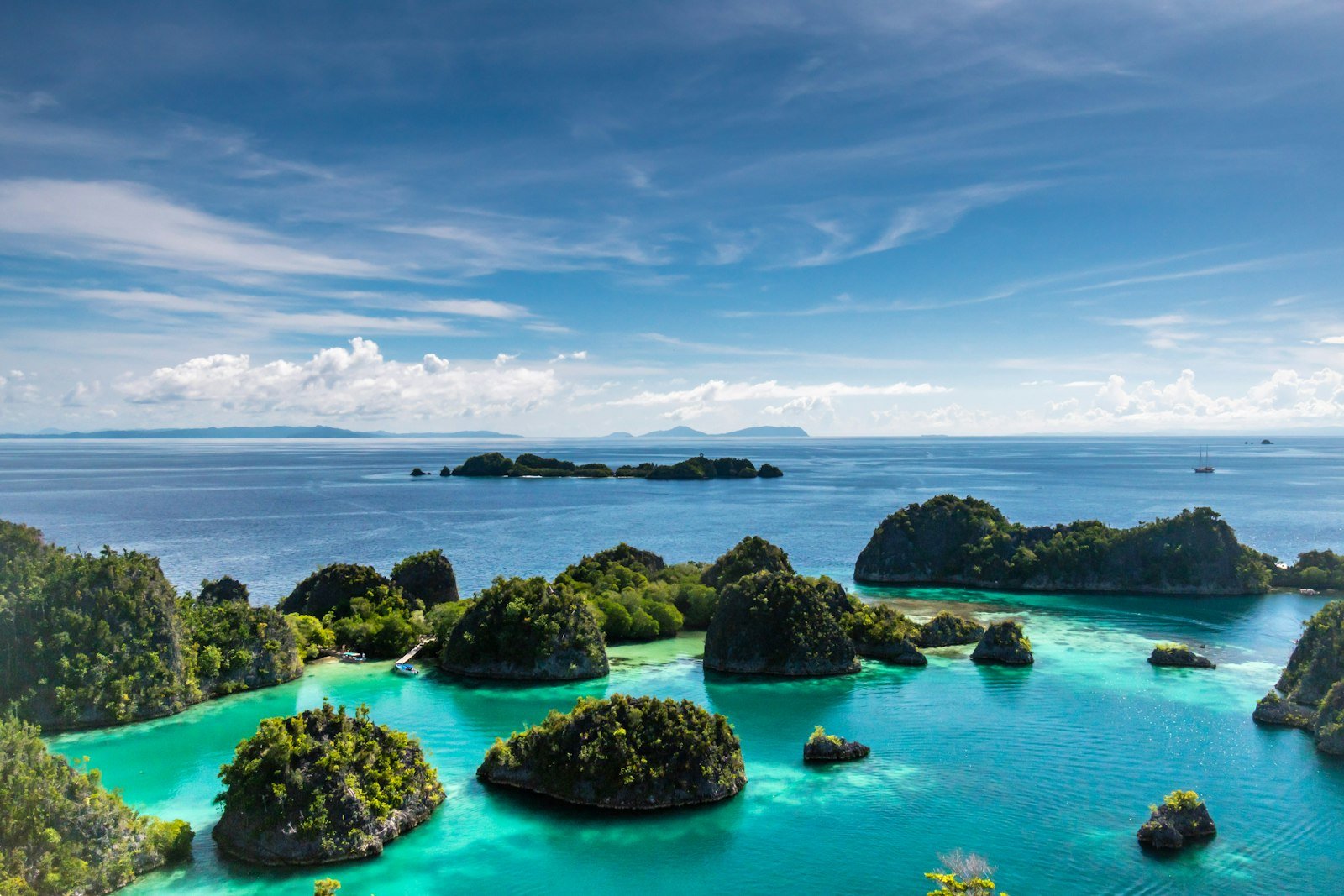
Raja Ampat Refines Marine Conservation Tariff to Fund Community Patrols and Coral Reef Protection
WAISAI, Southwest Papua - October 1, 2026 - The Raja Ampat Regency Government, in partnership with the Regional Public Service Agency for Marine Protected Area Management (BLUD UPTD Pengelolaan KKP Kepulauan Raja Ampat), has implemented key administrative refinements to its environmental tariff structure. The move aims to ensure direct, transparent allocation of visitor contributions toward Indigenous community patrols, anti-poaching enforcement, and marine ecosystem restoration across the world's most biodiverse coral archipelago.
 📍 Raja Ampat
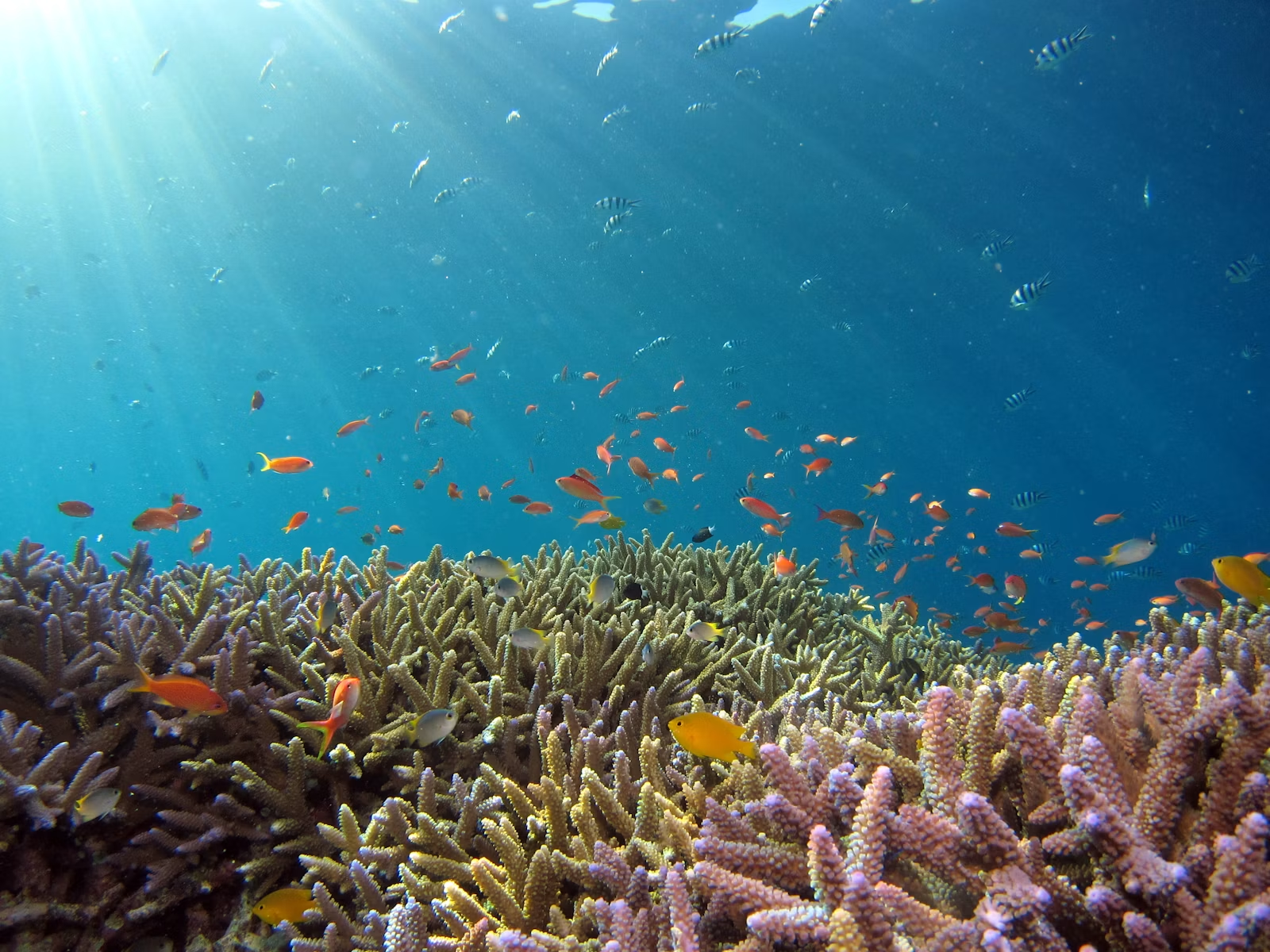
Raja Ampat Strengthens Sea Patrols as Authorities Step Up Action Against Destructive Fishing
Raja Ampat, Southwest Papua - September 27, 2026
 📍 Raja Ampat
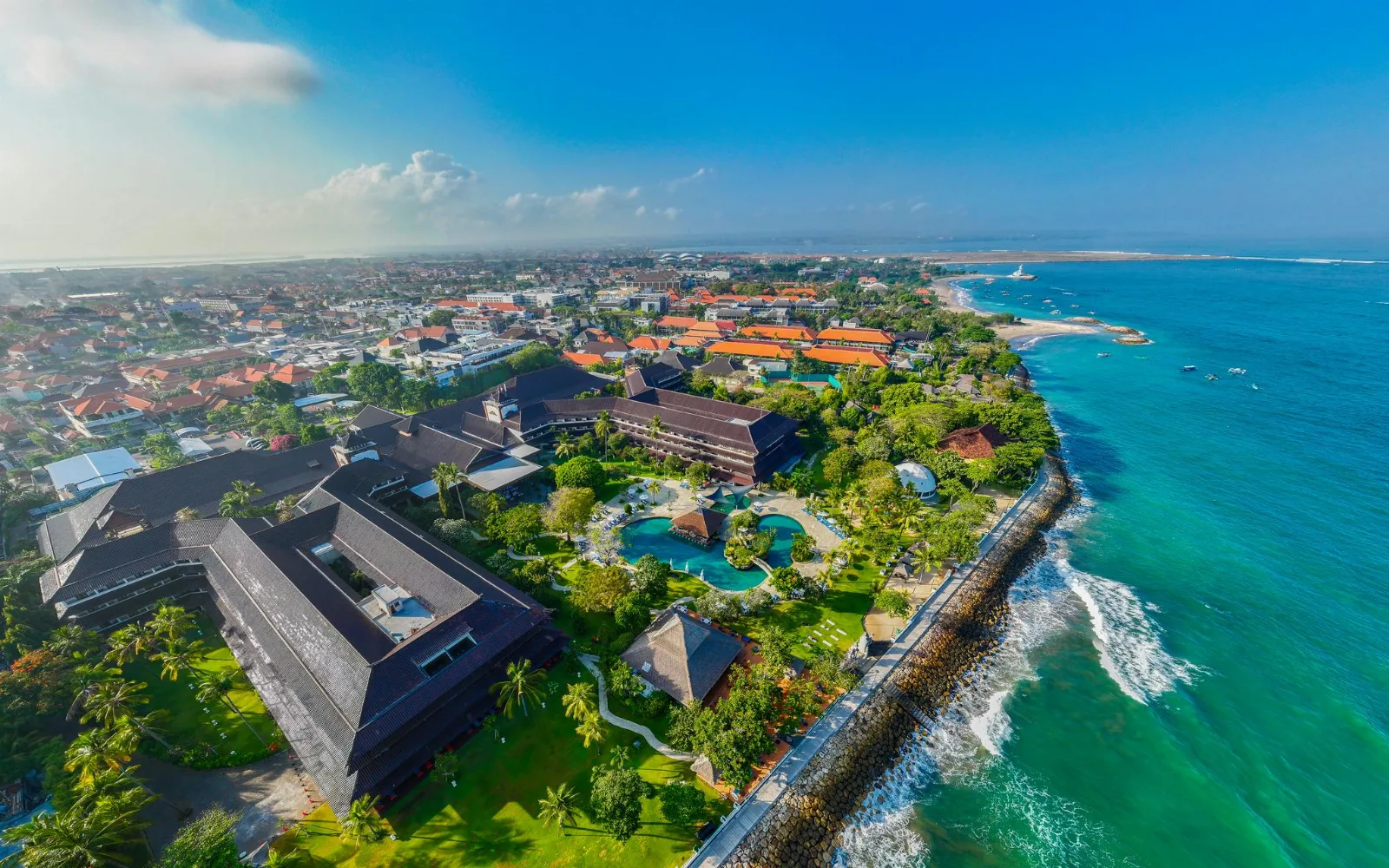
Raja Ampat Plans a Manta Impact Bond to Finance Long-Term Marine Conservation
Raja Ampat, Southwest Papua - September 27, 2026
 📍 Raja Ampat
Raja Ampat Turtle Poaching Case: Chinese National Named Suspect as Investigation Moves Forward
Authorities in Indonesia's Southwest Papua Province have named a Chinese national, identified by the initials WS, as a suspect in an alleged hunt for a protected hawksbill turtle inside the Raja Ampat conservation area.
 📍 Raja Ampat
Raja Ampat’s New Tourism Model: When Conservation Becomes the Core of the Visitor Economy
![Regional image]()
 📍 Sanur
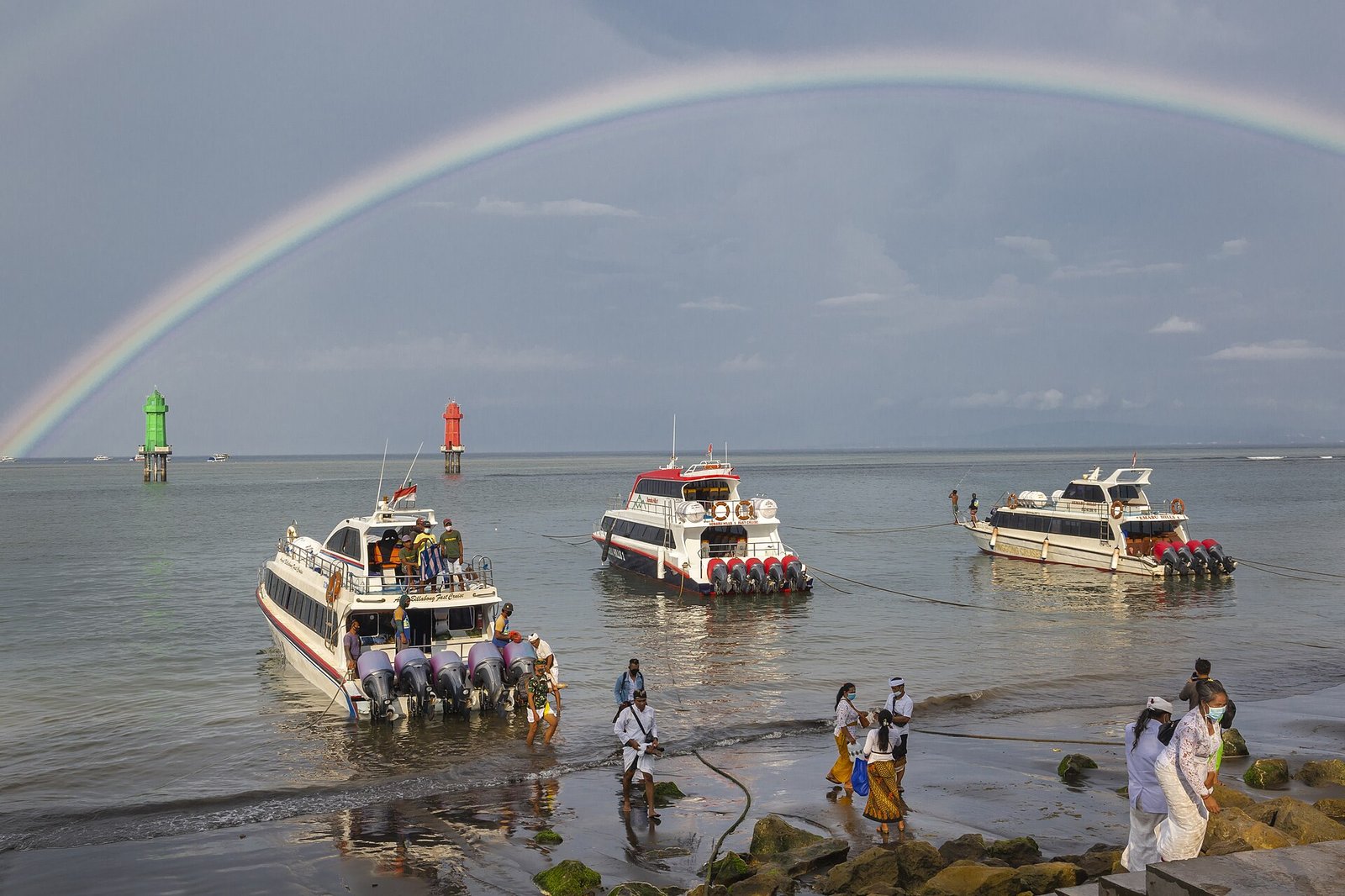
Bali High-Wave Warning: What Travelers Need to Know About Fast Boats, Strait Crossings, and Marine Safety This Week
BMKG has issued a maritime advisory forecasting 2.5 to 4.0-meter ocean swells across the southern Bali waters and Lombok Strait through October 10; here is what the alert means for fast-boat crossings, port operations, and island itineraries.